Empowering Your Security: Beyond MFA To True Cyber Protection
By Tom Seest
At BestCyberSecurityNews, we help teach entrepreneurs and solopreneurs the basics of cybersecurity and its impact on their businesses by using simple concepts to explain difficult challenges.
Please read and share any of the articles you find here on BestCyberSecurityNews with your friends, family, and business associates.
Can MFA Alone Secure Your Cybersecurity?
In a world where digital threats loom larger every day, the question isn’t just if we’re secure; it’s how we can be secure enough. Multi-Factor Authentication (MFA) often sings a hopeful tune, promising enhanced cybersecurity with just a few added steps. Yet, can MFA alone really shield us from the ever-growing wave of cyber threats?
Let’s paint a picture. Imagine a sturdy front door—high quality, with a heavy lock. That’s your password. MFA is like adding a second lock, maybe a deadbolt, right? It makes it harder for the bad guys to get in. But here’s the kicker: if someone leaves the window wide open, those locks don’t mean much. It’s easy to think that just having MFA makes you untouchable, but it doesn’t account for the myriad ways your digital home can be breached.
People often feel a false sense of security when relying solely on MFA. It’s like trusting that your car’s alarm is all it needs to keep it safe, while the doors are left unlocked. Security isn’t just about fancy tools; it’s about an attitude—a mindset that every aspect of cybersecurity matters. This isn’t just technical talk; it’s about protecting livelihoods, dreams, and hard-earned savings. It’s personal.
Let’s think practically. No one likes to suffer the consequences of a digital breach. The financial and emotional toll can be staggering. It’s your neighbors, your friends—you might even know someone who’s been a victim. Knowing that you’re doing your part, layering your defenses with MFA while still being aware of vulnerabilities fosters a sense of responsibility. It’s not just about you; it’s about the community too.
When we rely solely on MFA, we risk becoming complacent. It’s like thinking you’ve got the best lifeboat but ignoring the stormy seas ahead. Cybersecurity needs a diverse strategy: strong passwords, regular updates, good habits. This isn’t just a tech problem; it’s a cultural one. We all have to pull together, share stories, and learn from each other’s experiences. Trust is built on shared knowledge and proactive measures.
So, when you look at your cybersecurity framework, remember that MFA is just one piece of the puzzle. It’s vital, sure, but don’t let it lull you into a false sense of security. Stay vigilant, stay informed, and act with purpose. The digital landscape is unpredictable, but together, with the right mindset and tools, we can weather any storm.

Can MFA Alone Secure Your Cybersecurity?
Can MFA Alone Secure Your Cybersecurity?
- Digital threats are increasing, raising the importance of comprehensive security measures.
- Multi-Factor Authentication (MFA) adds an extra layer of security but is not foolproof.
- Relying solely on MFA creates a false sense of security, neglecting other vulnerabilities.
- Cybersecurity requires a mindset that values all aspects of protection, not just tools.
- Digital breaches can have severe financial and emotional consequences for individuals and communities.
- A diverse security strategy, including strong passwords and regular updates, is essential.
- MFA is just one part of a bigger security puzzle; vigilance and community awareness are crucial.

Can MFA Alone Secure Your Cybersecurity?
Table Of Contents
- Can MFA Alone Secure Your Cybersecurity?
- Can MFA Really Stop All Cyber Threats?
- How Vulnerable Is My Data?
- What Happens If MFA Is Compromised?
- Is MFA User-Friendly for Everyone?
- Can I Trust MFA Providers Completely?
- What Are the Costs Of Implementing MFA?
- How Does MFA Impact Productivity?
- Conclusion
- Other Resources
- Glossary Of Terms
- Other Questions
- Haiku
- Poem
- Checklist
Can MFA Really Stop All Cyber Threats?
In an age where our lives are deeply intertwined with the digital world, nobody wants to be the one caught off guard by cyber threats. We see headlines about breaches and hacks, which make our skin crawl. Cybersecurity isn’t just about tech jargon; it’s about protecting ourselves, our families, and our livelihoods. That’s where Multi-Factor Authentication (MFA) steps in. It feels good to know there’s an extra layer of protection safeguarding our sensitive information—like a sturdy lock on the front door.
But let’s get real for a moment. While MFA can significantly boost security, it’s not an all-encompassing shield. It’s akin to having a solid fence around your property; it helps, but it doesn’t guarantee that a determined thief won’t find a way in. Cyber threats can be sneaky, and hackers are constantly honing their skills, finding clever ways to evade security measures. The idea that MFA can stop all attacks is a comforting thought, but it’s wise to stay vigilant and not let your guard down.
Think about your own story. How many times have you received a strange email or an unexpected message asking for your credentials? You might feel a knot in your stomach, knowing you’re potentially one click away from a world of trouble. MFA can mitigate that risk, adding layers of verification that are tougher for hackers to bypass. The extra step of confirming identity can often turn a moment of uncertainty into a sigh of relief.
Let’s face it; we’re all in this together. Sharing stories of close calls with cyber threats fosters a sense of community. It’s a reminder that while we may lock our doors at night, we can’t ignore the digital doors left ajar. By adopting MFA, you’re not just protecting yourself; you’re setting a standard for those around you. It’s the right thing to do—not only for your own peace of mind but also for the collective safety of friends, family, and colleagues.
When we make the effort to use MFA, we’re taking a stand against cyber threats. We want to feel empowered, knowing we are doing everything in our power to protect our corner of the internet. So, let’s embrace this safeguard together, reminding ourselves that while no system is foolproof, we can strengthen our defenses and face the future with confidence. By choosing MFA, we’re not just putting up barriers; we’re building a culture of awareness and resilience in the face of ever-evolving risks.

Can MFA Really Stop All Cyber Threats?
Can MFA Really Stop All Cyber Threats?
- Cybersecurity is crucial for protecting personal and familial livelihoods against cyber threats.
- Multi-Factor Authentication (MFA) adds an important layer of security, akin to a sturdy lock.
- MFA is not foolproof; it can mitigate risks but cannot guarantee complete safety.
- Cyber threats are increasingly sophisticated, and hackers continually adapt their methods.
- Using MFA can help with identity confirmation and reduce the impact of phishing attempts.
- Adopting MFA promotes a culture of collective safety and awareness within communities.
- While no system is infallible, using MFA helps strengthen defenses against evolving cyber risks.

Can MFA Really Stop All Cyber Threats?
How Vulnerable Is My Data?
In the age of technology, where our lives are stitched together by the threads of the internet, we often overlook how vulnerable our data really is. Imagine your home, a place filled with cherished memories and valuables, yet you leave the door wide open. That’s what it feels like when we disregard the importance of cybersecurity. It’s not just a tech-savvy term thrown around in boardrooms; it’s about safeguarding the very fabric of our daily lives—from our children’s pictures to our financial records.
Picture this: You’re sipping coffee, scrolling through social media, sharing moments that feel so wholesome. But behind that screen lurks a world of cyber threats, ready to snag your information. Hackers and malware don’t discriminate; they target anyone who leaves their data unguarded. It’s a harsh reality, but it’s about time we faced it. The numbers are staggering—millions of breaches reported each year, affecting individuals and businesses alike. This isn’t just a number; it’s a reminder that our personal information is constantly at risk.
Emotionally, it hits home when you realize that a breach doesn’t only expose your data; it shatters trust. Think of how it feels, watching your life’s work crumble because someone else decided to take what isn’t theirs. This violation feels personal, a violation of your sense of security and privacy. When we share our stories and dreams online, we believe in the integrity of those platforms, yet every click brings us closer to potential harm.
The ethical landscape also plays a role. Companies collect our data in exchange for “free” services, yet how often do they fully commit to protecting what we so willingly share? With great power comes great responsibility, and it’s high time organizations prioritize cybersecurity with the seriousness it deserves. We must demand transparency and accountability because securing our data isn’t just a technical issue—it’s about respect for our personal lives.
The fight for data protection isn’t a solo endeavor. It requires community action and shared commitment. By fostering dialogues within our neighborhoods and workplaces, we can build a culture that prioritizes cybersecurity. When everyone understands the stakes, we create a more resilient society. Trust your instincts, protect what matters, and remember: Your data deserves better. Take the necessary steps to safeguard it; it’s not just about you, it’s about all of us united in this digital world.

How Vulnerable Is My Data?
How Vulnerable Is My Data?
- Cybersecurity is crucial for protecting personal data in an increasingly digital world.
- Millions of data breaches occur annually, putting individuals and businesses at risk.
- A breach not only compromises data but also erodes trust and personal security.
- Companies often fail to adequately protect the data they collect in exchange for services.
- Organizations must prioritize cybersecurity and ensure transparency and accountability.
- Community involvement and shared commitment are essential for effective data protection.
- Data protection is a collective responsibility that affects everyone in the digital landscape.

How Vulnerable Is My Data?
What Happens If MFA Is Compromised?
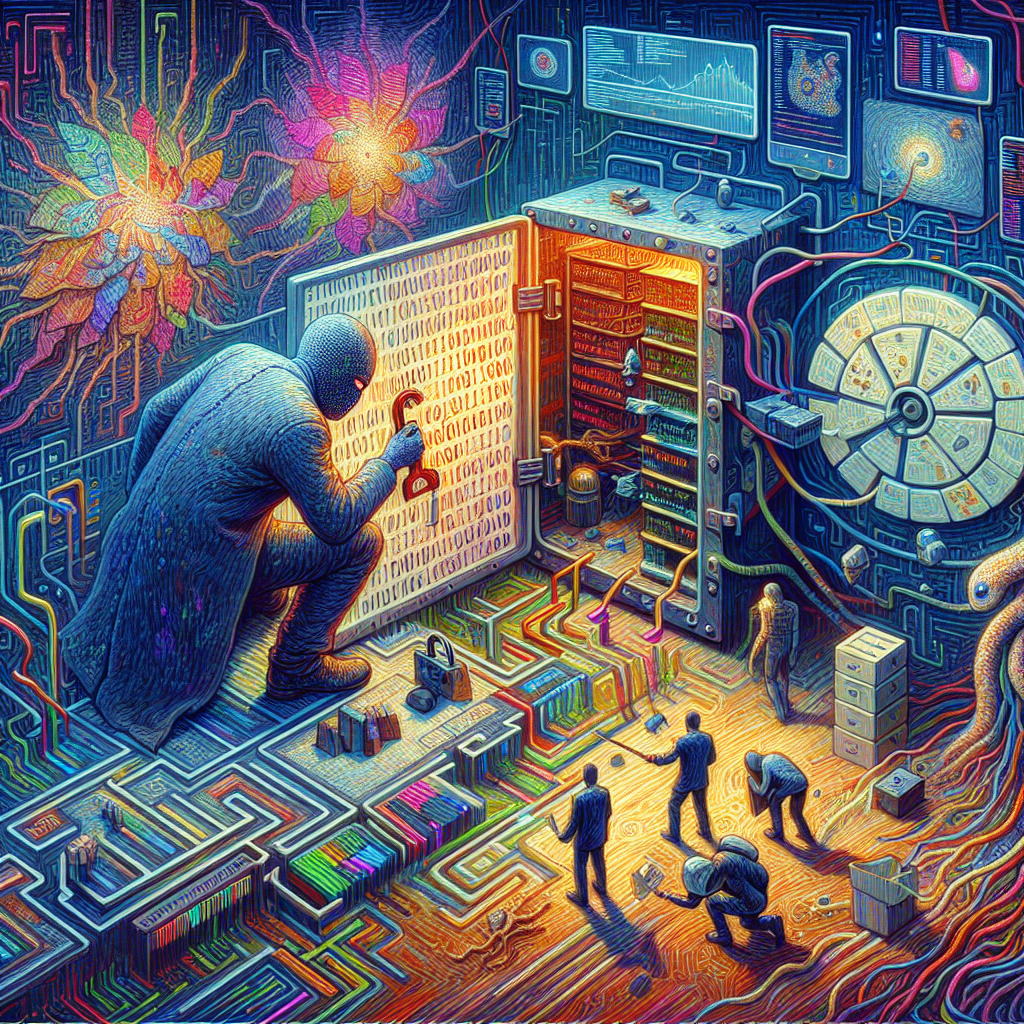
When multi-factor authentication (MFA) gets compromised, it’s like leaving your front door wide open while you’re away; you might think you’re safe, but the reality can be a lot harsher. Imagine putting in all the effort to secure your accounts only to hand over the keys to an intruder. The emotional weight of that betrayal can be heavy. You trusted the system, and it failed to deliver.
Let’s get into the nitty-gritty. From a rational standpoint, when MFA is bypassed, it places your sensitive information—be it personal, financial, or professional—at immediate risk. Cybersecurity isn’t just a tech buzzword; it’s a fundamental layer of protection built to safeguard what matters to us. Each layer, including MFA, is like a set of locks on your door, and when even one lock falters, that safety net collapses.
Consider this: the moment an attacker gains access, they’re not just swiping data; they’re undermining your privacy and peace of mind. There’s an ethical responsibility here—not just for the individual but for the companies that handle our data. Users have a right to expect robust security measures. When these measures falter, the very fabric of trust begins to unravel.
We can take cues from stories of those who faced the aftermath of a security breach. Friends or colleagues might find themselves scrambling to recover lost information or contact credentials, navigating a tangled web of bank fraud or identity theft. Their experiences serve as cautionary tales, reminding us all of the fragile nature of our digital lives.
But there’s a silver lining. Recognizing the threat posed by compromised MFA can spark a motivated response. It can galvanize you to enhance your own cybersecurity practices, push for stronger protections, and ensure your voice is heard when it comes to digital rights. Dialogue about cybersecurity should be open and urgent, and it’s crucial to foster a community that prioritizes sharing knowledge and strategies for staying secure.
We’re all in this together. By sharing experiences and promoting awareness, we can build a fortress around our digital lives. Understand that if MFA goes down, it’s not just about recovering your accounts; it’s about fighting back and taking control. Embrace this challenge. Keep your defenses sturdy, and safeguard what you’ve worked so hard to build.
What Happens If MFA Is Compromised?
What Happens If MFA Is Compromised?
- Compromised multi-factor authentication (MFA) exposes sensitive information to imminent risks.
- The failure of MFA erodes trust in security systems and heightens emotional distress.
- Cybersecurity serves as essential protection, with each layer, like MFA, acting as a critical lock.
- Attackers undermine privacy and peace of mind upon breaching MFA defenses.
- Users deserve robust security measures; their absence weakens trust and safety.
- Experiences of security breaches highlight the fragility of digital security and the reality of identity theft.
- Recognizing the threat of compromised MFA can motivate stronger cybersecurity practices and community dialogue.

What Happens If MFA Is Compromised?
Is MFA User-Friendly for Everyone?
In today’s world, where cybersecurity feels like a never-ending battle against the bad guys lurking in the shadows, multi-factor authentication (MFA) stands as a bulwark between you and digital chaos. But is it user-friendly for everyone? That’s a question worth unpacking.
Picture this: After a long day’s work, you come home, kick off your boots, and try to log into your bank account only to face a maze of verification steps. Frustration bubbles up. This is where the heart of the matter lies—MFA can be a double-edged sword. On one side, it provides an extra layer of defense to keep your hard-earned cash safe from prying eyes. On the other, it can feel like a barrier, especially for those less tech-savvy. There’s a gnawing sense of unfairness when someone’s not able to easily access their own information because of complex security measures.
Let’s talk rationality. The statistics back up the wisdom of MFA—accounts protected by multiple layers are far less likely to be compromised. Consider it a seatbelt for your digital life. But there’s an ethical dimension here, too. We have an obligation to ensure that everyone can navigate this cybersecurity landscape. If you’re tech-savvy, it’s your job to lend a hand, simplify the process for those who aren’t. Think about a neighbor struggling with a smartphone, just trying to check their email. Instead of rolling your eyes, take a moment. That connection fosters trust.
Now, narrative comes into play. Imagine a small-town librarian, diligently safeguarding the community’s resources. One day, an account hack threatens her digital catalog. With MFA, she fortifies her defense, but without a guiding hand, the hoops she must jump through feel insurmountable. Her resilience demonstrates the heroism of everyday people; however, it’s also a reminder that we can’t leave anyone behind in the digital arena.
Lastly, socially, let’s not forget that we all share the same online neighborhoods. Cybersecurity is a collective responsibility. The more we share knowledge and support one another in navigating these challenges, the more fortified our community becomes. MFA shouldn’t just be a technical hurdle; it should empower everyone to feel safe online. We can build a safer digital world, one understanding and shared story at a time, with humor and humility as our guides. Let’s break down those walls together, ensuring MFA is not just a security tool but a bridge to trust and confidence.

Is MFA User-Friendly for Everyone?
Is MFA User-Friendly for Everyone?
- MFA serves as a protective measure against cybersecurity threats, but its user-friendliness varies.
- While MFA adds security for users, it can create obstacles, especially for those who are less tech-savvy.
- Accounts with MFA are statistically less likely to be compromised, likened to wearing a seatbelt in a car.
- There is a collective obligation to make MFA accessible, encouraging tech-savvy individuals to assist others.
- Personal narratives highlight the challenges faced by individuals, such as a librarian struggling with MFA complexities.
- Cybersecurity is a shared responsibility, emphasizing community support and knowledge-sharing.
- MFA should function not just as a security measure, but as a means to foster trust and confidence online.

Is MFA User-Friendly for Everyone?
Can I Trust MFA Providers Completely?
When it comes to protecting our digital lives, it’s like fixing a flat tire on the side of the highway: you want to trust that the jack you’re using will hold up, but you also know that you need to check the whole wheel to be sure you’re safe. Multi-Factor Authentication (MFA) providers promise to add that extra layer of security to your cyber defenses, but can we really trust them entirely?
Let’s talk about the heart first. Picture a small business owner who’s worked day and night to build their company. They’ve poured their blood, sweat, and tears into making it thrive. The thought of a cyber attack hitting them is gut-wrenching. MFA can offer peace of mind, a sense of security, like locking the front door after a long day. But that emotional reassurance hinges on the reliability of the provider. People want to believe in the system, and it’s our responsibility to ensure that faith is well-placed.
Now, let’s pivot to the head. The truth is, no system is foolproof. Cybersecurity is constantly evolving, and while MFA is a significant improvement over just passwords alone, it’s not a silver bullet. Always keep your eyes wide open. Research the MFA provider’s track record. Do they have a solid history of protecting users? Look for authority in the field—those who are transparent about their practices and offer clear insights into how they keep data safe. Engaging with user reviews and expert opinions can ground your decision.
From an ethical standpoint, it’s crucial to consider the level of commitment MFA providers have toward user education. The best ones not only provide tools to secure accounts but also share knowledge on how to stay safe online. Like a seasoned mechanic sharing tips on avoiding breakdowns, these providers help us understand the landscape of digital threats, empowering us to take charge of our security.
Socially, it’s inspiring to see a community rallying around cybersecurity. Countless activists and everyday folks share their stories, reminding us of the importance of vigilance. This collective acknowledgment of potential threats fosters a sense of belonging, making cybersecurity a shared responsibility rather than a solitary struggle.
So, while MFA providers can certainly enhance your defenses, true security comes from a blend of trust, education, and shared accountability. Embrace the tools available, engage with the community, and stay informed. Using MFA is about more than just that extra layer; it’s part of a broader conversation about protecting what matters most in our digital world.

Can I Trust MFA Providers Completely?
Can I Trust MFA Providers Completely?
- MFA providers enhance cybersecurity by adding extra layers of protection to accounts.
- No system is completely foolproof; MFA is an improvement, but not a silver bullet.
- Research the provider’s track record and transparency in protecting user data.
- User education is essential; responsible providers share knowledge about online safety.
- A strong community spirit around cybersecurity fosters collective vigilance and awareness.
- True security involves trust, education, and shared accountability among users and providers.
- Using MFA is part of a larger conversation about safeguarding digital assets.

Can I Trust MFA Providers Completely?
What Are the Costs Of Implementing MFA?
When you hear about Cybersecurity these days, it often feels like a game of whack-a-mole. You think you’ve closed one hole, and another pops up right behind it. Implementing Multi-Factor Authentication (MFA) may seem like just another cost on a long list, but let’s take a closer look. Think about it as not just adding expense but investing in a security blanket for your business and your peace of mind.
You might be scratching your head, thinking about the expense of new software or the time lost training your team. Sure, there’s a financial outlay upfront—buying licenses, possibly higher IT costs, and the time spent in training users. But imagine this: Your team, feeling secure in their daily grind, knowing that those pesky hackers are having a hard time crashing the party. That’s worth every penny. Security isn’t just a line item; it’s the safety net that keeps the operation running.
Ethically, we have a responsibility to protect data. It’s like locking the front door of your home; you wouldn’t leave it wide open, would you? It’s about trust—clients, customers, and employees expect us to take their data seriously. If we neglect this aspect, we risk not just money and resources but our reputation in the market. You want your customers to know you care about their information as much as they do, right? So, what’s the cost of confidence and ethical responsibility? It’s less than the fallout from a breach.
Now, let’s talk about the human angle. Let’s say a data breach happens on your watch—employees lose their jobs, customers feel betrayed, and suddenly, your business isn’t what it used to be. Investing in MFA is like putting on your hard hat before stepping onto the job site; it’s that small action that can prevent a disaster. Picture your team, feeling empowered, their spirits lifted because they aren’t always looking over their shoulders.
Finally, consider the social aspect. In today’s interconnected landscape, word travels fast. Companies are recognized not just for what they sell, but how they protect their community. Implementing MFA shows employees and customers alike that you’re on their side, prioritizing safety. It’s a small leap for your budget but a giant step toward trust and stability.
The real cost of implementing MFA isn’t just financial; it’s about building a foundation of security, trust, and ethical responsibility that stands the test of time. That’s a return worth chasing.

What Are the Costs Of Implementing MFA?
What Are the Costs Of Implementing MFA?
- Implementing Multi-Factor Authentication (MFA) is an investment in security, providing a safety net for businesses.
- Initial costs include purchasing licenses, training time, and possibly higher IT expenses.
- MFA enhances employee confidence, reducing the risk of successful cyberattacks.
- Protecting data is an ethical responsibility that builds client and employee trust.
- A data breach can lead to job losses and damage to a company’s reputation, making MFA a preventative measure.
- Implementing MFA demonstrates a commitment to community safety, enhancing company credibility.
- The true cost of MFA encompasses long-term benefits like security, trust, and ethical standards, outweighing financial expenses.

What Are the Costs Of Implementing MFA?
How Does MFA Impact Productivity?
In the world of cybersecurity, the stakes are rising. Every day, businesses face the threat of breaches that can cripple operations and tarnish reputations. Multi-Factor Authentication (MFA) steps in as a tough line of defense, but what does it mean for productivity? Well, that’s a conversation worth having.
Let’s face it: when the boss asks you to juggle another hoop just to access files, it can feel like a chore. But here’s where the story takes a turn. Think of MFA as not only a shield but as a smart investment in your day-to-day work. Sure, there’s an extra step in the login process, but that small effort translates to peace of mind. Imagine starting your day knowing that your sensitive data is locked up tighter than a toolbox on a Friday afternoon. Less time worrying about potential cyber threats means more time focusing on what really matters—getting your job done, meeting deadlines, and achieving goals. It’s about working smarter, not harder.
Let’s get a bit personal. Picture this: you’re at your desk, and you start your daily grind. Suddenly, news breaks of a data breach at a local company. Anxiety creeps in as your mind races. But with MFA in place, you can breathe a little easier. You’ve taken the proactive steps to protect not only your data but also your team’s. When everyone feels secure, morale rises. Workers are more engaged, and that collective confidence can spark creativity and collaboration. A united front in the cyber battleground can lead to a stronger, more dynamic workforce.
There’s an ethical element, too. We have a responsibility to safeguard our colleagues and clients alike. By embracing MFA, you’re not just crossing off a checklist item; you’re standing firm against the risks and taking ownership of your workplace’s security culture. In doing so, you set an example for peers and contribute to building a robust community that prioritizes safety and trust.
So, while some may grumble about the inconvenience of extra authentication steps, those who understand the big picture see it differently. MFA is not just a barrier; it’s a bridge to productivity and confidence. With it, you’re not only protecting your assets but empowering your team to push forward without looking over their shoulders. The choice is clear: invest a little time, and reap big rewards.

How Does MFA Impact Productivity?
How Does MFA Impact Productivity?
- Cybersecurity threats are increasing, impacting business operations and reputations.
- Multi-Factor Authentication (MFA) serves as a critical defense mechanism.
- MFA may feel like an inconvenience, but it is a valuable investment in workplace security.
- Taking extra steps for authentication enhances peace of mind and reduces anxiety about data breaches.
- When employees feel secure, morale and engagement improve, fostering creativity and collaboration.
- Embracing MFA reflects a commitment to workplace security and ethical responsibility towards colleagues and clients.
- MFA is a proactive approach that supports productivity and allows teams to focus on their work without fear of cyber threats.

How Does MFA Impact Productivity?
Conclusion
In the ever-evolving realm of cybersecurity, the challenge is less about whether we are secure, but how secure we can truly be. Multi-Factor Authentication (MFA) offers a promise—a stronger shield against the ever-growing threat of cyberattacks. However, relying solely on MFA can create a false sense of security, akin to believing a heavy front door lock alone will keep intruders at bay while leaving windows unlocked. This mindset can lead to complacency, as many underestimate the diverse and clever tactics employed by cybercriminals.
The emotional and financial impacts of cyber breaches are profound. They affect not only individual lives but also families and communities. The notion of security extends beyond mere technical jargon; it’s about safeguarding personal information, financial stability, and the dreams that accompany them. Practically speaking, employing MFA should be accompanied by a broader strategy that includes strong passwords, regular software updates, and good cybersecurity habits. These elements together create a sense of shared responsibility for our digital landscapes. This fight isn’t just an individual concern; it’s a collective journey toward a safer community.
Trusting MFA alone can lead to further vulnerabilities. If compromised, it can breach sensitive data and undermine your sense of safety. Just like nurturing neighborhood ties builds resilience, sharing experiences around cybersecurity fosters a supportive environment where everyone feels responsible. Moreover, making MFA accessible and user-friendly for all is essential. Technology shouldn’t alienate anyone—especially those who aren’t as tech-savvy.
Investing in MFA isn’t merely about purchasing software; it’s about cultivating trust and demonstrating a commitment to safeguarding personal and collective data. The costs associated with implementing MFA are overshadowed by the repercussions of a data breach—a reality that could lead to loss of jobs, diminished reputations, and shattered lives. This investment isn’t just financial; it’s a dedication to ethical responsibility and a pledge to protect what matters.
As we consider how MFA fits into our cybersecurity framework, it’s essential to recognize it as one piece of a larger puzzle. By adopting MFA while staying vigilant and engaged with the community, we can create a robust defense against the digital threats that lurk in the shadows. Embracing a culture of awareness and sharing knowledge will empower us all, enabling a more secure future for individuals and the community at large. In a digital world fraught with uncertainty, let’s not merely seek to defend but to thrive together, building a legacy of resilience and trust in our cyber endeavors.

Conclusion
Conclusion:
- The challenge in cybersecurity is understanding the extent of our security rather than if we are secure.
- Multi-Factor Authentication (MFA) enhances security but can lead to a false sense of safety if used alone.
- Cyber breaches have significant emotional and financial impacts on individuals, families, and communities.
- MFA should be part of a broader strategy, including strong passwords and regular software updates.
- Relying solely on MFA creates vulnerabilities and compromises sensitive data.
- Investing in MFA is essential for building trust and protecting personal and collective data.
- A culture of awareness and community engagement is crucial for building resilience against cyber threats.

Conclusion
Other Resources
Other Resources
Here is a list of other resources you can review online to learn more:
- Rehmann
- AccountabilIT
- Align Communications
- Presidio
- IPKeys
- Booz Allen Hamilton
- NDSE
- DXC Technology
- Amnet
- Decypher Technologies
- Arctic Wolf Networks
- CyFlare
- Cyberseer
- Ciscom Solutions
- Ready.Gov – Cybersecurity
- Solutions Granted
- Tactical Intelligence Security
- Blackpoint Cyber
- JMARK Business Solutions
Use This Prompt To Get More Resources With Your Favorite Online AI Tool: Please provide me with a list of online articles with their URLs in a bulleted list that I can read regarding Can MFA Alone Secure Your Cybersecurity?

Other Resources
Glossary Terms
Can MFA Alone Secure Your Cybersecurity? – Glossary Of Terms
1. MFA: Multi-factor authentication, a security measure that requires two or more verification methods to gain access to an account or system.
2. Cybersecurity: The practice of protecting systems, networks, and programs from digital attacks.
3. Authentication: The process of verifying the identity of a user or system before granting access.
4. Access Control: Security measures that restrict access to authorized users only.
5. Data Breach: An incident where unauthorized access to sensitive data is gained.
6. Credential Stuffing: A cyber attack where stolen account credentials are used to gain unauthorized access.
7. Phishing: A tactic used by cybercriminals to trick individuals into revealing sensitive information via deceitful communications.
8. Encryption: The process of converting information into a code to prevent unauthorized access.
9. Security Token: A physical device or software-based identifier used to verify a user’s identity.
10. Password Management: The practice of securely storing and managing passwords to enhance security.
11. Risk Assessment: The process of identifying and evaluating risks to reduce potential cybersecurity threats.
12. Zero Trust: A security concept that assumes no user or device can be trusted by default, regardless of location.
13. Social Engineering: A manipulation technique that exploits human factors to gain confidential information.
14. Endpoint Security: Protection mechanisms applied to end-user devices like computers and mobile devices.
15. Vulnerability Assessment: Evaluating systems to identify security weaknesses that could be exploited.
16. Intrusion Detection System (IDS): Tools that monitor network traffic for suspicious activity and potential threats.
17. Incident Response: The organized approach to addressing and managing the aftermath of a security breach or attack.
18. Public Key Infrastructure (PKI): A framework that manages digital keys and certificates for secure communications.
19. Security Audit: An evaluation of an organization’s security policies and procedures to ensure compliance with standards.
20. Threat Intelligence: Information that helps organizations understand potential threats and protect against them.
21. Firewall: A network security device that monitors and controls incoming and outgoing network traffic.
22. Malware: Malicious software designed to disrupt, damage, or gain unauthorized access to systems.
23. Compliance: Adhering to laws, regulations, and standards related to cybersecurity practices.
24. Secure Socket Layer (SSL): A standard technology for establishing an encrypted link between a server and a client.
25. Insider Threat: A security risk that originates from within the organization, often from employees or contractors.
26. Patch Management: The process of updating software to fix vulnerabilities and improve functionality.
27. Security Information and Event Management (SIEM): A solution that collects and analyzes security data in real-time for threat detection.
28. Digital Forensics: The field that investigates and analyzes digital devices for evidence after a cyber incident.
29. Bait and Switch: A deceptive practice where a lure is used to attract users, often leading to unwarranted outcomes.
30. Ransomware: A type of malicious software that encrypts files and demands payment for their release.

Glossary Of Terms
Other Questions
Can MFA Alone Secure Your Cybersecurity? – Other Questions
If you wish to explore and discover more, consider looking for answers to these questions:
- What types of MFA (SMS, authenticator apps, push notifications, hardware tokens, biometrics) are most effective against modern attacks?
- How susceptible is each MFA method to attacks like phishing, SIM swapping, and malware?
- What is push fatigue and how can it be exploited to bypass MFA?
- Are hardware security keys (FIDO2/WebAuthn) worth the extra cost and complexity?
- How does passwordless authentication compare to MFA in terms of security and usability?
- What are best practices for account recovery if a user loses access to their MFA device?
- How should organizations store and manage backup codes securely?
- What user education and training are necessary to make MFA effective?
- How does MFA integrate with single sign-on (SSO) and identity providers?
- Can MFA be bypassed through session hijacking or stolen cookies?
- What logging and monitoring should be in place to detect MFA bypass attempts?
- How should an incident response plan account for compromised MFA?
- Which regulatory or compliance standards mandate MFA for certain industries or data types?
- What are the privacy implications of biometric-based MFA and how is biometric data protected?
- How do you evaluate and choose a trusted MFA provider?
- What contractual and liability issues arise if an MFA provider is breached?
- How much does implementing and maintaining MFA actually cost (licenses, deployment, support, training)?
- What measurable ROI or risk reduction can organizations expect from MFA deployment?
- How does MFA affect productivity for remote workers, shift workers, or those with limited connectivity?
- How can MFA be made accessible for elderly users or people with disabilities?
- What are practical alternatives for users without smartphones (feature phones, hardware tokens, offline codes)?
- How do BYOD policies impact MFA security and device management?
- What are the challenges of rolling out MFA across legacy systems and on-premises apps?
- How frequently should authentication factors (devices, certificates) be rotated or revalidated?
- What are common misconfigurations that weaken MFA protections?
- Should MFA be required for all accounts, or are there risk-based approaches to selective enforcement?
- How can organizations implement phishing-resistant MFA and how practical is it for users?
- How does MFA work for API access, service accounts, and machine-to-machine authentication?
- What metrics should security teams track to measure the effectiveness of MFA (authentication failures, bypass attempts, adoption rates)?
- How can businesses balance security, user experience, and customer friction when enforcing MFA?
- What legal or ethical obligations do organizations have to notify users after an MFA failure or breach?
- How do cross-device and cross-platform sync features affect MFA security?
- What are common myths or false assumptions about MFA that lead to complacency?

Other Questions
Haiku
Can MFA Alone Secure Your Cybersecurity? – A Haiku
Digital doors may lock,
Yet threats linger, shadows creep—
Vigilance, the key.

Haiku
Poem
Can MFA Alone Secure Your Cybersecurity? – A Poem
In a digital realm where shadows creep,
Securing our lives is not just a leap.
MFA stands tall, a guardians embrace,
Yet, a single lock won’t shield every space.
A heavy door bolted tight,
But windows left open invite the night.
False comfort lies in layers we see,
Securitys essence is vigilance, to be.
Communities thrive when knowledge is shared,
Each tale of breach a reminder, we’re bared.
From personal losses, trust begins to fray,
Its not just our own; were in this ballet.
Ethics demand that we don’t turn away,
Protecting data is a duty, come what may.
Transparency matters; we deserve to know,
Is our fortress built strong, or do shadows still grow?
Yes, MFA helps, a step to secure,
But understanding the risks is the ultimate cure.
So, gather your neighbors, spread the word wide,
In this fight for our safety, let’s stand side by side.
A future united, may we trust and defend,
Building a culture where safety won’t end.
Embrace the challenge, let’s rise and secure,
For together we flourish, our bond will endure.

Poem
Checklist
Can MFA Alone Secure Your Cybersecurity? – A Checklist
MFA Configuration and Hardening
✅______ Enable MFA on all critical accounts (email, banking, cloud, admin, social)
✅______ Prefer phishing-resistant methods (security keys/FIDO2, passkeys) over SMS/voice
✅______ Disable SMS/voice fallback where possible
✅______ Require number matching or verification codes in authenticator apps
✅______ Limit and rate limit push notifications; block after repeated denials
✅______ Apply conditional access (risk, device, location, time)
✅______ Set secure recovery (offline backup codes, secondary hardware key)
✅______ Audit enrolled devices and factors regularly; remove stale entries
✅______ Monitor for MFA fatigue and unusual approval patterns
Passwords and Identity Hygiene
✅______ Use a password manager; require unique, long passwords
✅______ Turn on breach monitoring; rotate exposed credentials immediately
✅______ Eliminate shared accounts; enforce least privilege
✅______ Separate admin from standard accounts; require step-up for sensitive actions
✅______ Review access quarterly; deprovision on role changes or exits
Device and Software Hygiene
✅______ Enable automatic OS, browser, and app updates
✅______ Remove unused software and risky plugins
✅______ Use reputable endpoint protection and host firewall
✅______ Encrypt devices (BitLocker/FileVault); enable screen lock and auto-timeout
✅______ Manage mobile and BYOD with MDM or separate profiles
Phishing and Social Engineering Defense
✅______ Train users to spot phishing, MFA fatigue, and consent grant scams
✅______ Verify unusual requests out-of-band before sharing codes or approving prompts
✅______ Enforce email security (DMARC/DKIM/SPF, filtering, link isolation)
✅______ Run periodic simulations and targeted coaching
Data Protection and Backup
✅______ Classify data; restrict by need-to-know
✅______ Encrypt data in transit and at rest
✅______ Implement 3-2-1 backups; test restores regularly
✅______ Minimize data collection and retention; purge on schedule
Application and Cloud Security
✅______ Centralize authentication with SSO; enforce MFA via the IdP
✅______ Require MFA for third-party apps, contractors, and integrations
✅______ Review OAuth/app consents; remove risky or unused grants
✅______ Secure API keys and tokens; scope, rotate, and store secrets safely
✅______ Enable cloud security baselines and detailed audit logging
Monitoring and Incident Response
✅______ Log sign-ins, MFA events, admin changes, and data access
✅______ Alert on impossible travel, many failures, unusual consents, and push floods
✅______ Maintain a tested incident response plan with clear roles and contacts
✅______ Conduct tabletop exercises; implement after-action improvements
Vendor and Provider Due Diligence
✅______ Vet MFA provider security, uptime, and transparency reports
✅______ Confirm support for phishing-resistant methods and secure recovery
✅______ Review data handling, privacy, and compliance commitments
✅______ Plan for outages; maintain backup codes and secondary authentication methods
Usability, Accessibility, and Culture
✅______ Offer accessible MFA options (keys, biometrics, codes) for all users
✅______ Provide simple setup guides and responsive support
✅______ Track login friction; tune policies without weakening security
✅______ Share lessons learned; encourage a security-first mindset
Cost, Risk, and Compliance
✅______ Map controls to regulatory frameworks (e.g., HIPAA, PCI, GDPR)
✅______ Compare breach risk and cost to layered control investments
✅______ Prioritize high-impact, low-friction controls first
Physical and Network Basics
✅______ Secure routers; change defaults; use WPA3 and strong passphrases
✅______ Use VPN or trusted networks for admin tasks; avoid public Wi‑Fi
✅______ Set carrier PINs and port-out locks; protect mail against theft
✅______ Lock server/network closets; safeguard hardware keys
Quick-Start Top Actions This Week
✅______ Turn on MFA everywhere that matters
✅______ Add a hardware security key or passkey to primary accounts
✅______ Remove old devices and disable SMS fallback
✅______ Install a password manager; replace reused passwords
✅______ Enable auto-updates on all devices and browsers
✅______ Store backup codes offline; add a spare hardware key
✅______ Review admin access and third-party app consents
✅______ Enable sign-in and MFA security alerts
✅______ Run a short phishing and MFA fatigue refresher
✅______ Test a backup restore and fix any gaps

Checklist
At BestCyberSecurityNews, we help teach entrepreneurs and solopreneurs the basics of cybersecurity and its impact on their businesses by using simple concepts to explain difficult challenges.
Please read and share any of the articles you find here on BestCyberSecurityNews with your friends, family, and business associates.