


The Impact Of Os Updates On Cybersecurity
By Tom Seest
At BestCyberSecurityNews, we help teach entrepreneurs and solopreneurs the basics of cybersecurity and its impact on their businesses by using simple concepts to explain difficult challenges.
Please read and share any of the articles you find here on BestCyberSecurityNews with your friends, family, and business associates.
Do Operating Systems Updates Help Protect You Against Cyberattacks?
In an era where our digital lives are as intertwined with reality as our morning coffee routine, the significance of cybersecurity has never been more prominent. If you’re reading this, you’re probably plugged into some device that updates itself more than your teenager’s social media profile. But have you ever paused to consider whether those relentless operating system updates are doing anything to protect you against cyberattacks?
Let’s break it down. Operating systems are the unsung heroes of your device, managing everything from the way it boots up to how it connects to the internet. When software creators find vulnerabilities—those pesky little chinks in the armor—they don’t just put a sticky note on the developer’s desk. These vulnerabilities can be open doors for cybercriminals, the digital equivalent of inviting someone to rummage through your sock drawer while you’re out. So, what’s the first line of defense? Yep, those updates.
Every time you hit the “update” button, or your device does it for you while you’re binge-watching the latest series, remember this: you’re fortifying your defenses. Operating system updates often come packed with patches designed to plug those vulnerabilities, a proactive step to enhance your cybersecurity posture. Think of it as installing a new security system in your home after learning about a string of burglaries in your neighborhood. It may feel like an inconvenience, but it beats waking up to find everything gone.
However, don’t get too comfortable. While these updates are crucial, they’re not a silver bullet. Cybersecurity isn’t just about software; it involves a deeper understanding of safe practices. Strong passwords, awareness of phishing attempts, and skepticism of unsolicited emails are equally important. Updating your operating system is essential, but you still need to be vigilant and informed.
In the grand scheme of cybersecurity, think of updates as your trusty toolbox. They equip you with the tools needed to fend off threats. But just as a toolbox won’t fix a problem on its own, you won’t be safe by relying solely on updates. A multi-faceted approach, combining those crucial updates with good cyber hygiene, will go a long way in protecting you from the lurking dangers of the digital landscape. So the next time you receive that notification, perhaps take a moment to appreciate the shield it’s building around you instead of rolling your eyes at another delay in loading your favorite cat video.

Do Operating Systems Updates Help Protect You Against Cyberattacks?
Do Operating Systems Updates Help Protect You Against Cyberattacks?
- The importance of cybersecurity is increasingly recognized in our digital lives.
- Operating system updates are crucial for protecting against cyberattacks by addressing vulnerabilities.
- These updates act as a first line of defense, similar to installing a security system at home.
- While updates enhance security, they are not sufficient on their own; good cyber practices and awareness are essential.
- Strong passwords, recognizing phishing attempts, and skepticism towards unsolicited emails are vital components of cybersecurity.
- Think of updates as tools in a toolbox—necessary but not a complete solution to cybersecurity threats.
- A multi-faceted approach combining updates with safe cyber hygiene is key to effective protection.

Do Operating Systems Updates Help Protect You Against Cyberattacks?
Table Of Contents
- Do Operating Systems Updates Help Protect You Against Cyberattacks?
- What Are The Key Benefits Of Os Updates For Cybersecurity?
- How Often Should You Update Your Operating System?
- Can Os Updates Prevent Ransomware Attacks?
- What Types Of Vulnerabilities Do Os Updates Address?
- Are There Risks Associated With Not Updating Your Os?
- How Do Os Updates Compare To Antivirus Software In Protection?
- What Happens During An Os Update That Improves Security?
- Conclusion
- Other Resources
- Glossary Of Terms
- Other Questions
- Haiku
- Poem
- Checklist
What Are The Key Benefits Of Os Updates For Cybersecurity?
In today’s digital landscape, staying safe is no longer just a matter of using strong passwords or avoiding sketchy emails. The cyber threats we face are evolving at a pace that could make your head spin. This is precisely where operating system (OS) updates come into play. They’re not just annoying reminders that pop up during your favorite shows; they are, in fact, your frontline defense in the complex world of cybersecurity.
First off, let’s talk about vulnerability patches. Each time a new vulnerability is discovered—whether it’s a security hole that hackers can exploit—it’s the OS developers who scramble to patch it up. With every update, those developers roll out these crucial fixes, sealing off access points that cybercriminals could use to infiltrate your system. This is akin to fortifying your castle after an enemy has discovered a weak point. Without these regular updates, you might as well be leaving the front door wide open and hoping for the best.
Next, we have the feature enhancements that often accompany these updates. Typically, these include upgraded security protocols, improved encryption methods, and even better methods for detecting malicious activity. Features like multi-factor authentication and enhanced firewalls are constantly refined and improved. These are the tools that help keep the bad guys at bay, and they’re only available if you keep your OS current. An updated system is like having the latest armor technology; without it, you could be stuck with outdated methods that simply don’t cut it anymore.
Let’s not forget about the importance of cybersecurity education. Updates often come with improved user interfaces and guides that can teach you how to better secure your data. They might even include useful tips and notifications that remind you to stay vigilant. After all, cybersecurity isn’t solely about the technology; it involves the human element, too. A well-informed user is often the best line of defense against potential threats.
Finally, there’s the peace of mind that comes with regular updates. Knowing that you’re utilizing a system that’s continuously being improved and monitored can make all the difference. In the wild west of cyberspace, feeling secure about your digital life is priceless.
So, before you hit that “Remind Me Later” button, think about the critical role that OS updates play in the realm of cybersecurity. They’re not just a chore; they’re a lifeline. Keeping your OS updated means staying one step ahead of those who wish to exploit the weak spots of the digital world.

What Are The Key Benefits Of Os Updates For Cybersecurity?
What Are The Key Benefits Of Os Updates For Cybersecurity?
- Cyber threats are rapidly evolving, making strong passwords and caution insufficient for safety.
- Operating System (OS) updates serve as a frontline defense against cyber threats.
- OS updates include vulnerability patches that fix security holes to prevent exploitation by hackers.
- Updates also bring feature enhancements like upgraded security protocols and improved detection methods.
- Cybersecurity education is enhanced through updates with user guides and tips for better data protection.
- Regular updates provide peace of mind by ensuring continuous improvement and monitoring of your system.
- OS updates are a critical element of cybersecurity and should not be deferred to maintain digital safety.

What Are The Key Benefits Of Os Updates For Cybersecurity?
How Often Should You Update Your Operating System?
When it comes to operating systems, there’s a common misconception that these digital foundations are set in stone once you hit the “install” button. Let’s face it, folks—our operating systems are more like living organisms than static entities. They need regular attention, much like a classic car that benefits from periodic tune-ups. So, how often should you update your OS? The short answer is: as often as they tell you, but let’s dig a bit deeper into the reasons why consistency matters.
First and foremost, let’s talk about cybersecurity. Picture this: you’ve just installed a shiny new system, and you’re feeling on top of the world. But lurking in the shadows are potential threats, like cyber-savvy ninjas just waiting to pounce on vulnerabilities. Developers and tech companies are well aware of this menace and often roll out updates to patch up security holes. Ignoring these updates is akin to leaving your door wide open in a neighborhood that’s known for break-ins. It’s simply not wise.
These updates can include anything from bug fixes that streamline performance to essential security patches designed to thwart the latest malware. In fact, some updates come with critical features aimed specifically at enhancing your cybersecurity. Think of your operating system as a fortress. If you don’t keep repairing the cracks, before you know it, it’s just a pile of bricks with no real defense against the elements, or in this case, hackers.
Now, let’s talk frequency. Generally, you should avoid the temptation to wait until your system starts running slow or crashes. Instead, you want to make it a habit to check for updates at least once a month. That doesn’t mean you have to jump on every minor update; sometimes, they’re just tweaks that don’t impact your overall user experience. However, major updates, which might roll out a few times a year, are vital. They often bring new features as well as that all-important security armor.
So, take a proactive approach. Set a reminder on your calendar or incorporate it into your routine—device maintenance is as crucial as regular oil changes in your car. After all, keeping your operating system fresh is truly a matter of staying one step ahead in the ongoing battle for cybersecurity. Stay updated, stay safe!

How Often Should You Update Your Operating System?
How Often Should You Update Your Operating System?
- Operating systems need regular maintenance, similar to classic cars requiring tune-ups.
- It is important to update your OS as frequently as updates are provided by developers.
- Cybersecurity is a major reason for updates, as they help patch vulnerabilities and protect against threats.
- Updates can include bug fixes, performance enhancements, and essential security patches.
- Avoid waiting for performance issues; check for updates at least once a month.
- Major updates, released a few times a year, are crucial for introducing new features and security improvements.
- Proactive maintenance of your OS helps you stay ahead in the cybersecurity landscape.

How Often Should You Update Your Operating System?
Can Os Updates Prevent Ransomware Attacks?
Can OS Updates Prevent Ransomware Attacks?
In today’s digitally connected world, cybersecurity has become a major topic of discussion, not just for tech enthusiasts but for anyone who uses a computer or smartphone. One of the critical tools in the battle against ransomware attacks is operating system (OS) updates. But can these updates really serve as a robust defense against the rising tide of cyber threats?
Let’s dive into the nitty-gritty. When you hit that “update” button, you’re not just downloading a pixel-perfect photo of your favorite pet or the latest electronic game. OS updates often include security patches that address vulnerabilities—essentially holes in your digital armor that cybercriminals can exploit. Think of it like putting on a new pair of boots before stepping into a muddy field; those boots are built to protect you from the muck and grime, similar to how security updates protect your system from malicious attacks.
Ransomware, a particularly nasty breed of cyber threat, holds your files hostage until you pay a hefty sum in cryptocurrency. It’s like a digital mugger, waiting in the dark alleys of the internet. The truth is, while OS updates can fortify your system, they aren’t a cure-all. Cybersecurity isn’t just about making sure your operating system is up-to-date; it’s about creating a comprehensive, layered defense strategy.
That means combining those updates with a suite of practices—like regularly backing up important files, using strong, complex passwords, and practicing vigilance when clicking on links or downloading files. OS updates are a vital part of your overall defense mechanism, but they’re just one component of a multi-faceted approach.
Many folks might wonder if skipping those pesky prompts to update their systems is really that dangerous. The answer is yes. By neglecting OS updates, you’re rolling the dice, leaving your digital door wide open for cybercriminals. It’s like leaving your house keys under the welcome mat—inviting trouble without even realizing it.
OOS updates play an invaluable role in enhancing cybersecurity. They can prevent, or at least mitigate, the damage caused by ransomware attacks. However, combining these updates with good cyber hygiene practices is the best way to ensure your digital safety. So, put those updates to good use and stay ahead of the storm. Your data will thank you!

Can Os Updates Prevent Ransomware Attacks?
Can Os Updates Prevent Ransomware Attacks?
- Cybersecurity is a critical topic in today’s connected world, impacting all computer and smartphone users.
- Operating system (OS) updates provide vital security patches that fix vulnerabilities, acting as a defense against ransomware and other cyber threats.
- Ransomware can lock files and demand payment in cryptocurrency, posing a serious risk to users.
- OS updates alone are insufficient; a comprehensive strategy is necessary to enhance cybersecurity.
- Good practices include regular backups, using strong passwords, and being cautious with links and downloads.
- Neglecting OS updates can expose users to significant risks, similar to leaving house keys in obvious places.
- Combining OS updates with cyber hygiene practices is essential for robust digital safety and protection against ransomware.

Can Os Updates Prevent Ransomware Attacks?
What Types Of Vulnerabilities Do Os Updates Address?
In the world of operating systems, updates aren’t just simple tweaks here and there; they are the backbone of cybersecurity. As software evolves, so too do the vulnerabilities that can be exploited by those with malice in their hearts. When the folks behind your favorite OS roll out an update, they’re usually acting on the intel that threats are lurking just around the corner, ready to pounce.
Let’s break it down. First, we have the classic vulnerabilities that get all the press—the ones that hackers love to exploit. You know the type: remote code execution flaws that allow cybercriminals to take over your system as if they had the keys to your digital kingdom. These sneaky bugs can often allow complete control, and they’re like a gaping hole in your fence. If you don’t fix it, you might come home one day to find all your valuables missing.
Then, there are authentication vulnerabilities. Ever hear the phrase “the weakest link”? That applies beautifully here. If an OS has a flaw in its method of verifying who you are, well, you might as well leave your front door wide open. These updates patch those weaknesses, ensuring that only you—and not some shadowy figure in a dark basement—can waltz into your personal space.
We can’t forget about the ever-present issue of malware. Some updates address specific strains of malware that have been circulating in the wild. You see, malware can morph, often finding ways around security barriers like a clever cat slipping through a barely cracked door. OS updates put powerful locks on those doors, bolting them shut against the latest tricks proffered by cybercriminals.
Then there are the vulnerabilities that could compromise data integrity and confidentiality. We’re living in an age where information is the new gold, and cyber threats are constantly waiting to snatch it away. If your OS has a flaw that allows data to be intercepted, that’s akin to leaving a treasure map lying around for pirates to find. Updates work to fortify your digital treasure chest, safeguarding your sensitive information from prying eyes.
Finally, let’s not overlook user-related vulnerabilities. We all have that friend who clicks on every link they see. Updates often come with user interface improvements, helping the everyday user avoid pitfalls that could lead to serious security breaches.
Each OS update is like a shield against an ever-evolving arsenal of threats. Every time you hit that “update” button, you’re not just adding features; you’re bolstering your defenses in the ongoing battle of cybersecurity.

What Types Of Vulnerabilities Do Os Updates Address?
What Types Of Vulnerabilities Do Os Updates Address?
- Operating system updates are essential for cybersecurity, addressing evolving vulnerabilities.
- Classic vulnerabilities like remote code execution can give hackers complete control over systems.
- Authentication flaws can leave systems open to unauthorized access, making user verification crucial.
- Updates also target specific strains of malware, reinforcing security against cyber threats.
- Data integrity and confidentiality are protected by updates that fix flaws in data interception.
- User-related vulnerabilities are mitigated through interface improvements to aid safer usage.
- Each update enhances defenses in the ongoing battle against an evolving range of cyber threats.

What Types Of Vulnerabilities Do Os Updates Address?
Are There Risks Associated With Not Updating Your Os?
When we talk about the importance of updating your operating system, we’re diving into a world filled with nuances that can be crucial for your digital safety. Skipping those updates might seem harmless at first. You’ve got things to do, and that little notification seems like a minor annoyance. But let me tell you, the risks associated with not updating your OS can be as real as a flat tire on a long road trip.
First off, let’s address a dirty little secret: cybersecurity. As technology advances, so do the tricks and schemes of the bad guys out there. If your operating system isn’t up-to-date, you’re essentially rolling out the welcome mat for cybercriminals. They’re on the lookout for vulnerabilities, and an outdated OS is like leaving your front door wide open. Hackers are savvy; they know the flaws that come with outdated software and are ready to exploit them.
But it’s not just about cybercriminals. The software you rely on—whether it’s for work, gaming, or staying connected—often gets updated alongside the OS. Those updates usually contain patches for bugs and security holes that could jeopardize your data. By ignoring those prompts, you’re not only left vulnerable to external threats; you might also run into functionality issues with your applications. Think of it this way: it’s like refusing to fix a leak in your roof. Sure, it looks fine from the outside, but before long, water damage is going to take a hefty toll.
And let’s not forget about performance. Updates often include enhancements to improve the overall speed and efficiency of your system. If you’re still rocking an old version of your OS, you could be sacrificing speed for the sake of nostalgia. The programs you use could lag, crash unexpectedly, and become more frustrating to work with than that stubborn jar lid you just can’t seem to pry open.
If you take nothing else from this discussion, remember this: the risks associated with not updating your OS extend far beyond minor annoyances. They can compromise your cybersecurity, hinder software performance, and expose you to vulnerabilities you may not even recognize. So, next time that update notification pops up, don’t ignore it. Embrace it. Your digital safety depends on it.

Are There Risks Associated With Not Updating Your Os?
Are There Risks Associated With Not Updating Your Os?
- Updating your operating system is crucial for digital safety.
- Skipping updates may seem harmless but can invite cybersecurity risks.
- An outdated OS leaves you vulnerable to cybercriminals who exploit known flaws.
- Software applications often require OS updates for bug fixes and security patches.
- Neglecting updates can lead to functionality issues and decreased performance.
- Updates typically enhance speed and efficiency, preventing lagging and crashes.
- Ignoring update notifications can compromise your security and overall system health.

Are There Risks Associated With Not Updating Your Os?
How Do Os Updates Compare To Antivirus Software In Protection?
When it comes to safeguarding our digital lives, we often find ourselves caught in a whirlwind of choices. On one side, we’ve got operating system updates, and on the other, antivirus software – two heavyweight contenders in the arena of cybersecurity. Buckle up, because it’s time to dive into the nitty-gritty of how these two protectors stack up against each other.
Operating system updates are like a regular tune-up for your car. They’re designed to fix bugs, patch security holes, and improve overall performance. Think of your OS as the foundation of a house; it needs to be solid to withstand the elements. Every time a vulnerability is discovered, companies like Microsoft or Apple go to work, releasing updates that fortify your system. These updates aren’t just a waste of time; they are essential to identify and neutralize potential threats lurking in the shadows.
On the flip side, we have antivirus software, which acts like a vigilant security guard standing in front of a velvet rope. Its job is to actively monitor, detect, and neutralize malicious software or suspicious activities that might infiltrate your system. The software scans files, emails, and even incoming connections to keep those pesky cyber intruders at bay. A good antivirus solution doesn’t just wait for something to go wrong; it’s proactive, working behind the scenes to ensure that your data remains safe and sound.
Now, let’s break it down further. While operating system updates add layers of security and fix issues, they may not be fully equipped to handle specialized malware on their own. That is where antivirus software comes into play. They complement each other’s efforts, creating a multi-layered fortress of cybersecurity. It’s a classic case of “better together.”
However, relying solely on one or the other is a precarious game. An outdated operating system is like leaving the front door wide open while trusting the window locks. Likewise, a neglected antivirus program is akin to having a security system that’s gone to sleep on the job.
In a world where cybercrime is an ever-evolving beast, it’s crucial to combine the strengths of OS updates and antivirus software. Each has its place in the pantheon of cybersecurity, and when used together, they become a powerful alliance, ensuring that your digital life remains safe from unwanted intrusions. So, whether it’s that critical update or a fresh antivirus scan, staying vigilant is key.

How Do Os Updates Compare To Antivirus Software In Protection?
How Do Os Updates Compare To Antivirus Software In Protection?
- Cybersecurity involves choices between operating system updates and antivirus software.
- Operating system updates fix bugs, patch security vulnerabilities, and improve performance.
- Often compared to a house’s foundation, OS updates are essential to maintain system integrity.
- Antivirus software actively monitors, detects, and neutralizes malware and suspicious activities.
- While OS updates enhance security, they may not fully handle specialized malware, necessitating antivirus software.
- Relying solely on one type of protection can be risky; both OS updates and antivirus software are necessary.
- Combining OS updates and antivirus software creates a stronger defense against evolving cyber threats.

How Do Os Updates Compare To Antivirus Software In Protection?
What Happens During An Os Update That Improves Security?
When it comes to an OS update aimed at improving security, it’s like watching a skilled mechanic tune up a classic car. The layers of complexity involved are impressively intricate, yet necessary. Just like that mechanic dives deep into the engine, the tech whizzes behind your operating system roll up their sleeves and get to work on the digital backbone that keeps your device purring smoothly.
First up, let’s talk about vulnerabilities. Every day, cybersecurity experts are out there hunting for weaknesses, much like detectives piecing together a complex puzzle. They analyze data breaches, scour the web for exploits, and keep an ear to the ground for chatter from the dark side of the internet. When they find a chink in the armor—let’s say a flaw that could let a malicious intruder slip into your system—they don’t just sit back and hope it goes away. Instead, they strategize and prepare patches—a set of fixes rolled out during those updates designed to shore up defenses.
Then comes the actual update. When you hit that “update” button, or when your device does it automatically, it’s time for some serious construction work. Just like a renovation that can disrupt your daily routine, this process can temporarily slow down your system, but it’s all part of the tradeoff for improved security. The update doesn’t merely slap a band-aid over an existing problem; it often involves reworking aspects of the OS architecture, fortifying communication protocols, and tweaking encryption standards. Think of it as adding layers of security, kind of like the advanced locks you might add to your front door. Each new iteration is designed to thwart the next batch of would-be intruders who are always looking for an easy way in.
In addition to the immediate fixes, updates often include a futuristic edge—enhancements that not only protect against current threats but also anticipate future challenges. Modern cybersecurity isn’t just about reacting; it’s about anticipating, while continually learning from the mistakes of the past.
Remember, every time that uncomfortable notification pops up on your screen, something significant is happening behind the scenes. It’s a digital combat mission, with the aim of keeping your personal information safe and your system running smoothly. In the world of tech, an OS update focused on security is nothing less than a lifeline in the ever-evolving battlefield of cybersecurity. So, don your hard hat and give that update a round of applause—it’s doing the dirty work so you don’t have to.

What Happens During An Os Update That Improves Security?
What Happens During An Os Update That Improves Security?
- OS updates for security are complex and important, akin to a mechanic tuning a classic car.
- Cybersecurity experts actively hunt for vulnerabilities, analyzing breaches and web exploits.
- When a vulnerability is discovered, experts create patches to strengthen security defenses.
- Initiating an update can temporarily slow down your device, similar to a renovation project.
- Updates go beyond quick fixes; they often rework OS architecture and enhance communication and encryption protocols.
- Modern cybersecurity focuses on anticipating future threats while learning from past mistakes.
- OS updates serve as a critical line of defense, ensuring personal security and system performance.
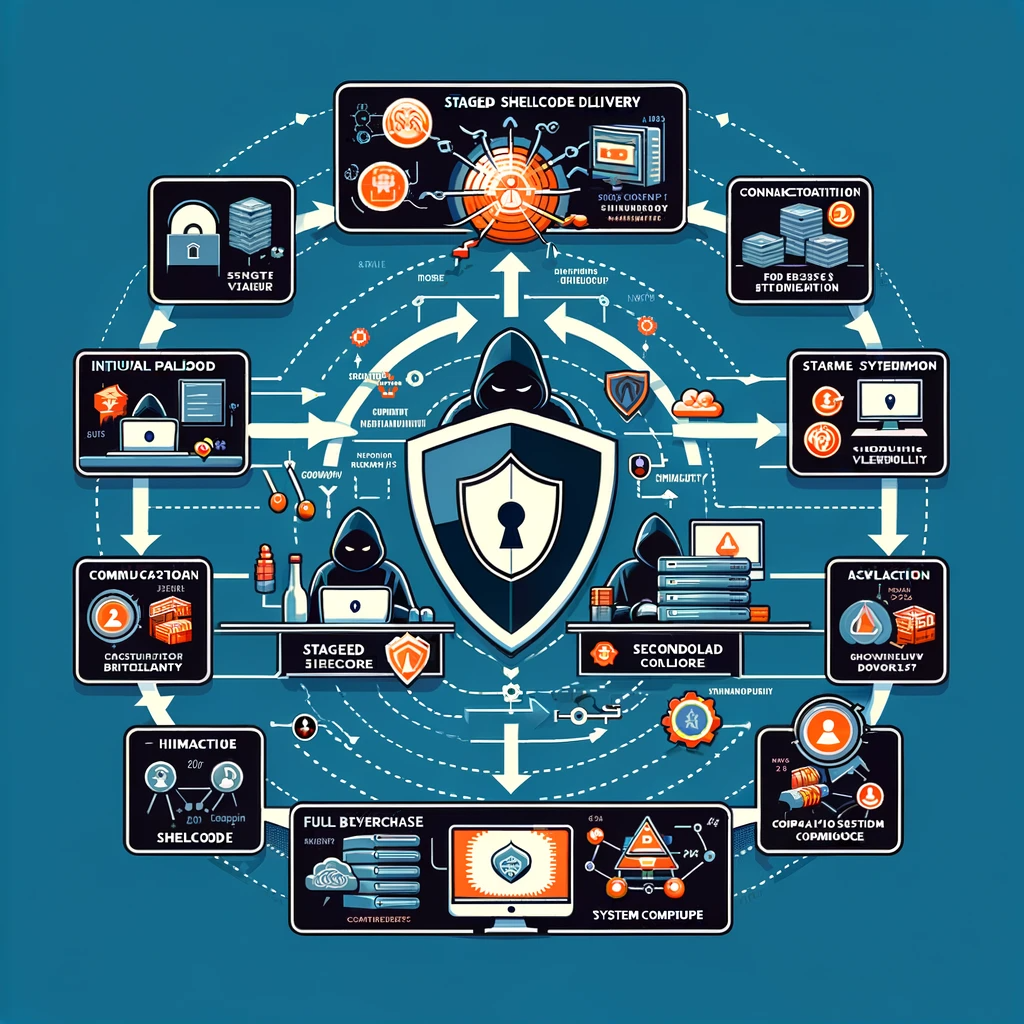
What Happens During An Os Update That Improves Security?
Conclusion
Conclusion: Updates – The Unsung Heroes in Cybersecurity
In today’s high-speed digital world, where a cyberattack can happen faster than you can hit “send,” operating system updates aren’t just a minor inconvenience. No, my friends, they’re a crucial line of defense—a digital shield erected to protect your personal information and online presence from ever-looming threats. Each seemingly mundane update is akin to checking that your doors are locked before heading to bed. It’s a step many take for granted, but it can mean the difference between digital safety and catastrophic loss.
Picture this: each time you click that “Update” button, you’re proactively patching vulnerabilities that hackers would love to exploit. Those vulnerabilities are the gaps in your cybersecurity fortress—easy entry points for cybercriminals, ready to rummage through your digital files. Just like a classic car needs periodic maintenance to continue running smoothly, your operating system requires regular updates to combat the relentless tide of cyber threats.
Sure, those updates might feel like they interrupt your Netflix binge or delay your online gaming marathon, but remember this: they come packaged with not just fixes, but enhanced security protocols, improved data encryption, and best practices for keeping your data safe. They’re designed to ward off the bad guys while simultaneously teaching you how to be a better guardian of your own digital kingdom. If knowledge is power, then updates are the armor putting that power to use.
Now, let’s be real. Operating system updates alone won’t make you invulnerable. Think of them as a well-built foundation for a house; without additional security measures, like strong passwords and a healthy skepticism of unsolicited emails and links, you’re still inviting trouble. The truth is, cyber threats are evolving, and so must your defenses. This means couples updates with good cyber hygiene and maintaining vigilance in all your digital interactions.
In the end, don’t just view those update notifications as pesky reminders. Instead, consider them your corner office alert, urging you to fortify your defenses in a world filled with digital “muggers.” Ignoring them? Well, that’s like leaving your front door wide open, hoping for the best. Embrace those updates, understand their value, and take charge of your cybersecurity. Remember, each update is not just a technical fix; it’s an evolution of your digital security, crafted to keep you one step ahead in a rapidly changing landscape. So the next time you see that update alert, give it some love instead of hitting “Remind Me Later.” Your future self will certainly appreciate it.

Conclusion
Conclusion:
- Operating system updates are crucial for protecting personal information in today’s digital landscape.
- Each update helps patch vulnerabilities that cybercriminals aim to exploit.
- Regular updates are essential for maintaining robust cybersecurity, akin to routine maintenance for a classic car.
- Updates provide enhanced security protocols and improved data encryption, vital for safeguarding your data.
- While updates are essential, they should be part of a broader security strategy, including strong passwords and skepticism toward unsolicited communications.
- Ignoring update notifications can leave you vulnerable, much like leaving a front door unlocked.
- Embrace updates as a proactive measure in your digital defense strategy, ensuring you’re prepared against evolving cyber threats.

Conclusion
Other Resources

Other Resources
Here is a list of other resources you can review online to learn more:
Use This Prompt To Get More Resources With Your Favorite Online AI Tool: Please provide me with a list of online articles with their URLs in a bulleted list that I can read regarding Do Operating Systems Updates Help Protect You Against Cyberattacks?

Other Resources
Glossary Terms
Do Operating Systems Updates Help Protect You Against Cyberattacks? – Glossary Of Terms
1. Operating System (OS): The software that manages computer hardware and software resources, providing services for computer programs.
2. Update: A package of software improvements, including bug fixes, security enhancements, and new features, released by software vendors.
3. Patch: A specific type of update designed to correct vulnerabilities or bugs in an operating system or application.
4. Vulnerability: A weakness in software that can be exploited by attackers to gain unauthorized access or cause harm.
5. Cyberattack: Any attempt to infiltrate or damage a computer system, network, or device, often for malicious purposes.
6. Malware: Malicious software designed to harm, exploit, or otherwise compromise the computer systems it infects.
7. Firewall: A network security device that monitors and filters incoming and outgoing traffic based on predetermined security rules.
8. Antivirus Software: A program designed to detect, prevent, and remove malware from computer systems.
9. Ransomware: A type of malware that encrypts a victim’s files, demanding payment for the decryption key.
10. Phishing: A social engineering attack that aims to trick individuals into revealing personal information by masquerading as a trustworthy entity.
11. Zero-Day Exploit: An attack that occurs on the same day a vulnerability is discovered, before a patch is available to fix it.
12. Security Breach: An incident where unauthorized access to data or systems occurs, often due to exploitation of vulnerabilities.
13. Encryption: The process of converting information into a coded format that is unreadable without a specific key, enhancing data security.
14. Authentication: The process of verifying the identity of a user, device, or system before granting access to resources.
15. User Account Control (UAC): A Windows feature that prompts the user for confirmation before allowing potentially harmful changes to the system.
16. Backup: A copy of data or system settings stored separately to restore in case of data loss or corruption.
17. System Restore: A Windows feature that allows users to revert their computer’s state to a previous point in time, useful for recovering from issues.
18. Rollback: Reverting to a previous state of software or system settings, typically after a failed update or patch.
19. Threat Intelligence: Information that helps in understanding potential threats to systems and networks, enabling proactive defense strategies.
20. Access Control: A security strategy that determines who or what can access resources in a computing environment.
21. Intrusion Detection System (IDS): Software or hardware that monitors network traffic for suspicious activity and alerts administrators of potential threats.
22. Two-Factor Authentication (2FA): An added security layer that requires two forms of verification before granting access to an account or system.
23. Social Engineering: Manipulating individuals into divulging confidential information through deceptive means, often targeting human psychology.
24. Network Security: Measures taken to protect a computer network from intrusions, misuse, or damage by implementing controls and protocols.
25. Privacy Policy: A statement that explains how an organization collects, uses, and protects personal information, relevant to cybersecurity.
26. Threat Landscape: The evolving change of threats that organizations face, including the tactics, techniques, and procedures used by attackers.
27. Denial of Service (DoS): An attack designed to make a computer resource unavailable to its intended users by overwhelming it with requests.
28. Data Breach Notification: A requirement for organizations to inform affected individuals when their personal information has been compromised.
29. Security Audits: Evaluations of an organization’s security policies, procedures, and practices to ensure effectiveness and compliance.
30. Cyber Hygiene: A set of practices and steps that users and organizations take to maintain the integrity of their systems and protect against cyber threats.

Glossary Of Terms
Other Questions
Do Operating Systems Updates Help Protect You Against Cyberattacks? – Other Questions
If you wish to explore and discover more, consider looking for answers to these questions:
- What are the most common types of cyberattacks that OS updates can help prevent?
- How do operating system updates differ between various platforms (e.g., Windows, Mac, Linux)?
- What should you do if you experience issues after an OS update?
- How can users educate themselves about cybersecurity beyond just OS updates?
- What role does user behavior play in the effectiveness of OS updates?
- Are there any specific examples of significant security breaches that could have been prevented by timely OS updates?
- How do OS updates impact device performance and user experience?
- What are the legal implications for companies that fail to maintain timely OS updates?
- Do all operating systems receive the same level of security updates?
- Can third-party software affect the OS update process or its effectiveness?
Other Questions
Haiku
Do Operating Systems Updates Help Protect You Against Cyberattacks? – A Haiku
Digital armor stands,
Updates shield against the foes,
Guard your realm with care.

Haiku
Poem
Do Operating Systems Updates Help Protect You Against Cyberattacks? – A Poem
In Cyber’s Dance: A Poetic Reflection on OS Updates
In a world where screens light up our day,
And digital threads weave in complex array,
Operating systems stand guard—our silent knight,
Yet how do updates shield us from the cyber fright?
With every click of “update,” a fortress we build,
Patching the armor where vulnerabilities spilled,
Cyber villains wait, lurking in the night,
Like shadows in alleys, ready to bite.
Each flaw discovered—an open invitation,
For hackers and tricksters on their rogue vacation;
Yet programmers scramble, swift as the breeze,
Rolling out fixes like locks on the keys.
But oh, dear friend, don’t ye be deceived,
Updates alone won’t get you reprieved.
For strong passwords and vigilance, too,
Are part of the armor—yes, it’s true!
A toolbox of wisdom; each tool has its place,
With multi-factor checks, and a wary embrace,
To stand against phishers and sneaky malware,
We must wield our knowledge and always be aware.
So heed the reminders, those notifications so sly,
Think of them not as a bother, but a safety ally.
For your data’s a treasure, worth more than gold,
In the wild west of cyberspace, let your defenses be bold.
Updates, they promise peace in the storm,
Enhancing your system, keeping it warm;
But with each layer added, a lesson we learn,
Cybersecurity thrives when we also discern.
So here’s to the updates, both minor and grand,
Together they craft a safer digital land,
In this dance of tech, let us not lose our way—
With knowledge and updates, we’ll conquer the fray.

Poem
Checklist
Do Operating Systems Updates Help Protect You Against Cyberattacks? – A Checklist
Checklist for Enhancing Cybersecurity Through Operating System Updates
To help protect yourself from cyberattacks, follow this checklist regarding operating system updates:
Operating System Updates Checklist
1. Regular Update Schedule
_____ Set a reminder to check for OS updates at least once a month.
_____ Enable automatic updates if available, to ensure you receive important patches.
2. Understand Update Notifications
_____ Don’t ignore update prompts; treat them as essential maintenance.
_____ Review update details to understand what vulnerabilities are being addressed.
3. Keep Security Practices in Mind
_____ Use strong, unique passwords for all accounts.
_____ Enable multi-factor authentication wherever possible.
_____ Be aware of phishing attempts and avoid clicking on suspicious links.
4. Implement Good Cyber Hygiene
_____ Regularly back up important files to a secure location (cloud or external storage).
_____ Use reputable antivirus software to complement OS updates.
_____ Maintain awareness of new cybersecurity threats and trends.
5. Monitor Software and App Updates
_____ Update other software and applications, as they often depend on the OS.
_____ Check for updates on antivirus and other security software.
6. Conduct Regular System Checks
_____ Perform routine scans with your antivirus software.
_____ Check system performance for signs of malware or slowness.
7. Education and Resources
_____ Stay informed about the latest cybersecurity news.
_____ Consider enrolling in cybersecurity awareness training for deeper knowledge.
8. Assess Vulnerabilities
_____ Regularly check your OS settings for potential vulnerabilities.
_____ Consider using a tool to assess your overall cybersecurity posture.
Conclusion
Following this checklist can significantly enhance your cybersecurity posture and help protect against potential cyberattacks. Stay proactive, informed, and vigilant!

Checklist
At BestCyberSecurityNews, we help teach entrepreneurs and solopreneurs the basics of cybersecurity and its impact on their businesses by using simple concepts to explain difficult challenges.
Please read and share any of the articles you find here on BestCyberSecurityNews with your friends, family, and business associates.


