Guidelines For Ethical AI Integration
By Tom Seest
At BestCyberSecurityNews, we help teach entrepreneurs and solopreneurs the basics of cybersecurity and its impact on their businesses by using simple concepts to explain difficult challenges.
Please read and share any of the articles you find here on BestCyberSecurityNews with your friends, family, and business associates.
How to Integrate AI Tools Without Breaking Compliance Rules
Integrating AI tools into your operation is like inviting a new family member to the dinner table. You want to welcome it with open arms, but you also have to ensure everyone plays by the family rules. It’s not just about jumping on the bandwagon; it’s about making smart decisions that keep your integrity intact. When you think about it, using AI in ways that comply with regulatory standards is more than a legal obligation; it’s an ethical responsibility that we owe to our employees, customers, and even ourselves.
Consider this: every time we leverage AI, we’re standing at the intersection of innovation and accountability. The world is moving fast, and technology evolves quicker than we can grab our coffee. But while the thrill of progress pulls us forward, we have to keep a vigilant eye on cybersecurity. Imagine the ramifications of a data breach—not just for your company but for the families and individuals who trust you with their information. The stakes are high, and that’s where compliance comes in, serving as your safety net.
Now, let’s connect the dots. When you introduce AI tools, think of them as apprentices in your workplace. Will they be supported with proper training? Will they understand the boundaries within which they must operate? Implement robust compliance frameworks from day one. Not only does this protect your organization, it also reinforces a culture of responsibility. When your team sees you prioritizing ethical use, they become champions of the cause, motivated by a shared vision of what it means to do business right.
Engaging with regulators isn’t a chore; it’s an opportunity. These are the experts paving the way, illustrating what’s acceptable. Invite dialogue. Participate in workshops or webinars. Surround yourself with thought leaders who understand the gravity of compliance in the tech age. Ask questions. Learn the landscape. It’s about confidence in your decisions.
So, as you roll out those shiny new AI tools, remember: it’s not just about what you can do with technology—it’s about what you should do. With every responsible choice, you’re not just complying; you’re building trust, fostering connection, and creating a future where progress and principles walk hand in hand. And that’s the kind of legacy worth creating.

How to Integrate AI Tools Without Breaking Compliance Rules
How to Integrate AI Tools Without Breaking Compliance Rules
- Integrating AI tools requires welcoming them while ensuring adherence to established guidelines.
- Utilizing AI involves not just legal compliance but also an ethical obligation towards stakeholders.
- Every use of AI situates organizations at the crossroads of innovation and accountability.
- Cybersecurity vigilance is crucial to prevent risks, such as data breaches, ensuring trust is maintained.
- AI tools should be treated as apprentices, requiring proper training and clear operational boundaries.
- Engaging with regulators should be seen as an opportunity to understand compliance better and participate in the conversation.
- Making responsible choices with AI fosters trust and creates a legacy where technology and ethical principles coexist.

How to Integrate AI Tools Without Breaking Compliance Rules
Table Of Contents
- How to Integrate AI Tools Without Breaking Compliance Rules
- What Are the Emotional Risks Of AI Integration on Team Morale?
- How Can Compliance Be Maintained While Leveraging AI Innovations?
- Who Can Guide Us In Navigating AI Compliance Complexities?
- What Are the Potential Legal Consequences Of Non-Compliance with Ai?
- How Can We Build Trust In AI Technology Among Our Stakeholders?
- What Frameworks Ensure Ethical Use Of AI In Sensitive Areas?
- How Do We Balance Innovation with the Need for Compliance In AI Use?
- Conclusion
- Other Resources
- Glossary Of Terms
- Other Questions
- Haiku
- Poem
- Checklist
What Are the Emotional Risks Of AI Integration on Team Morale?
As we race into the future, integrating artificial intelligence into our workplaces seems like a no-brainer. It’s efficient, it saves time, and it can handle the mundane tasks that once bogged us down. But here’s the rub: while AI drives productivity, it can also stir a cauldron of emotional risks that gnaw at the very heart of team morale.
Picture a team, shoulder to shoulder, fighting for a shared goal. The camaraderie builds a formidable foundation, fostering trust and collaboration. But as AI steps in—an otherworldly presence making decisions, analyzing data, and dispensing feedback—an eerie silence often replaces the shared chuckles and high-fives. Employees may feel unnerved, grappling with insecurities about their importance and relevance. Is the machine now the savvy mastermind, while they’re reduced to mere cogs? This can lead to a disheartening sense of isolation, diminishing that vibrant energy that fuels innovation.
Let’s unpack this with some reason. When employees feel undervalued or threatened by technology, it doesn’t just impact their individual psyche; it ripples through the entire organization. According to studies, morale in the workplace thrives on shared trust and emotional safety. If team members are hesitant to voice concerns or share ideas, innovation stagnates. The very lifeblood of creativity drains away, replaced by a fear of obsolescence.
Ethically, this raises a profound question: What’s our responsibility to our teams? Organizations must find the balance between leveraging technology and remembering that behind every algorithm sits a human being with dreams, worries, and ambitions. Transparency is crucial. Employees need to see that AI is an ally, not an adversary, a tool that amplifies human capability rather than eclipses it.
And let’s not forget about the role of cybersecurity in this narrative. As we integrate AI, safeguarding our digital landscape is paramount. It’s not just about protecting data; it’s about preserving trust. Team members must feel secure not just in their positions, but in the integrity of the technology they navigate.
So, how do we foster connection in this brave new world? By creating spaces for dialogue, ensuring everyone has a voice, and celebrating the fusion of human intuition and machine efficiency. Let’s stand together, hand in hand, as we sculpt a future where technology enhances the human experience—not diminishes it. In this era of change, it’s time to act with purpose, emphasizing the people behind the tech.

What Are the Emotional Risks Of AI Integration on Team Morale?
What Are the Emotional Risks Of AI Integration on Team Morale?
- Integrating AI into workplaces enhances efficiency and productivity but raises emotional risks affecting team morale.
- AI’s presence can lead to feelings of isolation among employees, undermining trust and collaboration.
- When employees feel threatened by technology, it impacts organizational morale and hinders innovation.
- Transparency is essential; employees must view AI as a supportive tool, not a replacement.
- Prioritizing cybersecurity is crucial for preserving trust and safeguarding both data and employee feelings of security.
- Creating dialogue and ensuring every voice is heard fosters connection in an AI-driven work environment.
- Organizations should emphasize a future where technology enhances human experiences rather than diminishes them.

What Are the Emotional Risks Of AI Integration on Team Morale?
How Can Compliance Be Maintained While Leveraging AI Innovations?
In a world where artificial intelligence is reshaping industries faster than most can keep up, the question arises: how do we ensure compliance without stifling innovation? It’s a delicate balancing act, one that requires not just careful navigation through regulations but also a heartfelt commitment to ethical practices.
Imagine a bustling factory floor where robots and humans work in harmony. The machines are smart, learning from every movement, optimizing processes, and reducing waste. Yet, as these innovations unfold, so do the responsibilities that come with them. This isn’t just about following rules—it’s about protecting the very people who rely on us. With each line of code written, we must ask ourselves: are we safeguarding their interests? Are we bolstering their security against the ever-looming threat of cybersecurity breaches? When you make compliance a priority, you aren’t just ticking boxes; you’re building a fortress around your workforce.
Now, let’s tap into the rational side. Compliance is not an obstacle; it’s a framework for greater operational efficiency. By integrating AI within those guidelines, companies can streamline workflows, minimize errors, and enhance overall productivity. This isn’t some abstract concept—these are real, tangible benefits that lead to profit and growth. When firms adhere to compliance while leveraging AI innovations, they not only protect themselves from legal consequences but also foster trust among employees and customers. Trust, after all, is the bedrock of any successful enterprise.
On the ethical front, one must consider the impact on society. When worries about data privacy and misuse of AI technology surface, people naturally become skeptical. However, demonstrating transparency in your AI practices, coupled with a robust compliance strategy, fosters a sense of community responsibility. It lets employees and consumers know that you’re in this together, not just for the bottom line but for the greater good.
Finally, think about the power of storytelling. Each step taken toward compliance, guided by AI advancements, tells a narrative of progress, responsibility, and hope. It reminds us that innovation isn’t just about what we can create but how we can create a safer, more ethical world.
So, as we harness the power of AI, let’s do it with purpose. Let compliance and innovation walk hand in hand, shaping not just the future of business but the fabric of our community, ensuring we rise to meet the challenges ahead, together.

How Can Compliance Be Maintained While Leveraging AI Innovations?
How Can Compliance Be Maintained While Leveraging AI Innovations?
- Artificial intelligence is transforming industries, creating a need for compliance without hindering innovation.
- Balancing regulation adherence with ethical practices is crucial to protect stakeholders.
- AI technologies on factory floors can optimize processes and reduce waste while elevating responsibilities.
- Compliance should be viewed as a framework that enhances operational efficiency, not a hindrance.
- Integrating AI with compliance can boost productivity and foster trust among employees and customers.
- Transparency in AI practices and a strong compliance strategy can alleviate public skepticism about data privacy.
- Storytelling around compliance and AI advancements can convey a narrative of progress and ethical commitment.

How Can Compliance Be Maintained While Leveraging AI Innovations?
Who Can Guide Us In Navigating AI Compliance Complexities?
When it comes to tackling the labyrinth of AI compliance, finding the right guidance can feel like a high-stakes treasure hunt. You may ask yourself: who really holds the roadmap to keep us from stumbling into the pitfalls of this technological frontier? The answer lies not just in algorithms or compliance checklists, but in a blend of people who embody trust, knowledge, and a deep understanding of what we value as a society.
Imagine an expert, someone who has spent years navigating the stormy seas of cybersecurity and legal frameworks, standing beside you as you face the uncertainties of AI implementation. This person doesn’t just speak the language of compliance; they understand the nuances and real-world impact of decisions that can affect lives and livelihoods. It’s not merely an intellectual exercise; it’s about ethical responsibility and making choices that resonate with our shared values.
Take a moment to reflect: think of a time when you felt lost in a complex situation. Now imagine having someone who was not just a guide but a mentor, who illuminated your path with wisdom earned through experience. That’s the kind of person you want in your corner when grappling with AI compliance complexities—someone with a story to tell and lessons learned the hard way. It’s these narratives that ground us, reminding us that behind every compliance issue, there’s a human story waiting to be told.
Engage with the professionals who foster community ties and ethical standards over profit margins. Look for collaborative networks, not just those who claim expertise but those who are committed to transparency and teaching. These are the folks who foster an environment of shared learning, where you can openly discuss challenges without the fear of judgement—a community that is not only united by a common goal but enriched by diverse perspectives.
And let’s not forget the importance of accountability in the digital age. The right guide will ensure that you are armed with the tools to not just comply but to truly integrate ethical practices into your AI systems. After all, the trust you build today lays the groundwork for a safer, more responsible future. Together, we can navigate these complexities, fortifying our systems against the chaos of misuse while championing the responsible advancement of technology. So let’s roll up our sleeves and find that guide—it’s time to take action for a better tomorrow.

Who Can Guide Us In Navigating AI Compliance Complexities?
Who Can Guide Us In Navigating AI Compliance Complexities?
- Navigating AI compliance can feel like a challenging treasure hunt that requires proper guidance.
- The key to successful compliance lies in people with trust, knowledge, and a societal understanding.
- An experienced expert can illuminate the complexities of AI implementation and its real-world impacts.
- Having a mentor with a story can provide valuable insights and ethical responsibility in decision-making.
- Seek professionals dedicated to community ties and ethical standards rather than just profit margins.
- Engage in collaborative networks that encourage open discussion and diverse perspectives on compliance challenges.
- Accountability and ethical practices are crucial for integrating AI responsibly, building trust for a safer future.

Who Can Guide Us In Navigating AI Compliance Complexities?
What Are the Potential Legal Consequences Of Non-Compliance with Ai?
In the ever-evolving landscape of artificial intelligence, the potential legal consequences of non-compliance aren’t just a matter of paperwork—they’re realities that can ripple through lives, families, and communities. Imagine a small business, brimming with entrepreneurial spirit, suddenly grappling with the aftermath of a data breach because it overlooked essential compliance protocols. The emotional weight of that breach isn’t confined to the balance sheet; it’s felt in the anxious faces of employees unsure about their future, and in the disappointed customers left scratching their heads, wondering if they can trust again.
Legally, penalties for non-compliance can be crushing. Fines can mount into the millions, imposing a burden that many businesses simply can’t bear. But it’s not just the numbers that strike fear. It’s the tarnished reputation, the loss of customer loyalty, and the lingering shadow of legal entanglements that can haunt a company for years. The heart of compliance isn’t just about ticking boxes; it’s about protecting the people who believe in you—your employees, your customers, and your community.
From a rational standpoint, abiding by AI regulations is a savvy business move. Companies that prioritize cybersecurity not only safeguard their own assets but also build trust in their brand. In an age where data breaches are headlining the news, consumers are increasingly discerning, favoring businesses that take ethical considerations seriously. Is cutting corners worth that risk? Absolutely not. It’s a calculated gamble that rarely pays off.
Ethically, we have a duty to uphold responsible use of AI. Infringing on privacy rights or neglecting security protocols can result in devastating consequences, not just for the company but for everyday people who place their trust in technology. Think of it this way: every time we disregard compliance, we’re stepping away from our responsibility to shield our neighbors, our families, and our fellow citizens from harm.
And then there’s the weight of authority. Governments and regulatory bodies are tightening the reins, outlining clear pathways to compliance yet allowing little room for missteps. Learning from those who’ve navigated these waters before us—experts and industry leaders—can guide us toward safer shores.
When we connect the pieces, it becomes clear: compliance isn’t simply a mandate. It’s a commitment to the lives intertwined with our businesses and technologies. It’s about ensuring that the innovations of today don’t become the regrets of tomorrow. This is a journey worth taking, and the time to act is now.

What Are the Potential Legal Consequences Of Non-Compliance with Ai?
What Are the Potential Legal Consequences Of Non-Compliance with Ai?
- The legal consequences of non-compliance in AI can have severe repercussions for individuals, families, and communities.
- A data breach can significantly impact a small business, affecting employees and shaking customer trust.
- Penalties for non-compliance can amount to millions, leading to financial burdens and long-term reputational damage.
- Prioritizing compliance and cybersecurity fosters trust with customers and enhances a brand’s reputation.
- Ethical responsibility in AI usage is crucial, as non-compliance can harm individuals who rely on technology.
- Governments are increasingly enforcing stricter compliance regulations, making adherence essential for businesses.
- Compliance is not just a legal requirement but a commitment to the well-being of employees, customers, and the community.

What Are the Potential Legal Consequences Of Non-Compliance with Ai?
How Can We Build Trust In AI Technology Among Our Stakeholders?
Building trust in AI technology requires us to connect with our stakeholders on multiple levels—we’ve got to engage their hearts, feed their minds, and stir their guts. Trust isn’t just a checkbox; it’s a relationship. Picture this: a farmer using advanced AI tools to optimize crop yields while ensuring the health of the land. Here, the benefits are clear, but trust blossoms in the soil of transparency and ethics.
Start with emotional appeals. When we share stories of real people who’ve benefited from AI—whether it’s a small business finding its footing thanks to smart analytics or a child receiving personalized medical treatment—we shift perspectives. Suddenly, AI isn’t just a line in a budget; it’s a lifeline. These narratives draw stakeholders in, making them feel connected to the technology and its potential.
Now, let’s add a sprinkle of rationality. Stakeholders demand evidence, and rightfully so. Back it up with data demonstrating improved efficiency, cost savings, and enhanced decision-making. Talk about how AI can fortify our defenses against Cybersecurity threats—a fortress built on algorithms that protect sensitive information. Stakeholders want to know that AI isn’t just a buzzword, but a practical tool that can safeguard their investments and interests.
We must also tackle the ethical implications head-on. Be honest about the challenges and pitfalls. Acknowledge fears about bias, privacy, and the unforeseen consequences of AI. Establishing a clear set of ethical guidelines and committing to responsible use amplifies our moral authority. When stakeholders see us grappling with the gray areas, they’re more likely to see us as allies rather than adversaries.
Finally, weave in some social connection. Foster communities of practice where stakeholders can share experiences, collaborate, and voice concerns. This space should be inclusive, inviting diverse perspectives to engage in meaningful dialogue. Trust is less a solo mission and more a team sport.
By appealing to our stakeholders’ hearts, minds, and guts, and by leveraging narrative, ethics, authority, and social bonds, we can cultivate a landscape where trust in AI isn’t just possible—it’s inevitable. Together, let’s build a future where technology enhances our lives and communities thrive in tandem with it.

How Can We Build Trust In AI Technology Among Our Stakeholders?
How Can We Build Trust In AI Technology Among Our Stakeholders?
- Building trust in AI requires engagement on emotional, rational, and ethical levels with stakeholders.
- Trust is a relationship, not just a checkbox; transparency and ethics help foster it.
- Emotional appeals through real-life stories can shift perspectives, making AI relatable and valuable.
- Rationality is key; stakeholders need data showcasing AI’s efficiency, cost savings, and security benefits.
- Address ethical implications transparently, acknowledging challenges like bias and privacy concerns.
- Create inclusive communities for stakeholders to share experiences and collaborate on AI-related issues.
- By appealing to hearts, minds, and social bonds, we can cultivate inevitable trust in AI technology.

How Can We Build Trust In AI Technology Among Our Stakeholders?
What Frameworks Ensure Ethical Use Of AI In Sensitive Areas?
In our rapidly evolving world, the use of AI in sensitive areas like healthcare, law enforcement, and financial services carries a weight that demands our utmost attention. Imagine for a moment a compassionate doctor whose decisions are now augmented by an AI system. While the technology offers a wealth of data, it also raises serious questions about trust, accountability, and ethics. As we stand at this crossroads of innovation and responsibility, frameworks ensuring ethical AI use become our guiding stars—illuminating perilous paths and paving the way for responsible exploration.
When we talk about ethics, we’re not just discussing rules and regulations on paper; we’re speaking about lives impacted by technology every day. This isn’t some abstract concept—we’re talking about real people who rely on machines to help them make critical decisions. If we don’t hold these technologies to the highest ethical standards, we risk creating a society where biases linger and lives are unfairly altered. The frameworks that emerge must prioritize transparency and fairness, ensuring that algorithms are inclusive and do not inadvertently perpetuate existing injustices. This is not just a moral call; it’s a social imperative.
Navigating this reality takes more than just good ideas; it requires comprehensive collaboration. Stakeholders must unite—from tech innovators and ethicists to government regulators and community leaders—to craft strategies that put humanity first. A collective commitment to these frameworks fosters confidence in AI systems and nurtures a sense of community ownership over the technology that shapes our lives.
Take, for instance, cybersecurity—an increasingly crucial arena where ethical AI frameworks are paramount. We must ensure that intelligent systems not only protect our data but also respect our privacy. Let’s think about it: would you trust a system that handles your most sensitive information if you believed it could fall into the wrong hands due to unethical practices? The answer is a resounding no, because we all know that without trust, the entire relationship crumbles.
Stories abound that illustrate the consequences of neglecting these ethical dimensions. Consider the individual whose life was profoundly altered due to an algorithm that wasn’t held to a rigorous ethical standard. These narratives should ignite a fire in our hearts and minds. They remind us that as we edify our understanding of AI, we must ensure it reflects our shared values, fostering not only innovation but also trust, empathy, and justice in an increasingly complex digital landscape. Together, we can create a future where technology serves humanity, and every decision taken is one that upholds our highest ethical standards.

What Frameworks Ensure Ethical Use Of AI In Sensitive Areas?
What Frameworks Ensure Ethical Use Of AI In Sensitive Areas?
- The integration of AI in sensitive sectors like healthcare, law enforcement, and finance raises urgent issues of trust, accountability, and ethics.
- Ethical AI frameworks are essential for responsible technology use, preventing biases and unfair consequences in decision-making.
- Real people depend on AI for critical decisions, emphasizing the need to uphold high ethical standards to protect lives.
- Comprehensive collaboration among stakeholders, including tech innovators, ethicists, and community leaders, is necessary to prioritize humanity.
- Ethical AI frameworks are vital in cybersecurity, ensuring that systems protect data while respecting privacy.
- Neglecting ethical considerations can lead to significant negative impacts on individuals’ lives, reinforcing the importance of rigorous standards.
- A collective commitment to ethical AI fosters innovation aligned with trust, empathy, and justice within society.

What Frameworks Ensure Ethical Use Of AI In Sensitive Areas?
How Do We Balance Innovation with the Need for Compliance In AI Use?
Innovation and compliance in AI use are often portrayed as opposing forces, like a tug-of-war between creativity and regulation. Yet, the truth is, we can’t afford to treat them as strangers; they need to become partners in our journey. As we leap into a future punctuated by smart technology and transformative solutions, we must take a step back and ponder the costs. It isn’t merely about inventing; it’s about ensuring that those inventions are safe, ethical, and sustainable.
Imagine a world where groundbreaking AI tools can eradicate inefficiencies, boost productivity, and tackle pressing challenges like climate change – all while ensuring strong cybersecurity. It’s a tantalizing prospect, one that sparks excitement and possibility. Yet, without adherence to essential regulations and compliance strategies, we risk plunging headlong into a quagmire of data breaches, ethical violations, and a loss of public trust. These stakes are high, and we owe it to ourselves and future generations to strike a balance.
Let’s talk about that spark of innovation. Often, it’s born in the garage, the university lab, or a small business striving to do big things. But for every breakthrough that dazzles, there’s a hidden risk. Failure to integrate compliance into the innovation process can lead to unintended consequences that tarnish reputations and derail progress. Think of the businesses that have been laid low not by a lack of ideas, but by breaches of trust due to negligence. Let that sink in; it’s a gut punch no so-called innovator wants to face.
To foster confidence, we aren’t just talking about meeting regulations thrown down by distant bureaucrats. We’re committing to a shared ethos that understands the social fabric we’re weaving through technology. Collaboration with authorities, ethical considerations, and proper implementation of policies foster a robust ecosystem where innovation thrives in a safe nurturing ground. So, bring your ideas – let’s innovate, but let’s do it honorably.
Engaging with compliance should feel less like a chore and more like a responsibility we embrace. It becomes a safeguard, ultimately enriching our shared narrative. When we flip the script from viewing compliance as a barrier to embracing it as a cornerstone, we not only create better tools but also keep our collective conscience intact. This approach doesn’t merely inspire confidence; it sparks hope. So let’s chart the course together, forging a future where innovation and compliance walk hand in hand.

How Do We Balance Innovation with the Need for Compliance In AI Use?
How Do We Balance Innovation with the Need for Compliance In AI Use?
- Innovation and compliance in AI should be collaborative rather than oppositional.
- The focus must be on creating safe, ethical, and sustainable technologies.
- AI tools have the potential to improve productivity and address issues like climate change, provided they adhere to regulations.
- Failure to integrate compliance can lead to data breaches and loss of public trust.
- Innovations often originate from grassroots efforts, but they carry risks if compliance is neglected.
- Engaging with compliance should be viewed as a responsibility that enhances innovation.
- Adopting compliance as a cornerstone fosters confidence and sparks hope for the future.

How Do We Balance Innovation with the Need for Compliance In AI Use?
Conclusion
Embracing AI tools in the workforce is akin to welcoming a new partner into your family—it’s exciting but demands vigilance. As these technologies flood in, we need to reflect on our ethical responsibilities, not only toward our organizations but to our employees and customers. Each time we integrate AI, there lies a powerful dichotomy at play: innovation against accountability. The thrill of technological advancement shouldn’t overshadow our commitment to safeguarding the personal information placed in our hands. Cybersecurity breaches can decimate trust, often leading to emotional scars that ripple through the lives of those affected.
Think of AI like an apprentice—needing guidance, boundaries, and support. We must establish comprehensive compliance frameworks to protect our teams and instill a culture of responsibility. When employees see leadership prioritize ethical practices, they become advocates for a workplace infused with integrity and innovation. Engaging with regulators, learning from industry leaders, and nurturing open lines of communication transforms compliance from a tedious requirement into an empowering journey.
AI brings promises of efficiency and problem-solving, but its integration also prompts a crucial conversation about human-centric work culture. We risk diminishing team morale if we fail to reveal technology as an ally rather than a replacement. People thrive in environments where they feel valued and secure, not threatened. Transparency about AI’s role can foster a supportive ecosystem that emphasizes collaboration, where team members see their unique skills as invaluable.
Moreover, compliance is not merely about adhering to regulations; it’s a strategic move that can bolster trust among consumers and stakeholders. Successful businesses understand that ethical AI practices cultivate a community mindset, nurturing connection and given them an upper hand. Our endpoint isn’t just technological prowess—it’s collective security, societal responsibility, and a commitment to building a trustworthy digital landscape.
Ultimately, the real challenge lies in harmonizing our drive for innovation with unwavering compliance to ethical standards. This equilibrium can pave the way for a future that isn’t just about cutting-edge tools but one where every decision is made bearing in mind the lives they touch. By embodying this mindset, we merge the essence of progress with our core values, crafting a legacy of trust and accountability. Together, let’s make strides that echo not just through the corridors of technology, but through the very fabric of our communities.

Conclusion
Conclusion:
- Integrating AI tools in the workforce requires ethical vigilance and reflection on responsibilities toward organizations, employees, and customers.
- There exists a dichotomy between innovation and accountability; technological advancements must not overshadow the safeguarding of personal information.
- AI should be viewed as an apprentice that needs guidance, boundaries, and support within a comprehensive compliance framework.
- Prioritizing ethical practices by leadership empowers employees to advocate for a culture of integrity and innovation.
- Transparency about AI’s role fosters a supportive work environment, emphasizing collaboration and the value of unique skills.
- Compliance is a strategic move that nurtures trust and a community mindset, benefiting both consumers and stakeholders.
- The challenge lies in balancing innovation with adherence to ethical standards to create a legacy of trust and accountability.
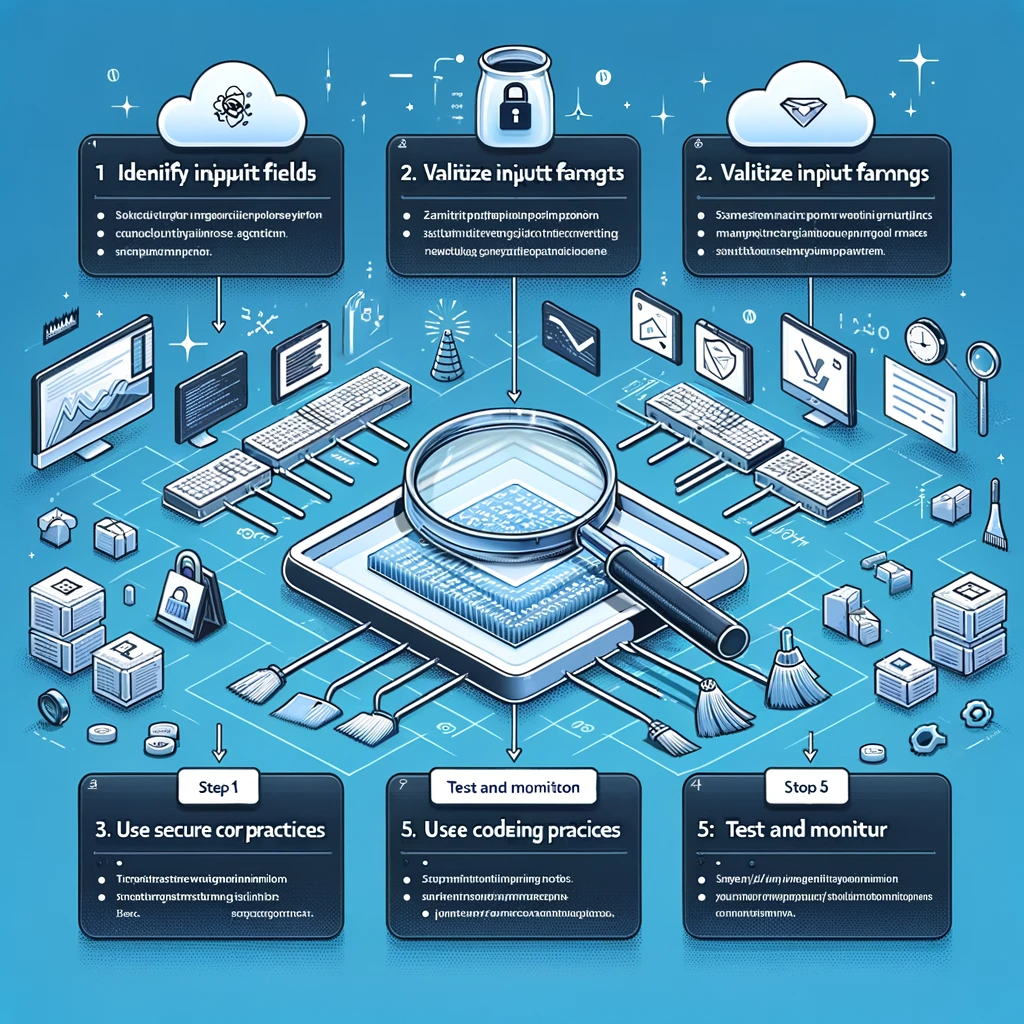
Conclusion
Other Resources

Other Resources
Here is a list of other resources you can review online to learn more:
- Reliance ACSN Limited
- DXC Technology
- onShore Security
- Blogger
- US itek
- ON2IT
- BlueVoyant
- IT Hotdesk
- Enact Security
- Netsecuris
- Birch Cline Cybersecurity
- Ensign InfoSecurity
- Telegram
- SOCSoter
- Google My Business
- Sheridan Computers
- Triada Networks
- MailChimp
- Cyberstone
Use This Prompt To Get More Resources With Your Favorite Online AI Tool: Please provide me with a list of online articles with their URLs in a bulleted list that I can read regarding How to Integrate AI Tools Without Breaking Compliance Rules

Other Resources
Glossary Terms
How to Integrate AI Tools Without Breaking Compliance Rules – Glossary Of Terms
1. AI (Artificial Intelligence): Technology that simulates human intelligence processes such as learning, reasoning, and self-correction.
2. Compliance: Adherence to laws, regulations, and guidelines set by governing bodies or industry standards.
3. GDPR (General Data Protection Regulation): A European Union regulation governing data protection and privacy, emphasizing user consent and data handling practices.
4. HIPAA (Health Insurance Portability and Accountability Act): U. S. legislation that provides data privacy and security provisions to safeguard medical information.
5. Data Privacy: The proper handling, processing, and storage of personal information, ensuring individuals’ rights are respected.
6. Data Security: Measures taken to protect digital data from unauthorized access, corruption, or theft.
7. Risk Assessment: The process of identifying, evaluating, and prioritizing risks associated with AI tool integration.
8. Audit Trail: A documented history of activities related to data handling, providing transparency and accountability in compliance.
9. Training Data: The dataset used to teach an AI system, which must be it compliant with relevant laws and regulations.
10. Bias: Systematic favoritism or unfairness in AI outputs due to distortions in training data.
11. Transparency: Clarity about AI algorithms, data usage, and decision-making processes, fostering trust and compliance.
12. Algorithm: A set of rules or instructions designed to solve a problem or perform a task, crucial for AI operations.
13. Data Anonymization: The process of removing personal identifiers from data sets to protect individual privacy while retaining data utility.
14. Ethics in AI: The moral principles guiding the design and implementation of AI technologies, focusing on fairness and responsibility.
15. Stakeholder Engagement: Involving relevant parties (e. g. , users, regulators) in discussions about AI tool integration and compliance.
16. Change Management: Techniques used to handle the transformation during AI tool implementation, ensuring compliance throughout the process.
17. Data Governance: The framework for managing the availability, usability, integrity, and security of data used in compliance efforts.
18. Regulatory Framework: The system of regulations that governs the development and use of AI technologies.
19. Privacy Policy: A legal document that outlines how an organization collects, uses, and protects personal data.
20. Liability: Legal responsibility for damages or breaches arising from non-compliance to regulations during AI integration.
21. Consultation: Seeking expert advice or feedback on compliance practices when integrating AI tools.
22. Digital Footprint: The trail of data individuals leave on digital platforms, which must be managed within compliance guidelines.
23. Incident Response: A structured approach for addressing and managing the aftermath of a data breach or compliance failure.
24. Continuous Monitoring: Ongoing scrutiny of AI systems and data usage to ensure they remain compliant with regulations.
25. Ethical AI Framework: Guidelines that set out the principles for responsible AI use, including compliance with laws.
26. User Consent: Approval obtained from individuals allowing their data to be used, a critical aspect of compliance.
27. Third-Party Risk: Potential compliance issues arising from using external vendors or services when integrating AI tools.
28. Legal Consultation: Engaging legal professionals to ensure AI integrations conform to applicable laws and compliance standards.
29. Documented Procedures: Written guidelines that outline compliance processes for the use of AI tools within an organization.
30. Accountability: The obligation of organizations to be held responsible for their compliance practices and AI tool usage.

Glossary Of Terms
Other Questions
How to Integrate AI Tools Without Breaking Compliance Rules – Other Questions
If you wish to explore and discover more, consider looking for answers to these questions:
- What specific compliance regulations should organizations be aware of when integrating AI?
- How can organizations effectively train employees to work alongside AI tools?
- What steps can be taken to mitigate the emotional risks associated with AI integration?
- What role do stakeholders play in the ethical integration of AI?
- How can organizations demonstrate transparency in their AI practices?
- What are best practices for engaging with regulators and ensuring compliance?
- How can businesses protect themselves from the legal consequences of AI non-compliance?
- What are some successful examples of ethical AI integration in various industries?
- How do we measure the societal impact of AI technologies?
- What resources are available for organizations seeking guidance on AI compliance?
- How can we ensure that AI systems are designed to be inclusive and fair?
- What frameworks are recommended for ethical AI use in sensitive sectors?
- How can public trust in AI technology be fostered in the community?
- What strategies can organizations implement to balance innovation with compliance?
- How can companies cultivate a culture of responsibility surrounding AI use?

Other Questions
Haiku
How to Integrate AI Tools Without Breaking Compliance Rules – A Haiku
New voices emerge,
AI’s embrace draws us near—
Trust blooms with each choice.

Haiku
Poem
How to Integrate AI Tools Without Breaking Compliance Rules – A Poem
At the table of innovation, a new guest appears,
Embraced with optimism, yet tinged with fears.
AI, a marvel, brings promise anew,
Yet in its bright glow, we must heed what is true.
Compliance—a beacon, our guiding star,
A safeguard for trust, no matter how far.
For all we create, we must ensure we protect
Those lives intertwined, their futures reflect.
In the dance of progress, emotions arise,
Where camaraderie falters under digital skies.
Guardians of ethics, we must stand tall,
For behind every algorithm, it’s humans who call.
Integrate wisely, offer support hand in hand,
Educate, converse—build a united stand.
Navigate stakes high, don’t veer from the path,
For compliance is strength, igniting our craft.
Through stories we find our common ground clear,
In the voices of many, let us lend an ear.
With transparency guiding, and dialogue shared,
Stakeholders united, our promise declared.
The fabric of trust woven tight through our deeds,
In protecting our values, we nurture such needs.
So embrace innovation, but cling to the core,
For in the balance of both, we find so much more.
Let each leap we take uphold responsibility’s vow,
A future where progress thrives, and we clearly allow,
For AI to serve us, enhancing human grace,
A legacy crafted—our shared, sacred space.

Poem
Checklist
How to Integrate AI Tools Without Breaking Compliance Rules – A Checklist
Checklist for Ethical AI Integration
Emotional Appeals:
_____ Have you shared stories and testimonials that highlight the positive impact of AI on real people’s lives?
_____ Are team members encouraged to voice concerns and share experiences about AI in the workplace?
_____ Have you provided support systems to alleviate fears regarding job security and AI’s role in the company?
Rational Appeals:
_____ Have you established clear metrics that demonstrate AI’s efficiency and its contribution to business goals?
_____ Are compliance guidelines integrated into your operational workflows to minimize risk and enhance productivity?
_____ Is there evidence available to stakeholders showcasing the cost-benefit analysis of adhering to compliance regulations?
Ethical Appeals:
_____ Have you created a transparent framework that outlines ethical guidelines for AI use?
_____ Are you committed to continuous training to ensure all employees understand their responsibilities in using AI ethically?
_____ Is there a channel for reporting and addressing ethical concerns related to AI deployment?
Authority Appeals:
_____ Have you consulted with experts in cybersecurity and AI compliance to shape your strategies?
_____ Are you participating in workshops or forums that discuss best practices in AI integration?
_____ Have you established partnerships with regulatory bodies to stay informed about compliance requirements?
Narrative Appeals:
_____ Are you documenting the journey of integrating AI technologies, including both successes and challenges?
_____ Do your communications reflect a commitment to both innovation and ethical standards?
_____ Have you created a narrative around the role of AI as a collaborative tool that enhances human capabilities?
Social Appeals:
_____ Are you fostering a community of practice where employees can share insights and collaborate on AI initiatives?
_____ Have you encouraged diverse perspectives to contribute to discussions about AI ethics and compliance?
_____ Is there an emphasis on collective responsibility, reminding everyone that ethical AI integration is a team effort?
Conclusion:
_____ Reflect on how each element of this checklist can help you navigate the complexities of AI integration, ensuring it is a responsible and ethical process that builds trust both within your organization and with external stakeholders.

Checklist
At BestCyberSecurityNews, we help teach entrepreneurs and solopreneurs the basics of cybersecurity and its impact on their businesses by using simple concepts to explain difficult challenges.
Please read and share any of the articles you find here on BestCyberSecurityNews with your friends, family, and business associates.