Unveiling Vulnerabilities: The Impact Of Ethical Hacking
By Tom Seest
At BestCyberSecurityNews, we help teach entrepreneurs and solopreneurs the basics of cybersecurity and its impact on their businesses by using simple concepts to explain difficult challenges.
Please read and share any of the articles you find here on BestCyberSecurityNews with your friends, family, and business associates.
Will Ethical Hacking Reveal Exploitable Weaknesses?
In an era where our lives are digitally woven into a fabric of technology, the realm of Cybersecurity finds itself at a critical crossroads. Every day, we hand our private information over to websites, apps, and devices like it’s candy from a stranger at a county fair. Yet, waiting in the shadows are those clever enough to identify the strings that hold everything together—strings that can easily be pulled to reveal the most intimate details about our lives.
Now, you may wonder: Is ethical hacking the answer to preventing these breaches, or is it merely a spotlight that reveals the cracks in our digital armor? The truth lies somewhere in between. Ethical hackers—or “white hats,” as they’re affectionately called—make it their mission to think like the enemy. They dive deep into systems, continuously probing for vulnerabilities, often before they become a problem. This proactive approach is much like finding the leaks in a dam before the floodwaters come crashing in.
Through their work, ethical hackers expose the exploitable weaknesses in applications and networks. Each vulnerability they uncover holds lessons not just for organizations, but for everyone who ever clicked “agree” without reading the fine print. It fosters a culture of vigilance—a mindset that should ripple through every level of society, from tech-savvy CEOs to everyday users who might still be using “password123” as their login.
The beauty of ethical hacking lies in its dual nature. It champions the cause of safety while simultaneously exposing the darker side of human ingenuity. It’s a high-stakes chess game where the stakes are your personal information, and the moves aren’t always clear. There’s no magic bullet here, but by shining a light on these faults, ethical hackers empower organizations to fortify their defenses. It’s a bit like taking your old fortress and reinforcing the wall after discovering a hidden door that leads straight into your pantry.
Ethical hacking is much more than just revealing weaknesses; it’s about building resilience. It’s an ongoing conversation between those who create the software and those who aim to exploit it. Each interaction is a reminder that in the world of Cybersecurity, knowledge is power, and vulnerability is part of the game—a game that, hopefully, we all learn to play a little better.

Will Ethical Hacking Reveal Exploitable Weaknesses?
Will Ethical Hacking Reveal Exploitable Weaknesses?
- Cybersecurity is at a pivotal moment in the digital age, where personal information is frequently shared online.
- Ethical hackers, or “white hats,” work to identify vulnerabilities in systems to prevent security breaches.
- They adopt an adversarial mindset, proactively searching for weaknesses before they can be exploited.
- Each vulnerability discovered serves as a learning opportunity for both organizations and individual users.
- Ethical hacking promotes a culture of vigilance across all societal levels, from CEOs to everyday individuals.
- The process of ethical hacking enhances safety while exposing the tactics used by malicious actors.
- Ultimately, ethical hacking fosters resilience and emphasizes that knowledge and understanding are crucial in the realm of Cybersecurity.

Will Ethical Hacking Reveal Exploitable Weaknesses?
Table Of Contents
- Will Ethical Hacking Reveal Exploitable Weaknesses?
- What Is Ethical Hacking And How Does It Work?
- What Are Common Methods Used In Ethical Hacking?
- How Can Ethical Hacking Identify Security Vulnerabilities?
- What Are The Benefits Of Hiring Ethical Hackers?
- Are There Risks Involved In Ethical Hacking?
- How Do Ethical Hackers Report Findings To Businesses?
- What Skills Are Necessary To Become An Ethical Hacker?
- Conclusion
- Other Resources
- Glossary Of Terms
- Other Questions
- Haiku
- Poem
- Checklist
What Is Ethical Hacking And How Does It Work?
In a world teeming with digital conveniences, where our lives are woven into the fabric of cyberspace, the need for robust cybersecurity has never been clearer. But amidst the headlines of breaches and hacks, there exists a group of individuals committed to safeguarding our online existence—ethical hackers. These unsung heroes don’t wear capes; they wear the mindset of detectives, ready to dive deep into the labyrinth of code and vulnerabilities.
So, what exactly is ethical hacking? It’s not some band of rogue hackers, bent on causing mischief. No, these professionals operate in the clear light of day, donning the label of “white hat” hackers to distinguish themselves from their nefarious counterparts—those “black hats” lurking in the shadows. Ethical hackers are hired by organizations to leverage their skills and knowledge in cybersecurity, identifying and exploiting vulnerabilities in systems, applications, and networks before the bad guys get their hands on them. Unlike their criminal counterparts, these hackers play by a different set of rules—rules that are grounded in integrity and legality.
The work of ethical hackers is multifaceted and dynamic. It begins with reconnaissance, where they gather information about their target, much like a scout scouting the terrain before battle. Through penetration testing, they probe systems, looking for weaknesses, whether it’s outdated software, poor configurations, or even social engineering tricks that could fool unsuspecting employees into spilling sensitive information. Every step is methodical and driven by the overarching goal of fortifying the organization’s defenses.
What’s remarkable about this line of work is that it’s not just technical know-how. Ethical hackers are problem-solvers, critical thinkers who can put themselves in the shoes of a cybercriminal. They must anticipate the tactics and techniques that hackers might use to infiltrate a system. Once the vulnerabilities are identified, ethical hackers create comprehensive reports, outlining the risks and providing actionable recommendations to improve cybersecurity.
Thus, ethical hacking serves a vital function in the ever-evolving battle against cyber threats. It goes beyond simply finding flaws; it’s about developing a culture of security awareness within organizations. So, next time you click “I agree” on a website or access your email, take comfort in the knowledge that ethical hackers are hard at work, tirelessly ensuring that your digital world remains a little bit safer. In a realm where knowledge is power, they are the guardians ensuring we don’t get lost in the digital wilderness.

What Is Ethical Hacking And How Does It Work?
What Is Ethical Hacking And How Does It Work?
- The importance of robust cybersecurity is heightened in our increasingly digital lives.
- Ethical hackers, also known as “white hat” hackers, work to protect online spaces from cyber threats.
- They are distinct from “black hat” hackers, as ethical hackers operate with integrity and legality.
- Their work involves reconnaissance and penetration testing to identify system vulnerabilities.
- Ethical hackers are critical thinkers who anticipate cybercriminal tactics to safeguard systems.
- They produce comprehensive reports detailing risks and providing recommendations for improving cybersecurity.
- Ethical hacking promotes a culture of security awareness, helping keep our digital environments safer.

What Is Ethical Hacking And How Does It Work?
What Are Common Methods Used In Ethical Hacking?
When it comes to the world of cybersecurity, you can bet your bottom dollar there’s a lot more than meets the eye. Ethical hacking, that noble art of probing systems for weaknesses instead of exploiting them, pulls back the curtain on the digital shadows where threats lurk. You see, it’s not just about breaking in; it’s about understanding how to guard the gates before anyone else gets crafty. So, let’s dive into the common methods employed by those who tread this delicate line between hacker and hero.
First up, we have penetration testing, often referred to as pen testing. This method involves simulating the tactics and techniques of malicious hackers. Think of it like a fire drill for cybersecurity; professionals will attempt to breach a system to identify vulnerabilities and rectify them before the bad guys can strike. They’ll take a good hard look at everything—from firewalls to application servers—applying their vast skill set to find the chinks in the armor.
Next, we have vulnerability assessments. This method is akin to a check-up at the doctor’s office, but instead of checking your heart, testers assess a system’s software, configurations, and networks. They’ll pinpoint vulnerabilities that could be exploited, giving organizations a clear picture of where their defenses need bolstering. Best of all, these assessments are typically conducted on a regular basis, keeping the digital landscape healthier than a well-tended garden.
Now, let’s not overlook social engineering, a crafty method that taps into the human element of cybersecurity. It’s not always about breaching firewalls or cracking encryption; sometimes, it’s as simple as tricking a well-meaning employee into giving away a password. Ethical hackers are trained to understand these tactics and help organizations create training programs that raise awareness about these sneaky approaches.
Then there’s the analysis of security policies. Before any real-world tests are conducted, ethical hackers will often evaluate existing security protocols and policies. This thorough review helps identify areas of concern and ensures that the organizational framework adequately defends against attacks.
Last but not least is the invaluable process of reporting. After all the tests have been run and the systems have been assessed, ethical hackers compile their findings into comprehensive reports. These documents serve as blueprints for organizations to fortify their defenses, ensuring that cybersecurity measures are sustainably improved over time.
Ethical hacking isn’t just about knowing how to break in; it’s about building better walls to keep the bad guys out. So the next time you hear about cybersecurity, remember there’s an unsung army working diligently in the trenches to keep us safe.

What Are Common Methods Used In Ethical Hacking?
What Are Common Methods Used In Ethical Hacking?
- Ethical hacking focuses on probing systems for weaknesses rather than exploiting them, aiming to understand and guard against potential threats.
- Penetration testing, or pen testing, simulates malicious hacker tactics to identify and rectify vulnerabilities in systems.
- Vulnerability assessments regularly check a system’s software and configurations to pinpoint exploitable weaknesses, improving overall security.
- Social engineering exploits the human element of cybersecurity, requiring training programs to raise awareness about these tactics.
- Analysis of security policies involves evaluating existing protocols to identify areas of concern before conducting real-world tests.
- Reporting is crucial; ethical hackers compile findings into comprehensive reports to guide organizations in fortifying their defenses.
- Ethical hacking is about building better defenses to protect against cyber threats, highlighting the ongoing efforts of cybersecurity professionals.

What Are Common Methods Used In Ethical Hacking?
How Can Ethical Hacking Identify Security Vulnerabilities?
When it comes to safeguarding our digital world, the term “cybersecurity” gets tossed around a lot. More than just a buzzword, it’s the frontline defense against an array of threats lurking in the shadows of the internet. But how do we ensure that our digital fortresses hold strong against these invisible invaders? Enter ethical hacking—the unsung hero in the saga of cyber safety.
Imagine a locksmith who specializes not just in fixing your door, but in trying to break into your house before a burglar does. Ethical hackers are a lot like that. Instead of waiting for a malicious entity to strike, these skilled professionals proactively probe systems, networks, and applications for vulnerabilities before the bad guys can exploit them. They walk the line between black and white, using the same tools and techniques that criminals employ, but for the noble purpose of strengthening defenses rather than breaching them.
Ethical hacking begins with reconnaissance, where they gather intelligence on the target. This involves scanning and mapping the network, much like an explorer charting uncharted territory. The goal here is to identify any weak points, those proverbial cracks in the armor that could potentially lead to a breach. From there, these digital defenders utilize a variety of methods—penetration testing, vulnerability assessments, and social engineering simulations—to unearth potential vulnerabilities.
Why is this important? Well, consider that the cost of ignoring these weak spots can be astronomical. Companies face not only the financial repercussions of a data breach but also damage to their reputation, loss of customer trust, and even legal ramifications. By employing ethical hackers, organizations essentially conduct a thorough health check on their cybersecurity measures, flushing out any hidden flaws that could cause serious fallout down the road.
But it’s not just about finding vulnerabilities. Ethical hackers also provide invaluable insights and recommendations for remediation. They don’t just identify the problem; they work collaboratively with tech teams to patch those gaps and enhance overall security postures. That’s what sets them apart—this isn’t just a game of cat and mouse; it’s a partnership aimed at building a fortress that holds firm against the tide of cyber threats.
In short, ethical hacking is not just a necessary cog in the machinery of cybersecurity; it’s the vigilant watchman keeping an eye out for dangers that lurk just beyond the digital horizon. Let’s face it: in a world where threats are constantly evolving, we need every ally we can muster to fortify our defenses.
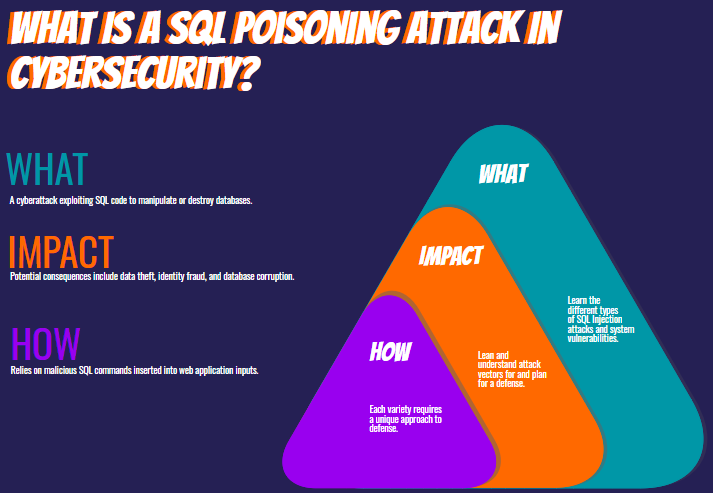
How Can Ethical Hacking Identify Security Vulnerabilities?
How Can Ethical Hacking Identify Security Vulnerabilities?
- Cybersecurity is essential for protecting against various internet threats.
- Ethical hacking serves as proactive defense by identifying system vulnerabilities before malicious hackers can exploit them.
- Ethical hackers perform reconnaissance to gather intelligence on targets and map networks for weak points.
- They use techniques such as penetration testing, vulnerability assessments, and social engineering simulations.
- Ignoring vulnerabilities can lead to significant financial losses, reputational damage, and legal issues for organizations.
- Ethical hackers provide insights and recommendations to strengthen security, collaborating with tech teams for effective remediation.
- As cyber threats evolve, ethical hacking is a vital component in fortifying cybersecurity defenses.

How Can Ethical Hacking Identify Security Vulnerabilities?
What Are The Benefits Of Hiring Ethical Hackers?
In today’s digitized world, the phrase “you’re only as strong as your weakest link” has never been more relevant, especially when it comes to cybersecurity. Organizations, big and small, are faced with an ever-evolving landscape of threats lurking in the digital shadows. The reality is, while we’re all busy running our businesses, there are folks out there who are itching to sabotage our hard work. This is where ethical hackers come in—a unique breed of tech-savvy folks who turn the tables on cybercriminals.
So, why should you even consider hiring ethical hackers? Let’s dig into the benefits. First off, these individuals are professionals who simulate attacks, identifying vulnerabilities before the bad guys get the chance to exploit them. Think of them as the undercover agents in the cybersecurity world, working on the inside to find problems before they become disasters. It’s like having a watchdog that doesn’t bark; it goes straight to the source before anything goes wrong.
Another major payoff is that ethical hackers bring fresh perspectives. They tend to think like cybercriminals, which means they can uncover blind spots that your internal team might miss. Different backgrounds and experiences lead to innovative solutions. By challenging conventional approaches, they can bolster your defenses in ways you might never have considered. This kind of critical thinking is invaluable when the stakes are as high as customer data and business reputation.
Moreover, hiring ethical hackers sends a strong message to your clients and stakeholders. It says, “We take cybersecurity seriously.” In a climate where data breaches can ruin a company’s reputation overnight, demonstrating a commitment to proactive security measures builds trust. It not only reassures customers but also deters potential hackers who might see your organization as a less appealing target.
Let’s not overlook auditing and compliance. Many industries have strict regulations regarding data protection. Ethical hackers can ensure that you meet those standards, helping you avoid penalties and legal troubles down the line. Think of them as your cybersecurity compliance officers; they keep you aligned with industry standards.
The benefits of hiring ethical hackers go beyond just patching vulnerabilities. They provide a layer of assurance, fresh insight, and regulatory compliance that can transform your approach to protecting sensitive information. In a world where threats are constantly evolving, making ethical hackers an integral part of your cybersecurity strategy can be the game-changer your business desperately needs.

What Are The Benefits Of Hiring Ethical Hackers?
What Are The Benefits Of Hiring Ethical Hackers?
- “You’re only as strong as your weakest link” is crucial in cybersecurity today.
- Organizations face a constantly changing landscape of digital threats.
- Ethical hackers simulate cyberattacks to identify vulnerabilities before criminals exploit them.
- They provide fresh perspectives and innovative solutions by thinking like cybercriminals.
- Hiring ethical hackers showcases a commitment to cybersecurity, building trust with clients and stakeholders.
- They help ensure compliance with strict data protection regulations, avoiding penalties and legal issues.
- Integrating ethical hackers into your cybersecurity strategy can significantly bolster your defenses.
What Are The Benefits Of Hiring Ethical Hackers?
Are There Risks Involved In Ethical Hacking?
When we talk about ethical hacking, we often paint a picture of digital Robin Hoods swooping in to save the day. But let’s not get ahead of ourselves; like any good tale, there are shadows lurking in the corners. The truth is, ethical hacking is more than a noble endeavor—it’s fraught with risks that can turn a heroic undertaking into a potential nightmare.
First off, let’s consider the skill set involved. Ethical hackers are, by definition, those who delve deep into the cyber underworld to uncover vulnerabilities in systems. They wield their knowledge like a double-edged sword. If they slip up, they might not just expose weaknesses; they could inadvertently create new ones. While their intent is to bolster cybersecurity, a misconfigured exploit could leave a digital door wide open for malicious actors. One moment you’re protecting a network, and the next, you’re putting it at risk.
Then there are the legal implications. Ethical hackers must tread carefully through a minefield of laws and regulations. They operate in a gray area where the definition of what’s ethical can vary significantly depending on who’s defining it. Engaging in “hacking” without a clear contract or permission can lead to serious legal consequences. Picture this: you think you’re on a mission to improve security, but soon enough, you find yourself facing charges for unauthorized access. Talk about turning a good deed into a legal quagmire!
Moreover, there’s an enormous weight that comes with the responsibility of handling sensitive data. Ethical hackers often have access to private information during their security assessments. A slip of the finger could inadvertently expose that data, leading to breaches much worse than what they were trying to protect against. The trust that clients place in these hackers is immense, and breaching that trust can destroy both partnerships and reputations.
Lastly, the emotional strain shouldn’t be underestimated. Being in the business of cybersecurity means constantly facing threats, whether they come from shadowy hackers or system failures. It can take a toll on one’s mental health, especially when one’s work is to anticipate disasters that may never come.
So, while the noble quest of ethical hacking is essential to improving our digital landscapes, it’s not without its pitfalls. Each venture into this complex realm requires vigilance, responsibility, and a hefty dose of realism—because in cybersecurity, ignorance is never bliss.

Are There Risks Involved In Ethical Hacking?
Are There Risks Involved In Ethical Hacking?
- Ethical hacking is often viewed as a noble endeavor, but it carries significant risks.
- Ethical hackers face the challenge of uncovering system vulnerabilities while risks of creating new ones exist.
- Legal implications are present, with actions falling into a gray area that can lead to unauthorized access charges.
- Handling sensitive data poses a responsibility, with potential consequences if that data is inadvertently exposed.
- Breaching client trust can have serious repercussions for ethical hackers, impacting partnerships and reputations.
- The emotional strain of constantly facing cybersecurity threats can impact mental health.
- Ethical hacking requires vigilance, responsibility, and a realistic understanding of its complexities.

Are There Risks Involved In Ethical Hacking?
How Do Ethical Hackers Report Findings To Businesses?
In the ever-evolving world of cybersecurity, ethical hackers play a pivotal role in keeping businesses safe from the multitude of threats lurking in the digital shadows. But here’s the kicker: finding vulnerabilities is only half the battle. The real challenge lies in how these savvy digital sleuths communicate their findings to the businesses they serve. So, how do they do it?
To begin with, ethical hackers don’t just leap into action with a wild flurry of code and subterfuge. They operate with a playbook—a systematic approach that starts with a thorough understanding of the organization’s infrastructure and objectives. Once they dive in, they gather intel on potential weaknesses across networks, applications, and devices. This stage is crucial because it establishes a foundation for their reports, ensuring that every finding is backed by solid evidence.
Once the dust settles and vulnerabilities have been unearthed, it’s time for the report. Now, this isn’t just a dry, technical document filled with jargon and cryptic codes. No, ethical hackers understand that they need to tailor their findings to the audience. When they sit down to write the report, it’s like crafting a narrative that speaks to both the tech-savvy IT staff and the business executives who might be more concerned about the bottom line than the latest cybersecurity threat.
Typically, a well-structured report will kick off with an executive summary—a concise overview that highlights critical vulnerabilities and the potential impacts of not addressing them. This sets the tone for serious discussions while ensuring that decision-makers grasp the significance of the findings without wading through technical minutiae. From there, they dive into the details, often laying out vulnerabilities, their potential risks, and actionable recommendations for remediation. They don’t just point fingers; they provide context and solutions, helping businesses navigate the often murky waters of cybersecurity.
Moreover, effective communication doesn’t stop at the report. Many ethical hackers play a crucial role in follow-up discussions. They might sit down with stakeholders to walk through the findings, answer questions, and offer guidance on how best to fortify the organization against potential attacks. This collaborative approach fosters teamwork and reinforces the idea that cybersecurity isn’t just an IT issue; it’s a fundamental element of the business’s health and longevity.
Ethical hackers don’t just uncover problems; they illuminate pathways to solutions, ensuring that businesses can thrive even in the face of ever-present digital threats.

How Do Ethical Hackers Report Findings To Businesses?
How Do Ethical Hackers Report Findings To Businesses?
- Ethical hackers are essential in safeguarding businesses against digital threats.
- Identifying vulnerabilities is just the first step; communication of findings is critical.
- They follow a systematic approach, starting with a deep understanding of the organization’s infrastructure.
- Reports are tailored to audiences, catering to both IT staff and business executives.
- A well-structured report starts with an executive summary highlighting key vulnerabilities and impacts.
- Effective communication extends to follow-up discussions to clarify findings and provide guidance.
- Ethical hackers not only identify problems but also offer solutions to help businesses thrive.

How Do Ethical Hackers Report Findings To Businesses?
What Skills Are Necessary To Become An Ethical Hacker?
If you’ve ever found yourself peering into the digital underbelly of the internet or pondering how to fortify the virtual walls of an organization, you’re on the brink of a fascinating vocation: ethical hacking. This is not just about playing cat and mouse with cybercriminals; it entails a unique skill set that veers beyond mere technical prowess. When you think about a career in cybersecurity, you’ve got to prepare for a multifaceted journey.
First and foremost, programming is your ticket into the world of ethical hacking. Understanding languages like Python, Java, or C++ gives you the tools to decipher the intricate algorithms that underpin software. And it doesn’t stop there. Proficiency in networking concepts is critical. Knowing how data moves across networks allows you to identify vulnerabilities and secure those pathways effectively.
Next up is a comprehensive understanding of operating systems. Both Windows and Linux run the show in the hacking domain, so familiarity with these platforms is essential. Ethical hackers often find themselves knee-deep in system administration, which means knowing how to manipulate and secure various OS environments.
Let’s not forget about the pivotal role of security protocols. This knowledge serves as a guide, allowing you to navigate the minefield of risks that organizations face daily. Become well-versed in firewalls, intrusion detection systems, and encryption techniques. After all, these tools are your best allies in defending against potential threats.
But hold on; the technical stuff is only half the equation. An ethical hacker must possess a keen sense of critical thinking. Being able to approach problems from different angles and foresee potential pitfalls can be your best defense against being outsmarted by malicious hackers. The ability to analyze and interpret data patterns not only enhances your technical skills but also enables you to devise innovative solutions.
Moreover, don’t underestimate the power of communication. You will need to relay complex findings to those who may not speak your tech-laden language. Whether it’s during a presentation or drafting a report, clear communication ensures that security measures are understood and implemented effectively.
Lastly, a strong ethical foundation is paramount. An ethical hacker operates under a code of conduct, which is not just a title—it’s a responsibility. Be prepared to grapple with ethical dilemmas, knowing that your actions carry weight in the vast realm of cybersecurity.
In summary, becoming an ethical hacker requires a blend of technical know-how, analytical skills, and unwavering integrity. Equip yourself with these tools, and you’ll not just be protected; you’ll become a guardian of the digital age.
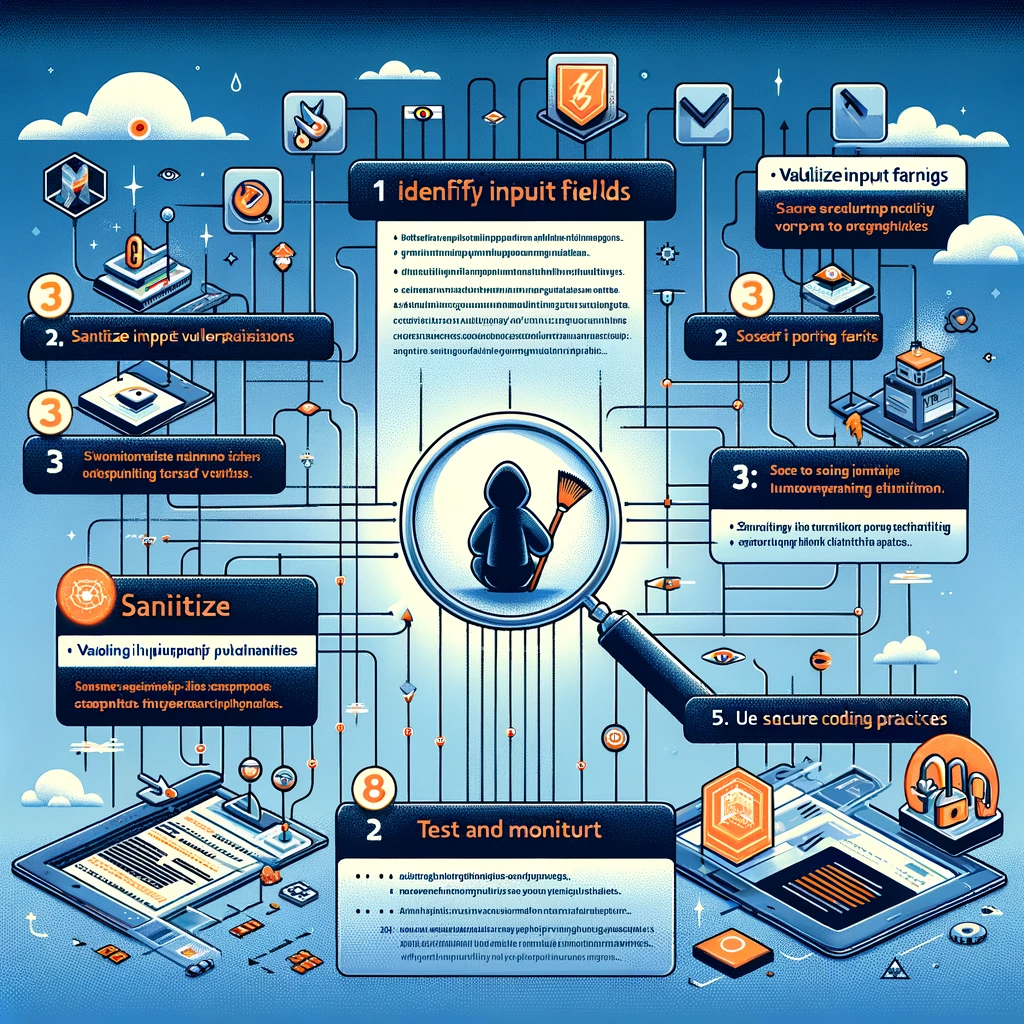
What Skills Are Necessary To Become An Ethical Hacker?
What Skills Are Necessary To Become An Ethical Hacker?
- Ethical hacking is a fascinating vocation focused on fortifying organizational cybersecurity.
- Programming skills in languages like Python, Java, or C++ are essential for understanding software algorithms.
- A comprehensive understanding of networking concepts is critical for identifying and securing vulnerabilities.
- Familiarity with operating systems like Windows and Linux is important for system administration and security.
- Knowledge of security protocols and tools, such as firewalls and encryption, is crucial for defense against threats.
- Critical thinking and problem-solving abilities help anticipate potential vulnerabilities and devise solutions.
- Effective communication skills are necessary to convey complex technical information to non-technical stakeholders.

What Skills Are Necessary To Become An Ethical Hacker?
Conclusion
In the ever-evolving digital landscape, where our lives are more intertwined with technology than ever before, we face a stark reality: the cybersecurity threats lurking behind our screens can feel like a game of high-stakes poker, with our personal information, bank accounts, and privacy hanging in the balance. Enter ethical hacking—the white-hat heroes of the cyber frontier. These professionals operate on the other side of the tracks from their nefarious counterparts, working tirelessly to expose vulnerabilities in systems, applications, and networks before the bad actors can exploit them.
The mission of ethical hackers is clear. They think like the enemy, diving deep into the code and architecture of our digital world, unearthing those weaknesses that could lead to catastrophic breaches. But don’t let the name fool you; ethical hacking isn’t just about finding flaws. It’s about building a resilient cybersecurity framework. Like a good detective, they comb through the cyber wilderness, identifying risks while also fostering a culture of vigilance within organizations. Each vulnerability exposed is a lesson learned, urging us to be more aware of our digital behavior—from the tech-savvy executive down to the ordinary user who still thinks “password123” is acceptable.
Yet, this noble endeavor carries its own risks. Ethical hackers must navigate a maze of legal and ethical considerations, for one mistake could turn their white-hat ambitions into a legal mire. The responsibility of handling sensitive data adds another layer of complexity, as trust is paramount in the relationships they cultivate with clients. And let’s be honest—this line of work can take a mental toll, constantly anticipating threats in a world that shifts faster than the blink of an eye.
But the rewards of ethical hacking stretch far beyond mere risk mitigation. By hiring ethical hackers, organizations not only shield themselves from potential disasters but also cultivate a strong proactive culture around cybersecurity. They send a powerful message of commitment to their stakeholders, reassuring customers that safeguarding their data is prioritized. Ultimately, ethical hacking fuels a vital ongoing dialogue between businesses and security experts, creating a safer digital space for us all.
As we move forward in this digital age, let’s embrace the contributions of ethical hackers—those behind-the-scenes warriors working tirelessly to reinforce our defenses. Their efforts remind us that, in cybersecurity, knowledge truly is power, and vigilance is a collective responsibility. The game is on, folks, and it’s one we can all strive to play a little better.

Conclusion
Conclusion:
- The digital landscape faces significant cybersecurity threats, likened to a high-stakes poker game.
- Ethical hackers operate as “white-hat heroes,” exposing vulnerabilities in systems and protecting against bad actors.
- Their mission involves identifying weaknesses in code and architecture to prevent catastrophic breaches.
- Ethical hacking focuses on creating a resilient cybersecurity framework and fostering a culture of vigilance.
- Practicing ethical hacking requires navigating legal and ethical considerations while managing sensitive data.
- Organizations benefit from hiring ethical hackers by mitigating risks and demonstrating commitment to cybersecurity.
- Ultimately, ethical hacking encourages an ongoing dialogue between businesses and security experts to enhance digital safety.

Conclusion
Other Resources

Other Resources
Here is a list of other resources you can review online to learn more:
- StratoZen
- Netsurion
- Cyberforce Security
- Verizon Managed Security Services
- Kudelski Security
- Sentor MSS AB
- Digital Hands
- CalTech
- eSecurity Solutions
Use This Prompt To Get More Resources With Your Favorite Online AI Tool: Please provide me with a list of online articles with their URLs in a bulleted list that I can read regarding Will Ethical Hacking Reveal Exploitable Weaknesses?

Other Resources
Glossary Terms
Will Ethical Hacking Reveal Exploitable Weaknesses? – Glossary Of Terms
1. Ethical Hacking: Authorized practice of probing systems for vulnerabilities to improve security.
2. Penetration Testing: A simulated cyber attack on a computer system to evaluate its security.
3. Vulnerability: A weakness in a system that can be exploited by a threat actor.
4. Threat Actor: An individual or group that poses a potential danger to information systems.
5. Exploitation: The process of taking advantage of a vulnerability to gain unauthorized access or information.
6. Malware: Malicious software designed to disrupt, damage, or gain unauthorized access to computer systems.
7. Social Engineering: Manipulating individuals into divulging confidential information or performing actions that compromise security.
8. Network Security: Measures taken to protect a computer network from intruders or attacks.
9. Firewall: A network security device that monitors and controls incoming and outgoing network traffic.
10. Incident Response: The process of addressing and managing the aftermath of a security breach.
11. Trojan Horse: A type of malware disguised as legitimate software to gain access to systems.
12. Phishing: A technique used to deceive individuals into revealing sensitive information through fraudulent communications.
13. SQL Injection: A code injection technique that exploits a vulnerability in an application’s software by manipulating SQL queries.
14. Risk Assessment: The process of identifying and evaluating risks to the organization’s operations and assets.
15. Zero-Day Exploit: An attack that occurs on the same day a vulnerability is discovered, before a fix is released.
16. Cryptography: The practice of securing information through encoding techniques to protect it from unauthorized access.
17. Patch Management: The process of updating software to fix vulnerabilities.
18. Red Teaming: A simulated attack on an organization conducted to assess its security posture.
19. Blue Teaming: Defensive security practices aimed at detecting and responding to threats.
20. Security Policy: A formal set of rules that outline how data and technology should be managed and protected.
21. Two-Factor Authentication (2FA): An additional security layer requiring two forms of identification before granting access.
22. DDoS Attack: A Distributed Denial of Service attack that overwhelms a system with traffic to make it unavailable.
23. Forensics: The process of collecting, analyzing, and preserving digital evidence after a security incident.
24. Backdoor: A method of bypassing normal authentication processes to access a system.
25. Botnet: A network of infected computers that can be controlled remotely to perform malicious tasks.
26. Insider Threat: A security risk that originates from within the organization, usually from employees or contractors.
27. Security Audit: A systematic evaluation of the security of an organization’s information system.
28. Compliance: Adherence to laws, regulations, and standards that dictate how data should be protected.
29. Information Security (InfoSec): Protecting information from unauthorized access, use, disclosure, disruption, modification, or destruction.
30. Secure Coding: The practice of developing software in a way that guards against vulnerabilities and exploits.

Glossary Of Terms
Other Questions
Will Ethical Hacking Reveal Exploitable Weaknesses? – Other Questions
If you wish to explore and discover more, consider looking for answers to these questions:
- What certifications are available for ethical hackers?
- What is the difference between ethical hacking and penetration testing?
- How do ethical hackers stay updated on the latest security threats?
- What tools and software do ethical hackers commonly use?
- Can ethical hackers be held liable for their actions during assessments?
- What are some real-world examples of ethical hacking success?
- How can businesses choose a reputable ethical hacking service?
- What ethical dilemmas do ethical hackers face in their work?
- How do ethical hackers ensure they do not violate privacy during assessments?
- What industries benefit the most from ethical hacking?

Other Questions
Haiku
Will Ethical Hacking Reveal Exploitable Weaknesses? – A Haiku
Shadows in the code,
White hats unveil the weak spots,
Guardians of the net.

Haiku
Poem
Will Ethical Hacking Reveal Exploitable Weaknesses? – A Poem
In the Shadows, A Light Shines
In a world where shadows dance with light,
Where digital realms hold secrets tight,
Ethical hackers don their capes of gray,
Guardians of the night, keeping dangers at bay.
With skillful hands, they probe the dark,
Unraveling threads that threaten to spark,
Like detectives in cyberspace’s maze,
They search for vulnerabilities, in cryptic ways.
A flood of data, like candy shared,
Yet lurking are foes, eager and prepared,
To seize our secrets with cunning delight,
But these white hats work, to keep us in sight.
Through penetration tests and insights deep,
They turn every stone where the shadows creep,
Exposing the flaws, the hidden doors wide,
Empowering minds, our digital guide.
Yet with such power, risks intertwine,
A slip could unleash the dark’s design,
In vigilance, they navigate the fray,
For every triumph, they carefully weigh.
Communications clear, they share what they find,
A partnership forged, with knowledge aligned,
From execs to techs, all learn the stakes,
In the realm of security, trust is what makes.
So let us honor this noble art,
The ethical hackers, who play their part,
For in every click, in every shared dream,
They fortify our world, a united team.
In the digital age, where fears may loom,
Their presence ensures we can all safely bloom,
With lessons of vigilance, they keep us awake,
In the shadows, they shine, for our safety’s sake.

Poem
Checklist
Will Ethical Hacking Reveal Exploitable Weaknesses? – A Checklist
Ethical Hacking Checklist: Unveiling Vulnerabilities and Strengthening Cybersecurity
This checklist can serve as a guide for organizations considering ethical hacking or individuals interested in understanding its importance.
1. Understand Ethical Hacking
_____ DeFine ethical hacking and its purpose.
_____ Differentiate between ethical hackers (white hats) and malicious hackers (black hats).
_____ Recognize the importance of legality and ethics in hacking.
2. Identify the Goals of Ethical Hacking
_____ Determine the specific vulnerabilities you want to uncover.
_____ Establish clear objectives for the ethical hacking engagement.
_____ Assess your organization’s unique risk landscape.
3. Choose the Right Ethical Hacking Techniques
_____ Consider penetration testing (pen testing) to simulate real attacks.
_____ Implement vulnerability assessments for regular health checks of your systems.
_____ Evaluate social engineering tactics to enhance human security awareness.
_____ Review existing security policies and configurations.
4. Plan the Ethical Hacking Process
_____ Develop a reconnaissance plan to gather information about the system.
_____ Outline the methodology for probing networks and applications.
_____ Set clear communication protocols with stakeholders throughout the process.
5. Conduct Ethical Hacking Activities
_____ Execute penetration tests and assess the security of software and networks.
_____ Identify and document vulnerabilities found during assessments.
_____ Observe and analyze the effectiveness of security controls in place.
6. Document Findings and Recommendations
_____ Prepare a comprehensive report on discovered vulnerabilities.
_____ Include an executive summary to highlight critical issues for non-technical stakeholders.
_____ Offer actionable recommendations for remediation and improvement.
_____ Specify follow-up actions and timelines for addressing identified issues.
7. Foster a Culture of Cybersecurity
_____ Share findings with the wider organization to raise awareness.
_____ Conduct training sessions to educate employees about security best practices.
_____ Encourage open communication about security concerns within teams.
8. Comply with Legal and Regulatory Standards
_____ Ensure all ethical hacking activities are documented and comply with regulations.
_____ Review contracts and legal frameworks to protect against liability.
_____ Maintain a robust data protection policy during assessments.
9. Evaluate and Monitor Ongoing Risks
_____ Regularly assess the effectiveness of remediation efforts.
_____ Schedule periodic reviews of security policies and practices.
_____ Stay informed about evolving threats and adjust defenses accordingly.
10. Invest in Continuous Improvement
_____ Engage ethical hackers regularly to keep systems updated against new threats.
_____ Update and refine security protocols based on the latest vulnerability assessments.
_____ Cultivate relationships with cybersecurity experts to enhance knowledge and resilience.
By using this checklist, organizations can systematically approach ethical hacking as a means to enhance their cybersecurity posture while building a proactive approach to identify and fortify against potential vulnerabilities.

Checklist
At BestCyberSecurityNews, we help teach entrepreneurs and solopreneurs the basics of cybersecurity and its impact on their businesses by using simple concepts to explain difficult challenges.
Please read and share any of the articles you find here on BestCyberSecurityNews with your friends, family, and business associates.