Unlock Security: Harnessing The Power Of Passkeys
By Tom Seest
At BestCyberSecurityNews, we help teach entrepreneurs and solopreneurs the basics of cybersecurity and its impact on their businesses by using simple concepts to explain difficult challenges.
Please read and share any of the articles you find here on BestCyberSecurityNews with your friends, family, and business associates.
How to Move From Passwords to Passkeys Without Chaos
When it comes to security, we’re often caught in a tug-of-war between convenience and safety. The creepy feeling of a lurking hacker can keep anyone awake at night, but let’s be real—memorable passwords aren’t always an option. The less we have to juggle passwords, the better our lives become. That’s where the charm of passkeys comes into play, a fresh approach to cybersecurity that promises to become a trusty sidekick in your digital life.
Imagine this: You’re sitting at your favorite coffee shop, laptop open, ready to dig into the day’s tasks. But instead of rifling through an array of passwords—the one for the bank, the other for that online shopping site—what if you could simply authenticate yourself with a quick touch of your finger or glance of your face? That’s the allure of passkeys! They don’t just simplify your routine; they also enhance your defense against cyber threats. While our hearts beat with the fear of identity theft, our heads remind us that adopting a new, secure system can protect us.
Transitioning to passkeys isn’t just a tech upgrade; it’s a call to arms in response to the escalating dangers of digital life. We owe it to ourselves and our loved ones to take actionable steps towards a safer online environment. When we shift our approach to identification, we’re not just following trends—we’re stepping into the future with integrity. It’s about stopping the cycle of password fatigue and finding a solution that respects our time and our well-being.
You might worry: will it be hard? Will it be worth it? Trust me, we’ve all been there, paralyzed by the next step of adoption. But here’s the kicker: you don’t have to do it alone. Surround yourself with stories of those who clumsily transitioned only to come out the other side smiling. Change is daunting, yes, but imagine the relief that comes from knowing you’re choosing a safer way to navigate the web.
Join the growing community that values stability and security. You’re not just an individual; you’re part of a collective that recognizes the responsibility of safeguarding our digital lives. So, take a deep breath and make the leap. The world of passkeys awaits, and it’s ready to embrace you with open arms, allowing you to move freely without chaos.
How to Move From Passwords to Passkeys Without Chaos
How to Move From Passwords to Passkeys Without Chaos
- The balance between convenience and safety in cybersecurity is often challenging.
- Memorable passwords may not always be feasible, leading to password fatigue.
- Passkeys offer a simplified and secure method of authentication, enhancing protection against cyber threats.
- Transitioning to passkeys is a proactive response to the increasing dangers in the digital world.
- Adopting passkeys promotes a safer online environment for both individuals and their loved ones.
- Support is available through stories of successful transitions to ease the adoption process.
- Joining the passkey community fosters a shared responsibility for safeguarding digital lives.

How to Move From Passwords to Passkeys Without Chaos
Table Of Contents
- How to Move From Passwords to Passkeys Without Chaos
- What Emotional Burden Do Passwords Create for Your Daily Life?
- How Can You Trust New Technology to Secure Your Information?
- Is the Anxiety Around Password Management Affecting Your Productivity?
- What Steps Can You Take to Protect Your Digital Identity Ethically?
- How Does Transitioning to Passkeys Enhance Your Online Safety?
- How Does the Fear Of Hacking Influence Your View on Passwords?
- What Stories Have You Heard About Password Failures In Your Community?
- Conclusion
- Other Resources
- Glossary Of Terms
- Other Questions
- Haiku
- Poem
- Checklist
What Emotional Burden Do Passwords Create for Your Daily Life?
In a world where cyber threats lurk around every corner, the weight of passwords can feel heavier than a lead balloon. Each time you’re asked to conjure up that elusive combination of letters, numbers, and symbols, you’re faced with a small yet profound emotional burden. The struggle is real. Remember that moment of panic when you suddenly forget a password during an important online transaction? The heart races, palms sweat — it’s an unwelcome reminder that our digital lives are precarious, requiring us to juggle constantly.
You log in to your accounts, only to be greeted by yet another complex password request. Research suggests we forget an average of 20 passwords a year. Think about that. Monthly, many of us engage in a bizarre dance: retrieve, reset, repeat. We set up traps for ourselves – variations of similar passwords, a not-so-secret note tucked away, or the dubious art of “password manager” apps that sometimes take more time to configure than they save. The irony is, we invest so much effort in our cybersecurity when the real challenge lies in our own minds.
Rationally, it makes sense to safeguard our information, our privacy, and our hard-earned assets. Yet the emotional toll can feel exorbitant. This leads to a mundane-sounding question that weighs on a crowded mind: how do I secure my data without losing myself in the chaos of creating, remembering, and managing these digital keys? The answer isn’t just a personal journey; it’s also a social one. Friends share techniques, family members trade tips, and coworkers commiserate. Together, we can forge a collective understanding around this unspoken burden, forming bonds through our shared frustrations.
This isn’t just about your next Netflix binge or that online order for the latest gadget. It’s about protecting what matters most: your identity and your peace of mind. And ethically, when we acknowledge this burden, we take a step toward fostering a more secure and understanding digital community. Let’s face this beast together, inspiring trust and confidence amongst one another while we navigate our way through this password-laden reality. Instead of feeling isolated, remember, you’re not alone in this struggle. We’re all in it, and together, we can lighten the load.

What Emotional Burden Do Passwords Create for Your Daily Life?
What Emotional Burden Do Passwords Create for Your Daily Life?
- Cyber threats make password management a heavy emotional burden for many individuals.
- Forgetting passwords, especially during important transactions, invokes anxiety and despair.
- On average, individuals forget around 20 passwords each year, leading to constant password retrieval and resets.
- People often create complicated systems to manage passwords, like variations or using password manager apps.
- The emotional toll of cybersecurity challenges emphasizes the need for communal support in password management.
- Securing personal information is vital, as it involves protecting one’s identity and mental well-being.
- Fostering a supportive digital community can alleviate the burden of managing passwords and inspire trust.

What Emotional Burden Do Passwords Create for Your Daily Life?
How Can You Trust New Technology to Secure Your Information?
In a world where your personal information is traded like baseball cards, trusting new technology to protect that information can feel like a leap of faith. But let’s pause for a moment and ask ourselves: what if that leap is necessary? Picture this: every time you log in to an app, click on an email, or shop online, you’re placing your faith in a network of cybersecurity professionals who are working tirelessly behind the scenes. They are the silent sentinels, analyzing patterns, fighting off attacks, and making sense of a digital battlefield.
Now, we’ve all heard horror stories about data breaches and identity theft. They pierce through the heart, leaving us feeling vulnerable and exposed. But these tales also fuel progress. Think about it. Each scandal breeds a new response: stronger encryption methods, smarter algorithms, and more rigorous standards. The tech community learns, evolves, and becomes tougher, like an old-fashioned blacksmith forging iron into steel. It’s the human spirit in action, adapting and improving to meet our needs—trust isn’t something given; it’s earned.
If we shift gears and look at our society, we see friends and family relying on tech for everything, from banking to socializing. You’re not alone in this tech-savvy age; to some degree, we’re all in the same boat. Your neighbor’s kid is teaching her grandmother to video chat while you’re swiping right on a dating app. Trusting this technology creates bonds—it facilitates connection and enriches lives. And while the shadows of doubt might linger, remember that countless individuals have worked tirelessly to ensure that your data is safeguarded, often motivated by personal stories and experiences with loss and insecurity.
Moreover, ethical considerations loom large in this conversation. What responsibilities do tech companies have to keep our information safe? Increasingly, they’re realizing that trust is a currency far more valuable than mere profits. Companies that prioritize transparency and show us their cybersecurity measures aren’t just checking boxes; they’re inviting us to be partners in this digital landscape, reassuring us that our information is safe and sound.
So, as you stand at the edge of the digital frontier, take a deep breath and remind yourself: while it’s wise to be cautious, it’s equally important to embrace the possibilities. The ability to forge meaningful connections, access information, and engage with our world has never been greater. Trusting new technology is not just a risk; it’s an opportunity to participate in a better, more secure future.

How Can You Trust New Technology to Secure Your Information?
How Can You Trust New Technology to Secure Your Information?
- Trusting new technology to protect personal information can feel like a leap of faith.
- Cybersecurity professionals work tirelessly to protect users from data breaches and identity theft.
- Data breaches lead to advancements in stronger encryption, smarter algorithms, and rigorous standards.
- Society increasingly relies on technology for daily activities, creating connections and enriching lives.
- Tech companies are realizing that building trust is more valuable than profits; transparency is key.
- Users are encouraged to embrace technology while remaining cautious about their information security.
- Trusting new technology offers opportunities for a better, more secure future.

How Can You Trust New Technology to Secure Your Information?
Is the Anxiety Around Password Management Affecting Your Productivity?
In a world buzzing with notifications and endless distractions, the humble password — a string of characters that safeguards our digital lives — has transformed into a source of anxiety for many. Picture this: you’re all set to tackle an important work project when the dreaded pop-up hits you like a ton of bricks, demanding a password you can’t remember. Suddenly, that simple task spirals into a frustrating scavenger hunt through your mental archives. You’re not alone — countless individuals find their productivity derailed by the very same beast that’s meant to protect them.
Let’s face it: managing passwords is about more than just securing your accounts; it taps into something deeper. The real challenge isn’t just the jumble of letters and numbers; it’s the gnawing feeling that you might not be doing enough to protect yourself from threats lurking in the shadows. The stakes are high — a single cyberattack could erase years of hard work, damage your reputation, and leave you scrambling to pick up the pieces. It’s a reality that weighs heavy on the shoulders of those who carry the burden of keeping sensitive information safe.
Now, the rise of technology has brought convenience, yet it paradoxically binds us in chains of anxiety. The ethical implications are stark: how can we prioritize our security while maintaining our sanity and productivity? It might seem impossible, but understanding that you’re part of a much larger narrative can bring comfort. We all grapple with the swirling vortex of passwords, and learning to navigate this landscape fosters a sense of camaraderie. You’re not just a statistic in a cybersecurity report—you’re part of a community aiming for better solutions.
So, how do we reclaim our time, our energy, and ultimately our peace of mind? Acknowledge the fact that there’s help out there. Consider password managers. They offer a lifeline, combining convenience with security. By taking that step, you’re not just streamlining your digital interactions; you’re empowering yourself to focus on what truly matters.
Imagine logging in without fear, redirecting that mental energy toward ideas and innovation instead of scrambling to remember a jumble of passwords. In a fast-paced world rife with digital threats, embracing a more efficient way to manage your passwords could be the breakthrough you’ve been seeking — and it just might breathe new life into your productivity, allowing you to flourish where once you floundered.

Is the Anxiety Around Password Management Affecting Your Productivity?
Is the Anxiety Around Password Management Affecting Your Productivity?
- Passwords, meant to protect us, often lead to anxiety and distractions in our digital lives.
- This anxiety can derail productivity when we forget passwords during crucial tasks.
- Managing passwords involves deeper concerns about personal security and potential cyber threats.
- A single cyberattack can jeopardize years of hard work and personal reputation.
- Technology offers convenience but also increases anxiety about password management.
- Using password managers can simplify the process and enhance security, allowing for better focus on important tasks.
- Embracing effective password management can boost productivity and restore peace of mind.

Is the Anxiety Around Password Management Affecting Your Productivity?
What Steps Can You Take to Protect Your Digital Identity Ethically?
In today’s digital landscape, protecting your identity isn’t just a smart move; it’s an ongoing responsibility we all share. Imagine your digital self laid bare, vulnerable to exploitation. Whether it’s your bank details or cherished memories tucked away in social media, your online presence is a reflection of you, deserving of care and respect. So, what steps can you take to ensure your digital identity remains safe and sound?
Start by forging a fortress around your online accounts. Strong, unique passwords are your first line of defense. It sounds simple, but too many of us cling to easy combinations out of habit or convenience. Just think: how often do you revisit those old, familiar passwords? A little discomfort in creating secure ones, mixed with the right tools, can make a world of difference. Consider using a password manager; it’s like having a trusted safeguard against potential threats.
Next, be vigilant about the information you share online. Every time you post a photo or a thought, ask yourself what details could lead to unintended consequences. It’s a gut-check moment—would you hand a stranger your house keys? Think of your personal data in the same way. Protect it fiercely. When engaging with online platforms, embrace privacy settings. Tailor them to keep your information within your trusted circle. You wouldn’t host a party and invite strangers, would you?
Consider the power of community. Engage in conversations about cybersecurity with friends and family. The more we foster awareness, the stronger we become as a collective force against those who seek to exploit our vulnerabilities. Your stories—as people who’ve felt the sting of a data breach or a phishing scam—can encourage others to take action. Together, we can build a culture of accountability when it comes to protecting our online identities.
Don’t just shy away from the complexities of technology; embrace them with confidence. Educate yourself about the latest threats and strategies to counteract them. Knowledge is your most reliable companion in the vast digital wilderness. By taking proactive steps and remaining informed, you stand as a champion for both your own digital identity and for those around you. Each small action contributes to a larger movement—a collective effort to secure the very fabric of our digital lives.
So gear up. The journey to safeguard your digital identity is not just a personal quest; it’s a rallying call to protect the essence of who we are in an increasingly interconnected world. Stand firm, act decisively, and let integrity guide your online presence.

What Steps Can You Take to Protect Your Digital Identity Ethically?
What Steps Can You Take to Protect Your Digital Identity Ethically?
- Protecting your digital identity is an ongoing collective responsibility.
- Use strong, unique passwords as your first line of defense; consider a password manager.
- Be careful about the information you share online and utilize privacy settings.
- Engage in conversations about cybersecurity with friends and family to raise awareness.
- Share experiences about data breaches and scams to encourage proactive action.
- Educate yourself about the latest threats to better protect your digital identity.
- Safeguarding your online presence is a communal effort that reflects our values in a connected world.

What Steps Can You Take to Protect Your Digital Identity Ethically?
How Does Transitioning to Passkeys Enhance Your Online Safety?
Transitioning to passkeys isn’t just a technological upgrade; it’s an emotional and ethical leap forward in how we protect ourselves in the sprawling world of the internet. Think about it: every day, you’re pouring your heart into everything you do online, whether you’re sharing personal stories, important financial information, or simply trying to stay connected with loved ones. Each of these interactions is a thread in the fabric of your life. The last thing you want is for someone to come along and tear that fabric apart.
Cybersecurity is far too often viewed as a cold, techy term, a labyrinth of numbers and codes where only the geeks dare tread. But beneath that surface lies a passionate core: the desire to shield what matters most. When you opt for passkeys, you’re not just adopting a new way to log in; you’re stepping into a protective armor that stands guard over your data. These passkeys operate with the understanding that our humanity is vulnerable, and they take an ethical stance by making it harder for the bad guys to exploit that vulnerability.
Now, let’s talk logic. Traditional passwords are outdated. They’re like a rusty lock on a beautiful door. You might change it every so often, but that doesn’t prevent skilled hands from breaking in. Passkeys create a unique form of authentication—yes, they’re more complex, but they simplify your life. In the long run, that means fewer headaches, less worry, and a far less likely chance of falling victim to identity theft or data breaches.
Moreover, there’s an undeniable social aspect to this transition. When your friends and family see you championing stronger security, you’re encouraging them to do the same. You’re not just protecting yourself; you’re fostering a culture of awareness. Every time someone you know hears about your journey to passkeys, you plant a seed of confidence and inspire them to embark on their own path.
Embrace the change. This isn’t just about you; it’s about creating a safer online community for everyone. When you choose to transition to passkeys, you are taking a stand—standing up for your rights, your privacy, and your peace of mind. It’s time to be proactive rather than reactive in a world that often feels chaotic and unsafe. Your move will not just enhance your online safety; it will resonate throughout your entire circle and beyond.

How Does Transitioning to Passkeys Enhance Your Online Safety?
How Does Transitioning to Passkeys Enhance Your Online Safety?
- Transitioning to passkeys represents an emotional and ethical advance in online protection.
- Our online activities hold significant personal value, making robust security essential.
- Cybersecurity goes beyond technology; it embodies a passion to protect what matters.
- Choosing passkeys offers a new, secure way to access accounts and safeguard data.
- Passkeys simplify authentication while reducing the risk of identity theft and data breaches.
- Advocating for stronger security creates a culture of awareness among friends and family.
- Embracing passkeys is a proactive step toward enhancing online safety for yourself and the community.

How Does Transitioning to Passkeys Enhance Your Online Safety?
How Does the Fear Of Hacking Influence Your View on Passwords?
The fear of hacking isn’t just a buzzword tossed around in tech circles; it’s an emotion that strikes at the very core of our digital lives. We live in a world where the threats lurking behind our screens are as real as the keys in our pockets. Each time we create or enter a password, we take a deep breath, wondering: Is this enough? This constant anxiety can manipulate how we view those little combinations of characters that safeguard our personal lives.
What is it that we truly fear? It’s not just the act of hacking itself—it’s the potential loss of our identity, our privacy, and our hard-earned reputations. Picture this: you wake up one morning to find that someone has plundered your online accounts, drained your bank balance, and even tarnished your professional reputation. The butterflies in your stomach twist tighter with each imagined scenario. This is why the influence of cybersecurity on how we create and manage passwords is worth scrapping the complacency that can lead us astray.
Emotionally, passwords are more than simple gatekeepers; they’re the armor we don when we engage with the digital world. Each letter and symbol represents a bulwark against faceless intruders, as vital to our safety as the locks on our doors. And yet, how often do we bypass the importance of creating robust passwords? Perhaps it’s time we reevaluated our commitment to this simple act. Phrases like “123456” may seem like harmless shortcuts, but they carry the weight of a false sense of security that could leave us vulnerable.
Rationally speaking, the situation is even more concerning. Cybersecurity experts advocate for long, complex passwords, and they’re not just trying to make our lives complicated. They’re defending our lives, our assets, advocating for our peace of mind. Their authority is rooted in experience and data, illuminating the necessity for vigilance in an increasingly connected society.
Socially, we often overlook the collective responsibility we share in safeguarding our digital identities. When we prioritize our cybersecurity, we contribute to a culture of awareness and resilience. In this shared journey, our actions resonate with others, creating ripples of change. So let’s take a stand together: let’s make those passwords count, protect our identities, and transform fear into proactive empowerment. After all, cybersecurity begins with us—one password at a time.

How Does the Fear Of Hacking Influence Your View on Passwords?
How Does the Fear Of Hacking Influence Your View on Passwords?
- The fear of hacking reflects deep anxieties about our digital lives and security.
- Concerns go beyond hacking to include the loss of identity, privacy, and reputation.
- Emotional attachment to passwords represents our defense against digital intrusions.
- Complacency in creating secure passwords can leave us vulnerable to attacks.
- Cybersecurity experts emphasize the need for long, complex passwords for protection.
- Collective responsibility is essential in safeguarding our digital identities.
- Empowering ourselves through strong passwords is a proactive stance against fear.

How Does the Fear Of Hacking Influence Your View on Passwords?
What Stories Have You Heard About Password Failures In Your Community?
In the digital age, the stories abound about password failures that echo through our communities like a haunting refrain. Take a moment to reflect on your own circle—have you heard the tale of the local florist who lost her entire client database because she used “flower123” as her password? The flowers wilted in the shop, but the sense of loss bloomed into something much larger. This isn’t just a fluke; it’s a reminder that behind each password lies a vault of trust, relationships, and dreams.
Then there’s the story of a small-town accountant, a man who thought he had everything under control. He used the name of his beloved childhood dog, forgetting that the digital world had grown more complicated. In the blink of an eye, personal finances were compromised, and the ripple effects reached far beyond balance sheets. The community was shocked. Here was a trusted figure, suddenly thrust into chaos, all because a simple password failed to hold the weight of responsibility it was meant to protect.
These narratives are not just cautionary tales; they hold a mirror to our shared experience. Each password failure intensifies the urgency around cybersecurity, making it clear that our digital lives are woven into the fabric of our communities. We are interconnected. What happens to one can and often will have repercussions for all. It invites us to question not just our individual practices but also the ethical dimensions of how we treat our digital security—both for ourselves and our neighbors.
Trust is at the heart of social interactions—however, a compromised password can erode that trust overnight. As we share these stories, we uncover a truth: everyone is vulnerable in this growing landscape of digital chaos. But within that vulnerability lies an opportunity for change. We can forge a path toward better practices, inspiring our neighbors to rethink their strategies for protecting their digital identities.
Let’s embrace the power of community. Gather your friends and family, share these stories of password failures, and ignite a conversation about cybersecurity. Knowledge is a powerful ally. By coming together, we can create a culture of awareness, ensuring that what might have been a small lapse becomes a teaching moment, inspiring confidence in one another as we navigate the digital world together.

What Stories Have You Heard About Password Failures In Your Community?
What Stories Have You Heard About Password Failures In Your Community?
- Many stories highlight the consequences of poor password choices in communities.
- A florist lost her client database using “flower123” as her password, emphasizing the significance of trust and relationships.
- An accountant compromised his personal finances by using his childhood dog’s name as a password.
- These incidents illustrate the interconnectedness of our digital lives and their impact on the community.
- Password failures not only highlight individual vulnerabilities but also invite ethical considerations regarding digital security.
- Compromised passwords can erode trust, but they also present opportunities for improvement and change.
- Encouraging community discussions about cybersecurity can lead to greater awareness and better digital protection strategies.

What Stories Have You Heard About Password Failures In Your Community?
Conclusion
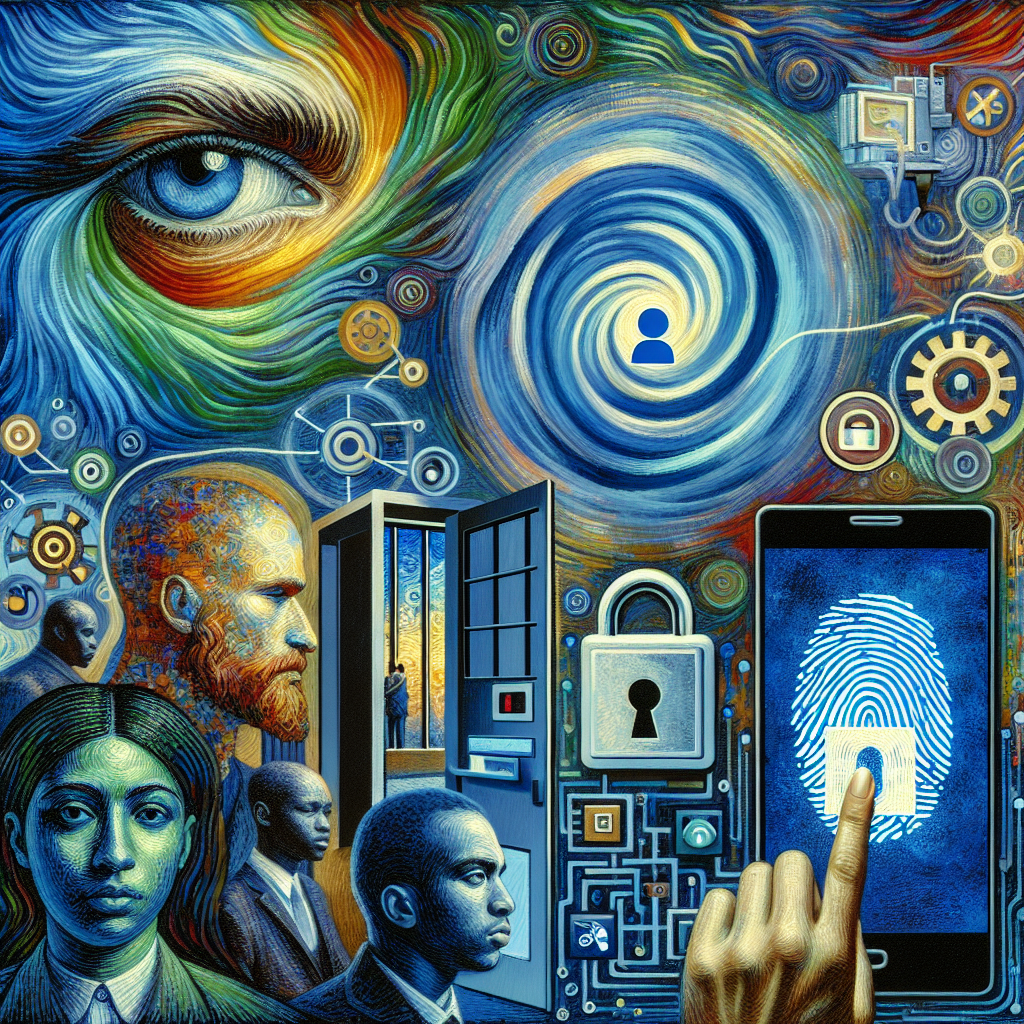
In this digital age, we are all players in an intricate dance between convenience and security, often feeling the weight of passwords pressing down on us like a looming storm cloud. We’re haunted by the memory of frantic password resets that drain our productivity and sprinkle panic into our daily routines. It’s not just about remembering a jumble of characters; it’s about safeguarding our very identity and the experiences we cherish online. Imagine living in a reality where you could authenticate your presence with just a fingerprint or a glance, bypassing the chaos of forgotten passwords. This is where passkeys come into play—not merely as technological novelties, but as promising allies in the fight against digital insecurity.
Transitioning to passkeys is not just a matter of tech-savvy—it’s a crucial step toward enhancing our personal safety and embracing a collective responsibility. Each time we decide to switch from brittle passwords to more robust passkey systems, we are bolstering not only our defenses but also paving the way for our friends and family to follow suit. With every successful transition, we accumulate personal stories—which create a tapestry of shared experiences—empowering us to take pride in our proactive approach to facing cyber threats.
It’s crucial to recognize that this journey isn’t taken alone. The fear of hacking looms large, but recognizing that countless individuals and communities are facing similar struggles can foster a sense of solidarity. Sharing tales of triumph and failure creates a trail of knowledge, helping us understand the implications of our actions and how they ripple through our communities.
Ethically speaking, we owe it to ourselves and each other to make conscientious choices when it comes to our online identities. By opting for the safer path of passkeys, we send a resounding message: we value our privacy, and we respect the digital lives of those around us. Trust doesn’t happen in isolation; it’s built within a community that takes cybersecurity seriously and nurtures a culture of awareness.
So, as you stand at the crossroads of digital innovation, ask yourself: what kind of ally do you want to be in this journey? Embrace the passkey revolution. Stand together—each step you take not only fortifies your own defenses but also fortifies the collective armor of our wider community in navigating the chaotic world of the internet. Your choice matters; let it resonate far beyond your own screen and into the lives of others.

Conclusion
Conclusion:
- In the digital age, convenience and security often clash, with passwords feeling burdensome.
- Password resets can disrupt productivity and induce stress in daily life.
- Passkeys offer a seamless alternative, allowing authentication with fingerprints or facial recognition.
- Transitioning to passkeys enhances personal safety and encourages collective responsibility.
- Sharing experiences with passkeys can foster community support and knowledge around cybersecurity.
- Choosing passkeys demonstrates a commitment to privacy and respect for others’ digital lives.
- Embracing the passkey revolution strengthens individual and community defenses against cyber threats.
Conclusion
Other Resources

Other Resources
Here is a list of other resources you can review online to learn more:
- Sirius Computer Solutions
- MailChimp
- Nixu
- Siemba
- Blackpoint Cyber
- Protos Security
- CyberGuard360
- ACME Communications Limited
- Align Communications
- F-Secure Corp.
- ProCircular
- Radar Cyber Security
- Flickr
- Herjavec Group
- US itek
- BDQ
- ControlScan, Inc.
- Sennovate
- Alert Logic
- VirtualArmour
Use This Prompt To Get More Resources With Your Favorite Online AI Tool: Please provide me with a list of online articles with their URLs in a bulleted list that I can read regarding How to Move From Passwords to Passkeys Without Chaos

Other Resources
Glossary Terms
How to Move From Passwords to Passkeys Without Chaos – Glossary Of Terms
1. Password: A string of characters used to authenticate a user to access systems or services.
2. Passkey: A modern authentication method that replaces traditional passwords using cryptographic keys for enhanced security.
3. Two-Factor Authentication (2FA): A security process requiring two forms of identification before granting access, increasing protection against unauthorized access.
4. Biometric Authentication: Identification technique using unique biological traits (e. g. , fingerprints, facial recognition) to authenticate a user.
5. Encryption: The process of converting data into a code to prevent unauthorized access, ensuring privacy and security.
6. Public Key Infrastructure (PKI): A framework that facilitates secure communications through the use of public and private key pairs.
7. Digital Signature: An electronic signature that verifies the authenticity and integrity of a message, document, or transaction.
8. Seed Phrase: A set of words that stores the user’s private keys and allows recovery of access to cryptocurrencies or password managers.
9. Authenticator App: A mobile application that generates time-based one-time passwords (TOTP) for secure login.
10. Phishing: A fraudulent attempt to obtain sensitive information by disguising as a trustworthy entity in digital communication.
11. Credential Stuffing: A cyberattack where stolen username-password pairs are reused to gain unauthorized access to user accounts.
12. Single Sign-On (SSO): A user authentication process that allows access to multiple applications with one set of login credentials.
13. User Experience (UX): The overall experience a user has while interacting with a product or system, particularly regarding ease of use and satisfaction.
14. Identity Provider (IdP): A service that creates, maintains, and manages identity information for users while providing authentication services.
15. Security Token: A physical or digital object used to gain access to a network or system, often as part of two-factor authentication.
16. Access Management: The processes and technologies used to manage user permissions and access rights to resources.
17. Password Manager: A software application that securely stores and manages passwords, allowing users to generate, retrieve, and fill in credentials.
18. User Interface (UI): The means by which a user interacts with a computer or application, including buttons, icons, and layout.
19. Zero Trust Security: A security model that assumes no user or device should be trusted by default, requiring verification for every access request.
20. Malware: Malicious software designed to harm, exploit, or otherwise compromise computer systems or networks.
21. Endpoint Security: A strategy for protecting endpoints or entry points of end-user devices against threats.
22. Tokenization: The process of converting sensitive data into non-sensitive tokens, which can be used to access the original data securely.
23. Risk Assessment: The identification and evaluation of risks associated with information and organizational assets.
24. Compliance: Adhering to laws, regulations, guidelines, and specifications relevant to an organization’s operations.
25. Cybersecurity: Practices and technologies designed to protect computers, networks, and data from unauthorized access or attacks.
26. Data Breach: An incident where unauthorized access to confidential data occurs, often resulting in data loss or exposure.
27. Incident Response: The approach taken to prepare for, detect, and respond to cybersecurity breaches or attacks.
28. Multi-Factor Authentication (MFA): An enhanced security mechanism requiring two or more verification factors for authentication.
29. Hardware Security Module (HSM): A physical device that manages digital keys and provides cryptographic processing securely.
30. User Education: Training and resources provided to users to enhance their understanding and practice of cybersecurity measures.

Glossary Of Terms
Other Questions
How to Move From Passwords to Passkeys Without Chaos – Other Questions
If you wish to explore and discover more, consider looking for answers to these questions:
- What are the main advantages of using passkeys over traditional passwords?
- How can I start the transition to using passkeys effectively?
- What common challenges might I face when moving from passwords to passkeys?
- Are there specific devices or systems that support passkeys?
- How do passkeys handle situations where biometric data may not be available?
- What should I do if I lose access to my passkey authentication method?
- How can I educate my family and friends about the benefits of passkeys?
- What are some real-life examples of password management failures?
- How can businesses encourage their employees to adopt passkeys?
- What are the ethical implications of data security in relation to passkeys?

Other Questions
Haiku
How to Move From Passwords to Passkeys Without Chaos – A Haiku
Password burdens weigh,
Passkeys unlock safer paths—
Together, we’re strong.

Haiku
Poem
How to Move From Passwords to Passkeys Without Chaos – A Poem
In a world where shadows creep and data’s at stake,
Passwords weigh heavy, a burden we make.
Juggling strings of letters, numbers entwined,
Each login a battle, each reset redefined.
But imagine a journey where chaos finds peace,
With passkeys as allies, our worries release.
A touch or a glance, simplicity reigns,
In the realm of security, easing our pains.
Fear of the hacker, a specter we fight,
Yet trust can be forged in the depths of the night.
Behind the screens stand the guardians so true,
Crafting new methods to protect me and you.
Each breach a reminder, a call to unite,
In forming connections, we stand up for right.
Through stories of struggle, we rally and learn,
Encouraging others, as the lessons we turn.
Let’s weave a community, resilient and bold,
Where knowledge empowers and trust is retold.
With every small step, a fortress we build,
For our digital lives, let integrity be filled.
So enter the future, abandon the fray,
With passkeys to guide us, lightening the way.
Together we flourish, our identities shielded,
In a vibrant online world, with chaos quelled and yielded.

Poem
Checklist
How to Move From Passwords to Passkeys Without Chaos – A Checklist
Checklist for Transitioning from Passwords to Passkeys
Emotional Appeals
_____ Reflect on your current password struggles: How often do you face anxiety or frustration when managing passwords?
_____ Visualize a day without password anxiety: Imagine logging in with a simple touch or glance instead of searching through countless passwords.
_____ Connect your digital security to personal well-being: Recognize that taking steps to protect your identity enhances peace of mind.
Rational Appeals
_____ Assess the security of your current passwords: Are they strong enough to protect against hacking?
_____ Research the benefits of passkeys: Understand how they provide a more secure authentication method compared to traditional passwords.
_____ Consider the time savings: Calculate how much time you currently spend managing passwords versus the simplicity of using passkeys.
Ethical Appeals
_____ Reflect on your responsibility: Acknowledge your role in maintaining not just your own digital security, but that of your community.
_____ Educate others: Share insights on cybersecurity with friends and family to foster a community of awareness and protection.
_____ Commit to gradual change: Pledge to transition to passkeys responsibly, ensuring you do not leave others behind in your digital journey.
Authority Appeals
_____ Follow expert recommendations: Cross-check security measures suggested by cybersecurity professionals on transitioning to passkeys.
_____ Stay informed about new technologies: Regularly read updates on advancements in cybersecurity to make educated decisions.
_____ Leverage community knowledge: Engage in discussions with tech-savvy colleagues or friends who have successfully transitioned to passkeys.
Narrative Appeals
_____ Share personal experiences: Write down your own encounters with password failures that illustrate the need for change.
_____ Collect stories from your community: Encourage others to share their password mishaps as cautionary tales to emphasize the importance of upgrading security.
_____ Create a relatable narrative: Frame the transition to passkeys as a journey toward empowerment in the digital realm.
Social Appeals
_____ Join a community dedicated to cybersecurity: Participate in forums or local groups focused on digital safety and security.
_____ Encourage group discussions on best practices: Host a meet-up or online chat to discuss password management and the benefits of passkeys.
_____ Lead by example: Adopt passkeys and share your experiences on social media or with peers to inspire others to make the transition.
Use this checklist to navigate your journey toward improved digital security and to motivate others in your community to take action as well!

Checklist
At BestCyberSecurityNews, we help teach entrepreneurs and solopreneurs the basics of cybersecurity and its impact on their businesses by using simple concepts to explain difficult challenges.
Please read and share any of the articles you find here on BestCyberSecurityNews with your friends, family, and business associates.