


Safe Streaming: Protecting Your Digital World
By Tom Seest
At BestCyberSecurityNews, we help teach entrepreneurs and solopreneurs the basics of cybersecurity and its impact on their businesses by using simple concepts to explain difficult challenges.
Please read and share any of the articles you find here on BestCyberSecurityNews with your friends, family, and business associates.
From Netflix to Nightmares – When Streaming Turns Into a Ransom Trap
In the cozy embrace of our couches, we find solace in the endless scroll of streaming services, where every show, movie, and documentary beckons like a treasure chest just waiting to be unlocked. It’s a digital world at our fingertips, but lurking in the shadows are digital predators, waiting to pounce. Imagine unwinding after a long day, only to discover your beloved streaming account has been hijacked overnight. That calm quickly spirals into chaos, and you realize those innocent hours of binge-watching have transformed into a psychological chess game of wits.
We often underestimate the monsters that wait behind our screens. Here’s where your brain kicks in, and the rationale gets heavy: a mere username and password can lead to financial devastation if we neglect the basics of cybersecurity. Think twice before clicking on that alluring link or using yet another weak password—what feels like a minor inconvenience today can morph into a full-blown digital nightmare tomorrow. If cybercriminals can infiltrate your world with a keystroke, how safe is your streaming experience really?
Now, let’s talk ethics. By ignoring the signs of potential compromise, we’re not just risking our own convenience; we’re putting our loved ones at risk too. Imagine your kids, blissfully unaware of the lurking dangers, suddenly faced with a compromised family account that spills all your secrets. It’s our responsibility to keep them informed and protected. It’s not just about us; it’s about the collective trust we build in our families and communities.
Connections matter. When we let our guard down, we’re giving these faceless thieves the power to disrupt our peace. We’ve all heard the horror stories—friends or family who fell victim to online scams. These aren’t just tales; they’re transformative moments that teach us the hard lessons of vigilance.
It all boils down to one thing: personal accountability. Take action, and prioritize your digital security. Invest in strong passwords, enable two-factor authentication, and spread the word. By doing so, we reclaim our streaming experience and ensure that the joys of Netflix don’t turn into nightmares of chaos. Trust in your instincts, bolster your defenses, and protect what matters most.

From Netflix to Nightmares – When Streaming Turns Into a Ransom Trap
From Netflix to Nightmares – When Streaming Turns Into a Ransom Trap
- The comfort of streaming services offers a digital treasure chest, but also hides risks from cyber predators.
- A compromised streaming account can turn a relaxing binge-watching session into a chaotic situation.
- Neglecting cybersecurity basics, like strong passwords and cautious clicks, can lead to significant financial repercussions.
- Ignoring cybersecurity not only jeopardizes individual accounts but also puts loved ones at risk.
- Awareness and education about online dangers are essential for fostering collective trust in families and communities.
- Real-life stories of scams highlight the importance of vigilance and personal accountability in digital security.
- Taking proactive measures (strong passwords, two-factor authentication) can protect your streaming experience and peace of mind.

From Netflix to Nightmares – When Streaming Turns Into a Ransom Trap
Table Of Contents
- From Netflix to Nightmares – When Streaming Turns Into a Ransom Trap
- What Emotional Toll Does Binge-Watching Really Take on Our Lives?
- Are We Sacrificing Genuine Connections for Fleeting Entertainment?
- How Does Streaming Shape Our Perceptions Of Reality and Self-Worth?
- Is the Convenience Of Streaming Worth the Ethical Dilemmas It Poses?
- How Do Algorithms Manipulate Our Viewing Choices and Habits?
- Are We Willing to Accept the Hidden Costs Of Our Favorite Shows?
- How Do Peer Influences Drive Our Streaming Habits and Choices?
- Conclusion
- Other Resources
- Glossary Of Terms
- Other Questions
- Haiku
- Poem
- Checklist
What Emotional Toll Does Binge-Watching Really Take on Our Lives?
Binge-watching—a phrase that’s practically become synonymous with our evenings—taps into something deeply human yet has a hidden weight we often overlook. Picture this: you kick back on your couch, the flickering screen becomes a portal to different worlds, and before you know it, hours have slipped by. There’s an allure to watching just one more episode, isn’t there? It invites you in with the promise of connection, adventure, and even a dose of that adrenaline rush when the cliffhanger reveals itself.
Yet, here’s the rub: what emotional toll does this feast of fiction take on our lives? The narrative keeps you glued, but it comes at a price—your mental and emotional bandwidth. With each episode you consume, there’s a tiny part of your psyche signing a lease on that experience, trading away time meant for connectiveness with family, friends, or even a quiet moment just to think. Whether it’s the pressure of living up to your favorite character’s standard or feeling the pang of loss when a beloved show ends, these are emotional investments that don’t always pay dividends.
From a rational standpoint, there’s no denying the allure of binge-watching. It gives us a break from reality, allowing life’s stresses to fade. But it begs the question: at what point does this escape become an encumbrance? Like a cybersecurity issue left unaddressed, the ramifications can spiral into something larger. By prioritizing our screens over real-life interactions, we risk unwittingly fostering anxiety and loneliness, two rampant culprits in our modern existence.
Let’s talk ethics. We live in a world that hangs on social connectivity yet often lets digital screens shape our connections. Authentic relationships should take precedence; they feed our souls, offering joy, support, and understanding in ways a screen never can.
And here’s a story to tie it together: consider the individual who chooses a night of binge-watching over a dinner with family. While the screen offers entertainment, the laughter and genuine love exchanged at that table cannot be replicated by a fictional narrative. Finding that balance isn’t just an ideal; it’s a necessity. So, the next time you reach for the remote, pause for a moment. Ask yourself, “What am I really missing?” Let’s strive for a life less watched, full of lived moments that truly matter.

What Emotional Toll Does Binge-Watching Really Take on Our Lives?
What Emotional Toll Does Binge-Watching Really Take on Our Lives?
- Binge-watching engages viewers emotionally but has hidden impacts on mental health.
- It offers escapism and excitement, but can lead to sacrificing real-life connections.
- Investing time in fictional experiences may create pressure to meet idealized character standards.
- Prioritizing screens over personal interactions can contribute to feelings of anxiety and loneliness.
- Authentic relationships provide essential joy and support that digital experiences cannot replicate.
- Anecdote of choosing binge-watching over family dinner illustrates the need for balance.
- Encouragement to reflect on what is being missed during binge-watching to promote a more fulfilling life.

What Emotional Toll Does Binge-Watching Really Take on Our Lives?
Are We Sacrificing Genuine Connections for Fleeting Entertainment?
In a world where a ping or a notification lights up our screens more often than the warmth of a shared laugh or an honest conversation, we have to ask ourselves: what price are we paying for this constant stream of fleeting entertainment?
Every swipe, every scroll, every binge-watched series is like a quick shot of dopamine—exciting in the moment but leaving us craving more, much like junk food satisfies hunger without nourishing the soul. Life’s most meaningful connections, those forged in genuine conversations or shared experiences, risk being overshadowed by bite-sized content that barely scratches the surface of our humanity.
The gut instinct says something feels off. Consider how much time we spend glued to devices, seeking out likes and shares instead of engaging with the people who matter. Individuals pass each other on their busy streets, existing in parallel lives while a world of curated images and clever hashtags fills the void. It’s not that technology is inherently bad—after all, it can connect distant loved ones or foster community—but it often feels like we’re trading in those golden moments for a flickering screen.
That’s where the heart comes in. Think back to times filled with laughter, tears, and unguarded conversations. Those aren’t just anecdotal; they are essential to our well-being. Research hints that meaningful relationships contribute significantly to our happiness and longevity. Want to nurture those connections? Put down the device, gather friends over a meal, or simply partake in a good old-fashioned phone call.
Ethically speaking, we must reflect on the values we’re perpetuating. Are we prioritizing instant entertainment over relationships that require time and effort to cultivate? When we choose to engage with real life, we not only strengthen our own bonds but also inspire others to follow suit.
It’s easy to showcase social media highlights, but the true glow comes from the crinkled smiles, spontaneous adventures, and the feeling of belonging. Let’s champion authentic connections instead of settling for the hollow echo of devices that merely reflect our existence.
In a society where cybersecurity may keep our data safe, it’s our genuine relationships that safeguard our hearts and minds. The battle for authenticity may not be fought on screens, but rather in the spaces between them. It’s time to reclaim those moments that truly matter.

Are We Sacrificing Genuine Connections for Fleeting Entertainment?
Are We Sacrificing Genuine Connections for Fleeting Entertainment?
- Constant notifications and entertainment can overshadow meaningful human connections.
- Digital interactions, akin to junk food, provide temporary satisfaction but lack deeper nourishment.
- People often prioritize online engagement over genuine conversations with loved ones.
- Technology can connect us, but it risks replacing significant moments with screen time.
- Meaningful relationships are crucial for happiness and longevity; nurturing them requires effort.
- Real engagement fosters stronger bonds and encourages others to value authenticity.
- Authentic connections are more valuable than curated online personas, safeguarding emotional well-being.

Are We Sacrificing Genuine Connections for Fleeting Entertainment?
How Does Streaming Shape Our Perceptions Of Reality and Self-Worth?
Streaming has become more than just a pastime; it’s a lens that distorts how we perceive reality and measure our self-worth. Dive into any platform, and you’ll find an endless array of content that speaks volumes about who we are, or who we think we should be. The stories and images we consume can either elevate our spirits or cast long shadows over our self-esteem. Think about it: a perfect photograph on social media can trigger envy, making you question your own choices or accomplishments. It taps into our very human tendency to compare.
With a few clicks, we’re thrust into carefully curated worlds that showcase success, beauty, and more than a sprinkle of perfection. These experiences are designed to captivate our hearts, but they often leave us feeling like we’re missing something—like we’re just not enough. How does that shape our view of ourselves? Our worth becomes intertwined with likes, shares, and followers, leading us to feel valued only in terms of our digital presence. This isn’t just an emotional crisis; it’s a national conversation.
Rationally, we know we’re witnessing the highlight reels of others’ lives, not the nitty-gritty that makes them real. Yet those stories resonate because they reflect aspirations we hold dear. They are the tales that beckon us to chase after an elusive dream, often making us forget that every story has a backstory—struggles and failures hidden beneath the surface. This is where ethical considerations come into play. Are we promoting a standard of living that’s sustainable, or merely a façade that leads us down a rabbit hole of dissatisfaction? True authority lies in those who remind us of authenticity—the sweaty, imperfect, and undeniably human aspects of life that make us relatable.
In a time where cybersecurity has become paramount, it’s essential to guard not just our sensitive information but also our self-worth against the illusions crafted online. Engaging with the internet is like a dance; it can be exhilarating yet exhausting. We must open our eyes, acknowledge the narratives we choose to believe, and choose wisely. Let’s foster a community where we uplift one another, celebrating our authentic selves and embracing the messy imperfections that weave our lives together. Remember, the most compelling stories are often unscripted, and they resonate because they connect us deeply—the heart, the head, and the gut. So, next time you log on, take a moment to reflect: are you living life, or are you merely participating in someone else’s narrative?

How Does Streaming Shape Our Perceptions Of Reality and Self-Worth?
How Does Streaming Shape Our Perceptions Of Reality and Self-Worth?
- Streaming influences our perception of reality and impacts our self-worth.
- Social media showcases curated content that highlights success and beauty, often leading to envy and comparisons.
- Our emotional well-being becomes tied to digital validation like likes and followers.
- People recognize that they’re viewing highlight reels, not the full picture of others’ lives.
- Ethical concerns arise regarding the promotion of an unsustainable lifestyle versus authenticity.
- Cybersecurity is crucial, not just for data protection but also for preserving self-worth.
- We must choose narratives wisely, embracing authenticity and the imperfections that make life relatable.

How Does Streaming Shape Our Perceptions Of Reality and Self-Worth?
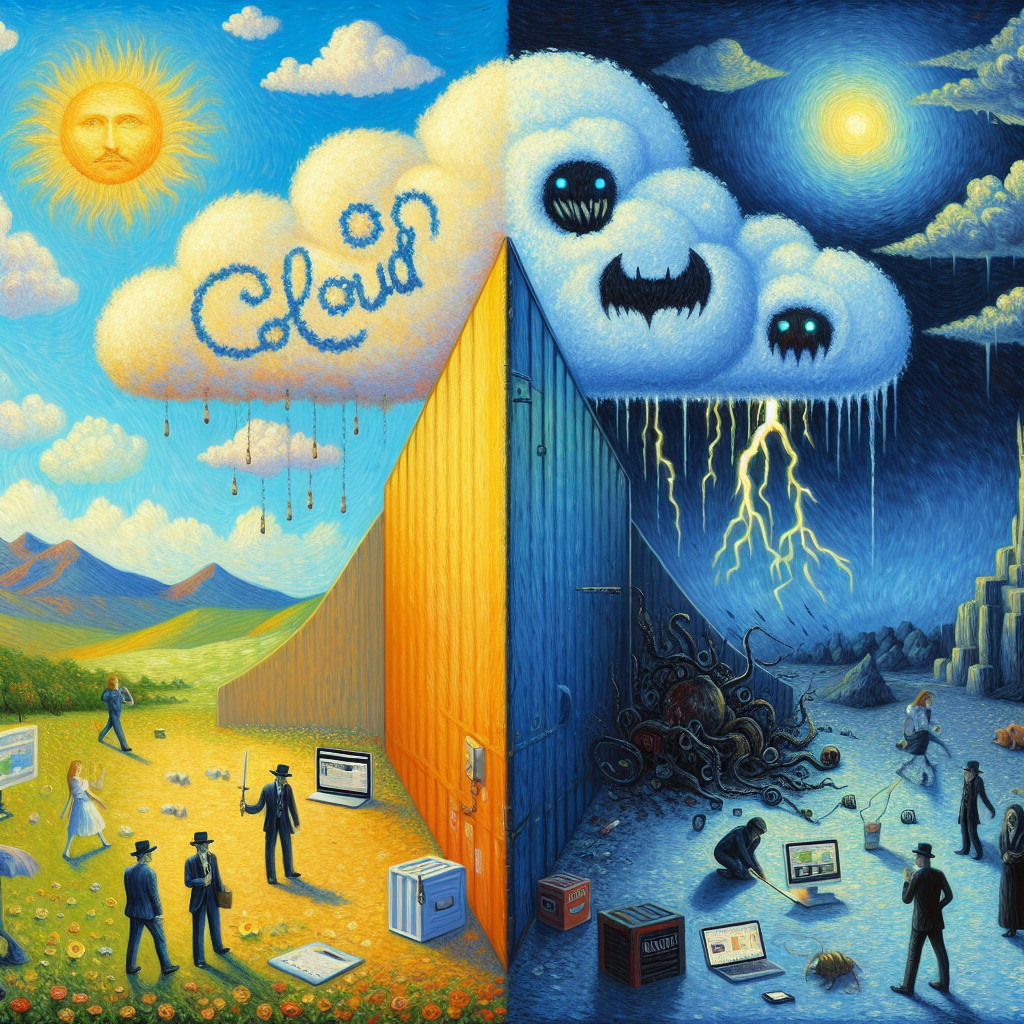
Is the Convenience Of Streaming Worth the Ethical Dilemmas It Poses?
There’s a certain allure to streaming that draws us in like a moth to a flame. We’ve all been there—snuggled on the couch, remote in hand, immersed in a world that wouldn’t have been possible without the convenience of modern technology. But before we hit “play,” it’s crucial to pause and consider what’s at stake. The reality is that our choice to binge-watch shows at the touch of a button can come with some serious ethical dilemmas.
Think about who’s behind that screen. Every series, every blockbuster, comes from a labor of love—a team of writers, actors, and hundreds of crew members who poured their hearts into the craft. Yet, within the streaming juggernaut lies the question of fair compensation. Many artists struggle to make a living while streaming giants amass millions. Is it right to indulge in captivating stories knowing that the creators might not be getting their due? It’s easy to surrender to the convenience of streaming, but that convenience shouldn’t come at the cost of our integrity.
Then there’s the path of cybersecurity, a digital frontier often overlooked in our quest for entertainment. Every click we make creates a ripple effect, and vulnerability lurks in the corners of our digital lives. Are we sacrificing our privacy for the sake of convenience? Not only do we need to protect our own data, but we also have a responsibility to safeguard the platforms we love. A single breach could undermine the entire ecosystem, affecting creators and viewers alike. When we choose to stream, we’re not just spectators—we’re participants in a broader narrative about responsibility, ethics, and trust.
Feelings of connection to our favorite characters bring joy and laughter, but we must also extend that kindness toward those who create the content. Imagine the ripple effect of supporting platforms that prioritize fair wages and ethical practices. The power lies in our hands; every subscription and every click sends a message about what we value.
So, the next time you fire up your streaming service, take a moment. Engage not just with your screen but with the values that guide your entertainment habits. Choose wisely, weigh the convenience against the ethical implications, and let’s foster a culture where storytelling thrives in a way that benefits all. Let’s make our choices reflect who we are, and what we stand for—together, we can forge a better path in this digital age.

Is the Convenience Of Streaming Worth the Ethical Dilemmas It Poses?
Is the Convenience Of Streaming Worth the Ethical Dilemmas It Poses?
- Streaming offers convenience and a captivating escape, but it raises important ethical questions.
- Behind every show are writers, actors, and crew members whose livelihoods are often at risk.
- Many creators struggle for fair compensation while streaming platforms profit immensely.
- Cybersecurity is a critical consideration; our choices can impact our privacy and data security.
- Choosing to stream implicates us in ethical decisions regarding responsibility and trust.
- Supporting platforms that prioritize fair wages and ethical practices can create positive change.
- We should reflect on our streaming choices to align with our values and support a sustainable storytelling ecosystem.
Is the Convenience Of Streaming Worth the Ethical Dilemmas It Poses?
How Do Algorithms Manipulate Our Viewing Choices and Habits?
Algorithms are the unseen choreographers of our digital dance, orchestrating each click, scroll, and view with the subtlety of a master conductor. When you sit down with your favorite streaming service, what do you expect? A world of choice, right? The reality is that those choices are being meticulously curated. Algorithms analyze your past behavior, preferences, and even your viewing times, weaving a tapestry of recommendations that feel personal. But at what cost?
Imagine kicking back after a long day, eager to unwind. You open your platform of choice, and within seconds, you’re bombarded with a plethora of options. Alas, it’s a double-edged sword. While it’s easy to fall into the trap of comfort—watching the familiar series or the latest reality show—many of us don’t realize that our viewing habits might be limited, all thanks to algorithms that prioritize engagement over exploration. The alluring suggestions reel you in, but what if they’re keeping you from uncovering stories that could challenge your perspective or spark your creativity?
Let’s think ethically for a moment. Are we content to let algorithms dictate our collective experiences? Our viewing habits shape societal narratives, subtly influencing public opinion, cultural understanding, and empathy. A diverse palette of entertainment is crucial for fostering connection and encouraging dialogue. Relying solely on the suggested content narrows our horizons and limits the rich tapestry of human experience we can access through storytelling.
It’s not just about algorithms—they’re a reflection of human design and intent. The companies behind them wield significant authority in the digital landscape, having the power to steer viewers toward certain ideologies or emotional responses. When choices are manipulated, it raises a critical question: Who benefits?
Consider the significant role of cybersecurity in this digital exchange. Our data, our preferences, they’re the currency of the algorithmic economy. This is not merely a technological issue—it’s a nod to our values and the responsibility we bear as stewards of our own choices.
So, let’s take back our viewing choices, shall we? Challenge yourself to step outside your comfort zone. Step away from the screen that seems to know you so well, and venture into uncharted territory. Because in that unpredictable space lies the potential for growth, connection, and a wider understanding of this beautifully complex world we share.

How Do Algorithms Manipulate Our Viewing Choices and Habits?
How Do Algorithms Manipulate Our Viewing Choices and Habits?
- Algorithms guide our digital interactions, influencing clicks, scrolls, and views.
- Streaming services curate choices based on past behavior and preferences, creating personalized recommendations.
- While familiar content may provide comfort, algorithms may limit exploration of diverse stories and perspectives.
- Ethically, we must consider the impact of algorithms on collective experiences and societal narratives.
- Companies controlling algorithms have the power to influence ideologies and emotional responses among viewers.
- Our data serves as currency in the algorithmic economy, raising questions about responsibility and values.
- Embracing diverse content can lead to growth and a broader understanding of the complex world we live in.

How Do Algorithms Manipulate Our Viewing Choices and Habits?
Are We Willing to Accept the Hidden Costs Of Our Favorite Shows?
We find ourselves glued to our screens, captivated by the tales woven by our favorite shows. Each episode draws us deeper into a world full of laughter, tears, and unforgettable characters. But behind that compelling narrative lies something we often overlook: the hidden costs of entertainment. Let’s take a moment to peel back the layers and confront the reality, shall we?
On a rational level, consider the hours we dedicate to binge-watching. Time is a finite resource, and creating a balance between our consumption of curated content and real-life experiences can be a daunting task. We have responsibilities—families, jobs, friendships—and yet, the allure of the next episode makes us forget the weight of our obligations. It’s easy to sit back and let our devices take over, but at what price? Our time, once lost, is never regained.
Then there’s the ethical dimension. In our pursuit of entertainment, do we ever pause to consider the impacts on the people who bring these shows to life? Think about the often-overlooked crew members, the unsung heroes toiling behind the scenes, doing hard work often without recognition. When we indulge in our favorite series, we could be supporting a system that places profits over the well-being of those individuals, all while they navigate the complexities of job security and fair treatment.
Moreover, the realm of cybersecurity lurks in the shadows of our online viewing habits. As we stream away, we might forget that every click, every “Next Episode” navigation carries its risks. Cyber threats are real, and they don’t discriminate. A moment of entertainment can expose us to vulnerabilities we never anticipated, bearing consequences that could ripple far beyond our screens.
On a more personal note, think back to the last time you laughed, cried, or felt uplifted by a story that resonated with you. Those moments connect us, forming threads that bind us together as a society. Yet, if we ignore the true cost of our consumption, those threads may turn to frayed ends, jeopardizing the very fabric of community and shared experiences.
So, as you settle in for your next viewing, ask yourself: Are we willing to accept these hidden costs in exchange for the fleeting joy that a show can provide? The answer could be the difference between just watching and truly connecting. It’s time to make conscious choices, to engage not just with stories, but with the lives behind them.

Are We Willing to Accept the Hidden Costs Of Our Favorite Shows?
Are We Willing to Accept the Hidden Costs Of Our Favorite Shows?
- Our fascination with binge-watching often overshadows the hidden costs of entertainment.
- Time is finite, and we must balance screen time with responsibilities like family, work, and friendships.
- The entertainment industry often neglects the welfare of crew members who contribute to our favorite shows.
- Indulging in entertainment can support a system that prioritizes profits over fair treatment of workers.
- Cybersecurity risks accompany our online viewing habits, exposing us to potential threats.
- Shared viewing experiences can unite us, but ignoring the costs can damage community connections.
- It’s essential to make conscious choices about our consumption and recognize the lives behind the stories.

Are We Willing to Accept the Hidden Costs Of Our Favorite Shows?
How Do Peer Influences Drive Our Streaming Habits and Choices?
When you cozy up on that couch, ready to dive into your next streaming binge, you might think the only voices guiding your choice are your own. But, let’s take a moment to peel back the layers. There’s a dynamic interplay happening at the intersection of entertainment and social connection that’s as vital as the shows you choose to watch. Peer influences can steer our streaming habits in ways that challenge our perceptions and, frankly, ignite our passions.
Picture this: You scroll through a slew of titles, eyes darting between the latest sci-fi thriller and that docuseries your best friend won’t stop raving about. What gives? Beyond the buzz of catchy trailers or the reviews plastered across the screen, there’s a powerful thread connecting us all — the desire for validation, shared experiences, and an understanding that transcends mere entertainment. When a friend enthusiastically recommends a show, it’s not just about their appreciation; it’s a call to join a community, to engage in conversations, and to forge memories. Streaming becomes a shared experience, rather than a solitary act.
Yet, consider the flip side: our choices can sometimes feel dictated by social pressures. The desire to fit in can encourage us to overlook our own tastes, connecting us to the latest craze while pushing aside genuine interests. The ethics of this social influence lead to a profound question: Should we lean into what appeals more to the herd, or boldly embrace our unique preferences? Here’s where authenticity becomes paramount. Trust your intuition – let it guide your viewing habits. Find balance between community engagement and personal enjoyment.
Moreover, the implications of our streaming choices extend beyond entertainment. Think about the narratives we consume. Every show reflects cultural norms, ethics, and diverse perspectives. Embrace a mindset that questions these themes, enriches your understanding of the world, and enhances your own personal growth. Your taste isn’t just yours; it forms part of a larger dialogue that shapes society.
Ultimately, peer influence is an intricate dance. It can either nudge us toward deeper connections or lead us down a path of conformity. So, the next time you settle in with your favorite show, remember it’s not just about entertainment — it’s about belonging, ethics, and choices that reflect who you are and who you aspire to be. Stream wisely, engage authentically, and let your heart, head, and gut guide you through this vast landscape of stories.

How Do Peer Influences Drive Our Streaming Habits and Choices?
How Do Peer Influences Drive Our Streaming Habits and Choices?
- Your streaming choices are influenced by social connections and peer interactions.
- Recommendations from friends create a sense of community and shared experiences.
- Social pressures can sometimes lead to choices that contradict personal tastes.
- Authenticity is vital; balance between community engagement and personal enjoyment.
- The narratives we consume reflect cultural norms and contribute to societal dialogue.
- Peer influence can foster deeper connections or promote conformity.
- Choose shows that resonate with your values and aspirations, and engage authentically.

How Do Peer Influences Drive Our Streaming Habits and Choices?
Conclusion
In the digital age where we find comfort on our couches, streaming has transformed our relationships with entertainment and each other. Our binge-watching sessions may feel harmless, yet they mask a complex web of emotional, ethical, and social implications that deserve our attention. Streaming services, once a refuge from reality, can morph into Ransom Traps, where joy turns to anxiety with a single algorithmic recommendation or a forgotten password. The thrill of that next episode might overshadow the lurking threats of cyber insecurity, reminding us that our virtual escapades come with a price tag more severe than any monthly subscription.
As we pull the blanket tighter and click “play,” it’s vital to ask ourselves: Are we nurturing our connections or substituting them with fleeting moments on a screen? Every minute spent in front of the television chips away at genuine interactions, sealing us into isolation while the outside world buzzes with life. The emotional toll of consumed narratives can lead to dissatisfaction, as we chase after ideals curated by algorithms that understand our desires better than we do. Instead of engaging with family over dinner, many opt for a fictional escape that offers neither the depth nor the belonging of authentic relationships.
The ethical quandaries inherent in our viewing choices further complicate this landscape. Behind every captivating series are hardworking individuals whose contributions often remain invisible. Are we complicit in a system that values profit over people? Each click has ramifications that extend beyond mere entertainment. By choosing well, we support creators and demand a fairer industry that honors the artistry behind our favorite stories.
Moreover, let’s not neglect the social pressures that shape our viewing habits. As we navigate the landscape of recommendations influenced by friends, hashtags, and trending topics, we must stay true to ourselves amidst the noise. Each choice becomes a reflection of our values, beliefs, and aspirations. Authenticity is our best ally in this digital dance, guiding us back to narratives that inspire curiosity and fuel growth rather than complacency.
Embrace the stories that resonate with your truth, and let them enrich your life. Whether it’s fostering real-world connections or nurturing a deep sense of self, our approach to streaming can either tether us to convenience or liberate us to explore life’s richness. Let’s strive for a digital existence that amplifies authenticity and fosters connections that endure beyond our screens. The heart, head, and gut have never been more crucial in reclaiming our time, our choices, and ultimately, our lives.

Conclusion
Conclusion:
- Streaming has changed our relationship with entertainment and personal connections.
- Binge-watching can lead to emotional, ethical, and social implications that require awareness.
- Streaming services can induce anxiety and cyber insecurity, overshadowing enjoyment.
- Excessive screen time may isolate us and detract from genuine interactions.
- Our viewing choices have ethical consequences that affect creators and their work.
- Social pressures influence our viewing habits and can dilute our values and authenticity.
- We should strive for a digital experience that enhances real connections and personal growth.

Conclusion
Other Resources

Other Resources
Here is a list of other resources you can review online to learn more:
- Fiberwolf
- BLOKWORX
- Network Computer Solutions
- Cerberus Sentinel
- CyFlare
- Enact Security
- Cyberattack Information Sheet
- Integrity IT
- CynergisTek
- Loop Secure
- Novacoast
- ISH Tecnologia
- BlueVoyant
- Computer Resources of America
- Radar Cyber Security
- Google Business Profile
- JMARK Business Solutions
- Red Canary
- IPKeys
Use This Prompt To Get More Resources With Your Favorite Online AI Tool: Please provide me with a list of online articles with their URLs in a bulleted list that I can read regarding From Netflix to Nightmares – When Streaming Turns Into a Ransom Trap
Other Resources
Glossary Terms
From Netflix to Nightmares – When Streaming Turns Into a Ransom Trap – Glossary Of Terms
1. Streaming: Delivering content online, allowing users to watch or listen in real-time without downloading.
2. Ransomware: Malicious software that blocks access to data or systems until a ransom is paid.
3. Phishing: A technique used to trick individuals into providing sensitive information, typically via fake emails or websites.
4. Malware: Software designed to disrupt, damage, or gain unauthorized access to computer systems.
5. Cybersecurity: Measures taken to protect computer systems and networks from digital attacks.
6. Data Breach: An incident where unauthorized individuals gain access to confidential data.
7. Credential Stuffing: A cyberattack where stolen username and password pairs are used to gain unauthorized access.
8. VPN (Virtual Private Network): A technology that creates a secure network connection over a public network, ensuring privacy.
9. Digital Piracy: The unauthorized use or distribution of copyrighted digital media.
10. Content Subscription: A model where users pay for access to streamed media content.
11. Spoofing: A deception tactic where a cybercriminal masquerades as a legitimate source to trick users.
12. Encryption: Process of converting information into a code to prevent unauthorized access.
13. User Account Theft: The act of stealing someone’s account credentials to access their online profiles.
14. Security Software: Programs designed to protect computers and networks from threats.
15. Two-Factor Authentication (2FA): A security process that requires two different forms of identification before granting access.
16. DDoS Attack: A Distributed Denial of Service attack aimed at overwhelming a network or website with traffic.
17. Streaming Service: An online platform that offers video or audio content on demand.
18. Cookie Tracking: Using data stored in cookies to track user activity across websites for advertising purposes.
19. Firewall: A network security system that monitors and controls incoming and outgoing network traffic.
20. User Data: Any personal information collected from users, often used for targeted advertising or service improvement.
21. Subscription Fraud: The act of exploiting free trial offers or stolen payment details to access services without payment.
22. Online Extortion: Threatening to release sensitive information unless a ransom is paid.
23. Adware: Software that automatically displays or downloads ads, often bundled with free software.
24. End-to-End Encryption: A method of data transmission where only the communicating users can read the messages.
25. Cyber Hygiene: Practices that help ensure the safety and security of personal digital information.
26. Incident Response: A plan of action for addressing and managing the aftermath of a security breach or cyberattack.
27. Social Engineering: Manipulative tactics used to trick individuals into revealing sensitive information.
28. Steganography: Hiding data within other, non-suspicious data to avoid detection.
29. VPN Leak: When a user’s real IP address is exposed despite being connected to a VPN.
30. Scam Website: A fraudulent platform designed to deceive users into providing personal information or money.

Glossary Of Terms
Other Questions
From Netflix to Nightmares – When Streaming Turns Into a Ransom Trap – Other Questions
If you wish to explore and discover more, consider looking for answers to these questions:
- What are the most effective strategies for safeguarding streaming accounts from hacking?
- How can families educate their children about digital safety while enjoying streaming services?
- What psychological effects can binge-watching have on individuals over time?
- Is there a healthy limit to how much time we should spend binge-watching shows?
- What role does social media play in shaping our perceptions of reality and self-worth while streaming?
- How can viewers support creators fairly while still enjoying their favorite shows?
- What potential risks do algorithms pose to our viewing habits and personal preferences?
- What are the ethical implications of canceling subscriptions to certain streaming platforms?
- How can viewers break free from algorithm-driven choices and discover diverse content?
- How does peer pressure influence the types of shows we choose to watch?
- What steps can be taken to foster more authentic relationships in a streaming-dominated culture?
- How can we balance our digital consumption with real-life experiences?

Other Questions
Haiku
From Netflix to Nightmares – When Streaming Turns Into a Ransom Trap – A Haiku
Streaming from the screen,
Connections lost in the glow—
Choose heart, live the truth.

Haiku
Poem
From Netflix to Nightmares – When Streaming Turns Into a Ransom Trap – A Poem
In the embrace of screens, where stories twine,
A world unfolds, a treasure, an infinite design.
Yet shadows linger where the bright lights gleam,
Predators wait in the fabric of our dream.
With every click, a choice—vulnerable, pure,
Behind the comfort lies a danger, unsure.
Binge-watching portals lure with beckoning grace,
Yet whispering caution in this digital space.
What of our moments, those heartbeats we trade?
Time slips away in the glow that’s displayed.
Connection’s replaced by a pixelated show,
As laughter fades softly, like embers aglow.
Ethics entwine in the dance of our needs,
Behind each tale told, are hearts that must bleed.
Creators labor, but fair compensations fade,
In convenience, we gamble on the lives that we’ve made.
Algorithms sing, dictating our way,
Curating experiences that dull our foray.
What’s real? What’s crafted? The line blurs and bends,
As we mimic the lives of fleeting friends.
So gather your loved ones, exchange the screen’s lure,
For a meal, a moment, a heart that can cure.
Remember the toll that this ease can extract,
The joys of connection, don’t let them subtract.
In a world of illusion, let authenticity flow,
Choose wisely, engage; let your true self-bestow.
For the richest of stories are crafted by hands,
That nourish the heart, and unite distant lands.
Guard your heart, your worth—against watching alone,
Love’s essence is real; it’s the greatest unknown.
So, next time you stream, let connection be loud,
Embrace every moment, let your spirit be proud.

Poem
Checklist
From Netflix to Nightmares – When Streaming Turns Into a Ransom Trap – A Checklist
Checklist for Safe and Mindful Streaming
Emotional Appeal:
_____ Reflect on how much time you spend streaming vs. spending time with loved ones.
_____ Identify moments when a show has negatively impacted your mood or relationships.
_____ List one or two shows that truly resonate with you emotionally. Consider why they connect with you.
Rational Appeal:
_____ Assess your password strength for streaming accounts; are they unique and complex?
_____ Review your privacy settings on each streaming platform; ensure your information is protected.
_____ Track your weekly screen time and compare it with time spent on hobbies or activities you enjoy.
Ethical Appeal:
_____ Research how the creators of your favorite shows are compensated; prioritize platforms that pay fair wages.
_____ Consider the environmental impact of streaming; look for eco-friendly streaming options.
_____ Engage in conversations about media consumption with friends or family; promote ethical viewing habits.
Authority Appeal:
_____ Follow cybersecurity experts or organizations on social media for updates on online safety.
_____ Attend a local workshop or webinar on digital security to strengthen your knowledge.
_____ Check resources from established organizations regarding responsible media consumption.
Narrative Appeal:
_____ Share a story about a time when a streaming choice led to a significant personal insight or connection.
_____ Write down how your favorite show has influenced your life choices positively or negatively.
_____ Start a journal to document the emotional highs and lows experienced from binge-watching habits.
Social Appeal:
_____ Host a movie or series night with friends to foster genuine connections and discussions around what you watch.
_____ Create a group chat to discuss new releases; share recommendations that promote diverse perspectives.
_____ Encourage friends to join in eco-friendly or ethical viewing practices by sharing information or resources.
Gut Appeal:
_____ Trust your intuition when you feel uncomfortable with a show’s themes; opt for alternatives that align with your values.
_____ Evaluate how each streaming session makes you feel; if it feels more like an obligation than enjoyment, consider changing your habits.
_____ Take breaks from screens when you notice signs of fatigue or anxiety; allow for a moment to recharge.
Use this checklist to enhance your streaming experience while protecting your digital world and nurturing genuine connections.

Checklist
At BestCyberSecurityNews, we help teach entrepreneurs and solopreneurs the basics of cybersecurity and its impact on their businesses by using simple concepts to explain difficult challenges.
Please read and share any of the articles you find here on BestCyberSecurityNews with your friends, family, and business associates.


