


Protecting Your Finances From Cyberthreats
By Tom Seest
At BestCyberSecurityNews, we help teach entrepreneurs and solopreneurs the basics of cybersecurity and its impact on their businesses by using simple concepts to explain difficult challenges.
Please read and share any of the articles you find here on BestCyberSecurityNews with your friends, family, and business associates.
Can Cyberattackers Damage Your Financial Security?
When it comes to your financial security, there’s an old saying: “The only guarantee is that there are no guarantees.” In today’s digital world, that rings truer than ever. With every click, every online transaction, you’re sending your financial information sailing through the vast, unpredictable oceans of the internet. That’s where cybersecurity enters the picture, a robust shield intended to protect you from those nefarious cyberattackers lurking in the shadows.
Think about it. Within the click of a button, your bank details, social security numbers, and credit card information could drift into the hands of someone with sinister intentions. These cybercriminals come in all shapes and sizes, from bathtub-dwelling hackers to fully organized groups, waiting for the right moment to pounce. It’s a high-stakes game of cat and mouse, and unfortunately, many people don’t even realize it’s happening until it’s too late. A single ransomware attack or phishing scam can unravel years of hard work in the blink of an eye.
So, what can you do to bolster your financial security? First, get educated about cybersecurity best practices. The more you know, the better equipped you’ll be to fend off those pesky attacks. Strong, unique passwords are your first line of defense, so toss out those “123456” combos and create some real fortifications. Think of each password as a security guard standing watch over your accounts. The stronger the guard, the less likely the bad guys are to get in.
Next, keep your software updated. This seems basic, but common sense isn’t always common practice. Tech companies are constantly improving their defenses against cyber threats, so outdated software could leave yourself wide open to attack. Add two-factor authentication whenever possible; it’s like adding a deadbolt to your metaphorical door.
Finally, don’t underestimate the power of skepticism. If an email looks fishy or a link seems oddly misplaced, tread carefully. An ounce of prevention is worth a pound of cure. At the end of the day, it’s not just about safeguarding your money; it’s about protecting your peace of mind. After all, in this digital age, no one wants to wake up to find that their financial security has been compromised by an unseen enemy. Stay vigilant, stay informed, and don’t let the cyberattackers take you by surprise.

Can Cyberattackers Damage Your Financial Security?
Can Cyberattackers Damage Your Financial Security?
- “The only guarantee is that there are no guarantees” regarding financial security.
- Cybersecurity serves as a protective measure against various cybercriminals targeting your financial information.
- Cybercriminals range from individuals to organized groups, posing a constant threat.
- Education about cybersecurity best practices is essential for enhancing your defenses.
- Strong, unique passwords are crucial; think of them as security guards for your accounts.
- Keep software updated and enable two-factor authentication to enhance security measures.
- Maintain a healthy skepticism towards suspicious emails and links to prevent attacks.
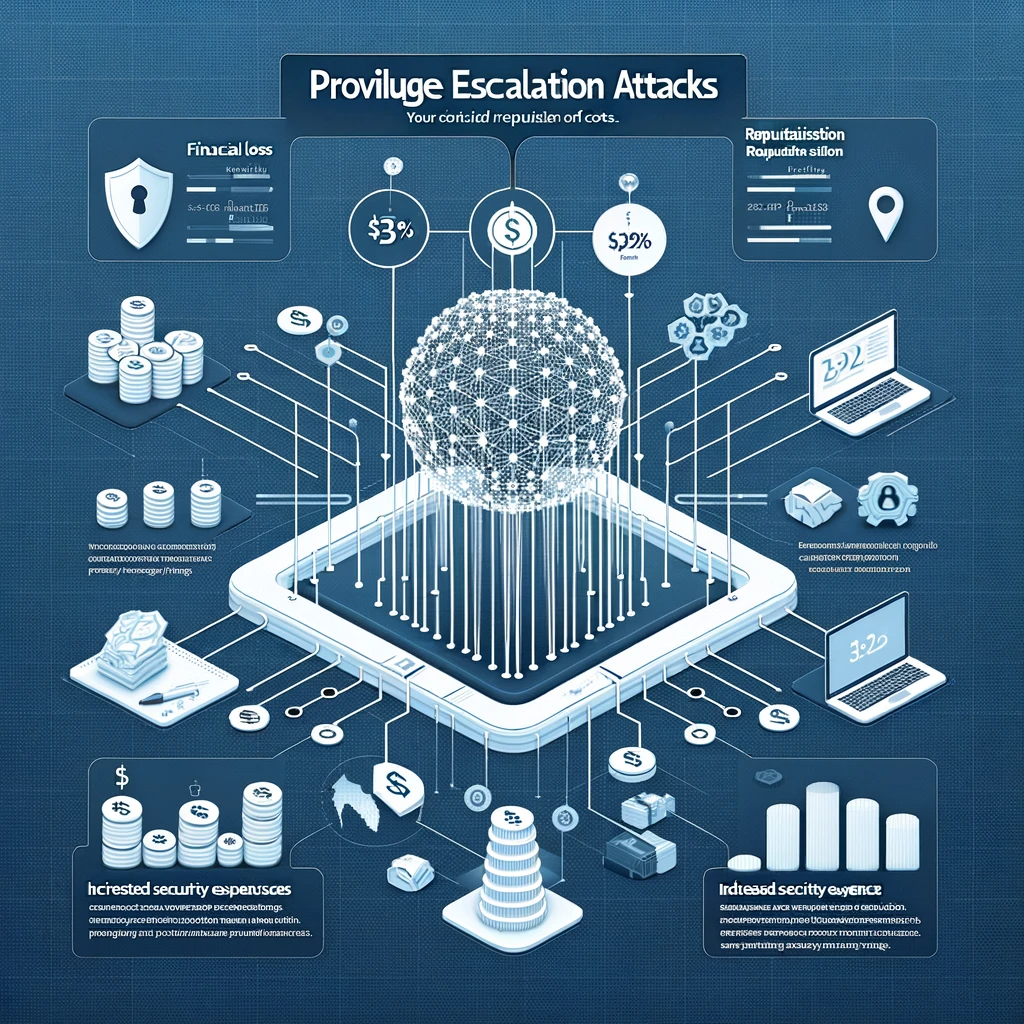
Can Cyberattackers Damage Your Financial Security?
Table Of Contents
- Can Cyberattackers Damage Your Financial Security?
- What Steps Can I Take To Protect My Financial Information?
- How Do Cyberattackers Access Personal Financial Data?
- What Are The Long-Term Effects Of Cyberattacks On Finances?
- How Can Banks And Financial Institutions Enhance Security?
- What Should I Do Immediately After A Cyberattack?
- Are Certain Demographics More At Risk Of Financial Cyberattacks?
- How Can I Educate Myself About Financial Cybersecurity?
- Conclusion
- Other Resources
- Glossary Of Terms
- Other Questions
- Haiku
- Poem
- Checklist
What Steps Can I Take To Protect My Financial Information?
In today’s world, where a single keystroke could land you in financial hot water, protecting your financial information is non-negotiable. We’re living in an age where cybersecurity is more vital than ever. So, let’s roll up our sleeves and talk about some practical steps you can take to safeguard your hard-earned cash and sensitive data.
First off, start with strong, unique passwords—combine letters, numbers, and symbols like you’re concocting a secret recipe. Don’t even think about using “123456” or your beloved pet’s name. Those are about as secure as leaving your front door wide open while inviting strangers over for tea. Employ a password manager if you need help remembering them all—trust me, they’re lifesavers and can generate super-strong passwords at the drop of a hat.
Next, enable two-factor authentication (2FA) wherever possible. If your bank or any app allows it, grab that extra layer of protection. Think of it as double-checking your door locks. It’s a simple step that can save you from a world of hurt if someone gets their hands on your password.
Be mindful of how and where you access your financial accounts. Avoid using public Wi-Fi for banking transactions; those networks are like leaving your wallet on a park bench. If you find yourself needing to use public Wi-Fi, consider a Virtual Private Network (VPN) to encrypt your connection. It’s like installing a security camera at your front door to keep peeping Toms away.
Regularly monitor your financial accounts. Even with the best security measures, a moment of vigilance can pay off immensely. Set up alerts for any transactions, and if something seems amiss, act quickly! Report any fraudulent activity immediately to your bank. The sooner you do it, the better your chances of minimizing the damage.
Lastly, stay informed. Cyber threats are evolving faster than we can keep up with, so subscribing to financial security blogs or newsletters can keep you one step ahead of the bad guys. Knowledge is power, after all!
So there you have it—some straightforward steps to bolster your defenses against cyber threats. Treat your financial information like you would a priceless heirloom: protect it fiercely and never underestimate the lengths some will go to steal it. Taking these precautions is an investment in your peace of mind, and that’s worth every penny.

What Steps Can I Take To Protect My Financial Information?
What Steps Can I Take To Protect My Financial Information?
- Protecting financial information is essential in today’s cybersecurity landscape.
- Use strong, unique passwords created from a mix of letters, numbers, and symbols.
- Employ a password manager to help remember and generate strong passwords.
- Enable two-factor authentication (2FA) for extra security on accounts.
- Avoid public Wi-Fi for banking transactions; use a VPN if necessary.
- Regularly monitor financial accounts and set up alerts for suspicious transactions.
- Stay informed about evolving cyber threats through blogs and newsletters.

What Steps Can I Take To Protect My Financial Information?
How Do Cyberattackers Access Personal Financial Data?
In an age where technology is as integral to our daily lives as the air we breathe, the harsh reality is that cyberattackers lurk in the shadows, eager to snatch away your hard-earned cash. The methods they employ might be intricate, but they often rely on a few common tactics that exploit the vulnerabilities in our digital behavior. So, let’s break it down, plain and simple.
First off, we have to talk about phishing. It’s a term that gets thrown around a lot, but at its core, phishing is fishing for your personal information. Cybercriminals create fake emails or texts that look as if they come from legitimate organizations—your bank, an online retailer, even the IRS. They reel you in with promises of refunds, account updates, or urgent actions required. Before you know it, you’ve clicked a link, entered your credentials, and handed over the keys to your financial kingdom.
Then, there’s the whole realm of malware. This isn’t just a buzzword; it’s a real threat. Malware can sneak into your systems via downloads, compromised websites, or even through infected USB drives. Once inside, it can track your online activity, capture your keystrokes, and even allow cybercriminals to access your accounts remotely. That’s like someone watching over your shoulder every time you type in your username and password—often without you realizing it.
And let’s not forget about the good old-fashioned data breach. These happen when hackers infiltrate large organizations and steal strategically valuable information—like credit card numbers or Social Security details. They usually accomplish this through exploiting weak cybersecurity measures, such as outdated software or unprotected databases. You wouldn’t leave your front door unlocked, yet many businesses are still leaving their digital doors wide open for prowlers.
Social engineering is another favorite tactic in a cybercriminal’s playbook. This is when bad actors manipulate you into unknowingly giving them sensitive info. They might impersonate someone from your bank, posing as a customer service representative and asking you to verify your identity. It’s a psychological game that preys on your trust and curiosity.
Ultimately, it all boils down to caution and awareness. Strengthening your cybersecurity—using strong, unique passwords, being skeptical of unsolicited requests, and keeping software updated—can make a world of difference. The more vigilant we are, the harder we make it for those looking to exploit our online lives. Stay smart, stay safe.

How Do Cyberattackers Access Personal Financial Data?
How Do Cyberattackers Access Personal Financial Data?
- Technology plays a crucial role in our daily lives, but cyberattackers are always lurking.
- Phishing involves cybercriminals sending fake communications from seemingly legitimate sources to steal personal information.
- Malware can infiltrate devices through downloads or infected drives, tracking activity and gaining access to accounts.
- Data breaches occur when hackers exploit weak cybersecurity in organizations to steal sensitive information like credit card numbers.
- Social engineering manipulates individuals into revealing confidential information through trust and deception.
- Strengthening cybersecurity practices, such as using strong passwords and being cautious with requests, is essential.
- Increased vigilance can significantly reduce the risk of falling victim to cyberattacks.

How Do Cyberattackers Access Personal Financial Data?
What Are The Long-Term Effects Of Cyberattacks On Finances?
In a world where we conduct a good chunk of our daily business online, the shadows of cyberattacks loom larger than ever. It’s not just headlines splashed across the evening news; the long-term effects on finances can be staggering and far-reaching. You see, the true impact of a cyber intrusion isn’t merely about immediate loss—it’s about the ripple effects that ride the waves long after the initial breach.
When a company falls victim to a cyberattack, the first hit is often the financial blow. This includes direct losses from theft, fraud, or ransom payments, but the story doesn’t end there. Cybersecurity lapses can lead to spiraling costs associated with remediation efforts. Organizations might find themselves investing heavily in updated infrastructure, training for employees, and hiring experts to shore up their defenses. This can drain resources and divert funds away from growth opportunities, leaving businesses limping along in survival mode.
Then there’s the reputation factor. A company with a reputation tarnished by a cyberattack can face long-term damage that’s tough to quantify. Customers tend to hesitate when it comes to engaging with businesses that have a track record of poor cybersecurity. Trust is a fragile thing, easily shattered—to the tune of lost sales, decreased customer loyalty, and potentially legal ramifications when clients feel their data wasn’t adequately protected.
Let’s not forget about insurance premiums. After a cyberattack, many organizations see their cybersecurity insurance rates skyrocket. Insurers may classify them as high-risk individuals or entities, forcing them into a defensive posture that makes it hard to climb out of the financial hole.
Additionally, there’s the regulatory and compliance landscape to contend with. Increased scrutiny from regulators means that businesses might face hefty fines if they’ve fallen short of maintaining adequate cybersecurity measures. These fines do more than threaten the bottom line—they can shake investor confidence and stall progress.
In essence, cyberattacks don’t just knock the door down and steal a few bucks. They open the floodgates to long-term financial instability and insecurity. Businesses must adopt proactive measures to fortify their defenses against the lurking menace of cybercrime, recognizing that a robust cybersecurity framework is not just a need—it’s a financial imperative. Because when it comes to protecting finances in this digital era, a stitch in time saves nine—or in this case, saves a whole lot more.

What Are The Long-Term Effects Of Cyberattacks On Finances?
What Are The Long-Term Effects Of Cyberattacks On Finances?
- Cyberattacks have significant long-term financial effects beyond immediate losses.
- The first impact of a cyberattack is often direct financial loss from theft, fraud, or ransom payments.
- Organizations face spiraling costs for remediation, including infrastructure updates and employee training.
- A tarnished reputation from cyberattacks leads to lost sales, decreased customer loyalty, and legal issues.
- Insurance premiums often increase significantly for companies that experience cyberattacks.
- Regulatory scrutiny can result in hefty fines for businesses failing to maintain adequate cybersecurity measures.
- A robust cybersecurity framework is essential for financial stability in the digital era.

What Are The Long-Term Effects Of Cyberattacks On Finances?
How Can Banks And Financial Institutions Enhance Security?
In today’s world, where digital transactions are as common as morning coffee, the need for strict cybersecurity measures in banks and financial institutions has never been more critical. Just like a fortified castle standing against marauding invaders, these organizations must take a proactive stance against a new breed of adversary—cybercriminals. The stakes are high, and the consequences of a breach can be devastating not only to the institutions themselves but also to their customers, whose financial lives may hang in the balance.
So, how can banks and financial institutions enhance their security? First off, it all starts with a strong foundation. Institutions must prioritize the development of a robust cybersecurity framework that includes well-defined policies, procedures, and guidelines. This is not just about having the latest software installed on shiny computers; it’s about creating a culture of security that resonates throughout the organization. Everyone from the tellers to the executives needs to understand the importance of safeguarding sensitive data. When people recognize they are the frontline defenders, they become vigilant against potential threats.
Next up, regular training and simulations should be a staple in the institution’s operational playbook. Instead of a one-and-done approach, think of security training as an ongoing education challenge. Employees need to be kept sharp with the latest threats and trends in the cybersecurity landscape. Phishing attempts, for example, are no longer just a minor annoyance; they’ve evolved into sophisticated attacks that could bypass even experienced employees if they’re not vigilant. Regularly scheduled drills and refreshers can help keep awareness high and make security measures second nature.
Technological advancements can also play a huge role in enhancing security. Using artificial intelligence and machine learning, banks can analyze data patterns and identify anomalies that might suggest a breach. Imagine having a digital watchdog constantly on patrol, ever-ready to alert staff of irregular activity. This tech-savvy approach not only mitigates threats but can respond in real-time to neutralize potential breaches before they escalate into full-blown crises.
Moreover, collaboration with cybersecurity experts and sharing intelligence with other financial institutions can significantly bolster defenses. Like any good team, sharing knowledge often leads to discovering better strategies and emerging solutions that can protect all parties involved.
Lastly, don’t underestimate the power of transparency. Maintaining open lines of communication with customers about security measures and what they can do to protect their own accounts fosters trust. Security isn’t just the responsibility of the banks; it’s a shared goal that involves everyone. With a sound strategy, continuous learning, and a community of vigilant participants, banks and financial institutions can significantly enhance their security posture against the relentless threat of cybercrime.

How Can Banks And Financial Institutions Enhance Security?
How Can Banks And Financial Institutions Enhance Security?
- The importance of strict cybersecurity measures in banks is more critical than ever due to the rise of cybercriminals.
- A robust cybersecurity framework should be developed, encompassing clear policies, procedures, and guidelines.
- A culture of security needs to be fostered within the organization, making every employee a frontline defender.
- Regular training and simulations should be implemented for ongoing education about cybersecurity threats, such as phishing.
- Technological advancements, including AI and machine learning, can help identify and prevent potential breaches in real-time.
- Collaboration with cybersecurity experts and sharing intelligence among financial institutions can enhance defenses.
- Transparency with customers about security measures fosters trust and encourages shared responsibility for account protection.

How Can Banks And Financial Institutions Enhance Security?
What Should I Do Immediately After A Cyberattack?
When the dust settles after a cyberattack, the world can feel like it’s tilted on its axis. But here’s the thing: you can’t afford to sit around with your thumb in your mouth. You’ve got work to do. The clock is ticking, and Cybersecurity doesn’t magically fix itself just because you feel overwhelmed.
First things first: assess the damage. Sounds simple, right? But this is the moment when adrenaline kicks in and panic might make you want to run for the hills. Instead of letting fear dictate your next moves, take a deep breath and dive in. Look for anything that’s acting wonky—accounts you can’t access, data that’s been scrambled, or patterns that don’t make sense. You’ve got to get the lay of the land to understand the impact of the attack.
Next, you’re going to want to contain the breach. If you suspect a home invasion, you don’t just sit back and let the burglars have their way—you lock the door! In cyberspace, that means isolating affected devices and cutting off access to your networks. Unplug the machines if you have to, but act fast; the longer you wait, the worse it gets. Time may just become your worst enemy in this dance.
Now comes the part where you start to communicate. Let your coworkers, customers, and anyone who might be affected know what’s going on. Transparency is key in reducing panic and helping others take proactive steps. You’re in this together, so make sure they’re aware of the situation and any necessary steps they need to take on their end.
After that, it’s important to consult your Cybersecurity team. If you’ve got a dedicated crew (and let’s be honest, many businesses don’t), they need to get involved to help you understand the full impact of the attack and start the recovery process. If you don’t have a team, seek help from outside experts. You wouldn’t try to fix a leaking pipe without a plumber; treating Cybersecurity the same way is only sensible.
Lastly, once you start piecing everything back together, take a step back and analyze your defenses. Identify vulnerabilities and shore things up to prevent future attacks. Tackling cybersecurity isn’t just about cleaning up after a mess; it’s about building a fortress so the next wave of miscreants finds nothing but walls. So roll up those sleeves and get to work—because the only thing worse than a cyberattack is letting it knock you down for good.

What Should I Do Immediately After A Cyberattack?
What Should I Do Immediately After A Cyberattack?
- Post-cyberattack, it’s crucial to take immediate action instead of succumbing to panic.
- Assess the damage by identifying inaccessible accounts, scrambled data, and unusual patterns.
- Contain the breach by isolating affected devices and cutting network access swiftly.
- Communicate transparently with coworkers, customers, and stakeholders about the situation.
- Consult with your Cybersecurity team or seek external experts for help in recovery.
- Analyze and strengthen defenses after the incident to prevent future attacks.
- Emphasize proactive measures to build a strong cybersecurity posture moving forward.

What Should I Do Immediately After A Cyberattack?
Are Certain Demographics More At Risk Of Financial Cyberattacks?
In today’s digital landscape, the term cybersecurity is plastered across headlines, warning us of looming threats in the world of finance. Many folks might think that cybercriminals only target large corporations with deep pockets, but that’s a misguided notion. The reality is that certain demographics are more prone to becoming victims of financial cyberattacks, and it’s about time we talk about it.
First off, let’s consider seniors. This demographic may have lived through an era with less reliance on technology, making them particularly vulnerable. They often find themselves navigating a world that operates at lightning speed, and some can struggle with online transactions and security protocols. Cybercriminals, being the savvy beings that they are, might employ tactics that exploit this gap in knowledge. Scams that prey on trust and urgency can catch the elderly off guard, resulting in devastating financial losses.
Then there are teenagers and young adults who are often glued to their devices. While they may be digital natives, they tend to underestimate the threats lurking in the shadows of their online interactions. A seemingly innocent click on a link can turn into a torrent of trouble. Oversharing personal information on social media platforms might seem harmless, yet it can provide just the ammunition a hacker needs to breach a financial account. It’s a paradox — the very tools they’ve grown up with can also become the snare that traps them.
Of course, let’s not overlook low-income households. They might not have the resources for robust cybersecurity measures or the education surrounding safe internet practices. As such, these individuals can be attractive targets for financial cyberattacks, simply because the potential payouts are enticing for perpetrators. Criminals often see opportunity where vulnerability resides, and that’s never more apparent than in households trying to make ends meet.
Lastly, we can’t ignore the impact on small business owners. They often juggle various roles, from marketing to bookkeeping, but may lack the knowledge or means to secure their systems. In the chaos of daily operations, cybersecurity often takes a backseat. Unfortunately, that oversight can lead to devastating financial consequences.
So, while we’re all swept up in the whirlwind of technological progress, it’s crucial to remember that certain demographics could be particularly at risk when it comes to financial cyberattacks. Awareness and education are your best allies in combating this invisible enemy.

Are Certain Demographics More At Risk Of Financial Cyberattacks?
Are Certain Demographics More At Risk Of Financial Cyberattacks?
- Cybersecurity threats are prevalent across the financial sector, affecting various demographics.
- Seniors are particularly vulnerable due to limited technological familiarity and trust in online interactions.
- Teenagers and young adults, despite being digital natives, often underestimate online threats and may overshare personal information.
- Low-income households lack resources for strong cybersecurity, making them attractive targets for cybercriminals.
- Small business owners often prioritize other aspects of their operations over cybersecurity, leading to potential vulnerabilities.
- Cybercriminals exploit the gaps in knowledge and resources among these at-risk demographics.
- Increased awareness and education are essential for protecting vulnerable populations from financial cyberattacks.
Are Certain Demographics More At Risk Of Financial Cyberattacks?
How Can I Educate Myself About Financial Cybersecurity?
Let’s face it—cybersecurity can sound a bit intimidating. We live in a world where our finances, privacy, and even identities are more accessible than ever. But you don’t need a PhD in tech to keep yourself secure; you just need the willingness to learn. Now, roll up your sleeves and dive into the nuts and bolts of financial cybersecurity.
First and foremost, know that this field is not a one-size-fits-all gig. Financial cybersecurity encompasses various components, from understanding malware to recognizing phishing scams. Start by familiarizing yourself with basic concepts. You can find resources online, from articles to podcasts, that explain what cybersecurity is all about and how it intersects with your daily financial practices. Websites like the Cybersecurity & Infrastructure Security Agency (CISA) offer a goldmine of information tailored to everyday users.
Next, consider enrolling in a course. Many organizations provide free or low-cost courses focused on financial cybersecurity, allowing you to get a handle on the essentials. Whether it’s a small online class or a more structured program, investing a little time can pay dividends when it comes to understanding how to protect yourself.
Now, some of you may think, “I don’t need to worry—I’m just an average Joe.” That’s where you’re mistaken. The average person is a prime target for cybercriminals. They often exploit weaknesses in everyday technology, which brings us to another crucial point: practice safe browsing habits. Get comfortable with two-factor authentication, regularly update passwords, and recognize the signs of a compromise.
Don’t overlook the power of community. Find local groups, online forums, or social media hubs focusing on financial cybersecurity. Often, people are willing to share their experiences, tips, and tricks to keep themselves safe. You’ll not only acquire knowledge but also build relationships with folks who are just as invested in avoiding the pitfalls of the digital age as you are.
Finally, keep learning and stay curious. Cyber threats are constantly evolving; what worked to defend against an attack last year may not work today. Make it your mission to regularly check in on trends, visit trusted cybersecurity blogs, and read up on new threats or techniques.
So, propel yourself into the world of financial cybersecurity. Knowledge is your best defense, and with a little effort, you can build a solid foundation to keep your finances—and yourself—safe.

How Can I Educate Myself About Financial Cybersecurity?
How Can I Educate Myself About Financial Cybersecurity?
- Cybersecurity can be intimidating, but learning the basics is essential for protecting finances and privacy.
- Financial cybersecurity is diverse, covering aspects like malware identification and phishing recognition.
- Utilize online resources like articles and podcasts to understand cybersecurity concepts relevant to daily financial practices.
- Consider enrolling in free or low-cost courses dedicated to financial cybersecurity to gain foundational knowledge.
- The average person is often a target for cybercriminals; practice safe browsing and use two-factor authentication.
- Join local groups or online communities focused on financial cybersecurity to share experiences and tips.
- Stay updated on evolving cyber threats by regularly checking trusted cybersecurity blogs and resources.

How Can I Educate Myself About Financial Cybersecurity?
Conclusion
As we wrap up our dive into the murky waters of financial cyber threats, let’s take a moment to reflect on what it really means to safeguard your financial well-being in this digital age. We’ve peeled back the layers of risk, explored the shadowy tactics of cybercriminals, and laid out actionable strategies for protecting yourself. This isn’t some underground conspiracy; it’s about everyday folks like you and me navigating a high-stakes landscape where a single misstep can lead to a domino effect of financial ruin.
First off, let’s not kid ourselves. Cyber threats aren’t just menacing headlines; they’re real and relentless. Whether you’re a retiree figuring out online banking or a millennial juggling multiple apps, everyone has a target on their back. Remember, ignorance is not bliss in this scenario. The more you know—about phishing, malware, and your own vulnerabilities—the better equipped you are to thwart potential attacks.
Think of your passwords as the first line of defense. Strength matters. Strong, unique passwords are like having a hefty deadbolt on your front door; weak ones are akin to inviting intruders in for tea. And let’s not forget the importance of two-factor authentication! Implementing that second layer of security is like placing a watchdog at your front entrance—keeping your valuables safeguarded even when things seem to be under control.
Now, you might be wondering what happens if the worst-case scenario materializes. Panic? No way. Assess the damage, contain the breach, and communicate—the triage approach helps you regain control instead of letting chaos set the tone. Plus, never underestimate the power of continually educating yourself; cyber criminals are always adapting, and so should you.
Lastly, never shy away from seeking help. Engage with online communities, take courses, or tap into local networks focused on cybersecurity. Arm yourself with knowledge and support, because a well-informed individual creates a fortified barrier against threats.
So, as we close this discussion, remember this: it’s not about living in fear but about striving to be proactive. Knowledge truly is power in this digital battlefield, reinforcing your defenses and helping secure not just your finances but your peace of mind. Stay vigilant, stay informed, and don’t let those cyberattackers rob you of what’s rightfully yours.

Conclusion
Conclusion:
- Financial cyber threats are real and affect everyone navigating the digital landscape.
- Awareness of tactics like phishing and malware is crucial for personal protection.
- Using strong, unique passwords is essential; they serve as the first line of defense.
- Implementing two-factor authentication adds an extra layer of security to your accounts.
- In case of a cyber incident, remain calm and use a triage approach to assess and contain the damage.
- Continuously educate yourself about evolving cyber threats and defenses.
- Seek support and engage with communities focused on cybersecurity to enhance your knowledge and protection efforts.

Conclusion
Other Resources

Other Resources
Here is a list of other resources you can review online to learn more:
- Threads
- Aspire Technology Partners
- RESTECH Information Services
- Tech Lock
- Cyber Defense Labs
- Reliance ACSN Limited
- Smartronix
- Overwatch Managed Security
- BAE Systems Managed Security Services
Use This Prompt To Get More Resources With Your Favorite Online AI Tool: Please provide me with a list of online articles with their URLs in a bulleted list that I can read regarding Can Cyberattackers Damage Your Financial Security?

Other Resources
Glossary Terms
Can Cyberattackers Damage Your Financial Security? – Glossary Of Terms
1. Cyberattack: An attempt to damage, disrupt, or gain unauthorized access to computer systems, networks, or devices, often with malicious intent.
2. Phishing: A fraudulent attempt to obtain sensitive information by disguising as a trustworthy entity in electronic communications, usually via email.
3. Malware: Malicious software designed to infiltrate, damage, or disable computers and networks, including viruses, worms, or trojan horses.
4. Ransomware: A type of malware that encrypts a victim’s files, rendering them inaccessible until a ransom is paid to the attacker.
5. Firewall: A network security device that monitors and controls incoming and outgoing network traffic based on predetermined security rules.
6. Encryption: The process of converting data into a coded format to prevent unauthorized access, ensuring that only those with the decryption key can access the information.
7. Two-Factor Authentication (2FA): A security process in which the user provides two different authentication factors to verify themselves, enhancing security beyond just a password.
8. Data Breach: An incident where unauthorized users gain access to sensitive, protected, or confidential data, often leading to identity theft or financial loss.
9. Social Engineering: Psychological manipulation of people into performing actions or divulging confidential information, often used in cyberattacks.
10. Identity Theft: The unauthorized use of someone’s personal information, typically for financial gain, leading to financial fraud and loss.
11. Cryptocurrency Scam: Fraudulent schemes involving digital currencies, often promising high returns or using fake investment opportunities to steal funds.
12. Botnet: A network of infected computers or devices controlled by a cybercriminal to perform automated tasks, often used in distributed denial-of-service (DDoS) attacks.
13. DDoS Attack: A malicious attempt to disrupt the normal functioning of a targeted server, service, or network by overwhelming it with a flood of traffic from multiple sources.
14. Spyware: Software that secretly monitors and collects user data without their consent, often used for identity theft and financial fraud.
15. Security Patch: A software update designed to fix vulnerabilities in a system or application to improve security and protect against potential threats.
16. Cyber Hygiene: Best practices and routines for maintaining system health and security, including regular updates, secure passwords, and safe browsing habits.
17. Vulnerability: A weakness in a system, network, or application that can be exploited by cybercriminals to gain unauthorized access or cause damage.
18. Penetration Testing: A simulated cyberattack on a computer system to evaluate its security and identify potential vulnerabilities before they can be exploited.
19. Incident Response: An organized approach to addressing and managing the aftermath of a security breach or cyberattack to limit damage and restore services.
20. Cyber Insurance: A policy designed to protect businesses and individuals from financial losses resulting from cyberattacks and data breaches.
21. Access Control: Security measures that define who can access specific resources and information within a system, helping to protect sensitive data.
22. Keylogger: A type of surveillance software that records keystrokes made by users, often used to capture passwords and sensitive information.
23. Rootkit: A set of tools used by cybercriminals to gain unauthorized access to a computer while hiding their presence and actions.
24. Adware: Software that automatically displays or downloads advertisements, which can compromise device security and lead to privacy violations.
25. Tokenization: The process of replacing sensitive data elements with non-sensitive equivalents, known as tokens, to enhance data security.
26. Breach Notification: The legal requirement to inform affected individuals when their personal information has been compromised in a data breach.
27. Scareware: A form of malware that tricks users into believing their computer is infected so that they will purchase fake antivirus software.
28. Cybersecurity Framework: A structured guide developed to improve an organization’s ability to prevent, detect, and respond to cyber threats.
29. Encryption Key: A piece of information (a string of characters) that is used in conjunction with encryption algorithms to encrypt and decrypt data.
30. User Education: Training provided to users to enhance their awareness of cybersecurity practices, helping to reduce the likelihood of falling victim to cyberattacks.

Glossary Of Terms
Other Questions
Can Cyberattackers Damage Your Financial Security? – Other Questions
If you wish to explore and discover more, consider looking for answers to these questions:
- What are the most common types of financial cyberattacks?
- How can I recognize if I am a victim of a cyberattack?
- What should I do if I suspect my financial information has been compromised?
- What cybersecurity tools can I use to protect my finances?
- How can I help others become aware of financial cyber threats?
- Are there specific online resources for ongoing education in cybersecurity?
- What role do financial institutions play in protecting customers from cyberattacks?
- What are best practices for using online banking safely?
- How often should I update my passwords and security settings?
- What should I look for in a secure financial institution?
- Can cyber insurance help protect my finances?
- How does it work?
- What are the legal implications of financial cyberattacks?
- How do different countries regulate cybersecurity for financial institutions?
- What technologies are emerging to combat financial cyber threats?

Other Questions
Haiku
Can Cyberattackers Damage Your Financial Security? – A Haiku
Cyber threat looms large,
Guard your wealth with knowledge strong,
Vigilance is key.
Haiku
Poem
Can Cyberattackers Damage Your Financial Security? – A Poem
In the Shadows of Cyber Threats
In digital realms where data flows free,
A lurking menace waits patiently,
With every click, your secrets can drift,
Cyberattackers eager, ready to sift.
The guard of security stands at the gate,
Yet many remain unaware of their fate.
With passwords like castles, unique and strong,
We build our defenses, where they belong.
Beware of the fishers in emails they send,
Promising riches, a scam to upend.
Malware may sneak in, a thief in disguise,
Capturing data right before your eyes.
When breaches occur, the impact is vast,
Beyond just the profits that vanish so fast.
Trust can be shattered, reputations can wane,
As businesses scramble to manage the pain.
Seniors, and youth, and the income-challenged,
All targeted groups, where attacks are unbalanced.
In knowledge lies power, so educate well,
For peace of mind only the informed can quell.
So tighten your passwords, embrace two-factor,
Navigate carefully, be the smart actor.
With vigilance, wisdom, and community’s might,
We can shield our finances from shadows at night.
Let’s uplift each other, share knowledge with grace,
In this digital age, a united front we must trace.
For with every lesson and each safeguard we lay,
We fend off the threats that would steal them away.

Poem
Checklist
Can Cyberattackers Damage Your Financial Security? – A Checklist
Checklist: Protecting Your Financial Security from Cyber Threats
Use this checklist to bolster your financial security against cyber threats. Implement these steps one by one or as a part of your regular financial practices.
Password Management
_____ Create Strong, Unique Passwords: Use a combination of letters, numbers, and symbols.
_____ Avoid Common Passwords: Steer clear of passwords like “123456” or easily guessable names.
_____ Use a Password Manager: Consider using a password manager to securely store and generate passwords.
Enable Extra Security Features
_____ Activate Two-Factor Authentication (2FA): Enable 2FA on all accounts that offer it for an added layer of security.
Secure Your Internet Connection
_____ Avoid Public Wi-Fi: Do not perform banking transactions or access sensitive information over public Wi-Fi networks.
_____ Use a Virtual Private Network (VPN): If necessary to use public Wi-Fi, ensure you have a VPN to encrypt your connection.
Vigilant Monitoring
_____ Regularly Check Financial Accounts: Keep an eye on your bank statements and report any suspicious activity immediately.
_____ Set Up Transaction Alerts: Use alerts from your bank to monitor your account activity for any unauthorized transactions.
Educate Yourself
_____ Learn About Cybersecurity Best Practices: Make use of resources like the Cybersecurity & Infrastructure Security Agency for foundational knowledge.
_____ Take Courses on Cybersecurity: Enroll in online courses to further your understanding of financial cybersecurity.
Recognize and Avoid Threats
_____ Identify Phishing Scams: Be skeptical of unsolicited emails or messages requesting personal information or urging immediate action.
_____ Stay Informed About Malware: Understand how malware works and the risks associated with downloads and links from untrusted sites.
Improve Awareness
_____ Participate in Cybersecurity Workshops/Groups: Join local or online communities focusing on financial cybersecurity for shared knowledge and experiences.
_____ Stay Current with Cyber Threat Trends: Regularly read trusted cybersecurity blogs or newsletters for new threats and defense strategies.
Organizational Security Practices (For Businesses)
_____ Develop a Cybersecurity Framework: Establish clear policies and procedures for cybersecurity within your organization.
_____ Conduct Regular Training and Simulations: Ensure staff are updated on cybersecurity measures and practices regularly.
Post-Attack Recovery
_____ Assess What Happened: After any cyber incident, take the time to evaluate the impact of the attack.
_____ Consult Cybersecurity Experts: Seek professional help for recovery if needed.
Foster Trust and Communication
_____ Keep Customers Informed: If you are a business owner, maintain transparency with your customers about security measures being implemented.
By following this checklist, you can take proactive steps to protect your financial security from cyber threats. Stay vigilant, stay informed, and reinforce your defenses against the ever-evolving landscape of cybercrime.

Checklist
At BestCyberSecurityNews, we help teach entrepreneurs and solopreneurs the basics of cybersecurity and its impact on their businesses by using simple concepts to explain difficult challenges.
Please read and share any of the articles you find here on BestCyberSecurityNews with your friends, family, and business associates.


