Don’t Fall Victim: Protect Your Trust And Savings
By Tom Seest
At BestCyberSecurityNews, we help teach entrepreneurs and solopreneurs the basics of cybersecurity and its impact on their businesses by using simple concepts to explain difficult challenges.
Please read and share any of the articles you find here on BestCyberSecurityNews with your friends, family, and business associates.
Are Scammers Exploiting Your Trust and Stealing Your Savings?
Let’s face it: we live in a world where trust is as precious as gold, but just like gold, it can be mined, buried, or whisked away by those looking to make a quick buck. In the age of high-speed internet and instant communication, there’s a darker underbelly lurking beneath the surface—one that exploits our natural inclination to connect and trust others.
Imagine you’re on the couch, scrolling through your social feed, sipping coffee, and feeling secure in your bubbles of familiarity. You see a friend’s post about an amazing investment opportunity or a heartwarming charity. Before you know it, you’re clicking links and writing checks, convinced you’re making a savvy move. That’s when they strike. The skilled scammer, hidden behind a façade of friendliness, is primed to reel you in, and it seldom ends well.
We can’t ignore the fact that, as our lives go digital, we must also embrace the realities of cybersecurity. Think of it as the security guard standing watch at the gates of your financial kingdom. You wouldn’t let just anyone waltz through your front door, right? So why do we often drop our guard online? The truth is, scammers are clever—they’re not wearing masks; they’re donning the faces of people you know and trust. They rely on your inclination to let your guard down.
This is not a call to become paranoid, but it is an invitation to be vigilant and proactive in protecting what’s yours. Knowledge is your best ally here. Equip yourself with the tools to recognize scams: verify sources, scrutinize emails, and practice safe browsing habits. Investing time in your financial literacy will pay dividends.
Furthermore, take a moment to talk about these issues with your loved ones. Sharing stories and experiences can create awareness and foster a community of trust, rather than one of fear. You’d be surprised how many people have encountered scams, and these discussions can reinforce a collective defense against the con artists lurking in the shadows.
It’s time to reclaim your power. By understanding how scammers operate and implementing robust cybersecurity measures, you can safeguard your savings and ensure that your trust isn’t exploited. Let’s keep that golden resource close and protected, for it’s ours to cherish—not theirs to steal.

Are Scammers Exploiting Your Trust and Stealing Your Savings?
Are Scammers Exploiting Your Trust and Stealing Your Savings?
- Trust is valuable but can be easily exploited in the digital age.
- Scammers often use familiar faces to deceive individuals into making poor financial decisions.
- Cybersecurity is essential; it’s like having a security guard for your financial safety.
- Stay vigilant and don’t let your guard down online.
- Become knowledgeable about scams and practice safe online habits to protect yourself.
- Engage in discussions with loved ones about scams to create awareness and community support.
- Understanding scammers and using strong cybersecurity can help safeguard your resources.

Are Scammers Exploiting Your Trust and Stealing Your Savings?
Table Of Contents
- Are Scammers Exploiting Your Trust and Stealing Your Savings?
- What Tactics Do Scammers Use To Exploit Trust?
- How Can I Identify Common Scams?
- What Signs Indicate A Potential Scam?
- Are There Specific Demographics Targeted By Scammers?
- How Do Scammers Manipulate Emotions To Deceive?
- What Should I Do If I Suspect A Scam?
- Are My Savings Safe In The Bank From Scammers?
- Conclusion
- Other Resources
- Glossary Of Terms
- Other Questions
- Haiku
- Poem
- Checklist
What Tactics Do Scammers Use To Exploit Trust?
Have you ever been on a smooth road trip, the kind that makes you feel invincible? Your playlist is bumping, the sun is shining, and then—BAM!—a pothole sends your ride spiraling. That’s a little like the world of digital connections we live in today. Just when you think you’re cruising along, a scammer can sneak in and turn your financial journey upside down. So how do they do it? Let’s pull back the curtain on some of the tactics they use to exploit our intrinsic trust.
First off, it’s about familiarity. Scammers know that being relatable is half the battle. They often present themselves as trustworthy characters—maybe it’s someone posing as your bank, your favorite charity, or even a long-lost cousin. They leverage the psychology of trust by using names we recognize and messages that tug at our heartstrings. Who can resist a plea for help from a “friend” in distress? The moment they have you reacting emotionally, they’re in. That’s when they introduce urgency; they want you to feel cornered, as if you’re on a ticking clock without a solution in sight.
Then there’s the art of narrative framing. Scammers craft stories that align with our values, convincing us that giving them personal information or money is the right thing to do. They weave tales about cyber threats or fake emergencies, all designed to play on compassion and fear. These tactics are far more complex than simple deception; they’re calculated moves in a high-stakes game where the prize is your trust—and your money.
Let’s not forget about technology; it serves as both a lifeline and a tool for these predators. They often use sophisticated phishing techniques, sending emails that look so official, it would put any cybersecurity expert to the test. And here’s the kicker: with the rise of social media, it’s become a treasure trove for information. They can grill your online presence like seasoned detectives, searching for cues to hook into.
Now, don’t despair! Understanding these tactics is your first line of defense. Knowledge is power, and being aware of how trust can be manipulated is a crucial step in protecting yourself. So the next time you’re faced with a suspicious message or a too-good-to-be-true offer, take a breath, examine the situation, and remember that when it comes to trust, not everyone has your best interests at heart. Stay sharp, stay safe!

What Tactics Do Scammers Use To Exploit Trust?
What Tactics Do Scammers Use To Exploit Trust?
- Scammers exploit our intrinsic trust, turning financial journeys upside down.
- They often pose as relatable figures, like banks or charities, to build familiarity.
- Emotional manipulation, such as urgency and distress, is a common tactic used.
- Scammers craft narratives that align with our values to extract personal information or money.
- Technology aids scammers, using sophisticated phishing techniques to deceive victims.
- Social media provides abundant information for scammers to assess and exploit.
- Knowledge of these tactics is vital for self-protection against scams.

What Tactics Do Scammers Use To Exploit Trust?
How Can I Identify Common Scams?
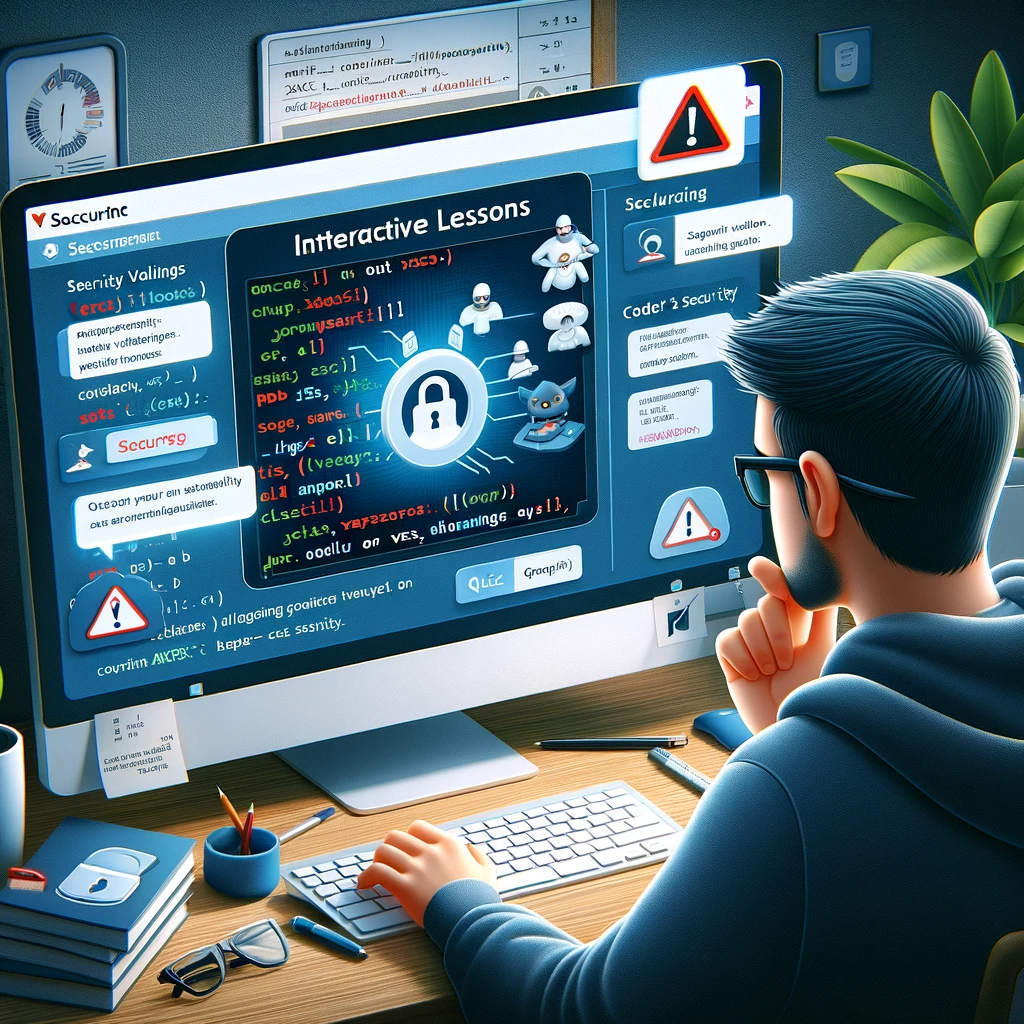
Let’s face it: in a world buzzing with information and a digital landscape that shifts beneath our feet daily, it can sometimes feel harder than finding a needle in a haystack to spot a scam. But just like that, we all have an itch for security—especially when it comes to our personal information and finances. So, how do you become your own watchdog in this wild, wild web?
First off, let’s talk about cybersecurity—that’s your lifeline in this chaotic digital jungle. Picture it as a sturdy fence around your backyard; it’s not impenetrable, but it certainly makes potential invaders think twice. The foundational step is arming yourself with knowledge. Scams come in many shapes and sizes, whether it’s phishing emails mimicking your bank or unsolicited messages from “official” organizations asking for personal details. If something smells fishy, it probably is. Trust your instincts; they’re like your internal alarm system, and it’s okay to heed the warnings it sends.
Take a moment to review the source of communication. Does the email address look legitimate, or does it bear the marks of a forgery? A quick Google search can help you authenticate companies that claim to be reaching out. Look for red flags like poor grammar, unsettling urgency, or offers that seem too good to be true. Remember, if a deal feels like a five-dollar bill lying on the street, it’s likely to be a setup, not a windfall.
Keep your software updated and enabled. Yes, it can be a hassle to hit that update button, but it’s critical for blocking vulnerabilities that scammers exploit. It’s akin to putting on protective gear before heading out into the unknown; you wouldn’t walk onto a construction site without a hard hat, would you?
Finally, don’t hesitate to share your experiences and insights with friends and family. We are all in this together, and your story could be the one that helps someone else recognize a scam before it’s too late. Build a community of awareness—through conversations or even social media posts—to cultivate a culture of vigilance.
After all, the more we know, the better equipped we are to stay safe. Together, we can turn the tide against scams, one informed decision at a time. Stand tall, be aware, and let’s navigate this digital landscape with confidence!
How Can I Identify Common Scams?
How Can I Identify Common Scams?
- In today’s information-rich digital world, spotting scams can be challenging.
- Cybersecurity is essential for protecting personal information and finances.
- Be informed about various scams, such as phishing emails and unsolicited messages.
- Trust your instincts; if something feels off, it likely is.
- Verify the legitimacy of communication sources and look for red flags.
- Regularly update software to protect against vulnerabilities exploited by scammers.
- Share experiences and insights with others to build a community of awareness and vigilance.

How Can I Identify Common Scams?
What Signs Indicate A Potential Scam?
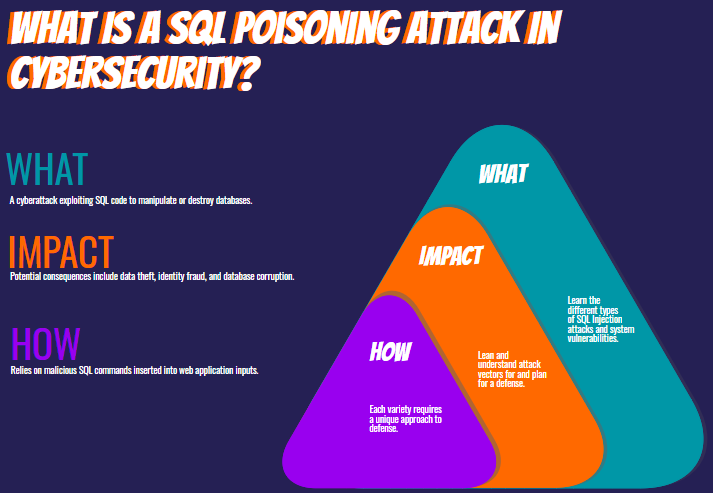
In this fast-paced world we live in, it seems like we’re one click away from either incredible opportunity or just as easily, a lurking scam. It’s like that old saying: if it sounds too good to be true, it probably is. But what are the signs we should look for? As folks navigating the digital landscape, let’s arm ourselves with some handy tips to spot a potential scam before it gets the better of us.
First off, let’s talk about urgency. Scammers love to create a false sense of panic. “Act now! Offer ends in 24 hours!” Sound familiar? If someone is breathing down your neck to make hasty decisions—walk away. Genuine opportunities allow room for thoughtful consideration. When it comes to your hard-earned money and personal information, don’t let anyone rush you.
Next up, let’s tackle that classic request for personal information. No reputable business is going to text, call, or email you, asking for sensitive data. If you receive a message insisting that you confirm your account details or social security number, raise your eyebrow and do some research. Cybersecurity teams across the globe emphasize that safeguarding our personal information is our top priority.
Another telltale sign? Spelling and grammar issues. Now, we can all let a typo slip from time to time, but when you see a slew of misspellings or awkward phrasing, it’s a red flag. A legitimate company will project professionalism in their correspondence. Scammers often rush to concoct their schemes, and the result is poorly constructed messages that make you question their credibility.
How about too-good-to-be-true offers? If a job promises to pay you triple your usual salary for minimal work from home, it’s time to connect the dots. The internet can be a goldmine, but it can also lure in the unwary like a honey trap. Excessive promises are often laced with deception.
Finally, trust your gut. We’re all equipped with an internal compass; don’t ignore it. If something feels off, take a step back and get a second opinion. Talk to a friend—or even a trusted cybersecurity expert if need be.
In this age of digital transactions and online engagements, trust is paramount, and staying informed is the best defense. Be cautious, stay aware, and don’t let yourself become a statistic. Together, we can navigate these murky waters and keep the scammers at bay.

What Signs Indicate A Potential Scam?
What Signs Indicate A Potential Scam?
- In a fast-paced digital world, discernment is crucial for avoiding scams.
- Scammers create urgency; be wary of offers that insist on immediate action.
- Reputable businesses will never ask for sensitive personal information via text or email.
- Look out for poor spelling and grammar in communications, as they often indicate a scam.
- Be skeptical of jobs promising excessive pay for minimal work; these are often deceptive.
- Trust your instincts; if something feels off, seek a second opinion from friends or experts.
- Staying informed and cautious is essential to prevent scams in the digital age.
What Signs Indicate A Potential Scam?
Are There Specific Demographics Targeted By Scammers?
When we think of scammers, it’s easy to conjure up images of shady characters lurking in dark alleys or dubious emails promising fortune at a click. But let’s take a moment to peel back that notion. The world of cyber deception is much broader and often targets individuals from very specific demographics. And while malicious actors may employ a range of gimmicks, the underlying approach often relies on a simple truth: they find vulnerabilities in people’s lives and exploit them.
First off, let’s talk about the elder community. Many seasoned citizens have amassed a lifetime of savings, and unfortunately, that makes them prime targets. There’s a generation that grew up with landlines, and now their newfound technology can be a double-edged sword. Cybersecurity measures may not be particularly familiar to them, making it all too easy for scammers to pull the wool over their eyes with deceptive phone calls or phishing emails. This is where family and friends come into play; educating them on recognizing red flags is vital for their financial safety.
But don’t think for a second that youth are immune. Young adults are also frequently targeted, often lured in by the allure of quick cash or cheap goods. Whether it’s via social media or dating apps, these pretty pictures may trap them in a web of scams. Many feel invincible, thinking they can spot a scam from a mile away, yet it’s precisely that confidence that leaves them vulnerable. Open conversations about online safety can arm them with the knowledge they need to sidestep potential pitfalls.
And let’s not overlook the busy professional. Whether a CEO or a single parent juggling a nine-to-five, their hectic lives make them prime targets for scams that exploit time constraints. A hurried response to an urgent email can lead to a costly mistake. This is where a proactive approach comes in—emphasizing the importance of cybersecurity practices like double-checking email addresses or never sharing sensitive information casually can go a long way.
It’s about becoming more aware, more informed, and more vigilant. Scammers are opportunists, and that means they’re constantly evolving. But when we share knowledge and foster community resilience, we can turn the tables. Let’s learn, connect, and empower each other to outsmart those lurking in the shadows. Together, we can transform vulnerability into strength, and perhaps, one day, make the scammers rethink their next move.

Are There Specific Demographics Targeted By Scammers?
Are There Specific Demographics Targeted By Scammers?
- The world of cyber deception targets specific demographics, exploiting vulnerabilities in people’s lives.
- The elder community, often less familiar with technology, is a prime target for scammers.
- Family and friends play a crucial role in educating the elderly about recognizing scams.
- Young adults are also frequently targeted through social media and dating apps, drawn by quick cash or cheap goods.
- Feeling invincible may leave young adults vulnerable; discussions about online safety are essential.
- Busy professionals, due to time constraints, are common targets for urgent scam emails or calls.
- Sharing knowledge and community resilience can help combat scams and empower individuals.

Are There Specific Demographics Targeted By Scammers?
How Do Scammers Manipulate Emotions To Deceive?
How Do Scammers Manipulate Emotions to Deceive?
Let’s face it: the world can be a pretty tough place. You wake up, grab your coffee, and head out into the hustle and bustle, just trying to make sense of it all. But amidst the daily grind, you might not realize that lurking behind the comfort of your screen, some folks are ready to prey on your most basic human emotions. Yes, we’re talking about scammers. And they’re getting increasingly savvy.
Scammers often exploit feelings such as fear, love, and urgency to weave their deceitful web. Take fear, for instance. Ever received an email claiming your bank account has been compromised? That little pulse of panic you feel? That’s just what they want. By triggering anxiety, they encourage you to act quickly—often before you’ve had time to think. It’s in that heightened state of emotion that a rational mind can slip, leading even the savviest among us to make hasty decisions.
Now, consider the other side of the emotional spectrum—love. This is a powerful tool for scammers who thrive on the warmth of human connection. They might create a profile on dating sites, painting a picture of themselves as the perfect partner, with just enough charm and empathy to reel you in. Before you know it, you’re sharing intimate details, and then the request for financial help comes in. It can be a tough pill to swallow, realizing that your heartfelt connection was just bait.
Urgency is another tactic they wield like a double-edged sword. Ever bought something on impulse during a timeframe countdown? Scammers use this same method—“Act now! This offer expires in 24 hours!” By creating a false sense of urgency, they push you away from the analytical side of your brain and into the emotional chaos of making snap decisions.
What’s the takeaway from all this? Awareness is your best ally. Yes, the digital world can be overwhelming, but taking a moment to breathe and assess can fortify your personal cybersecurity. Don’t let your emotions become a tool for manipulation; instead, trust your instincts, verify, and take action to safeguard your information. Because the more informed you are, the less likely you are to fall for these traps. And that, my friends, is the best kind of empowerment. So, the next time you feel that flutter of emotion while scrolling online, pause. It could save you a significant headache down the road.

How Do Scammers Manipulate Emotions To Deceive?
How Do Scammers Manipulate Emotions To Deceive?
- Scammers manipulate basic human emotions such as fear, love, and urgency to deceive individuals.
- They exploit fear by triggering panic, such as with emails about compromised bank accounts, leading to hasty decisions.
- Scammers use love by creating fake profiles on dating sites, fostering emotional connections, and then requesting financial help.
- Urgency is used as a tactic to provoke impulsive actions through time-sensitive offers.
- Being aware of these emotional manipulations can enhance personal cybersecurity.
- Taking a moment to breathe and assess situations can prevent falling victim to scams.
- Informed individuals are less likely to be deceived, leading to a greater sense of empowerment.

How Do Scammers Manipulate Emotions To Deceive?
What Should I Do If I Suspect A Scam?
Alright, let’s get real for a moment. It’s a wild world out there, and scams lurk around every digital corner like a raccoon that just found the trash can. You’re not alone in feeling uneasy when a deal seems too good to be true or when you get that odd text from “the bank.” So, what can you do if you suspect a scam? Well, let’s break it down, step by small, manageable step.
First off, don’t panic. The very fact that you’re questioning something is a good sign. Trust your gut—it often knows when something’s fishy. Take a step back and evaluate what you’re dealing with. If it feels off or seems like a stretch, there’s a strong chance it’s not the real deal.
Whenever you feel the itch of doubt, your first line of defense is to dig a little deeper. Research is your friend. Look up the company or individual that’s reaching out to you. These days, a quick online search can unveil a treasure trove of information. Look for reviews, customer complaints, or any red flags that might shout “SCAM!” from the rooftops. You’d be surprised how often a little snooping can save you from a world of regret.
Next, don’t hesitate to talk it over with someone you trust—be it a friend, family member, or coworker. Sometimes, a fresh set of eyes can spot the warning signs you might have missed. In our current climate of Cybersecurity concerns, keeping the lines of communication open helps us all stay a bit safer.
If you’re convinced that you’re onto something malicious, don’t shy away from reporting it. You can contact local authorities or online platforms designed to tackle fraud. It’s not just about keeping your own wallet safe; it’s about protecting others from falling into the same trap. Think of it as community service—doing your part to make the world a little bit safer for everyone.
Remember this: being cautious doesn’t make you paranoid; it makes you smart. By taking a proactive approach, you’re not just arming yourself against potential scams—you’re also contributing to a larger culture of awareness. So, go on and trust yourself. Equip yourself with the knowledge and the tools to outsmart the con artists. You’re more capable than you realize, and standing firm against scams isn’t just a personal victory; it’s a community win.

What Should I Do If I Suspect A Scam?
What Should I Do If I Suspect A Scam?
- Scams are prevalent in the digital world and can create unease.
- Trusting your instincts is important—if a deal feels off, it likely is.
- Conduct thorough research on suspicious individuals or companies to identify potential scams.
- Discuss your concerns with trusted friends or family for additional perspectives.
- Report any suspected scams to local authorities or online fraud prevention platforms.
- Being cautious is smart and contributes to a culture of awareness against scams.
- Empower yourself with knowledge and tools to effectively combat potential scams.

What Should I Do If I Suspect A Scam?
Are My Savings Safe In The Bank From Scammers?
You know that moment when you sit down with a cup of coffee, staring at your bank statement, and the thought suddenly strikes you: “Are my savings really safe?” It’s a common concern in a world where the only thing more pervasive than the smell of day-old coffee is the threat posed by digital raiders lurking in the shadows. With all the chatter about cybersecurity, it’s easy to feel like your hard-earned dollars are just waiting to be snatched away—like that last slice of pizza at a party where you thought everyone was too full to eat more.
Let’s take a deep breath here. It’s important to remember that banks invest a hefty chunk of change in protecting your savings. They’re not just sitting back and watching the world burn; they’re leveraging cybersecurity measures that even James Bond would tip his hat to. Look, your bank’s got firewalls, encryption, and a slew of experts whose sole job is to keep your financial information locked up tighter than Grandma’s cookie jar.
But while the institutions do their part, we can’t afford to hit the snooze button on our own vigilance. Having trust in your bank is crucial, but it’s equally vital that you take action. A little awareness goes a long way—like a seatbelt in a car. Start by being on the lookout for suspicious emails or phone calls that ask for your personal information. Scammers can be tricky, slipping into your life like a charming stranger at a bar. The key is to be the vigilant bouncer of your own financial castle.
Do your homework—research the security features of your bank, explore their customer service resources, and educate yourself about common scams. Knowledge is like a bank vault for your mind; the more you know, the less likely you are to be taken in by those sleight-of-hand tricks.
So, are your savings safe? Well, the short answer is: yes, to a large extent. But the long answer involves a partnership. It’s a two-way street. Trust your bank’s cybersecurity efforts, but also trust yourself to stay informed and proactive. The best defense against fraud is a combination of strong security from your bank and a good old-fashioned dose of personal vigilance. Keep your eyes open, and your savings will be just fine.

Are My Savings Safe In The Bank From Scammers?
Are My Savings Safe In The Bank From Scammers?
- Concern about the safety of savings in today’s digital world is common among consumers.
- Banks invest heavily in cybersecurity, employing advanced measures like firewalls and encryption.
- It’s essential to maintain personal vigilance and awareness of potential scams.
- Be cautious of suspicious emails or calls requesting personal information.
- Educate yourself about your bank’s security features and common fraud tactics.
- Your savings are generally safe, but a partnership between trusting your bank and being proactive is essential.
- The best defense against fraud combines strong bank security with personal vigilance.

Are My Savings Safe In The Bank From Scammers?
Conclusion
When it comes down to it, folks, scams are like those weeds in a garden—we may hope they won’t surface, but the reality is they thrive in the cracks where we least expect them. In this increasingly digital landscape, where trust feels as fleeting as a summer breeze, scammers are primed to exploit our natural tendencies. They don’t come at us wearing ski masks; instead, they don the comfortable garb of acquaintances, friends, and familiar brands, using the very trust we place in those relationships against us. The emotional triggers they pull are beautifully orchestrated, exploiting fear, love, and urgency to cloud our judgment and cut through our defenses.
So, what can we do about it? First, it’s all about preparation and awareness—arm yourself with a solid understanding of common scams and their telltale signs. Treat your digital presence like a fortress: inspect it, reinforce it, and don’t let just anyone waltz in. Whether it’s overlooking a suspicious email or responding to an urgency-laden message, we must become the watchdogs of our own finances. And while it’s easy to become overwhelmed by the barrage of information, knowledge is empowerment—there’s no need to become paranoid, but a healthy dose of skepticism can go a long way.
Discussing these issues candidly with your family and friends is equally crucial. Just as you wouldn’t let a loved one drive a car without a seatbelt, don’t allow them to navigate the digital space uninformed. Create a community of vigilance; the more heads we have thinking critically about potential scams, the less likely we are to fall victim to them.
Finally, let’s not forget the power of action. If you spot a scam or suspect one, don’t just sweep it under the rug. Report it, share your experience, and contribute to the collective wisdom that shields us all from these predators. In the end, trust isn’t just about believing; it’s also about being prepared. Equip yourself, stay engaged, and let’s reclaim control over our finances and our trust. It’s time to put the power back where it belongs—in our hands. Remember, at the end of the day, we’re in this together, and knowledge is our best weapon. Let’s keep our hard-earned dollars safe, not just for ourselves but for everyone in our community.

Conclusion
Conclusion:
- Scams are pervasive and can emerge unexpectedly, much like weeds in a garden.
- In a digital world, scammers exploit trust, masquerading as acquaintances and familiar brands.
- They utilize emotional triggers such as fear, love, and urgency to deceive and manipulate.
- Preparation and awareness are crucial—understanding common scams and their signs is essential.
- Maintain a vigilant digital presence and treat it like a fortress to protect your finances.
- Discuss scams openly with family and friends to create a community of awareness and caution.
- If you encounter a scam, report it and share your experiences to empower collective knowledge.

Conclusion
Other Resources

Other Resources
Here is a list of other resources you can review online to learn more:
- Cyberint
- Sirius Computer Solutions
- Arctic Wolf Networks
- Blackpoint Cyber
- BT Security
- SKOUT Cybersecurity
- Radar Cyber Security
- IPKeys
Use This Prompt To Get More Resources With Your Favorite Online AI Tool: Please provide me with a list of online articles with their URLs in a bulleted list that I can read regarding Are Scammers Exploiting Your Trust and Stealing Your Savings?

Other Resources
Glossary Terms
Are Scammers Exploiting Your Trust and Stealing Your Savings? – Glossary Of Terms
1. Scam: A fraudulent scheme designed to con individuals out of their money or personal information.
2. Phishing: A technique used by scammers to trick individuals into providing sensitive information by pretending to be a trustworthy entity.
3. Social Engineering: The manipulation of people into giving up confidential information by exploiting trust and emotional responses.
4. Identity Theft: The unauthorized use of someone’s personal information to commit fraud or other crimes.
5. Fraud: Wrongful or criminal deception intended to result in financial or personal gain.
6. Ponzi Scheme: A form of investment fraud where returns are paid to earlier investors using the capital from newer investors, rather than from profit.
7. Investment Scam: Any fraudulent investment opportunity promising high returns with little risk, often lacking legitimate backing.
8. Advance Fee Fraud: A scam where victims pay money upfront for goods or services that are never delivered.
9. Lottery Scam: A trick that informs victims they have won a lottery or contest, but must pay fees or taxes to claim their prize.
10. Spear Phishing: A targeted attempt to steal sensitive information from a specific individual or organization, often for malicious reasons.
11. Nigerian Prince Scam: A well-known type of email scam that claims the sender is a wealthy individual who needs help transferring funds, promising a large payday in return.
12. Charity Scam: Fraudulent attempts to claim donations under the pretense of supporting a charitable cause.
13. Online Dating Fraud: Scammers create fake profiles on dating sites to exploit emotional connections and solicit money.
14. Debt Relief Scam: Fraudulent services that promise to eliminate or reduce debt for a fee, often providing no real help.
15. Tech Support Scam: Scammers posing as tech support agents to convince victims to pay for unnecessary services or to gain access to their computers.
16. Cold Calling: Unsolicited phone calls to potential customers, often used by scammers to pitch fraudulent services or products.
17. Emotional Manipulation: Techniques used by scammers to exploit a person’s feelings and emotions, creating a sense of urgency or fear.
18. False Authority: When scammers claim to have expertise or authority in a certain field to gain trust and convince victims to follow their instructions.
19. Pump and Dump: A scheme to inflate the price of a stock through false or misleading statements, followed by selling off shares at the inflated price.
20. Get-Rich-Quick Scheme: Any fraudulent business venture that promises large returns in a short period with little effort.
21. Account Takeover: When a fraudster gains unauthorized access to a victim’s account, often for financial theft.
22. Fake Invoice Scam: A scheme where scammers send false invoices to businesses or individuals in an attempt to collect payments for nonexistent goods or services.
23. Rent-to-Own Scam: A fraudulent offer that misrepresents the terms or outcomes of renting items with an option to buy.
24. Bait and Switch: A deceptive marketing tactic where a low-priced item is advertised to attract customers, only to be misled into buying a different, higher-priced item.
25. Cybersecurity Risk: The potential for loss or harm related to technical disruptions, including data breaches and online scams.
26. Trust Account Scam: Involves scammers posing as attorneys or financial professionals misusing trust accounts to steal money.
27. Preventive Measures: Strategies or actions taken to thwart fraud, such as using secure passwords and monitoring financial accounts.
28. Scam Awareness: The understanding of common scams and tactics used by fraudsters to protect oneself from becoming a victim.
29. Financial Literacy: The ability to understand and effectively use various financial skills, including personal finance, investing, and money management to avoid scams.
30. Reporting Scams: The act of informing authorities about fraudulent activities, crucial for stopping scammers and preventing further victimization.

Glossary Of Terms
Other Questions
Are Scammers Exploiting Your Trust and Stealing Your Savings? – Other Questions
If you wish to explore and discover more, consider looking for answers to these questions:
- What are some real-life examples of scams that have exploited trust?
- How can I educate my family and friends about scams?
- Are there specific warning signs that differ between types of scams?
- What resources are available for reporting scams or seeking help?
- How often should I update my passwords and cybersecurity measures?
- Can I recover lost money from a scam, and how?
- What role does social media play in facilitating scams?
- How can businesses protect their customers from scams?
- Are there certain times of year when scams are more prevalent?
- What technologies can help detect and prevent scams?

Other Questions
Haiku
Are Scammers Exploiting Your Trust and Stealing Your Savings? – A Haiku
Trust is like gold,
Scammers seek to exploit,
Guard heart and wealth well.

Haiku
Poem
Are Scammers Exploiting Your Trust and Stealing Your Savings? – A Poem
Guardians of Trust
In a world where trust is gold,
Scammers lurk, both sly and bold.
With charm they weave, in shadows creep,
Exploiting bonds, our fears they seep.
Scrolling through feeds, a friend’s warm call,
An “opportunity” that can lead to a fall.
With familiar faces, they mask their intent,
While urgency rules, our judgment they bend.
Crafting tales that stir our heart,
A plea for help, their wicked art.
But knowledge shines—a guiding light,
To fend off thieves that stalk by night.
Be wary of messages urgent and fraught,
For genuine offers have space to be sought.
Personal info they ask, with a charming guise,
Trust your instincts, don’t compromise.
The seniors, the youth, the busy, they scheme,
Scammers hunt where hope dares to dream.
But together we rise, sharing our plight,
Building awareness to fend off the night.
So stand aware, be mindful and wise,
Cultivate caution, let not your heart rise.
For safeguarding savings is a twofold dance,
It’s trust in your bank, and a vigilant stance.
Let’s reclaim our power, keep that gold tight,
In community strength, we shine ever bright.
Protect your trust, let no one extort—
For against the scams, our knowledge is sport.

Poem
Checklist
Are Scammers Exploiting Your Trust and Stealing Your Savings? – A Checklist
Don’t Fall Victim: Protect Your Trust and Savings Checklist
Signs of Scams
1. Urgency Tactics: If you are pressured to act quickly, take a step back.
2. Requests for Personal Information: No legitimate business will ask for sensitive data through calls or texts.
3. Poor Grammar and Spelling: Look for red flags in written communication.
4. Too-Good-To-Be-True Offers: If it sounds exceptional, it probably is.
5. Familiarity: Be cautious if the message is from someone you know but sounds off.
Identifying Common Scams
1. Inspect Email Addresses: Ensure they are from reputable domains.
2. Research: Look up the sender or organization to verify legitimacy.
3. Trust Your Instincts: If something feels wrong, investigate further.
4. Check for Red Flags: Be skeptical of unexpected requests or too aggressive offers.
Practicing Cybersecurity
1. Update Software Regularly: Keep your devices protected with the latest updates.
2. Use Strong Passwords: Create complex passwords and change them frequently.
3. Enable Two-Factor Authentication: Add an extra layer of security wherever possible.
4. Safe Browsing Habits: Avoid clicking on suspicious links or ads.
Community Awareness
1. Share Experiences: Talk with friends and family about scams you’ve encountered.
2. Educate Loved Ones: Help seniors and younger ones to recognize and avoid scams.
3. Stay Informed: Follow credible sources discussing the latest scam trends.
Taking Action Against Suspected Scams
1. Research and Verify: Look for reviews or reports about the suspicious entity.
2. Discuss with Trusted Individuals: Get a second opinion from someone you trust.
3. Report the Scam: Inform authorities or platforms that can take action against fraud.
4. Stay Calm: Trust your instincts, but evaluate the situation before acting.
Maintaining Trust in Financial Institutions
1. Research Your Bank’s Security Features: Understand the measures they have in place.
2. Monitor Your Accounts Regularly: Watch for unauthorized transactions.
3. Educate Yourself on Financial Safety: Know common scams targeting banking customers.
4. Be Proactive: Stand as the first line of defense against potential scams.
By following this checklist, you can significantly enhance your awareness and safeguard your trust and savings against scammers. Stay informed and vigilant!
Checklist
At BestCyberSecurityNews, we help teach entrepreneurs and solopreneurs the basics of cybersecurity and its impact on their businesses by using simple concepts to explain difficult challenges.
Please read and share any of the articles you find here on BestCyberSecurityNews with your friends, family, and business associates.