Unraveling The Threat: Understanding Deserialization Attacks And Their Impact
By Tom Seest
At BestCyberSecurityNews, we help teach entrepreneurs and solopreneurs the basics of cybersecurity and its impact on their businesses by using simple concepts to explain difficult challenges.
Please read and share any of the articles you find here on BestCyberSecurityNews with your friends, family, and business associates.
What Is a Deserialization Attack?
In simple terms, a deserialization attack is like inviting a stranger into your home, thinking it’s a friend, only to find out they’ve come to cause trouble. Picture a mechanic who knows your car inside out, but instead of fixing it, they decide to sabotage its engine. That’s what can happen when an attacker finds a way to manipulate the data your system expects, turning a seemingly harmless process into a gateway for chaos.
Cybersecurity is no longer just a buzzword; it’s a life raft in the stormy seas of the digital world. Deserialization is part of the code that many developers use to facilitate data transfer. When this code receives unexpected inputs, an attacker can inject malicious code, gaining unauthorized access, exfiltrating sensitive information, or even taking control of systems. This isn’t just a theoretical risk; it’s a reality that businesses face daily. Last year alone, countless organizations were brought to their knees, whether by ransomware or data breaches, many of which stemmed from poor handling of deserialization.
What makes this especially distressing is the trust that’s tied to every data transaction. When we interact with software, we place a degree of faith in that system to handle our information responsibly. If that trust is broken through a deserialization vulnerability, it can lead to disastrous consequences—not just for companies, but for individuals whose private lives and finances hang in the balance. Think about the impact on a family if their savings are wiped out, or on a community when a local business is forced to close due to financial losses stemming from an attack.
Navigating the world of cybersecurity means understanding that every byte of data we send could be intercepted or altered. Recognizing potential threats like deserialization attacks is the first step toward safeguarding our lives. It’s about being proactive rather than reactive. By putting robust security measures in place, we can turn the tide against those looking to exploit vulnerabilities.
There’s strength in community awareness. Share knowledge about these risks with colleagues and peers, creating a network of vigilance. When we educate ourselves and one another, we build an environment where intruders have little chance of succeeding. No one should feel helpless against the lurking dangers of digital life—it’s time for all of us to take action, ensuring our homes, businesses, and communities remain safe from the shadows that threaten our connected world.

What Is a Deserialization Attack?
What Is a Deserialization Attack?
- A deserialization attack compares to inviting a stranger into a home under false pretenses.
- Cybersecurity is crucial for protecting against data manipulation and unauthorized access.
- Deserialization vulnerabilities can allow attackers to inject malicious code and take control of systems.
- Many organizations have succumbed to attacks due to inadequate handling of deserialization.
- The trust placed in software systems is critical; breaches can have severe consequences for individuals and businesses.
- Proactive security measures are necessary to protect against data interception and alteration.
- Building community awareness and sharing knowledge enhances collective defense against digital threats.

What Is a Deserialization Attack?
Table Of Contents
- What Is a Deserialization Attack?
- What Risks Do Deserialization Attacks Pose to My System?
- How Can I Identify If My Application Is Vulnerable?
- What Are Common Examples Of Deserialization Attacks?
- How Do Deserialization Attacks Impact User Data Security?
- What Role Does Code Review Play In Preventing These Vulnerabilities?
- How Can I Ensure My Apis Are Safe From Deserialization Issues?
- Why Do Deserialization Attacks Often Go Unnoticed?
- Conclusion
- Other Resources
- Glossary Of Terms
- Other Questions
- Haiku
- Poem
- Checklist
What Risks Do Deserialization Attacks Pose to My System?
When it comes to cybersecurity, deserialization attacks may sound like fancy jargon, but they can rip through your system faster than a whirlwind. Imagine this: one moment you’re working away, and the next, a malicious actor sneaks in through a seemingly harmless data packet. The trouble with deserialization is that it allows attackers to manipulate untrusted data. They can turn valuable data into a doorway for intrusion, giving them the power to execute harmful code. This isn’t just a computer glitch; it’s an invasion of your digital space.
Let’s break it down. Picture you’re in a workshop, and you’ve got a toolbox. You trust that toolbox to help you build and repair. Similarly, your system relies on serialized data to function correctly. But what happens when that toolbox gets tampered with? Instead of crafting something useful, you might end up with a ticking time bomb. Attackers exploit the deserialization process, changing the intended function of your data and causing chaos. That’s not just a risk; it’s a nightmare that can result in lost data, damaged systems, and a hit to your bottom line.
Ethically, we need to protect our digital environments. Just as we lock our doors at night, ensuring our systems are secure should be a priority. We owe it to our clients and ourselves to maintain trust, as a single breach can tarnish reputations built over years of hard work. It’s not just about money; it’s about integrity and doing the right thing.
Now, consider the emotional aspect. Every business is fueled by people. Picture your team, working tirelessly, pouring their hearts into every project. A deserialization attack could compromise not just data but morale—a hit to their sense of security. Nothing creates distrust faster than realizing your protective measures aren’t holding firm.
And then there’s the social impact. In this interconnected world, a breach doesn’t just stop at your door. The ripple effect can affect your partners, suppliers, and customers. We’re all in this together, so protecting your system means safeguarding the larger community.
So, take the warnings seriously. Staying informed and proactive about deserialization attacks is not just a good practice; it’s a necessity. Treat your cybersecurity as you would your most prized possession. Secure it, understand its potential weaknesses, and ensure that you’re not just reacting, but staying ahead of threats. The safety of your operation—and the people within it—depends on it.

What Risks Do Deserialization Attacks Pose to My System?
What Risks Do Deserialization Attacks Pose to My System?
- Deserialization attacks can quickly infiltrate systems through seemingly harmless data packets.
- Attackers manipulate untrusted data, turning it into an entry point for harmful code execution.
- These attacks can lead to significant data loss, system damage, and financial repercussions.
- Protecting digital environments is crucial to maintain client trust and uphold reputations.
- Deserialization attacks can impact employee morale and create distrust in security measures.
- A breach influences not just one organization but has a broader social impact on partners and customers.
- Being proactive and informed about cybersecurity is essential to safeguard operations and personnel.

What Risks Do Deserialization Attacks Pose to My System?
How Can I Identify If My Application Is Vulnerable?
Identifying vulnerabilities in your application isn’t just about scanning code or checking for updates; it’s about safeguarding your community and livelihood. Every line of code carries a promise—an assurance that the data entrusted to you remains secure. When you overlook vulnerabilities, you risk breaking that promise, not just to yourself but to your users, friends, and family.
To get started, roll up your sleeves and dive into the application itself. You don’t need a high-tech lab; sometimes, old-school methods work best. Engage with your application as a user would. Click around, test different scenarios, and see where things might break or expose sensitive information. This hands-on approach helps you feel the heartbeat of your application. When you see potential weak spots, it’s a call to action; you owe it to those who rely on you to address these issues promptly.
Rationally, make use of automated tools and marketplaces that specialize in cybersecurity. Plenty of them can sniff out vulnerabilities faster than you can brew a cup of coffee. But don’t let them do all the heavy lifting. Use these tools as a compass, guiding you to areas needing your attention. Combine this knowledge with a good old-fashioned checklist of common vulnerabilities such as SQL injection or cross-site scripting. Knowing what to look for gives you a clearer path forward, so you can proactively protect your application.
Ethically, think beyond just the technical side. Protecting your application translates into protecting people. When you mitigate risks, you’re not just securing servers; you’re defending the trust placed in you. Every breach can hurt real lives, eroding confidence and creating chaos. Taking cybersecurity seriously is a responsibility; act on it with integrity.
Stories of breaches linger long after they happen, echoing in boardrooms and among peers. Make these stories fuel your drive to enhance security. Learn from them. Share what you discover within your journey. By creating a culture of openness, you inspire others to do the same, building a community committed to cybersecurity.
At the end of the day, trust your instincts. If something feels off, dig deeper. When you cultivate a keen awareness of vulnerabilities and take proactive steps, you embody a protector. Your application becomes more than just a tool; it becomes a fortress for those who depend on it. Don’t just deploy your application; fortify it, and watch as trust blossoms in the hearts of everyone it serves.

How Can I Identify If My Application Is Vulnerable?
How Can I Identify If My Application Is Vulnerable?
- Identifying vulnerabilities is essential for safeguarding your community and securing data.
- Engage with your application as a user to discover potential weak spots.
- Utilize automated cybersecurity tools for faster detection of vulnerabilities.
- Combine automated tools with a checklist of common vulnerabilities like SQL injection.
- Protecting your application is also about safeguarding the trust placed in you by users.
- Learn from past breaches and share insights to foster a culture of cybersecurity.
- Trust your instincts; proactively address vulnerabilities to protect users effectively.

How Can I Identify If My Application Is Vulnerable?
What Are Common Examples Of Deserialization Attacks?
When you think about cybersecurity, it’s easy to imagine high-tech hackers in dark rooms, but the truth is, the simplest attacks can wreak the most havoc. One prime example comes about through a vulnerability known as deserialization. Now, let’s break this down in a way that resonates with anyone who’s ever been taken by surprise—much like a sudden gust of wind that knocks your hat off.
Take a moment to picture this: a web application that’s supposed to keep your data safe. When it receives and interprets information from users, it uses a process called serialization to convert objects into a storable format, like packing up tools in a toolbox. But if an attacker is smart enough to interfere, they can slip in malicious code disguised within seemingly harmless data—like putting a faulty wrench back in a box of good tools. When the application unwittingly unpacks this code through deserialization, the attacker gains unauthorized access, and suddenly, our trusted toolbox is filled with traps.
Consider online shopping. One common example involves manipulating the way prices are stored. An attacker might input a crafted request to change the value of a shopping cart total. While you’re expecting the numbers to add up right, the hacker could make a $1,000 item show up as $10. This isn’t just a minor cheat; it’s a breach of trust. Whether you’re a small business owner or a customer, someone’s taking advantage of what should be a secure environment.
Then there are the stories that haunt businesses. Imagine you’re working hard to build a customer base, and you discover that sensitive user data has been compromised because of a deserialization flaw. The trust built over years crumbles with one attack. Furthermore, a company might face legal implications and hefty fines, not to mention the damage to its reputation.
Every organization, from a local diner to a tech startup, must understand that deserialization attacks can happen to anyone. Keeping software and practices updated and prioritizing secure coding practices can go a long way. It’s about safeguarding not just data, but the relationships built on trust with customers. Protecting values and ethics in cybersecurity is a shared responsibility, and it’s high time we all take it seriously. The stakes are high; it’s not just business—it’s personal.

What Are Common Examples Of Deserialization Attacks?
What Are Common Examples Of Deserialization Attacks?
- Cybersecurity threats often stem from simple attacks, such as deserialization vulnerabilities.
- Web applications serialize data, converting it into storable formats, similar to packing tools in a toolbox.
- Attackers can manipulate serialized data to introduce malicious code during the deserialization process.
- An example includes altering prices in online shopping carts, breaching trust by misrepresenting item costs.
- Deserialization flaws can lead to compromised sensitive user data, damaging businesses’ reputations.
- All organizations, large or small, are at risk of deserialization attacks and should prioritize secure coding practices.
- Protecting customer relationships and trust is a shared responsibility that requires ongoing awareness and action.

What Are Common Examples Of Deserialization Attacks?
How Do Deserialization Attacks Impact User Data Security?
When it comes to cybersecurity, we often think about the big threats that make headlines—hackers, data breaches, and identity theft. But what about the quieter dangers, like deserialization attacks? These are less flashy but just as harmful, often slipping in under the radar while users feel the impact on their personal data. Picture this: you’re just trying to use your favorite app, and all your sensitive information is being quietly siphoned away, without you knowing a thing. It’s a gut punch, and it happens more often than you think.
Deserialization attacks exploit the way applications read and process data, twisting normal functions into tools for deception. It’s like a trusted mechanic suddenly swapping out your engine for one that’s about to break down—and you have no idea until you’re left stranded on the side of the road. Just as we trust our mechanics to keep our cars running smoothly, we trust software to handle our personal details. When this trust is shattered, it doesn’t just feel like a breach; it erodes confidence in all technology, tarnishing the reputation of industries reliant on sound cybersecurity practices.
The heart of the matter is human impact. Think about your loved ones—parents, friends, coworkers. If their data is compromised, it’s not just numbers on a screen; it’s their memories, their finances, and their sense of security. The reality hits hard: our digital lives are woven into the fabric of who we are. A single deserialization vulnerability can unearth a treasure trove of personal stories, financial histories, and social connections, and not just for you but for everyone connected to you.
Ethically, we must demand better from those who build and maintain our software. They have a duty to protect user data as fervently as we guard our own physical belongings. It’s a collective responsibility, and it’s high time developers and end-users alike took this issue seriously.
Sharing stories about deserialization attacks can foster a community of vigilance. Imagine neighborhood watch meetings, but for your data security. Learning from others’ experiences can empower you to spot threats before they become too big to handle. A united front can champion better security measures, ensuring our data doesn’t end up misused or in the wrong hands. Together, we can combat the unseen dangers and bring trust back to the digital landscape.

How Do Deserialization Attacks Impact User Data Security?
How Do Deserialization Attacks Impact User Data Security?
- Cybersecurity considerations often focus on major threats like hackers and data breaches, overlooking quieter dangers such as deserialization attacks.
- Deserialization attacks exploit data processing methods, enabling hidden theft of sensitive information from users.
- Trust in software is critical; when compromised, it undermines confidence in technology and damages industry reputations.
- Data compromises have real personal impacts, affecting memories, finances, and security of not just individuals but their networks.
- There is an ethical obligation for software developers to prioritize user data protection akin to safeguarding physical belongings.
- Community awareness and shared experiences regarding deserialization attacks can build vigilance and proactive security measures.
- Collective efforts are essential to address hidden cybersecurity threats and restore trust in the digital landscape.

How Do Deserialization Attacks Impact User Data Security?
What Role Does Code Review Play In Preventing These Vulnerabilities?
When it comes to writing code, we often focus on the end product—an app, a website, a service—but what we forget is that the journey matters just as much as the destination. Code review is a key part of that journey, a sturdy bridge built on a foundation of teamwork, humility, and a dedication to quality. In the realm of cybersecurity, where one small mistake can lead to breaches that compromise user data and trust, code review acts as a guardian. It’s not just about catching bugs; it’s about preventing vulnerabilities that could allow malicious actors to exploit weaknesses in our code.
Imagine a workshop buzzing with the sounds of tools clanking and ideas being hashed out. When multiple eyes scrutinize each line, the likelihood of missing a vulnerability diminishes. Code review isn’t a solitary endeavor; it’s a collaborative effort. Developers come together to share knowledge and experience—offering perspectives that may have been overlooked when working in isolation. This dialogue fosters a richer understanding of potential security pitfalls, turning a simple review into a powerful learning experience. It’s like passing down wisdom in a trade; the mentor’s insights refine the novice’s approach.
From a rational standpoint, code review saves time and resources. Fixing a vulnerability after deployment can be costly—not just financially, but also in terms of reputation. Investing effort upfront through meticulous reviews shields companies from the fallout that sharp cybersecurity breaches bring. The statistics speak volumes: organizations that prioritize code review often see a significant decrease in the frequency and severity of security incidents.
On a deeper level, this practice embodies ethical responsibility. Every line of code is a promise to users that their data is safe, and code review is the assurance that we adhere to that promise. It’s a commitment to not merely meet standards but to exceed them in pursuit of safety and integrity. Developers hold a crucial responsibility not only to their organization but to the users relying on them for protection in an increasingly dangerous digital landscape.
Code review is more than just a step in development; it is a badge of honor within the cybersecurity community. It cultivates trust among team members and with users, engendering a sense of ownership and pride in the work being done. It turns the code into a fortress, built strong and secure, ready to face whatever challenges come its way. Through this collaborative process, we turn vulnerability into strength—because safe code protects lives, builds communities, and inspires confidence that we can indeed overcome the unseen threats lurking in the shadows.

What Role Does Code Review Play In Preventing These Vulnerabilities?
What Role Does Code Review Play In Preventing These Vulnerabilities?
- The journey of writing code is as important as the final product.
- Code review is vital for teamwork, humility, and ensuring quality in cybersecurity.
- It serves as a guardian against vulnerabilities that could compromise user data.
- Collaboration in code review enhances knowledge sharing and reduces the likelihood of missing vulnerabilities.
- Investing in thorough code reviews saves time and resources by preventing costly post-deployment fixes.
- Code review reflects ethical responsibility, ensuring commitment to user safety and data integrity.
- It fosters trust and pride within development teams, transforming code into a secure and resilient product.

What Role Does Code Review Play In Preventing These Vulnerabilities?
How Can I Ensure My Apis Are Safe From Deserialization Issues?
When it comes to safeguarding your APIs from deserialization issues, think of it like locking up your toolshed before leaving for the day. You wouldn’t leave your valuable equipment out in the open, and the same principle applies to your code. Cybersecurity isn’t just a tech buzzword; it’s the backbone of your digital operation, vital for protecting the data and trust of your users.
Start with the basics: always validate and sanitize incoming data. What’s the use of building something strong if you’re letting the weak links in? Just like you wouldn’t use a rusty tool to fix a machine, don’t allow untrusted data to shape your application’s behavior. Employ strict whitelisting and enforce types to ensure you’re only accepting what you expect.
Furthermore, keep an eye on libraries and frameworks that handle serialization. Not all are created equal. Some may look shiny but harbor vulnerabilities that can compromise your whole system. Review the documentation, check updates regularly, and prioritize the use of reputable, well-maintained libraries that have a track record for security.
From a practical standpoint, integrate logging and monitoring into your APIs. Imagine you’re running a busy workshop; if something goes awry, you need to know about it fast. Keeping logs allows you to spot anomalies and understand user behavior, helping you to prevent deserialization attacks before they escalate. An effective security posture combines monitoring with quick responses, so equip your team with the right tools to tackle threats as they arise.
Remember, you’re not just protecting your own interests; you’re safeguarding your users and maintaining the trust they’ve placed in you. Transparency should be at the heart of your operations. When vulnerabilities are found, communicate openly about the steps you’re taking to address them. This builds a culture of trust and accountability, which is far more valuable than any silver lining of complacency.
Lastly, foster a culture of security among your team. Conduct regular training and share stories of what can go wrong—draw from the trenches’ experiences. Engaging your team in discussions about cybersecurity not only improves their awareness but also cultivates a stronger, more resilient development environment. In this field, every hand helps tighten the screws on your overall security framework.
In a world where digital threats are as common as rain on a Monday, taking a hands-on, grounded approach to API security isn’t just wise—it’s essential. Protecting your code is protecting your community.

How Can I Ensure My Apis Are Safe From Deserialization Issues?
How Can I Ensure My Apis Are Safe From Deserialization Issues?
- Safeguarding APIs from deserialization issues is crucial for cybersecurity.
- Always validate and sanitize incoming data to prevent vulnerabilities.
- Employ strict whitelisting and enforce data types for expected inputs.
- Use reputable, well-maintained libraries for serialization to avoid security risks.
- Integrate logging and monitoring to detect and address issues quickly.
- Maintain transparency with users about vulnerabilities and response actions.
- Foster a culture of security through regular training and team discussions.

How Can I Ensure My Apis Are Safe From Deserialization Issues?
Why Do Deserialization Attacks Often Go Unnoticed?
In the world of cybersecurity, deserialization attacks are sneaky critters that can slip right under the radar. It’s like that leaky roof you ignore until the ceiling collapses; you think everything’s fine until it isn’t. These attacks thrive on the unsuspecting nature of software interactions, where serialized data wanders in and out like a friendly neighbor—unassuming, but capable of causing chaos.
The problem with deserialization is that it often feels abstract or technical. Most folks—be they tech-savvy or otherwise—don’t really grasp how bits and bytes can morph into a dangerous weapon. Deserialization simply refers to turning data back into its original form. It’s used often in programming, and there’s a trust built into this process. Developers assume their data is safe and sound, but that’s where the trouble lies. When an attacker enters the chat, they can manipulate these serialized objects, slipping in malicious payloads that change the game entirely. It’s a calculated move that leaves users oblivious, until it’s too late.
Ethically speaking, the neglect surrounding deserialization attacks highlights a pressing issue within the cybersecurity framework. Companies get so bogged down in performance and user experience that they overlook potential vulnerabilities. It’s our data that’s on the line, and we forfeit our right to privacy and security when we let our guards down. This reality pushes for a conversation among developers and users alike, reminding everyone of their responsibility to protect information.
Consider this: a small business owner might focus on reaching the next sale. Sure, the website looks great, but what happens when an unnoticed deserialization flaw becomes an entry point for a cybercriminal? It’s not just about money; it’s about trust. Customers want to know their information is safe. When breaches happen, it shakes that trust to its core.
It’s important for businesses and developers to recognize the gravity of deserialization vulnerabilities. Investing in education, regular security audits, and clear communication can foster a culture of security. The more informed we are, the better we can act. Secure coding practices, patching vulnerabilities, and remaining vigilant could be the difference between a thriving business and a devastating attack. The fact is, cyber threats are real, and if we don’t keep our eyes peeled, we might just become another cautionary tale in cybersecurity lore.

Why Do Deserialization Attacks Often Go Unnoticed?
Why Do Deserialization Attacks Often Go Unnoticed?
- Deserialization attacks are subtle and can go unnoticed, posing significant cybersecurity threats.
- These attacks occur when serialized data is manipulated to include malicious payloads.
- Many people, including developers, may not understand the risks associated with deserialization.
- Companies often prioritize performance over security, increasing vulnerability to attacks.
- Small business owners risk losing customer trust if they overlook deserialization flaws.
- Promoting security awareness through education and audits is essential for safeguarding data.
- Implementing secure coding practices and being vigilant can prevent devastating cyber attacks.
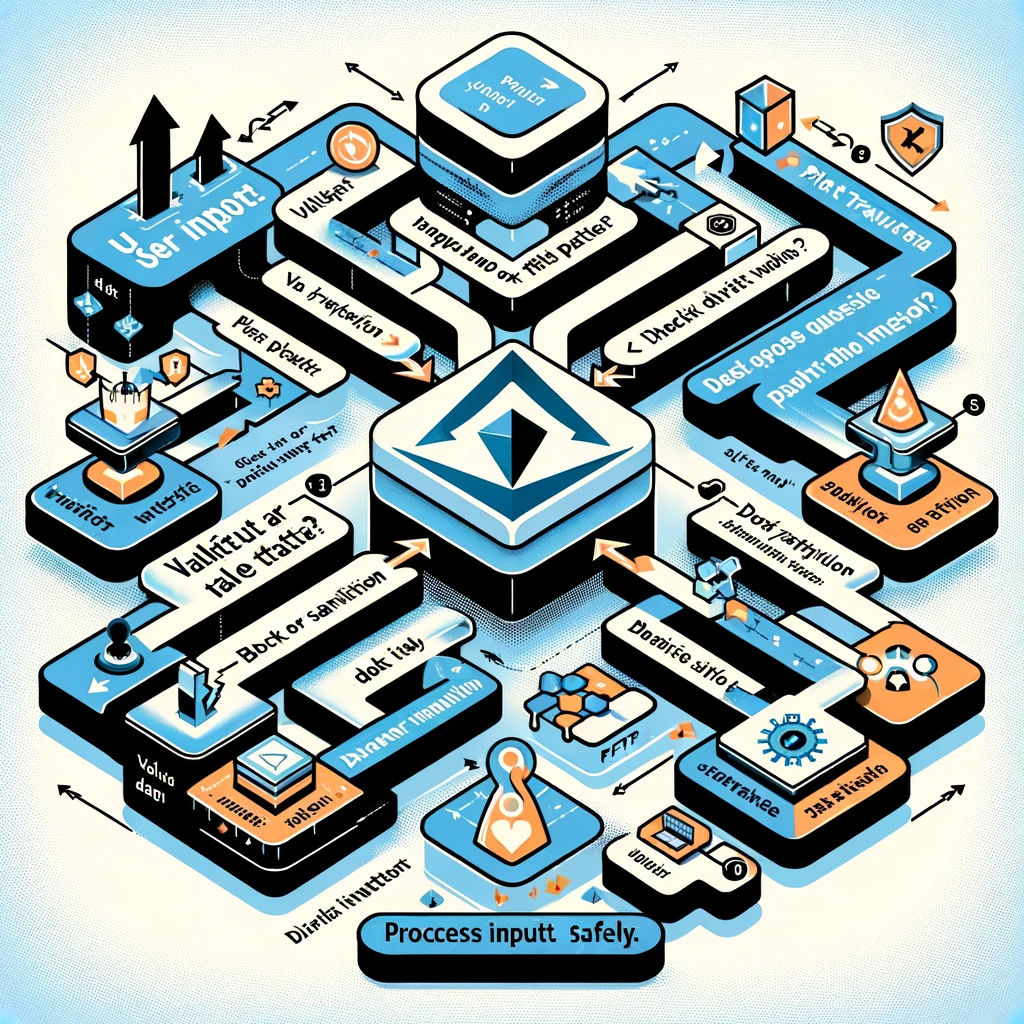
Why Do Deserialization Attacks Often Go Unnoticed?
Conclusion
Deserialization attacks pose a significant threat in today’s digital landscape, akin to inviting a stranger into your home under false pretenses. They occur when an attacker hijacks a data transfer process, using sophisticated tactics to inject malicious code that bypasses standard security protocols. This manipulation can have devastating consequences, leading to unauthorized access, stolen sensitive data, and compromised system integrity. Trust, which is essential for any interaction in the digital realm, is easily broken by such vulnerabilities, impacting not only organizations but also individuals whose financial security and personal lives may be at stake.
Understanding the risks of deserialization attacks requires a blend of emotional and rational awareness. Consider the heart of a family relying on their data being secure—an attack could shatter their financial standing or even their sense of safety. Ethically, the responsibility falls upon developers and organizations to uphold the trust placed in them, ensuring that their applications are not just functional but fortified against breaches. Negligence in this regard not only threatens reputations but also fosters a culture of fear, disconnecting users from the technologies they depend on.
Moreover, the social ramifications cannot be overlooked. A breach affects not just the direct victims but ripples throughout communities, shaking the foundations of trust among partners, suppliers, and customers alike. By cultivating a network of vigilance—through education, collaboration, and proactive cybersecurity measures—we create barriers against potential threats. Sharing knowledge and experiences can empower teams to recognize vulnerabilities and act decisively.
To combat these lurking dangers, a hands-on approach to identifying and mitigating risks is crucial. Engage with applications like a user would, employ code reviews, and ensure that security practices are prioritized throughout the development process. Transparency in communication about vulnerabilities fosters trust and accountability within communities. Organizations must see cybersecurity as a shared responsibility; every person involved plays a vital role in building a secure environment.
In the face of deserialization attacks, fostering a culture of continuous learning and vigilance can make all the difference. Cybersecurity isn’t just about technology; it’s about people, trust, and the integrity of our shared digital narrative. Protecting our systems is an ongoing endeavor that requires collective effort, determination, and a commitment to safeguarding the data that connects us all. With these concerted actions, the shadows of digital threats can be kept at bay, enabling a secure and trustworthy digital future for everyone.

Conclusion
Conclusion:
- Deserialization attacks are a significant threat, likened to inviting a stranger into one’s home under false pretenses.
- Attackers hijack data transfers to inject malicious code, bypassing security protocols.
- Consequences include unauthorized access, stolen sensitive data, and compromised system integrity.
- The emotional and ethical responsibilities fall on developers to maintain trust and security.
- Breaches affect not just victims, but also communities, disrupting trust among partners and customers.
- A hands-on approach, including code reviews and prioritizing security in development, is crucial to mitigate risks.
- A culture of continuous learning and collective effort is key to combating digital threats and ensuring cybersecurity.

Conclusion
Other Resources

Other Resources
Here is a list of other resources you can review online to learn more:
- DataLink Interactive
- Novacoast
- Transformyx
- DXC Technology
- ISSquared
- General Dynamics
- Securely Managed
- PacStates
- Fiberwolf
- WatchTower
- Dataprise
- High Point Networks
- Instapaper
- IT Weapons
- Red Canary
- The SCE Group
- NetSecurity Tecnologia
- Smartronix
- ISH Tecnologia
- Cybriant
Use This Prompt To Get More Resources With Your Favorite Online AI Tool: Please provide me with a list of online articles with their URLs in a bulleted list that I can read regarding What Is a Deserialization Attack?

Other Resources
Glossary Terms
What Is a Deserialization Attack? – Glossary Of Terms
1. Deserialization: The process of converting a data format into an object representation in memory.
2. Serialization: The conversion of an object into a format that can be easily stored or transmitted.
3. Payload: The serialized data that is sent to be processed or executed by an application.
4. Exploit: A means of taking advantage of a vulnerability in a system or application.
5. Vulnerability: A weakness in software that can be triggered to gain unauthorized access or cause harm.
6. Malicious: Intentionally harmful or intended to cause damage.
7. Code Injection: The process of inserting malicious code into a program to alter its function.
8. Attack Vector: The method by which an attacker gains access to a system.
9. Object: An instance of a class in programming that encapsulates data and methods.
10. Authentication: The process of verifying the identity of a user or system.
11. Application Logic: The underlying set of instructions governing the behavior of an application.
12. API: Application Programming Interface, a set of tools for building software and applications.
13. Trust Boundary: The point at which data is treated with different levels of trust, often indicating where security measures are applied.
14. Payload Tampering: The act of modifying data in a malicious way before it is processed.
15. Exploit Kit: A collection of tools used by attackers to exploit vulnerabilities and automate the exploitation process.
16. Data Integrity: The accuracy and consistency of data over its lifecycle.
17. Session Hijacking: Unauthorized access to a user’s session by taking over their session token or ID.
18. Replay Attack: An attack where valid data transmission is maliciously or fraudulently repeated.
19. Denial of Service (DoS): An attack that aims to make a service unavailable by overwhelming it with traffic.
20. Input Validation: The process of ensuring that user input is safe and adheres to expected parameters.
21. Serialization Format: The specific structure or method used to convert objects into serial data.
22. Object Injection: A vulnerability where untrusted data is used to create objects without proper validation.
23. Sandboxing: Running code in a restricted environment to limit its access to system resources.
24. Security Patch: An update designed to fix vulnerabilities and improve security.
25. Threat Model: A process for identifying and evaluating potential security threats against a system.
26. Data Leakage: The unauthorized transmission of data from within an organization to an external destination.
27. Trust Levels: Different degrees of confidence in the integrity and reliability of data or users.
28. Signature-Based Detection: A security approach that identifies threats based on known patterns or signatures.
29. Whitelisting: Allowing only approved applications or processes to run on a system.
30. Anomaly Detection: Identifying unusual patterns or behaviors that may indicate a security breach.

Glossary Of Terms
Other Questions
What Is a Deserialization Attack? – Other Questions
If you wish to explore and discover more, consider looking for answers to these questions:
- What is serialization and how does it differ from deserialization?
- Which programming languages and frameworks are most at risk for deserialization attacks?
- Which common libraries, functions, or APIs are known to be vulnerable?
- What are gadget chains and how do they enable remote code execution?
- How do attackers craft malicious serialized payloads?
- What are the typical indicators that a deserialization attack is in progress or has occurred?
- What log entries, metrics, or traces should I monitor to detect these attacks?
- Which testing tools and utilities (e.g., ysoserial, Burp plugins) can help find deserialization flaws?
- How effective are static analysis and automated scanners at identifying deserialization vulnerabilities?
- How can I safely parse or handle untrusted serialized data?
- What secure alternatives to native object deserialization exist (e.g., JSON with strict schemas, DTOs)?
- How effective are input validation, type enforcement, and whitelisting in preventing exploits?
- How do allowlists/denylists for classes or types work and what are their limitations?
- Can signing or encrypting serialized payloads prevent tampering or replay attacks?
- How do message brokers, queues, and asynchronous systems affect deserialization risk?
- How should APIs and microservices be designed to minimize deserialization exposure?
- What configuration changes in common frameworks (e.g., Java, .NET, PHP) mitigate deserialization risk?
- How should third‑party and legacy components be assessed and remediated for vulnerability?
- What are best practices for dependency and library management to reduce exposure?
- How can I maintain backward compatibility while moving to safer deserialization patterns?
- What code‑review checklists or secure‑coding patterns specifically address deserialization?
- What unit, integration, or fuzz tests should be added to catch deserialization issues early?
- How can CI/CD pipelines be configured to detect and block unsafe deserialization changes?
- Which high‑profile CVEs or real‑world incidents illustrate common attack vectors?
- What immediate remediation steps should be taken if a deserialization vulnerability is found in production?
- How should an organization respond operationally after a confirmed exploit (containment, eradication, recovery)?
- What forensic techniques help investigate and attribute deserialization attacks?
- What are the legal, compliance, and regulatory implications of breaches caused by deserialization flaws?
- Does cyber insurance typically cover damages from deserialization‑based breaches and what evidence is needed?
- How should responsible disclosure be coordinated with vendors, maintainers, or upstream projects?
- What developer training and awareness programs are most effective at preventing these vulnerabilities?
- What trade‑offs exist between performance, usability, and using safer serialization methods?
- Are some serialization formats (XML, JSON, YAML, protobuf, MessagePack) inherently safer than others?
- How do language‑specific mechanisms (Java Serialization, PHP unserialize, Python pickle) compare in risk?
- Can containerization, sandboxing, or process isolation reduce the impact of a successful exploit?
- What runtime hardening techniques (JVM flags, platform mitigations, restricted permissions) help mitigate risk?
- How should API authentication, authorization, and input scoping be used to reduce attack surface?
- How can schema validation, content‑type enforcement, and strict parsing reduce deserialization vulnerabilities?
- What SIEM alerts, IDS/IPS rules, or anomaly detection methods help identify malicious deserialization attempts?
- How should organizations prioritize remediation when multiple vulnerable endpoints or services are discovered?
- What metrics or KPIs demonstrate that deserialization-related risks have been reduced?
- How should customer communication and disclosure be handled if user data may have been exposed through deserialization?

Other Questions
Haiku
What Is a Deserialization Attack? – A Haiku
Silent code betrayed,
Trust shattered in shadows’ grip,
Guard hearts, shield data.

Haiku
Poem
What Is a Deserialization Attack? – A Poem
In the shadows, data flows, a silent tide unknown,
Yet beneath this veil of trust, dark dangers are sown.
Deserialization, a thief in disguise,
Transforms expected truths into chaotic lies.
Like welcoming a stranger into your home,
With friendly eyes, yet hearts made of stone,
One lapse in vigilance, one flaw unsealed,
Can turn our safe havens to battlegrounds unhealed.
Families bank their dreams on codes gentle embrace,
But vulnerabilities can turn to an empty space.
A snapshot of savings, a life built on trust,
Can vanish in moments, as promises rust.
Communities tethered by connections so tight,
Sit on the edge, cloaked in digital fright.
When one gate’s ajar, all suffer the toll,
A ripple of fear can consume every soul.
Defensive measures must rise, be forged with care,
An army of knowledge, a vigilant air.
Review each line, let no error remain,
For in unity’s strength, we can conquer this pain.
Trust isn’t just data; it’s hearts intertwined,
In our hands lies the power to secure every kind.
So let’s shield our creations, let collaboration ignite,
In the fight against shadows, let us shine bright.
Together we stand, in the face of the storm,
With knowledge and ethics, we can create norms.
From code to connection, let vigilance reign,
For in safeguarding lives, true security gains.

Poem
Checklist
What Is a Deserialization Attack? – A Checklist
Scope and Inventory
✅______ Map all entry points that accept external data (APIs, message queues, files, cookies, headers).
✅______ Inventory all serialization and deserialization mechanisms and formats in use (binary, JSON, XML, YAML, Protocol Buffers, Avro).
✅______ Identify components that deserialize before authentication or authorization, and refactor to minimize early parsing.
Secure Design Defaults
✅______ Do not deserialize untrusted data into objects; prefer data-only parsing.
✅______ Enforce strict schema validation (for example, JSON Schema, XML Schema) and reject unknown or extra fields.
✅______ Implement allowlists for accepted types and classes; block polymorphic type inference from user input.
✅______ Limit payload size, nesting depth, and recursion to prevent resource exhaustion.
✅______ Separate parsing from business logic; avoid side effects during deserialization.
Language and Framework Guardrails (Use Safer Alternatives or Hardening)
✅______ Java: Avoid native Java serialization; if unavoidable, use ObjectInputFilter with allowlists. For JSON, disable default typing; bind to concrete DTOs.
✅______ .NET: Avoid BinaryFormatter and NetDataContractSerializer; prefer System.Text.Json. If using Newtonsoft.Json, disable TypeNameHandling or use a strict SerializationBinder.
✅______ Python: Never use pickle on untrusted data; use json or yaml.safe_load.
✅______ PHP: Avoid unserialize on untrusted data; prefer json_decode; if required, set allowed_classes=false.
✅______ Ruby: Avoid Marshal.load and YAML.load; use safe_load with class allowlists.
✅______ JavaScript/Node: Use vetted parsers; never eval input; avoid libraries that auto-execute constructors.
API-Level Protections
✅______ Enforce Content-Type and charset; reject mismatches.
✅______ Validate against schemas at the gateway and service layer.
✅______ Authenticate and authorize before processing complex payloads when feasible.
✅______ Apply rate limits, timeouts, and payload size caps.
✅______ Use request normalization and reject compressed or encoded payloads unless required.
Code Review Security Checks
✅______ Flag any use of risky deserialization APIs or custom deserializers.
✅______ Ensure no dynamic class loading or reflection from user-controlled input.
✅______ Verify deserialization hooks and callbacks (for example, readObject, __wakeup, __destruct) do not perform side effects.
✅______ Confirm DTOs are immutable or minimally mutable; avoid executing logic in constructors.
✅______ Require tests for negative cases (unexpected fields, oversized input, malicious payloads).
Testing and Tooling
✅______ Run SAST with rules for insecure deserialization sinks.
✅______ Run DAST and fuzzing with crafted payloads and boundary cases.
✅______ Use SCA to detect vulnerable libraries and enforce updates.
✅______ Add unit and integration tests that validate strict schemas and type allowlists.
Monitoring and Detection
✅______ Log all deserialization errors with context (endpoint, client, class or type attempted).
✅______ Alert on repeated parsing failures, unexpected classes, and schema violations.
✅______ Correlate WAF, gateway, and application logs; baseline normal parse rates and detect anomalies.
✅______ Preserve samples of rejected payloads for analysis.
Least Privilege and Containment
✅______ Run services with minimal OS and network privileges; no shell or OS command execution where not needed.
✅______ Isolate workloads (containers or VMs); apply seccomp, AppArmor, or SELinux profiles.
✅______ Restrict outbound egress from services to only approved destinations.
✅______ Store secrets outside serialized data; rotate keys regularly.
Third-Party and Supply Chain
✅______ Review integrations that send serialized data; enforce schemas and contracts.
✅______ Pin and verify dependencies; track CVEs for serialization libraries.
✅______ Gate deployments on passing security checks for serialization and deserialization.
Incident Readiness
✅______ Maintain a playbook for suspected deserialization exploitation.
✅______ DeFine steps to contain, rotate credentials and tokens, and patch quickly.
✅______ Predefine communication templates for stakeholders and users.
✅______ Capture forensic logs and payload samples for root-cause analysis.
Team and Culture
✅______ Train developers and reviewers on insecure deserialization patterns.
✅______ Establish security champions and mandatory security checkpoints in PRs.
✅______ Share lessons learned from audits and incidents to improve practices.
Quick Red Flags
✅______ Accepting serialized objects directly from clients.
✅______ Enabling polymorphic type binding from input.
✅______ Ignoring deserialization exceptions or suppressing parser errors.
✅______ Relying on outdated or unmaintained serialization libraries.

Checklist
At BestCyberSecurityNews, we help teach entrepreneurs and solopreneurs the basics of cybersecurity and its impact on their businesses by using simple concepts to explain difficult challenges.
Please read and share any of the articles you find here on BestCyberSecurityNews with your friends, family, and business associates.