


The Urgent Need For Senior Scam Awareness
By Tom Seest
At BestCyberSecurityNews, we help teach entrepreneurs and solopreneurs the basics of cybersecurity and its impact on their businesses by using simple concepts to explain difficult challenges.
Please read and share any of the articles you find here on BestCyberSecurityNews with your friends, family, and business associates.
Would You Act Differently If a Senior Was Scammed Today?
Would You Act Differently If a Senior Was Scammed Today?
Let’s take a moment to consider something that might hit home for many of us. Picture this: a senior in your life—maybe a parent, grandparent, or a neighbor—falls victim to a scam. You know, those heart-wrenching stories we hear in the news where someone loses their life savings to a so-called “too-good-to-be-true” deal or a fake tech support call. It’s easy to feel a rush of indignation when we hear these tales, but I want you to pause and reflect—would your reaction shift if it were someone close to you?
When it comes to cybersecurity, we often think of it as a digital fortress designed to keep the thieves out. It’s slick, it’s high-tech, and it seems worlds apart from the reality of our lives. But here’s the kicker: the strongest barriers often rely on the people behind them—our parents, our friends, even ourselves. Imagine for a moment how the world feels to someone who didn’t grow up with the internet. They see a flashing ad for a cruise at a price that’s hard to resist and they click without thinking. Their excitement might blind them to the warning signs that you’d catch in a heartbeat.
So, would you act differently if a senior was scammed today? Would you take the time to educate them about the mind games scammers play? Perhaps offer to help them navigate the digital landscape over a cup of coffee, turning a daunting task into a bonding experience? It’s an opportunity—a chance to bridge the generational gap and transform knowledge into empowerment.
We often underestimate our role in this fight against deception. We have the power to build a foundation of trust with the seniors in our lives, creating a space where they feel comfortable coming to us. It’s not just about prevention; it’s about connection. Equip them with knowledge to recognize the red flags and give them the confidence to ask for your help when they’re unsure.
Imagine a world where fewer seniors fall victim to scams, where they don’t have to navigate this complex digital arena alone. It starts with you—your willingness to engage, to educate, and to empower. After all, it’s not just about cybersecurity; it’s about safeguarding the trust and love that bind us. You can make a difference today, one conversation at a time.

Would You Act Differently If a Senior Was Scammed Today?
Would You Act Differently If a Senior Was Scammed Today?
- Consider the emotional impact of a senior close to you falling victim to a scam.
- Cybersecurity is often perceived as a high-tech barrier, yet it largely depends on human awareness.
- Seniors may be more susceptible to scams due to their unfamiliarity with digital environments.
- Take the initiative to educate seniors about common scams and the tactics used by scammers.
- Use moments of connection, like sharing a coffee, to bond while providing essential knowledge.
- Foster trust and open communication with seniors, equipping them to recognize warning signs.
- Engage in conversations that empower seniors, creating a safer environment for them against scams.

Would You Act Differently If a Senior Was Scammed Today?
Table Of Contents
- Would You Act Differently If a Senior Was Scammed Today?
- What Steps Should A Senior Take After Being Scammed?
- Are There Resources Available For Scam Victims?
- How Can I Educate Seniors About Common Scams?
- What Role Do Family Members Play In Preventing Scams?
- How Do I Report A Scam Targeting A Senior?
- What Are The Best Preventive Measures For Seniors Against Scams?
- How Can Communities Help Protect Seniors From Scams?
- Conclusion
- Other Resources
- Glossary Of Terms
- Other Questions
- Haiku
- Poem
- Checklist
What Steps Should A Senior Take After Being Scammed?
So, you’ve been scammed. It’s a gut punch, I know. The digital world can sometimes feel like a maze filled with traps, especially for our seniors who might just be trying to navigate it the best they can. But as unsettling as it is, the silver lining is this: you have the power to take charge of your situation. Let’s break down the steps you can take, because it’s never too late to reclaim control.
First things first, don’t bottle it up. Reach out to someone you trust, whether it’s a family member, a friend, or a neighbor. Sharing your experience isn’t just about offloading your worries–it can help you gather valuable insights. Those conversations can be illuminating and make you feel less isolated in your predicament. We’re all human, after all, and there’s strength in numbers.
Next, take stock of the damage. If you shared personal information or financial data, address it right away. Contact your bank and credit card companies. Most have dedicated cybersecurity teams ready to help you through this process. Report the scam immediately; this can help prevent further losses and potentially recover what’s been taken. They’ll appreciate your quick thinking and proactivity—trust me, you’re on their side.
Then, let’s get technical. Change all your passwords and enable two-factor authentication on your accounts. This may sound daunting, but learning a few simple cybersecurity practices can significantly shrink the chances of being targeted again. Don’t hesitate to ask for help here; a tutorial session with a tech-savvy grandchild could turn this into a bonding experience!
After that, report the scam. Connect with local law enforcement or file a report with the Federal Trade Commission. They might not be able to help you personally, but your report could prevent someone else from falling into the same trap. And that’s a powerful thought; turning your experience into a shield for others.
Finally, remember: you’re not alone. There are communities, both online and offline, filled with folks who have walked a mile in your shoes. Surround yourself with them. Share your story and learn from others. It’s all about building that unbreakable bond of mutual support.
So, take a deep breath. This might be a hurdle, but it’s not the end of the race. With a little action and a community behind you, you’ll be back on your feet before you know it.

What Steps Should A Senior Take After Being Scammed?
What Steps Should A Senior Take After Being Scammed?
- Acknowledge the experience of being scammed and its emotional impact.
- Reach out to trusted individuals for support and insights to feel less isolated.
- Assess the damage by contacting banks and credit card companies about any shared personal or financial information.
- Change passwords and enable two-factor authentication to enhance security.
- Report the scam to local law enforcement or the Federal Trade Commission to help prevent future incidents.
- Connect with supportive communities, both online and offline, to share experiences and advice.
- Stay proactive and take control of the situation to regain confidence and security.

What Steps Should A Senior Take After Being Scammed?
Are There Resources Available For Scam Victims?
If you’ve ever been on the receiving end of a scam, you know how it feels like getting blindsided by a freight train. One moment, you’re cruising along, and the next, you find your wallet lighter than a feather, and your trust in humanity rattled. But take a deep breath—there’s a lifeboat afloat in these tumultuous waters, and it’s packed with resources designed just for folks like us.
First off, let’s talk about the big players in cybersecurity. Organizations dedicated to keeping our digital lives safe can also be crucial allies when you’ve fallen victim to a scam. Websites like the Federal Trade Commission (FTC) and the Better Business Bureau (BBB) offer valuable advice on what to do next. Reporting the scam to them doesn’t just help you; it helps protect others by raising awareness about the tactics scammers use.
Also, you aren’t alone in this. Many local agencies and nonprofit groups have set up hotlines and support networks. They understand the unique sting of being scammed, and they offer not just resources but also empathy. You see, there’s a certain healing power in talking to someone who “gets it.” Reach out; share your story. It might just lift a weight off your shoulders.
And let’s not forget the importance of educating yourself further. Cybersecurity is a broad field, and there are tons of webinars, workshops, and online forums dedicated to helping folks like you navigate the digital minefield. Gaining knowledge can be empowering. Whether it’s understanding how to safeguard your personal information or spotting red flags in emails and messages, every little bit helps.
One more thing: financial institutions generally have protocols in place for fraud victims. If funds were stolen or accounts compromised, don’t hesitate to contact your bank or credit card company. They can guide you through securing your accounts and, sometimes, even help recover your losses.
But don’t stop there. Be proactive. Make it a mission to educate those around you. Share what you’ve learned about cybersecurity and the signs of a scam. You could be the difference for someone else facing the same predator lurking in the shadows.
The bottom line is this: Scam victimization can knock the wind out of your sails, but it doesn’t have to keep you down. With the right resources, support, and knowledge, you’ll find your footing again and emerge stronger than before. Let’s turn that pain into purpose and spread the word so we can all stay vigilant.

Are There Resources Available For Scam Victims?
Are There Resources Available For Scam Victims?
- Experiencing a scam can feel overwhelming, like being blindsided.
- Resources are available through organizations like the FTC and BBB, which offer guidance for scam victims and help raise awareness.
- Local agencies and nonprofit groups provide hotlines and empathetic support for those affected by scams.
- Educating yourself about cybersecurity through webinars and forums can empower you to protect against future scams.
- Contact financial institutions if funds are stolen; they have protocols to help you secure accounts and recover losses.
- Proactively share your knowledge about cybersecurity and scams to help others avoid victimization.
- Staying informed and supported can help you recover and emerge stronger after a scam experience.

Are There Resources Available For Scam Victims?
How Can I Educate Seniors About Common Scams?
Educating seniors about common scams can feel daunting, like trying to explain a smartphone to someone who just mastered the rotary dial. But hang tight! This isn’t just a task; it’s an opportunity to forge connections, foster trust, and make a real difference in someone’s life. After all, we all have a stake in keeping each other safe, especially our beloved elders.
First things first: approach the topic with empathy. Many seniors grew up in a world where trust was abundant and interactions were face-to-face. The landscape today has shifted dramatically, and that’s where our role comes in. Start with a casual chat over coffee or during a friendly visit. Relate a story—perhaps your own encounter with a pesky scam email or a friend who fell for a flashy ad. This not only breaks the ice but makes them feel less isolated in their experiences.
Next, focus on the heart of the matter: Cybersecurity. Many may think it’s a buzzword reserved for techies, but it’s crucial for everyone, especially seniors. Clear, straightforward language is key here. Explain that the aim of these scams is simple: to exploit trust for financial gain. Make it relatable—talk about how even savvy folks can be tricked by an email that looks just a bit too friendly.
Engage them in conversation about red flags—urgent requests for money, unsolicited calls, or requests for personal information. You might ask leading questions like, “Have you ever received a call where they just seemed a little too pushy?” This not only educates but empowers them to recognize peculiar signs on their own.
Utilize resources and local organizations to offer workshops or handouts. Hearing from a diverse range of voices can reinforce the message and build community. Most importantly, emphasize that asking questions is a sign of strength, not weakness. Remind them that it’s perfectly okay to hang up, delete an email, or call a trusted friend for advice.
Lastly, celebrate victories, big or small! Create a system where seniors can share their experiences, warn each other, and swap tips. When they realize they’re not just passive recipients of information but active participants in their safety, trust and confidence will grow zealously.
Together, let’s work to empower our seniors, turning the tide against common scams and creating a safer community for all.

How Can I Educate Seniors About Common Scams?
How Can I Educate Seniors About Common Scams?
- Educating seniors about scams is an opportunity to connect and foster trust.
- Approach the topic with empathy and relate personal experiences to ease their concerns.
- Explain cybersecurity in straightforward language, emphasizing its relevance to seniors.
- Engage in discussions about red flags, such as urgent money requests and unsolicited calls.
- Utilize local resources and organizations for workshops and handouts to reinforce messages.
- Encourage seniors to ask questions, emphasizing that seeking help is a strength.
- Create a system for sharing experiences and tips, empowering seniors in their safety.

How Can I Educate Seniors About Common Scams?
What Role Do Family Members Play In Preventing Scams?
When it comes to safety in the digital age, family members aren’t just our closest allies; they’re our first line of defense. Think about it: nobody knows you better than the folks you share a home with—be it your parents, siblings, or even that wise old aunt who always seems suspicious of email offers. In this chaotic world of digital interactions, their role in cybersecurity can be pivotal in steering you clear of scams.
Every day, we are bombarded with offers that are bright and shiny on the outside but rotten on the inside. It’s easy to get swept up in the temptation, especially when it sounds too good to be true. This is where family members come in—they can help keep your feet on the ground. A simple conversation about a suspicious email or a strange phone call might highlight red flags you didn’t notice. They’ve seen your habits, your routines, and often, your vulnerabilities. By sharing their own experiences with scams, whether big or small, they can create a platform for invaluable discussions.
Imagine sitting around the dinner table and swapping stories about the latest phishing schemes or bogus ads that’ve landed in the inbox. This isn’t just talk; it’s a proactive measure, a shared learning experience! Regular check-ins with family members not only help keep everyone informed but also create a strong support network. If you get a strange message asking for information, who better to share it with than someone who cares and has your back?
Education is key in this digital age. By discussing cybersecurity—what it means, why it’s crucial, and actionable steps to stay safe—families become empowered. Consider creating guidelines together: discuss how to discern reputable sources, the importance of using multi-factor authentication, and what steps to take if one of you falls victim to a scam. These practices can reinforce a sense of trust and confidence in each other.
Moreover, involving family members in conversations about cybersecurity makes them feel valued and recognized. Whether they are tech-savvy or not, every input counts in crafting a united front against the onslaught of scams. So, call your loved ones, gather around that kitchen table, and share those stories. By doing so, you’re not just preventing scams; you’re building stronger, more connected relationships. After all, in this high-tech landscape, sometimes it takes a human touch to spot the pitfalls before we fall in.
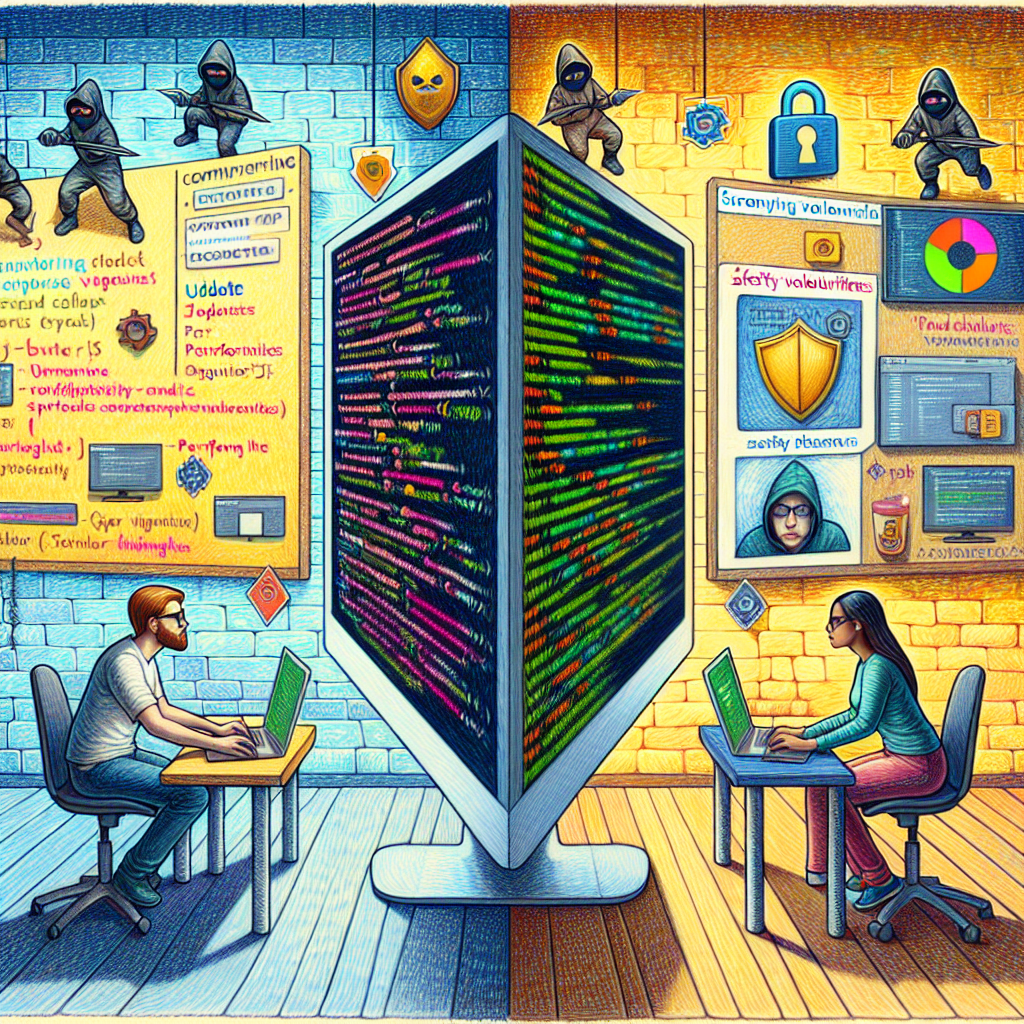
What Role Do Family Members Play In Preventing Scams?
What Role Do Family Members Play In Preventing Scams?
- Family members are essential allies in digital safety, acting as a first line of defense against cybersecurity threats.
- Close family knowledge of each other’s habits and vulnerabilities helps identify potential scams and suspicious activities.
- Discussions about recent scams and phishing schemes can highlight red flags and foster proactive learning within the family.
- Regular check-ins with family create a strong support network for sharing strange messages or requests for information.
- Educating family members about cybersecurity and discussing actionable steps empowers them to stay safe online.
- Involving family in cybersecurity conversations fosters a sense of value and reinforces teamwork against scams.
- Building connections through shared experiences not only enhances digital safety but also strengthens family relationships.

What Role Do Family Members Play In Preventing Scams?
How Do I Report A Scam Targeting A Senior?
If you’ve stumbled upon a scam targeting a senior, first, let me commend you for being vigilant. In a world that often feels like a wild west of digital deception, your noticing the signs is a true act of care. Reporting these scams is incredibly important—not just to safeguard the individual, but to put a dent in the shady tactics that some take to exploit our loved ones.
So, how do you get started? It’s simpler than you might think. First, you’ll want to gather as much information as possible about the scam. Was it a phone call? An email? Or perhaps a suspicious knock at the door? Documenting the details can make all the difference. Take note of any names, numbers, or even those “too good to be true” offers that were presented. This is where your role becomes crucial in the defense against the growing field of Cybersecurity threats.
Once you’ve got your evidence in hand, it’s time to take action. Start by reaching out to local law enforcement. They’re not just there for emergencies; they’re often equipped to handle reports of scams. A friendly visit or a phone call can help them track patterns in your area, and maybe even protect someone else from falling victim to the same trap.
Next on the list is the Federal Trade Commission (FTC). Their website is a treasure trove of resources, with reporting tools specifically tailored for scam cases. By filling out their online complaint form, you’re feeding information into a system that can lead to broader investigations. Trust me, every report counts. Your voice can be that catalyst for change, sparking more awareness in the community.
But wait, there’s more! Consider reaching out to organizations dedicated to senior advocacy—many of them maintain hotlines set up to assist in these situations. They often provide insight into ongoing scams and can guide you on how best to protect your loved ones moving forward.
Lastly, don’t shy away from sharing your experience. Talk to friends, family, or social groups. Getting the word out not only helps others be vigilant, but it also fosters a communal spirit—that we are in this together, armed with knowledge and ready to lend a hand. Reporting a scam isn’t just a duty; it’s a proactive measure to safeguard those who may not see the red flags as quickly as you do. So roll up your sleeves, step into action, and let’s put a stop to these scams together.

How Do I Report A Scam Targeting A Senior?
How Do I Report A Scam Targeting A Senior?
- Acknowledge the importance of being vigilant against scams targeting seniors.
- Gather as much information as possible about the scam, including details on communication methods.
- Document any relevant names, numbers, or offers associated with the scam.
- Contact local law enforcement to report the scam and help track local patterns.
- Utilize the Federal Trade Commission (FTC) resources for reporting scams through their online complaint form.
- Reach out to senior advocacy organizations for additional support and guidance.
- Share experiences with friends and family to raise awareness and foster community vigilance.

How Do I Report A Scam Targeting A Senior?
What Are The Best Preventive Measures For Seniors Against Scams?
In a world that’s increasingly tangled in the web of technology, our seasoned citizens can sometimes feel like they’re wearing a blindfold while trying to navigate a complex maze. However, when it comes to scams—especially those creeping in through the digital front door—knowledge is your best friend. So, let’s dive into some straightforward yet effective preventive measures seniors can take to strengthen their defenses.
First off, let’s acknowledge the importance of cybersecurity. It may sound like a buzzword tossed around by tech gurus, but at its core, cybersecurity is about protecting your personal information from those who’d exploit it. Strengthening this security starts at home, and one of the most powerful tools you have is your own skepticism. If something sounds too good to be true—like an unexpected email declaring you’ve won a vacation or a prize—the alarm bells should be ringing!
Next up, consider brushing up on online safety basics. Familiarize yourself with common scam tactics. Whether it’s phishing emails that ask for sensitive details or robocalls professing urgent issues with your social security, knowing what these scams look like is half the battle. Embrace technology with the same curiosity you tackled everything else in life—because many resources are just a click away.
Let’s also talk about the invaluable support system. Create a circle of trusted family and friends with whom you can share any suspicious encounters. Talking about these experiences can illuminate potential red flags that might go unnoticed when you’re isolated. Plus, having a buddy to consult helps demystify some of the more daunting aspects of tech.
And don’t forget about your passwords—those digital keys to your life. Use strong, unique passwords for each account and change them regularly. This may seem like extra work, but think of it as locking your door at night; it’s a little inconvenient, but it’s also the smart move. There are tools like password managers that can simplify this process.
Lastly, remember that you’re not alone. The law enforcement community and local advocacy groups are resources that empower and educate. They’re in this fight with you, so don’t hesitate to tap into their expertise.
By taking these proactive steps and embracing the world of cybersecurity, seniors can reclaim their digital space. Scams may be on the rise, but with vigilance and knowledge, we can keep our loved ones safe and secure. After all, it’s not just about avoiding pitfalls; it’s about thriving in the possibilities that lie ahead.

What Are The Best Preventive Measures For Seniors Against Scams?
What Are The Best Preventive Measures For Seniors Against Scams?
- Seasoned citizens often feel overwhelmed by technology and scams.
- Knowledge is essential for preventing digital scams targeting seniors.
- Cybersecurity is crucial for protecting personal information; skepticism is key.
- Familiarize yourself with common scam tactics like phishing and robocalls.
- Create a support system of trusted family and friends to discuss suspicious encounters.
- Use strong, unique passwords for each account and consider password managers to simplify management.
- Leverage local law enforcement and advocacy groups for guidance and support.

What Are The Best Preventive Measures For Seniors Against Scams?
How Can Communities Help Protect Seniors From Scams?
Picture this: a sunny afternoon, your neighborhood park alive with laughter, children playing, and a few wise souls sitting on benches, basking in the warmth of the day. For many seniors, these moments bring joy, but lurking in the shadows of convenience are the ever-present threats of scams and fraud. As a community, we have a golden opportunity—not just to enjoy these moments but to come together and foster a protective shield for our senior citizens.
First off, building trust is essential. When you turn the corner and see your neighbor, don’t just exchange pleasantries—engage them! A simple conversation can go a long way, especially when it involves discussing the latest scams making the rounds. Share news, warn each other about voice phishing calls, or emails disguised as legitimate offers. A united front is more formidable against the sneaky tactics of scammers. If everyone in the neighborhood feels comfortable sharing information, how much less will we all worry about—or worse, fall victim to—these cyber threats?
Education is our best ally in this battle. Host a workshop at your local community center where experts can break down the basics of cybersecurity for seniors. Picture the camaraderie as folks gather to learn about online safety, savvy shopping methods, and identifying red flags. It doesn’t have to be intimidating—think of it as a chat over coffee with friends, where knowledge is shared like a good recipe. Remember, an informed citizen is a strong one. When seniors know what to watch for, they’re far less likely to get caught in the sticky web of deception.
Additionally, creating buddy systems can be a game changer. If you know a senior in your neighborhood, check in on them regularly. These small acts of kindness—offering to help them navigate the digital world, assisting with calls that seem suspicious, or simply being a familiar voice on the line—can instill confidence and encourage them to trust their instincts.
Let’s not sleep on the power of community. We all have a role to play in safeguarding our seniors. Share your experiences, learn from one another, and turn the tide against scams, ensuring that as we age, we do so with dignity, safety, and a strong support network around us. Together, we can build a fortress of trust that will protect those who have given so much more than they have ever received.

How Can Communities Help Protect Seniors From Scams?
How Can Communities Help Protect Seniors From Scams?
- Sunny afternoons in parks are joyful for seniors but pose scam threats.
- Building trust within the community is essential to protect seniors from scams.
- Engage neighbors in conversation about recent scams to create awareness.
- Education through workshops at community centers can empower seniors with cybersecurity knowledge.
- Creating buddy systems for regular check-ins can enhance seniors’ confidence in recognizing scams.
- The community plays a vital role in safeguarding seniors against fraud.
- Together, we can establish a protective network to ensure seniors age with dignity and safety.

How Can Communities Help Protect Seniors From Scams?
Conclusion
Alright folks, let’s talk about something that might hit a little too close to home: senior scams. Imagine your beloved parent, grandparent, or neighbor, someone you care about deeply, becoming a target of a scammer’s deceitful game. It’s a scenario that’s all too real and often plays out like a bad movie—one where the stakes are nothing less than their hard-earned savings and sense of security.
Now ask yourself: would your reaction change if the victim was someone you knew? Would you simply shake your head in disbelief, or would you roll up your sleeves and take action? Because here’s the deal: the best line of defense against these predators isn’t a high-tech security system or a slick app; it’s us—the individuals who care and are willing to engage. Seniors didn’t grow up with smartphones, emails, or Instagram. Their world was more personal, more tactile. When they encounter the digital landscape, it can seem overwhelming, and that makes them prime targets for those who exploit that vulnerability.
So, how do we bridge that gap? Start with an open conversation—over a cup of coffee, perhaps. Educate them. Share your knowledge about the mind games that scammers play, so they can recognize the flashing warning signs. Help them feel empowered, not isolated. Create an atmosphere of trust, where they know they can reach out if something feels off, without the fear of being judged.
It’s not just about being proactive; it’s about connection. By forging these relationships, we can cultivate a community that’s educated and wary. Equip our seniors with the tools to recognize scams and the confidence to seek help when in doubt. It’s heartening to imagine a world where our seniors can navigate the digital maze without fear, where fewer fall prey to scams.
At the end of the day, it all comes down to one simple truth: we have the power to make a difference. It starts with you—be that caring family member or friend. Every conversation counts, every bit of education matters. The strength of our community lies in the bonds we build, turning prospects of deception into an opportunity for empowerment. So let’s rally together, because when it comes to protecting those we love, a united front is our best defense. Let’s take a stand against scams, one heartwarming conversation at a time.

Conclusion
Conclusion:
- Senior scams are a growing concern, affecting our loved ones like parents and grandparents.
- The best defense against scammers is engagement from family and friends, not technology.
- Seniors may struggle with digital environments due to their lack of familiarity, making them vulnerable.
- Open conversations about scams can empower seniors and help them recognize warning signs.
- Creating a trusting atmosphere encourages seniors to seek help when they feel something is off.
- Building relationships in our community helps educate and protect seniors from scams.
- Each conversation and educational effort contributes to a united front against scams.

Conclusion
Other Resources

Other Resources
Here is a list of other resources you can review online to learn more:
- Decypher Technologies
- Secuvant
- Shatter IT
- Securely Managed
- Alert Logic
- DXC Technology
- Nuspire
- Infopercept Consulting
- Kyber Security
- Transformyx
Use This Prompt To Get More Resources With Your Favorite Online AI Tool: Please provide me with a list of online articles with their URLs in a bulleted list that I can read regarding Would You Act Differently If a Senior Was Scammed Today?

Other Resources
Glossary Terms
Would You Act Differently If a Senior Was Scammed Today? – Glossary Of Terms
1. Scam: A fraudulent scheme designed to con individuals out of money or personal information.
2. Elder Abuse: Mistreatment of older adults, often including financial exploitation, which can take the form of scams.
3. Fraud: Wrongful or criminal deception intended to result in financial or personal gain.
4. Identity Theft: The act of obtaining and using someone else’s personal information, often for financial fraud.
5. Common Scams: Types of fraud that specifically target seniors, including lottery scams, phishing, and fake charities.
6. Awareness: The understanding and knowledge of potential scams and warning signs that could protect seniors.
7. Prevention: Steps or strategies taken to avoid becoming a victim of scams or fraudulent activities.
8. Support Network: A group of family, friends, or community members who help monitor and protect seniors from scams.
9. Reporting: The act of informing authorities or organizations about a scam, often necessary for investigation and prevention efforts.
10. Consumer Protection: Laws and regulations put in place to safeguard individuals from fraud and deceptive practices.
11. Telemarketing Scam: A fraudulent scheme carried out over the phone, often targeting vulnerable populations like seniors.
12. Online Scams: Fraudulent activities that occur on the internet, which may include phishing emails or fraudulent websites.
13. Phishing: A method of attempting to acquire sensitive information by pretending to be a trustworthy entity in electronic communication.
14. Scam Awareness Workshops: Educational sessions aimed at informing seniors about potential scams and how to avoid them.
15. Financial Literacy: The ability to understand and effectively use various financial skills, including budgeting and investing, which can reduce vulnerability to scams.
16. Ageism: Prejudice or discrimination against individuals based on their age, often leading to underestimating seniors’ capability to guard against scams.
17. Victim Support Services: Resources available to help individuals who have fallen victim to scams, including counseling and legal assistance.
18. Family Engagement: Involvement of family members in the well-being of seniors, which can enhance protection against scams.
19. Emotional Manipulation: Techniques used by scammers to exploit emotional vulnerabilities in their targets, often making victims more susceptible to deceit.
20. Scam Alerts: Notifications issued to inform the public, particularly seniors, about current scams circulating in their area.
21. Legal Recourse: Actions that can be taken to regain losses or hold scammers accountable through the legal system.
22. Con Artist: A person who deceives others for personal gain, often employing charm and manipulation.
23. Digital Literacy: The skills needed to navigate technology and the internet safely, important for recognizing online scams.
24. Community Resources: Local organizations or programs designed to assist seniors in safeguarding against fraud and scams.
25. Behavioral Signs: Indicators that may suggest a senior is at risk of being scammed, such as isolation or sudden changes in financial habits.
26. Fraud Hotline: A confidential phone line where individuals can report suspected fraud or seek advice.
27. Support Groups: Gatherings of individuals who have experienced similar issues, providing encouragement and sharing strategies for protection.
28. Scam Prevention Campaigns: Initiatives aimed at raising awareness and educating seniors about scams and their risks.
29. Trust and Verification: The practice of ensuring that individuals or organizations are legitimate before engaging or sharing personal information.
30. Empowerment: Equipping seniors with knowledge and resources to make informed decisions and reduce their risk of being scammed.

Glossary Of Terms
Other Questions
Would You Act Differently If a Senior Was Scammed Today? – Other Questions
If you wish to explore and discover more, consider looking for answers to these questions:
- What are some common types of scams targeting seniors?
- How can I identify a scam when it occurs?
- What resources are available for seniors to learn about scams?
- How can I support a senior who has been scammed emotionally?
- What are the signs that a loved one may be falling for a scam?
- How can technology be used to help protect seniors from scams?
- What community programs exist to raise awareness about scams?
- How do I talk to a senior about scams without causing fear or anxiety?
- What legal protections are in place for seniors who are scammed?
- How can I stay informed about the latest scams in my area?
- What role do law enforcement agencies play in combating scams against seniors?
- How can family members stay updated on the cybersecurity needs of seniors?

Other Questions
Haiku
Would You Act Differently If a Senior Was Scammed Today? – A Haiku
Seniors need our care,
Guardians in a world fraught—
Trust, educate, share.

Haiku
Poem
Would You Act Differently If a Senior Was Scammed Today? – A Poem
A Shield of Trust
In a world where shadows lie,
Seniors tenderly navigate,
With wisdom’s grace, they often sigh,
Yet fall prey to deceptive bait.
Through screens that gleam, they face the threat,
Of strangers bearing false goodwill,
Promises of prizes unmet,
High-tech traps that tempt and thrill.
Imagine the joy in a friendly chat,
Over coffee, stories exchanged,
Teaching them to spot where the dangers are at,
To recognize the schemes, unarranged.
Would you lend support, lend your might?
Build bridges over the digital stream,
Empower their hearts, bring forth the light,
Of safety—together, we can dream.
Reach out to police, report what you see,
For every tale shared can strengthen our bond,
In community strength, we’ll find unity,
And ensure our loved ones are never conned.
Foster connections with love in our stride,
Gather the elders, teach them the ways,
In knowledge and trust, let wisdom abide,
To brighten their dusk, and warm their days.
So, stand with the seniors, take up your role,
In combatting the schemes that seek to enthrall,
For it’s not just prevention; it’s love that consoles,
Together we rise—together, we’ll stand tall.

Poem
Checklist
Would You Act Differently If a Senior Was Scammed Today? – A Checklist
Senior Scam Awareness Checklist: Empowering Seniors and Families
For Families and Caregivers:
1. Educate Yourself
_____ Familiarize yourself with common scams targeting seniors (e. g. , phishing emails, phone scams, online fraud).
2. Start the Conversation
_____ Discuss scams and cybersecurity regularly with seniors in your life. Share personal experiences to make them feel safe to talk.
3. Create a Support Network
_____ Set up regular check-ins with family and neighbors to discuss any suspicious encounters.
4. Establish Guidelines
_____ Develop shared guidelines on identifying reputable sources and safe online behaviors.
5. Encourage Questions
_____ Emphasize that it’s okay for seniors to ask questions or seek advice when in doubt about communications they receive.
6. Foster a Culture of Reporting
_____ Encourage reporting suspicious emails or calls to family members or local authorities.
For Seniors:
7. Stay Informed
_____ Attend local workshops or webinars on cybersecurity and scams.
8. Recognize Red Flags
_____ Learn to identify signs of scams, such as unsolicited requests for personal information or money.
9. Secure Your Information
_____ Use strong, unique passwords for each account and enable two-factor authentication.
10. Reach Out for Help
_____ Contact a trusted family member or friend when uncertain about a potential scam.
11. Consult Trusted Resources
_____ Visit websites like the FTC or BBB for guidance on scams and how to report them.
12. Build Confidence
_____ Regularly practice online safety and cybersecurity skills with family members or trusted friends.
For Communities:
13. Host Educational Events
_____ Organize community workshops focusing on online safety for seniors.
14. Establish Buddy Systems
_____ Encourage community members to volunteer to check in on seniors regularly for support and companionship.
15. Create Resource Centers
_____ Provide local resources and hotlines where seniors can seek help or report scams.
16. Promote Open Dialogue
_____ Foster an environment where seniors feel comfortable discussing scams openly within the community.
17. Use Local Media
_____ Share information on common scams and prevention strategies through local newsletters, social media, or community boards.
Action Steps
_____ Follow-up
_____ Schedule follow-up conversations to ensure ongoing awareness and understanding of scams.
_____ Share Success Stories
_____ Celebrate when a senior successfully identifies and avoids a scam, reinforcing positive behaviors.
By utilizing this checklist, you can play an active role in protecting seniors from scams and fostering a community where knowledge and vigilance are paramount. Together, we can build a safer environment for our loved ones.

Checklist
At BestCyberSecurityNews, we help teach entrepreneurs and solopreneurs the basics of cybersecurity and its impact on their businesses by using simple concepts to explain difficult challenges.
Please read and share any of the articles you find here on BestCyberSecurityNews with your friends, family, and business associates.


