


Uncovering The Vulnerability: The Hidden Risks Of Smart Home Devices
By Tom Seest
At BestCyberSecurityNews, we help teach entrepreneurs and solopreneurs the basics of cybersecurity and its impact on their businesses by using simple concepts to explain difficult challenges.
Please read and share any of the articles you find here on BestCyberSecurityNews with your friends, family, and business associates.
The Smart Home Revolution S Dirty Secret – Hackable Devices
When we think about the smart home revolution, visions of convenience, comfort, and efficiency dance in our heads. Picture this: you arrive home after a long day, and your house greets you, adjusting the thermostat, dimming the lights, and even brewing your evening cup of coffee—all at your command. But let’s take a moment to unpack the reality behind this modern marvel, because there’s a dirty secret lurking in the shadows: these smart devices can be hackable.
Now, before you throw your hands up in frustration and swear off technology, consider this. The convenience we crave often comes with a trade-off, and that trade-off is cybersecurity. Your thermostat, smart fridge, or even that fancy doorbell camera could become a gateway for those with ill intentions. Imagine a stranger outside your door—not just watching you from the bushes, but having access to your most private moments. The reality is that with each innovative device we invite into our lives, we also unwittingly grant opportunities for hackers to exploit our trust.
This isn’t just about technology gone awry; it touches the very fabric of our lives and homes. No one should fear their own dwelling, an space meant for sanctuary. It’s heart-wrenching to think that your safe haven could be violated by external threats. As we embrace the allure of the smart home, we must also acknowledge the ethical responsibility we bear to safeguard ourselves and our families.
Let’s put on our critical thinking caps for a minute. The companies behind these devices often tout the sophistication of their security measures. They sit on pedestals, flaunting their expertise, but how many of us have really researched the protections in place? It’s vital to ask the tough questions and demand accountability. Like any good relationship, trust must be earned.
Engagement with our communities is essential. In a world increasingly vulnerable to cyber intrusion, sharing knowledge about secure practices is a must. Whether it’s educating a neighbor on creating strong passwords or encouraging a dialogue about the implications of our choices, we wield the power to protect one another.
So when you weigh the pros and cons and gaze at your smart home gadgets, remember this: their convenience can come at a cost. Trust your instincts, secure your devices, and let’s usher in a future where our homes are indeed smart—but also safe.

The Smart Home Revolution S Dirty Secret – Hackable Devices
The Smart Home Revolution S Dirty Secret – Hackable Devices
- The smart home revolution promises convenience, comfort, and efficiency.
- Smart devices, such as thermostats and cameras, can be vulnerable to hacking.
- Each innovative device introduces potential security risks that can compromise personal privacy.
- It is essential to acknowledge the ethical responsibility to safeguard ourselves and our families.
- Consumers should critically evaluate the security measures of smart devices and demand accountability from manufacturers.
- Community engagement is vital for sharing knowledge about cybersecurity practices.
- Balancing convenience and security is crucial in creating a safe smart home environment.

The Smart Home Revolution S Dirty Secret – Hackable Devices
Table Of Contents
- The Smart Home Revolution S Dirty Secret – Hackable Devices
- What If Your Home Security Camera Could Be Hacked Easily?
- Are We Sacrificing Privacy for Convenience?
- How Do You Feel Knowing Hackers Could Invade Your Life?
- Is Your Smart Thermostat Exposing Your Personal Patterns?
- What Ethical Responsibilities Do Companies Have In Device Security?
- What Stories Of Security Breaches Resonate with Your Fears?
- Are You Willing to Accept the Risks Of Smart Devices In Your Home?
- Conclusion
- Other Resources
- Glossary Of Terms
- Other Questions
- Haiku
- Poem
- Checklist
What If Your Home Security Camera Could Be Hacked Easily?
Imagine walking into your living room and seeing that familiar glow of your security camera light blinking away, keeping a watchful eye over your home. It’s a comforting thought, right? A sentinel of sorts, guarding your memories, your loved ones, and your property. But let’s peel back that comforting veneer and take a hard look at what happens when that very technology—which we trust to keep us safe—falls into the wrong hands.
Cybersecurity isn’t just some invisible wall protecting us from the big, bad internet; it’s a modern-day necessity. When you invest in a security camera, you’re not just buying a gadget; you’re placing a shield around your life. But what if that shield was like a paper-thin layer of protection? Hackers can often exploit weaknesses in those devices, turning a symbol of safety into a potential threat.
Here’s where it gets personal. Picture your home—the space where your children play and your friends gather—transformed into a stage for strangers to watch. It’s unsettling, isn’t it? We see news stories of families invaded, not just physically, but digitally. And while we think of burglary in terms of open doors and broken windows, we must acknowledge that a high-tech break-in can be even more invasive. Your privacy, that simple and fundamental right, suddenly hangs in the balance when hackers take control of your camera lens.
This isn’t merely about technology; it’s about trust. You trust that the device you installed to enhance your safety is doing exactly that. But trust doesn’t come without responsibility. We must educate ourselves about the potential vulnerabilities and take proactive steps to secure our homes. Secure your network, change default passwords, and keep your software updated. These are small actions with mighty implications.
Let’s foster a collective consciousness around this issue. When we share our concerns, exchange tips, and band together as a community, we not only protect our own homes but uplift one another in an ongoing fight for security. Every person educated, every device secured, contributes to a safer environment for all. Together, we can transform a daunting concern into an empowered action, ensuring that our homes truly remain our sanctuaries. Those blinking lights can be symbols of safety again—let’s not allow them to flicker away into something darker.

What If Your Home Security Camera Could Be Hacked Easily?
What If Your Home Security Camera Could Be Hacked Easily?
- Security cameras provide a comforting sense of safety in our homes.
- Cybersecurity is a modern necessity, protecting us from potential threats.
- Security cameras can become weak links if hacked, turning safety devices into threats.
- Digital invasions can be just as invasive as physical break-ins, affecting privacy.
- Trusting technology requires responsibility and awareness of its vulnerabilities.
- Proactive measures like securing networks, changing passwords, and updating software are crucial.
- Community awareness and education can foster a safer environment for everyone.

What If Your Home Security Camera Could Be Hacked Easily?
Are We Sacrificing Privacy for Convenience?
In our daily lives, we often stand at a crossroads, caught between the allure of convenience and the weighty responsibility of preserving our privacy. It’s tempting, isn’t it? With a single tap, we unlock a world of instant gratification, from purchasing the latest gadget to finding the nearest pizza joint. But as the convenience train barrels down its track, have we paused to consider what we might be leaving behind on the platform?
When we hand over our data, we’re not just sharing our favorite coffee orders or purchasing habits; we’re providing an intimate look into our lives. This isn’t just a trend—it’s a fierce negotiation with the very essence of who we are. And while cybersecurity measures may offer a semblance of protection, we’re still rolling the dice every time we click “accept” on those user agreements riddled with fine print. It’s a gamble, and in this high-stakes game, are we really well-informed players or unwitting pawns sacrificed for the next convenience?
Consider this: the moment we choose convenience, we might also be undermining our freedom. It’s like giving away keys to our own lives. The ethical standards we once held—boundaries around our personal information—often find themselves trampled in the rush for the latest app or service. And once we lay our cards on the table, it’s a slippery slope. What do we gain when we surrender bits of ourselves? A tailored advertising experience? Seamless transactions? Sure, it’s nice to have, but at what cost?
Moreover, think about the world we’re helping shape for our kids. Do we want the next generation to walk through life with their privacy in tatters, tethered to screens and algorithms? By choosing to stand up for our right to privacy, we send a powerful message, one that echoes through time: we can have both convenience and integrity.
So next time you reach for that easy solution, take a moment to reflect. Are we making life easier, or are we unwittingly trading away something far more valuable? In the grand tapestry of our digital existence, let’s weave trust and responsibility into every decision we make. After all, true progress isn’t about speeding ahead at all costs; it’s about forging a path that honors our humanity along the way.

Are We Sacrificing Privacy for Convenience?
Are We Sacrificing Privacy for Convenience?
- Daily life poses a dilemma between convenience and privacy preservation.
- Sharing personal data provides insight into our lives beyond just habits, raising ethical concerns.
- Accepting user agreements often involves risks, as many are unaware of what they actually consent to.
- Choosing convenience might compromise our freedom and control over personal information.
- The pursuit of modern conveniences can overshadow ethical standards regarding privacy.
- Consider the impact on future generations and their relationship with privacy and technology.
- Decisions should balance ease of use with a commitment to privacy and responsibility.

Are We Sacrificing Privacy for Convenience?
How Do You Feel Knowing Hackers Could Invade Your Life?
As you sip your morning coffee and scroll through the news, do you ever pause to consider the invisible landscape that surrounds you? It’s a world where every click, every keystroke, can open doors you never intended to leave ajar. In our hyper-connected reality, the comfort of your home can swiftly morph into the epicenter of a cyber invasion. When you think about it, it’s not just your data at stake—it’s your identity, your peace of mind, and even your relationships.
Now, let’s engage our hearts a bit. Picture this: You’re sharing a family photo online, a snapshot of joy. But in that moment, a hacker could be lurking, eager to slice through the veil of your privacy. It feels like a violation, doesn’t it? The trust we place in technology to keep our lives secure creates an intimacy with our devices that shouldn’t be broken. This isn’t a faceless crime; it has real repercussions on real lives.
Then there’s the head—the rational side of the equation. Statistics indicate that cybercrime is on the rise, with millions of cases reported every year. These aren’t just numbers; they represent someone’s story, someone’s struggle as they learn to rebuild after an invasion. Investing in cybersecurity isn’t just about thwarting a possible attack; it’s about building a fortress around your life, fostering resilience in the face of uncertainty.
Ethically speaking, there’s a responsibility we all share. How can we demand more from our service providers while also taking charge of our own security? Encouraging those around us to adopt smarter habits can ripple out into our communities, creating a safer digital environment for everyone. Together, we can create a culture of vigilance, empowering ourselves and those we care about.
But here’s the gut punch: what will you do if it happens to you? That’s the reality we must confront. Understanding that vulnerability is part of the human experience, we can take actionable steps. Secure your passwords, enable two-factor authentication, and educate yourself about the threats that loom.
Trust me; it’s empowering to know you have control. Every action taken, no matter how small, is a step toward safeguarding not just your data, but your life. Let’s lean into this together, fortifying our defenses and celebrating our triumphs over the shadows that seek to invade our world.

How Do You Feel Knowing Hackers Could Invade Your Life?
How Do You Feel Knowing Hackers Could Invade Your Life?
- Cybersecurity is crucial in a hyper-connected world where personal data and identity are at risk.
- Sharing personal moments online can expose individuals to cyber threats, violating their privacy.
- Cybercrime statistics reveal a rising trend, highlighting the personal stories behind the numbers.
- Investing in cybersecurity is essential to protect one’s life and foster resilience against potential attacks.
- We share an ethical responsibility to demand better security from service providers and promote safe practices within our communities.
- Recognizing our vulnerability encourages proactive measures, such as securing passwords and using two-factor authentication.
- Every small action taken toward cybersecurity empowers individuals to protect their data and well-being.

How Do You Feel Knowing Hackers Could Invade Your Life?
Is Your Smart Thermostat Exposing Your Personal Patterns?
In the age of technology, where convenience reigns supreme, our smart thermostats have become indispensable little helpers, quietly managing the temperature while we go about our busy lives. But have you stopped to think about the cost of that convenience? These devices, designed to save energy and keep us comfortable, are also capturing a treasure trove of information about our habits, preferences, and daily routines. You might find it hard to believe, but when you groggily tap the thermostat on a Saturday morning, it’s not just warming your space. It’s storing data that paints a detailed picture of your life.
Picture this: it’s a chilly winter night, and your thermostat knows you like it cozy. Over time, it learns your rhythm—when you’re home, when you’re working late, and even when you hit the gym. This seemingly harmless habit of warmth is not just warming your toes; it’s slowly becoming a digital mirror reflecting your daily existence.
Now, let’s bring it home with a dose of reality. With advancements in cybersecurity, we often hear about the battles waged to protect our information. Yet, the truth is, many of us underestimate the vulnerabilities within our own homes. As your thermostat learns your patterns, hackers might be interested in unearthing the same insights. Imagine someone understanding when you’re not home, and you start to see the darker side of that convenience. It’s like leaving your front door ajar, thinking it won’t hurt anyone.
We often trust these devices because they come from reputable brands, and let’s face it—who doesn’t appreciate a cozy home? However, as responsible consumers, we must also reflect on the ethical implications. Are we okay with our daily rituals being data-points for companies, or worse, malicious entities? It’s up to us to engage with our technology mindfully, to ask the tough questions, and to demand transparency.
Start by examining your device’s settings. Dive into the privacy policies that come with these devices. Stay informed about the practices surrounding them. Above all, foster conversations with family and friends about their experiences and concerns. By embracing our collective wisdom and understanding technology’s implications, we can navigate this new world without losing what truly matters – our privacy and peace of mind. It’s time to take control, ensure our homes are not just warm but safe too.

Is Your Smart Thermostat Exposing Your Personal Patterns?
Is Your Smart Thermostat Exposing Your Personal Patterns?
- Smart thermostats manage temperature while capturing data about our habits and routines.
- These devices learn personal preferences, such as typical home and work hours.
- Data collected by thermostats can expose vulnerabilities that hackers might exploit.
- Consumers often trust reputable brands, but must consider the ethical implications of data collection.
- It’s crucial to engage with technology mindfully and demand transparency from companies.
- Review device settings and privacy policies to better understand data use.
- Encourage discussions about technology experiences to collectively address privacy concerns.
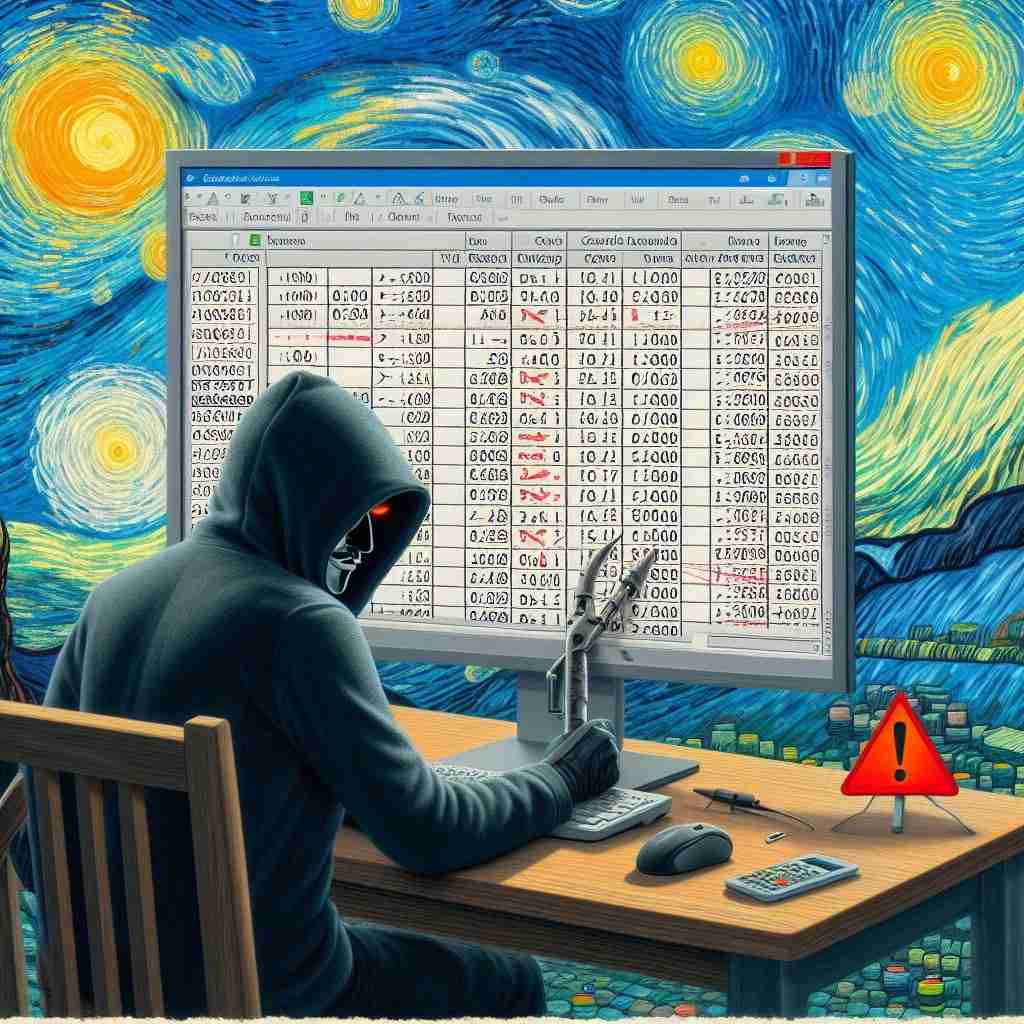
Is Your Smart Thermostat Exposing Your Personal Patterns?
What Ethical Responsibilities Do Companies Have In Device Security?
When you wake up in the morning and the first thing you do is grab your smartphone, you’re not just reaching for a tool—you’re clutching a gateway to your most personal moments. From cherished family photos to sensitive financial information, our devices hold the essence of our daily lives. So, it’s downright unsettling to consider that for many companies, securing this trove of data can sometimes feel like an afterthought. But let’s be clear: companies have an ethical responsibility not just to protect their products, but to safeguard the lives of those who trust them.
At its core, cybersecurity isn’t just about firewalls and encryption; it’s about people. It’s about the single mom who relies on her smart home device to keep an eye on her kids while she works late. It’s about the young entrepreneur pouring every penny into her startup, using her devices to connect, innovate, and grow. The stories are as varied as they are poignant, and behind every data breach, there’s a person—someone who deserves better.
A company that prioritizes device security demonstrates respect for its users, fostering a sense of trust. This isn’t merely a business obligation; it’s an ethical one. When a company allows vulnerabilities to persist, it’s not just risking its bottom line—it’s potentially endangering lives and livelihoods. Individuals are not just numbers or sales figures—they’re our neighbors, our friends, the people we share this journey with. A culture of proactive cybersecurity is essential, not just to comply with regulations, but to stand as a bastion of trust within the community.
Moreover, demonstrating commitment to cybersecurity creates an environment of loyalty and confidence. When a company shares its efforts to protect users—through transparency about data practices or quick responses to threats—it cultivates a sense of belonging. Customers want to support businesses that share their values, and in today’s society, a company’s ethical stance can make or break its reputation.
Every device from the sleekest smartphone to the humblest IoT gadget carries a responsibility to the user. By placing device security at the forefront of their operations, companies don’t just guard against the latest threats; they ensure that every user can navigate their digital world without fear. Let’s help reshape the narrative around device security and hold companies accountable—because in doing so, we’re not just protecting ourselves; we’re fostering a safer, more connected community for all.

What Ethical Responsibilities Do Companies Have In Device Security?
What Ethical Responsibilities Do Companies Have In Device Security?
- Smartphones serve as gateways to personal moments and sensitive data.
- Many companies neglect their ethical responsibility to protect user data.
- Cybersecurity is fundamentally about safeguarding people, not just technology.
- Company respect for device security fosters user trust and loyalty.
- Vulnerabilities in security can endanger lives and affect communities.
- Transparent data practices enhance customer confidence and brand reputation.
- Prioritizing device security helps create a safer and more connected community.
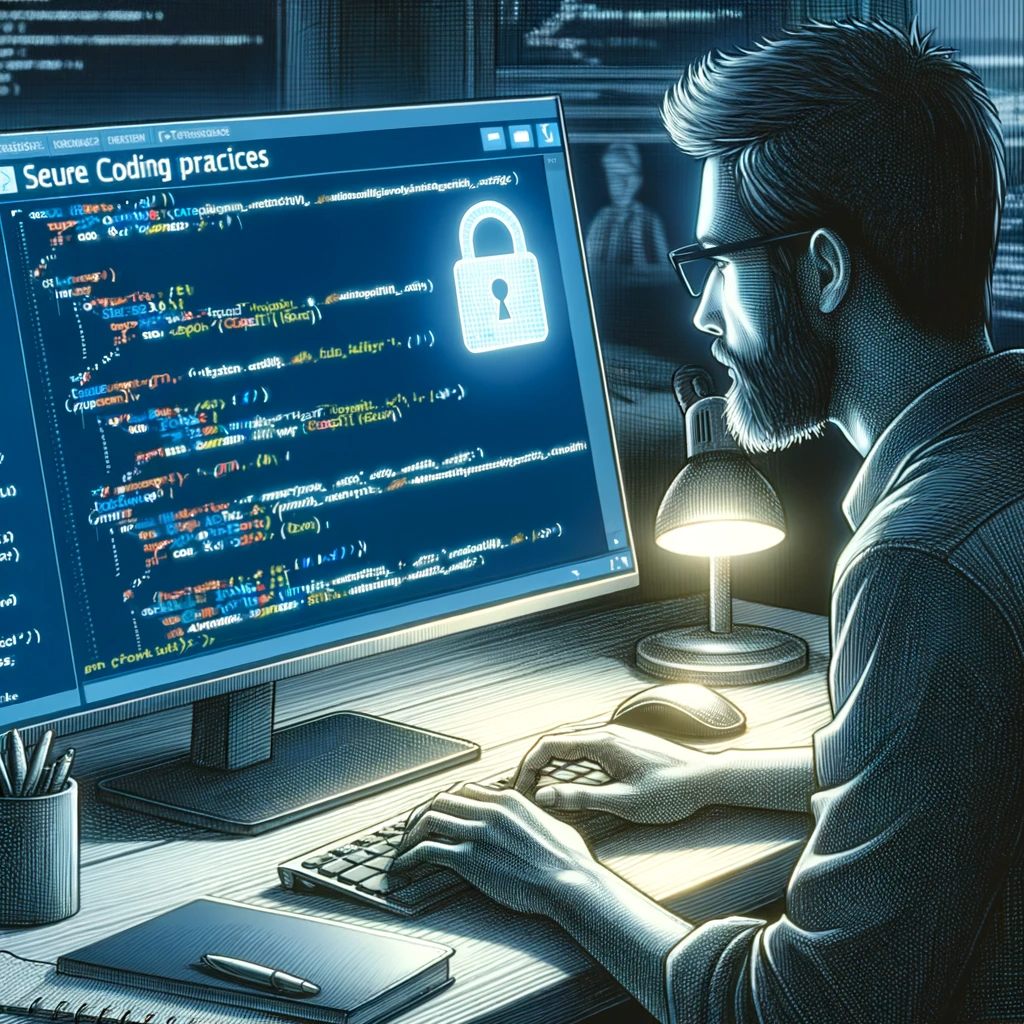
What Ethical Responsibilities Do Companies Have In Device Security?
What Stories Of Security Breaches Resonate with Your Fears?
When you think about cybersecurity, what images flash in your mind? Maybe it’s that chilling news story about someone losing their life savings to an online scam. You can almost hear the wind howling through that dark, empty bank account, right? Or perhaps it’s the tales of medical records leaked in a breach, laying bare the most intimate details of someone’s life for all to see. How does that strike you? Below the belt, I imagine, because it walks that line between our vulnerabilities and our trust.
It’s easy to assume that these breaches only happen to the big players—the flashy corporations and tech giants. But let’s be real; they happen to everyday folks sitting in their living rooms, perhaps scrolling on their phones. In that moment, you may find yourself second-guessing whether you’re as safe as you thought. This isn’t just a “them” problem; it’s a “us” problem. Each of us, living our ordinary lives, has the potential to face extraordinary threats, and that’s what makes it all too relatable.
The fallout from these breaches is profound. They don’t just rob us of our financial security but chip away at our very sense of personal freedom. Imagine waking up one day to find that your private conversations are broadcast for the world to hear. Even as we strive to live open lives, the very act of doing so in a digital world can feel like stepping into a bear trap, blindfolded. How does it feel when someone crosses that invisible line between public and private?
When you hear about individuals who’ve acted swiftly to protect themselves—installing software, educating themselves on phishing scams, or even changing their passwords every few weeks—it’s not just an answer; it’s a call to arms. They’re saying, “I refuse to be a victim.” That spirit resonates, doesn’t it? It’s a social contract that compels us to inform our friends, our families, and our communities. We owe it to each other to be vigilant.
So, how does your story of cybersecurity begin? Maybe it’s with a small step—a conversation at the dinner table or a quick course on protecting your online identity. As we share these stories and learn from one another, we weave a fabric of resilience. And that, my friends, is a tapestry worth knitting together. It’s time to make our mark—not just for ourselves, but for everyone who stands with us in this shared space. Let’s get to work.

What Stories Of Security Breaches Resonate with Your Fears?
What Stories Of Security Breaches Resonate with Your Fears?
- Cybersecurity evokes images of personal loss, such as financial scams and breaches of sensitive medical records.
- Breaches impact everyone, not just large corporations, making it a common issue for everyday individuals.
- The consequences of breaches erode financial security and personal freedoms.
- Digital openness can lead to vulnerabilities, likening it to stepping into a bear trap without awareness.
- Individuals taking proactive steps to secure their information illustrate a strong community response against victimization.
- Starting conversations about cybersecurity can encourage collective vigilance and support among friends and families.
- Cultivating shared knowledge contributes to resilience, emphasizing the importance of working together in cybersecurity efforts.

What Stories Of Security Breaches Resonate with Your Fears?
Are You Willing to Accept the Risks Of Smart Devices In Your Home?
As you glance around your home, you see smart devices that promise to make your life easier—thermostats that learn your comfort zone, fridges that tell you when you’re running low on milk, and security systems that monitor your property 24/7. It’s a modern-day paradise wrapped in convenience, but lurking at the fringes is a question that should cause you to pause: Are you willing to accept the risks?
Take a moment to consider what’s at stake. Each time you connect a smart device, you’re inviting a stranger into your home—a digital one, yes, but a stranger nonetheless. The convenience comes at a price: cybersecurity vulnerabilities. Every device with a Wi-Fi connection is a potential entry point for hackers and nefarious entities looking to exploit your privacy and security. Imagine this: your thermostat gets hacked and suddenly, it’s sweltering hot in January because a stranger has taken control. Or worse, your home security system gets compromised, making the very thing intended to protect your family a threat instead. It’s a cautionary tale that shouldn’t just live in the realm of the hypothetical; it’s happening every day.
Now, let’s consider the ethical implications. When we choose convenience over security, we often neglect the responsibility that comes with our choices. By allowing ourselves to become overly reliant on smart devices, we risk contributing to a culture that prioritizes ease over safety. What message does that send to our children? Responsibility and awareness are vital values. They deserve to see us make wise decisions—that even in a world of technological marvels, we don’t sacrifice our integrity.
On a personal level, it’s worth reflecting on the relationships in your life. Sharing your home with others goes beyond family and friends; it’s also about the ecosystem you create. Are you creating a space that fosters trust and peace of mind? Consider the impact on your loved ones when they realize their safety is tied to devices that could falter in the face of an unseen menace.
So, as you navigate this brave new world, take a moment to weigh the benefits against the risks. Embrace the technology, but do so with a discerning eye. Trust your instincts, educate yourself, and foster an environment that values safety alongside innovation. Make choices that inspire confidence, not anxiety. The future might be smart, but it’s our decisions that truly define it.

Are You Willing to Accept the Risks Of Smart Devices In Your Home?
Are You Willing to Accept the Risks Of Smart Devices In Your Home?
- Modern smart devices offer convenience, such as smart thermostats, fridges, and security systems.
- There are significant risks associated with smart devices, particularly cybersecurity vulnerabilities.
- Connecting devices invites potential threats from hackers who could exploit privacy and safety.
- Choosing convenience over security can lead to ethical concerns about responsibility and values.
- Over-reliance on technology may send a message of prioritizing ease over safety to future generations.
- Consider the impact of smart devices on relationships and the trust within your home environment.
- It’s essential to balance embracing technology with a focus on safety and informed decision-making.

Are You Willing to Accept the Risks Of Smart Devices In Your Home?
Conclusion
The allure of the smart home revolution is undeniable: convenience, comfort, and a touch of futuristic living. You can picture it, can’t you? You enter your home to perfectly adjusted lighting and the warm embrace of your favorite temperature, all thanks to devices that seem to know your needs better than you do. But hold on for a moment because lurking behind this high-tech façade is a reality that demands our attention—a reality marred by vulnerabilities that could threaten our personal sanctuaries.
Every smart gadget you welcome into your home doesn’t just enhance your life; it also opens a door for potential invasion. We’ve come to trust these devices, but how informed are we about their security? Let’s face it: with each innovative piece of technology, we unintentionally give hackers a greater opportunity to exploit our trust. Imagine the unsettling reality of someone peering into your life through a compromised camera or thermostat.
This extends beyond the realm of technology—it’s infused with emotional weight as our homes represent our most cherished space. When safety is compromised, feelings of vulnerability and fear inevitably creep in. Therefore, we have a moral duty to protect our sanctuaries. The responsibility doesn’t lie solely with manufacturers—it’s up to us as conscious consumers to demand accountability. How well do we know the security measures tied to our favorite gadgets? Are we asking the right questions and holding companies accountable for their cybersecurity responsibilities?
In this age of unprecedented connectivity, it’s imperative that we share knowledge with our communities. Empowering those around us to take action—be it through strong passwords, updated software, or understanding device vulnerabilities—contributes to a collective shield against exploitation. Each informed neighbor strengthens the fabric of our digital neighborhood, ensuring we aren’t alone in this fight for privacy.
The convenience we enjoy today comes at a price we must be willing to gauge. As we revel in the modern ease of smart technologies, we must not let the thrill overshadow the need for vigilance. The reality is that technology isn’t inherently good or bad; it’s what we do with it that counts. So, let’s commit to making informed choices, protecting our homes, and preserving the rich tapestry of trust and safety in our digital lives. After all, a future filled with smart devices can only be as bright as our willingness to safeguard our privacy and integrity.

Conclusion
Conclusion:
- The smart home revolution offers convenience, comfort, and a vision of futuristic living.
- Smart devices enhance daily life but also introduce vulnerabilities that can threaten personal security.
- Each gadget potentially opens a door for hackers to invade our privacy.
- Home represents our cherished space; security lapses can lead to feelings of vulnerability and fear.
- Consumers have a moral duty to demand accountability from manufacturers regarding cybersecurity.
- Sharing knowledge about security measures strengthens community resilience against exploitation.
- We must remain vigilant, making informed choices to protect our homes and privacy in the digital age.

Conclusion
Other Resources

Other Resources
Here is a list of other resources you can review online to learn more:
- Proficio
- Apex Computer Systems
- CriticalStart
- Deloitte
- Blogger
- Warren Averett Technology Group
- Kroll
- Align Communications
- Atos
- Anchor Technologies
- Pulse Technology
- Rehmann
- deviantART
- Atlas Cybersecurity
- NTT Ltd.
- Shatter IT
- Spade Technology
- NexusTek
- SKOUT Cybersecurity
Use This Prompt To Get More Resources With Your Favorite Online AI Tool: Please provide me with a list of online articles with their URLs in a bulleted list that I can read regarding The Smart Home Revolution S Dirty Secret – Hackable Devices

Other Resources
Glossary Terms
The Smart Home Revolution S Dirty Secret – Hackable Devices – Glossary Of Terms
1. Smart Home: A residence equipped with devices that automate tasks and can be controlled remotely via the internet.
2. IoT (Internet of Things): A network of interconnected devices that communicate and exchange data over the internet.
3. Hack: Unauthorized access to a device or network, often to manipulate or steal data.
4. Vulnerability: A weakness in a device or software that can be exploited by hackers to gain unauthorized access.
5. Firmware: Software programmed into the hardware of a device, often responsible for its basic functions and features.
6. Encryption: A method of securing data by converting it into a coded format that can only be read by authorized users.
7. Malware: Malicious software designed to disrupt, damage, or gain unauthorized access to systems.
8. Phishing: A cyber-attack that attempts to trick individuals into providing sensitive information by pretending to be a trustworthy source.
9. Botnet: A network of infected devices that can be controlled remotely by a hacker to perform automated tasks, often for malicious purposes.
10. Firewall: A security system that monitors and controls incoming and outgoing network traffic based on predetermined security rules.
11. Two-Factor Authentication (2FA): An additional layer of security that requires not only a password but also a second form of verification.
12. Data Breach: An incident where unauthorized individuals gain access to confidential data.
13. Privacy Settings: Configurable options within devices and applications that control how personal information is collected, stored, and shared.
14. User Authentication: The process of verifying the identity of a user attempting to access a device or network.
15. Remote Access: The ability to control or monitor a device from a distance, typically through the internet.
16. Security Patch: A software update designed to fix vulnerabilities or bugs in a device or application.
17. Network Security: Measures taken to protect the integrity of a network and its data from cyber threats.
18. Ransomware: A type of malware that encrypts a victim’s files and demands payment for the decryption key.
19. Smart Hub: A central device that connects and controls various smart home devices, facilitating communication between them.
20. Surveillance: The monitoring of behavior, activities, or information, often through cameras or sensors in smart home devices.
21. Access Control: A security method that dictates who can view or use resources in a computing environment.
22. Personal Data: Information that can be used to identify an individual, often including names, addresses, and financial information.
23. Cloud Storage: Online storage where data is saved remotely and accessed via the internet.
24. Integration: The process of combining different devices or systems to work together seamlessly.
25. Device Authentication: The process of verifying the identity of a device before allowing it to connect to a network.
26. Smart Appliances: Household devices like refrigerators and ovens that can be controlled remotely and have internet connectivity.
27. Geolocation: The identification or estimation of a device’s physical location using GPS or internet-based services.
28. Credential Stuffing: A cyber-attack where stolen username/password pairs are used to gain unauthorized access to multiple user accounts.
29. Security Audit: A systematic evaluation of the security of a device or network to identify vulnerabilities and recommend improvements.
30. Smart Meter: A device that measures electricity, gas, or water usage and can transmit data to the utility provider for billing and monitoring purposes.

Glossary Of Terms
Other Questions
The Smart Home Revolution S Dirty Secret – Hackable Devices – Other Questions
If you wish to explore and discover more, consider looking for answers to these questions:
- What are common types of cyber attacks affecting smart home devices?
- How can consumers identify secure smart devices before purchase?
- What specific steps can individuals take to secure their smart home networks?
- Are there specific regulations governing the cybersecurity of smart home devices?
- What are the most vulnerable smart devices that consumers should be aware of?
- How do different manufacturers compare in terms of device security?
- What recent high-profile security breaches have involved smart home devices?
- How can users stay informed about evolving cybersecurity threats?
- What role does firmware play in the security of smart devices?
- How can communities work together to improve cybersecurity awareness?
- What are the potential long-term implications of widespread smart device vulnerabilities?
- How can parents educate their children about cybersecurity in a smart home environment?
- What are the ethical responsibilities of tech companies in reporting security vulnerabilities?
- What should consumers do if they suspect their smart device has been hacked?
- How can individuals balance privacy with the convenience of smart devices?

Other Questions
Haiku
The Smart Home Revolution S Dirty Secret – Hackable Devices – A Haiku
Smart homes entice us,
Comfort cloaked in hidden fears—
Guardians or threats?

Haiku
Poem
The Smart Home Revolution S Dirty Secret – Hackable Devices – A Poem
In homes adorned with devices sleek,
A promise of comfort we all seek,
They greet us warmly, with lights aglow,
But within their circuits, dark secrets flow.
A hub of ease, our lives intertwined,
Yet hackers lurk, with intentions unkind.
What was once safe can quickly decay,
As our sanctuaries become a prey.
Picture your children, your laughter and light,
Now cloaked in shadows, a digital fright.
A stranger could watch as you live and play,
Cyber shadows dimming the warmth of day.
For convenience gained comes at a cost,
Each tap and click, what value is lost?
In a world where trust should freely abound,
Will we barter our privacy for ease profound?
The companies claim their measures are strong,
Yet in their silence, what’s right becomes wrong.
We must educate, we must demand,
For every device steers lives in its hand.
Let’s share our fears, let’s raise up our voice,
In a tapestry woven, let’s make a choice.
To stand for our rights, our safety, our space,
And ensure technology holds humanity’s grace.
Secure your home, your heart, your peace,
Each small measure taken helps threats cease.
With awareness and action, let’s forge a new path,
Where smart doesn’t mean unsafe in this aftermath.
Together we rise, as guardians of trust,
Upholding our stories, the righteous and just.
For a future that’s bright, let’s balance the scale,
In innovation’s embrace, let our integrity prevail.

Poem
Checklist
The Smart Home Revolution S Dirty Secret – Hackable Devices – A Checklist
Smart Home Device Security Checklist
Emotional Appeals (Heart)
_____ Reflect on Your Sanctuary: Consider how safe you feel in your home. Is it a true sanctuary, or do smart devices introduce worry?
_____ Share Concerns: Discuss your feelings about device security with family and friends. Build a support system around cyber safety.
_____ Visualize Vulnerability: Imagine a scenario where your personal space is invaded digitally. How would that affect your peace of mind?
Rational Appeals (Head)
_____ Research Device Security: Investigate the cybersecurity features of the smart devices you own. Are they robust enough for your needs?
_____ Update Regularly: Make a habit of checking for and applying software updates to all devices to protect against vulnerabilities.
_____ Use Strong Passwords: Create complex and unique passwords for each device and change them regularly.
Ethical Appeals (Ethics)
_____ Demand Accountability: Question manufacturers about their security practices. Are they taking ethical responsibility for your safety?
_____ Educate Yourself: Stay informed about privacy policies and security risks associated with smart devices.
_____ Foster Community Awareness: Engage friends and neighbors in discussions about the ethical implications of using smart technology.
Authority Appeals (Authority)
_____ Follow Expert Guidance: Seek advice from cybersecurity experts on best practices for securing smart devices.
_____ Participate in Workshops: Attend local seminars or online courses focusing on cybersecurity awareness and smart home security.
Narrative Appeals (Narrative)
_____ Share Experiences: Exchange personal stories about cybersecurity threats or breaches with your community. Learning through sharing helps build awareness.
_____ Reflect on Case Studies: Review real-life incidents of smart device hacks to understand their impact and how to avoid similar situations.
Social Appeals (Social)
_____ Engage with Your Community: Join or start a community group focused on technology safety. Strength in numbers makes everyone smarter.
_____ Encourage Safe Practices: Advocate for strong cybersecurity practices among friends and family, turning awareness into action.
_____ Participate in Discussions: Share articles and information about smart device security to build a more informed society.
By following this checklist, you can not only safeguard your home but also contribute to a culture that prioritizes both innovation and safety.

Checklist
At BestCyberSecurityNews, we help teach entrepreneurs and solopreneurs the basics of cybersecurity and its impact on their businesses by using simple concepts to explain difficult challenges.
Please read and share any of the articles you find here on BestCyberSecurityNews with your friends, family, and business associates.


