


Protecting Your Inbox: How To Identify And Stop AI Fraud
By Tom Seest
At BestCyberSecurityNews, we help teach entrepreneurs and solopreneurs the basics of cybersecurity and its impact on their businesses by using simple concepts to explain difficult challenges.
Please read and share any of the articles you find here on BestCyberSecurityNews with your friends, family, and business associates.
The Email That Was Not – Spotting AI Fraud Before It Hits
In today’s digital landscape, where a seemingly innocuous email can be the gateway to chaos, spotting AI fraud is more crucial than ever. It’s unsettling, isn’t it? One moment you’re sipping your morning coffee, the next you’re staring at a message that feels right but screams wrong. Cybersecurity isn’t just a buzzword; it’s our collective shield against deception cloaked in convenience.
Picture this: You’ve just received an email from what looks like your boss, urging you to transfer funds for an “urgent” supplier payment. The language is formal, the email address is close enough to fool even the sharpest eye, and your heart skips a beat. This is no longer just a workplace annoyance; it’s an emotional battle. Our instinct is to trust, to act—in a world designed to expedite our decisions, hesitation feels like a betrayal to those who rely on you. Yet, standing firm in that moment can save not just your gut but the organization you believe in.
Let’s break it down rationally. AI tools are sophisticated, learning to mimic human communication as seamlessly as a well-trained actor on stage. They exploit our emotional triggers, playing on urgency and fear. But dig deeper, and the facts emerge: authentic emails have patterns. Internal language, specific details only your company would know, even the way your boss signs off. Tuning in to these nuances cultivates confidence and sharpens your instincts.
Ethically speaking, taking the time to validate an email before acting is not just a personal defense; it’s a pledge to your colleagues, to their livelihoods, and the integrity of your workplace. Imagine the ripple effect of a single clicked link—every employee, every project, every ounce of trust shaken. By standing vigilant, you strengthen bonds and foster a culture of awareness.
Socially, we must engage each other in this conversation. Share experiences. Learn together. Create an environment where asking questions isn’t viewed as hesitation but hailed as maturity. Just like we trust our friends to catch us when we fall, we can trust each other to watch out for these digital landmines.
In this era, where every click carries weight, let’s fortify our defenses and cultivate a sense of responsibility. Together, we can spot the fraud before it hits, nurturing a community built on trust and resilience.
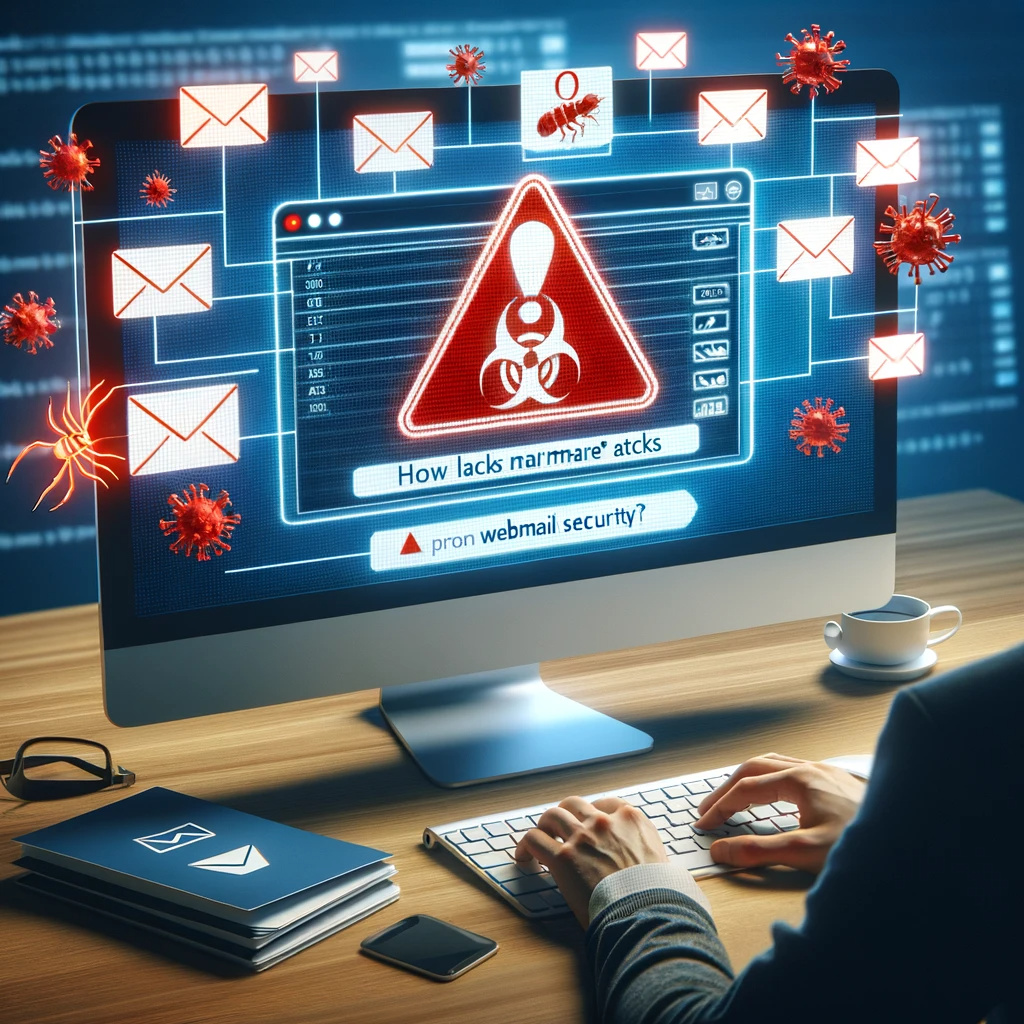
The Email That Was Not – Spotting AI Fraud Before It Hits
The Email That Was Not – Spotting AI Fraud Before It Hits
- Spotting AI fraud in emails is increasingly critical in today’s digital landscape.
- Cybersecurity serves as a collective defense against deception, often disguised as convenience.
- Fraudulent emails can mimic legitimate ones, causing emotional and instinctual conflict.
- AI tools can effectively replicate human communication, exploiting emotional triggers like urgency and fear.
- Identifying authentic emails involves recognizing specific patterns and details unique to your organization.
- Validating emails is essential not just for personal safety but also for protecting colleagues and workplace integrity.
- Encouraging open discussions about email security fosters a culture of awareness and trust within teams.

The Email That Was Not – Spotting AI Fraud Before It Hits
Table Of Contents
- The Email That Was Not – Spotting AI Fraud Before It Hits
- What Emotions Does a Phishing Email Evoke In You?
- How Do You Identify AI-Generated Messages?
- Is Your Inbox a Safe Space for Your Thoughts?
- What Steps Can You Take to Verify Email Authenticity?
- How Can We Trust Technology While Remaining Vigilant?
- Why Should We Be Concerned About AI In Our Communications?
- What Role Do Ethics Play In Creating AI for Email Generation?
- Conclusion
- Other Resources
- Glossary Of Terms
- Other Questions
- Haiku
- Poem
- Checklist
What Emotions Does a Phishing Email Evoke In You?
Imagine opening your email to find an innocuous-looking message, claiming to be from your bank, a familiar friend, or even your employer. At first glance, it might seem harmless—perhaps a request for confirmation or an enticing offer you can’t resist. But can you feel that tightening in your gut? That initial twinge of anxiety? This isn’t just a harmless click; it’s a potential breach of your sanctuary, your financial well-being, and even your sense of identity.
Phishing emails prey on our emotions, exploiting feelings of urgency and fear to manipulate our actions. They stir up a cocktail of vulnerability and apprehension, causing us to rush through our defenses. When a message threatens your security—such as a dire notification about your account—it hits the heart of what it means to be human: we fear losing what we value. Suddenly, that email transforms from just another crimson banner in our inbox to a predator lurking in plain sight.
From a rational perspective, the domain name may seem familiar, the language professional, even the logo reproduced flawlessly. But beneath the surface lie shadows of deception, targeting your trust and your attention. Recognizing this manipulation isn’t just about seeing the obvious red flags; it’s about understanding how they make you feel. Engaging these emotions is essential in crafting our approach to cybersecurity. Knowledge should ignite courage, not confusion—a call to action to fortify our defenses.
Ethically speaking, it’s not just about personal gain; it’s about protecting our community. Consider the stories of those who have fallen victim: hard-earned savings disappeared in an instant. When we share these narratives, we’re not just talking about numbers; we’re sharing pieces of our lives—moments we can protect, lives we can uplift. By fostering this connection, we empower one another to be vigilant against threats that could affect us all.
In this age, where digital connections can bring us together or tear us asunder, we must cultivate awareness. It’s about establishing trust in our networks, understanding our shared responsibility to safeguard each other. By standing on guard, we can transform our collective anxiety into a force for good—unified against the tide of cyber deceit. Let’s embrace the challenge and become the vigilant protectors of our digital lives.

What Emotions Does a Phishing Email Evoke In You?
What Emotions Does a Phishing Email Evoke In You?
- Phishing emails often appear harmless, mimicking messages from banks, friends, or employers.
- They exploit emotions like urgency and fear, leading to hasty actions that compromise security.
- Phishing threats resonate with our innate fear of losing what we value most, including financial security.
- Recognizing manipulation requires understanding emotional triggers, not just identifying obvious red flags.
- Sharing experiences of phishing victimization humanizes the issue, fostering community vigilance.
- Awareness and responsibility are crucial for protecting ourselves and others from cyber threats.
- By uniting against phishing, we can transform anxiety into proactive measures for digital safety.

What Emotions Does a Phishing Email Evoke In You?
How Do You Identify AI-Generated Messages?
In a world overflowing with information, there’s an increasing urgency to discern what’s real and what’s not. Cybersecurity isn’t just a buzzword; it’s a lifeline, a fortification against unseen dangers lurking in the digital shadows. As we navigate this landscape, identifying AI-generated messages becomes a crucial skill, one that rests not only on technology but also on our intuition as humans.
Picture yourself scrolling through your inbox, your heart racing as a message pops up: “Urgent! Your account will be suspended unless you act now!” Emotionally, that jolt can trigger a cascade of reactions—fear, anxiety, or even anger. This is where we must pause and think. Take a step back and engage your mind rather than your gut. Does the tone seem overly dramatic? Is the language filled with urgency designed to provoke swift action? Remember, genuine correspondence often respects your time and intelligence.
The rational part of us knows that not everything that glitters is gold. Many AI-generated messages lack the subtlety and nuance of human communication. When you read something synthetic, ask yourself: Does it sound like a human wrote it? Are there unusual phrases or errors that stick out? Trust your instincts; often, they are sharper than you think.
Ethically, consider the implications of acting on an AI-generated message. If it’s crafted to deceive, it not only affects you but potentially puts others at risk. This isn’t just about protecting yourself; it’s about safeguarding the community. We all share this digital space, and our choices ripple outward.
Then there’s the authority of your sources. Familiarize yourself with who is sending the messages you receive. Legitimate organizations have established communication protocols, complete with verification options. If something feels off, bounce it off your peers. A conversation with friends or colleagues can unveil insights that solitary contemplation might miss.
Ultimately, trust your gut but reinforce it with your head. Each message you encounter is a piece of a larger puzzle in the vast realm of digital communication. Understanding how to spot AI-generated messages not only protects you but can forge connections within your community, empowering all of us in this shared journey. Let’s remain vigilant, ask questions, and rise together—because in today’s world, knowledge is indeed our best defense.

How Do You Identify AI-Generated Messages?
How Do You Identify AI-Generated Messages?
- The digital landscape is saturated with information, making it essential to discern real from fake.
- Cybersecurity serves as a vital shield against hidden online threats.
- Identifying AI-generated messages is crucial and relies on both technology and human intuition.
- Urgent messages can provoke strong emotional reactions; it’s important to pause and think critically.
- AI-generated content often lacks the nuance of genuine human communication; look for unusual phrases or errors.
- Consider the ethical implications of responding to AI-crafted messages, as they can affect both you and your community.
- Verify the sources of messages and consult peers to gain clarity and insights that may be overlooked alone.

How Do You Identify AI-Generated Messages?
Is Your Inbox a Safe Space for Your Thoughts?
Your inbox might seem like a digital sanctuary, a personal oasis nestled within the hustle and bustle of online noise. But is it truly a safe space for your thoughts? Let’s pull back the curtain and take a closer look. Just as you wouldn’t juggle flaming chainsaws in your living room, you shouldn’t toss your innermost musings into the cyber void unprotected. It’s about more than just worrying whether your mail will reach its destination; it’s about considering who might be lurking in the shadows.
Every day, we write to friends, family, colleagues, and acquaintances, sharing hopes, fears, dreams, and plans. But as we hit “send,” does a little voice inside you whisper, “What if someone sees this?” That nagging uncertainty is more than just paranoia; it’s a valid concern in a world where Cybersecurity feels less like a protective shield and more like a whispered promise. Think about it: Our inboxes carry slices of our lives, from mundane grocery lists to heartfelt confessions. Each email is a piece of our story, and when they’re not secured, we leave ourselves vulnerable.
Imagine a world where your thoughts are as safe as the walls of your home. Picture having complete confidence that your private conversations won’t be hijacked or misinterpreted. When we look out for ourselves and each other, building that fortress of trust, we don’t just protect our own vulnerabilities; we foster a community grounded in respect and accountability. A simple shift in how we approach cybersecurity can shift the narrative from one of fear to one of empowerment.
Let’s face it: We’re creatures of connection. The relationships we cultivate are built on trust, whether it’s a warm exchange with a friend or a professional dialogue with a colleague. When we engage in open conversations about securing our digital spaces, we not only elevate our personal standards; we uplift those around us as well. So take a moment, reflect on this. Is your inbox a vault for your deepest thoughts or a flimsy paper bag tossed into the wind?
We owe it to ourselves and each other to prioritize safety in our digital communication. So, let’s safeguard our narratives, shield our secrets, and create an inbox that truly feels like a safe space—just as it should be. Take action today, and make that mental shift; your thoughts deserve the highest level of security.

Is Your Inbox a Safe Space for Your Thoughts?
Is Your Inbox a Safe Space for Your Thoughts?
- Your inbox may feel like a personal sanctuary, but its security is questionable.
- Be cautious about sharing personal thoughts without protection in the digital space.
- Concerns about privacy and cybersecurity are valid in today’s interconnected world.
- Emails carry important aspects of our lives, making it essential to secure them.
- Creating a secure environment for communication builds trust and fosters community.
- Engaging in discussions about cybersecurity enhances personal and collective safety.
- We should prioritize safeguarding our digital communication to protect our narratives.

Is Your Inbox a Safe Space for Your Thoughts?
What Steps Can You Take to Verify Email Authenticity?
When it comes to our digital lives, especially in the realm of email, we’re navigating a complex landscape rife with pitfalls. Cybersecurity isn’t just a buzzword; it’s the invisible armor that protects you from the shadows lurking in your inbox. So, how do you sift through the digital noise to determine if an email is a trustworthy communication or yet another scam waiting to ensnare you?
First, let the gut guide. When you receive an email, pause for a moment. Does the sender’s address look legitimate? If you see a curious mix of letters and numbers, trust your instinct. It’s easy to fall for an enticing subject line, but a trusted source should carry its weight. Get into the habit of checking the sender’s email address; a slight variation can be a clear red flag.
Next, engage the head. Rely on facts and knowledge. Analyze the content for inconsistencies. Does the language feel off? Are there grammatical errors that just don’t sit right with you? Scammers often chase emotional responses; they prey on urgency and fear. If an email insists you act now or risk dire consequences, take a step back. A reputable organization will communicate with clarity and professionalism. Equip yourself with knowledge about common phishing signs, and make it a habit to sniff out the suspicious.
Ethics must also play a role in your decision-making process. Ask yourself, “Would I share personal information with this entity?” Trust your ethical compass. If your instincts scream “no,” don’t let momentary curiosity lead you astray.
And let’s not forget the power of social proof. Share your concerns with friends or family members. Your experience could mirror theirs, and together, you can build a fortress against potential scams. Moreover, follow industry leaders and trusted authorities in cybersecurity. Their insights can help you stay ahead in this evolving digital age.
In the grand narrative of your digital safety, you hold the pen. By practicing these verification steps with intention, you not only protect yourself but also cultivate a culture of awareness. Every click, every response, every decision adds to the collective security of our online lives. So take action, trust in your ability to discern the genuine from the fraudulent, and empower yourself in the journey of navigating the digital world.

What Steps Can You Take to Verify Email Authenticity?
What Steps Can You Take to Verify Email Authenticity?
- Navigating digital email communication involves recognizing potential cybersecurity threats.
- Trust your instincts by checking if the sender’s email address looks legitimate.
- Analyze the email content for inconsistencies and grammatical errors.
- Recognize urgency tactics used by scammers; reputable messages will communicate clearly.
- Evaluate your ethical boundaries when deciding to share personal information.
- Seek social proof by discussing suspicious emails with friends and family.
- Stay informed by following cybersecurity leaders to enhance your digital safety.

What Steps Can You Take to Verify Email Authenticity?
How Can We Trust Technology While Remaining Vigilant?
In an age dominated by screens, algorithms, and seamless connectivity, it’s natural to feel a tug-of-war within us. We rely on technology for everything—from navigating the chaos of daily life to connecting with loved ones across the globe. Yet deep down, we grapple with doubt. How can we trust technology while keeping our eyes peeled for dangers lurking behind the glow of our devices?
Let’s face it: we live in a world where the digital landscape is ever-evolving, and with it comes the shadow of cybersecurity threats that loom like storm clouds in a clear sky. The reality is, while our lives have been made easier, we must remain vigilant. That doesn’t mean we plunge into paranoia or reject technology altogether. Instead, it’s about crafting a balanced relationship that acknowledges both the benefits and risks.
Think of technology as a trusty old pickup truck. It’s reliable and gets you from point A to point B, but you wouldn’t drive it without checking the oil. Likewise, engaging with technology requires a little diligence. Equip yourself with the knowledge to navigate the digital world; familiarize yourself with the basics of cybersecurity. Enable two-factor authentication, use strong passwords, and stay informed about the latest threats. This isn’t just smart—it’s empowering.
Trusting technology also means embracing transparency. Companies and developers must be held accountable, just like any other business. When they prioritize user security and privacy, they earn our confidence. Ethical behavior isn’t optional; it’s a necessity. Transparency builds trust, and trust nurtures community, helping us forge deeper connections in a world that can sometimes feel divided.
Sharing stories about our experiences with technology innately humanizes the conversation. The next time you gather with family or friends, share your own tales—both the victories and the missteps. It’s through these narratives that we begin to understand the real impact of technology on our lives, the cracks in our defenses, and the steps we can take together to fortify them.
So as we navigate this era of rapid change, let’s prop up that old pickup truck and drive together. Be vigilant, but don’t let fear blind you. With eyes wide open, hands prepared, and hearts connected, we can enjoy everything technology offers while protecting ourselves for the journey ahead.

How Can We Trust Technology While Remaining Vigilant?
How Can We Trust Technology While Remaining Vigilant?
- In a tech-dominated age, we face a conflict between reliance on technology and concerns for safety.
- While technology simplifies life, vigilance is crucial due to the constant threat of cybersecurity risks.
- It’s important to maintain a balanced approach that recognizes both the advantages and challenges of technology.
- Approaching technology with diligence is essential—basic cybersecurity practices like strong passwords and two-factor authentication should be employed.
- Transparency from companies is necessary to build trust and ensure user security and privacy.
- Sharing personal experiences with technology can humanize discussions and enable collective learning about its impacts.
- With awareness, preparedness, and connection, we can safely enjoy technological advancements while protecting ourselves.

How Can We Trust Technology While Remaining Vigilant?
Why Should We Be Concerned About AI In Our Communications?
We find ourselves immersed in the digital age, where our conversations are increasingly stitched together by artificial intelligence. It’s tempting to embrace AI as a shiny new tool, an extraordinary efficiency engine that can handle everything from drafting emails to analyzing data. But beneath the surface, there’s a pressing reality we must face. While innovation often feels like an inviting beacon, the risks tied to AI in our communications can’t be overlooked, especially when it comes to our cybersecurity.
Picture this: you’re sharing a heartfelt story with a loved one over social media. That moment of connection involves trust — trust that this sweet exchange will be kept private and respected. Now, what happens when AI enters the picture? Suddenly, your words may not only transmit emotions but also become fodder for algorithms that analyze, predict, and sometimes misuse your personal information. This dystopian twist highlights the ethical considerations we should all grapple with. How comfortable are we with our intimate exchanges being dissected, stored, or even misappropriated by unseen hands?
Let’s engage our heads for a moment. When we modernize communication through AI, we need to ponder the potential vulnerabilities. Algorithms trained on our data can be weaponized. Unsecured platforms can become gateways to breaches, letting cybercriminals exploit gaps where our connections once flourished. Rationalizing the adoption of advanced technology must be accompanied by a robust understanding of the ramifications it could have on our safety and privacy. A conversation with your neighbor turns into a potential data leak, and we’ve got to ask ourselves: at what cost are we willing to sacrifice our security for convenience?
The heart and gut know, though. Think about those late-night chats with friends, the laughter exchanged over a shared memory. Now think of the dark reality where an AI misidentifies your trust and turns that into data gold for a predator. The terror of losing that connection doesn’t just resonate with us as individuals; it echoes through our communities, stirring a collective unease.
We owe it to ourselves and each other to remain vigilant. We must foster discussions about responsible AI use, create safeguards for our conversations, and insist on transparency from the tools we choose. Let’s create a future where technology enhances, rather than endangers, our human experience. Ultimately, taking action begins with awareness and builds trust, both within ourselves and with others. Stand up for the conversations that matter, and let’s ensure they’re protected.

Why Should We Be Concerned About AI In Our Communications?
Why Should We Be Concerned About AI In Our Communications?
- We are in the digital age where conversations are influenced by artificial intelligence.
- AI is a powerful tool for efficiency but poses cybersecurity risks in communication.
- Trust is essential in personal exchanges, but AI can misuse personal information.
- Modernizing communication with AI requires careful consideration of potential vulnerabilities.
- Advanced technology must be adopted with an understanding of its impact on safety and privacy.
- Collective unease arises from the potential loss of connection due to AI misidentification of trust.
- Promoting responsible AI use and transparency is crucial for protecting meaningful conversations.

Why Should We Be Concerned About AI In Our Communications?
What Role Do Ethics Play In Creating AI for Email Generation?
Creating AI for email generation isn’t just about algorithms and data; it’s about humanity’s relationship with technology and the ethical considerations that emerge from this complex dance. Picture this: a world where machines craft personalized emails that can either build bridges or burn them down, depending on the intentions of their creators. This raises an essential question—how do we ensure that these digital scribes harness their power responsibly?
At its core, the development of AI for email generation is a reflection of our values, beliefs, and responsibilities. It’s about understanding that behind every message, there’s a human whose trust we must guard. We must recognize that a simple click can launch an email into someone’s life, potentially impacting their day, their mood, or even their decisions. This isn’t just a technical challenge; it’s an ethical one that resonates deeply in our hearts and minds.
Consider the implications of cybersecurity in this context. With AI’s ability to analyze vast amounts of data, there exists a duality—a chance to enhance communication while simultaneously opening doors for misuse. Think about it; an automated system could easily be weaponized against us, leading to data breaches, identity theft, or worse. That’s why we need to embed ethics into every line of code we write. By fostering a culture of transparency and accountability, we can bridge the daunting gap between innovation and protection—a gap where trust takes root.
This brings us to the power of narrative. Each time we build or improve an AI, we’re telling a story—not just of technological advancement, but of responsibility and ethical stewardship. In connecting authors and readers, we’re also inviting conversations about consent, privacy, and the very essence of communication. It’s crucial for AI developers to engage with diverse voices and perspectives to avoid monochrome narratives that fail to consider the impact on different individuals.
Moreover, as a society, we must advocate for guidelines that encourage ethical AI design. Imagine a world where the tech we create is celebrated not just for efficiency but for its commitment to our collective well-being. By prioritizing ethical frameworks, we can foster an environment where AI elevates human connection instead of eroding it.
Our journey towards ethical AI isn’t just about building a better tool. It’s about nurturing a trust that allows us to harness technology with heart, head, and gut—and ultimately, for the greater good.

What Role Do Ethics Play In Creating AI for Email Generation?
What Role Do Ethics Play In Creating AI for Email Generation?
- Developing AI for email generation involves ethical considerations beyond algorithms and data.
- Responsible use of AI can either strengthen or damage relationships, depending on its creators’ intentions.
- Trust is crucial, as each email can significantly impact a recipient’s mood and decisions.
- Cybersecurity implications highlight the dual nature of AI: enhancing communication vs. potential misuse.
- Embedding ethics in AI development fosters transparency and accountability, bridging innovation and protection.
- Engaging diverse perspectives in AI design helps prevent narrow narratives that overlook individual impacts.
- The journey toward ethical AI is about building trust and prioritizing human connection for the greater good.

What Role Do Ethics Play In Creating AI for Email Generation?
Conclusion
In the age of digital communication, the stakes have never been higher when it comes to cybersecurity. Every email that lands in your inbox could be a lifeline of genuine connection—or it could be a wolf in sheep’s clothing, leading your trust into treacherous waters. The emotional turmoil woven into emails, especially those crafted by AI, plays on our innate human instincts. They tug at our heartstrings, ignite feelings of urgency, and can make our gut churn with anxiety. Remember the last time you received a message claiming to be from your bank or boss? That visceral reaction is a testament to how deeply our emotions are intertwined with our communication.
Rationally dissecting these messages is just as crucial. We must cultivate a mindset that allows us to separate the authentic from the artificial. Authentic emails often bear distinct characteristics—internal jargon, personalized details, and subtle nuances of language that AI struggles to replicate. Recognizing these markers doesn’t just serve you; it fortifies your workplace and enhances collective integrity, proving that a cautious and discerning approach is an ethical duty to your colleagues and the broader community.
As we navigate these murky waters, it’s vital to foster an environment where questions aren’t signs of weakness, but rather reflections of strength. Sharing experiences with email scams helps create a cultural tapestry woven from vigilance and support. We rely on one another to watch out for these digital pitfalls, just as friends would catch each other when they stumble.
In this world where tech and trust intermingle, we must establish a balanced relationship with technology. This doesn’t mean abandoning convenience; rather, it calls for a thoughtful engagement. Weaving ethical considerations into the fabric of AI development ensures the tools we trust enhance our human experience, rather than diminish it.
Ultimately, as we stand on the frontline of this digital battleground, we have the power to cultivate a strong community of awareness and resilience. Let’s put our heads together, trust our guts, and nurture an environment where cybersecurity principle reigns supreme. By taking control of our digital narratives and prioritizing authenticity over convenience, we can transform anxiety into a collective strength. It’s time to protect our thoughts, our stories, and ultimately, each other.

Conclusion
Conclusion:
- The stakes of cybersecurity are higher than ever in the age of digital communication.
- Emails can represent genuine connections or deceptive threats, often invoking emotional responses.
- Rational analysis of emails is essential for distinguishing between authentic and AI-generated messages.
- Characteristics of authentic emails include internal jargon, personalized details, and distinct language nuances.
- Creating a culture of vigilance and shared experiences around email scams fosters community support.
- A balanced relationship with technology emphasizes thoughtful engagement without sacrificing convenience.
- Prioritizing authenticity over convenience can transform anxiety into collective strength in cybersecurity.

Conclusion
Other Resources

Other Resources
Here is a list of other resources you can review online to learn more:
- Department of Homeland Security’s Cybersecurity and Infrastructure Security Agency
- Computer Resources of America
- WatchTower
- Hitachi Systems Security Inc.
- Birch Cline Cybersecurity
- GiaSpace Inc
- JLS Technology USA
- Red Canary
- DataLink Interactive
- AccountabilIT
- Blue Line Technologies
- Nixu
- Verizon Managed Security Services
- Eurofins Digital Testing
- Impact Networking
- Deloitte
- MailChimp
- BlueVoyant
- ISSquared
Use This Prompt To Get More Resources With Your Favorite Online AI Tool: Please provide me with a list of online articles with their URLs in a bulleted list that I can read regarding The Email That Was Not – Spotting AI Fraud Before It Hits

Other Resources
Glossary Terms
The Email That Was Not – Spotting AI Fraud Before It Hits – Glossary Of Terms
1. AI Fraud: The use of artificial intelligence technologies to create deceptive or misleading information, often for financial gain.
2. Deepfake: Synthetic media where a person’s likeness is replaced with someone else’s, used in videos or images to create convincing but false representations.
3. Phishing: A cybersecurity threat where malicious entities impersonate trustworthy organizations via email to steal sensitive information.
4. Spoofing: The act of disguising a communication from an unknown source as being from a known, trusted source.
5. Malware: Software specifically designed to disrupt, damage, or gain unauthorized access to computer systems.
6. Impersonation: A technique in which fraudsters present themselves as someone else to manipulate targets into sharing confidential information.
7. Bot: An automated program that can interact with users or systems, sometimes used maliciously to generate spam or misleading content.
8. Scam: A deceptive scheme designed to con people out of money or personal information.
9. Denial of Service (DoS): A form of cyber attack that overwhelms systems, making them unavailable to users.
10. Encryption: A method of securing information by converting it into a coded format that can only be read by authorized users.
11. Two-Factor Authentication (2FA): A security process that requires two forms of verification before granting access to an account.
12. Data Breach: An incident where unauthorized access is gained to sensitive, protected, or confidential data.
13. AI Detection: Tools or methods used to identify whether content has been generated by artificial intelligence.
14. Synthetic Identity: A fabricated identity created using a combination of real and fictitious information, often used in fraud.
15. Login Credentials: The username and password used to access a secure system or account.
16. Algorithm: A set of rules or calculations used to solve a problem or perform a task, often in context of data processing.
17. Cybersecurity: The practice of protecting systems, networks, and programs from digital attacks.
18. Fraudulent Email: An email designed to deceive the recipient, often to extract sensitive information or money.
19. Malicious Link: A URL that directs users to a harmful site designed to steal data or install malware.
20. Social Engineering: Manipulating individuals into divulging confidential information through psychological tricks.
21. Threat Modeling: The process of identifying and evaluating potential threats to a system in order to enhance its security.
22. Digital Footprint: The trail of data that individuals leave online, which can be exploited for fraud.
23. Forensic Analysis: The examination of digital data in order to uncover details about cyber crimes.
24. Vulnerability: A weakness in a system that can be exploited by attackers to gain unauthorized access.
25. Security Patch: A software update designed to fix vulnerabilities and enhance the security of a system.
26. Incident Response: The methodical approach to addressing and managing cybersecurity breaches or attacks.
27. User Education: Training provided to individuals on best practices for recognizing and avoiding cyber threats.
28. Botnet: A network of compromised computers that can be controlled remotely to perform coordinated cyber attacks.
29. Identity Theft: The unauthorized use of someone else’s personal information, typically for financial gain.
30. Trust Signals: Indicators that an email or website is legitimate, such as SSL certificates or verified sender information.

Glossary Of Terms
Other Questions
The Email That Was Not – Spotting AI Fraud Before It Hits – Other Questions
If you wish to explore and discover more, consider looking for answers to these questions:
- What are some common signs of AI-generated phishing emails?
- How can organizations train their employees to recognize AI fraud?
- What technologies can help detect AI-generated emails?
- How does AI manipulate human emotions in communications?
- What are the latest trends in cybersecurity regarding AI threats?
- How do different generations perceive and react to AI in emails?
- What should you do if you suspect an email to be fraudulent?
- Are there specific software tools that can help identify AI-generated content?
- What are the legal implications of AI in email communications?
- How does social engineering play a role in AI fraud?
- What steps should businesses take after falling victim to AI fraud?
- What role does public awareness play in combating AI fraud?

Other Questions
Haiku
The Email That Was Not – Spotting AI Fraud Before It Hits – A Haiku
In the glowing screen,
Trust and fear dance a fine line—
Guard our words, unite.

Haiku
Poem
The Email That Was Not – Spotting AI Fraud Before It Hits – A Poem
In the digital sphere where shadows lurk,
A simple email can lead to a quirk,
With promises wrapped in deception’s veil,
A tug on our hearts, a gut-wrenching tale.
We sip our coffee, but pause and reflect,
Is this message true, or a cunning project?
Crafted by AI, dressed in human guise,
It preys on our trust, our fears, and our ties.
The urgency mounts, our fingers poised to act,
Yet a moment of doubt could change the whole pact.
Dig deep for the patterns, the signs of the real,
In a world that moves fast, let intuition reveal.
Each click bears a weight, a ripple it sends,
Consider your colleagues, your family, your friends.
For every blind trust, there’s a cost to our care,
A breach in the fabric where we’ve long laid our share.
Engagement’s the shield, in this battle we fight,
Share stories of caution, bring darkness to light.
Join voices together, let questions ignite,
A culture of vigilance, pulling us tight.
Technology’s power brings both ease and concern,
A dance that we navigate, lessons to learn.
Hold close to the trust that connects us anew,
In conversations that matter, we must see it through.
So guard your inbox, protect every tale,
Stand strong with your community, let vigilance prevail.
For in this vast ocean, we’re anchored by hope,
Together we’ll thrive, and together we’ll cope.

Poem
Checklist
The Email That Was Not – Spotting AI Fraud Before It Hits – A Checklist
Checklist for Spotting AI Fraud and Ensuring Cybersecurity
Emotional Awareness
_____ Recognize your emotional reactions to urgent emails (anxiety, fear) and pause before responding.
_____ Stay connected to your instincts; if something feels off, take a moment to reassess the situation.
Rational Analysis
_____ Verify sender information: Scrutinize the email address and look for inconsistencies or unusual elements.
_____ Analyze the message content for grammatical errors, unprofessional language, or overly dramatic tones.
_____ Familiarize yourself with common phishing signs and suspicious language used in fraudulent emails.
Ethical Considerations
_____ Reflect on the implications of sharing personal information based on received emails—do they respect privacy?
_____ Discuss and share experiences of phishing attempts with colleagues to promote collective awareness and protection.
Authority Recognition
_____ Check for established communication protocols from known organizations to verify legitimacy.
_____ Stay informed about cybersecurity trends and updates from recognized experts in the field.
Narrative Engagement
_____ Share your experiences and stories about AI and email fraud; storytelling fosters communal learning and vigilance.
_____ Encourage open conversations about digital safety to build a culture of mutual support.
Social Responsibility
_____ Build a supportive network where asking questions is welcomed as a strength rather than hesitation.
_____ Engage friends and colleagues in discussions about technology and cybersecurity, cultivating a proactive mindset.
Action Steps
_____ Implement safeguards such as two-factor authentication and strong, unique passwords for your accounts.
_____ Keep abreast of the latest cybersecurity tools and practices to enhance personal and organizational defenses.
Mindset Shift
_____ Cultivate a proactive rather than reactive approach to email: Treat your inbox as a vulnerable space that needs protection.
_____ Remember that cybersecurity is a shared responsibility; your diligence contributes to the safety of your community.

Checklist
At BestCyberSecurityNews, we help teach entrepreneurs and solopreneurs the basics of cybersecurity and its impact on their businesses by using simple concepts to explain difficult challenges.
Please read and share any of the articles you find here on BestCyberSecurityNews with your friends, family, and business associates.


