The Deceptive Charm Of A Potential Con Artist
By Tom Seest
At BestCyberSecurityNews, we help teach entrepreneurs and solopreneurs the basics of cybersecurity and its impact on their businesses by using simple concepts to explain difficult challenges.
Please read and share any of the articles you find here on BestCyberSecurityNews with your friends, family, and business associates.
Could That Friendly Caller Be a Dangerous Con Artist?
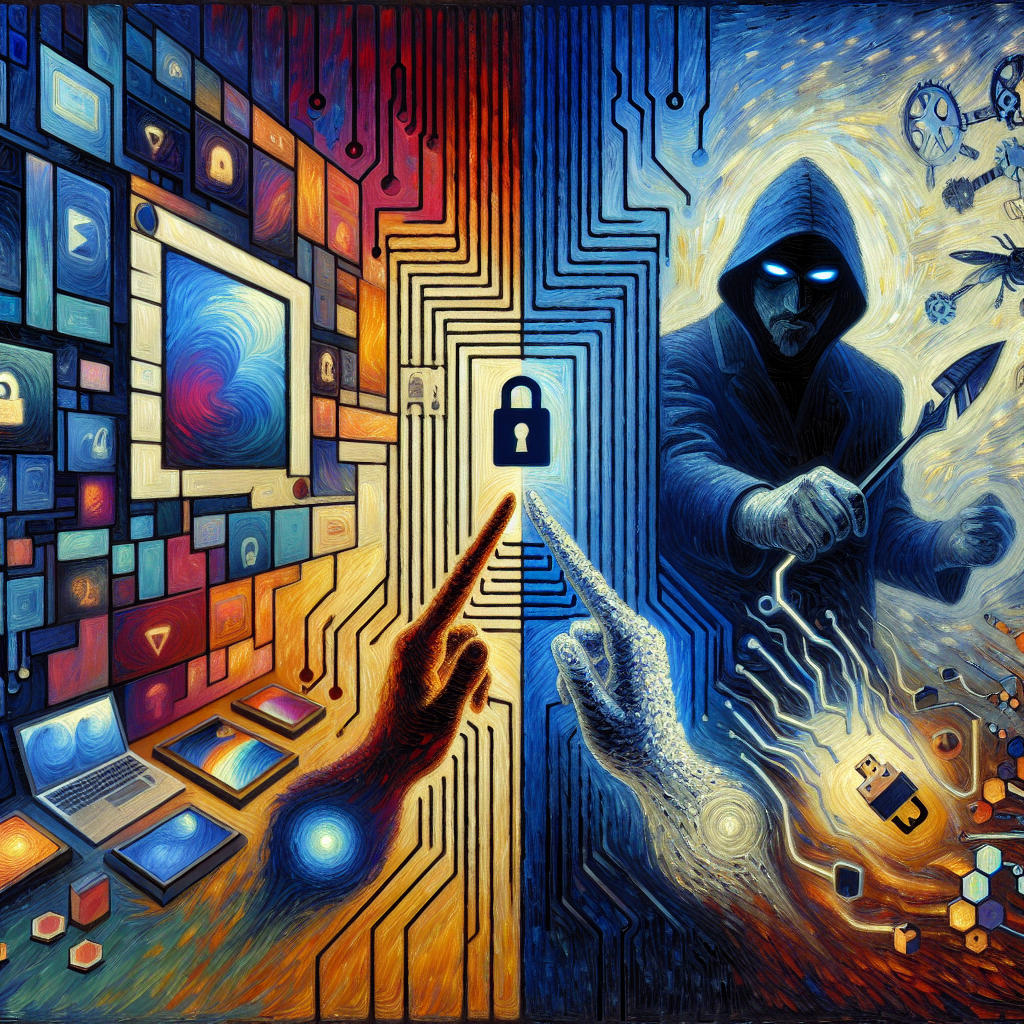
Picture this: It’s a lazy afternoon, and your phone rings with what seems like a friendly voice on the other end. They ask questions that make it sound like they’re genuinely concerned about your wellbeing or offering you the latest deal on a product you’ve been eyeing. You might even feel a little nostalgic, reminded of conversations with neighbors or old friends. It’s easy to let your guard down, but therein lies the rub. What sounds like a casual chat could be a carefully crafted ruse underpinned by the darker side of human nature.
In today’s world, where technology connects us like never before, the reality of cybersecurity looms large. It’s tempting to think that criminals exist only in the shadows, tightly woven into the fabric of crime dramas or old-timey tales. But the truth is that many of them sit in front of a computer, targeting people just like you and me. The scammers have gotten smarter, using social engineering techniques that make them seem even more relatable and trustworthy. They get to know us, our habits, and even the emotional triggers that make us tick.
Let’s be honest: most of us want to believe the best in people. Heck, we open our doors to friends, lend a hand to neighbors, and share stories with strangers, all while fostering community. But in this increasingly connected world, that sense of trust can be the very thing that leads us into a potentially dangerous situation. Scammers thrive on trust—yours, to be exact—and they are skilled at tapping into it.
So what can you do about it? First off, don’t be afraid to question motives. If something seems too good to be true—or if someone on the other end of the line starts asking for personal information, diverting from the initial conversation—it’s time to pause. Trust your instincts. A polite “Thanks, but no thanks” can go a long way. Protecting yourself requires vigilance, but it doesn’t have to be daunting.
Embrace your inner skeptic; it’s a survival skill in this age of digital interactions. Be aware and informed, and don’t let the friendly facade blindsight you. We all crave connection, but remember, the most genuine connections are built on mutual respect, not one-way manipulation. Stay smart and stay safe, because that trusting nature of yours deserves to be honored, not exploited.

Could That Friendly Caller Be a Dangerous Con Artist?
Could That Friendly Caller Be a Dangerous Con Artist?
- Scammers often use friendly voices and relatable conversations to lower your guard.
- Cybersecurity threats are prevalent as criminals target individuals through technology.
- Advanced social engineering techniques make scammers appear trustworthy and relatable.
- People generally want to trust others, fostering a sense of community.
- Trust can lead to dangerous situations when exploited by scammers.
- Question motives and trust your instincts when receiving unsolicited requests for personal information.
- Embrace skepticism as a survival skill and prioritize genuine connections based on mutual respect.

Could That Friendly Caller Be a Dangerous Con Artist?
Table Of Contents
- Could That Friendly Caller Be a Dangerous Con Artist?
- How Can I Verify The Identity Of A Caller?
- What Common Tactics Do Con Artists Use Over The Phone?
- How Should I Respond To Suspicious Calls From Unknown Numbers?
- Are Certain Demographics More Targeted By Phone Con Artists?
- How Can I Protect My Personal Information From Con Artists?
- What Steps Should I Take If I Suspect A Call Is A Scam?
- How Can I Report A Potential Phone Scam?
- Conclusion
- Other Resources
- Glossary Of Terms
- Other Questions
- Haiku
- Poem
- Checklist
How Can I Verify The Identity Of A Caller?
In a world where the phone rings more than a front desk at a hotel, knowing who’s on the other end can feel like navigating a jungle without a map. All too often, we find ourselves embroiled in strange conversations with mysterious voices, leaving us questioning if we should be reaching for the phone or the nearest bat phone to call for backup. But fear not! With a little know-how, you can turn that uncertainty into confidence.
First things first, let’s talk about the importance of cybersecurity. Yes, those pesky hackers can be lurking anywhere, and the last thing you want is to provide your personal information to someone who’s looking to use it against you. So, let’s arm ourselves with a few simple techniques.
When a call comes in, take a deep breath and resist the urge to provide information right away. Instead, start by asking for a name and a callback number. Legitimate callers won’t bat an eye; they’ll understand your desire to ensure you’re not dealing with someone shady, and they’ll likely appreciate your cautiousness.
Next, give it a moment. Sit back and search for the company name online. If they claim to be from your bank, find the official website and look for a contact number. You might be surprised to find an average of only 60% of such calls are legitimate, which means your instincts are your best tools in this cybersecurity game.
Have you ever considered that if the conversation seems a little too fervent or pushy, it might be time to hang up? Trust your gut. If they insist on moving at lightning speed, it’s likely there’s something fishy going on. Real representatives won’t pressure you; they’ll work at your pace because your trust is paramount.
And for those who like a good thrill, think about utilizing call verification apps. These modern wonders can help filter out the fraudsters, giving you peace of mind while you’re busy living your life. Remember, it’s always your right to ask questions and set the pace. A little skepticism can go a long way in those moments.
We’re all just folks trying to make it through the day, aren’t we? Treat each call like a stranger at your door—curiosity is fine, but let’s not invite just anyone in without checking who they are first. Stay safe, stay smart, and don’t forget to put that phone down now and then!

How Can I Verify The Identity Of A Caller?
How Can I Verify The Identity Of A Caller?
- Receiving unexpected calls can be challenging, similar to navigating an unknown terrain.
- Cybersecurity awareness is crucial to protect personal information from potential hackers.
- When receiving a call, ask for the caller’s name and a callback number to verify legitimacy.
- Take time to research the company online and check their official contact information.
- Be cautious of aggressive callers; genuine representatives will not pressure you for immediate information.
- Consider using call verification apps to filter out potential fraudsters.
- Treat each phone call with the same caution as if a stranger were at your door.

How Can I Verify The Identity Of A Caller?
What Common Tactics Do Con Artists Use Over The Phone?
Have you ever picked up the phone and felt that tingle of suspicion crawling up your spine? You’re not alone. The world of telemarketing scams and con artistry is vast, and it thrives on one simple truth: trust is fragile. Whether it’s your kindly neighbor or that automated voice calling about a supposed prize, con artists are masters at manipulating words to exploit vulnerability, and the rise of cyber threats makes it more critical than ever for us to be vigilant.
Let’s start with the classic “urgent action required” tactic. This is where the scammer paints a dire picture, sounding a digital alarm that demands immediate attention. Maybe it’s a threat that your account has been compromised or that you’re about to miss out on an incredible deal. They thrive on a sense of urgency, pushing you toward a snap decision. It’s like a magician’s misdirection; they want to distract you from rational thought, aiming straight for your gut instinct.
Another common tactic? The appeal to authority. Scammers often masquerade as representatives from trusted organizations—think banks, government agencies, or even charitable foundations—using well-rehearsed jargon to lend credibility to their scheme. When they sound authoritative, many of us feel compelled to comply, forgetting that real institutions don’t operate in shady whispers over the phone.
Then there’s the emotional appeal. Con artists know how to weave a story that pulls at your heartstrings, tricking you into empathy for a “sick relative” or a “desperate charity.” By engaging your emotions, they jeopardize your logical thinking, which often leads to poor choices. And in this heightened age of cyber insecurity, a moment of carelessness can cost you dearly.
Now, let’s not forget the old bait-and-switch, where the scammer lures you in with an irresistible offer only to switch the deal mid-conversation. It’s the ol’ bait, hook, and reel that leaves you tangled in a mess of hidden fees or compromised personal information.
Awareness and skepticism are your best defenses. Familiarize yourself with these tactics, trust your instincts, and always verify before you comply. The next time the phone rings, remember that a moment’s pause can separate you from exploitation. We can’t eliminate risk entirely, but we can armor ourselves with knowledge—because knowledge is power, especially in this wild, unpredictable landscape of cybersecurity.

What Common Tactics Do Con Artists Use Over The Phone?
What Common Tactics Do Con Artists Use Over The Phone?
- The telemarketing scam industry thrives on manipulating trust and exploiting vulnerabilities.
- Scammers use the “urgent action required” tactic, creating a sense of immediate danger to provoke quick decisions.
- Many con artists impersonate representatives from authority figures like banks or government agencies to lend credibility to their schemes.
- Emotional appeals are common, with scams targeting feelings of empathy through stories about sick relatives or desperate charities.
- The bait-and-switch tactic lures victims with attractive offers before changing terms during the conversation.
- Awareness and skepticism are crucial in defending against scams; always verify claims before complying.
- Knowledge about these tactics empowers individuals to protect themselves from potential exploitation.

What Common Tactics Do Con Artists Use Over The Phone?
How Should I Respond To Suspicious Calls From Unknown Numbers?
Let’s face it: in a world where your phone plays ping-pong with people you wouldn’t recognize in a crowded room, receiving a call from an unknown number is like finding a banana peel on a well-trodden path—you know something slippery is about to happen. So, how do you handle these unexpected interruptions in your day? With caution and a little savvy, my friend.
First off, let’s talk about that gut feeling we all get when a number pops up that we don’t recognize. Trust it! Our intuition serves as an invaluable tool in the realm of cybersecurity. That little voice inside your head is often trying to protect you from potential scams or phishing attempts. So, before you pick up, take a moment. Assess what you see on the screen. If it looks like a voice from the past or a number that’s been machine-generated, proceed with caution.
If you decide to answer, don’t rush into giving personal information. Take your time to ask questions back. “Who is this?” and “What is this regarding?” are your best friends in this scenario. Scammers thrive on urgency; they want you flustered, questioning your own logic. By standing firm and keeping the upper hand, you’re not just safeguarding your information but also asserting your confidence.
And let’s be real: sometimes the best action is knowing when to hang up. A call that feels off should be treated like a bitter cup of coffee left to cool—you don’t have to swallow it. If something feels fishy, trust me, it probably is. After you hang up, it could be worth a quick search online to see if anyone else has reported similar calls. There’s a whole community out there sharing experiences, unraveling the latest scams, and supporting each other in the quest for security.
Finally, if you’re receiving repeated suspicious calls, don’t hesitate to block those numbers. Your phone is your territory; you have every right to protect that space. Most importantly, don’t let a few pesky calls shake your sense of security. Stay informed, lean on your instincts, and remember that vigilance is your best defense. Educate yourself on the landscape of cyber threats, because knowledge is power, and your peace of mind is worth its weight in gold. Now, onward and upward—answer wisely!

How Should I Respond To Suspicious Calls From Unknown Numbers?
How Should I Respond To Suspicious Calls From Unknown Numbers?
- Receiving calls from unknown numbers can lead to unexpected situations, much like slipping on a banana peel.
- Trust your gut feeling when seeing unfamiliar numbers; it’s an important tool in cybersecurity.
- Before answering, assess the situation; identify if the number seems recognizable or potentially suspicious.
- If you decide to answer, ask questions like “Who is this?” to maintain control and avoid giving out personal information.
- Don’t hesitate to hang up if a call feels suspicious; trust your instincts.
- After a troubling call, consider searching online for similar reports from others to stay informed.
- Block repeat suspicious callers to protect your personal space, and educate yourself on cybersecurity threats.

How Should I Respond To Suspicious Calls From Unknown Numbers?
Are Certain Demographics More Targeted By Phone Con Artists?
Let’s face it—when the phone rings, that little jolt of adrenaline can mean many things. It could be a friendly voice on the other end, or it could be a slick-talking con artist trying to snare you in a web of deceit. Believe it or not, there are certain demographics that phone con artists target with methodical precision. Understanding why this is happening can fortify our collective Cybersecurity efforts.
Think about it: who’s more likely to pick up the phone and engage? Older adults, with their lifetime of experiences yet perhaps less familiarity with the latest scams, often find themselves on the receiving end of these calls. Con artists know this; they prey on the very traits that make our elders wise and lovable—trust, kindness, and a willingness to help. And those same traits can make them more vulnerable. They might not pick up on the subtle cues, the barely concealed hints of deception, that younger generations learned to recognize in peer-to-peer interactions over social media.
Young adults, too, shouldn’t let their guard down. Sure, they may be digitally savvy when it comes to apps or social networks, but that doesn’t always translate to an understanding of the dangers lurking just a dial away. Scammers are smart; they tailor their tactics, disguising themselves as tech support or popular service providers, making their ruse even more convincing. The need for strong Cybersecurity awareness crosses all age boundaries, highlighting a shared responsibility.
So what can we do? First, it’s about education. Talk to those around you—friends, family, neighbors. Share stories or experiences to raise awareness. A simple conversation can shape behavior, steering someone clear of a potential scam. It’s also about trusting instincts and being vigilant. If something feels off, it probably is.
Finally, we can take proactive steps to protect ourselves and our loved ones. Utilize features on your phone that block unknown numbers, enroll in reporting services, or read up on common telephone scams. Strengthening our Cybersecurity doesn’t just boil down to advanced software—sometimes, it starts with a good old-fashioned chat over coffee. So let’s be alert and educated, and turn the tables on those con artists who think they know us better than we know ourselves. After all, knowledge is power, and together, we can cultivate a community that stands tall against deception.

Are Certain Demographics More Targeted By Phone Con Artists?
Are Certain Demographics More Targeted By Phone Con Artists?
- Phone calls can be both friendly and deceptive, creating a sense of urgency or fear.
- Older adults are often targets of phone scams due to their trust and kindness.
- Younger adults, despite being tech-savvy, are also at risk from clever scams disguised as tech support.
- Cybersecurity awareness is essential for all demographics to combat phone scams.
- Education and conversation are key; sharing experiences can help raise awareness about scams.
- Individuals should trust their instincts and remain vigilant when receiving calls that seem suspicious.
- Proactive measures like blocking unknown numbers and reporting scams can enhance personal and community security.

Are Certain Demographics More Targeted By Phone Con Artists?
How Can I Protect My Personal Information From Con Artists?
Let’s face it: in a world buzzing with online connections and personal profiles, protecting your personal information feels a lot like trying to keep a secret in a crowded pub. Everyone’s chatting away, and before you know it, someone has spilled your beans without you even realizing it. But don’t worry, you don’t need to turn into a hermit or install a dozen locks on your digital doors. Instead, let’s arm you with some practical, no-nonsense tools to boost your cybersecurity game and keep the con artists at bay.
First off, think of your personal information as a prized possession. It’s valuable, and con artists are always lurking around, hoping to swipe it from the unsuspecting. Start by regularly reviewing your privacy settings on social media accounts. You wouldn’t leave your front door wide open, would you? So why do it online? Tighten up those settings, and limit who can see your posts. This simple step keeps the unsavory characters at arm’s length.
Next, let’s chat about passwords. Ah, the sacred string of characters that can either keep the wolves out or invite them in. Use strong, unique passwords for each account. It’s tempting to keep things simple and convenient, but a little complexity goes a long way. Imagine using “123456” as your lock—it won’t stop a determined burglar. Consider utilizing a password manager to create and store those robust combinations. They’ll do the heavy lifting, so you don’t have to.
Now, let’s talk about those pesky unsolicited messages. If a stranger knocks on your digital door asking for personal information, trust your instincts—it’s likely a scam. Be skeptical of emails or calls that sound too good to be true. Always verify the source before providing any information. Even if it’s from someone you know, double-check. You’d be surprised how often people fall into traps designed by clever con artists impersonating friends.
Lastly, stay informed. The landscape of cybersecurity is always changing, with new threats emerging like weeds in a garden. Keep yourself educated on the latest scams and fraud tactics. Subscribe to trusted sources that provide insights and updates.
Remember, protecting your personal information doesn’t require a PhD in cybersecurity; it just requires awareness and a proactive approach. Keep your guard up, stay savvy, and take control of your digital life. You’ve got this!

How Can I Protect My Personal Information From Con Artists?
How Can I Protect My Personal Information From Con Artists?
- Protecting personal information online is challenging due to widespread connectivity.
- Regularly review and tighten privacy settings on social media accounts to safeguard your data.
- Use strong, unique passwords for each account to enhance security.
- Consider using a password manager to create and store complex passwords.
- Be skeptical of unsolicited messages asking for personal information; always verify the source.
- Stay informed about the latest cybersecurity threats and scams.
- Awareness and proactive measures are key to maintaining your digital security.

How Can I Protect My Personal Information From Con Artists?
What Steps Should I Take If I Suspect A Call Is A Scam?
So you pick up the phone, and a chipper voice on the other end starts spouting off information that just doesn’t sit right. Maybe they’re claiming to be from the IRS or an old friend looking for help. Whatever the case, your gut is throwing up red flags, and it’s time to trust those instincts. It’s a big, wide world out there with all kinds of characters, and when it comes to cybersecurity, vigilance is your best friend.
First, let’s tackle the immediate reaction. Don’t engage with the caller. Politely hang up. I know, it’s tempting to play detective, but scammers are like grease — they just slip right out of your grasp. The longer you stay on the line, the more you give them to work with. Trust me on this one; you’re not playing James Bond here. Safeguard your personal information like it’s a family heirloom.
Next, do your homework. Check the phone number. Many scammers use spoofed numbers, imitating legitimate organizations to gain your trust. Search online for the number and see what pops up. This is the age of information, and if others have experienced a similar situation, their voices will likely echo through a myriad of websites – so you won’t feel alone in this.
Then, consider reporting the call. Believe it or not, these scammers count on you to keep quiet. Contact your local consumer protection agency or the Federal Trade Commission. Reporting the call can protect not just you, but countless others who might fall into the same trap. Your voice might be the one that alerts someone to a much bigger issue.
Lastly, educate yourself and your loved ones about the basics of cybersecurity. It’s easy to fall into a trap when you’re not armed with the right information. Look into resources from reputable organizations; weaving together knowledge about common scams and the tactics used by fraudsters can create an impenetrable barrier between your personal info and their prying hands.
So, if you find yourself in a scenario that feels fishy, don’t just sit there—take action. Remember, staying one step ahead of scammers isn’t just about protecting your personal information; it’s about trusting yourself and taking control of your digital world. And believe me, that’s a confidence worth having!

What Steps Should I Take If I Suspect A Call Is A Scam?
What Steps Should I Take If I Suspect A Call Is A Scam?
- Trust your instincts if a caller seems suspicious, regardless of their claims.
- Do not engage with the caller; it’s best to politely hang up.
- Check the legitimacy of the phone number, as scammers often use spoofed numbers.
- Consider reporting the call to consumer protection agencies or the Federal Trade Commission.
- Your report can help protect others from falling victim to the same scam.
- Educate yourself and others about common scams and cybersecurity basics.
- Taking action against suspicious calls is crucial for protecting your personal information.

What Steps Should I Take If I Suspect A Call Is A Scam?
How Can I Report A Potential Phone Scam?
Well, folks, let’s face it—getting a mysterious phone call can feel a bit like taking a ride on a rickety roller coaster. Your heart races, a lump forms in your throat, and you might even find yourself gripping the phone like it’s the last life preserver on a sinking ship. But here’s the good news: you don’t have to weather this storm alone. When it comes to potential phone scams, reporting them is not just an option; it’s a responsibility we all share in our quest to safeguard our communities and bolster cybersecurity.
So, how do you tackle this beast? First off, take a deep breath. If that call sounds fishier than your uncle’s old bait bucket, you’re not alone. A far too common scenario is being targeted by scams that prey on fear, urgency, and sometimes even that little voice in your head that says, “What if?” The first step is to gather as much information as you can. Write down the caller’s number, any names they used, and the gist of the conversation. This info becomes crucial for those who will follow up, helping them put the pieces of the puzzle together.
Next, it’s time to go on the offensive. Pick up that phone and report it to the proper authorities. In the U.S., you can contact the Federal Trade Commission (FTC), your local consumer protection agency, or even your state attorney general’s office. Websites like ReportFraud.ftc.gov make it quick and easy to file a report, even while you’re still shaking off the unease. If you’re outside the U.S., check your country’s consumer protection organizations. Trust me, they want your input to help thwart these scoundrels.
Don’t forget to notify your phone provider. Many carriers have dedicated teams that deal with scam calls and can help block unwanted numbers or provide guidance on what to do next. Additionally, reporting these incidents helps build a database that can debunk bad actors before they have a chance to strike again.
Remember, folks, reporting a potential phone scam isn’t just about the individual call; it’s about creating a safety net for all of us. Your action can inspire others to step forward too, and together, we can create a formidable line of defense against those aiming to wreak havoc in our lives. So, let’s roll up our sleeves and get to work—because a safer world begins with you.

How Can I Report A Potential Phone Scam?
How Can I Report A Potential Phone Scam?
- Mysterious phone calls can induce anxiety and fear.
- Reporting potential phone scams is a shared responsibility to enhance community safety.
- Gather important information: caller’s number, names used, and conversation details.
- Report the scam to appropriate authorities, such as the FTC or local agencies in the U.S.
- Notify your phone provider for assistance in blocking unwanted numbers.
- Reporting scams helps create a database to identify and combat fraudulent activity.
- Your actions can inspire others to report scams, contributing to collective security.

How Can I Report A Potential Phone Scam?
Conclusion
Conclusion: Navigating the Phone Scams Jungle with Common Sense and Confidence
Now, let me take a moment to rap with you about the friendly voice that could be lurking behind that seemingly innocuous phone call. It’s easy to fall for a charming tone when it’s reaching out into our busy lives—offering help, deals, and a sense of community. But here’s the kicker: this friendly facade can often be a guise for deceit. As we meander through our digitally saturated world, it’s crucial to recognize that not everyone has our best interests at heart, and not every call is just a chat with a neighbor.
Let’s face it: scammers have honed their craft, deploying social engineering tactics that can readily exploit our innate trust in others. Your natural inclination to be friendly can serve them up an invite to your personal information, making your vulnerabilities a direct pathway to their gains. Remember, when it sounds like a deal that’s “too good to be true,” it probably is. So, stay sharp!
Be that inner skeptic that we all need to cultivate in this digital landscape. If a caller asks for your personal info, a little hesitation goes a long way. Ask questions, verify claims, and don’t hesitate to drop a polite decline. Your personal info is like a prized possession; it deserves guarding.
And let’s be clear—we’re living in a vibrant age where knowledge is your best defense. Educate yourself about common scams and their tactics. Connect with neighbors and friends about their own experiences and lessons learned. It’s shared wisdom that creates a safety net in our community, fortifying us against these wants-to-be smooth talkers.
When in doubt, trust your gut. If something feels off, hang up and walk away from it; it does not matter how persuasive the pitch is. Your peace of mind holds immeasurable value in this world, so be proactive. Report suspicious calls, block unrecognized numbers, and always double-check.
At the end of the day, it’s about taking control over your own world. Don’t let those charming voices sweep you away; keep your feet firmly planted. With a little awareness and instinct, you can let curiosity lead you to knowledge, and that’s a powerful tool against deception. Remember: staying informed keeps you safe, and your trusting nature deserves protection, not exploitation. So when the phone rings, approach it with healthy skepticism, and let’s keep the scammers at bay together!

Conclusion
Conclusion:
- Beware of friendly-sounding phone calls as they may conceal deceitful intentions.
- Scammers exploit our trust using social engineering tactics.
- If a deal seems too good to be true, it’s likely a scam.
- Cultivate skepticism and hesitate before sharing personal information.
- Educate yourself on common scams and share experiences with others.
- Trust your instincts; hang up if something feels off.
- Stay proactive by reporting suspicious calls and blocking unknown numbers.

Conclusion
Other Resources

Other Resources
Here is a list of other resources you can review online to learn more:
- Rapid7
- KAMIND IT
- Foresite MSP Inc.
- IT Weapons
- IntelliSecure Inc.
- ACE IT Solutions
- Root9b
- Telegram
- SKOUT Cybersecurity
Use This Prompt To Get More Resources With Your Favorite Online AI Tool: Please provide me with a list of online articles with their URLs in a bulleted list that I can read regarding Could That Friendly Caller Be a Dangerous Con Artist?

Other Resources
Glossary Terms
Could That Friendly Caller Be a Dangerous Con Artist? – Glossary Of Terms
1. Con Artist: A person who deceives others for personal gain, often through manipulation or fraud.
2. Scam: A deceptive scheme or trick designed to con individuals out of money or personal information.
3. Phishing: A technique used by fraudsters to obtain sensitive information (e. g. , passwords, credit card numbers) by pretending to be a trustworthy entity.
4. Caller ID Spoofing: The act of manipulating the phone number displayed on the caller ID to make it appear as though the call is coming from a legitimate source.
5. Identity Theft: The unauthorized use of someone else’s personal information to impersonate them, usually for financial benefit.
6. Bait and Switch: A deceptive marketing tactic where a seller advertises a product at a low price but then pressures the buyer to purchase a more expensive item.
7. Emergency Scam: A type of scam where the con artist pretends to be in urgent trouble to elicit sympathy and financial aid from the victim.
8. Pretexting: A method of gaining information by creating a fabricated scenario to obtain personal data from the victim.
9. Social Engineering: The psychological manipulation of people to perform actions or divulge confidential information.
10. Robocall: An automated telephone call that delivers a pre-recorded message, often used in scams or telemarketing.
11. Threat Assessment: The evaluation of risk that a caller poses to the victim based on their behavior and claims.
12. Verification: The process of checking the authenticity of a caller’s claims and identity through independent means.
13. Jamming: Intentionally disrupting communications, often used in scams to isolate the victim from seeking help.
14. Ponzi Scheme: A fraudulent investment scam where returns are paid to earlier investors using the capital from newer investors.
15. Spear Phishing: A targeted attempt to steal sensitive information from a specific individual, often using personalized messages.
16. Scare Tactics: Coercive strategies employed by con artists to intimidate victims into complying with their demands.
17. False Authority: A tactic where the con artist claims to have authority or credentials to instill trust and manipulate the victim.
18. Red Flags: Warning signs or indicators that suggest a situation may be fraudulent or suspicious.
19. Cold Call: An unsolicited telephone call made to a potential customer, often used in scams.
20. Financial Exploitation: The illegal or improper use of a person’s funds or property by someone in a position of trust.
21. Rescue Scam: A scam where the caller pretends someone close to the victim is in danger and needs money urgently.
22. Zero-Day Attack: A sophisticated technique where hackers exploit a previously unknown vulnerability to perpetrate fraud.
23. Do Not Disturb: A setting or regulation designed to limit unwanted or unsolicited calls, thus protecting against scams.
24. Scripted Calls: Pre-written dialogues used by scammers to manipulate victims effectively and guide them through the scam process.
25. No Caller Refund: A warning or alert indicating that a refund promised by a scammer is not legitimate.
26. Victim Advocacy: Support and resources provided to individuals who have been targeted by con artists, helping them recover and protect themselves.
27. Fraudulent Claim: A deceitful assertion made by a caller to trick the victim into providing money or personal information.
28. Privacy Policy: A statement that outlines how an entity gathers, handles, and protects personal information, significant for assessing the legitimacy of a caller.
29. Cybersecurity Awareness: Knowledge and practices that help individuals recognize and protect against online and telephonic fraud.
30. Reporting Mechanism: A process or hotline set up for victims of scams to report fraudulent activity and seek assistance.
These terms and descriptions can help individuals understand and navigate the risks associated with potential con artists, especially in telephone interactions.

Glossary Of Terms
Other Questions
Could That Friendly Caller Be a Dangerous Con Artist? – Other Questions
If you wish to explore and discover more, consider looking for answers to these questions:
- What are some signs that a caller might be a con artist?
- How do con artists find their victims?
- What should I do if I’ve already shared personal information with a suspicious caller?
- Are there specific times of year when scam calls increase?
- What are some reliable call-blocking apps or services?
- How do I know if a company calling me is legitimate?
- What are the legal ramifications for those caught scamming others over the phone?
- Can I stop unsolicited calls entirely?
- What are the best practices for discussing personal information over the phone?
- How can I educate my family members about phone scams?

Other Questions
Haiku
Could That Friendly Caller Be a Dangerous Con Artist? – A Haiku
Friendly voice on line,
Trust is fragile, hear the call—
Guard your heart and mind.

Haiku
Poem
Could That Friendly Caller Be a Dangerous Con Artist? – A Poem
A Call of Caution
In the stillness of an afternoon bright,
A call comes in, a voice so polite.
“Just a friendly chat,” the tones sway and dance,
Yet lurking beneath, could be a sly glance.
With charm like honey, they expertly weave,
A tale of urgency, entreat you to believe.
They study our habits, our hopes, and our fears,
Manipulating trust, igniting our tears.
Beware, dear friend, for smiles can deceive,
What seems genuine may lead to bereave.
“Too good to be true,” your instinct will shout,
So pause for a moment before you jump out.
When faced with the unknown, keep caution close by,
Ask for names and numbers, don’t let them slip by.
A rush to comply is what they depend on,
Stay firm and steady—their game will be gone.
Old folks and young ones, all target alike,
Con artists are savvy, they know how to strike.
So gather your wisdom, impart and inform,
For together we build a more robust form.
If suspicion arises, gently hang up,
Don’t engage in their schemes, don’t drink from their cup.
Report what you’ve faced, share knowledge with pride,
In numbers we flourish, our strength bonafide.
So next when the phone rings, don’t let your guard fall,
A friendly facade could mask a great call.
Stay smart, stay alert, let trust guide your way,
In this world of connections, let caution hold sway.
Poem
Checklist
Could That Friendly Caller Be a Dangerous Con Artist? – A Checklist
Checklist: Safeguarding Yourself from Phone Scams & Con Artists
Use this checklist to ensure that you’re prepared to recognize and respond to potential scams when dealing with unknown callers or suspicious calls.
Before Picking Up the Call
_____ Trust Your Instincts: If you get a bad feeling about a number, proceed with caution.
_____ Check Caller ID: Look for unknown numbers or numbers you don’t recognize.
During the Call
_____ Ask for Identification: Request the caller’s name and a callback number.
_____ Don’t Share Personal Information: Avoid giving out any personal info immediately.
_____ Stay Calm: Take your time and don’t let pressure tactics rush you into a decision.
_____ Verify Claims: If they claim to be from a company, hang up and check the official website for contact numbers.
Identifying Scam Tactics
_____ Look for Red Flags: Be wary of urgent language like “immediate action required. ”
_____ Watch for Authority Appeals: Don’t automatically comply with anyone claiming to be from a trusted organization.
_____ Be Cautious of Emotional Appeals: Don’t let a sob story cloud your judgment.
_____ Avoid Bait-and-Switch Offers: Stay alert if an offer changes mid-conversation.
If You Suspect a Scam
_____ Hang Up: If something feels off, it’s best to end the call.
_____ Research the Number: Look up the phone number online to see if others have reported similar calls.
_____ Report the Call: Contact your local consumer protection agency or the Federal Trade Commission (FTC) to report the incident.
_____ Educate Others: Share your experience with family and friends to raise awareness.
After the Call
_____ Block the Number: If it’s a recurring issue, use your phone’s blocking feature.
_____ Monitor Financial Statements: Regularly check your bank and credit card statements for unfamiliar transactions.
_____ Stay Informed: Keep abreast of common scams and new tactics used by con artists.
General Cybersecurity Practices
_____ Review Privacy Settings on Social Media: Limit who can view your personal information.
_____ Use Strong Passwords: Create unique passwords for different accounts and consider using a password manager.
_____ Be Skeptical of Unsolicited Messages: Verify the source before responding to strange texts or emails.
Final Notes
_____ Engage in Conversations About Scams: Discuss with your community to build collective awareness and security.
_____ Continuous Education: Subscribe to updates from trusted sources about cybersecurity and common scams.
By following this checklist, you can enhance your awareness and safeguard your personal information against potential phone scams and con artists. Stay vigilant and protect yourself!

Checklist
At BestCyberSecurityNews, we help teach entrepreneurs and solopreneurs the basics of cybersecurity and its impact on their businesses by using simple concepts to explain difficult challenges.
Please read and share any of the articles you find here on BestCyberSecurityNews with your friends, family, and business associates.