


Protecting Your Data In The Quantum Era
By Tom Seest
At BestCyberSecurityNews, we help teach entrepreneurs and solopreneurs the basics of cybersecurity and its impact on their businesses by using simple concepts to explain difficult challenges.
Please read and share any of the articles you find here on BestCyberSecurityNews with your friends, family, and business associates.
The Coming Quantum Threat – Why Your Encryption May Expire Overnight
Imagine a world where the keys to your private life, your dreams, and your identity evaporate overnight, not due to negligence or human error, but because of an invisible force – the rising tide of quantum computing. We’ve built our digital homes with layers of encryption, convinced we’re safe behind fortified walls of cybersecurity. But here’s the cold, hard truth: those walls could crumble under the relentless advance of this technological miracle.
Let’s break this down. Encryption is our armor, safeguarding everything from intimate emails to monumental financial transactions. It’s what stands between your digital life and those who would exploit it. Yet, like a sandcastle at high tide, this armor is impermanent. Quantum computers have the potential to decode traditional encryption methods in the blink of an eye. What does that mean for the everyday person? It means you could wake up one morning, just like any other day, only to find that your private information has been transformed into a public spectacle.
Now, I know what some of you might be thinking – “This is some distant threat, right? Something for tech geniuses and cybersecurity professionals to worry about?” Not at all. This is personal and it affects all of us. The implications stretch far beyond high-profile breaches; they touch the lives of ordinary individuals like you and me. It’s not just about identity theft; it’s about trust. We trust our banks, our healthcare providers, our very relationships to keep our information secure. Quantum threats undermine that trust, throwing our moral fabric into disarray.
But here’s the good news: awareness is the first step. We can fortify our digital lives with next-generation encryption that quantum computers can’t crack. It’s about empowerment, taking action, and demanding progress from our leaders in cybersecurity. In a world where innovation races ahead, we have the opportunity to lead a movement of change.
Imagine rallying together—not just tech enthusiasts, but everyone. Your voice matters. By engaging in conversations about cybersecurity, emphasizing the ethical responsibility of technology providers, and advocating for stronger protections, we can foster a community ready to face this new challenge. A united front not only builds trust but inspires confidence. We have the chance to redefine security, not just for ourselves but for generations to come. Let’s take that chance.

The Coming Quantum Threat – Why Your Encryption May Expire Overnight
The Coming Quantum Threat – Why Your Encryption May Expire Overnight
- Quantum computing poses an existential threat to personal privacy and security.
- Traditional encryption methods may become obsolete as quantum computers can decode them rapidly.
- This danger affects everyone—not just tech professionals—but ordinary individuals in their daily lives.
- The erosion of trust in institutions like banks and healthcare due to quantum threats has serious implications.
- Awareness is crucial; understanding the issue is the first step toward protecting our digital lives.
- Advancing to next-generation encryption can help safeguard against quantum computing risks.
- Collective action and advocacy for stronger cybersecurity measures can redefine security for future generations.

The Coming Quantum Threat – Why Your Encryption May Expire Overnight
Table Of Contents
- The Coming Quantum Threat – Why Your Encryption May Expire Overnight
- What If Your Data Could Be Decrypted In Seconds?
- Are You Prepared for a Quantum World?
- How Secure Is Your Personal Information Today?
- Would You Risk Your Privacy for Convenience?
- Can You Trust Current Encryption Methods to Protect You?
- How Would a Quantum Breach Affect Your Life?
- What Ethical Implications Arise From Quantum Hacking?
- Conclusion
- Other Resources
- Glossary Of Terms
- Other Questions
- Haiku
- Poem
- Checklist
What If Your Data Could Be Decrypted In Seconds?
Imagine a world where, in the blink of an eye, your precious data—a lifetime of memories, hard-earned work, and vital information—could be decrypted in seconds. Picture this: you sit down at your computer, ready to tackle the day, and there it is—a cryptic message on your screen, a virtual weight pressing down on your chest. The ransom note demanding payment to regain access to your files. The threat isn’t just about money; it challenges your very sense of security and peace of mind.
Cybersecurity isn’t just a tech buzzword; it’s the shield that stands between you and chaos. As we navigate this digital landscape, we rely on it more than ever. That photo of your child’s first steps? The proposal that secured your job? The memories of loved ones we thought were untouchable? In an instant, they could vanish like a mirage.
Let’s think rationally for a moment: the average cost of a data breach continues to rise, reaching staggering sums that not only cripple businesses but can devastate families too. For every statistic we throw around, it’s more than just numbers on a page; it’s lives affected, futures at risk. The question we need to ask ourselves is simple yet profound: what lengths would we go to protect what we cherish most?
From a moral standpoint, we need to ask ourselves: How do we feel when we hear about someone losing everything due to a cyber attack? We feel the strike on our gut—because that could be any one of us. It drives home the truth that we’re all connected in this digital realm. Protecting our data is not merely an individual concern; it’s a societal issue.
So, what can we do? We can take action. We can invest in cybersecurity measures that not only safeguard our information but also fortify the community around us. Consider stepping up, supporting local initiatives, or even sharing knowledge on best practices. The more we educate ourselves and others, the stronger we become, transforming fear into resilience.
Trust your instincts. Be proactive. By acknowledging the reality of the digital age, we can ensure that our data remains ours, protected, and safe. Don’t wait until the unthinkable threatens your peace; act now, because the seconds you save could define the future you envision.

What If Your Data Could Be Decrypted In Seconds?
What If Your Data Could Be Decrypted In Seconds?
- Cyber threats can rapidly compromise precious data, leading to potential loss of memories and vital information.
- Ransom notes and cyber attacks create overwhelming stress, challenging personal security and peace of mind.
- The rising average cost of data breaches poses a significant risk to both businesses and families.
- Data breaches affect lives and futures; protecting cherished information is a profound responsibility.
- Loss due to cyber attacks resonates deeply with us, highlighting our shared vulnerability in the digital world.
- Taking proactive steps in cybersecurity, such as supporting local initiatives and educating others, strengthens community resilience.
- Acting now to protect data can prevent future threats and ensure our information remains secure.

What If Your Data Could Be Decrypted In Seconds?
Are You Prepared for a Quantum World?
Imagine a world where the smallest particles of matter interact in ways that once seemed like magic; where computers can crack complex codes and solve problems that would take conventional machines thousands of years. Welcome to the quantum realm—a place that promises boundless innovation but also presents daunting challenges, particularly in the realm of cybersecurity. Are we truly prepared for this quantum world?
Let’s take a moment to connect. Picture your daily life—your favorite online experiences, those moments when you confidently make purchases or communicate sensitive information. It’s easy to forget how much we rely on the security of our digital interactions. With quantum computing emerging on the horizon, however, this very fabric of trust could be at stake. Quantum algorithms have the potential to render conventional encryption methods obsolete, putting everything from bank details to private messages at risk. It’s a sobering thought that should make us all sit up and take notice.
From a rational standpoint, understanding the implications of quantum advancements is crucial. The ethical responsibility of safeguarding our digital lives falls not only on tech giants and cybersecurity experts but on each of us as informed citizens. We must advocate for transparent practices that protect our data in this shifting landscape. Let’s encourage discussions about cybersecurity measures that can be woven into the fabric of our everyday digital experiences.
Stories also connect us. Think of the small businesses that rely on consumer trust, the families who share personal information online, or the healthcare providers managing sensitive records. Each of these entities stands to be profoundly affected as they navigate the complexities of a quantum future. The more we share these stories and engage our communities in discussions about cybersecurity, the more prepared we become, both individually and collectively.
As we move closer to embracing this unmistakably complex quantum world, let’s remember that preparing for it isn’t just about advanced technology or scientific prowess. It’s about fostering a culture of vigilance, resilience, and ethical consideration. We stand at a crossroads, with the power to influence how we adopt new technologies—ensuring they empower us without jeopardizing our security. Together, we can shape a future that balances innovation with integrity, enlightening us all as we step into the unknown. The question is: Are you ready to take part in this journey?

Are You Prepared for a Quantum World?
Are You Prepared for a Quantum World?
- Quantum realm offers innovative possibilities and poses cybersecurity challenges.
- Emergence of quantum computing threatens conventional encryption, risking sensitive digital interactions.
- Understanding quantum advancements is essential for safeguarding digital lives.
- Every individual shares the ethical responsibility to advocate for data protection practices.
- Small businesses, families, and healthcare providers are particularly vulnerable to quantum-related risks.
- Engaging in community discussions about cybersecurity fosters preparedness for the quantum future.
- Balancing technological advancement with ethical considerations promotes security and integrity.

Are You Prepared for a Quantum World?
How Secure Is Your Personal Information Today?
When you wake up each morning, you likely don’t think about how secure your personal information is—yet there’s an entire reality lurking in the shadows of your digital life. Cybersecurity isn’t just a buzzword; it’s a battleground fought daily by unsung heroes—IT professionals who work tirelessly to shield your private data from prying eyes. They’re our frontline defenders in a world where threats are as common as coffee breaks. If you could peek behind the curtain, you’d see a relentless dance between those who protect and those who exploit.
You check your email, scroll through social media, and make purchases—all routine actions that weave your digital identity. But consider this: every click you make is an opportunity for malicious actors looking to steal your identity or siphon away your savings. When was the last time you paused to think about the delicate threads holding your financial and personal information together? It can be jarring to realize that in a moment’s notice, your life can be turned upside down by a cybercriminal operating from thousands of miles away.
It’s not just the Statistics—though they are eye-opening—suggesting that millions fall victim to identity theft every year. It’s the stories behind those numbers that should resonate with you. Remember the friend who had their checking account drained overnight? Or the family member who spent weeks trying to rectify a fraudulent tax return? These are not just cautionary tales; they are reminders that cybersecurity isn’t merely a technical concern—it’s deeply personal.
So, what can you do? First, empower yourself with knowledge. Learn about the best practices for protecting your data—strong passwords, enabling two-factor authentication, and regularly monitoring your accounts. There’s an ethical dimension to safeguarding your information. By being proactive, you’re not just protecting yourself but contributing to a culture of vigilance that uplifts everyone.
Imagine a day when more people are equipped to combat these threats. It’s a powerful image, and it’s within reach. Together, we can cultivate an environment where personal data is treated with the respect and security it deserves. Your information shouldn’t just be data; it should be held sacred, a reflection of your identity and hard work. Take action today, because when it comes to cybersecurity, you can’t afford to sit on the sidelines.

How Secure Is Your Personal Information Today?
How Secure Is Your Personal Information Today?
- Cybersecurity is a crucial and ongoing battle, primarily fought by IT professionals who protect private data.
- Every online action, such as checking email or making purchases, presents opportunities for cybercriminals to exploit.
- Cyber threats can drastically impact your life, possibly leading to identity theft or financial loss.
- Statistics show millions are victims of identity theft each year, but personal stories highlight the emotional toll of these crimes.
- Taking proactive steps, such as using strong passwords and enabling two-factor authentication, is essential for personal data protection.
- Being informed fosters a culture of vigilance, benefiting not just the individual but the community as a whole.
- Everyone can contribute to cybersecurity by treating personal data with respect and advocating for greater awareness and protection.

How Secure Is Your Personal Information Today?
Would You Risk Your Privacy for Convenience?
In this age of smartphones, smart homes, and the relentless march of technology, the question isn’t just whether we can simplify our lives – it’s whether we should. We’re all busy, juggling work, family, and a million responsibilities. Who wouldn’t want a little convenience? But let’s pause for a moment and consider the trade-offs.
Imagine standing at a crossroads, where on one side lies the path of immediate ease: a smart thermostat that learns your habits, a voice-activated assistant that can turn on the lights with a simple command. On the other side? A winding road marked by vigilance and occasional inconvenience, a road that prioritizes your digital privacy and security. Now, if that smart device puts your home on the internet, what are you really inviting into your life?
When we swap our privacy for convenience, we’re not merely exchanging data; we’re inviting strangers into our most personal spaces. Each time our data gets exchanged – a credit card number here, a home address there – we’re playing a game of chance. Cybersecurity isn’t just a buzzword; it’s the fortress we build around ourselves in a world that can feel increasingly unwelcoming.
You see, the gut reaction might scream “yes” when we’re staring down the barrel of a time-saving gadget, but our heads and hearts know the risks. It’s the classic tussle of wanting to be connected versus protecting our sanctuaries. Consider this: at what point do we draw the line? At what moment do we decide that convenience isn’t worth the potential fallout?
Ethically, we must think beyond ourselves. It’s not just about our privacy; it’s about the collective trust we place in technology and those who design it. Are we content to let corporations hold the reins to our information? Or do we opt for a choice that empowers us, encouraging manufacturers and service providers to prioritize our safety?
As a community, let’s start conversing about what we really value. Choosing to keep your data close to the chest isn’t just self-preservation; it’s a statement that we care about our neighbors too. So next time you’re pressed to trade a little privacy for a lot of convenience, take a moment. Breathe. Your future self might just thank you for it.

Would You Risk Your Privacy for Convenience?
Would You Risk Your Privacy for Convenience?
- The impact of technology on simplifying lives raises questions about necessity and ethical implications.
- Convenience offered by smart devices comes with potential trade-offs for digital privacy and security.
- Using smart devices may invite risks, as personal data is exchanged and privacy can be compromised.
- Cybersecurity serves as a protective measure in an era where personal information is vulnerable.
- It’s essential to balance the desire for connectivity with the need to safeguard personal spaces.
- We must consider the ethical responsibility of technology designers regarding user privacy and safety.
- Choosing to prioritize privacy benefits not only the individual but also fosters community trust and safety.

Would You Risk Your Privacy for Convenience?
Can You Trust Current Encryption Methods to Protect You?
In a world where our lives are intertwined with technology, the question emerges: can you trust current encryption methods to protect you? It’s a question that cuts deeper than code; it cuts to the very heart of our everyday existence. You might be thinking about your personal information, financial data, or even those cherished family photos. Now, let’s put this into perspective. Every day, we hand over vital pieces of ourselves to the digital realm, often without a second thought. This is where the heart of cybersecurity comes in—a promise of safety wrapped around our most private moments.
But can we rely on these encryption methods to uphold that promise? You see, the data we entrust to these systems carries immense weight. Just like a parent who safeguards their child in a crowded park, encryption serves as a guardian of our digital identities. Yet, it’s essential to recognize that the landscape of technology is always shifting. A method deemed impenetrable today may falter in the hands of sophisticated hackers tomorrow. This reality urges us to think critically, to engage our heads along with our hearts.
Ethically, the companies behind these encryption methods hold a responsibility—a covenant with each user—that their data is shielded with integrity. It’s a trust that must not only be earned but also continuously upheld. Think about the trusted brands you rely on. When they fail to meet security standards, it shakes your confidence, doesn’t it? This brings us to the narrative of data breaches and insecurity, stories that have become too common in our newsfeeds, painting a troubling picture that often feels all too familiar.
Now, imagine sharing our experiences—talking around the dinner table about how encryption failures impacted real lives. This dialog weaves a social fabric that connects us, building a community where we seek better solutions together. It’s in these conversations that trust can be forged, a collective resilience built against threats.
To arm yourself in this digital age, seek knowledge and demand transparency. Request more from the companies you entrust with your data. When we unite—each voice raising awareness—we empower ourselves to advocate for robust cybersecurity practices. So, safeguard your digital life, not just for yourself, but for everyone sharing the interwoven tapestry of the Internet. Together, we can revolutionize the ways we trust encryption, nurturing a culture of security that resonates with integrity and vigilance.

Can You Trust Current Encryption Methods to Protect You?
Can You Trust Current Encryption Methods to Protect You?
- Trust in encryption methods is crucial in today’s technology-driven world, particularly for personal information and financial data.
- Everyday, individuals share vital personal data with digital platforms, raising concerns about cybersecurity.
- Encryption serves as a guardian of digital identities, akin to a parent’s protection of a child.
- The constantly evolving technology landscape poses risks, as secure methods today may not protect against sophisticated hackers tomorrow.
- Companies responsible for encryption must uphold trust and integrity in their security practices to maintain user confidence.
- Dialogues around encryption failures and data breaches can help build community resilience and highlight the need for better security solutions.
- Empowering oneself through knowledge and demanding transparency from companies can lead to stronger cybersecurity practices for all.

Can You Trust Current Encryption Methods to Protect You?
How Would a Quantum Breach Affect Your Life?
Imagine waking up one morning to find your bank account drained, your personal information splashed across the internet, and your identity mysteriously altered. This isn’t a scene from a sci-fi thriller; this is the potential reality we face in an increasingly quantum world. The rise of quantum computing brings with it the capability to crack the very codes that safeguard our online lives, raising urgent questions about cybersecurity and the safety of what we hold dear.
Think about it. We live in an age where so much of our lives is digitized—banking, healthcare, relationships, even our memories, stored in the clouds. This convenience comes at a price. The threat of a quantum breach looms like a dark cloud over our digital existence. It’s not just about numbers on an account statement; it’s about our peace of mind, our ability to trust others, and the social fabric that binds us. The emotional toll of identity theft or financial ruin can ripple through our lives in ways we can’t fully grasp until it happens to us or someone we care about.
From a rational perspective, the implications are staggering. Cybersecurity—once a concern for tech geeks and corporate giants—is now a collective responsibility. Everyone, including you and me, must be vigilant. The ethical dimensions are also significant. As advancements make technology more powerful, we must ask ourselves: How do we balance innovation with protection? Who is accountable when things go wrong? These questions matter because they influence how we design our networks and interact with our digital environments.
What’s it going to take for us to stand up and demand better? Maybe it’s time we engage with the experts, seek out solutions, and push for regulations that ensure our data is secured against quantum threats. Socially, we need to rally around cybersecurity as a community. Sharing knowledge, supporting local initiatives, and promoting awareness can strengthen our defenses and foster a sense of solidarity.
Ultimately, a quantum breach isn’t just a tech issue; it’s a human issue. It’s about protecting our families, our identities, our very way of life. Let’s recognize our power as individuals in this interconnected world. We can pave the way for safer digital spaces. Together, we can take action—because if we don’t, who will? Trust in yourself, stand united, and let’s navigate this quantum age with both caution and courage.

How Would a Quantum Breach Affect Your Life?
How Would a Quantum Breach Affect Your Life?
- The rise of quantum computing threatens the security of our online lives by potentially breaking existing encryption codes.
- Aspects of our lives such as banking, healthcare, and personal relationships are increasingly digitized, enhancing convenience but also vulnerability.
- The emotional and social impacts of a quantum breach can have profound consequences on individuals and communities.
- Cybersecurity is now a collective responsibility, requiring vigilance from everyone, not just tech experts or corporations.
- Ethical questions arise around balancing technological innovation with the necessity of protection and accountability.
- Communities should come together to promote cybersecurity awareness, support local initiatives, and share knowledge to strengthen defenses.
- A quantum breach is fundamentally a human issue, emphasizing the need for collective action to ensure safe digital environments.

How Would a Quantum Breach Affect Your Life?
What Ethical Implications Arise From Quantum Hacking?
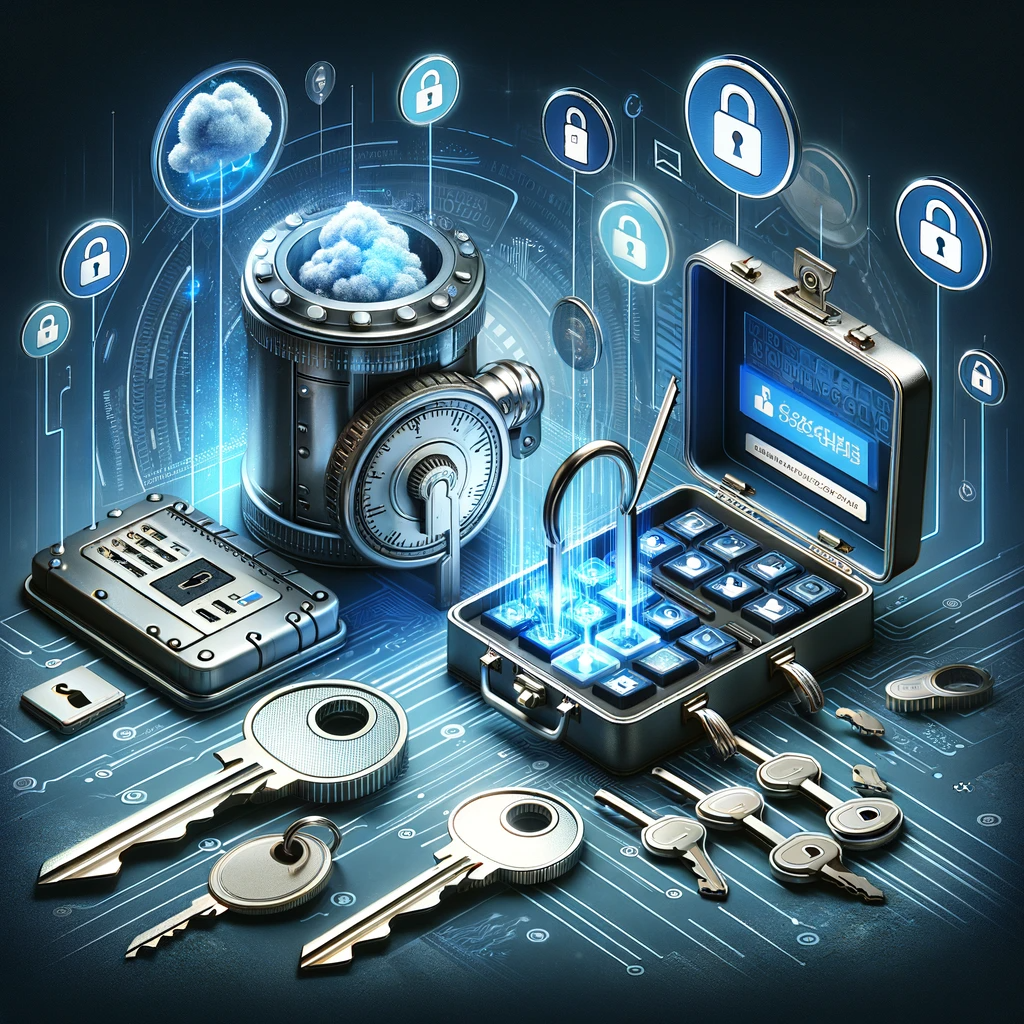
We stand at the brink of a revolution that could redefine our understanding of security and trust. As quantum computing lurks like a double-edged sword, slicing through our traditional notions of cybersecurity, we’re forced to face the weighty ethical implications that hang in the air. The promise of unbreakable encryption coexists with the looming threat of quantum hacking, challenging us to rethink what it means to protect our personal, financial, and societal information.
Imagine a world where sensitive data is no longer safe, where the very foundations of our digital lives can be undermined by the flick of a switch, or rather, the pop of a qubit. The heart aches at the thought of identity theft and financial ruin, not merely as numbers on a screen but as seeds of dreams being ripped from the ground. For every stolen credit card, there’s a family affected, livelihoods disrupted, and trust irrevocably shattered. This reality demands that we engage in an open dialogue about fairness and access in this brave new world of technology.
The rational mind senses that as quantum capabilities grow, the ethical responsibilities that accompany them must evolve in tandem. Who holds the power? Those who can harness quantum technology to protect us, or those who wield it to exploit vulnerabilities? The scales of justice waver in the hands of a few, questioning whether we’ll prioritize innovation over integrity. Our moral compass should not falter; we must advocate for transparent and responsible cybersecurity practices that involve all stakeholders.
From a narrative standpoint, think of the possibilities if we harness these powerful technologies for good. What if we could create systems that protect the most vulnerable? Imagine communities coming together to learn about cybersecurity, bridging the gap between tech-savvy enthusiasts and everyday citizens. It’s about fostering a culture where knowledge isn’t hoarded but shared, creating a network of allies poised to defend against the shadows of quantum threats.
This isn’t just a tech problem; it’s a social one where trust must be rebuilt. We need champions—guardians of ethical standards—who can navigate these uncharted waters with wisdom. What we do now, with our ethical framework, will shape the digital landscape for generations to come. By fostering discussions centered on responsibility and encouraging participation, we can cultivate a society that not only embraces innovation but safeguards the very essence of what it means to be connected.

What Ethical Implications Arise From Quantum Hacking?
What Ethical Implications Arise From Quantum Hacking?
- We are on the verge of a revolution in our understanding of security due to quantum computing.
- Quantum technology presents both the promise of unbreakable encryption and the threat of quantum hacking.
- The potential for identity theft and financial ruin highlights the urgent need for discussions about fairness in technology.
- As quantum capabilities expand, ethical responsibilities must also evolve, questioning who holds power in cybersecurity.
- There is a need for advocates of transparent cybersecurity practices that involve all stakeholders.
- Harnessing technology for good can lead to stronger communities educated about cybersecurity.
- Building trust and ethical standards in technology is essential for shaping the future digital landscape.
What Ethical Implications Arise From Quantum Hacking?
Conclusion
In this rapidly evolving digital landscape, we find ourselves standing on the precipice of a new era—one defined by the potential of quantum computing to reshape cybersecurity as we know it. Picture this transformation as a slow tide rising, imperceptibly at first, but with the power to sweep away our digital protections in an instant. On one side of this equation lies encryption, our trusted armor against myriad threats, safeguarding everything from banking details to cherished family memories. But this very armor is under siege as quantum capabilities threaten to render it obsolete.
The truth is stark: this isn’t merely a technical challenge reserved for the elite minds of the IT world. It’s a battle that strikes at the heart of our daily lives. Each one of us relies on the assurance that our data is secure, not just for convenience but for preserving our trust in the systems we use every day—from online banking to vital healthcare records. What happens when that trust erodes? We are not just protecting the data; we are guarding our identities and our very piece of mind. The emotional weight of a single cyber breach can ripple through families and communities, impacting lives in ways we often fail to appreciate until it’s too late.
The imperative is clear: knowledge is our greatest weapon. Awareness and informed action are the first steps toward reclaiming control over our digital existences. Despite daunting challenges, there’s hope—a collective power to demand stronger, next-generation encryption that can stand tall against quantum threats. By uniting as informed citizens, we can cultivate a culture of cybersecurity that prioritizes ethical responsibility among tech providers and encourages a shared commitment to safeguarding our data.
Let’s leverage this momentum to drive meaningful conversations about what cybersecurity means in a quantum age. This isn’t just the job of IT professionals; it’s a social responsibility that rests on all of us. Each individual has a role to play, from educating themselves and their communities to pushing for better practices and regulations to keep our information safe.
The stakes are high. If we embrace the challenge, we can lay the groundwork for a secure digital future—not just for ourselves but for generations yet to come. Together, we have the chance to create an environment where trust is restored, and safety reigns supreme. Let’s remember: protecting our digital lives is not just about technology; it’s about humanity, resilience, and our shared commitment to a safer connected world. As we step into this uncertain future, the question remains: Are you ready to contribute to a culture of security and trust? The power to influence is in your hands.

Conclusion
Conclusion:
- The rise of quantum computing threatens to reshape cybersecurity and render current encryption methods obsolete.
- Encryption serves as crucial protection for sensitive data, but its reliability is jeopardized by advancing quantum capabilities.
- Cybersecurity impacts daily life, affecting trust in systems such as online banking and healthcare records.
- Data breaches can have profound emotional and social consequences, impacting families and communities.
- Knowledge and awareness are essential for regaining control over digital security; informed action is crucial.
- Collective demand for next-generation encryption can foster a culture of cybersecurity and ethical responsibility.
- Everyone has a role in ensuring a secure digital future, emphasizing that cybersecurity is a shared social responsibility.

Conclusion
Other Resources

Other Resources
Here is a list of other resources you can review online to learn more:
- Netsurion
- CenturyLink Managed Security Services
- Digital Hands
- Triada Networks
- Corsica Cybersecurity
- Discord
- Telegram
- SeedSpark
- Sentor MSS AB
- Infosys
- Ensign InfoSecurity
- Diigo
- Shatter IT
- Federal Bureau of Investigation: Cyber Crime
- Odnoklassniki
- Wipro
- Sheridan Computers
- METMOX
- SKOUT Cybersecurity
Use This Prompt To Get More Resources With Your Favorite Online AI Tool: Please provide me with a list of online articles with their URLs in a bulleted list that I can read regarding The Coming Quantum Threat – Why Your Encryption May Expire Overnight

Other Resources
Glossary Terms
The Coming Quantum Threat – Why Your Encryption May Expire Overnight – Glossary Of Terms
1. Quantum Computing: Advanced computing technology using quantum bits (qubits) for processing information significantly faster than classical computers.
2. Qubit: The basic unit of quantum information, analogous to a bit but can exist in multiple states at once due to superposition.
3. Encryption: The process of encoding information to prevent unauthorized access, ensuring data privacy and security.
4. Cryptography: The study and practice of techniques for securing communication and information through encoding and decoding.
5. Classical Computing: Traditional computing technology that relies on bits (0s and 1s) for processing information.
6. Public Key Infrastructure (PKI): A framework that manages digital keys and certificates to enable secure data exchange over the internet.
7. Asymmetric Encryption: A cryptographic method that uses a pair of keys (public and private) for secure data transmission, vulnerable to quantum attacks.
8. Symmetric Encryption: A cryptographic technique where the same key is used for both encoding and decoding data, also at risk from quantum computing.
9. Shor’s Algorithm: A quantum algorithm that can factor large integers exponentially faster than the best-known classical algorithms, threatening RSA encryption.
10. Grover’s Algorithm: A quantum algorithm that speeds up the process of searching unsorted databases, impacting symmetric encryption’s effectiveness.
11. RSA: A widely used asymmetric encryption algorithm that relies on the difficulty of factoring large numbers, vulnerable to quantum attacks.
12. Elliptic Curve Cryptography (ECC): A form of asymmetric cryptography based on elliptic curves, also at risk from quantum computing advancements.
13. Quantum Supremacy: The point at which a quantum computer can solve problems that classical computers practically cannot.
14. Post-Quantum Cryptography: Cryptographic methods designed to be secure against the potential future capabilities of quantum computers.
15. Quantum Key Distribution (QKD): A secure communication method using quantum mechanics to distribute encryption keys safely.
16. Decoy States: A technique used in QKD to enhance security by disguising the transmission of genuine quantum information.
17. Quantum Entanglement: A phenomenon where pairs of particles become interconnected, such that the state of one immediately affects the state of the other.
18. Data Breach: An incident where unauthorized access to confidential data occurs, potentially exposing encrypted information to threat actors.
19. Ciphertext: The result of encryption, representing data in an unreadable format until decrypted with the correct key.
20. Plaintext: The original readable data before encryption, vulnerable to interception during transmission.
21. Security Protocol: A standardized method that outlines how to secure data communication and ensure the integrity and confidentiality of information.
22. Key Exchange: The process of sharing cryptographic keys between parties to enable secure communication.
23. Network Security: Measures and protocols designed to protect the integrity, confidentiality, and accessibility of computer networks.
24. Brute Force Attack: A method used by attackers to decode encrypted data by systematically trying all possible combinations.
25. Digital Signature: A cryptographic technique used to validate the authenticity and integrity of a message, document, or software.
26. Hash Function: A mathematical function that converts data into a fixed-size string of characters, used in various security applications, including data integrity.
27. Vulnerability: A weakness in a system or application that can be exploited by attackers, particularly relevant in the context of encryption.
28. Mitigation: Strategies and practices employed to reduce the risks and impacts of potential cyber threats.
29. Software Update: The process of installing new software versions that may include security enhancements to protect against threats.
30. Compliance: Adherence to laws, regulations, and guidelines that dictate requirements for data protection and encryption security.
Glossary Of Terms
Other Questions
The Coming Quantum Threat – Why Your Encryption May Expire Overnight – Other Questions
If you wish to explore and discover more, consider looking for answers to these questions:
- What are quantum computers, and how do they differ from classical computers?
- What specific encryption methods are vulnerable to quantum computing?
- What steps can individuals take to protect their data in a quantum era?
- How can next-generation encryption technologies enhance cybersecurity?
- What can organizations do to prepare for the quantum threat?
- Are there current regulations addressing the risks posed by quantum computing?
- How will quantum computing impact the financial sector?
- What ethical considerations should technology companies take into account regarding quantum advances?
- What resources are available for individuals seeking to learn more about cybersecurity?
- How can communities come together to promote better cybersecurity practices?
- What role do government policies play in combating cyber threats associated with quantum technologies?
- How does public perception of cybersecurity affect the adoption of new technologies?
- What are the signs of a potential data breach that individuals should look for?
- What kind of training or knowledge should IT professionals have regarding quantum computing?
- Are there success stories of organizations effectively mitigating cyber threats?

Other Questions
Haiku
The Coming Quantum Threat – Why Your Encryption May Expire Overnight – A Haiku
Quantum dawn brings fear,
Data’s trust on fragile edge—
Stand firm, act as one.

Haiku
Poem
The Coming Quantum Threat – Why Your Encryption May Expire Overnight – A Poem
In a world where secrets hide,
Behind the screens where we abide,
An invisible tide looms with might,
Quantum whispers, veiled in the night.
Encryption once stood stout and tall,
A fortress built to prevent our fall,
Yet, behold, the keys may slip away,
In seconds—our peace can go astray.
Imagine waking, your treasures gone,
Memories scattered, trust overthrown,
It’s not just numbers, it’s lives undone,
A cyber siege we cannot outrun.
The heart knows fear when data breaks,
When falsehood sows the seeds it sakes,
For every tale of loss endured,
Is a warning from a truth obscured.
But let’s ignite the call to arms,
To push for safety, and shield our charms,
Awareness kindles the flame of change,
Empowerment blooms, our world to re-arrange.
What if we banded, hand in hand?
Turning knowledge into a stand,
For every voice that calls for right,
Builds a community prepared to fight.
Consider the future, question your choice,
Between swift convenience and the quiet voice,
Of ethics that ground us, the trust we cherish,
In technology’s hands, how do we nourish?
So rise, dear friends, let’s shape our fate,
In this dance of digits, be conscious, be great,
For security’s strength lies not just in code,
But in hearts united along this shared road.
Together we’ll forge a path anew,
Where trust reigns mighty, and safety sticks like glue,
Let not the quantum tide steal what is ours,
But navigate boldly, beneath the stars.
Poem
Checklist
The Coming Quantum Threat – Why Your Encryption May Expire Overnight – A Checklist
Quantum Cybersecurity Awareness Checklist
Heartfelt Engagement
_____ Reflect on Personal Impact: Consider how a cyber breach could affect your life and the lives of loved ones. Think about treasured memories and personal information that could be at risk.
_____ Share Personal Stories: Talk about known breaches or identity theft experiences with friends and family to emphasize the emotional toll of cybersecurity failures.
Rational Considerations
_____ Evaluate Encryption Methods: Research and understand the current methods of encryption. Are they truly secure against emerging quantum threats?
_____ Assess Your Vulnerabilities: Take a moment to identify areas in your digital life that may lack proper security measures (e. g. , weak passwords, unprotected devices).
Ethical Awareness
_____ Question Technology Providers: Demand transparency and accountability from companies about how they protect your data. Are they doing everything they can?
_____ Consider Community Impact: Recognize your role in advocating for ethical tech practices. How can your actions contribute to a safer digital environment for everyone?
Authority and Knowledge Acquisition
_____ Stay Informed: Follow cybersecurity news to remain updated on quantum computing advancements and potential implications for data protection.
_____ Educate Yourself on Best Practices: Learn about and adopt cybersecurity measures such as two-factor authentication, regular updates, and secure passwords.
Narrative Building
_____ Engage in Community Discussions: Start or join conversations about cybersecurity in your local community or online forums. Share knowledge and experiences to build collective resilience.
_____ Create Your Digital Story: Write or share your personal take on cybersecurity challenges, illustrating their direct impact on everyday life.
Social Responsibility
_____ Advocate for Cybersecurity Awareness: Encourage friends and family to take cybersecurity seriously, stressing that it’s a communal responsibility.
_____ Support Local Initiatives: Get involved in groups or programs that promote cybersecurity education in your community or schools.
By using this checklist, you can empower yourself and those around you to take proactive steps in safeguarding personal information against the impending quantum threat.

Checklist
At BestCyberSecurityNews, we help teach entrepreneurs and solopreneurs the basics of cybersecurity and its impact on their businesses by using simple concepts to explain difficult challenges.
Please read and share any of the articles you find here on BestCyberSecurityNews with your friends, family, and business associates.


