


The Truth Behind Free Gifts: Scam Or Opportunity?
By Tom Seest
At BestCyberSecurityNews, we help teach entrepreneurs and solopreneurs the basics of cybersecurity and its impact on their businesses by using simple concepts to explain difficult challenges.
Please read and share any of the articles you find here on BestCyberSecurityNews with your friends, family, and business associates.
Is The Allure Of Free Gifts Just a Scam to Dupe You?
We’ve all been there—scrolling through our social feeds and suddenly, like a magician pulling a rabbit from a hat, there it is: a sparkling offer of free gifts. “No strings attached!” they say. “Just sign up, and they’re yours!” It’s enough to make anyone’s heart skip a beat. But before you dive headfirst into that seemingly endless sea of “free,” let’s take a moment to pause and reflect. Is it a parade of generosity, or are we just dancing around a potential pitfall?
The truth is, nothing in this world comes completely free. While some brands might genuinely want to showcase their products, there’s often a hidden cost lurking just below the shiny surface. Maybe it’s your email address, which leads to a deluge of marketing emails. Or perhaps it’s your information, which could end up being sold or mishandled. And that brings us to a particularly crucial aspect of today’s digital age: cybersecurity.
How many times have we heard horror stories about compromised personal information? In a world where data is the new gold, being too quick to grab something for nothing might just land you in hot water. Cybercriminals are a savvy bunch, and they thrive on exploiting our eagerness for “free” stuff. A click on the wrong link or a hasty sign-up can turn that enticing offer into a cybersecurity nightmare. We’re talking about identity theft, unauthorized charges, or worse.
However, it doesn’t have to be all doom and gloom. Arm yourself with a little skepticism and common sense, and you can navigate through these shimmering offers. Approach each freebie with caution, and do your homework. Research the provider, read reviews, and use a little technological savvy to ensure their website employs proper cybersecurity measures. After all, if a company values your business enough to offer a giveaway, it should also value your privacy and security.
So, before you hand over your details, ask yourself—what might I be giving up to get this shiny new item? Remember, the best gifts in life often come wrapped in sincerity, not shiny paper. Trust your instincts, stay informed, and you’ll be far less likely to fall into the trap of dubious freebies. The allure might be strong, but your intuition is even stronger.

Is The Allure Of Free Gifts Just a Scam to Dupe You?
Is The Allure Of Free Gifts Just a Scam to Dupe You?
- Free gifts on social media can seem too good to be true.
- There’s often a hidden cost associated with “free” offers, such as personal information being collected.
- Cybersecurity is a crucial concern when providing personal details online.
- Quickly seizing free offers can lead to risks like identity theft and unauthorized charges.
- Approach freebies with skepticism and conduct research on the offering company.
- Check for proper cybersecurity measures before sharing personal information.
- Trust your instincts and prioritize privacy over shiny temptations.

Is The Allure Of Free Gifts Just a Scam to Dupe You?
Table Of Contents
- Is The Allure Of Free Gifts Just a Scam to Dupe You?
- Is The Promise Of Free Gifts Just Too Good To Be True?
- How Do Companies Profit From Giving Away Free Gifts?
- What Hidden Costs Might Come With Accepting Free Gifts?
- Are Free Gifts A Way To Collect Personal Data From Consumers?
- How Can Consumers Spot A Potentially Fraudulent Free Gift Offer?
- What Are Common Tactics Used In Free Gift Scams?
- Can Free Gifts Be A Legitimate Marketing Strategy?
- Conclusion
- Other Resources
- Glossary Of Terms
- Other Questions
- Haiku
- Poem
- Checklist
Is The Promise Of Free Gifts Just Too Good To Be True?
Let’s face it—everyone loves a good deal! The thought of snagging something for nothing can stir the same kind of excitement as finding a twenty-dollar bill in an old pair of jeans. Who doesn’t want to grab that shiny new gadget or a luxurious gift card without spending a single penny? But before we dive headfirst into those tantalizing offers, it’s essential to pull back the curtain and take a closer look. Is the promise of free gifts simply too good to be true?
First off, there’s no such thing as a free lunch—or a free gift for that matter. You see, companies are in the business of making money. When they dangle those tasty nuggets of “free,” there’s usually a catch. Quite often, what seems like a generous offer is merely a crafty way to gather data or promote sales. It’s that old marketing trick: entice customers, draw them in, and hope they’ll stick around for the long haul. That’s where the world of cybersecurity enters the picture.
When you hand over your personal information for a supposed freebie, you’re potentially opening the door to unwanted exposure. Cybercriminals are like hawks circling a feeble rabbit; they’re always on the lookout for vulnerable targets. By giving away your email address or other information, you might unwittingly invite scams, phishing attempts, or spam that floods your inbox faster than your morning coffee can kick in.
So, how do you navigate these tempting offers without falling flat on your face? Trust your instincts. The key is due diligence—fact-checking, reading reviews, and scrutinizing fine print. Look for reputable brands with solid histories. If it feels off, it probably is.
Remember, just because something is tantalizing doesn’t mean it’s trustworthy. Instead of chasing windfall gifts that may ultimately leave you with a headache, consider focusing on opportunities that enrich your life in a more meaningful way. Whether it’s learning a new skill, picking up a hobby, or simply spending time with loved ones, those “gifts” of experience have a far greater value.
It’s not about chasing every shimmering spark on the horizon. It’s about making wise choices, trusting your gut, and protecting yourself. So, the next time a “free gift” beckons you, take a beat. Engage your brain, and remember: sometimes, the best things in life are worth a little investment.

Is The Promise Of Free Gifts Just Too Good To Be True?
Is The Promise Of Free Gifts Just Too Good To Be True?
- Everyone enjoys a good deal, especially when it’s a free gift or item.
- Free offers often come with hidden catches, as companies aim to profit from customers.
- Providing personal information for freebies can expose individuals to cybersecurity threats.
- Cybercriminals actively seek vulnerable targets, increasing risks from sharing data.
- Due diligence is essential; fact-check, read reviews, and scrutinize offers before engaging.
- Prioritize opportunities that provide meaningful experiences over tempting, but potentially risky, free offers.
- Make wise choices and trust your instincts about free offers to protect yourself.

Is The Promise Of Free Gifts Just Too Good To Be True?
How Do Companies Profit From Giving Away Free Gifts?
So, picture this: You walk into a store, and suddenly, you’re greeted with the irresistible offer of a free gift. No strings attached, right? Well, that’s where the magic starts. Companies have devised some clever tactics that turn these seemingly altruistic gestures into well-oiled profit machines. It’s not simply about generosity; it’s strategic marketing at its finest.
At the core of this approach lies the idea of creating a relationship. A free gift is an invitation to connect; it’s like rolling out the welcome mat. By giving you something for nothing, companies hope to build goodwill and trust. Think about it: when you receive a surprise gift, doesn’t it spark a little joy? That joy often translates into loyalty. You’re more likely to return to that store or brand because they made you feel valued. It’s a classic case of reciprocity—if they give you something, you want to give back, whether that be a purchase or a share on social media.
Now, let’s not forget about the competitive landscape. In a world buzzing with advertisements and promotions, standing out is a challenge. By offering a free gift, companies catch your attention and differentiate themselves from the competition. Think about it: when was the last time a brand made you feel special? By providing freebies, they carve out their space in your mind—turning you from a casual observer into an engaged participant.
But wait, there’s more. Providing free gifts can also be a savvy way to gather data. You might wonder why they ask for your email address to claim your freebie. Well, businesses use that data to understand consumer behavior better. This means they can tailor their offerings to you, which ultimately makes you more likely to buy. If they understand your needs through careful analysis of the information you provide, they can ensure that their future offerings resonate with what you genuinely want. It’s a win-win!
Of course, there’s a careful balance. Knowing how to capture attention while respecting privacy is key—especially in today’s world, where cybersecurity is a hot topic. You want your trust to be earned, not exploited. So the next time you snag a free gift, take a moment to appreciate the art of the offer. Chances are, it’s part of a well-thought-out strategy aimed straight at your heart—and your wallet.

How Do Companies Profit From Giving Away Free Gifts?
How Do Companies Profit From Giving Away Free Gifts?
- Free gifts in stores are often disguised marketing strategies aimed at generating profits.
- These offers help build relationships between companies and consumers, fostering goodwill and trust.
- A surprise gift can spark joy and increase customer loyalty towards the brand.
- In a competitive market, free gifts help brands stand out and make customers feel special.
- Businesses use free gifts to collect consumer data, allowing for tailored marketing strategies.
- Understanding consumer behavior through data helps companies enhance their offerings.
- Balancing consumer attention and privacy is essential in today’s data-sensitive environment.

How Do Companies Profit From Giving Away Free Gifts?
What Hidden Costs Might Come With Accepting Free Gifts?
When you hear the phrase “free gift,” your internal cheerleader does a little dance, right? Who doesn’t love something for nothing? But let me pull back the curtain on this seemingly innocent gesture. Just like a well-dressed car salesman, that shiny package might be hiding a few surprises—and not the good kind.
Imagine you’re at an event, mingling with friends, when someone hands you a sleek new gadget, or a voucher for an all-expenses-paid vacation. It feels great, doesn’t it? But before you let your excitement take the wheel, a more practical thought should drive the conversation—what’s the catch?
Take, for instance, cybersecurity considerations. That trendy app you downloaded for “free” might be collecting your data like a kid hoarding candy after Halloween. Companies often use free gifts as a gateway to your personal information, your browsing habits, and even your contact list. What seems harmless on the surface can easily become a ticket to digital disaster. Just look at the headlines: each week there’s a new story about someone’s identity being snatched away by a seemingly innocent promotion.
But wait, it gets better—or worse, depending on your perspective. Remember that vacation voucher? Fabulous, right? But now you’re subscribed to the “deal of the week” email list, and let’s just say, “unsubscribe” is not an easy button to find. The free gift has turned into an avalanche of marketing. And what about those hidden fees? The fine print on that “complimentary” gadget might very well outline a subscription service that quietly deducts money from your bank account each month.
Now, don’t get me wrong—sometimes, there are perks with no strings attached. But when you’re really hungry for something for nothing, it pays to be skeptical. Think of it this way: a free gift can be like a delicious piece of fruit—sweet and satisfying, but if you bite in without checking for the worm, you might end up regretting that seemingly irresistible offer.
So next time you’re tempted by something that seems too good to be true, take a step back. Ask questions, evaluate the risks, and remember: if the price tag says “free,” you might want to check for hidden costs. It takes a little effort, but trust me, your future self will thank you!

What Hidden Costs Might Come With Accepting Free Gifts?
What Hidden Costs Might Come With Accepting Free Gifts?
- The phrase “free gift” often evokes excitement, but caution is warranted.
- Free gifts may have hidden catches, requiring a more critical perspective.
- Examples like trendy apps can compromise personal data under the guise of being free.
- Seemingly harmless promotions can lead to identity theft and data breaches.
- Free offers can result in unwanted subscriptions and aggressive marketing campaigns.
- Sometimes there are genuine perks, but it’s essential to remain skeptical.
- Always evaluate risks and check for hidden costs before accepting a “free” gift.

What Hidden Costs Might Come With Accepting Free Gifts?
Are Free Gifts A Way To Collect Personal Data From Consumers?
In a world where the price tag often feels like a code to crack, we’ve been conditioned to question everything—even when someone offers us something for free. Who among us hasn’t been lured in by a free trial, a complimentary gift, or a promotional giveaway? On the surface, these deals seem harmless, almost generous. But deep down, there lurks a pervasive question: are these free gifts simply a clever ruse to harvest our personal data? That, my friends, is the million-dollar query.
Let’s take a stroll down the proverbial aisle of our buying journey. Imagine a brightly colored banner beckoning you to claim a shiny new gadget, a trendy t-shirt, or a sample of that fancy new skincare line. You scratch the surface of what appears to be one of life’s little joys—who doesn’t love free stuff? But lurking beneath the surface is a truth we can’t ignore. Those delightful freebies often come with chains made of fine print, data entry forms, and consent agreements that cleverly skirt around the importance of your information.
Now, don’t get me wrong. There’s nothing inherently nefarious about wanting to gather consumer insights. Companies thrive on understanding their customers, and the marketplace hums more efficiently when businesses know what we want. However, the balance between genuine consumer engagement and invasive data collection has never been more fragile. That’s where cybersecurity enters the stage—not as a buzzword, but as a lifeline. It’s an ever-evolving shield against potential breaches that can occur when our personal information becomes a commodity.
Here’s the kicker: many people are oblivious to how quickly their seemingly harmless data can become an exposed secret ammunition for shady practices. Your name, email address, even your shopping habits can find their way into the dark corners of the Internet, where it may get exploited. So, what can you do? Start by being astute. Before signing up for that “too-good-to-be-true” offer, ask yourself: What’s in it for them? Do your own research. Understand the company’s reputation around data privacy, and don’t hesitate to opt out of sharing unnecessary information.
In this digital age, where every click counts and every free gift comes with a side of scrutiny, the best defense is a smart offense. You’ve got the power to navigate this landscape with confidence. So, the next time that freebie jumps into your path, remember: trust your instincts, protect your data, and let that gift become a smart choice rather than a missed opportunity for security.

Are Free Gifts A Way To Collect Personal Data From Consumers?
Are Free Gifts A Way To Collect Personal Data From Consumers?
- Free offers often trigger skepticism about hidden costs, particularly concerning personal data acquisition.
- Promotional giveaways may seem generous but can involve fine print and consent agreements that compromise privacy.
- Companies gather consumer insights to understand market preferences; however, the fine line between engagement and invasive data collection is crucial.
- Cybersecurity serves as an essential protection mechanism against data breaches when personal information is treated as a commodity.
- Many individuals underestimate the risks of sharing personal data, which can be exploited in harmful ways.
- Before accepting seemingly beneficial offers, individuals should research the company’s data privacy policies and avoid unnecessary information sharing.
- Empower yourself to make informed decisions, ensuring that free offers do not compromise your data security.

Are Free Gifts A Way To Collect Personal Data From Consumers?
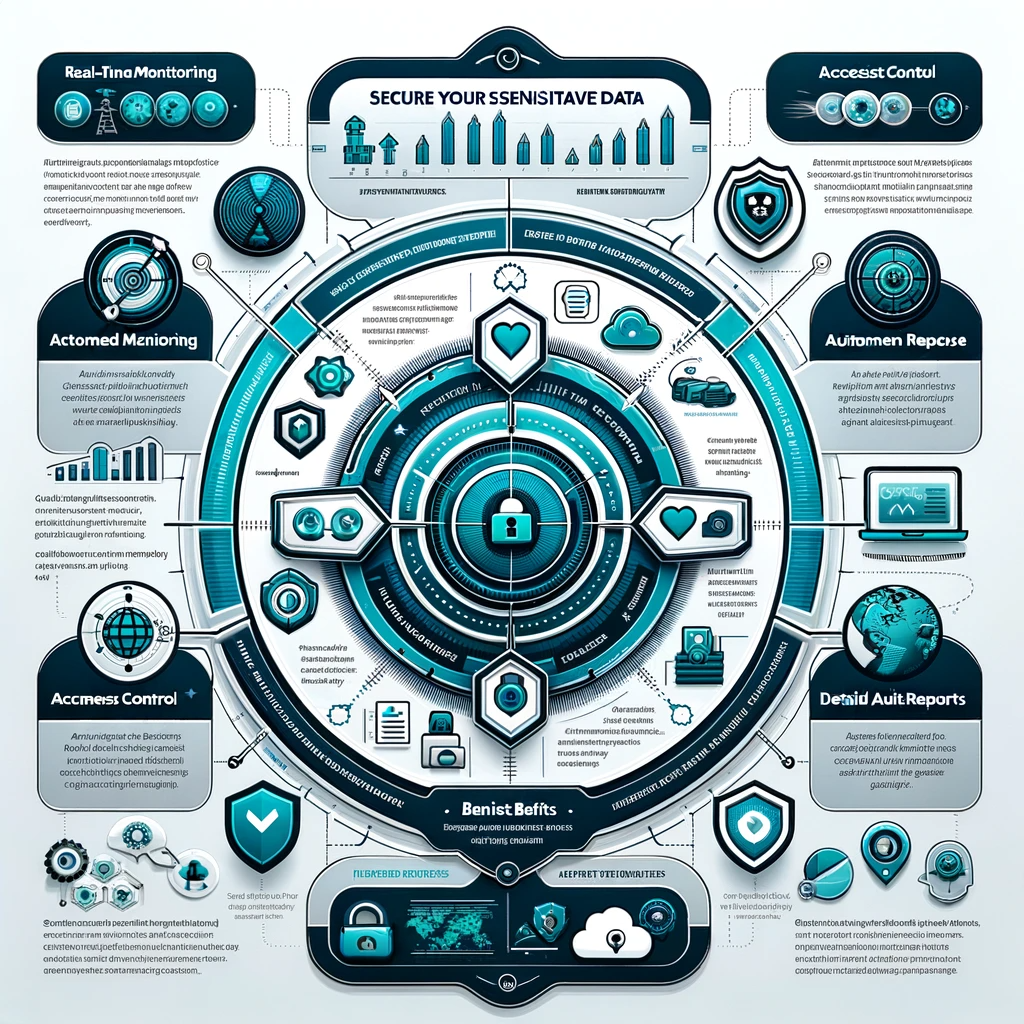
How Can Consumers Spot A Potentially Fraudulent Free Gift Offer?
Imagine this: you’re scrolling through your social media feed, and there it is—a tantalizing free gift offer that promises something you’ve always wanted. A shiny gadget, a luxury skincare product, or maybe even a gift card for your favorite restaurant. It all sounds too good to be true, doesn’t it? Well, therein lies the rub. In a world dominated by technology and connected at the speed of light, free gift offers can often blur the lines between generosity and deception. So how can you untangle the web of potential fraud? Let’s dig in.
First things first: look for the fine print. Legitimate offers will be transparent about terms and conditions. If you find yourself squinting to read the details or if they’re conspicuously absent, treat that as your first red flag. Sneaky sellers often bury the caveats, hoping you’ll dive headfirst into the shiny package while missing the not-so-happy tidbits.
Next up, let’s talk about the company behind the offer. A reputable brand will carry a good track record—easy to check with a quick online search. If you’ve never heard of the company or if it’s a brand that just popped up overnight, proceed with caution. Fraudulent offers can disguise themselves under the wrapper of the latest trend, so trust your instincts.
And what about the payment details? Ah, this is where many get snagged. If they ask for your credit card information upfront, that’s a huge warning sign. Real giveaways should require little more than an email address or, at most, some shipping details. Proceed with skepticism if they try to upsell you on something or if they ask for your Social Security number.
Then there’s the matter of reviews. A genuine gift should have feedback from people who’ve actually received it. If the reviews seem overly positive or lack specificity—think wording that’s more flowery than factual—leave it be. You deserve better than a facade.
Lastly, don’t underestimate the importance of cybersecurity. Ensure the website is secure (look for the “https” in the URL) and that you have good antivirus software in place. These tools can serve as your digital armor against shady offers.
By keeping these tips in mind, you’ll be better equipped to navigate the enticing but sometimes treacherous world of free gift offers. Remember, it’s always okay to take a step back and think critically before diving into what appears to be an irresistible opportunity. Your intuition is your best ally in the fight against fraud!

How Can Consumers Spot A Potentially Fraudulent Free Gift Offer?
How Can Consumers Spot A Potentially Fraudulent Free Gift Offer?
- Beware of enticing free gift offers that may be deceptive.
- Check the fine print for transparency in terms and conditions, as hidden details are a red flag.
- Research the company behind the offer; reputable brands usually have a good track record.
- Be cautious of payment requests, especially if credit card information or Social Security numbers are required.
- Look for genuine reviews; overly positive or vague feedback can indicate fraud.
- Prioritize cybersecurity by ensuring websites are secure and using good antivirus software.
- Trust your instincts and take a critical approach before accepting seemingly irresistible offers.
How Can Consumers Spot A Potentially Fraudulent Free Gift Offer?
What Are Common Tactics Used In Free Gift Scams?
In a world where generosity seems to be just a click away, it’s easy to overlook the shadows lurking behind those enticing offers. You know the ones—the bright, colorful ads beckoning you with promises of luxury products available absolutely free! It’s almost too good to be true, right? Well, that’s because it often is. Free gift scams have something for everyone, but they commonly utilize familiar tactics that we should all be aware of.
First up, let’s talk about urgency. Scammers love the clock. They’ll hurl phrases like “limited time offer” and “only a few left!” at you like confetti at a parade. They want you to feel the heat, to make a snap decision without a second thought. You might think that acting quickly is working in your favor, but in reality, it’s the exact opposite—you’re more likely to overlook red flags when you’re racing against the clock. Cybersecurity experts urge us to slow down and think critically about what we’re engaging with, because a moment’s pause could save you from giving away more than just your time.
Next, let’s discuss the allure of celebrity endorsements. We’ve all seen those glossy images of Instagram influencers plastering their faces next to the latest “must-have” gadget. Scammers often exploit this tactic by hijacking the names and images of well-known personalities to lend credibility to their offers. If it appears on a verified account, it must be legitimate, right? Wrong! Always double-check before you dive in—do a little detective work to ensure the offer is genuine. Your instincts, combined with a bit of research, can be a powerful duo in your quest for safety.
Another classic is the “free plus shipping” model. Sure, it sounds harmless, but it’s a clever way to reel you in. What starts as an enticing freebie can quickly morph into hidden fees or repeated subscription charges that seem like an afterthought. You’ve provided your credit card information, and suddenly, you’re left wondering where everything went wrong.
In the spirit of empowerment, remember this: being cautious is not being paranoid. Trust yourself and your gut feelings. Equip yourself with knowledge and take advantage of resources that delve into cybersecurity, ensuring you’re well-armed against the pitfalls of deceitful offers. Awareness is your strongest ally in navigating the maze of free gift scams. Embrace it, and tread confidently.

What Are Common Tactics Used In Free Gift Scams?
What Are Common Tactics Used In Free Gift Scams?
- Generosity often masks hidden dangers in enticing offers, such as free gift scams.
- Scammers create a sense of urgency with phrases like “limited time offer” to pressure quick decisions.
- Celebrity endorsements are exploited by scammers who hijack names and images to seem credible.
- “Free plus shipping” offers can lead to hidden fees and subscription charges, catching consumers off guard.
- Caution in the face of enticing offers is a sign of empowerment, not paranoia.
- Trusting your instincts combined with research helps you identify genuine offers.
- Awareness and knowledge are crucial in navigating the landscape of free gift scams.

What Are Common Tactics Used In Free Gift Scams?
Can Free Gifts Be A Legitimate Marketing Strategy?
Let’s face it: who doesn’t love free stuff? It’s like finding a twenty-dollar bill in your old jeans—unexpected and delightful. In the world of marketing, offering free gifts can be a savvy strategy, but let’s peel back the layers and see if this tactic really holds water in the long run.
Picture this: you stroll into a cafe and catch wind of the aroma from those fresh pastries. The owner hands you a sample—just a sliver, not enough to fill you up, but enough to tickle your taste buds. You’re intrigued and suddenly you want that croissant, perhaps even a full breakfast! In the same way, offering free gifts can lure potential customers to your brand, creating a moment of connection that turns curiosity into action.
Now, let’s not skate past the elephant in the room: is there more to this than just sweetening the deal? Absolutely. Consider the implications of cybersecurity. You want to build trust with your audience, and nothing can derail that faster than a data scandal. Think about the free gift: if you’re asking customers to give up their email or personal information to claim their prize, they need to feel assured that the information they share is safe. Transparent cybersecurity practices demonstrate that you prioritize their security just as much as you do the charm of a clever promotion. When they see you’re on the ball, confidence builds, and purchases follow.
Moreover, free gifts can be a terrific entry point for customers considering your products. They begin their journey with your brand through that freebie, and it opens the door for future engagement. A little something extra can make your brand memorable, fostering loyalty—like that dependable friend who always shows up with pizza on game night.
But here’s where it gets even better: it’s not just about the single transaction. Free gifts are part of a larger ecosystem of strategy and connection. They can be tied to events, social media campaigns, or even seasonal promotions. Each initiative can be tailored to resonate with your target audience, capturing their attention in a crowded market.
So, is giving away free gifts a legitimate marketing strategy? Absolutely. Just remember, when done thoughtfully and with respect to your customers’ data and preferences, it can plant the seeds of strong relationships—and that’s worth scrambling for.

Can Free Gifts Be A Legitimate Marketing Strategy?
Can Free Gifts Be A Legitimate Marketing Strategy?
- Free gifts are appealing to consumers, similar to finding unexpected cash.
- Offering samples can create curiosity and lead to additional purchases.
- Ensuring cybersecurity is crucial when requesting personal information for freebies.
- Transparent security practices help build trust and confidence with customers.
- Free gifts can serve as entry points for customer engagement and brand loyalty.
- They can be integrated into broader marketing strategies, including events and social media.
- When executed thoughtfully, free gifts can foster strong customer relationships.

Can Free Gifts Be A Legitimate Marketing Strategy?
Conclusion
As we wrap up our exploration into the enticing world of “free gifts,” it’s essential to navigate this minefield with a level head and a healthy dose of skepticism. Sure, who wouldn’t want to snag a shiny new gadget or a luxurious skincare product without dropping a dime? But let’s face it—if it sounds too good to be true, it probably is. At the heart of every offer cloaked in sparkles lies the age-old adage: there’s no such thing as a free lunch.
Behind those glittering ads and flashy offers lies a calculating game played by savvy companies looking to draw you in. Perhaps they’ll ask for your email, hoping that you’ll bask in their ‘generosity’ while they flood your inbox with promotional content. Or maybe you’ll find yourself signing up for a subscription that quietly siphons money from your account each month—conveniently hidden in the fine print. As tempting as these offers might be, recognizing the strings attached is crucial.
Ever hear the saying, “data is the new oil”? In the digital age, our personal information has quickly become a prized possession for companies hunting for insights into consumer behavior. This connection has forged a delicate balance between engaging audiences and invading their privacy, demanding a sharper focus on cybersecurity than ever before. Those seemingly harmless freebies can sometimes lead you down a wormhole of identity theft and spam—outcomes that can put your personal information in the hands of cybercriminals.
But it’s not all doom and gloom. With some due diligence and a pinch of caution, you can enjoy the wondrous allure of free gifts without falling into their traps. Take a moment to research, discern the legitimacy of the supplier, and protect yourself. Trust your instincts—if something feels off, it probably is.
Lastly, let’s not overlook that some companies are indeed offering genuine freebies—a token of appreciation to build trust and loyalty. When done right, this strategy doesn’t just bolster their bottom line; it cultivates lasting relationships with consumers. However, the emphasis on transparency, respect for data privacy, and genuine connection can set reputable brands apart from the pack.
So, the next time you’re scrolling through your feed and see a free gift, take a beat. Question everything, do your homework, and remember: sometimes, the best things in life require a little bit of effort—not just a click on what seems like a deceptively irresistible offer. Stay informed, stay secure, and don your best skeptical hat while navigating the landscape of free gifts. Your future self will thank you.

Conclusion
Conclusion:
- Approach offers of “free gifts” with skepticism and a level head.
- Beware of hidden strings, like email sign-ups and unwanted subscriptions.
- Personal data is highly valuable; free gifts may compromise your privacy.
- Free offers can lead to identity theft and increased spam.
- Conduct thorough research to discern the legitimacy of offers and suppliers.
- Some companies genuinely offer free gifts to build trust and loyalty.
- Always question attractive offers and recognize that due diligence is essential.

Conclusion
Other Resources

Other Resources
Here is a list of other resources you can review online to learn more:
- True Digital Security
- WordPress
- MOE Cyberdefense
- Line
- Secuvant
- NexusTek
- Department of Homeland Security’s Cybersecurity and Infrastructure Security Agency
- Cybersafe Solutions
- Datapath
- Google My Business
Use This Prompt To Get More Resources With Your Favorite Online AI Tool: Please provide me with a list of online articles with their URLs in a bulleted list that I can read regarding Is The Allure Of Free Gifts Just a Scam to Dupe You?
Other Resources
Glossary Terms
Is The Allure Of Free Gifts Just a Scam to Dupe You? – Glossary Of Terms
1. Allure: The attraction or charm that something has, often used in marketing to entice consumers.
2. Free Gifts: Items offered at no cost as part of a promotion, frequently used to encourage purchases or sign-ups.
3. Scam: A fraudulent scheme designed to con individuals out of money or personal information.
4. Consumer Psychology: The study of how people’s thoughts, feelings, and perceptions influence their buying behaviors.
5. Catch-22: A difficult situation where a desired outcome is impossible due to contradictory rules or conditions, often seen in offers that sound too good to be true.
6. Marketing Tactics: Strategies employed by companies to promote products or services, which may include free gifts as an incentive.
7. Loyalty Program: A system created by businesses to incentivize repeat customers, sometimes using free gifts to encourage loyalty.
8. Personal Data: Information regarding an individual that can be used for identity or marketing purposes, often requested in exchange for free gifts.
9. Phantom Offers: Promotions that promote a free gift but have hidden terms or conditions making it difficult to claim.
10. Impulse Buying: The unplanned purchase of a product or service, often triggered by free gifts and emotional triggers.
11. String Attached: A phrase indicating that there are hidden conditions or obligations linked to an offer, especially in promotions.
12. Value Proposition: The benefit that a product or service promises to deliver to customers, which can be obscured by flashy promotions.
13. Consumer Awareness: The understanding and knowledge of consumers regarding their rights and vulnerabilities in the marketplace.
14. FOMO (Fear of Missing Out): A psychological phenomenon where individuals feel compelled to take advantage of free offerings to avoid regret.
15. Trial Offers: Promotions providing a temporary free service or product in hopes that users will convert to paying customers.
16. Bait and Switch: A deceptive marketing practice where an attractive offer (like a free gift) is used to lure customers into a different, usually less desirable, offer.
17. Opt-In: The process where consumers provide consent to receive marketing communications, often exchanged for free gifts.
18. Reputation Management: Strategies employed by businesses to maintain their positive image, particularly if they engage in ethically questionable practices.
19. Upselling: The practice of encouraging customers to purchase more expensive items or add-ons, typically following a free gift offer.
20. Affiliate Marketing: A performance-based advertising model where businesses pay for referrals or leads, sometimes involving promotional giveaways.
21. Spam: Unsolicited, usually repetitive communication, often seen in marketing emails promising free gifts.
22. Transparency: The clarity and openness regarding the details of a promotion, crucial in distinguishing legitimate offers from scams.
23. Skepticism: An attitude of doubt and questioning, which is healthy when evaluating marketing claims involving free gifts.
24. Terms and Conditions: The legal policies outlining the specifics of a promotion, which often include the obligations of both the consumer and the business.
25. Consumer Protection Laws: Regulations designed to safeguard buyers from misleading and deceptive business practices, including fraudulent promotions.
26. Direct Mail Marketing: A form of advertising that involves sending promotional materials through the mail, sometimes featuring free gift offers.
27. Lead Generation: The process of attracting potential customers, often involving incentives like free gifts to collect information.
28. Scarcity Marketing: Creating a sense of urgency around a limited offer, often employed in free gift promotions to prompt quick decisions.
29. Ethical Marketing: The practice of promoting products and services in a way that is honest and respects consumer rights.
30. Consumer Feedback: Opinions and reviews shared by customers regarding a product or service, which can shine a light on the legitimacy of promotional offers.

Glossary Of Terms
Other Questions
Is The Allure Of Free Gifts Just a Scam to Dupe You? – Other Questions
If you wish to explore and discover more, consider looking for answers to these questions:
- What are the different types of free gifts offered by companies?
- How can I differentiate between a legitimate free gift offer and a scam?
- What steps can I take to protect my personal information when claiming free gifts?
- Are there any regulations governing free gift promotions?
- How can I report fraudulent free gift offers?
- What should I do if I believe I fell victim to a free gift scam?
- Are there any common misconceptions about free gift offers?
- What are some examples of successful companies that use free gift marketing strategies?
- How do consumer reviews impact the legitimacy of free gift offers?
- Can free gifts lead to unwanted subscriptions or recurring charges?

Other Questions
Haiku
Is The Allure Of Free Gifts Just a Scam to Dupe You? – A Haiku
Free gifts entice us,
Hidden costs wait in shadows,
Trust your gut, stay wise.

Haiku
Poem
Is The Allure Of Free Gifts Just a Scam to Dupe You? – A Poem
The Allure of Gifts, Both Free and Bright
In the digital realm, where promises gleam,
Free gifts beckon, like a distant dream.
“No strings attached!” they brightly declare,
But caution whispers, “Approach with care.”
A shiny gadget, or a voucher so sweet,
Unwrap the facade, examine your treat.
Behind the charm, what lurks in the dark?
Is it a gift, or just a clever mark?
With open arms, we long for a deal,
But hidden costs may ruin the thrill.
Emails flood in, our data laid bare,
Where once was delight, now lingers a snare.
Cyber shadows, vigilant they creep,
On eager hearts, their secrets they reap.
A click too quick may turn joy to plight,
As trust, once given, melts into the night.
Yet wisdom blooms from a skeptical seed,
Research and caution can help us succeed.
Brands that cherish our privacy too,
Will handle our gifts with respect, it’s true.
Urgency tugs, tempting us near,
“Limited time!”—and we’re gripped by fear.
Celebrity faces, they play their part,
To draw us in, and capture the heart.
Yet in the chaos, a lesson can thrive,
Real gifts are earned, where integrity’s alive.
Free isn’t always the key to our quest,
The best gifts in life are those deeply blessed.
So pause for a moment before you engage,
Trust your instincts, let wisdom take stage.
For every allure of something for naught,
May hold untold costs that we ought to have sought.
In a world of temptations, let’s stride with intent,
With knowledge our armor, our energy spent.
For in mindful choices, true treasures we find,
Embrace what is genuine, leave worries behind.

Poem
Checklist
Is The Allure Of Free Gifts Just a Scam to Dupe You? – A Checklist
Checklist for Evaluating Free Gift Offers
Before you say “yes” to that enticing free gift offer, use this checklist to ensure you’re making a smart decision.
General Guidelines
_____ Understand the Offer: Read the entire offer carefully to understand what is being provided.
_____ Check for Transparency: Look for clear terms and conditions associated with the offer.
Company Research
_____ Company Reputation: Investigate the company offering the gift. Have they been around for a while? Do they have positive reviews?
_____ Verify Contact Information: Ensure there are legitimate contact details provided for any inquiries.
Personal Information Safety
_____ Minimal Information: Only provide essential information like your email address. Be cautious of requests for sensitive data (e. g. , Social Security number).
_____ Privacy Policy: Check if the company has a privacy policy and how they handle your data.
Digital Security
_____ Website Security: Verify that the website URL begins with “https”. A secure site is crucial for protecting your information.
_____ Use Antivirus Software: Ensure that you have good antivirus software activated to protect against malware or phishing attempts.
Offer Evaluation
_____ Be Skeptical of Urgency: Beware of time-limited offers that pressure you to act quickly.
_____ Assess the Value: Consider if the value of the gift is worth the information you may be giving up.
Promotional Tactics
_____ Avoid “Free Plus Shipping”: Be cautious of offers that require payment for shipping or hidden fees.
_____ Examine Celebrity Endorsements: If the offer features celebrity endorsements, verify their authenticity.
Review and Feedback
_____ Read Reviews: Look for customer testimonials about previous offers from the company.
_____ Look for Pattern of Complaints: Research any issues or complaints about the offer or the company.
Final Decision
_____ Trust Your Gut: If something feels off or too good to be true, it probably is. Don’t let excitement override common sense.
_____ Seek Alternatives: Instead of chasing after potentially dubious offers, consider pursuing opportunities that are genuinely beneficial and enriching.
Remember: The best gifts often come with sincerity and not just a shiny wrapper. Stay informed and protect yourself when navigating free gift offers.

Checklist
At BestCyberSecurityNews, we help teach entrepreneurs and solopreneurs the basics of cybersecurity and its impact on their businesses by using simple concepts to explain difficult challenges.
Please read and share any of the articles you find here on BestCyberSecurityNews with your friends, family, and business associates.


