Generation-Specific Scams: What You Need To Know
By Tom Seest
At BestCyberSecurityNews, we help teach entrepreneurs and solopreneurs the basics of cybersecurity and its impact on their businesses by using simple concepts to explain difficult challenges.
Please read and share any of the articles you find here on BestCyberSecurityNews with your friends, family, and business associates.
How Well Do You Know The Scams Gearing for Your Generation?
How Well Do You Know The Scams Gearing for Your Generation?
Let’s chat about something that’s lurking out there like a deer in the headlights: scams. Yes, those insidious little traps designed to catch even the most cautious among us off-guard. Now, you might think you’re too savvy to fall for a scam. After all, you grew up with technology and a good dose of the internet. But here’s the kicker: as each generation evolves, so do the tricks of the trade. The scammers aren’t just sitting around waiting; they’re honing their craft, targeting your demographic with sharper tools than ever.
Take a step back and think about it. With all that time spent scrolling through social media, reading emails that pop into your inbox, and clicking on links that seem harmless, it’s a veritable minefield out there. Cybersecurity isn’t just a buzzword; it’s your first line of defense. We live in a world where personal information can be pilfered faster than you can hit “send.” If you’re not protecting your digital footprint, you might be leaving the front door wide open for all those crafty characters waiting to strike.
Ever heard of phony job listings promising the world? They’ve become par for the course — and trust me, they know how to play to your dreams. Or consider those “historic” investment opportunities that pop up in your feed, complete with glitzy graphics and testimonials that seem too good to be true. Spoiler alert: they usually are. It’s time to wise up, folks!
The good news is you don’t have to tackle this all alone. Sharing stories – those eye-roll-inducing moments when your friend almost fell for a scam – can happen over coffee or a quick text. Start the conversation, because awareness breeds caution. Together, we can build a community of savvy individuals who don’t get swept up in the latest scam wave.
So, the next time you see that flashy ad or email that feels a bit off, pause. Evaluate. Investigate. Trust me, the best defense against scams is a well-informed, connected generation that looks out for each other. After all, in the digital jungle, we can either be prey or protectors. And I know which side I’d rather be on. How about you?

How Well Do You Know The Scams Gearing for Your Generation?
How Well Do You Know The Scams Gearing for Your Generation?
- Scams are increasingly sophisticated, targeting various demographics effectively.
- As technology evolves, so do the tactics used by scammers.
- Social media, emails, and links pose significant risks to personal information.
- Phony job listings and fake investment opportunities are common scams.
- Building community awareness can help protect individuals from falling victim to scams.
- Sharing experiences and stories about scams fosters caution and vigilance.
- Being informed and connected is essential for defending against scams in the digital age.

How Well Do You Know The Scams Gearing for Your Generation?
Table Of Contents
- How Well Do You Know The Scams Gearing for Your Generation?
- How Can You Identify Common Scams Targeting Your Generation?
- What Are The Most Prevalent Scams Affecting Young Adults Today?
- How Can Social Media Contribute To Scam Risks For Your Age Group?
- What Precautions Should You Take To Protect Yourself From Scams?
- How Do Scammers Manipulate Emotions To Deceive Their Victims?
- What Are The Signs Of A Scam In Job Offers Or Internships?
- How Can You’verify If An Opportunity Is Legitimate Or Fraudulent?
- Conclusion
- Other Resources
- Glossary Of Terms
- Other Questions
- Haiku
- Poem
- Checklist
How Can You Identify Common Scams Targeting Your Generation?
We’ve all seen those heart-wrenching videos about scams intensifying across our screens. And let’s not kid ourselves—scammers today are slick. They have access to technology and a wealth of knowledge about us that would make even the most seasoned detective raise an eyebrow. But fear not! There’s light at the end of this labyrinthine tunnel, and it’s not that overwhelming buzz of anxiety you feel every time your phone vibrates with a random message. It’s empowerment.
First things first: let’s talk cybersecurity. This word gets thrown around a lot, but it’s more than just a buzzword—it’s your armor in the digital world. Understanding the basics of cybersecurity, from creating complex passwords to recognizing phishing emails, can make a world of difference. Scammers thrive on our routine, and their tactics often mimic the everyday interactions we have online. Pay close attention to the emails that land in your inbox, especially when they come from unfamiliar sources. If it seems off—there’s your first red flag.
Consider the sheer volume of information available about us on social media. Ever notice how a seemingly benign post can lead to targeted advertisements? Scammers are using this data to tailor their schemes directly to you. So, it’s time to keep your online presence in check. Review your privacy settings. Taming your digital footprint might feel daunting, but it’s crucial. Remember, in the world of identity theft, knowledge is power.
Staying informed on common scams is another effective strategy. Whether it’s fake job offers, bogus investment schemes, or online sales that look too good to be true, familiarizing yourself with these scams can save you a world of hurt. Connect with your peers and learn from their experiences because we’re all in this together. Share stories, warn one another, and create a collective consciousness about what to watch out for.
Finally, trust your instincts. If something feels off, it probably is. We’ve all been in situations where our gut speaks louder than any flashy offer. When in doubt, it’s better to step back and investigate than rush in without checking the fine print.
So, arm yourself with knowledge, be proactive in your cybersecurity practices, and lean on your community. Together, we can navigate this digital maze and outsmart those who think they can take advantage of our generation. Your awareness is the best defense you have. Let’s get to it!

How Can You Identify Common Scams Targeting Your Generation?
How Can You Identify Common Scams Targeting Your Generation?
- Scammers are becoming increasingly sophisticated, leveraging technology and personal data.
- Cybersecurity is essential; understanding basics like complex passwords and recognizing phishing emails is crucial.
- Pay close attention to unfamiliar emails as they may contain red flags indicating scams.
- Social media can expose personal information; regularly review your privacy settings to minimize risk.
- Stay informed about common scams, including fake job offers and investment schemes, to protect yourself.
- Trust your instincts; if something feels off, take the time to investigate further.
- Empower yourself with knowledge and community support to navigate the digital world effectively.

How Can You Identify Common Scams Targeting Your Generation?
What Are The Most Prevalent Scams Affecting Young Adults Today?
Let’s have an honest chat about the wild world of scams that young adults are facing today. In an era where everything is digital and instant, it can feel like we’re navigating a minefield of deceit at every turn. Does that sound dramatic? Maybe a bit, but trust me, the scam artists are getting more creative, and it’s important to stay in the know.
First up, let’s talk about the elephant in the room: Cybersecurity. We’re all online, right? Social media, banking, dating apps—our lives are an open book for all to see. Scammers are lurking in the shadows, pretending to be your friendly neighbor or tech expert. The classic phishing scam has evolved into a sophisticated art form. Remember that text that looked like it was from your bank? The one asking you to confirm your account details? Spoiler alert: it wasn’t your bank. They’re after your money, and if you fall for it, it could lead to significant losses.
Then there’s the enticing world of online shopping scams. They pop up like weeds, don’t they? You spot an unbelievable deal on that gadget you’ve been eyeing, only to find out later that it was all smoke and mirrors. Often, you’re handing over your credit card information to someone who’s sitting comfortably in a different timezone, planning their next big con.
And let’s not forget the student loan scams. Confusing isn’t even the half of it! You’re fresh out of college and drowning in debt, and suddenly you receive an email promising to “forgive” your loans. Sounds too good to be true? Yup. Many fall for these traps, drowning deeper in financial woes instead of finding the light at the end of the tunnel.
So what can you do? Talk about it! Share stories with friends and family. The more we discuss our experiences, the more our collective intelligence grows. Arm yourself with knowledge—don’t take suspicious messages at face value. Research before you click, and always question.
In this complicated digital jungle, it pays to be cautious. Stay vigilant, educate yourself, and remember: if something feels off, it probably is. By fostering a culture of awareness and communication, we can outsmart the scammers trying to pull us down. Let’s build a safer online community together!

What Are The Most Prevalent Scams Affecting Young Adults Today?
What Are The Most Prevalent Scams Affecting Young Adults Today?
- Young adults today are increasingly facing sophisticated scams in the digital age.
- Cybersecurity is a major concern; scammers use methods like phishing to steal personal information.
- Online shopping scams are common, often featuring enticing deals that lead to credit card fraud.
- Student loan scams target recent graduates with false promises of loan forgiveness.
- Discussing experiences with scams can help increase awareness and collective intelligence.
- Always research and validate suspicious messages before taking action.
- Staying vigilant and fostering a culture of communication can help create a safer online environment.

What Are The Most Prevalent Scams Affecting Young Adults Today?
How Can Social Media Contribute To Scam Risks For Your Age Group?
##
Let’s face it: in the vast digital landscape, social media can feel like a double-edged sword. On one side, it offers a world of connection, creativity, and communication. On the other, it can be a breeding ground for scams that target unsuspecting users, particularly in your age group. It’s vital to understand how the very platforms that foster friendships and ideas can also introduce risks that have significant consequences.
Picture this: you’re scrolling through your feed, and you come across an enticing promotion or an “opportunity” that seems just too good to be true. The warmth of that viral post might feel comforting, but tread carefully. Scammers are masters of disguise, often adopting familiar faces and trustworthy brands to lure you into their traps. With a few clicks, your personal information could be at risk, leading to identity theft or financial loss. Cybersecurity should be top of mind in these moments.
One common tactic is the friendly façade. Scammers craft profiles that appear legitimate and reach out with messages that sound personable and inviting. Their aim? To gain your trust and extract information under the guise of friendship. It’s human nature to want to connect, but that desire can also open doors to unwanted risks. If someone you don’t know is asking for sensitive data, step back and consider whether this is a genuine interaction or a ruse.
Then there are those tantalizing ads that pop up—flashing discounts on products that are simply too good to be true. Maybe it’s the latest gadget at an astonishingly low price or a dream vacation deal that you can’t resist. But hang on! Before you dive in, think about the integrity of the site you’re shopping from. Are they reputable? Do they have strong cybersecurity practices?
Engaging in social media requires vigilance. Be proactive by adjusting your privacy settings, regularly updating passwords, and familiarizing yourself with common scam techniques. It may feel tedious, but this small investment of your time can save you from significant heartache down the road.
So, stay alert, trust your instincts, and remember: if something smells fishy, it just might be. Embrace the connections social media provides, but do so wisely. After all, you’ve got too much at stake to be caught in the net of a scammer lurking behind that screen.

How Can Social Media Contribute To Scam Risks For Your Age Group?
How Can Social Media Contribute To Scam Risks For Your Age Group?
- Social media offers connection and creativity but also poses risks of scams, especially for young users.
- Scammers often disguise themselves as trustworthy individuals or brands to deceive users.
- Personal information can be at risk through fake offers and promotions that seem too good to be true.
- Scammers use friendly profiles to build trust and extract sensitive data from targets.
- Be cautious of alluring ads with unbelievable discounts; verify the credibility of the websites.
- Practice cybersecurity by adjusting privacy settings, updating passwords, and learning common scam techniques.
- Stay vigilant, trust your instincts, and approach social media interactions with caution to avoid scams.
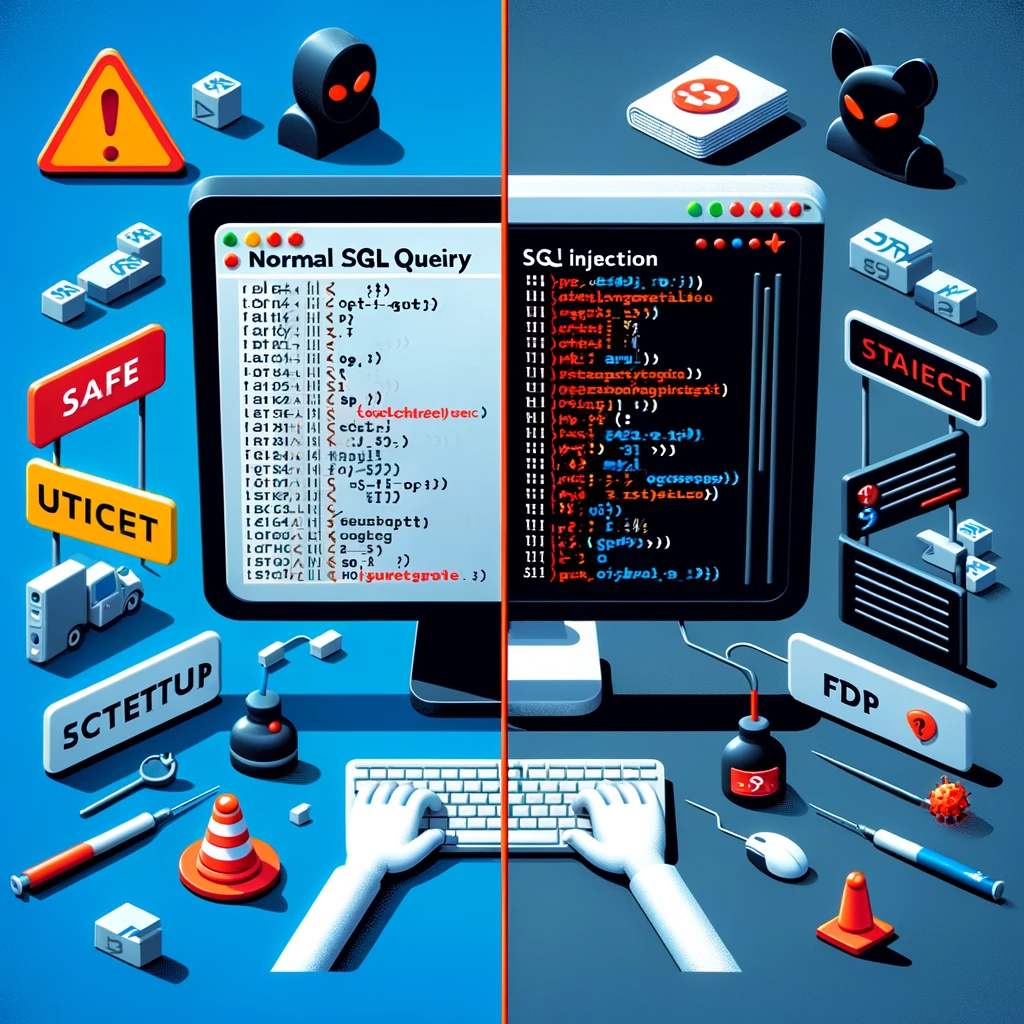
How Can Social Media Contribute To Scam Risks For Your Age Group?
What Precautions Should You Take To Protect Yourself From Scams?
Life is full of choices, and while we often think about the big stuff—jobs, relationships, and where to eat dinner—it’s the little decisions that can really make a difference, especially when it comes to protecting yourself from scams. You wouldn’t walk around with cash in your hand, flaunting it for everyone to see, would you? Well, when it comes to your personal information, that’s exactly what some folks are doing every single day. Let’s dig into a few practical precautions that can arm you with the security you need in this digital landscape.
First off, let’s talk about passwords. You wouldn’t leave your front door wide open, right? Treat your online accounts with the same respect. Use complex passwords—a mix of letters, numbers, and symbols—and change them regularly. Consider using a password manager; it’s like having a vault for your digital keys, and it saves you from the hassle of trying to remember them all.
Now, on to those pesky emails and messages that seem too good to be true—because they usually are! If you receive an unsolicited email asking for personal information, it’s often a red flag. Be wary of clicking links in messages from strangers, particularly if they promise you riches or revolutionary deals. Always verify the source. A simple phone call or independent search can save you a world of trouble.
Educating yourself about common scams is another solid defense. Websites specializing in cybersecurity offer resources that keep you informed about the latest tricks and tactics scammers are using. Knowledge is power, after all. Share this information with your friends and family; the more informed we all are, the harder we make it for scam artists to thrive.
Moreover, consider setting up two-factor authentication on your accounts. This additional layer of security can prevent unauthorized access. Picture it as a security guard checking IDs before letting anyone in. It might feel like an extra step, but it’s a small price to pay for peace of mind.
Lastly, trust your gut. If something feels off, it likely is. Don’t be afraid to ask questions or seek help if you’re unsure. Building a network of trusted friends and resources can fortify your defenses even further.
Staying vigilant in a world filled with cyber threats can feel daunting, but by implementing these basic precautions, you can walk your path with a little more confidence and security. Your personal information is more valuable than you might think, so treat it like the treasure it is!

What Precautions Should You Take To Protect Yourself From Scams?
What Precautions Should You Take To Protect Yourself From Scams?
- Life is full of choices, including crucial decisions to protect yourself from scams.
- Use complex passwords for your online accounts and change them regularly; consider using a password manager.
- Be cautious of unsolicited emails; verify sources before clicking links or sharing personal information.
- Educate yourself about common scams through reputable cybersecurity websites and share knowledge with others.
- Set up two-factor authentication on your accounts as an extra layer of security.
- Trust your instincts; if something feels off, ask questions or seek help.
- Stay vigilant and treat your personal information like a treasure to enhance your security.

What Precautions Should You Take To Protect Yourself From Scams?
How Do Scammers Manipulate Emotions To Deceive Their Victims?
Let’s face it—life can throw us some curveballs. One moment, we’re enjoying a lazy Sunday afternoon, and the next, we’re faced with a jarring email or alarming phone call. It’s during those vulnerable moments that scammers strike, and they’ve perfected the art of emotional manipulation. It’s unsettling, but understanding their tactics can empower you to spot deception before it leads to disaster.
At the heart of it, scammers are masterful psychologists. They leverage genuine emotions—fear, urgency, love, and empathy—to steer their victims into making hasty decisions. For instance, a common tactic involves cultivating a sense of fear. Imagine receiving a notification claiming your bank account is compromised. The sweaty palms and racing heart can cloud our better judgment, spurring us to act quickly—often to the detriment of our cybersecurity.
Then there’s the urgency play. Scammers craft messages that demand immediate action. “Your account will be suspended unless you verify your information right now!” The clock ticks, and we’re thrust into a panic, often overlooking glaring red flags. When we’re rushed, we’re more likely to drop our defenses, making us easy targets.
Human connection is another tool wielded by these fraudsters. They often use pretexting, presenting themselves as someone trustworthy—like a government official or a helpful tech support person. They tap into our empathy, creating scenarios that tug at our heartstrings, whether it’s a sob story about a loved one in trouble or an appealing charity in need. Our inherent desire to help can blind us to potential deceit.
So, what can you do to bolster your defenses? It starts with awareness. Recognize that these emotional triggers are being employed against you. Before reacting, take a breath, step back, and critically assess the situation. Is the message encouraging you to act impulsively? Are there inconsistencies in the story? When in doubt, consult a trusted friend or perform a quick online search for similar scams.
In a world where digital interaction is intertwined with our daily lives, understanding how scammers exploit emotions is key to safeguarding not just your wallet, but your peace of mind as well. Putting emotional intelligence to work can fortify your cybersecurity and arm you against the deceptions that lurk around every corner. You have the power to protect yourself—so take action!

How Do Scammers Manipulate Emotions To Deceive Their Victims?
How Do Scammers Manipulate Emotions To Deceive Their Victims?
- Life can present unexpected challenges, often making individuals vulnerable to scams.
- Scammers utilize emotional manipulation, leveraging feelings like fear, urgency, love, and empathy to prompt hasty decisions.
- A common tactic involves instilling fear, such as notifications of compromised bank accounts, which can cloud judgment.
- Scammers create a sense of urgency, demanding immediate action that may lead victims to overlook warning signs.
- Human connection is exploited through pretexting, where scammers pose as trustworthy figures to gain empathy and facilitate deceit.
- To protect oneself, it’s essential to remain aware of these emotional triggers and assess situations critically.
- Utilizing emotional intelligence can enhance cybersecurity and empower individuals to defend against scams.

How Do Scammers Manipulate Emotions To Deceive Their Victims?
What Are The Signs Of A Scam In Job Offers Or Internships?
Navigating the job market can feel a lot like walking a tightrope—one misstep, and you might find yourself plummeting into the abyss of a scam. Believe it or not, not every enticing job offer or internship is what it seems; some beckon like sirens, ready to pull you under. So, how can you arm yourself with the knowledge to recognize the red flags? Let’s dive in.
One of the first signs of a potentially shady offer is the lack of company presence. A well-established business should have a professional website, active social media profiles, and a footprint that’s easy to track. If the only online mention you can find is a bare-bones listing or an obscure email address, it’s best to proceed with caution.
Next, keep your radar up for absurdly enticing promises. If something sounds too good to be true—like a six-figure income for part-time work or a guaranteed job with zero qualifications—you might want to step back. Real businesses are in the business of making fair offers, not dangling golden tickets.
Moreover, be wary of anyone pushing you to act quickly. Scammers thrive on urgency. “Act now or lose out!” they scream from the sidelines. Genuine employers understand that good candidates will take the time to research. A legitimate opportunity won’t come with a countdown clock ticking mercilessly away, so keep your cool.
Also, let’s talk about the financial aspects. A massive red flag is any request for money upfront—be it for training materials or visa fees. Any legitimate internship or job should not ask you to pay to gain employment. If your “employer” is asking for funds, that should send you running in the opposite direction faster than you can say “scam.”
Lastly, remember the importance of cybersecurity. If an offer rolls in filled with grammatical errors, vague language, or requires you to send sensitive personal information through unsecured channels, that’s a signal to raise your eyebrows. Protecting your data is not just a precaution; it’s a necessity in today’s landscape.
When pursuing opportunities, trust your gut. If something feels off, it probably is. Connect with mentors and professionals in your field—they can offer insights that may save you from potential pitfalls. Keep your eyes peeled, and remember: the right job is out there, and it won’t require you to compromise your integrity or safety. Your future deserves nothing less.

What Are The Signs Of A Scam In Job Offers Or Internships?
What Are The Signs Of A Scam In Job Offers Or Internships?
- Navigating the job market can be risky; watch for scams disguised as enticing offers.
- A lack of a professional presence online is a red flag; a legitimate company will have a website and active social media.
- Beware of offers that sound too good to be true, such as high incomes for minimal work or guaranteed jobs without qualifications.
- Urgency tactics are often used by scammers; legitimate employers allow candidates time for research.
- Never pay upfront for a job; legitimate roles do not require payments for training or fees.
- Watch for poor communication and requests for sensitive information through insecure channels as signs of a scam.
- Trust your instincts and consult with professionals in your field to avoid potential pitfalls.

What Are The Signs Of A Scam In Job Offers Or Internships?
How Can You’verify If An Opportunity Is Legitimate Or Fraudulent?
When a shiny new opportunity lands on your lap—be it a job offer, investment proposal, or business venture—it’s time to roll up your sleeves and do some digging. Sure, it’s tempting to leap headfirst into the prospect of quick cash or that dream job, but let’s keep it real: not every alluring opportunity is what it seems.
First things first, people. Trust your instincts. If something feels off—like a fishy smell wafting through a freshly opened can of tuna—don’t ignore those red flags. Listen, nothing beats a healthy dose of skepticism when navigating this digital jungle. With cybersecurity threats lurking around every corner, it’s essential to vet opportunities thoroughly before committing your time, money, or your precious reputation.
So, how do you separate the gems from the gravel? Start by researching. The internet can be your best friend or the most dangerous enemy. Search for reviews and testimonials, but don’t just settle for the ones they provide. Look for independent sources that can give a more rounded view. Consider checking industry forums and social media platforms where people discuss their experiences. Are there whispers of scams? If you stumble upon a chorus of dissatisfaction, that’s your cue to proceed with caution.
Next up, verify credentials. Companies should have a physical address, working phone numbers, and a solid online presence that isn’t just a flimsy website thrown together overnight—so dig deeper. If it’s a job offer, see if the company is listed on platforms like LinkedIn, and don’t be afraid to reach out to fellow employees for their insights. If a company is genuine, its people will generally be happy to share.
Don’t forget about cybersecurity elements. Be wary of opportunities that require you to provide sensitive information upfront—especially financial details. A legitimate opportunity won’t ask you to disclose your social security number or banking info on a whim. If someone’s pushing those boundaries, it’s time to slam the brakes.
Finally, trust your gut and don’t rush the process. Take your time to navigate. If you hit a dead end or the process feels uneasy, there’s no shame in walking away. Your peace of mind is worth more than chasing down something that may not exist. Remember, you deserve authentic chances—so go forth, stay sharp, and seize the opportunities that truly resonate with you!

How Can You’verify If An Opportunity Is Legitimate Or Fraudulent?
How Can You’verify If An Opportunity Is Legitimate Or Fraudulent?
- Evaluate new opportunities carefully, whether they are job offers, investments, or business ventures.
- Trust your instincts and be cautious of any red flags that indicate something may be off.
- Conduct thorough research by looking for reviews and testimonials from independent sources.
- Verify the legitimacy of companies by checking for a physical address, working phone numbers, and a credible online presence.
- Be cautious about providing sensitive information upfront; legitimate opportunities typically do not request personal financial details immediately.
- Take your time in evaluating opportunities; don’t rush into decisions and be prepared to walk away if it feels uneasy.
- Focus on finding authentic opportunities that genuinely resonate with your goals and values.

How Can You’verify If An Opportunity Is Legitimate Or Fraudulent?
Conclusion
As we wrap this discussion up, let’s take a moment to reflect on the landscape of scams that are increasingly tailored for your generation. It’s a wild world out there, filled with digital deceivers ready to pounce on unsuspecting victims. But it doesn’t have to be a free-for-all. Knowledge is your most potent weapon in this battle. From phishing scams masquerading as friendly emails to job offers that seem to promise the moon, awareness is key.
We live in a time where one click can lead to disaster, and scammers have become remarkably adept at exploiting our trust and emotions. Remember, if something sounds too good to be true—it usually is. They thrive on urgency and panic, and trust me, they understand how to play on our fears and desires to steer us into hasty decisions. So slow down, take a breath, and evaluate the situation; it’s worth it.
Empowering yourself means actively engaging with your community. Share your experiences and stories with friends and family—because the more we talk about potential scams, the more we arm ourselves against them. Cybersecurity isn’t just a personal responsibility; it’s a collective one. The stronger your network, the harder it is for scammers to make a dent in your defenses.
Let’s not forget the tools at your disposal. From creating complex passwords to educating yourself about the latest scams, taking proactive steps can put you leagues ahead of those lurking in the shadows. And keep in mind, safeguarding your personal information is a priority, not a choice.
So, as you navigate the twists and turns of this digital jungle, don’t just be a passive observer. Be vigilant, inquisitive, and skeptical—after all, your peace of mind is worth the effort. Trust your instincts and remember the golden rule: “If it feels off, it probably is.” With strong awareness and community support, we can turn the tables on those craftily positioned to exploit us. You’ve got too much at stake to fall for a scam, so arm yourself with knowledge and take control of your digital fate. Together, let’s build a safer online community that thrives on trust, caution, and shared wisdom.

Conclusion
Conclusion:
- Scams are increasingly targeted at younger generations, making awareness essential.
- Phishing scams and fraudulent job offers exploit trust and emotions, so caution is crucial.
- Slow down and evaluate situations before making decisions, especially when urgency is present.
- Engage with your community by sharing experiences to collectively build awareness against scams.
- Use tools like complex passwords and stay informed about the latest scams to enhance personal security.
- Prioritize safeguarding personal information and trust your instincts regarding suspicious situations.
- Together, we can create a safer online community founded on trust, caution, and shared knowledge.

Conclusion
Other Resources

Other Resources
Here is a list of other resources you can review online to learn more:
- Choice Solutions
- Netsurion
- NetSecurity Tecnologia
- StratoZen
- YouTube
- Enact Security
- Xact IT Solutions
- CSIS Group
Use This Prompt To Get More Resources With Your Favorite Online AI Tool: Please provide me with a list of online articles with their URLs in a bulleted list that I can read regarding How Well Do You Know The Scams Gearing for Your Generation?

Other Resources
Glossary Terms
How Well Do You Know The Scams Gearing for Your Generation? – Glossary Of Terms
1. Scam: A fraudulent scheme designed to con individuals out of money or personal information.
2. Phishing: A method of attempting to acquire sensitive information by masquerading as a trustworthy entity in electronic communications.
3. Identity Theft: The unauthorized use of someone’s personal information, usually to steal money or gain other benefits.
4. Ponzi Scheme: A form of investment fraud that pays returns to earlier investors using the capital of newer investors, rather than from profit.
5. Ransomware: A type of malicious software that encrypts a victim’s files, with the attacker demanding payment for the decryption key.
6. Social Engineering: Manipulative tactics used by scammers to trick individuals into divulging confidential information.
7. Advance Fee Fraud: A scam where the victim pays upfront fees for goods or services that are never delivered.
8. Tech Support Scam: A scam where fraudsters pose as technical support representatives to gain access to victims’ computers or sensitive data.
9. Lottery Scam: A scheme that informs a victim that they’ve won a lottery or prize they never entered, often requiring payment of fees for claiming the prize.
10. Online Dating Scam: A type of fraud where scammers deceive victims into sending money, often by creating fake personas on dating sites.
11. Fake Charity Scam: Scammers solicit donations by pretending to represent a legitimate charity, often during times of crisis.
12. Investment Scam: Fraudulent opportunities promising high returns with little risk, often targeting inexperienced investors.
13. Bait and Switch: A deceptive marketing tactic that advertises a product at a low price but then offers a different, more expensive product when the consumer attempts to purchase.
14. Counterfeit Goods: Fake products that are marketed as genuine, often found online or at unauthorized retailers.
15. Pyramid Scheme: A business model that recruits members via a promise of payments for enrolling others into the scheme rather than supplying investments or sale of products.
16. Skimming: The theft of credit card information using a small device attached to a legitimate card reader.
17. Imposter Scam: Scammers posing as someone the victim knows (like a friend or family member) to solicit money or information.
18. Email Spoofing: A technique used to trick individuals into thinking an email is from a trusted source, often used in phishing attempts.
19. Malware: Malicious software designed to disrupt, damage, or gain unauthorized access to computer systems or networks.
20. Credential Stuffing: A cyber attack where stolen account credentials are used to gain unauthorized access to user accounts on various platforms.
21. Job Scam: Fraudulent job opportunities that require payment for training or supplies, often masquerading as legitimate employment offers.
22. Sextortion: A form of blackmail where a scammer threatens to release compromising photos or information unless demands for money are met.
23. Cash App Scams: Fraud schemes involving peer-to-peer payment platforms, where scammers trick users into sending money or sharing personal details.
24. Avoidant Behavior: Actions taken to evade potential scams, often characterized by reluctance to engage in activities with an element of vulnerability, like online shopping.
25. Street Scammers: Individuals who operate in public spaces with manipulative tactics to quickly coerce victims into giving money.
26. AWOL Gifts: A tactic where scammers falsely claim the victim has won a gift, requiring payment or personal information to claim it.
27. Subscription Trap: Scams that require victims to sign up for free trials but automatically enroll them into paid subscriptions without their consent.
28. Fake Invoices: Fraudulent bills sent to businesses or individuals that demand payment for products or services never provided.
29. Wire Transfer Scam: A scheme where victims are tricked into transferring money electronically under false pretenses, often quickly and unrecoverably.
30. Due Diligence: The process of thoroughly investigating and verifying the legitimacy of an opportunity or entity to avoid falling victim to scams.

Glossary Of Terms
Other Questions
How Well Do You Know The Scams Gearing for Your Generation? – Other Questions
If you wish to explore and discover more, consider looking for answers to these questions:
- What are some examples of scams specific to different generations?
- How can I recognize phishing emails and avoid them?
- What steps can I take to secure my social media accounts?
- Are there resources or websites dedicated to reporting scams?
- What should I do if I think I’ve been scammed?
- How do scammers typically use social engineering in their tactics?
- What are the legal implications of falling for a scam?
- How can I educate my friends and family about scams?
- What are the most common types of scams reported by young adults?
- How can I keep track of new scams that emerge regularly?
- What role do government agencies play in combating scams?
- Can scammers target businesses as well as individuals?
- What should I do if I receive a suspicious job offer?
- How can I protect my financial information when shopping online?
- Are there any online tools to help check the legitimacy of an offer?

Other Questions
Haiku
How Well Do You Know The Scams Gearing for Your Generation? – A Haiku
Scams evolve and grow,
Prey on dreams, fears, and trust wide,
Stay alert, stay wise.

Haiku
Poem
How Well Do You Know The Scams Gearing for Your Generation? – A Poem
Scam Alert: A Digital Tango
In the shadows of our screens, they lie,
Crafty whispers on the web, sly alibis,
A world adorned with offers, bright and bold,
Yet many a tale of deceit is told.
With every scroll through feeds so wide,
Lurks a cunning scammer, dressed in pride.
Phishing hooks bait the dreams we share,
While our digits dance, unaware of the snare.
Job listings promising golden shores,
Investment schemes, endlessly more,
A siren song that tugs at hope,
Yet all too often leaves us to cope.
Cybersecurity stands as our shield,
In the minefield where hasty choices yield;
Passwords strong, privacy set tight,
Knowledge is power—let it be your light.
The art of deception plays on our fears,
Urgent calls pulling at our heartstrings’ tears.
In those moments of panic, hold steady your ground,
Take a breath, question—let reason abound.
Share your tales over coffee and chat,
Foster a kinship, a protective mat.
Together we’ll navigate this digital maze,
Outsmart the tricks, end the scammers’ plays.
Trust your instincts when something feels wrong,
For the path to safety is where we belong.
In a world rife with schemes, don’t be a pawn,
Be the protector, rise with the dawn.

Poem
Checklist
How Well Do You Know The Scams Gearing for Your Generation? – A Checklist
Checklist: How to Protect Yourself from Scams Targeting Your Generation
1. Understand and Educate Yourself
_____ Familiarize yourself with common scams such as job offers, investment schemes, and online shopping fraud.
_____ Stay informed about the latest scams by following reputable cybersecurity websites and resources.
2. Evaluate Online Presence
_____ Research the company or individual making the offer. Check for a professional website and active social media profiles.
_____ Look for legitimate reviews and testimonials from independent sources.
3. Create Strong Passwords
_____ Use complex passwords consisting of letters, numbers, and symbols.
_____ Update passwords regularly and consider using a password manager for increased security.
4. Be Skeptical of Offers
_____ If an offer sounds too good to be true (e. g. , high pay for minimal effort), approach with caution.
_____ Watch out for urgency. Scammers often pressure you to act quickly. Take your time to evaluate.
5. Check for Red Flags in Communication
_____ Be cautious of unsolicited emails, messages, or calls that ask for personal information.
_____ Look for grammatical errors, vague language, or unofficial email addresses.
6. Verify Requests for Money
_____ Never pay upfront fees for job offers or internships.
_____ Confirm the legitimacy of any request for personal or financial information.
7. Protect Your Digital Footprint
_____ Manage your privacy settings on social media platforms and control what information you share online.
_____ Regularly review who has access to your personal information.
8. Use Two-Factor Authentication
_____ Set up two-factor authentication for accounts to add an extra layer of security.
9. Consult Peers and Community
_____ Share experiences and knowledge with friends and family about scams.
_____ Create a network for support and exchange of information on known scams.
10. Trust Your Instincts
_____ If something feels off, listen to your gut feelings and take a step back.
_____ Seek help from trusted friends or family if you are unsure about an offer or communication.
Final Reminder
Staying vigilant and informed is your best defense against scams. Always take the time to investigate and evaluate before acting!

Checklist
At BestCyberSecurityNews, we help teach entrepreneurs and solopreneurs the basics of cybersecurity and its impact on their businesses by using simple concepts to explain difficult challenges.
Please read and share any of the articles you find here on BestCyberSecurityNews with your friends, family, and business associates.