Protecting Your Identity: Reporting To The Ftc
By Tom Seest
At BestCyberSecurityNews, we help teach entrepreneurs and solopreneurs the basics of cybersecurity and its impact on their businesses by using simple concepts to explain difficult challenges.
Please read and share any of the articles you find here on BestCyberSecurityNews with your friends, family, and business associates.
How to Notify The Federal Trade Commission with Identity Theft?
Dealing with identity theft can feel like you’ve been blindsided by a 2,000-pound gorilla, and you might wonder where to start untangling the mess. One important step in regaining control over your life is notifying the Federal Trade Commission (FTC). So, let’s roll up our sleeves and dive into the nitty-gritty of how to give those folks a shout.
First off, don’t wait around like a deer in the headlights. The sooner you act, the better your chances of minimizing the damage done by the identity thief. Cybersecurity is no joke, and the longer you wait, the more time they have to wreak havoc in your name.
Start by visiting the FTC’s dedicated identity theft website. This digital hub is like a roadmap through a dark and twisted forest. You’ll find a wealth of resources designed to guide you through the mess. Look for the button that says “Report Identity Theft.” Click it with the fervor of a caffeine-fueled raccoon in a trash can. You’re on the right track!
Next, you’ll be prompted to fill out a report. This won’t be like filling out your taxes—trust me, it’s way simpler and designed for the average joe. Make sure you provide as much information as possible, including details about the fraudulent activity, when it happened, and how you first noticed something was off. Think of it as sketching a picture of the criminal for the authorities to use.
Once you hit that submit button, you’ll receive an identity theft affidavit. This is your golden ticket in dealing with creditors or authorities later on. Print it out, save it to your hard drive, or tattoo it on your arm—whatever it takes to keep it safe! You’ll need this document to prove that you are indeed the victim of identity theft.
After you’ve notified the FTC, you’ll want to contact your financial institutions to inform them of the fraud. It’s like building a solid wall around your house after you discover a raccoon raid. Cybersecurity isn’t just a buzzword; it’s a necessity in protecting what’s yours.
Notifying the FTC about identity theft is a crucial step in your recovery journey. Take action, provide the right information, and hold your head high. You’ve got this!

How to Notify The Federal Trade Commission with Identity Theft?
How to Notify The Federal Trade Commission with Identity Theft?
- Dealing with identity theft can feel overwhelming, like being blindsided by a major threat.
- Notify the Federal Trade Commission (FTC) as an important step in regaining control.
- Act quickly to minimize damage from the identity thief; time is critical.
- Visit the FTC’s identity theft website to access resources and guidance.
- Fill out a report with detailed information about the fraudulent activity.
- Receive an identity theft affidavit, essential for dealing with creditors and authorities.
- Contact your financial institutions to alert them about the fraud and enhance protection.

How to Notify The Federal Trade Commission with Identity Theft?
Table Of Contents
- How to Notify The Federal Trade Commission with Identity Theft?
- What Is Identity Theft And How Can It Impact Me?
- How Do I Know If I’M A Victim Of Identity Theft?
- What Steps Should I Take Immediately After Discovering Identity Theft?
- Why Is It Important To Notify The Federal Trade Commission?
- How Do I File A Complaint With The Federal Trade Commission?
- What Information Do I Need To Include In My Ftc Complaint?
- How Does The Ftc Help Victims Of Identity Theft?
- Conclusion
- Other Resources
- Glossary Of Terms
- Other Questions
- Haiku
- Poem
- Checklist
What Is Identity Theft And How Can It Impact Me?
Identity theft is a crime that’s all too common in our plugged-in world, where bits and bytes float through the air like morning fog. It’s the act of stealing someone’s personal information—names, Social Security numbers, bank account details—with the intent to impersonate them for financial gain. In a nutshell, it’s not just about the money; it’s an invasion of your very identity.
Picture it like this: You wake up one day, brew your morning coffee, and go about your business. Little do you know, somewhere out there in the digital ether, someone is using your name to rack up credit card debt or apply for loans you didn’t even know existed. It’s almost like waking up to find an unwelcome guest has shuffled through your drawers, rifled through your important documents, and is now living a life that’s not theirs but definitely damaging yours.
The impact of identity theft can be staggering. First off, there’s the financial hit—identity thieves don’t usually take a leisurely approach. They strike fast and hit hard, draining your accounts and ruining your credit score before you even have a chance to react. In a world where your financial reputation is more important than ever, a sudden dip in your credit score can impact everything from getting a loan to renting an apartment.
But it’s not just about chasing money; it can lead to a cascade of emotional and psychological effects. Victims often experience stress, anxiety, and a sense of violation. Trust can erode as you start to second-guess every email, phone call, or text you receive. The constant worry and vigilance required to monitor your life’s worth becomes part of your daily grind, often with no respite in sight.
That’s where cybersecurity comes in and should be your go-to defense line. Strengthening your online security with strong passwords, multi-factor authentication, and regular monitoring of your financial statements is essential. There’s a world of tools out there designed to help you detect suspicious activity before it spirals out of control.
The bottom line is this: identity theft is lurking just beneath the surface of our digital lives, waiting for the opportune moment to strike. Ignoring it is not an option. Stay informed, stay secure, and protect what’s rightfully yours.

What Is Identity Theft And How Can It Impact Me?
What Is Identity Theft And How Can It Impact Me?
- Identity theft involves stealing personal information for financial gain and is a prevalent crime in today’s digital world.
- Victims may unknowingly discover their identity is being used for unauthorized financial activities like credit card debt or loan applications.
- The financial consequences of identity theft are significant, often leading to drained accounts and ruined credit scores.
- A sudden drop in credit score can severely affect one’s ability to secure loans or rent property.
- Emotional and psychological effects include stress, anxiety, and a strong sense of violation, leading to constant vigilance over personal information.
- Cybersecurity measures, such as strong passwords and multi-factor authentication, are crucial for protecting against identity theft.
- Staying informed and proactive about online security is essential to safeguard one’s identity in the digital age.

What Is Identity Theft And How Can It Impact Me?
How Do I Know If I’M A Victim Of Identity Theft?
How Do I Know If I’m A Victim Of Identity Theft?
You wake up one day, scroll through your bank statements, and suddenly, your heart sinks like a stone in still water. You find bizarre transactions, credit applications you didn’t initiate, or letters from debt collectors asking for your past-due payments on accounts you’ve never heard of. Now, you’re left wondering: am I a victim of identity theft? Let’s dive into the signs and symptoms, so you can take action instead of simply reacting.
First off, keep an eye on your financial statements. If your credit card shows purchases you didn’t make, or your bank account reveals mysterious withdrawals, it’s time to dig deeper. Cybersecurity experts will tell you that these are often the first indicators that someone’s playing fast and loose with your personal information. Those strange charges aren’t a random glitch; they could be a clear signal your identity is being hijacked.
Next up, check your credit report. In the U.S., you’re entitled to a free annual report from all three major bureaus. If you see accounts or inquiries you didn’t authorize, it’s like finding a stranger living in your house—unwelcome and alarming. You’re allowed to dispute those inaccuracies. Any sign of unfamiliar accounts is a red flag that you might be in the midst of an identity crisis—not the philosophical kind, but a very real threat to your finances.
Another thing to consider is your mailbox. Are you receiving credit cards that you didn’t apply for? Or perhaps bills for services you never ordered? It’s like finding an unexpected guest in your living room; that guest might just be identity theft knocking at your door, ready to ruin the party.
You should also be vigilant about unsolicited communications. If you’re getting phone calls or emails asking for personal information, beware. Legitimate institutions don’t need to pry. If you expose your sensitive info in a moment of confusion or panic, you could be giving the thief the green light.
Lastly, trust your instincts. If something feels amiss, it probably is. Keeping your eyes peeled and your wits about you is the best defense. Staying proactive and informed will help you navigate this potentially murky water. If, after all this, you suspect you’re a victim, act quickly; report it, freeze your credit, and safeguard your hard-earned identity.

How Do I Know If I’M A Victim Of Identity Theft?
How Do I Know If I’M A Victim Of Identity Theft?
- Watch for unusual transactions in bank and credit card statements.
- Check your credit report for unauthorized accounts or inquiries.
- Be alert for unexpected mail, such as credit cards or bills for services you didn’t order.
- Beware of unsolicited communications requesting personal information.
- Trust your instincts; if something feels wrong, it likely is.
- Take action if you suspect identity theft by reporting it and freezing your credit.
- Stay proactive and informed to protect your personal information.

How Do I Know If I’M A Victim Of Identity Theft?
What Steps Should I Take Immediately After Discovering Identity Theft?
Alright, folks, let’s get down to brass tacks. You’ve stumbled upon the unsettling reality that your identity has been hijacked. The first thing you need to do is stay calm. Panic won’t help; proactive steps will. Here’s a straightforward game plan for navigating the murky waters of identity theft.
First off, you need to assess the damage. Grab a cup of coffee, take a deep breath, and review your accounts for any unauthorized transactions. You’re doing a bit of digital detective work here; every detail counts. Check your bank statements, credit card transactions, and any other accounts that could have been compromised. This is your cybersecurity audit.
Next, you’ll want to place a fraud alert on your credit report. This can be done quickly through one of the major credit bureaus (Experian, TransUnion, or Equifax). Once you notify one, they’ll inform the others. This alert tells lenders to take extra steps to verify your identity before opening new accounts in your name. It’s like putting a “do not disturb” sign on your credit report while you sort things out.
Now, let’s think about freezing your credit. This is where things get serious. A credit freeze restricts access to your credit report, making it nearly impossible for someone else to open accounts under your name. It’s a powerful tool in your cybersecurity arsenal, and it gives you the breathing room to deal with the aftermath of this breach.
Don’t forget to contact the companies involved in the theft. If you spot an unauthorized charge, reach out to the bank or credit card issuer right away. They typically have fraud departments trained to help you navigate these waters. Document every interaction. This is not just a good practice but a crucial step in case you need to prove your case later on.
File a report with your local police department as well. It may seem like a hassle, but it’s essential to have an official record of the identity theft. This can be useful later, especially if lenders or creditors question your claims.
Lastly, report the theft to the Federal Trade Commission (FTC) at IdentityTheft.gov. Here, you’ll find a personalized recovery plan tailored to your situation. The more informed you are, the better prepared you’ll be to reclaim your identity.
So, there you have it—straightforward and effective steps to take after realizing your identity’s been compromised. It’s a tough scenario, but with diligence and a clear plan, you can reclaim control of your life.

What Steps Should I Take Immediately After Discovering Identity Theft?
What Steps Should I Take Immediately After Discovering Identity Theft?
- Stay calm and approach the situation proactively, avoiding panic.
- Assess the damage by reviewing accounts for unauthorized transactions, similar to a cybersecurity audit.
- Place a fraud alert on your credit report through a major credit bureau, which will notify the others.
- Consider freezing your credit to restrict access to your credit report and prevent new accounts from being opened in your name.
- Contact companies involved in the theft immediately for unauthorized charges and document all interactions.
- File a report with your local police department to create an official record of the identity theft.
- Report the theft to the Federal Trade Commission (FTC) at IdentityTheft.gov for a personalized recovery plan.

What Steps Should I Take Immediately After Discovering Identity Theft?
Why Is It Important To Notify The Federal Trade Commission?
Why Is It Important to Notify the Federal Trade Commission?
When it comes to the digital landscape, we’re all in the same boat, navigating through choppy waters filled with potential threats. Cybersecurity isn’t just a buzzword thrown around in tech circles; it’s a vital concern for anyone who taps a keyboard or clicks a mouse. So, when you stumble upon a data breach or suspicious activity that could compromise sensitive information, it’s not just good practice—it’s crucial to notify the Federal Trade Commission (FTC).
Imagine waking up one morning to find that your personal information has been compromised, and not just yours, but potentially millions of others. This scenario is all too real in today’s digital world, where hackers are constantly working to exploit vulnerabilities. Reporting an incident to the FTC plays a significant role in the larger fight against cybercrime. The FTC serves as a watchdog, collecting data on breaches and scams, which helps in identifying trends and patterns. By sending your information their way, you’re not just helping yourself, but also contributing to a national defense strategy against ongoing cyber threats.
One of the reasons it’s crucial to alert the FTC is the power of collective action. When individuals report their experiences, they build a comprehensive picture of cyber threats that law enforcement can’t tackle alone. It’s like sending a signal flare into the night sky—drawing attention to a growing problem. Without these reports, the FTC might miss critical information needed to take action or alert other consumers, potentially preventing further damage.
Additionally, engaging with the FTC ensures that you’re playing your part in maintaining the integrity of the market. When companies and individuals remain silent after a breach, they inadvertently allow scammers and cybercriminals to continue operating unchecked. The more we communicate about these incidents, the more likely the commission will be able to work with other agencies to enforce regulations and hold perpetrators accountable.
In a world where our identities are often just keystrokes away from exposure, being proactive about cybersecurity means stepping up when something goes awry. So don’t just shrug it off. Report it. When we notify the FTC, we act as a collective shield—protecting not only ourselves but also fortifying the entire digital community against an increasingly complex landscape of cyber threats. It’s not just a bureaucratic formality; it’s a community effort that can make a real difference.
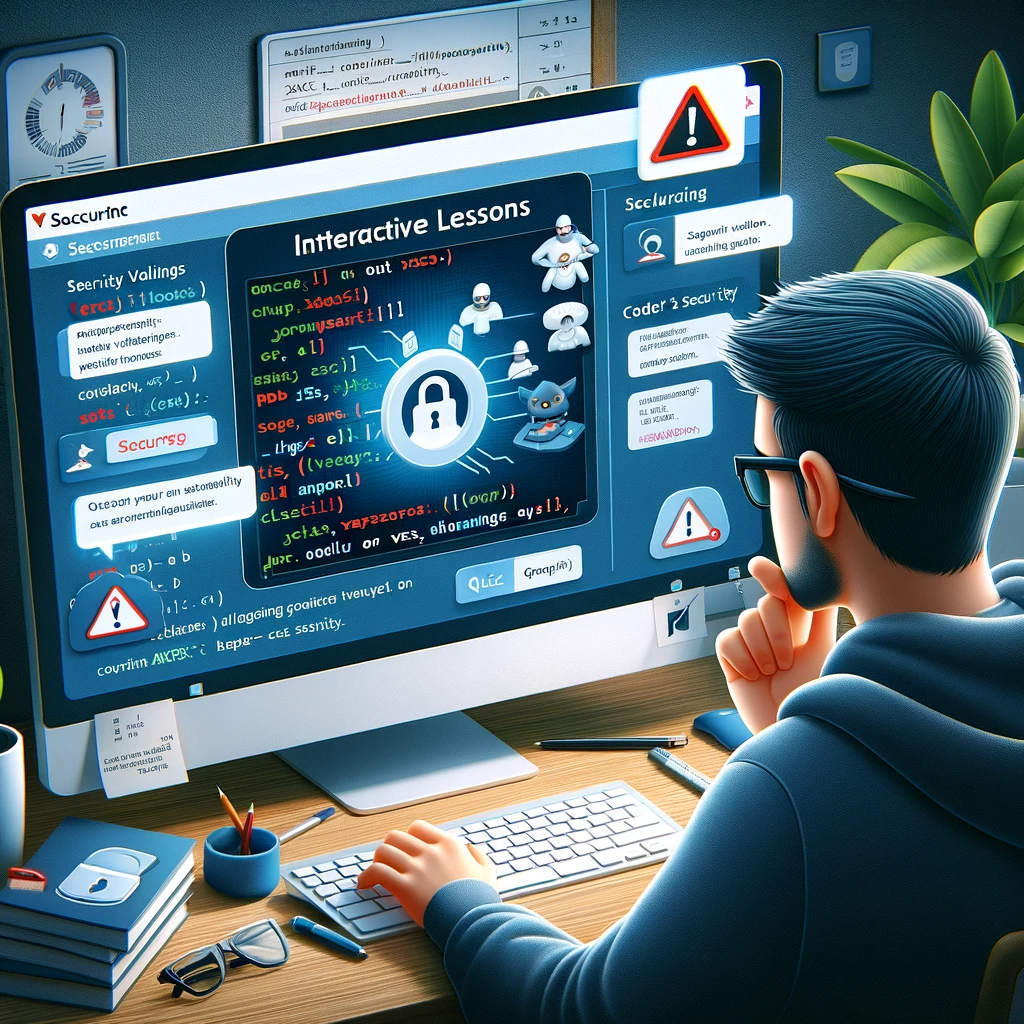
Why Is It Important To Notify The Federal Trade Commission?
Why Is It Important To Notify The Federal Trade Commission?
- Cybersecurity is a vital concern for anyone using digital platforms.
- Notifying the FTC about data breaches helps combat cybercrime and protect sensitive information.
- The FTC collects data on breaches and scams, helping identify trends in cyber threats.
- Collective reporting from individuals builds a comprehensive picture that aids law enforcement efforts.
- Engaging with the FTC helps maintain market integrity and prevent scams from operating unchecked.
- Proactive reporting to the FTC contributes to a broader community defense against digital threats.
- Notifying the FTC is a community effort that goes beyond bureaucratic formalities, making a real difference.

Why Is It Important To Notify The Federal Trade Commission?
How Do I File A Complaint With The Federal Trade Commission?
So you’ve had a run-in with a shady business, a scam, or maybe something that just doesn’t sit right in your gut. Well, friends, I’ve got news for you: there’s a place where you can take your grievance, and it has your back. Yep, it’s the Federal Trade Commission (FTC). Filing a complaint might not feel like a quick trip to Disneyland, but it’s a necessary and worthwhile journey to hold businesses accountable.
First off, you’ll want to get your facts straight. The FTC doesn’t deal with just any complaint; they focus on issues like scams, identity theft, misleading advertisements, and yes, even cybersecurity violations. That’s right—our digital lives are under constant threat, and the FTC stands as a guardian, ensuring that consumer protection laws are upheld. If you’ve been a victim of a data breach or have encountered suspicious online behavior, your experience is valid and important.
Ready to dive in? Start by visiting the FTC’s website. You’ll find an easy-to-navigate interface that lets you select the type of complaint you want to file. Whether you’re dealing with a telemarketer who just wouldn’t take “no” for an answer or a retailer that’s pulling a fast one, getting your complaint into the FTC’s system can set things in motion.
Once you’re there, they’ll prompt you to document what happened. Details matter—like a carpenter needs precision in measuring wood. Be prepared to provide specifics: dates, names, and any proof you can gather. This isn’t just for kicks; thorough documentation helps the FTC investigate and understand the broader patterns that lead to consumer harm.
After you submit your complaint, it doesn’t just disappear into a void. The FTC uses the information it gathers to identify trends and patterns, potentially opening the door to larger investigations. Remember, you’re not alone; thousands of Americans file complaints every day, and you’re part of a larger effort to keep businesses in check.
So, if you’re feeling frustrated or lost, don’t just stew in it. Take action! Filing a complaint with the FTC is an essential step in standing up for your rights as a consumer. Your voice matters, and by speaking up, you contribute not only to your cause but to the collective fight against dubious practices that can affect anyone.

How Do I File A Complaint With The Federal Trade Commission?
How Do I File A Complaint With The Federal Trade Commission?
- If you’ve encountered a shady business or scam, the Federal Trade Commission (FTC) can help you file a complaint.
- The FTC focuses on specific issues like scams, identity theft, misleading advertisements, and cybersecurity violations.
- Visit the FTC’s website, which provides an easy-to-navigate interface for filing complaints.
- Be prepared to document your experience with precise details, such as dates, names, and evidence.
- Your complaint contributes to identifying trends, which can lead to larger investigations by the FTC.
- Thousands of Americans file complaints daily, making you part of a broader effort to keep businesses accountable.
- Filing a complaint empowers you as a consumer and supports the fight against dubious business practices.

How Do I File A Complaint With The Federal Trade Commission?
What Information Do I Need To Include In My Ftc Complaint?
When you find yourself facing the unfortunate reality of needing to file a complaint with the Federal Trade Commission (FTC), the last thing you want is to throw together a half-baked submission filled with half-truths and vague recollections. No, my friend, it’s essential to arm yourself with the right information, especially when it comes to matters like cybersecurity and your own consumer rights. So, let’s get into what you really need to include in your FTC complaint without missing a beat.
First off, you must clearly identify yourself. Your name, address, and contact information are the cornerstones of your complaint. Think of it as the foundation of a sturdy house; without it, everything else collapses. It’s not just a formality—providing your details helps the FTC reach out if they need further clarification on your situation.
Next, detail the specific nature of your complaint. Was it a deceptive business practice? Were you misled during a transaction? Maybe you encountered a cybersecurity issue that put your sensitive information at risk. Be as specific as possible; this is not the time for vague generalities. The folks at the FTC need to understand exactly what happened so they can take action against wrongdoers.
Chronology is your friend. When did the incident occur? A timeline provides context and helps paint a clearer picture. It’s like telling a story—beginning, middle, and end. Lay out the facts in a logical sequence, and don’t forget to include any relevant documentation, such as emails, receipts, or screenshots, that support your case. This evidence can be the difference between a complaint that’s taken seriously and one that gathers dust.
Now, let’s talk about the impact. How did this situation affect you? Financial loss? Emotional distress? Maybe even an increased awareness of your own cybersecurity vulnerability? Articulating the consequences of the misconduct can bolster your complaint and provide motivation for the FTC to prioritize your case.
Lastly, be sure to state what you want as a resolution. Whether it’s a refund, a proper investigation, or changes in business practices, being clear about your expectations will guide the FTC on how to proceed. Remember, clarity is key, and the more straightforward you are, the better your chances of cutting through the noise.
So there you have it—just a few solid steps to ensure your FTC complaint hits the mark. With the right information, you can help protect not just yourself, but potentially other consumers out there too. Now, go forth and file that complaint with purpose!

What Information Do I Need To Include In My Ftc Complaint?
What Information Do I Need To Include In My Ftc Complaint?
- Identify yourself clearly with your name, address, and contact information to serve as the foundation of your complaint.
- Detail the specific nature of your complaint, whether it involves deceptive practices, misleading transactions, or cybersecurity issues.
- Provide a chronology of events to give context and clarity; lay out the facts in a logical sequence.
- Include relevant documentation, such as emails, receipts, or screenshots, to support your case.
- Articulate the impact of the situation on you, including financial loss or emotional distress, to enhance your complaint’s significance.
- State your desired resolution clearly, whether it’s a refund, investigation, or changes in business practices.
- Ensure your complaint is well-organized and detailed to improve the chances of it being taken seriously by the FTC.

What Information Do I Need To Include In My Ftc Complaint?
How Does The Ftc Help Victims Of Identity Theft?
When it comes to identity theft, the aftermath can be like a bad hangover—painful, disorienting, and often, hard to shake off. Thankfully, there’s a lifeline in the form of the Federal Trade Commission (FTC). This agency is not just another bureaucratic entity filled with red tape; it’s a powerful ally for those who have had their identities swiped by unsavory characters lurking in the digital shadows.
Picture this: you wake up one day to find that someone has taken your social security number and gone on a spending spree like it’s Black Friday. The chaos left behind can feel like a scene out of a movie, but the FTC is here, ready to step in and help you navigate the wreckage. First off, they equip victims with invaluable resources to get their lives back on track. Through their website, they provide a comprehensive identity theft recovery plan, detailing each step to reclaim what’s rightfully yours. It’s an invaluable roadmap for sorting through the mess and coming out stronger on the other side.
The FTC acts as a clearinghouse for identity theft complaints. They gather your information, track trends, and build a case against identity thieves that helps to shed light on the larger problem of cybersecurity. By collecting these reports, they not only assist individuals but also help paint a broader picture of the crime landscape, allowing them to take action at the policy level.
When you file a complaint, the agency doesn’t just file it away in some dusty cabinet. They actively collaborate with law enforcement, providing crucial data that helps in the recovery of stolen identities and assets. This kind of teamwork is essential, especially in an era when cybersecurity threats are growing more sophisticated. They even take the time to help you understand the importance of freezing your credit, ensuring that your financial future isn’t at the mercy of some anonymous hacker.
In addition to their direct assistance, the FTC serves an educational role, providing tips and resources to prevent identity theft before it happens. Whether it’s through informative brochures or community webinars, they empower individuals with knowledge—a powerful tool in the age of digital identity crises.
So, if you find yourself a victim of identity theft, remember you’re not alone. The FTC is in your corner, ready to help you piece your life back together while standing against the relentless tide of cybercrime.

How Does The Ftc Help Victims Of Identity Theft?
How Does The Ftc Help Victims Of Identity Theft?
- Identity theft can feel overwhelming and disorienting, similar to a bad hangover.
- The Federal Trade Commission (FTC) provides essential support for identity theft victims.
- The FTC offers a comprehensive recovery plan on its website to help victims reclaim their identity.
- As a clearinghouse for complaints, the FTC gathers data to track trends in identity theft and enhance cybersecurity efforts.
- The agency collaborates with law enforcement to aid in recovering stolen identities and assets.
- The FTC educates the public with resources and tips to prevent identity theft before it occurs.
- The FTC stands as a supportive ally, helping victims navigate their recovery and combat cybercrime.

How Does The Ftc Help Victims Of Identity Theft?
Conclusion
Alright, folks, let’s gather around for a moment and break this down. Identity theft—it’s like waking up to find an unwelcome intruder has taken up residence in your life, rifling through your finances and playing fast and loose with your identity. It can feel utterly overwhelming, but there’s hope on the horizon, and that hope comes from a little agency known as the Federal Trade Commission (FTC).
First things first, if you suspect you’ve been a victim, don’t freeze like a deer in headlights. The sooner you act, the better off you’ll be. Time is of the essence when it comes to minimizing the fallout from these shady dealings. Head straight to the FTC’s website, your trusty sidekick in this digital jungle. With a few clicks—akin to giving a friendly raccoon a nudge—you’ll find a button that says “Report Identity Theft.” Click it; it’s your ticket to taking back control.
Filing a complaint isn’t some bureaucratic maze either. You’ll need to gather your thoughts and details—think of it as sketching a mugshot of the criminal that’s invaded your life. While you’re at it, hang onto that all-important identity theft affidavit after you submit your report. This document proves you’re a victim and will be vital in dealing with banks and creditors afterwards.
But wait, we’re not done just yet! You’ll want to reach out to your financial institutions and notify them of the fraud, essentially fortifying your defenses against further attacks. Strength in numbers, right? This proactive approach is just as essential as filing your FTC complaint.
Now, let’s take a moment to appreciate the bigger picture. Reporting your identity theft isn’t just about you—oh no! When you shine a spotlight on these breaches, you’re contributing to a collective effort to fight against cybercrime. Each report helps the FTC paint a clearer picture of the identity theft landscape and can empower law enforcement to act. You’re part of a community now, one that’s working to uphold digital integrity for everyone.
In conclusion, when your identity feels like it’s been yanked away, know that you’ve got tools and helpers at your disposal. Act fast, stand tall, and take charge of your narrative. The FTC is your ally, guiding you in regaining control and fortifying yourself against future attacks. Get informed, get proactive, and remember: you’re not just protecting yourself; you’re standing up for everyone in this evolving battle against identity theft. You’ve got this!

Conclusion
Conclusion:
- Identity theft is a severe violation, akin to an intruder invading one’s life and finances.
- If you suspect identity theft, it’s crucial to act quickly to minimize its impact.
- Visit the FTC’s website to report identity theft by clicking the “Report Identity Theft” button.
- Gather details about the situation and keep the identity theft affidavit after filing your report.
- Notify your financial institutions about the fraud to strengthen your defenses.
- Reporting identity theft contributes to combating cybercrime and helps law enforcement.
- Be proactive and informed; you’re protecting not just yourself but also the broader community against identity theft.

Conclusion
Other Resources

Other Resources
Here is a list of other resources you can review online to learn more:
- Cyberstone
- Armadillo Managed Services
- IT Weapons
- Atos
- CyberCX
- Infinit Consulting
- Ready.Gov – Cybersecurity
- Rehmann
- Plurk
- Federal Bureau of Investigation: Cyber Crime
Use This Prompt To Get More Resources With Your Favorite Online AI Tool: Please provide me with a list of online articles with their URLs in a bulleted list that I can read regarding How to Notify The Federal Trade Commission with Identity Theft?

Other Resources
Glossary Terms
How to Notify The Federal Trade Commission with Identity Theft? – Glossary Of Terms
1. Identity Theft: The unauthorized use of another person’s personal information to commit fraud or other crimes.
2. Federal Trade Commission (FTC): A U. S. government agency that protects consumers by enforcing laws against unfair and deceptive business practices, including identity theft.
3. Fraud Alert: A notification placed on a credit report to warn creditors that the individual may be a victim of identity theft, prompting them to take extra steps to verify identity before granting credit.
4. Credit Freeze: A security measure that restricts access to a person’s credit report, making it harder for identity thieves to open accounts in that person’s name.
5. Identity Theft Report: A document that outlines the details of the identity theft incident, which can help victims dispute fraudulent charges and accounts.
6. Consumer Report: A report containing information about a consumer’s credit history, which can be used to assess creditworthiness.
7. Personal Identification Information (PII): Sensitive information that can identify an individual, such as Social Security numbers, driver’s license numbers, and bank account numbers.
8. FTC Identity Theft Complaint Form: The online form used to report incidents of identity theft directly to the FTC.
9. Recovery Plan: A structured plan detailing steps a victim of identity theft should take to recover their identity and protect their financial accounts.
10. Identity Theft Protection Services: Services that monitor personal information and provide alerts for potential identity theft.
11. Victim Statement: A documented account of the facts surrounding the identity theft incident, often included in the identity theft report.
12. Dispute Letter: A letter sent to credit reporting agencies or creditors to challenge incorrect information on a credit report due to identity theft.
13. Credit Reporting Agencies (CRAs): Companies that collect and maintain consumer credit information, which can be affected by identity theft incidents.
14. Equifax: One of the three major credit reporting agencies, alongside Experian and TransUnion.
15. Experian: Another major credit reporting agency, responsible for tracking and reporting credit histories.
16. TransUnion: The third major credit reporting agency, providing credit information and reports to consumers and businesses.
17. Skimming: A method used by identity thieves to capture information from credit or debit cards using hidden devices.
18. Phishing: A fraudulent attempt to obtain sensitive information by disguising as a trustworthy entity via email or other communication methods.
19. Data Breach: An incident where confidential data is accessed or disclosed without authorization, often leading to identity theft.
20. Social Security Number (SSN): A unique number assigned to U. S. citizens and residents for tracking earnings and benefits, often targeted in identity theft.
21. Online Security Practices: Measures individuals can take to secure their personal information online, such as using strong passwords and two-factor authentication.
22. Consumer Financial Protection Bureau (CFPB): A U. S. government agency focused on protecting consumers in the financial sector, often working in conjunction with the FTC.
23. Identity Theft Affidavit: A legal statement affirming that a person’s identity has been stolen, often used to dispute fraudulent charges or accounts.
24. Authorized User: A person who has permission to use someone else’s credit account, but isn’t responsible for paying the debt.
25. Preventive Measures: Actions taken to reduce the risk of identity theft, such as regularly monitoring credit reports and using secure passwords.
26. Notification Letter: A formal letter sent to creditors or institutions that might have been affected by the identity theft incident.
27. Reputable Sources: Trustworthy organizations or websites that provide accurate and reliable information on identity theft and recovery.
28. Legal Assistance: Professional help from a lawyer familiar with identity theft cases, aiding victims in navigating legal avenues.
29. Consumer Fraud: Deceptive practices aimed at misleading consumers, often resulting in financial loss.
30. Document Retention: The practice of keeping evidence and records related to identity theft, such as emails, letters, and police reports.

Glossary Of Terms
Other Questions
How to Notify The Federal Trade Commission with Identity Theft? – Other Questions
If you wish to explore and discover more, consider looking for answers to these questions:
- What are the signs that indicate I might be a victim of identity theft?
- How can I protect myself from becoming a victim of identity theft?
- What should I do if I discover unauthorized transactions in my accounts?
- How do I contact my financial institutions after losing my identity?
- What information do I need to provide when reporting to the FTC?
- What can I expect after I report identity theft to the FTC?
- How long does the identity recovery process take after reporting theft?
- What is the difference between a fraud alert and a credit freeze?
- How can I receive support from other organizations in addition to the FTC?
- What steps should I take if the FTC does not resolve my complaint?
- What are my rights as a victim of identity theft?
- Can identity theft affect my credit score, and how?
- How do I monitor my credit report effectively after identity theft?
- Are there any legal steps I can take against identity thieves?
- What preventative measures can I take to avoid identity theft in the future?

Other Questions
Haiku
How to Notify The Federal Trade Commission with Identity Theft? – A Haiku
Report with urgency,
FTC stands as your guide,
Regain what is lost.

Haiku
Poem
How to Notify The Federal Trade Commission with Identity Theft? – A Poem
Ode to Identity Guard
In the depths of a digital plight,
Where shadows loom and wrongs take flight,
Your essence, your name, so harshly torn,
By thieves who stalk, deceitfully born.
Fear not, dear friend, don’t lose your way,
To the FTC, you must convey,
The ache of loss, the theft of trust,
Report it swiftly; it’s a must.
With frantic heart and steady hand,
Visit the site—a guiding stand,
“Report Identity Theft!” the call rings clear,
Click it like hope amidst the fear.
Sketch the fraudster’s craft with care,
Detail their schemes; lay your soul bare,
The affidavit, your golden token,
In the fight for truth, your silence broken.
Notify banks, make the call,
Rebuild your walls, don’t let them fall,
Place fraud alerts like sentinels bold,
A fortress against the unraveling cold.
Through battle’s haze, you shall discern,
The signs of theft, the lessons learned,
Watch your statements, heed the call,
For in vigilance, you rise above all.
With every report, a signal sent,
To fight together, our strength is lent,
The FTC, our ally true,
In the war against thieves, both many and few.
So, rise, reclaim what’s yours in kind,
In the hearts of many, the echoes bind,
Together, we stand, defenders of peace,
From identity theft, let’s seek release.
In this connected world, we play our part,
Guardians of truth, united at heart,
For every challenge, together we’ll strive,
In the face of chaos, our spirits thrive.

Poem
Checklist
How to Notify The Federal Trade Commission with Identity Theft? – A Checklist
Checklist: How to Notify the Federal Trade Commission (FTC) About Identity Theft
Before You Report:
_____ Gather Information: Collect all relevant personal information (name, address, contact information).
_____ Document Fraudulent Activities: Compile records of unauthorized transactions, credit applications, and communications from debt collectors.
_____ Check Your Credit Report: Review your credit reports for any unfamiliar accounts or inquiries.
Reporting to the FTC:
_____ Visit the FTC Identity Theft Website: Go to [IdentityTheft. gov](https://www. identitytheft. gov).
_____ Select “Report Identity Theft”: Click the button to start the reporting process.
_____ Fill Out the Online Form: Provide as much detail as possible, including:
_____ Description of the fraudulent activity.
_____ Dates of incidents.
_____ How you discovered the theft.
After Reporting:
_____ Obtain Your Identity Theft Affidavit: Save or print the affidavit to use later.
_____ Contact Financial Institutions: Inform banks and credit card issuers about the identity theft.
_____ Place a Fraud Alert: Contact one of the major credit bureaus (Experian, TransUnion, Equifax) to place a fraud alert on your credit report.
_____ Consider Freezing Your Credit: Restrict access to your credit report to prevent new accounts from being opened in your name.
Additional Steps:
_____ File a Police Report: Document the identity theft with your local police department.
_____ Keep Records: Document all interactions, including dates, names, and details of conversations with banks, credit bureaus, and law enforcement.
_____ Monitor Your Accounts Regularly: Set up alerts for transactions and check your accounts frequently for any unusual activity.
Prevention Tips:
_____ Strengthen Online Security: Use strong passwords and enable multi-factor authentication on your accounts.
_____ Educate Yourself About Scams: Stay informed on common identity theft tactics to avoid falling victim in the future.
By following this checklist, you’ll take proactive steps toward notifying the FTC and protecting your identity. Remember, acting quickly is crucial in minimizing the damage caused by identity theft!

Checklist
At BestCyberSecurityNews, we help teach entrepreneurs and solopreneurs the basics of cybersecurity and its impact on their businesses by using simple concepts to explain difficult challenges.
Please read and share any of the articles you find here on BestCyberSecurityNews with your friends, family, and business associates.