


Protecting Our Elderly: Recognizing And Preventing Financial Scams
By Tom Seest
At BestCyberSecurityNews, we help teach entrepreneurs and solopreneurs the basics of cybersecurity and its impact on their businesses by using simple concepts to explain difficult challenges.
Please read and share any of the articles you find here on BestCyberSecurityNews with your friends, family, and business associates.
Have You Turned a Blind Eye to Scams Draining The Savings Of Seniors?
Picture this: a wise and seasoned soul, someone who has worked hard all their life, now enjoying the fruits of their labor in what should be a peaceful retirement. Yet, lurking just beyond their quiet existence is a web of deceit, spun by those who prey on naivety and trust. The unsettling reality is that, every day, seniors find themselves ensnared in scams that threaten their hard-earned savings, leaving them vulnerable and anxious.
This is where we must step up and confront the shadows of exploitation, armed with knowledge and a shared commitment to protect our loved ones. You might be wondering, “How can this happen?” The simple answer lies in the insidious nature of modern scams, especially in an era where technology reigns supreme. Cybercriminals are smarter than ever, leveraging sophisticated techniques that can slip past even the best of defenses. Understanding how these scams operate isn’t just beneficial; it’s crucial. When we talk about *cybersecurity*, we’re not just tossing around buzzwords—we’re advocating for the safety of those we hold dear.
So, what can we do to combat this tide of treachery? Start by leaning in, engaging with your parents or grandparents about their online habits. Ask them about their emails, social media interactions, or those “too good to be true” offers that pop into their inbox. Oftentimes, it’s the simplest conversations that bring light to shadowy corners. Encourage them to be skeptical, to verify sources, and to rely on each other for advice.
Additionally, consider participating in local community programs designed to educate seniors about scams. When communities come together, we can arm our parents and grandparents with knowledge—something that is far more powerful than any fleeting promise of wealth. Remember, it’s not just their savings on the line; it’s their peace of mind and sense of security.
Let’s not turn a blind eye to this pressing issue. Together, we can create a protective barrier against the onslaught of scams. By fostering trust, open communication, and a little skepticism, we can secure a safer financial future for our beloved seniors, ensuring they can enjoy the golden years they so richly deserve.

Have You Turned a Blind Eye to Scams Draining The Savings Of Seniors?
Have You Turned a Blind Eye to Scams Draining The Savings Of Seniors?
- Seniors, who have worked hard all their lives, are increasingly vulnerable to scams that threaten their savings.
- Modern scams exploit naivety and trust, using sophisticated techniques that can evade traditional defenses.
- Understanding how these scams operate is crucial for protecting loved ones.
- Engage seniors in conversations about their online habits to raise awareness of potential scams.
- Encourage skepticism and verification of offers that seem too good to be true.
- Participate in local community programs aimed at educating seniors about scams.
- Fostering trust, open communication, and skepticism can help secure a safer financial future for seniors.

Have You Turned a Blind Eye to Scams Draining The Savings Of Seniors?
Table Of Contents
- Have You Turned a Blind Eye to Scams Draining The Savings Of Seniors?
- What Types Of Scams Are Most Common Among Seniors?
- How Can Seniors Recognize Potential Scams?
- What Steps Can Families Take To Protect Their Elderly Relatives?
- Are There Specific Warning Signs That Indicate A Scam?
- How Can Seniors Safely Manage Their Finances To Avoid Scams?
- What Role Do Financial Institutions Play In Preventing Scams?
- How Can Community Resources Help Educate Seniors About Scams?
- Conclusion
- Other Resources
- Glossary Of Terms
- Other Questions
- Haiku
- Poem
- Checklist
What Types Of Scams Are Most Common Among Seniors?
When we talk about scams targeting seniors, it’s important to remember that these aren’t just faceless threats lurking behind a screen. They’re real people wanting to exploit the trust and goodwill built up over a lifetime. Unfortunately, the types of scams that commonly ensnare our older loved ones are as varied as they are insidious. Let’s break down a few of the most prevalent ones and remind ourselves what we can do to protect those dear to us.
One of the biggest threats in today’s digital age is online scams, which often fall into the category of cybersecurity fraud. Seniors might receive an unsolicited email claiming they’ve won a lottery they never entered. The kicker? To claim the winnings, they must provide sensitive personal information like their Social Security number or bank details. Spoiler alert: there’s no lottery, just a scam artist waiting to cash out on your trust.
Then there’s the persistent threat of romance scams. Picture this: a lonely and loving heart, looking for connection online. It’s an all-too-common scene, where a senior finds themselves chatting with what seems to be a genuine suitor. As the emotions run high, so does the financial drain, often culminating in requests for money to solve some fictitious crisis. It’s heartbreaking—and a grim reminder that we must communicate openly about these traps.
Telemarketing fraud is another classic. This often takes the form of a “too-good-to-be-true” offer over the phone: a free vacation, a miracle health product, or a fantastic investment opportunity. It’s the kind of call that can leave anyone in a bit of a daze. Seniors might feel pressured to act quickly, leading them to financial choices they didn’t fully understand. Educating them about the dangers of sharing personal information over the phone is crucial here.
And let’s not forget identity theft. Seniors may underestimate how vulnerable they are to having their identities stolen, especially if they frequently use social media or have outdated online security practices. Highlighting the importance of effective cybersecurity measures can empower seniors to protect themselves online.
An open dialogue with our senior loved ones about these scams can go a long way. Encourage them to ask questions, seek verification, and be suspicious of too-good-to-be-true situations. Trust your instincts—they can be your best ally in navigating this minefield. Remember, we all have a role to play in helping protect our elders from the ever-evolving landscape of fraudulent schemes. Together, we can build a stronger, safer online community for everyone.

What Types Of Scams Are Most Common Among Seniors?
What Types Of Scams Are Most Common Among Seniors?
- Scams targeting seniors exploit trust and goodwill built over a lifetime.
- Online scams, such as fake lottery winnings, lead to requests for sensitive personal information.
- Romance scams prey on lonely seniors, often resulting in significant financial losses.
- Telemarketing fraud offers “too-good-to-be-true” deals, pressuring seniors into hasty financial decisions.
- Identity theft is a major risk; seniors must practice effective cybersecurity to protect themselves.
- Open dialogue with seniors about scams can help them recognize and avoid potential threats.
- Collective awareness and education are essential for creating a safer online community for seniors.

What Types Of Scams Are Most Common Among Seniors?
How Can Seniors Recognize Potential Scams?
Let’s face it, navigating the world today can feel a bit like walking through a minefield, especially when it comes to potential scams. But don’t let that scare you! There are simple steps you can take to recognize the warning signs, ensuring that your hard-earned money stays safe and sound.
First, always trust your gut. If something feels off, it probably is. This intuition is your first line of defense. Scammers are skilled at pulling at heartstrings or appearing friendly while hiding their true intentions. Whether it’s a phone call from someone claiming to be from the IRS or an email offering you the deal of a lifetime, if you sense something fishy, take a step back and evaluate the situation.
Next, familiarize yourself with the basics of cybersecurity. You might not be a tech whiz, but understanding how to protect your personal information online can go a long way. Don’t ever give out sensitive details, like your Social Security number or banking information, to someone you don’t know. You wouldn’t let a stranger into your home, so don’t let them into your digital life either. You see, a little skepticism can be your strongest ally.
It’s also wise to educate yourself about common scams targeting seniors. Identity theft, phishing emails, and fraudulent lottery winnings are just a few tricks in a scammer’s toolkit. Knowing what to watch for can help you quickly sift through the noise. Plus, sharing stories with friends and family about scams they’ve encountered can bolster everyone’s defenses. Remember, when we come together to share knowledge, we grow stronger.
A practical tip: if someone contacts you unexpectedly—be it a phone call or an unsolicited email—take the time to verify their identity. Hang up and call back using a number you know is legitimate, or simply delete that email without clicking any links. Scammers rely on your urgency to react; take a deep breath and give yourself the chance to think.
Lastly, don’t shy away from asking for help. If something doesn’t add up, reach out to family members, friends, or even local resources. You’ve built a lifetime of relationships—lean on those supportive connections. Together, we can create a community that is vigilant, informed, and resilient in the face of potential scams. Your safety matters!

How Can Seniors Recognize Potential Scams?
How Can Seniors Recognize Potential Scams?
- Trust your instincts; if something feels off, it likely is.
- Understand the basics of cybersecurity to protect your personal information.
- Never share sensitive information with strangers online.
- Educate yourself about common scams, especially those targeting seniors.
- Verify the identity of unexpected contacts by using known legitimate numbers.
- Don’t hesitate to seek assistance from family or friends if something seems suspicious.
- Promote community awareness by sharing experiences and knowledge about scams.

How Can Seniors Recognize Potential Scams?
What Steps Can Families Take To Protect Their Elderly Relatives?
When it comes to looking out for our elderly relatives, it’s not just about ensuring they have a comfy chair to sit in or their favorite blanket within reach. No, it’s about diving headfirst into the full spectrum of protection—both physical and digital. Let’s roll up our sleeves and tackle this together, shall we?
First off, let’s talk about cybersecurity. Yes, you read that right! In today’s world, it’s imperative that we help our loved ones navigate the often-treacherous waters of the internet. You might think of tech as the domain of the younger generation, but trust me, our seniors need a life raft, too. Begin with the basics: make sure their devices are equipped with reputable antivirus software and that they’re using strong, unique passwords. A password manager can be a game-changer here, eliminating the need to remember those perplexing combinations of letters, numbers, and symbols that often lead to frustration.
Next up, talk to them about phishing scams. It’s astounding how crafty some of these con artists can be. Take the time to share real-world examples and teach them to recognize the telltale signs. Encourage them to be skeptical of any unexpected emails or phone calls that ask for personal information. If something feels “off,” it probably is. Creating an environment where they feel safe asking questions can make a world of difference.
And let’s not forget about physical safety. Regular check-ins, both in person and via phone, can be a lifeline. Establish a routine, whether it’s a weekly visit or a daily call. This not only helps keep their spirits high but also allows you to notice any changes in their condition or mood that may need attention.
Social engagement is crucial. Help them find community groups or activities that pique their interest. Whether it’s a book club, a gardening group, or even a walking club, staying socially active has remarkable mental and emotional benefits. Plus, the fun they have can amplify their overall well-being!
Finally, never underestimate the power of love and patience. This journey is about creating a network of trust. When your elderly relatives know they can lean on you, they’ll embrace the changes that can safeguard their lives, both online and off. Together, you’re not just protecting them; you’re enhancing the quality of their golden years. So roll up your sleeves, dig in, and let’s get to work—because family matters, and the best we can do is ensure it thrives in every way possible.

What Steps Can Families Take To Protect Their Elderly Relatives?
What Steps Can Families Take To Protect Their Elderly Relatives?
- Focus on comprehensive protection for elderly relatives, covering both physical and digital aspects.
- Ensure cybersecurity by installing reputable antivirus software and using strong, unique passwords.
- Introduce a password manager to help seniors manage complex passwords more easily.
- Educate them about phishing scams, including recognizing red flags in emails and phone calls.
- Establish regular check-ins, both in person and via phone, to ensure their well-being.
- Encourage social engagement by helping them find community groups or activities of interest.
- Build a strong network of trust through love and patience, enhancing their quality of life.

What Steps Can Families Take To Protect Their Elderly Relatives?
Are There Specific Warning Signs That Indicate A Scam?
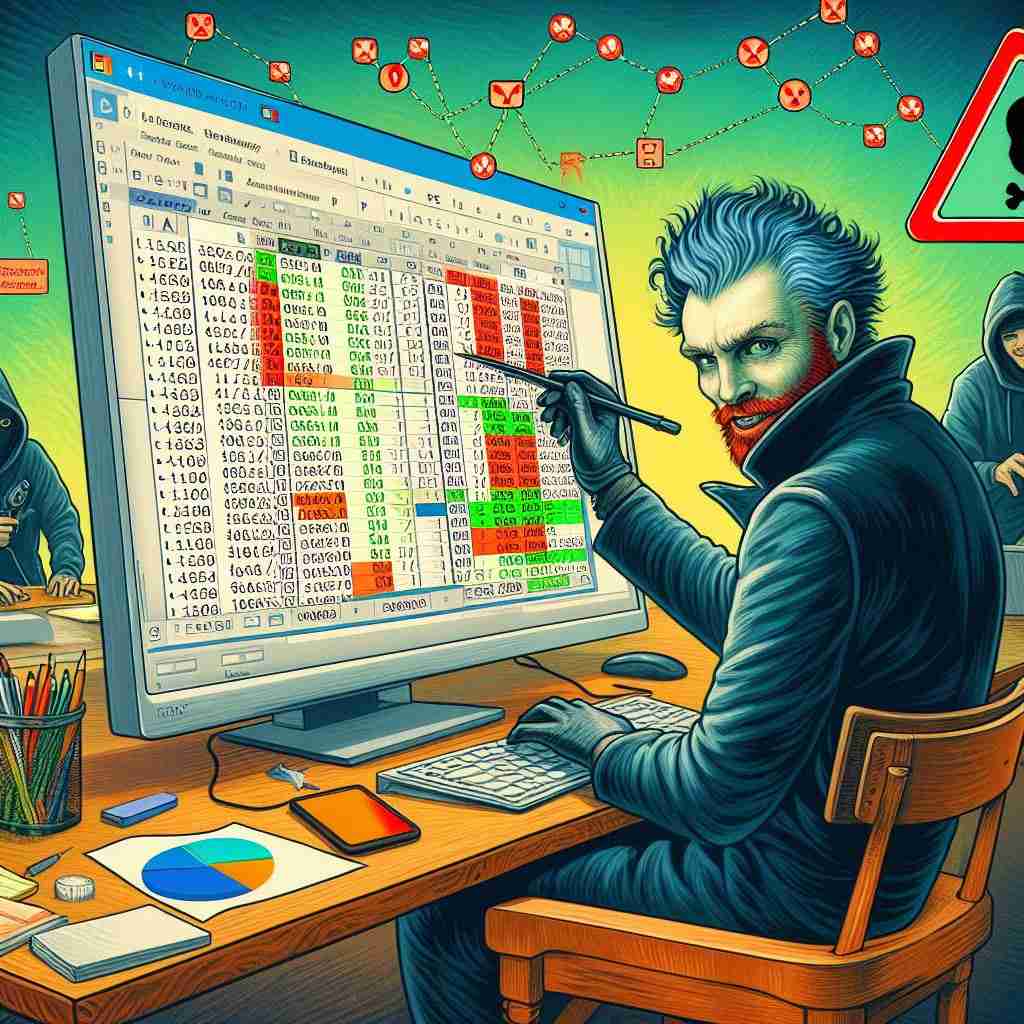
Have you ever found yourself on the internet, heart racing, convinced you’ve stumbled upon a golden opportunity? Maybe it’s an unmissable job offer or a deal that’s too good to be true. Well, hang on a minute! Before you dive in headfirst, it’s time to play detective and look for those telltale signs that scream “SCAM!”
First off, let’s talk about communication styles. If someone is reaching out to you—whether it’s through an email, a phone call, or a flashy online ad—and they’re using high-pressure tactics, that’s your first red flag. Legitimate businesses don’t typically rush you into making decisions that could affect your life or your wallet. If they’re pushing you to click a link or provide personal information right away, take a step back. Your instincts might be trying to protect you.
Then there’s the realm of cybersecurity. Scammers have gotten pretty savvy, often disguising themselves as reputable organizations. So, when in doubt, look for those shiny verification badges and that little “https://” in the URL. A skewed web address or poor grammar should make you raise an eyebrow. If you see typos or awkward phrasing in a professional email, your alarm bells should be ringing louder than a fire alarm in a crowded theater!
Next, consider the offers themselves. If they promise significant rewards for little effort—say, a paycheck for a few hours of work or promises of extravagant prizes—run the other way. This isn’t a lottery ticket, folks, it’s more like a trap. Remember that if it sounds too good to be true, it probably is.
Also, check for urgency. Scammers love to create a false sense of urgency. “Limited-time offer!” or “Act now before it’s too late!” are phrases designed to get you to act impulsively. Take a deep breath and give yourself permission to walk away. A genuine opportunity will still be there tomorrow, and the day after that.
Lastly, trust your gut. If something feels off—if the whole interaction feels like a shaky house of cards—then it probably is. Scams are more than just financial losses; they can lead to emotional distress. Don’t let yourself fall victim. By honing in on these warning signs and exercising a critical eye, you fortify not just your financial security but also your peace of mind. Stay savvy, folks!

Are There Specific Warning Signs That Indicate A Scam?
Are There Specific Warning Signs That Indicate A Scam?
- Be wary of high-pressure communication tactics from emails, phone calls, or online ads.
- Look for signs of legitimacy such as verification badges and “https://” in URLs.
- Typos or poor grammar in professional communications should raise suspicions.
- Avoid offers that promise significant rewards for minimal effort; they are often traps.
- Beware of urgency tactics like “limited-time offer” that pressure you to decide quickly.
- Trust your instincts; if something feels off, it probably is.
- Recognizing these warning signs can help you protect your finances and peace of mind.
Are There Specific Warning Signs That Indicate A Scam?
How Can Seniors Safely Manage Their Finances To Avoid Scams?
Navigating the financial landscape can feel like walking through a minefield, especially for seniors. In today’s digital age, with the ever-present threat of scams lurking around every corner, managing your finances with confidence is more important than ever. But guess what? You can do it! Let’s break it down and make it simple.
First, let’s talk about cybersecurity. It’s a big word, but at its core, it’s about protecting your personal information, whether you’re online shopping or checking your bank balance. Start by using strong, unique passwords for your online accounts. Think of a phrase or a mix of words that have meaning to you but would leave a scammer scratching their head. Change those passwords regularly and avoid using the same one across multiple sites. If your bank offers two-factor authentication—snag it! It’s like having a double lock on your front door.
Next up, be vigilant! Scammers love to prey on doubt and urgency. If someone calls you out of the blue claiming to be from your bank or the IRS, hang up! Legitimate organizations won’t pressure you for immediate action over the phone. Instead, take a deep breath and verify their claims. Grab that phone and make a call to your bank’s official number. Think of it as giving yourself a safety net. Trust your instincts; if something feels off, it probably is.
Now, let’s dive into budgeting. Setting a clear budget is crucial. It’s your roadmap, guiding your financial decisions and making it harder for any scammer to get a foot in the door. Track your income and expenses, and keep an eye out for anything unusual—whether it’s a subscription you didn’t sign up for or a charge that raises your eyebrows. Regularly reviewing your bank statements can help you spot irregularities before they spiral out of control.
Lastly, don’t go it alone. Share your experiences with family and friends. Create a support network, and don’t hesitate to ask for help if you feel overwhelmed. Scammers thrive on isolation; the more connected you are, the less vulnerable you’ll be.
Remember, managing your finances doesn’t have to be a daunting task. With a little knowledge and vigilance, you can secure your hard-earned money and enjoy the peace of mind you deserve!

How Can Seniors Safely Manage Their Finances To Avoid Scams?
How Can Seniors Safely Manage Their Finances To Avoid Scams?
- Navigating finances is challenging for seniors, especially in the digital age with scams prevalent.
- Cybersecurity is key; use strong, unique passwords and enable two-factor authentication for protection.
- Be vigilant and skeptical of unexpected calls claiming to be from banks or the IRS; verify their identity before taking action.
- Creating and following a budget is essential for tracking income and expenses and preventing scams.
- Regularly review bank statements to identify any unusual charges or subscriptions.
- Build a support network by sharing experiences with family and friends to combat isolation and vulnerability.
- With knowledge and vigilance, you can confidently manage your finances and protect your hard-earned money.

How Can Seniors Safely Manage Their Finances To Avoid Scams?
What Role Do Financial Institutions Play In Preventing Scams?
When you think about your bank, what comes to mind? Maybe it’s that friendly teller who always asks about your weekend or the automated voice that guides you through the labyrinth of options on the phone. But let’s take a step back. Financial institutions are more than just places to stash your hard-earned cash—they’re frontline soldiers in the ongoing battle against scams.
Picture this: You’ve just received an email that seems to come straight from your bank, asking you to verify your account information. Sounds legit, right? This is where your financial institution steps in with their expertise in cybersecurity. These organizations are equipped with cutting-edge technology and trained experts who constantly monitor transactions and analyze behavior patterns. They’re like the watchdogs of your bank account, sniffing out anything that seems off. When they catch something unusual, they’re quick to contact you, often before you’ve even noticed. This proactive approach can save you from becoming a victim of fraud.
But it doesn’t stop at the bank walls. Financial institutions actively engage in educating their customers about potential scams. Many offer workshops, seminars, and online resources that empower you to recognize the signs of a con job. Think of it as having a safety manual for navigating the digital world. They teach you the do’s and don’ts, from recognizing phishing attempts to understanding the importance of complex passwords. It’s like having a trusted mentor guiding you through the minefield of online interactions.
Another crucial element is collaboration. Banks don’t operate in silos. They work with law enforcement, regulatory agencies, and cybersecurity firms to share information and build stronger defenses against fraud. This teamwork extends the net of protection around each and every one of us, creating a community focused on safety. When you deposit your paycheck, you don’t just see it as money; you’re also investing in a collective effort to safeguard your financial future.
So, the next time you walk into your bank or log onto your banking app, remember there’s more than meets the eye. Those institutions are taking strides to protect you, using the latest in cybersecurity and a commitment to education and collaboration. They’re not just banks; they’re your allies in the fight against scams. Stay informed and engaged, and together, let’s keep our financial lives secure.

What Role Do Financial Institutions Play In Preventing Scams?
What Role Do Financial Institutions Play In Preventing Scams?
- Financial institutions are vital in the fight against scams, acting as frontline defenders.
- They utilize advanced technology and trained experts to monitor transactions and detect unusual activities.
- These banks proactively contact customers if they identify suspicious transactions, often before customers notice.
- They provide educational resources, such as workshops and online materials, to help customers recognize potential scams.
- Financial institutions teach customers the importance of cybersecurity practices, including recognizing phishing attempts and using complex passwords.
- Banks collaborate with law enforcement, regulatory bodies, and cybersecurity firms to enhance fraud prevention efforts.
- Overall, banks act as allies in safeguarding financial security, encouraging customers to stay informed and engaged.

What Role Do Financial Institutions Play In Preventing Scams?
How Can Community Resources Help Educate Seniors About Scams?
Let me paint you a picture. You’re in a bustling community center, and you hear the chatter of laughter and conversation filling the air. Tables are set up, covered with pamphlets, brochures, and friendly faces ready to engage with anyone who walks through the door. This isn’t just any gathering; it’s a lifeline for our cherished seniors, many of whom navigate a world increasingly steeped in technology. As we all know, scams are lurking around every digital corner, and it’s crucial that we arm ourselves with information, especially our elders who deserve our unwavering support.
Community resources play an indispensable role in this educational crusade against scams. Think about the local library, where dedicated staff host workshops on cybersecurity tailored specifically for seniors. They break down the complexities of the digital world into digestible chunks, highlighting the telltale signs of a scam email or voice call. Through interactive sessions, elders learn how to identify phishing attempts and differentiate between legitimate and fraudulent outreach. It’s more than information; it’s empowerment.
Then there’s the power of community watch groups. These proactive neighbors don’t just patrol the streets; they vigilantly inform members about the latest scams circulating in the area. Imagine sitting around with neighbors, sharing stories about suspicious characters or sketchy phone calls you’ve encountered. This creates a bond, a network of vigilance. You start to recognize that you’re not facing these threats alone; you’re part of a resourceful community that prioritizes safety.
Moreover, local agencies often partner with technology experts to provide hands-on training for seniors on how to use devices, recognize secure websites, and keep their information private. The lessons go beyond just avoiding scams—they impart valuable skills that encourage independence and confidence. It’s not about overwhelming folks; it’s about bringing them into the fold of modern-day communication in a supportive environment.
Let’s not forget the importance of building trust! Community resource events create a comfortable space for seniors where they can ask questions without feeling silly or embarrassed. It’s a welcoming atmosphere where sharing becomes a tool for collective resilience. Watching one another learn and share their experiences is uplifting and fosters a sense of belonging—a reminder that we’re all in this together.
In the fight against scams, knowledge is power, and community resources serve as an invaluable bridge, ensuring that our seniors not only survive but thrive in this digital age. Together, we can build a safer environment for all.

How Can Community Resources Help Educate Seniors About Scams?
How Can Community Resources Help Educate Seniors About Scams?
- A bustling community center hosts an event aimed at educating seniors about digital scams.
- Local libraries provide tailored cybersecurity workshops for seniors, simplifying complex digital concepts.
- Community watch groups play a proactive role in sharing information about local scams.
- Technology experts partner with agencies to offer hands-on training for seniors on device usage and online safety.
- Community resource events foster an atmosphere of trust, allowing seniors to ask questions freely.
- Collective learning and sharing enhance a sense of belonging and support among seniors.
- Community resources empower seniors to navigate the digital world confidently, promoting safety and independence.

How Can Community Resources Help Educate Seniors About Scams?
Conclusion
As we consider the plight of our seniors navigating the murky waters of financial scams, it’s clear that we can’t just sit back and wait for a hero to swoop in and save the day. No, folks, this is a collective effort. Our elderly loved ones deserve to live their retirement years without the looming shadow of fraud draining their hard-earned savings. Every unchecked scam is not just a financial loss; it’s an emotional blow that erodes trust and peace of mind. So, let’s roll up our sleeves and get proactive.
First, we must realize that knowledge is our most powerful weapon. Scammers are cunning, using technology and deception to exploit our elders’ goodwill. But understanding how they operate is half the battle. We need to have candid conversations with our older relatives about their online activities—what emails they open, who they talk to, and those too-good-to-be-true offers begging for attention. Encourage them to approach questionable interactions with a healthy dose of skepticism. Teaching them to ask questions is not merely beneficial; it’s transformative.
Community engagement is equally vital. Libraries and local organizations are stepping up, hosting workshops where seniors can learn to identify different kinds of scams and gain confidence to navigate the digital landscape safely. By coming together and sharing our knowledge, we’re creating a network of support and vigilance that can thwart scammers at their own game.
Let’s not overlook the role families play. Regular check-ins, both in-person and over the phone, foster a sense of safety and openness. Encourage your elderly relatives to reach out when something doesn’t feel right. When we build trust and a support system, we minimize the likelihood of them falling prey to con artists. And remember, the stakes are high; it’s not just about protecting their wallets—it’s about safeguarding their peace of mind and dignity.
In closing, we can’t afford to turn a blind eye while the vultures circle above. By shining a light on potential threats and fostering a spirit of community, we can help our seniors enjoy their golden years free from the specter of financial exploitation. Let’s harness our collective knowledge, stay engaged, and reinforce that trust. Together, we can build a fortress of security around our loved ones, ensuring they can revel in the joys that come with aging—without fear of becoming a victim of online deception.

Conclusion
Conclusion:
- Financial scams pose a significant threat to seniors, eroding their savings and emotional well-being.
- Proactive engagement and collective effort are essential to protect elderly loved ones from fraud.
- Knowledge and understanding of scam tactics are crucial for prevention.
- Encouraging open conversations about online activities can empower seniors to be more skeptical and cautious.
- Community initiatives, such as workshops at libraries, help seniors recognize and navigate scams effectively.
- Regular family check-ins enhance trust and provide support, reducing the risk of scam victimization.
- By building a supportive network, we can help seniors enjoy their retirement safely, free from financial exploitation.

Conclusion
Other Resources

Other Resources
Here is a list of other resources you can review online to learn more:
- Loop Secure
- Collabrance
- True Digital Security
- Kroll
- Datapath
- Tactical Intelligence Security
- CyberMaxx
- BlackFog
Use This Prompt To Get More Resources With Your Favorite Online AI Tool: Please provide me with a list of online articles with their URLs in a bulleted list that I can read regarding Have You Turned a Blind Eye to Scams Draining The Savings Of Seniors?

Other Resources
Glossary Terms
Have You Turned a Blind Eye to Scams Draining The Savings Of Seniors? – Glossary Of Terms
1. Scam: A deceptive scheme designed to con individuals out of their money or personal information.
2. Seniors: Older adults, typically defined as individuals aged 65 and over, who are often targeted by scams due to factors like social isolation or unfamiliarity with technology.
3. Fraud: Wrongful or criminal deception intended to result in financial or personal gain.
4. Phishing: A method of scamming in which fraudsters impersonate legitimate sources to steal sensitive information, often through emails or messages.
5. Telemarketing Scam: A fraudulent practice where scammers call potential victims to sell fake products or services.
6. Investment Scam: A fraudulent scheme involving promises of high returns on investments that do not exist or are misrepresented.
7. Romance Scam: A deceitful scheme where scammers exploit emotional relationships to trick victims into sending money.
8. Nigerian Prince Scam: A classic advance-fee fraud where a scammer poses as a wealthy individual needing help to transfer money, requesting upfront fees.
9. Identity Theft: The act of stealing someone’s personal information to commit fraud, often targeting bank accounts and credit cards.
10. Wire Transfer Scam: A fraud technique where scammers convince victims to send money electronically, often with little recourse for recovery.
11. Fake Lottery Win: A scam where individuals are told they have won a lottery or contest and must pay fees or taxes to claim the prize.
12. Tech Support Scam: A fraudulent scheme where scammers pose as tech support representatives to gain access to victims’ computers and sensitive information.
13. Ponzi Scheme: A type of investment fraud where returns for older investors are paid using the capital from new investors, not from profits.
14. Pyramid Scheme: A fraudulent system where participants earn profits primarily by recruiting new members rather than from legitimate business activities.
15. Charity Scam: Fraudsters posing as charitable organizations, soliciting donations for nonexistent causes, particularly during times of crisis.
16. Eligibility Scam: A scheme where scammers claim victims qualify for government benefits or grants and ask for fees or personal information in return.
17. Digital Literacy: The ability to use digital technology and communicate effectively, essential for seniors to identify and avoid online scams.
18. Prevention: Strategies and actions taken to stop scams before they happen, such as educating seniors about common scams.
19. Awareness Campaign: Initiatives designed to inform and educate the public, particularly seniors, about the risks and signs of scams.
20. Report: The act of informing authorities about scams, which is critical for tracking and preventing future incidents.
21. Scam Hotline: A dedicated phone line for individuals to report scams or seek advice, often established by consumer protection agencies.
22. Victim Support: Resources and services available to assist individuals who have been targeted by scams, helping them recover and regain security.
23. Consumer Protection Agency: Government or nonprofit organizations designed to enforce laws and protect consumers from fraudulent activities.
24. Red Flags: Warning signs or indicators suggesting that an offer or solicitation may be fraudulent, such as pressure to act quickly or requests for personal information.
25. Social Engineering: Psychological manipulation of individuals into divulging personal information or performing actions that compromise their security.
26. Memory Safety: The protective measures that seniors can adopt, such as keeping personal information secure and being skeptical of unsolicited offers.
27. Elder Abuse: Any form of abuse against older adults, which can include financial exploitation through scams.
28. Safe Boomerang Effect: A term referring to the risk of scams targeting seniors who may unknowingly share information, enabling the scam cycle to continue.
29. Community Resources: Local organizations or groups that provide education and assistance to help seniors protect themselves from scams.
30. Legal Recourse: The options available to victims of scams for seeking justice or compensation, often including reporting to law enforcement or filing civil suits.

Glossary Of Terms
Other Questions
Have You Turned a Blind Eye to Scams Draining The Savings Of Seniors? – Other Questions
If you wish to explore and discover more, consider looking for answers to these questions:
- What are some specific examples of scams targeting seniors?
- How can seniors better safeguard their personal information online?
- What are the psychological factors that make seniors vulnerable to scams?
- Are there any statistics on the financial impact of scams on seniors?
- What legal actions can be taken against scammers?
- How can caregivers effectively communicate with seniors about scams?
- What resources are available for seniors who have fallen victim to scams?
- How can financial institutions enhance their security measures for seniors?
- What role do family dynamics play in preventing seniors from being scammed?
- What technological tools or apps exist to help seniors avoid scams?

Other Questions
Haiku
Have You Turned a Blind Eye to Scams Draining The Savings Of Seniors? – A Haiku
Guard our dear elders,
Scams weave shadows in their trust—
Knowledge is their light.

Haiku
Poem
Have You Turned a Blind Eye to Scams Draining The Savings Of Seniors? – A Poem
A Shield for the Golden Years
In whispered shadows, wisdom wanes,
While elders count their hard-earned gains,
Yet, lurking near, a snare does gleam,
In digital webs, the predators scheme.
Oh, let us not, with blindfolded gaze,
Ignore the threats that cloud their days.
Cyber whispers in the tranquil night,
Deceit entwined, cloaked in false light.
Emails promising a jackpot prize,
A romance spun with heartfelt lies,
Telemarketers with an urgent plea,
“Act now!” they cry, “For a deal so free!”
But trust your heart, it’s a vital key,
To navigate through the stormy sea.
A simple chat, with love and care,
Can shield them well from the weight of despair.
Engage with joy, teach them to think,
To spot the bait, to pause and blink,
For knowledge blooms in community’s light,
With hands joined together, we stand up and fight.
Let banks, as allies, hold the line,
With watchful eyes, their guards align.
Workshops woven with caution’s thread,
Empowering seniors, lifting their dread.
And as we gather, each voice will rise,
A chorus of wisdom, where hope never dies.
For in this world, where threats may dance,
Together we strive, together we chance.
With patience and love, let’s forge the way,
To guard their golden years, come what may.
As fam’ly and friends, our promise endures,
To keep them safe, their joy reassures.

Poem
Checklist
Have You Turned a Blind Eye to Scams Draining The Savings Of Seniors? – A Checklist
Checklist: Protecting Seniors from Financial Scams
Use this checklist to help safeguard your elderly loved ones from potential scams:
Education & Awareness
_____ Discuss Scam Awareness: Have an open conversation about different types of scams targeting seniors, including online scams, telemarketing fraud, and identity theft.
_____ Share Examples: Talk about real-world scams to illustrate how they operate and the tactics scammers use.
_____ Encourage Questions: Foster an environment where seniors feel comfortable asking questions about suspicious communications or offers.
Digital Security
_____ Strengthen Passwords: Help set up strong, unique passwords for online accounts and consider using a password manager.
_____ Implement Two-Factor Authentication: Enable two-factor authentication for email and banking accounts when available.
_____ Teach Recognizing Phishing: Educate seniors on how to identify phishing scams in emails or messages. Look for poor grammar and requests for personal information.
Financial Vigilance
_____ Monitor Bank Statements: Encourage regular reviews of bank and credit card statements to spot unusual transactions quickly.
_____ Establish a Budget: Help create a clear budget to manage finances and prevent impulsive decisions.
_____ Delay Financial Decisions: Advise taking time to think before making any financial commitments or giving out personal information over the phone or online.
Community Involvement
_____ Attend Community Workshops: Participate in local programs designed to educate seniors about scams and cybersecurity.
_____ Join Community Groups: Encourage involvement in community watch groups to share information about suspicious activities.
_____ Build a Support Network: Connect seniors with family, friends, or local resources who can provide assistance when needed.
Recognizing Warning Signs
_____ Trust Intuition: Remind seniors to trust their gut feelings; if something feels off, it probably is.
_____ Watch for High-Pressure Tactics: Be cautious of unsolicited offers that urge immediate action or seem too good to be true.
_____ Verify Unknown Contacts: Always verify the identity of callers or email senders, especially those asking for personal information.
Support & Communication
_____ Regular Check-Ins: Schedule regular visits or phone calls to maintain a connection and stay updated on their well-being.
_____ Encourage Sharing: Promote the importance of sharing any suspicious communications they encounter.
_____ Be Available: Make it clear that they can always talk to you if they have doubts or concerns about financial matters.
By using this checklist, you can effectively contribute to the safety and security of seniors in your life, ensuring they can enjoy their retirement years free from the burden of scams.
Checklist
At BestCyberSecurityNews, we help teach entrepreneurs and solopreneurs the basics of cybersecurity and its impact on their businesses by using simple concepts to explain difficult challenges.
Please read and share any of the articles you find here on BestCyberSecurityNews with your friends, family, and business associates.


