Protecting Your Loved Ones: Senior Fraud Prevention For The Holidays
By Tom Seest
At BestCyberSecurityNews, we help teach entrepreneurs and solopreneurs the basics of cybersecurity and its impact on their businesses by using simple concepts to explain difficult challenges.
Please read and share any of the articles you find here on BestCyberSecurityNews with your friends, family, and business associates.
Are You Prepared to Prevent Senior Targeted Fraud This Holiday?
With the holidays fast approaching, we’re not just gearing up for festive gatherings and gift exchanges; we’re entering a season where vulnerability meets opportunity, particularly for our senior family members. The joy of the season can quickly turn sour when scammers exploit the good will and warmth associated with this time of year. It’s not a matter of whether a scam will occur; it’s about how prepared we are to prevent it.
The concept of cybersecurity often feels like it belongs in the realm of tech-savvy youngsters, right? But the truth is, it has never been more essential for everyone, especially seniors, who may be less familiar with potential online pitfalls. Fraudsters are crafty, evolving their tactics faster than holiday shopping lists. They know that many seniors have built a lifetime of savings, and they want to exploit that.
Think about it: how many times have you heard a story about an elderly friend or relative who was scammed over the phone or through an email that seemed innocent enough? It hits hard because it’s not just about money; it’s about trust, security, and the feeling of safety in their own homes. Imagine the impact if we could change that narrative.
Here’s where we come in. The key to combating senior-targeted fraud is proactive education. Sit down with your loved ones, and have open conversations about the importance of cybersecurity. Explain the red flags—calls asking for personal information, unsolicited emails claiming to be from reliable sources, or deals too good to be true. Empower them with knowledge and outline the resources available to verify any suspicious communications.
Moreover, it’s about building a support system. Encourage seniors to share any odd or uncomfortable interactions, whether it’s a phone call or an email, so they don’t feel isolated in their experiences. Offer to help them set up solid security measures for their devices. Simple steps like creating strong passwords or using two-factor authentication can significantly bolster their defenses.
We all want our seniors to enjoy the holiday season free from worry. It’s about making informed choices and ensuring they navigate this time with confidence instead of caution. Together, we have the power to create vigilance, trust, and awareness to keep holiday cheer alive, leaving fraudsters out in the cold.
So gather ’round, share stories, educate, and fortify. It’s time to take action and make this holiday season one filled with joy, rather than fear.

Are You Prepared to Prevent Senior Targeted Fraud This Holiday?
Are You Prepared to Prevent Senior Targeted Fraud This Holiday?
- The holidays bring joy but also increased vulnerability for seniors to scams.
- Cybersecurity is crucial for everyone, especially seniors who may be less aware of online scams.
- Fraudsters often target seniors due to their lifetime of savings.
- Conversations about cybersecurity can help change the narrative of trust and safety for seniors.
- Educate seniors about the red flags of scams, such as requests for personal information or unbelievable deals.
- Encourage seniors to share their experiences and set up strong security measures on their devices.
- Together, we can foster an environment of vigilance, ensuring seniors enjoy a worry-free holiday season.

Are You Prepared to Prevent Senior Targeted Fraud This Holiday?
Table Of Contents
- Are You Prepared to Prevent Senior Targeted Fraud This Holiday?
- What Common Scams Target Seniors During Holiday Season?
- How Can Seniors Recognize Signs Of Fraud Attempts?
- What Steps Can Families Take To Protect Seniors From Fraud?
- Are There Resources Available For Seniors To Report Fraud?
- How Can Technology Help Seniors Avoid Holiday Scams?
- What Role Does Education Play In Preventing Senior Fraud?
- How Can Seniors Be More Cautious When Giving Out Personal Info?
- Conclusion
- Other Resources
- Glossary Of Terms
- Other Questions
- Haiku
- Poem
- Checklist
What Common Scams Target Seniors During Holiday Season?
As the holidays approach, there’s a palpable excitement in the air. Families gather, lights twinkle, and the spirit of giving envelops us all. But amidst the joy and warmth, there’s an unwelcome guest lurking in the shadows—scammers. Yes, those crafty con artists love to take advantage of the season, particularly targeting seniors who might be feeling a bit more vulnerable. So, let’s shed some light on what to watch for, shall we?
First and foremost, let’s chat about those ever-popular phishing attempts. During the holidays, it’s all too easy for a seemingly friendly email or text to slip into your inbox, promising unbelievable deals or claiming there’s an issue with an order. Spoiler alert: If it seems too good to be true, it probably is. Always remember, never click on links from unknown sources. It’s a prime example of why good cybersecurity practices are paramount this time of year.
Another frequent scam during the holidays is the classic charity con. Many seniors have generous hearts and a desire to help those in need. Scammers know this and may set up fake charities, capitalizing on the spirit of giving. Before you reach for your wallet, take a moment to research the organization. A little skepticism can do wonders—trust me, those scammers are counting on your goodwill.
Next up, be cautious of phone scams, especially those claiming to be from a government agency. Home repairs or vacation offers that require immediate payment can also raise red flags. Too often, these scammers use high-pressure tactics to catch individuals off guard, hoping to exploit their trust. Remember, if someone is pushing you to make quick decisions, it’s worth taking a step back and consulting someone you trust.
Lastly, let’s not forget online shopping. The allure of those holiday deals can be tempting, but it’s essential to shop on reputable websites and keep cybersecurity practices front and center. Make sure your devices are secure, and always use strong, unique passwords.
The holiday season should be filled with joy and comfort, not anxiety and fear. By staying informed, skeptical, and trusting your instincts, you can enjoy the festivities while keeping the scammers firmly off your list. Stay smart, stay safe, and embrace the warmth of the season with open arms. After all, the holiday spirit is about connection and joy—not about falling prey to deceit.

What Common Scams Target Seniors During Holiday Season?
What Common Scams Target Seniors During Holiday Season?
- The holiday season brings excitement, but it also attracts scammers targeting vulnerable populations, especially seniors.
- Watch out for phishing attempts through emails or texts that offer deals or claim issues with orders; if it seems too good to be true, it probably is.
- Fake charities emerge during the holidays; always research before donating to avoid falling prey to scammers exploiting the spirit of giving.
- Be cautious of phone scams, particularly those claiming to be from government agencies or promoting urgent home repairs and vacation offers.
- Scammers often employ high-pressure tactics to manipulate individuals into making hasty decisions; consult someone you trust before acting.
- When online shopping, prioritize reputable websites and maintain strong cybersecurity practices, including using strong, unique passwords.
- Staying informed and trusting your instincts will help you enjoy the holiday season free from anxiety and fear of scams.

What Common Scams Target Seniors During Holiday Season?
How Can Seniors Recognize Signs Of Fraud Attempts?
Let’s face it. The world can sometimes feel like a carnival of confusion, especially when it comes to the digital landscape. Senior citizens, in particular, find themselves navigating a ticket booth of mischief-makers and scam artists, waiting for an opportunity to pull the wool over their eyes. Understanding how to recognize signs of fraud attempts isn’t just about staying safe; it’s about reclaiming a little of that power we all have to protect what’s ours.
First and foremost, let’s talk about that gut feeling. If something seems off, trust it! Whether it’s an unsolicited phone call, an email that doesn’t feel quite right, or even a flashy pop-up ad promising you the moon, your instincts—seasoned by years of life experience—are often your best ally. Cybersecurity experts talk a lot about intuition, and for good reason: it’s the first line of defense against trickery.
Now, let’s dig a little deeper into the details. Watch for suspicious signs. Does the person on the other end of the line sound overly eager to share sensitive information? Are they pressuring you to act quickly, as if your very future hangs in the balance? Fraud attempts often hinge on urgency; they don’t want you to think before you leap. Take a moment. Pause. Think about whether this situation really adds up.
Another prevalent tactic is the impersonation game. Scammers may pose as trusted institutions—banks, government officials, or even tech support. They’ve got slick scripts and can sound convincing, but keep in mind that a legitimate organization will never solicit sensitive information through unsolicited communications. If you’re unsure, hang up and verify by calling the official number or reaching out through channels you know are safe.
Let’s also raise our awareness about payments. If someone asks you to wire money or send gift cards as payment, alarm bells should be ringing louder than a fire truck on a broken street. These are red flags waving frantically—fraudulent signals telling you that the ground under your feet might not be as solid as it seems.
Knowledge is key in this battle against deception. Arm yourself with information. Engage in community education programs, read, and have discussions with family about emerging scams. Because when it comes to navigating the murky waters of fraud, being well-informed isn’t just good practice; it’s empowerment.
So, take a deep breath and step out into the world again. With trust in your instincts and a keen eye on the lookout, you can navigate this carnival while keeping your hard-earned peace of mind intact.

How Can Seniors Recognize Signs Of Fraud Attempts?
How Can Seniors Recognize Signs Of Fraud Attempts?
- The digital landscape can be confusing, particularly for senior citizens who are often targeted by scammers.
- Trust your instincts—if something feels off in communication, it’s important to listen to that gut feeling.
- Be cautious of signs of urgency or pressure to act quickly, as these are often tactics used by fraudsters.
- Scammers may impersonate trusted organizations; always verify through known contact channels before sharing information.
- Requests for payments via wire transfers or gift cards are major red flags indicating potential fraud.
- Stay informed about fraud tactics through community education and discussions with family.
- By trusting your instincts and staying vigilant, you can protect yourself and maintain peace of mind.

How Can Seniors Recognize Signs Of Fraud Attempts?
What Steps Can Families Take To Protect Seniors From Fraud?
When it comes to protecting our seniors from the ugly side of the modern world, we’ve got to roll up our sleeves and get to work. Fraudsters these days are slicker than ever, blending the old tricks with some high-tech wizardry to ensnare the unsuspecting. So, what can families do to keep grandma and grandpa safe from these predators? Let’s dive in.
First off, education is your best line of defense. Sit down with your loved ones and have open conversations about the various scams floating around. Share stories of real-life experiences—because let’s be honest, nothing gets the message across quite like a good old-fashioned cautionary tale. Explain how fraudsters might impersonate a bank official over the phone or send phishing emails that look too good to be true. The more seniors know about these tactics, the better equipped they’ll be to spot the red flags.
Next, take a closer look at their tech setup. Equip them with robust cybersecurity measures, like antivirus software, firewalls, and password managers. These tools are like the locks on their digital doors. Make sure they understand the importance of strong, unique passwords for each account—no simple names of pets allowed! Offer to help them set up two-factor authentication, too; it’s like having a secret access code to their own castle.
And while we’re at it, create a solid support system. Designate a family member or close friend as a ‘check-in buddy.’ Whether it’s a weekly phone call or an in-person visit, this regular contact can help spot any changes in behavior that might indicate someone is trying to pull a fast one. Encourage them to share any suspicious communications, no matter how small or trivial they may seem. Remember, it’s all about building a culture of trust and vigilance.
Additionally, consider organizing financial check-ins. Walk through their bank statements monthly to ensure everything is above board. Help them differentiate between a legitimate transaction and a potential scam. This isn’t just about vigilance; it’s about empowerment. Seniors will feel more confident knowing they have a partner in the process.
Lastly, remind them—no matter how pressing a request might seem, it’s always okay to take a step back. Encourage them to never act without thinking it through, and reassure them that it’s perfectly fine to hang up and consult with someone they trust.
Making these small yet significant changes can create a safer, more secure environment for your loved ones. After all, protecting our seniors isn’t just a duty; it’s an act of love.

What Steps Can Families Take To Protect Seniors From Fraud?
What Steps Can Families Take To Protect Seniors From Fraud?
- Seniors are increasingly targeted by sophisticated fraudsters using a mix of old tricks and modern technology.
- Education is crucial; families should have open conversations with seniors about common scams and share cautionary tales.
- Strengthen seniors’ digital security with antivirus software, firewalls, password managers, and strong passwords.
- Create a support system by designating a family member as a ‘check-in buddy’ for regular communication.
- Organize monthly financial check-ins to help seniors identify legitimate transactions and recognize potential scams.
- Encourage seniors to take a step back before acting on urgent requests and to consult trusted individuals when in doubt.
- Implementing these strategies collectively enhances the safety and security of seniors, emphasizing the importance of care and vigilance.
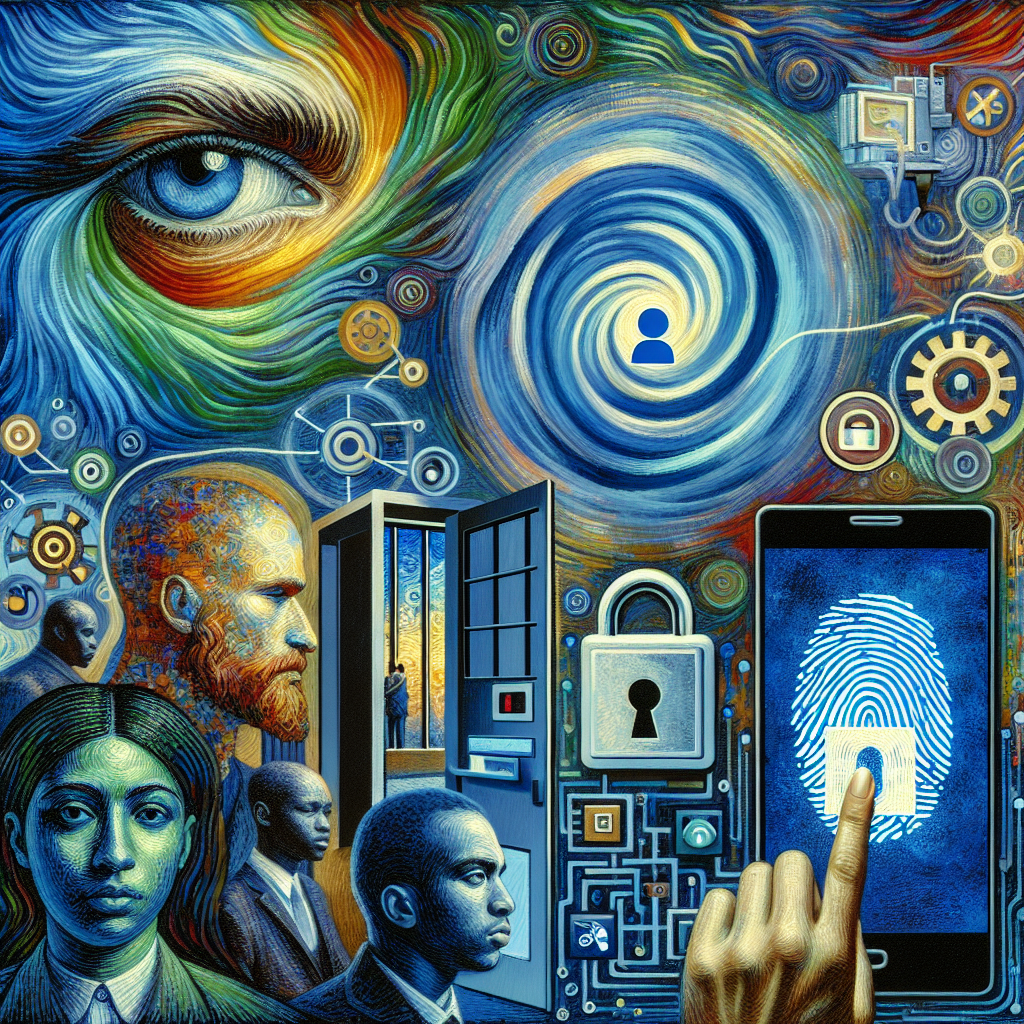
What Steps Can Families Take To Protect Seniors From Fraud?
Are There Resources Available For Seniors To Report Fraud?
We all know life can throw a curveball or two our way, and sometimes that means dealing with the unsavory reality of fraud. The good news? If you’re a senior navigating this tricky terrain, you’re not alone, and there are resources ready to lend a hand. Sure, the fraudsters may be lurking in the shadows of cyberspace, but there are plenty of trustworthy allies out there prepared to help you combat fraud and keep your hard-earned savings safe.
Let’s start by highlighting the important role of cybersecurity. It’s not just the tech-savvy kids in hoodies who need to concern themselves with it—seniors, too, need to be on alert. Understanding how to protect yourself online is a crucial first step. Organizations like the Cybersecurity & Infrastructure Security Agency (CISA) offer tips and resources tailored specifically for older adults. They emphasize the importance of strong passwords and recognizing phishing attempts, helping empower seniors to make informed decisions in a digital world that can sometimes feel overwhelming.
If you find yourself a victim of fraud, there are avenues where you can report those nefarious deeds. The Federal Trade Commission (FTC) is worth checking out. Their website contains a treasure trove of information, and you can file a complaint right then and there. It’s an invaluable resource that lets you take action and ensures that you’re not merely a statistic. The more reports they receive, the better they can combat these issues on a broader scale.
And let’s not forget about local resources! Many communities have senior centers or organizations dedicated to helping residents spot and report fraud. These groups often host workshops and informational sessions, creating a supportive environment where you can learn from your peers and share experiences. The camaraderie that develops in these spaces can be truly uplifting, reminding you that you’re not navigating these challenges solo.
Finally, remember to reach out to family and friends. They can often lend a listening ear or provide assistance when you need it most. Open conversations about fraud can create a safety net, reinforcing a culture of vigilance and support in your community. So take that step—educate yourself, leverage available resources, and don’t hesitate to ask for help. After all, you’ve earned the right to enjoy your golden years without the worry of running afoul of fraudsters.

Are There Resources Available For Seniors To Report Fraud?
Are There Resources Available For Seniors To Report Fraud?
- Life can throw challenges like fraud at seniors, but there are resources available to help.
- Cybersecurity awareness is crucial; seniors should learn to protect themselves online.
- Organizations like CISA provide tailored tips for seniors, emphasizing strong passwords and recognizing phishing attempts.
- If a senior becomes a victim of fraud, they can report it to the FTC, which offers valuable resources and complaint filing.
- Local senior centers or organizations often provide workshops and sessions to help residents spot and report fraud.
- Encouraging open conversations about fraud with family and friends creates community support and vigilance.
- By educating themselves and seeking help, seniors can enjoy their golden years free from worry about fraud.

Are There Resources Available For Seniors To Report Fraud?
How Can Technology Help Seniors Avoid Holiday Scams?
Ah, the holiday season—a time for joy, laughter, and maybe a little too much eggnog. But amid the merriment, a shadow lurks: holiday scams. These nefarious schemes don’t take a day off, and they often target those who might be less familiar with the digital landscape. For our seniors, navigating this ever-evolving world can feel like stepping into a holiday maze, but there’s good news. Technology, when harnessed effectively, can turn the tables.
First things first: let’s talk about cybersecurity. It may sound like a buzzword tossed around by tech wizards, but it’s simply a fancy way of ensuring that your online presence is as squeaky clean as your grandmother’s prized holiday punch recipe. Basic cybersecurity measures like keeping software updated and using strong, unique passwords can significantly reduce the chances of falling victim to cyber-scammers. Imagine your online accounts as your home—would you leave your door wide open during the holidays? A little precaution goes a long way.
But what about those heart-tugging emails that tug on the heartstrings, claiming to represent charities in dire need? Thankfully, technology has your back here, too. With a quick search engine query, it’s easier than ever to check the legitimacy of organizations. Tools like online review sites and websites dedicated to tracking scams can help differentiate the genuine from the downright fraudulent. Don’t let the glow of holiday spirit cloud your judgment; verify before you give.
Now, let’s talk about communication tools. Video chats and social media aren’t just for keeping up with grandkids—these platforms can serve as virtual safety nets. If something seems off, don’t hesitate to reach out to a family member or friend who might know more about the digital world. A quick email or video call can provide clarity, and that connection may just uncover a scam before it spirals out of control.
Lastly, education is power, folks! Numerous online resources, classes, and webinars now exist specifically aimed at helping seniors bolster their cybersecurity knowledge. Whether it’s a local community center offering tech help, or online forums tailor-made for seniors, all it takes is a little initiative to connect with these invaluable tools.
So, as you embrace the spirit of giving this holiday season, remember: a bit of tech-savvy goes a long way in keeping the scammers at bay. Let’s ensure that the only surprises come in gift-wrapped boxes, not in the form of unsolicited emails or fraudulent calls!

How Can Technology Help Seniors Avoid Holiday Scams?
How Can Technology Help Seniors Avoid Holiday Scams?
- The holiday season is joyful but also presents risks of scams, particularly targeting seniors.
- Basic cybersecurity practices, such as keeping software updated and using strong passwords, are crucial for online safety.
- Be cautious of charitable emails; verify organizations through online reviews and scam-tracking websites.
- Communication tools like video chats and social media can help seniors seek assistance and verify suspicious situations.
- Education is key; many online resources and classes are available to enhance seniors’ cybersecurity knowledge.
- Taking proactive steps in technology can protect against holiday scams.
- Focus on giving during the holidays by ensuring that surprises come in gift-wrapped boxes, not from scams.

How Can Technology Help Seniors Avoid Holiday Scams?
What Role Does Education Play In Preventing Senior Fraud?
When we talk about preventing senior fraud, we often focus on the glitzy scams that make headlines—identity theft, phishing emails, and those pesky robocalls trying to siphon away hard-earned savings. But what if I told you that the best weapon we have against these tricksters is something so simple, it’s right in our grasp? Education.
Think of it this way: every day, cybersecurity threats evolve like a persistent weed in a garden. Without the proper tools, those weeds can quickly overtake your flowers—just as fraud can creep into the lives of vulnerable seniors without the right knowledge and awareness. This is where education comes into play, acting as both a shield and a sword. It arms our loved ones with the essential information that separates the truth from trickery.
Consider your grandparents or parents, perhaps sitting in their cozy living room, engrossed in an email offering them the world—or at least a free cruise if they just click this link. How often they might not know that even those seemingly innocent emails can be a wolf in sheep’s clothing! This is where educational programs focused on cybersecurity can make all the difference. By teaching seniors what to look out for—such as recognizing common scams, understanding the importance of strong passwords, and knowing to verify sources—we can empower them to take control of their digital lives.
But it’s not just the younger generation who need refresher courses on cybersecurity; it’s crucial for older Americans, too. Community workshops, online webinars, and one-on-one support groups create environments where learning becomes less daunting and much more relatable. Imagine gathering around with peers, sharing stories, and picking up practical tips that could safeguard a lifetime of savings.
Moreover, understanding the landscape of scams fosters a sense of connectedness. It’s reassuring to know that you’re not alone, that others share similar worries and experiences. This shared knowledge builds confidence in their ability to make informed decisions, ensuring that when a suspicious email or phone call arrives, they won’t be the ones to fall prey to it.
In essence, education provides a robust framework to combat the scourge of senior fraud. The more informed individuals are, the less likely they are to be exploited, enabling them to enjoy their golden years without fear. Now that’s a future worth pursuing! So let’s roll up our sleeves and start educating—not just for today, but for a lifetime of empowerment.

What Role Does Education Play In Preventing Senior Fraud?
What Role Does Education Play In Preventing Senior Fraud?
- Senior fraud prevention often highlights prominent scams like identity theft and phishing.
- Education is a powerful tool against fraud, equipping seniors with essential knowledge and awareness.
- Cybersecurity threats constantly evolve, making education vital for seniors to recognize dangers.
- Workshops, webinars, and support groups can make learning about cybersecurity engaging and relatable for seniors.
- Understanding scams fosters a sense of community, reinforcing that others share similar experiences and concerns.
- Informed individuals are less likely to be exploited, allowing them to enjoy their senior years without fear.
- Investing in education now ensures lifelong empowerment against fraud for seniors.

What Role Does Education Play In Preventing Senior Fraud?
How Can Seniors Be More Cautious When Giving Out Personal Info?
Let’s face it, in today’s world, personal information has become a currency—one that can be exchanged, traded, and often misused in ways that we never signed up for. Seniors, like everyone else, want the peace of mind that comes with knowing their personal details are safeguarded. So, how can we navigate this digital era without feeling like we’re stumbling through a landmine?
First and foremost, let’s talk about understanding the landscape of cybersecurity. This isn’t just a fancy term thrown around in tech circles; it’s the armor you need to protect your personal information. Start by familiarizing yourself with the basics—know what phishing scams look like, for instance. If you receive an email from a “bank” or “service provider” asking for your details, take a step back. Ask yourself: does this seem legitimate? Most companies won’t ask for sensitive info via email. When in doubt, reach out to these organizations directly using a trusted number—one you find on their official website.
Next up, let’s embrace the power of passwords. Yes, I know, we could spend an entire afternoon reminiscing about the ease of a good ol’ telephone directory, but those days are gone. Create strong, unique passwords for different accounts—think of them as the gates to your personal fortress. Use a mix of letters, numbers, and symbols. Don’t let convenience become your enemy; keep that password manager handy if you need help remembering them.
Another golden nugget of wisdom: being cautious in public spaces. Whether it’s sharing too much about your life with your neighbor or blowing through a café’s free Wi-Fi to check your bank balance, remember that not everyone has your best interests at heart. Consider using a virtual private network (VPN) when connecting on the go. It’s like putting on sunglasses—an extra layer of protection that keeps your activities discreet.
And finally, let’s cultivate an attitude of skepticism. Not every request for personal information is innocent. Ask questions. If someone requests sensitive data, dig deeper. What’s the purpose? Is there a better way to accomplish what they need without putting your information at risk?
It’s all about being proactive, staying informed, and trusting your instincts. By wielding these tools of caution, you’re not just protecting your personal information; you’re reclaiming your peace of mind. And that, my friends, is worth its weight in gold.

How Can Seniors Be More Cautious When Giving Out Personal Info?
How Can Seniors Be More Cautious When Giving Out Personal Info?
- Personal information has become a valuable currency, often misused without consent.
- Seniors seek peace of mind regarding the safety of their personal details.
- Understanding cybersecurity basics is crucial for protecting personal information.
- Be aware of phishing scams and validate suspicious emails by contacting organizations directly.
- Create strong, unique passwords for different accounts and consider using a password manager.
- Exercise caution in public spaces and consider using a VPN when connecting to public Wi-Fi.
- Adopt a skeptical attitude towards requests for personal information and question their necessity.

How Can Seniors Be More Cautious When Giving Out Personal Info?
Conclusion
As the holiday season approaches, it’s time to crank up our defenses against the unpleasant reality of senior-targeted fraud. This is the joyful time of year that scammers love to exploit, preying on our beloved elders who may feel a bit more vulnerable. The bottom line is this: it’s not whether our seniors will encounter scams; it’s how prepared we are to help them avoid the pitfalls.
Now, let’s face it—many of us think cybersecurity is just for the tech-savvy youth, but that could not be further from the truth. Seniors, who may not be as familiar with the online landscape, can be prime targets for fraudsters. These con artists have a keen eye for our loved ones’ lifetime savings, and they’re getting more sophisticated every year. It’s not just about taking someone’s money; it’s about eroding trust and security in their own homes.
To combat this, proactive education is our secret weapon. Families should gather together and open the floor to candid discussions about fraud—what it looks like and how to recognize it. Encourage seniors to keep their eyes peeled for red flags: unsolicited calls asking for personal details, too-good-to-be-true deals, or suspicious emails that tug at the heartstrings. Equip them with the knowledge to question these communications and to seek verification from trusted sources.
And let’s not underestimate the power of technology. Setting up strong passwords, enabling two-factor authentication, and leveraging reputable sites for online shopping can significantly bolster their defenses. It’s not just about teaching them; it’s about nurturing their confidence and sense of security.
Creating a support network is equally important. Encourage seniors to share their concerns, whether it’s a strange email or an uncomfortable phone call. Regular check-ins—be it weekly phone calls or monthly family gatherings—can keep the lines of communication open, creating a culture of vigilance.
Finally, let’s remind our seniors that it’s perfectly okay to take a step back. Quick decisions can lead to regrets, so encourage them to consult family or friends when uncertain. The holiday season should be filled with connection, comfort, and cheer—not anxiety and fear.
So this year, let’s rally together. Let’s make informed choices and share the knowledge that can protect our seniors from the clutches of fraudsters. By fostering open dialogues and reinforcing their understanding of potential threats, we’ll help ensure they navigate the holiday festivities with confidence. Together, we can create an environment of vigilance and awareness, keeping the holiday spirit intact while leaving those thieves out in the cold.

Conclusion
Conclusion:
- Scammers exploit the holiday season, targeting vulnerable seniors and their savings.
- Cybersecurity is important for seniors, who may be less familiar with online risks.
- Proactive education and open discussions about fraud can help seniors recognize scams.
- Seniors should be aware of red flags such as unsolicited calls and suspicious emails.
- Utilizing technology, like strong passwords and two-factor authentication, enhances security.
- Creating a support network and regular check-ins can foster communication and vigilance.
- Encourage seniors to take time before making decisions, ensuring they consult trusted sources.

Conclusion
Other Resources

Other Resources
Here is a list of other resources you can review online to learn more:
- Federal Bureau of Investigation: Cyber Crime
- DXC Technology
- WatchTower
- All Covered
- Presidio
- TruAdvantage
- Ensign InfoSecurity
- Lehigh Valley Technology
- Atlas Cybersecurity
- Fiberwolf
Use This Prompt To Get More Resources With Your Favorite Online AI Tool: Please provide me with a list of online articles with their URLs in a bulleted list that I can read regarding Are You Prepared to Prevent Senior Targeted Fraud This Holiday?

Other Resources
Glossary Terms
Are You Prepared to Prevent Senior Targeted Fraud This Holiday? – Glossary Of Terms
1. Fraud: Deceptive practices aimed at securing unauthorized benefits, particularly targeting vulnerable populations like seniors.
2. Scam: A fraudulent scheme designed to con individuals, often involving impersonation or misinformation.
3. Impersonation: The act of pretending to be someone else, often a trusted figure, to gain access to personal information or money.
4. Phishing: An online scam where attackers impersonate legitimate organizations via emails or websites to steal sensitive information.
5. Identity Theft: The unauthorized use of someone’s personal information to commit fraud or other crimes.
6. Social Engineering: Manipulative tactics used to trick individuals into divulging confidential information.
7. Spoofing: Disguising communication from an unknown source as a known, trusted source to mislead individuals.
8. Robocall: Automated phone calls often used in scams to deliver pre-recorded messages trying to solicit personal information or money.
9. Charity Fraud: Scams that exploit the goodwill of individuals, especially around holidays, by soliciting donations for fake charities.
10. Investment Scam: Fraudulent schemes that promise high returns on investments that do not exist or are not as lucrative as claimed.
11. Lottery Scam: Claims that a person has won a lottery or prize, requiring payment of fees or taxes to claim the winnings.
12. Tech Support Scam: Fraudulent offers of technical assistance for nonexistent computer issues, often requiring payment or access to personal data.
13. Home Improvement Scam: Scammers posing as contractors offering services at a low price upfront but delivering poor work or no work at all.
14. Gift Card Scams: Fraud where victims are persuaded to buy gift cards as a form of payment for fake services or debts.
15. Bait and Switch: A marketing tactic where a product is advertised at a low price, but when the consumer shows interest, they are redirected to a different, often more expensive, product.
16. Elder Abuse: Exploitation of vulnerable seniors, including financial scams specifically targeting their assets.
17. Scare Tactics: Methods used by scammers to instill fear, urging victims to act quickly without thinking, which can lead to fraud.
18. Red Flags: Warning signs or indicators that a situation may be fraudulent or suspicious.
19. Data Breach: An incident where sensitive information is accessed or disclosed without authorization, potentially leading to identity theft.
20. Privacy Settings: Configurable options in digital platforms that control who can view personal information, crucial for protecting against scams.
21. Consumer Protection: Laws and regulations designed to prevent fraud and protect the rights of consumers, particularly vulnerable groups.
22. Reporting Fraud: The process of notifying authorities about fraudulent activities to help prevent further victimization.
23. Awareness Campaign: Initiatives designed to inform and educate specific demographics about the risks and prevention strategies related to fraud.
24. Support Networks: Groups or organizations that assist individuals, particularly seniors, in case they encounter fraud, offering guidance and resources.
25. Safety Measures: Proactive steps taken to safeguard against potential threats, including education on scams and protective practices.
26. Fraud Alert: A notification that signals that an individual may have been a victim of fraud, alerting businesses to take extra precautions.
27. Scam Watch: Resources or platforms that track and provide information about current scams and fraud trends.
28. Financial Literacy: Understanding financial concepts and practices that enable individuals, especially seniors, to make informed decisions and recognize scams.
29. Resilience: The capacity to recover quickly from difficulties; in this context, it refers to seniors’ ability to cope with and resist scams.
30. Community Outreach: Efforts made to educate and inform community members, particularly seniors, about fraud prevention strategies and resources available to them.

Glossary Of Terms
Other Questions
Are You Prepared to Prevent Senior Targeted Fraud This Holiday? – Other Questions
If you wish to explore and discover more, consider looking for answers to these questions:
- What are the most common types of fraud targeting seniors during the holidays?
- How can seniors differentiate between legitimate and fraudulent communications?
- What specific cybersecurity practices should seniors adopt?
- Are there any local organizations that offer fraud prevention workshops for seniors?
- What signs should families look for that may indicate a senior is being scammed?
- How can I help seniors become more tech-savvy in recognizing fraud?
- What steps should seniors take if they believe they have been scammed?
- How can families maintain ongoing education and awareness about fraud prevention?
- What government resources are available for reporting fraud on behalf of seniors?
- Can technology help alert seniors about potential scams in real-time?
- How can family members support seniors in managing online transactions safely?
- What role does social media play in scams targeting seniors?
- What are some effective ways to teach seniors about protecting their personal information?
- What should seniors know about giving personal information over the phone?

Other Questions
Haiku
Are You Prepared to Prevent Senior Targeted Fraud This Holiday? – A Haiku
Seniors need support,
Scammers lurk this season’s cheer,
Teach, trust, keep frauds out.

Haiku
Poem
Are You Prepared to Prevent Senior Targeted Fraud This Holiday? – A Poem
In the Season of Cheer, Guard Your Dear
As the holidays approach, joy starts to swell,
But beware the shadows where scammers dwell.
Seniors, with hearts so generous and kind,
Are targets for fraudsters, their tactics combined.
With whispers of gifts and cheer in the air,
Opportunities rise for crooks unaware.
Education stands tall as our vigilant shield,
Empowering knowledge, preventing the field.
Gather your loved ones, share stories of woe,
Discuss the red flags, let caution bestow.
Let them know phishing is clever and sly,
That urgent demands may be curtains to lie.
Unmask the false charities, check if they’re true,
Research the claims to protect from a rue.
Set up strong passwords, make defenses that last,
Two-factor authentication holds the door fast.
Let trust be the anchor that bolsters your kin,
Creating connections where worries wear thin.
Craft a support system, just one call away,
So they’ll know help’s a heartbeat, come what may.
Digital tools flourish, their wonders unfold,
Anti-virus armor, stories retold.
When doubts start to tug, let them reach for the phone,
For no one should navigate these trials alone.
So as the lights glimmer and carols resound,
Let love be the fortress where safety is found.
In this season of giving, let vigilance steer,
For in guarding our elders, we’ll all hold them near.

Poem
Checklist
Are You Prepared to Prevent Senior Targeted Fraud This Holiday? – A Checklist
Checklist: Senior Fraud Prevention for the Holidays
1. Educate Yourself and Seniors:
_____ Discuss common scams targeting seniors, such as phishing attempts, fake charities, and government impersonations.
_____ Share personal experiences or stories about fraud to make the information relatable.
2. Enhance Cybersecurity Measures:
_____ Install antivirus software and firewalls on devices used by seniors.
_____ Help set up strong, unique passwords for all accounts—avoid using easily guessed information (like pet names).
_____ Enable two-factor authentication on important accounts for added security.
3. Establish a Support System:
_____ Designate a family member or friend as a “check-in buddy” for regular communication and support.
_____ Encourage open dialogue about any suspicious interactions or communications.
4. Monitor Financial Activity:
_____ Conduct monthly reviews of bank statements with seniors to identify any unusual transactions.
_____ Discuss the differences between legitimate and suspicious transactions.
5. Foster Skepticism:
_____ Teach seniors to trust their instincts—if something feels off, encourage them to search for more information.
_____ Remind them that it’s acceptable to question requests for personal information and take time to think before acting.
6. Utilize Technology for Good:
_____ Research charities and organizations online to verify their legitimacy before making donations.
_____ Use secure websites when shopping online; avoid links from unknown sources.
7. Leverage Community Resources:
_____ Recommend local senior centers or organizations that offer educational workshops on fraud prevention.
_____ Help seniors access online resources or webinars focused on cybersecurity.
8. Understand How to Report Fraud:
_____ Ensure seniors know how to report scams to the Federal Trade Commission (FTC) and local authorities.
_____ Discuss the importance of sharing experiences with friends and family to raise awareness.
9. Stay Informed:
_____ Encourage participation in community discussions or forums about the latest scams.
_____ Regularly update seniors on new types of scams that may emerge during the holiday season.
10. Emphasize Personal Security:
_____ Remind seniors to be mindful of what personal information they share in public settings.
_____ Consider using virtual private networks (VPNs) if connecting to public Wi-Fi for extra security.
By following this checklist, families can better equip themselves and their loved ones to navigate the holiday season safely and confidently, protecting seniors from fraud and ensuring a joyful celebration.

Checklist
At BestCyberSecurityNews, we help teach entrepreneurs and solopreneurs the basics of cybersecurity and its impact on their businesses by using simple concepts to explain difficult challenges.
Please read and share any of the articles you find here on BestCyberSecurityNews with your friends, family, and business associates.