Unseen Threat: The Silent Siege On Our Data’s Future
By Tom Seest
At BestCyberSecurityNews, we help teach entrepreneurs and solopreneurs the basics of cybersecurity and its impact on their businesses by using simple concepts to explain difficult challenges.
Please read and share any of the articles you find here on BestCyberSecurityNews with your friends, family, and business associates.
AI Ransomware Is Quietly Holding Data Centers Hostage
In a world where data is the currency of our lives, the quiet emergence of AI ransomware is not just a technical concern; it’s an existential threat. Imagine for a moment, your local hospital—a place where moments of despair clash with fleeting hope. Behind those sterile walls, crucial patient data lives in intricate servers. When AI ransomware strikes, it doesn’t just lock data; it holds lives in limbo, forcing choices no one should have to make. The terrifying reality is that this isn’t happening in some distant land; it’s taking place right in your community.
Picture the dedicated IT professionals working tirelessly, often unseen, battling against an invisible enemy. They’re like the modern-day knights, armed not with swords, but with lines of code and cybersecurity strategies. Yet, they are up against algorithms that learn, adapt, and strike with deadly precision, often before anyone has the chance to respond. The stakes couldn’t be higher. Each day, businesses and institutions trust these guardians with invaluable information, their names etched in trust for safeguarding our most sensitive data.
When the walls close in and systems shut down, the fallout ripples through every facet of society. Hospitals can’t access patient records, schools can’t tap into vital resources, and corporations face crippling downtime. In these moments of chaos, the solution isn’t just about stronger technology; it is about a cultural shift toward understanding the value of cybersecurity. We must foster an ethic that sees cybersecurity not simply as an IT issue but as a core component of our collective well-being.
Consider the story of a small-town bank that fell victim to an ransomware attack. When it lost access to customer accounts, local farmers couldn’t secure loans for their crops. That ripple effect reached deep into the community—the thrift store closing for lack of funds, the diner emptying because patrons couldn’t pay with cards. A community’s heartbeat was stilled because the awareness didn’t keep pace with innovation.
Every one of us has a role to play. It’s time to elevate the conversation— to see cybersecurity as essential as a first aid kit in an emergency. Our reliance on data isn’t just a technological trend; it’s at the heart of our humanity. The more we understand and prepare, the more we can reclaim control over our digital lives. We need more than just advanced technology; we need a rallying cry to come together and fortify our defenses before the lights go out for good.
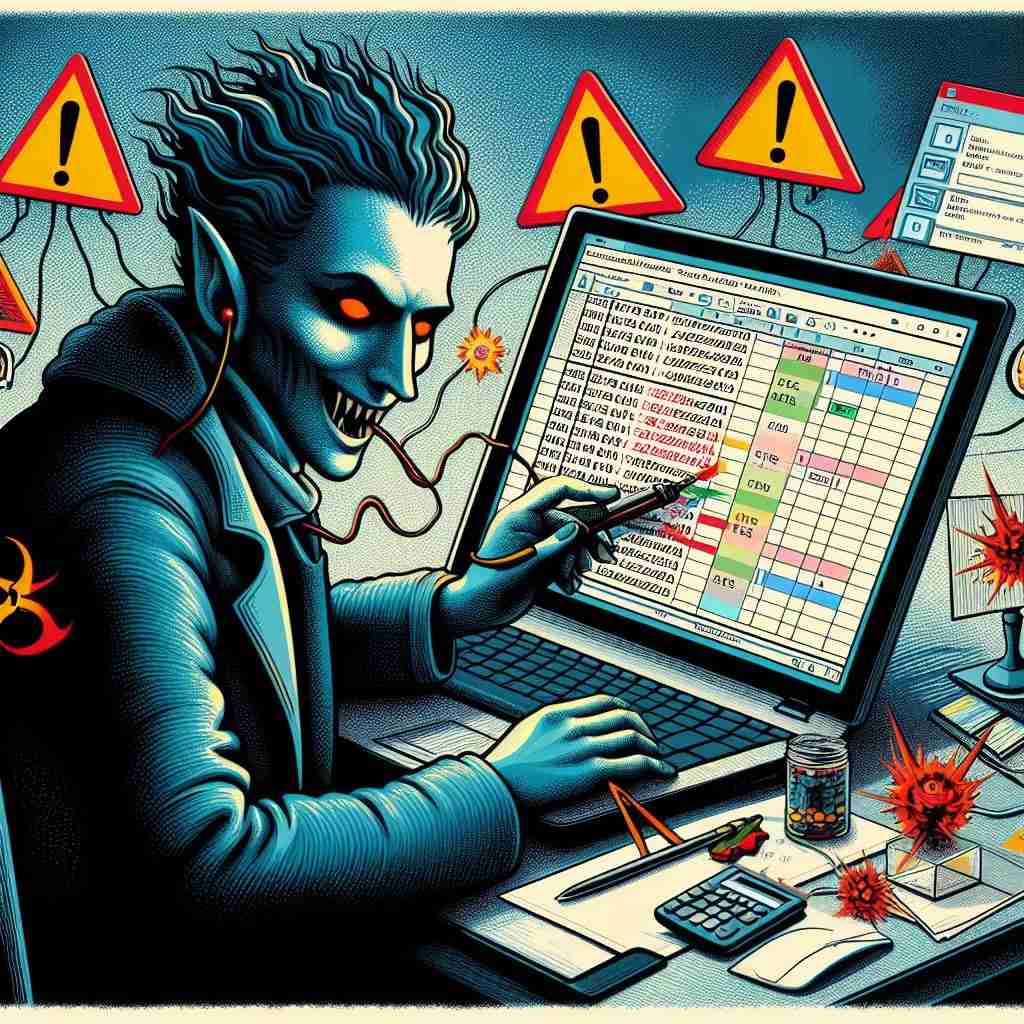
AI Ransomware Is Quietly Holding Data Centers Hostage
AI Ransomware Is Quietly Holding Data Centers Hostage
- AI ransomware is an existential threat, impacting data security in everyday life.
- Local hospitals face risks as crucial patient data is held hostage during ransomware attacks.
- IT professionals work tirelessly against advanced algorithms that adapt and attack swiftly.
- The fallout from cyberattacks affects hospitals, schools, and businesses, creating widespread chaos.
- A cultural shift is necessary to recognize cybersecurity as vital for community well-being.
- Cases like a small-town bank’s ransomware attack show the ripple effect on local economies.
- Everyone must advocate for improved cybersecurity, treating it as essential as emergency first aid.

AI Ransomware Is Quietly Holding Data Centers Hostage
Table Of Contents
- AI Ransomware Is Quietly Holding Data Centers Hostage
- What Emotional Toll Does Ransomware Take on Data Center Employees?
- How Can We Rationally Assess the Risks Of Ransomware Attacks?
- What Ethical Obligations Do Companies Have to Protect Their Data?
- Which Authorities Are Best Equipped to Respond to Ransomware Threats?
- What Societal Consequences Arise From Increased Ransomware Incidents?
- How Do We Balance Risk Management with Innovation In Tech Growth?
- What Emotional Strategies Can Help Organizations Recover From Attacks?
- Conclusion
- Other Resources
- Glossary Of Terms
- Other Questions
- Haiku
- Poem
- Checklist
What Emotional Toll Does Ransomware Take on Data Center Employees?
Data center employees stand on the front lines of a digital battleground, where the specter of ransomware looms large. When an attack occurs, the emotional toll can manifest in profound ways. Picture a dedicated technician, eyes bleary from countless hours spent troubleshooting, suddenly thrust into chaos as systems go dark. This isn’t just about lost data; it’s about anxiety simmering beneath the surface, a gnawing fear of failure.
The psychological burden weighs heavily. You see, cybersecurity is not merely a job; it’s a personal commitment to safeguard not just information, but the livelihoods that rely on it. When ransomware strikes, the gut-wrenching reality settles in: the team must work through fear and uncertainty, holding onto the hope that their expertise can turn the tide. These moments of crisis can lead to a surreal blend of camaraderie and isolation. While colleagues rally around shared smiles that mask despair, the looming pressure lingers—will they be able to pull their organization back from the brink?
The ethical stakes are high, too. Each decision made during a ransomware attack reverberates far beyond pixelated screens and servers. Every hour lost translates into financial strain, potential job losses, and reputational damage. Those who work in data centers often wrestle with the knowledge that their choices may affect families, friends, and communities. A failing system is not just a technical problem; it’s a human tragedy.
Trust plays a crucial role in this landscape. Employees must feel confident in their tools and each other, knowing that, ultimately, they are all striving toward the same goal: resilience. This trust fosters a culture where experience is shared, lessons learned, and vulnerabilities addressed. A mentor once shared a poignant analogy about a ship at sea—each member of the crew vital, navigating through tumultuous waters together, each wave threatening to sink them, yet bonded by a shared resolve.
The emotional scars left by ransomware incidents can be long-lasting, but through resilience and unity, data center employees embody the spirit of perseverance. Their stories remind us that in the realm of cybersecurity, it’s not just algorithms and firewalls—it’s about people standing together against the storm, forging connections, and driving forward with an unwavering determination to protect not only systems but the very essence of who we are as a society.

What Emotional Toll Does Ransomware Take on Data Center Employees?
What Emotional Toll Does Ransomware Take on Data Center Employees?
- Data center employees face significant emotional challenges during ransomware attacks.
- The psychological burden includes anxiety and fear of failure in protecting critical systems.
- Cybersecurity is a commitment to safeguard not just data but livelihoods dependent on it.
- Attacks create a mix of camaraderie and isolation among team members facing crisis.
- Every decision during an attack has ethical implications affecting families and communities.
- Trust among employees is essential for resilience and effective teamwork in crisis management.
- Long-lasting emotional scars can result, but unity and perseverance drive recovery in cybersecurity.

What Emotional Toll Does Ransomware Take on Data Center Employees?
How Can We Rationally Assess the Risks Of Ransomware Attacks?
In a world where technology connects us more than ever, assessing the risks of ransomware attacks isn’t just a matter of spreadsheets and security protocols; it’s about safeguarding the fabric of our daily lives. Cybersecurity isn’t merely a technical challenge; it’s a social responsibility. Picture it: every keystroke you make influences not just your immediate environment, but the lives of those around you. Your local bakery, your child’s school, even the community center that offers after-school programs—each relies on the digital landscape to function efficiently.
Imagine a scenario where a beloved neighborhood bakery gets hit with ransomware. The owner, a person you know by name, suddenly faces a chilling ultimatum: pay a hefty ransom to recover vital data or lose it all. In that moment of crisis, the emotional toll on the owner ripples outward, affecting everyone in the community who cherishes their daily dose of pastries. This story, though hypothetical, reflects a grim reality. It brings to light a critical point—when we consider risks, we must also weigh the human equation. We must engage the heart in our analysis.
Now, let’s sift through the rational side of the equation. Ransomware attacks have surged in recent years, with damage costs projected to hit the trillions. Companies and individuals alike are left grappling with an ethical dilemma: invest heavily in cybersecurity measures or risk being part of that staggering statistic. Understanding this need for proactive investment is where the gut comes into play. It’s instinctual to protect what you have—your data, your livelihood, your community.
Authority figures in the cybersecurity realm often emphasize awareness, but what’s just as crucial is fostering a culture of vigilance. It’s about encouraging conversations at dinner tables and water coolers about cybersecurity. Talk is action, and action inspires confidence. The more we engage with these issues openly, the more fortified our networks become against potential threats.
Ultimately, assessing ransomware risks should feel less like an insurmountable challenge and more like a collective mission. By recognizing the stakes involved, sharing narratives of personal experiences, and leaning into the communal aspect of cybersecurity, we build not just defenses, but a resilient society. The risks are real, but so is the power of unity in addressing them. Let’s not just react; let’s act—together.

How Can We Rationally Assess the Risks Of Ransomware Attacks?
How Can We Rationally Assess the Risks Of Ransomware Attacks?
- Assessing ransomware risks involves not only technical measures but also social responsibility.
- Every digital interaction impacts the community, highlighting the importance of cybersecurity for local businesses and institutions.
- Ransomware attacks can have severe emotional and financial implications for individuals and communities.
- Investing in cybersecurity is essential to avoid being part of the increasing costs associated with ransomware damage.
- Fostering a culture of awareness and conversation about cybersecurity enhances community resilience.
- Sharing personal stories and experiences can strengthen collective defenses against cyber threats.
- Addressing ransomware risks should be viewed as a collaborative effort rather than an overwhelming challenge.

How Can We Rationally Assess the Risks Of Ransomware Attacks?
What Ethical Obligations Do Companies Have to Protect Their Data?
In a world that thrives on information, the ethical obligation of companies to protect their data isn’t just a regulatory box to check; it’s a moral compass guiding their every move. Picture this: You walk into a diner, and the owner greets you like family. The aroma of fresh coffee envelops you. You trust that they’ll keep your dietary needs in mind, yet what if you found out they weren’t safeguarding your personal secrets? The same trust should envelop every corporation that handles sensitive data.
Cybersecurity isn’t merely a technological necessity; it’s a promise companies make to their customers, employees, and the community. It’s about valuing every byte of information that flows through their systems—like the cherished photographs on your phone or the important words in a diary. Companies hold the keys to countless personal stories, and that responsibility weighs heavy. When they fail to protect their data, it feels like a betrayal.
Think about the consequences. A breach can shatter reputations, leading to financial ruin and loss of trust. Yet amidst the numbers and statistics, it’s the human stories that resonate most. Consider the individual whose identity was stolen—job prospects lost, dreams derailed. This isn’t just data; it’s lives disrupted. Companies must not only act decisively but also ethically, recognizing their role in the broader social fabric.
But there’s more. Companies must shift their mindset from seeing cybersecurity as an obligation to viewing it as an opportunity—a chance to lead by example and create a culture of accountability. The best practices they embody can serve as a beacon, inspiring smaller firms and even competitors to take data protection seriously.
By sharing narratives of how they protect their data—and the lives impacted by their diligence—companies can foster connections with customers. When a company prioritizes transparency, it doesn’t just build technical systems; it builds community trust. Each investment in cybersecurity is like laying bricks in the foundation of mutual respect.
Let’s face the truth: nothing is foolproof, but responsible companies embrace adaptability. They learn from failures and celebrate successes, demonstrating resilience against the never-ending tide of threats. It’s this authenticity that inspires confidence and trust—a reminder that behind every firewall is a shared commitment to protect what matters most. Ethical obligations in data protection are not just about compliance, but about dignity and respect for the people who represent the lifeblood of an organization.

What Ethical Obligations Do Companies Have to Protect Their Data?
What Ethical Obligations Do Companies Have to Protect Their Data?
- Companies have a moral obligation to protect data, acting as a moral compass rather than just meeting regulatory requirements.
- Cybersecurity is a fundamental promise to customers and the community, valuing every piece of information.
- Data breaches can lead to severe consequences, including loss of reputation and trust, affecting individuals’ lives.
- Companies should perceive cybersecurity as an opportunity to inspire accountability and set a positive example.
- Sharing narratives of data protection efforts fosters connections and builds community trust.
- Investments in cybersecurity contribute to a foundation of mutual respect and customer confidence.
- Adaptability and authenticity in data protection are critical, emphasizing respect for individuals within an organization.

What Ethical Obligations Do Companies Have to Protect Their Data?
Which Authorities Are Best Equipped to Respond to Ransomware Threats?
The escalating threat of ransomware demands a thoughtful approach to response, blurring the lines between technology, law enforcement, and everyday life. It’s not just about bytes and bits; it’s about real people facing monumental challenges. Cybersecurity experts, law enforcement agencies, and government bodies are stepping up, yet the nuances of who is best suited to tackle these threats can be as complex as the crimes themselves.
Picture a community bustling with families, businesses, and dreams, suddenly paralyzed by a screen flashing demands for money. This situation is not just an inconvenience—it’s an assault on our way of life. The most effective authorities in combatting this menace are those who can understand the human element at stake. Cybersecurity firms equipped with deep technical know-how bring invaluable insights. They are akin to the modern-day knights, wielding firewalls and encryption instead of swords and shields. These experts have invested endless hours deciphering the intricate puzzles of cybercriminals, and their ability to thwart attacks is rooted in both intellect and experience.
However, technology is only part of the equation. Law enforcement agencies must unite with cybersecurity firms, creating a powerful alliance. Local police departments are often the first responders when ransomware strikes, yet they may lack the resources to combat such sophisticated threats alone. This is where collaboration with federal agencies, like the FBI, becomes crucial. Think of it like a local fire department teaming with a wildfire task force; together, they can brave the flames with better strategies and tools.
Ethically, it’s imperative that we foster networks of information-sharing among all stakeholders. By empowering smaller institutions—like schools or local businesses—with resources and education, we reinforce the backbone of our communities. When everyone is informed, trust blossoms. This partnership creates a safety net where information flows freely, blending the wisdom of experienced professionals with the lived experiences of everyday individuals.
Let’s not overlook the power of narrative. Each ransomware incident comes with a story—something relatable that resonates with us all. A story of a small business owner devastated by unexpected costs and fear for their livelihood. In the face of daunting odds, it becomes clear: a well-rounded response leans on diverse authorities, from cybersecurity experts to local law enforcement, forming a united front.
In this era of digital vulnerability, our collective resolve can elevate the response to ransomware. When authorities work in concert, they tap into a rich tapestry of resources, forging not just a defense against cyber threats but a response that reflects our shared values—a commitment to protect and uplift our communities.

Which Authorities Are Best Equipped to Respond to Ransomware Threats?
Which Authorities Are Best Equipped to Respond to Ransomware Threats?
- Ransomware poses an escalating threat, requiring a comprehensive response that combines technology, law enforcement, and community effort.
- The impact of ransomware extends beyond technology, affecting real people and communities significantly.
- Cybersecurity experts, likened to modern knights, provide essential insights and have substantial experience in combating cyber threats.
- Collaboration between local law enforcement and cybersecurity firms is crucial, as local departments often lack the resources to handle advanced threats alone.
- Creating networks for information-sharing among stakeholders strengthens community resilience against ransomware attacks.
- Narratives of ransomware incidents highlight their human impact, emphasizing the need for a united front in responding to these challenges.
- Collective efforts and partnerships among authorities can enhance responses to ransomware, reflecting shared values of community protection and support.

Which Authorities Are Best Equipped to Respond to Ransomware Threats?
What Societal Consequences Arise From Increased Ransomware Incidents?
Ransomware incidents are not just a series of unfortunate events; they ripple through the very fabric of our communities, affecting lives in ways we often overlook. Picture a small-town hospital, where the heartbeats of patients are monitored by machines that suddenly freeze. With their cybersecurity compromised, medical teams scramble, and lives hang in the balance. It’s not just data; it’s humanity on the line. The emotional toll on families grappling with uncertainty cannot be overstated. Those moments in the waiting room—filled with hope and fear—are disrupted by the callousness of cybercriminals.
From a rational standpoint, the economic consequences are staggering. Businesses of all sizes are targeted, but it’s the small, local enterprises that bear the brunt. A mom-and-pop shop, cherished for its community spirit, suddenly finds itself paralyzed by a ransomware attack. Lost income means cutting hours, or worse, layoffs. Each job lost is a family affected, a child who may not understand why their parents are stressed. In these scenarios, the ethical implications weigh heavily. We must ask ourselves: how do we protect our neighbors, our communities, when the threat lurks in the digital shadows?
The authority figures—business leaders, government officials, and cybersecurity experts—often echo a similar refrain: invest in better cybersecurity. It’s not merely a technical fix; it’s a call for responsibility and vigilance. Yet, it’s easy for the populace to feel detached from the conversation, as if it’s an abstract issue reserved for the tech-savvy. This disconnect fuels a narrative that we must dismantle. Cybersecurity should be part of everyday dialogue, just as we discuss physical security measures for our homes.
But there’s a unique point to ponder: our growing dependence on technology is accelerating a societal shift. Imagine a world where trust in digital interactions diminishes. The implications reach far beyond data breaches; they threaten social cohesion. When people question the security of their online interactions—be it in commerce or casual conversations—community health declines. We must foster connections and rebuild trust.
It starts with conversation and education, inviting everyone to the table. If we can share stories—of triumph over adversity or lessons from losses—we create a tapestry of resilience, forging a united front against this cyber menace. After all, facing daunting challenges together is what defines us as a society.

What Societal Consequences Arise From Increased Ransomware Incidents?
What Societal Consequences Arise From Increased Ransomware Incidents?
- Ransomware incidents impact communities deeply, affecting not just data but human lives.
- Small-town hospitals face critical disruptions when cybersecurity is compromised.
- The emotional strain on families during such incidents is profound and often overlooked.
- Small local businesses suffer economically from ransomware attacks, leading to job losses and community stress.
- Investment in cybersecurity is essential, requiring collective responsibility and awareness.
- Growing dependence on technology risks diminishing trust in digital interactions, threatening social cohesion.
- Conversations and education about cybersecurity should be integrated into everyday discussions to strengthen community resilience.

What Societal Consequences Arise From Increased Ransomware Incidents?
How Do We Balance Risk Management with Innovation In Tech Growth?
Balancing risk management with innovation in tech growth is akin to walking a tightrope without a safety net. In a world driven by rapid technological advancements, the stakes have never been higher, yet the rewards can be transformative. It’s about embracing the thrill of innovation while keeping a watchful eye on the ground below—a daunting yet imperative task.
Consider the relentless pace of the cybersecurity landscape. Each day, new threats emerge, lurking in the shadows of our digital lives. Companies find themselves at the crossroads: pursue groundbreaking innovations that could redefine their industries or pull back to safeguard against potential repercussions. The urge to innovate is powerful; it whispers promises of growth, efficiency, and market leadership. But the ghost of vulnerability looms large.
Imagine a small tech startup that developed an app with the potential to revolutionize healthcare. Their vision was clear; however, their initial excitement was tempered by a pivotal question—could they fully protect their users’ sensitive data? This dilemma reflects a broader truth—a commitment to ethical responsibility is not merely a checkbox in the tech world; it’s a necessity. By prioritizing cybersecurity from the ground up, they built trust with users, fostering a relationship rooted in transparency.
This is where the gut comes into play. People naturally gravitate toward companies that prioritize their safety. When innovation is underpinned by robust risk management strategies, it creates an environment ripe for collaboration and engagement. Take, for instance, the tech giant that opted to invest heavily in cybersecurity measures before launching a new service. Rather than just a marketing gimmick, their commitment resonated with customers. They shared stories of how they safeguarded personal information, positioning themselves not just as a tech provider but as a guardian of their users’ digital lives.
Moreover, fostering a culture of open dialogue around risk and innovation encourages a collective mindset. Encourage your team to share concerns and insights—this fosters ownership and creates a safety net of shared responsibility. Instead of viewing risk management as a hurdle, it becomes a foundation upon which creativity can thrive.
In this delicate balancing act, the journey toward innovation is less about fear and more about fostering confidence. By continuously evaluating risks while pushing boundaries, we can pave the way for a future where technology not only elevates our lives but does so with integrity and trust at its core. The key is to innovate responsibly, ushering in an era where risk and reward walk hand in hand.

How Do We Balance Risk Management with Innovation In Tech Growth?
How Do We Balance Risk Management with Innovation In Tech Growth?
- Balancing risk management with innovation in tech growth is challenging but crucial.
- The rapid pace of technological advancements increases both stakes and rewards.
- Companies face pressure to innovate while managing cybersecurity threats.
- Commitment to ethical responsibility is essential for building user trust.
- Effective risk management creates an environment conducive to collaboration.
- Fostering open dialogue around risk and innovation encourages collective responsibility.
- Innovating responsibly enhances confidence and integrity in technology.

How Do We Balance Risk Management with Innovation In Tech Growth?
What Emotional Strategies Can Help Organizations Recover From Attacks?
In the wake of a cybersecurity breach, organizations often find themselves not just fighting to recover data, but also to restore the emotional equilibrium of their teams. It’s a battle against anxiety, distrust, and disillusionment, requiring more than just technical fixes. This is a call to arms, a moment where emotional strategies become paramount.
First and foremost, acknowledge the feelings that arise after an attack. When a breach occurs, fear and uncertainty can ripple through a workforce, leaving behind a trail of personal doubts. Sharing stories can help mend this. Imagine a seasoned firefighter recounting how they once lost a home to an electrical fire. That moment of vulnerability makes listeners reassess their own experiences and reminds them that recovery is possible. Similarly, leaders should share their own journeys of overcoming setbacks, challenging as they may be. People find strength and trust in knowing they are not alone in their feelings.
Next, remind your team of the organization’s values in this moment of crisis. Building a culture rooted in integrity and resilience can turn a setback into a rallying point. Highlight instances when the organization stood strong after adversity, thereby transforming fear into motivation. Just as sports teams huddle together to strategize after a loss, a united front can fortify morale. If employees see their leadership embodying these values, they’ll feel a renewed sense of purpose and commitment.
In the aftermath, consider the role of community. Foster connection among staff through open dialogues about the impact of the cybersecurity breach. Create forums for sharing concerns and suggestions. This not only addresses the emotional fallout but also positions employees as active participants in the organization’s recovery, igniting a sense of ownership and pride.
Additionally, instill a forward-looking mindset. Often, organizations dwelling in despair overlook an essential truth: crises can serve as catalysts for innovation. Encourage teams to brainstorm ways to enhance security practices that align with emotional strategies. Perhaps it’s implementing regular workshops on resilience and stress management, or even peer mentorship programs focused on emotional well-being.
Ultimately, as you steer your organization through the storm, remember that recovery means more than just technological solutions. It’s about healing human connection and trust. By integrating emotional strategies with organizational goals, you not only secure your cybersecurity stance but also cultivate a robust, united workforce capable of weathering any storm ahead.

What Emotional Strategies Can Help Organizations Recover From Attacks?
What Emotional Strategies Can Help Organizations Recover From Attacks?
- Cybersecurity breaches challenge organizations to recover data and restore team emotional stability.
- Acknowledging feelings of fear and uncertainty post-breach is crucial for recovery.
- Storytelling by leaders can foster trust and connection among team members.
- Reinforcing organizational values helps transform setbacks into motivation.
- Encouraging open dialogue post-breach fosters community and ownership among employees.
- Crises can drive innovation; organizations should explore enhancing security aligned with emotional strategies.
- Recovery integrates technical solutions with healing human connections and trust within the workforce.

What Emotional Strategies Can Help Organizations Recover From Attacks?
Conclusion
AI ransomware poses a looming threat that transcends mere technical issues; it’s a challenge that directly impacts our lives, communities, and the fabric of society itself. Visualize this scenario: an unassuming hospital, a place of healing, suddenly incapacitated by an attack that locks up critical patient data. The immediate consequence? Apart from the chaos, families are left in suspense, their loved ones’ care hanging in the balance. This silent siege on data isn’t confined to far-off places; it’s happening where we live, where we trust.
Behind the screens, IT professionals are modern-day warriors, battling an unseen and ever-evolving adversary. Their relentless efforts are often unnoticed, yet they are crucial in protecting the data that our schools, hospitals, and businesses depend on. The stakes are immense, leading to a ripple effect that can destabilize not just organizations but whole communities. Consider the small-town bank that succumbs to a ransomware demand—suddenly, farmers can’t secure loans, local businesses face crippling delays, and the very heartbeat of the community begins to falter. In moments like these, we realize that cybersecurity is not just an IT issue; it is a cornerstone of societal well-being.
Every individual has a stake in this issue. We need to shift the conversation, viewing cybersecurity as essential as any community safety measure. Our reliance on data is intertwined with our humanity; with increased knowledge and preparation, we can reclaim control over our digital realities. This journey begins with awareness, fostering a culture where everyone recognizes the importance of cybersecurity not simply as a technological barrier but as an ethical responsibility we all share.
The emotional toll of ransomware isn’t limited to organizations; it extends to the dedicated individuals who manage our critical data systems. Their stress, fear, and hope get combined during crises, making their jobs not just technical, but profoundly personal. They need our understanding and support, for they are not just fighting against code; they are fighting to protect lives and livelihoods.
As we consider the implications of AI ransomware, we shouldn’t just react—let’s take action together. By fostering conversations about cyber threats in our communities, sharing narratives of resilience, and emphasizing our collective role in this fight, we build a united front. This is more than an IT issue; it’s a call to action, a plea for communal solidarity to safeguard our digital future. We cannot afford to wait for the next attack; let’s prioritize our cybersecurity today, for tomorrow may be too late.

Conclusion
Conclusion:
- AI ransomware presents a significant threat affecting our lives and communities.
- A hospital under attack can jeopardize patient care, leaving families in suspense.
- IT professionals play a vital role in defending against evolving cyber adversaries.
- Ransomware incidents can destabilize not just organizations but entire communities.
- Every individual has a responsibility in prioritizing cybersecurity as a community safety issue.
- The emotional impact of ransomware extends to individuals managing critical data systems.
- Collective action and awareness in communities are essential to combat cyber threats effectively.

Conclusion
Other Resources

Other Resources
Here is a list of other resources you can review online to learn more:
- IntelliSecure Inc.
- Delta Risk
- Cloud24x7
- SeedSpark
- Rehmann
- ECS Federal, LLC
- CyFlare
- LB3 Technologies
- Protective Actions Research for Cyberattacks
- Flickr
- Cybersafe Solutions
- KPMG
- YouTube
- BAE Systems Managed Security Services
- Ciscom Solutions
- Braintrace
- Protos Security
- Focal Point Solutions Group
- GiaSpace Inc
- Firestorm Cyber
Use This Prompt To Get More Resources With Your Favorite Online AI Tool: Please provide me with a list of online articles with their URLs in a bulleted list that I can read regarding AI Ransomware Is Quietly Holding Data Centers Hostage

Other Resources
Glossary Terms
AI Ransomware Is Quietly Holding Data Centers Hostage – Glossary Of Terms
1. AI Ransomware: Malicious software that uses artificial intelligence to automate and enhance cyber attacks on systems and networks, often encrypting data to demand ransom.
2. Data Center: A physical facility used to house computer systems and associated components, such as telecommunications and storage systems, designed for processing and storing large amounts of data.
3. Hostage: Data or systems taken control of by malicious actors, held against the owner’s will until a ransom is paid.
4. Encryption: The process of converting data into a coded format to prevent unauthorized access, commonly used in ransomware attacks.
5. Decryption: The process of converting encrypted data back to its original form, typically requiring a decryption key that is provided after ransom payment.
6. Ransom: A sum of money demanded for the return or access to data or systems that have been compromised or held hostage.
7. Malware: Software specifically designed to disrupt, damage, or gain unauthorized access to computer systems; a broad category that includes ransomware.
8. Cybersecurity: The practice of protecting systems, networks, and programs from digital attacks, ensuring confidentiality, integrity, and availability of data.
9. Phishing: A method used by cybercriminals to trick individuals into providing sensitive information by posing as a trustworthy entity, often a precursor to ransomware attacks.
10. Threat Vector: A specific path or means by which a cyber threat can exploit a vulnerability to gain access to a system.
11. Backup: A copy of data that can be used to restore the original in case of loss or corruption; a crucial defense against ransomware.
12. Vulnerability: A weakness in a system that can be exploited by a cybercriminal to gain unauthorized access or cause harm.
13. Zero-Day Exploit: A type of attack that occurs on the same day a vulnerability is discovered, before it is patched, often utilized by ransomware.
14. Command and Control (C2): Remote servers used by attackers to communicate with compromised systems, used to deliver further instructions or payloads during an attack.
15. Network Segmentation: Dividing a computer network into smaller parts to improve performance and security, reducing the spread of ransomware.
16. Incident Response: A structured approach to managing and mitigating the effects of a security breach or cyberattack.
17. Threat Intelligence: Information about potential or current threats to an organization, used to prepare defenses and respond to attacks.
18. Scareware: A type of malware designed to trick users into believing their device is infected, prompting them to pay for unnecessary security software.
19. Penetration Testing: A simulated cyber attack against a computer system to evaluate its security and identify vulnerabilities.
20. Extortion: The practice of obtaining something, especially money, through force or threats, commonly seen in ransomware scenarios.
21. Recovery Plan: A strategy established to restore business operations after an incident, including data recovery and system restoration.
22. Malicious Actor: An individual or group engaged in harmful cyber activities, including the deployment of ransomware.
23. Data Exfiltration: The unauthorized transfer of data from a system, often a secondary goal of ransomware attacks.
24. Cryptocurrency: Digital or virtual currencies used in ransom demands due to their anonymity and difficulty in tracing.
25. Antivirus Software: Programs designed to detect, prevent, and remove malware, critical in defending against ransomware.
26. Social Engineering: Tactics used to manipulate individuals into divulging confidential information, often a gateway to ransomware intrusion.
27. Compromise: A breach that occurs when an attacker gains unauthorized access to a network or system.
28. Restoration: The process of returning systems and data to a prior state post-attack, often involving backups.
29. Data Compliance: Adhering to regulations governing data protection and privacy, an essential aspect in safeguarding against ransomware.
30. Risk Assessment: The process of identifying and evaluating risks to an organization’s information and systems, guiding security decisions to mitigate potential ransomware threats.

Glossary Of Terms
Other Questions
AI Ransomware Is Quietly Holding Data Centers Hostage – Other Questions
If you wish to explore and discover more, consider looking for answers to these questions:
- What exactly is AI ransomware and how does it differ from traditional ransomware?
- How prevalent are AI-driven ransomware attacks right now and how fast are they growing?
- How do attackers use AI to plan, execute, or escalate ransomware attacks?
- What common attack vectors and vulnerabilities enable AI ransomware to reach data centers?
- How can data centers detect AI-enabled ransomware early?
- What immediate steps should an organization take during an active ransomware incident?
- What are the best practices for incident response specific to AI-enhanced threats?
- How effective are backups and recovery strategies against modern ransomware?
- How often should backups be tested and what recovery time objectives (RTOs) are realistic?
- Should organizations ever consider paying a ransom and what are the legal, ethical, and practical implications?
- What role can law enforcement and national cyber agencies play in ransomware incidents?
- How should organizations coordinate with law enforcement, vendors, and cyber response firms?
- What regulatory or legal requirements apply when a ransomware attack affects customer or patient data (e.g., HIPAA, GDPR)?
- How do cyber insurance policies handle AI ransomware claims and what limitations exist?
- What are cost estimates for downtime, recovery, and long-term reputational damage after an attack?
- How should small businesses and local institutions with limited budgets prioritize defenses?
- What technical controls—zero trust, network segmentation, EDR/XDR, MFA—are most effective against AI ransomware?
- How can organizations evaluate and choose cybersecurity vendors and incident response partners?
- What supply-chain and third-party risks should organizations be aware of?
- How can cloud providers and colocation data centers better protect tenant data and infrastructure?
- What specific steps can hospitals and other critical services take to protect patient care systems?
- How can organizations measure and improve their ransomware readiness (metrics, exercises, tabletop drills)?
- What human factors (insider risk, social engineering) do AI tools exploit and how can training reduce those risks?
- How do organizations balance rapid innovation and deployment with secure development and risk management?
- What governance, policies, and board-level responsibilities should be in place for cyber risk oversight?
- How should companies communicate with customers, employees, and the public after a breach?
- What emotional and mental-health supports are effective for IT and incident-response teams after an attack?
- How long does recovery typically take and what are common stumbling blocks during recovery?
- Are there reliable free or open-source decryption tools or community resources for ransomware victims?
- How can organizations leverage threat intelligence and information-sharing to stay ahead of AI ransomware tactics?
- What role can AI play defensively to detect and counter AI-based ransomware?
- How do perpetrators monetize AI ransomware and what does the criminal ecosystem look like?
- What international or cross-border coordination is needed to disrupt AI ransomware gangs?
- How should organizations prepare business-continuity plans specifically for ransomware scenarios?
- What metrics should executives and boards track to understand cyber risk exposure and improvement?
- What future trends in AI and cybersecurity should organizations prepare for in the next 3–5 years?

Other Questions
Haiku
AI Ransomware Is Quietly Holding Data Centers Hostage – A Haiku
Data held hostage,
Hope and trust in balance sway,
We unite, stand strong.

Haiku
Poem
AI Ransomware Is Quietly Holding Data Centers Hostage – A Poem
In shadows deep where silence weeps,
Data centers held by invisible chains,
AI ransomware, a thief that creeps,
Through wires and circuits, it reigns.
Lives on hold in hospitals fraught,
Hope hangs by threads, decisions to make,
IT knights, unseen battles fought,
Fighting despair, for trusts own sake.
Each keystroke echoes through the soul,
A bakerys warmth, a diner’s cheer,
When ransomware strikes, it takes its toll,
Communities shutter, weighed down by fear.
Ethics demand our vigilance now,
On businesses’ backs the burden lies,
Protect the stories, for they show how
Data’s not mere digits, but lives, dreams, and ties.
Amidst the chaos, unity calls,
Authorities blend, join hand in hand,
Local and federal rise when duty calls,
Building a fortress to guard this land.
Societal scars we must not ignore,
Economic tremors ripple, bleed,
As trust erodes, we can’t close the door,
Educate and share, plant the seed.
Innovation’s dance with caution entwined,
Tech growth on a tightrope, a precarious plight,
Balance the urge to leap with the need to bind,
Crafting a future where trust shines bright.
Through darkened days, together we rise,
Emotional healing, our shared endeavor,
In every breach, a lesson lies,
United we stand, resilient forever.

Poem
Checklist
AI Ransomware Is Quietly Holding Data Centers Hostage – A Checklist
Ransomware Awareness Checklist
✅______ Understand the human impact; recognize the emotional toll ransomware attacks can take on individuals and communities.
✅______ Share personal stories; encourage sharing narratives of those affected by ransomware to foster empathy and connection.
Rational Appeals
✅______ Assess risk; evaluate the potential economic impacts of ransomware on your organization and community.
✅______ Invest in cybersecurity; make a rational decision to allocate resources to optimize cybersecurity measures.
Ethical Appeals
✅______ Corporate responsibility; promote the ethical obligation of companies to protect customer data as a moral imperative.
✅______ Community engagement; foster a commitment to supporting local businesses and institutions in strengthening their cybersecurity.
Authority Appeals
✅______ Collaborate with experts; engage cybersecurity professionals and law enforcement for guidance and response strategies.
✅______ Stay informed; follow authorities and credible sources for the latest trends and tactics in ransomware threats.
Narrative Appeals
✅______ Highlight real case studies; share examples of ransomware incidents and their consequences to illustrate the risks involved.
✅______ Create a community narrative; develop a collective story that promotes vigilance and resilience against cyber threats.
Social Appeals
✅______ Encourage open dialogue; foster conversations about cybersecurity in community settings to raise awareness and engagement.
✅______ Build a support network; form alliances among businesses, local organizations, and residents to create a unified front against ransomware.

Checklist
At BestCyberSecurityNews, we help teach entrepreneurs and solopreneurs the basics of cybersecurity and its impact on their businesses by using simple concepts to explain difficult challenges.
Please read and share any of the articles you find here on BestCyberSecurityNews with your friends, family, and business associates.