Protect Your Tech: Safeguarding Your Devices From Cyber Attacks
By Tom Seest
At BestCyberSecurityNews, we help teach entrepreneurs and solopreneurs the basics of cybersecurity and its impact on their businesses by using simple concepts to explain difficult challenges.
Please read and share any of the articles you find here on BestCyberSecurityNews with your friends, family, and business associates.
Five Ways to Secure Your Gadgets Before Hackers Do
In a world where your devices hold the keys to your life, it’s tough to fathom why we often overlook their security. Cybersecurity isn’t just tech jargon; it’s a matter of preserving your peace of mind. Imagine losing access to cherished family photos, important work documents, or sensitive financial information. It’s more than a mere inconvenience—it’s a steep uphill battle to regain what’s been lost. With that stark reminder in mind, let’s explore five practical ways to safeguard your gadgets against lurking hackers.
First off, use strong, unique passwords for each device and account. Think of passwords as the locks on your doors. You wouldn’t use the same key for your car, home, and safety deposit box, right? So, why do it with your digital life? A password manager can help you craft and store complex passwords, making it easier to keep those locks tight.
Next, enable two-factor authentication (2FA) wherever possible. This is like having a bouncer at the entrance of your digital world. Even if a hacker manages to swipe your password, without that second layer of security, they won’t gain entry. It’s a small, simple step that makes a significant difference.
Don’t forget to keep your software updated. Software developers release patches for vulnerabilities regularly. When you put off updates, you’re essentially leaving your front door wide open for intruders. Set your devices to update automatically, so you don’t have to think twice about it.
Secure your Wi-Fi network, too. Imagine inviting strangers into your home without a second thought. Scary, right? That’s what you’re doing if you keep your Wi-Fi password as “password” or “123456.” Change it to something strong and unique, and don’t forget to encrypt your network. It’s the first line of defense against digital squatters.
Finally, stay informed about cybersecurity risks. Knowledge is power, and in this fast-paced digital age, awareness can mean the difference between safety and chaos. Follow reputable tech news sources, engage in community discussions, and share insights with friends and family. The more we understand, the better equipped we are to shield ourselves.
By taking these steps, you’re doing more than just protecting your gadgets; you’re safeguarding memories, relationships, and peace of mind. With a little effort, you can fortify your digital life and ensure that, come what may, you’re one step ahead of those pesky hackers.
Five Ways to Secure Your Gadgets Before Hackers Do
Five Ways to Secure Your Gadgets Before Hackers Do
- Cybersecurity is essential for preserving peace of mind and protecting valuable information.
- Use strong, unique passwords for each device and account; consider using a password manager.
- Enable two-factor authentication (2FA) to add an extra layer of security to your accounts.
- Keep your software updated to protect against vulnerabilities and avoid leaving your systems exposed.
- Secure your Wi-Fi network with a strong password and encryption to prevent unauthorized access.
- Stay informed about cybersecurity risks by following reputable tech news sources and engaging in discussions.
- Taking these precautions safeguards your memories, relationships, and peace of mind from cyber threats.

Five Ways to Secure Your Gadgets Before Hackers Do
Table Of Contents
- Five Ways to Secure Your Gadgets Before Hackers Do
- What Emotions Drive Your Fear Of Losing Personal Data?
- How Would Your Life Change If Your Gadgets Were Hacked?
- What Facts Support the Need for Stronger Gadget Security?
- Which Security Measures Are Proven Most Effective Against Hackers?
- How Can You Balance Convenience and Security In Your Devices?
- Have You Considered the Ethical Implications Of Poor Gadget Security?
- What Expert Advice Can You Trust to Secure Your Technology?
- Conclusion
- Other Resources
- Glossary Of Terms
- Other Questions
- Haiku
- Poem
- Checklist
What Emotions Drive Your Fear Of Losing Personal Data?
When you think about the fear of losing personal data, it’s more than just an abstract worry; it’s a feeling that taps into the heart of what it means to be human. Imagine for a moment the panic that sets in when you realize that your private emails, cherished photos, and even your financial details are vulnerable to the unseen forces of the digital world. That knot in your stomach is real—it’s a visceral response born from the desire to protect what’s yours. As a society, we’ve entered a time where our lives are intricately woven into digital threads.
Rationally speaking, the numbers don’t lie. Reports show that cybercrimes have risen dramatically in recent years, and with them, so has the fear of identity theft and data breaches. It’s easy to dismiss these statistics, but when you take a moment to envision the consequences—credit scores obliterated, reputations tarnished—it’s enough to make anyone pause. Your identity, your very essence, can be stripped away in an instant. The ethical implications of this risk shouldn’t just make you wary; they should spur you to action.
Yet, it’s not just about the numbers or ethical dilemmas. Think about the stories you’ve heard or even lived—friends falling victim to scams, families coping with the aftermath of lost data. These narratives resonate with us, weaving a common thread through our shared experiences of vulnerability and betrayal. They remind us that we aren’t alone in our fears; many of us carry the weight of uncertainty about our personal data.
This is where the emotional and the rational intersect. You’re not just safeguarding information; you’re protecting your relationships, your dreams, and your future. As technology evolves, so does the need for strong cybersecurity practices. Listening to experts with authority in the field can guide us in making informed decisions that might save us from heartbreak later.
In these moments of doubt and anxiety, let’s come together as a community, sharing knowledge and supporting one another in our pursuit of safety. Take proactive measures, whether it’s setting up two-factor authentication or simply having a candid conversation with loved ones about how to protect data. There’s power in collective awareness and action—let’s channel our fears into responsibility and resilience. Together, we can turn that fear of losing personal data into a catalyst for change, ensuring we navigate this digital age with confidence.

What Emotions Drive Your Fear Of Losing Personal Data?
What Emotions Drive Your Fear Of Losing Personal Data?
- The fear of losing personal data is deeply human, reflecting our vulnerability and desire to protect what’s ours.
- Cybercrime rates are rising, leading to an increased fear of identity theft and data breaches.
- The consequences of data loss can be severe, impacting credit scores and personal reputations.
- Many people share experiences of data loss, highlighting a common vulnerability and fostering a sense of community.
- Protecting personal data is not just about information; it includes safeguarding relationships, dreams, and future opportunities.
- Strong cybersecurity practices are essential as technology evolves, with expert guidance helping us make informed decisions.
- Collective awareness and action, such as two-factor authentication and open discussions about data protection, can empower individuals and communities.

What Emotions Drive Your Fear Of Losing Personal Data?
How Would Your Life Change If Your Gadgets Were Hacked?
Imagine waking up one day to find your smart home devices acting like rebellious teenagers. Your thermostat cranks up to sweltering heights, the security cameras start recording your every move, and your refrigerator sends out messages to your grocery list that you never authorized. This isn’t just a techie nightmare; it’s a reality that far too many people face when their gadgets get hacked.
Let’s pause for a moment. When we think about cybersecurity, we often picture lines of code, firewalls, and acronyms. But what if we made it personal? Picture an elderly loved one trying to navigate a smart home system that suddenly becomes an obstacle course. Their frustration would mount, their trust in technology would wane, and they’d feel isolated in their own home. That’s the crux of it—the emotional toll on those we care about might outweigh any inconvenience we ourselves experience.
Now, shift your gaze to the broader implications. Hacking isn’t just an attack on personal privacy; it’s a breach of trust. You invest in gadgets not merely for convenience but for peace of mind. When that peace is upended, we’re left wrestling with a nagging doubt: Is anything secure anymore? Your heartfelt connection to technology shifts into a web of suspicion that can impact how you interact with the world. Rationally, the need for robust cybersecurity becomes crystal clear. Ignoring potential vulnerabilities isn’t just risky; it’s irresponsible.
Ethically, we have an obligation to not only safeguard our own data but to protect those around us. With your gadgets functioning at their best, you become a guardian of your family’s safety. You can help your elderly neighbor set up their devices correctly, ensuring their home remains a place of security, not surveillance.
On a social level, think about the community around you. Relationships can flourish in the face of adversity. When we share our experiences—both good and bad—we become a source of inspiration and knowledge for others. You’re not just a single data point in a vast cyber landscape; you represent a collective experience where everyone has a role.
With every click and swipe, you hold the power to evoke trust and confidence in securing not just your own world, but the world of those you care about. So, let’s make cybersecurity a priority—not just for ourselves, but for the future of our communities. Embrace the challenge, take action, and ensure your gadgets serve rather than sabotage your life.

How Would Your Life Change If Your Gadgets Were Hacked?
How Would Your Life Change If Your Gadgets Were Hacked?
- Smart home devices can behave unpredictably when hacked, affecting users’ peace of mind.
- Cybersecurity impacts personal experiences, especially for vulnerable individuals like the elderly.
- The emotional toll of compromised technology can outweigh the inconvenience of tech issues.
- Hacking is a breach of trust, undermining the sense of security that technology is meant to provide.
- There is an ethical obligation to protect not only our own data but also that of others in our community.
- Sharing experiences of cybersecurity challenges can strengthen community bonds and inspire others.
- Prioritizing cybersecurity helps ensure that technology serves beneficial roles in our lives.

How Would Your Life Change If Your Gadgets Were Hacked?
What Facts Support the Need for Stronger Gadget Security?
In a world increasingly tethered to our gadgets, the notion of strong gadget security isn’t just a tech industry buzzword—it’s a necessity that tugs at the very fabric of our daily lives. Picture this: You’re meticulously crafting a heartfelt message to a loved one, and in the blink of an eye, your device is compromised. That’s not just a breach in security; it’s a violation of trust, intimacy, and connection. These devices, small as they may seem, house our lives—the precious moments, the secrets, the dreams—and when vulnerability creeps in, it can feel like an invasion of privacy.
Consider the staggering statistics—over 1.5 million pieces of malware are unleashed every day. Cybersecurity incidents are not just numbers but stories of hardship and loss that touch real people. Each statistic represents someone who might have lost access to cherished memories or critical information. This isn’t merely an inconvenience; it’s a potential crisis that could cost individuals and businesses millions. The emotional toll is heavy, leading to stress and anxiety that seep into our everyday lives.
Now, let’s engage the head. When we grasp the breadth of cyber threats, it becomes clear: strong gadget security is not just a nice-to-have; it’s a must-have. Consider that a reported 60% of small businesses close their doors within six months of a cyberattack. When you chase your dreams, the last thing you need is a setback that compromises everything you’ve worked for. In this evolving digital landscape, security isn’t just a tech term; it’s your armor in the battlefield of innovation.
It’s ethical, too. When we protect our gadgets, we set a standard for accountability. Companies that prioritize cybersecurity respect our data, our choices, and our autonomy. We deserve to have our rights protected in this new frontier of technology, where devices can connect us or expose our vulnerabilities.
Finally, let’s not forget the power of community. When we champion stronger gadget security, we inspire others to do the same. Being vigilant isn’t just an individual endeavor; it’s a shared responsibility. Each action taken towards better security safeguards not just our devices but builds a stronger, more resilient community.
When gadget security becomes a priority, we’re not just protecting ourselves—we’re investing in our collective future, where trust flourishes and connections strengthen. Now, imagine a world where each device safeguarded our stories with courage. That world is within reach; all it takes is the will to act, together.

What Facts Support the Need for Stronger Gadget Security?
What Facts Support the Need for Stronger Gadget Security?
- Strong gadget security is essential in our increasingly tech-driven world, impacting our daily lives.
- Compromised devices violate trust and intimacy, housing our cherished memories and personal information.
- Over 1.5 million pieces of malware are released daily, leading to real hardships and losses for individuals.
- 60% of small businesses may close within six months after a cyberattack, highlighting the economic impact of poor security.
- Protecting our gadgets is an ethical obligation, promoting accountability and respect for our data and privacy.
- Community involvement in promoting gadget security creates a shared responsibility and fosters resilience.
- Prioritizing gadget security strengthens trust and connections, investing in a safer collective future.

What Facts Support the Need for Stronger Gadget Security?
Which Security Measures Are Proven Most Effective Against Hackers?
In an age where the digital landscape feels ever more treacherous, safeguarding our personal and professional lives is not just about firewalls and antivirus software—it’s about fortifying our peace of mind. Cybersecurity isn’t just a technical term thrown around in boardrooms; it’s the invisible armor we wear every day. We’ve all heard the stories—the multinational corporations brought to their knees, the individual whose identity is snatched away like a thief in the night. These aren’t just headlines; they’re a wake-up call, beckoning us to act.
Imagine for a moment a world where every click of a mouse is a tale woven with trust: trust in our devices, trust in the networks we connect to, and trust in the very foundations of our information. Effective security measures—such as multi-factor authentication, regular updates, and strong password policies—serve as our first line of defense against lurking predators. The truth is, no measure is foolproof, but adopting these practices transforms our online habits from casual to vigilant. Like wearing a seatbelt, it may feel cumbersome at times, but the protection it offers is unarguable.
Now, let’s talk about the ethics of cybersecurity. It’s not just about you or even your business; it’s about the community. When we prioritize security, we’re essentially raising the bar for everyone around us. Each step we take toward a secure environment helps build a reputational fortress that shelters friends, family, and colleagues. When organizations commit to cybersecurity awareness, they bolster not only their own defenses but also those of the entire network.
Social dynamics play a pivotal role in this narrative, too. Think about your sphere of influence. When you adopt robust security measures, you kindle a spark. Friends and colleagues may begin to rethink their own practices, creating a ripple effect of security-mindedness. We are wired to connect and learn from one another, and the more we share our successes and struggles, the stronger our collective defense becomes.
So, what can you do? Start conversations about cybersecurity with your circles. Share stories of both success and near-misses, and encourage a culture of vigilance. Be the authority in your circle, the friend who instills confidence and inspires others to take action. Together, we can transform fear into resilience. Because at the end of the day, you’re not just protecting bits and bytes; you’re safeguarding the very moments that make up our lives.

Which Security Measures Are Proven Most Effective Against Hackers?
Which Security Measures Are Proven Most Effective Against Hackers?
- Cybersecurity is essential for safeguarding both personal and professional well-being.
- Effective security measures include multi-factor authentication, regular updates, and strong password policies.
- No security measure is completely foolproof, but adopting practices can enhance online vigilance.
- Prioritizing cybersecurity raises overall community standards and enhances collective protection.
- Sharing knowledge and experiences fosters a culture of awareness and security-mindedness.
- Start discussions about cybersecurity within your networks to encourage proactive measures.
- Embrace the role of a cybersecurity advocate to inspire confidence and resilience in others.

Which Security Measures Are Proven Most Effective Against Hackers?
How Can You Balance Convenience and Security In Your Devices?
In this fast-paced world, where every second counts, convenience often wins out over security. We grab our phones, log into our favorite apps, and get lost in the flow, barely pausing to think about the cybersecurity risks lurking in the shadows. It’s a familiar dance, isn’t it? The thrill of instant access versus the nagging worry of exposing our private information.
Picture this: you wake up and check your notifications, scrolling through a barrage of updates, messages, and news. It’s satisfying, it’s easy, and in that moment, it feels good. Yet, every tap on that screen brings you closer to a potential breach. That’s where the gut tightening begins. Security feels like an inconvenient burden, a barrier to our blissful connectivity. But let’s pause and reflect—what’s at stake? Is a fleeting moment of convenience worth the risk of losing something irreplaceable?
Here’s where the heart kicks in. Think of your loved ones, the moments you hold dear, and the memories you’ll want to keep safe. Cybersecurity isn’t just a tech issue; it’s about protecting everything that matters. When your devices are secure, you’re not just guarding data—you’re safeguarding trust. You’re choosing peace of mind over momentary ease.
We must engage our heads as well. There’s a wealth of resources available to help navigate this tightrope. Use strong passwords, enable multi-factor authentication, and stay vigilant about software updates. These small acts of diligence don’t just shield your information; they foster a culture of responsibility and awareness. In today’s digital society, you’re part of a larger community. When you prioritize security, you’re taking a stand, encouraging others to do the same. It’s about shared responsibility and collective action.
And yes, it can often feel overwhelming, staring down the choices between convenience and security. But let’s not forget: every time you opt for a secure choice, you’re reinforcing a line in the sand. Inspired by the stories of those who’ve been affected by cyber attacks, you can rise above the noise. You can be the leader in your circle, the one who steps up and outlines the path toward a safer digital life. It’s not merely a personal choice—it’s a call to action for all of us to protect what we cherish most.

How Can You Balance Convenience and Security In Your Devices?
How Can You Balance Convenience and Security In Your Devices?
- In our fast-paced world, convenience often trumps security in digital interactions.
- Checking notifications feels good but increases exposure to potential cybersecurity breaches.
- Security is perceived as an inconvenient barrier to connectivity, but reflecting on what’s at stake is crucial.
- Cybersecurity protects not just data, but also the trust and memories shared with loved ones.
- Utilizing strong passwords, enabling multi-factor authentication, and staying updated are essential practices.
- Prioritizing security fosters a culture of responsibility and encourages collective action within the community.
- Making secure choices is a call to action to protect what we cherish, influencing others to do the same.
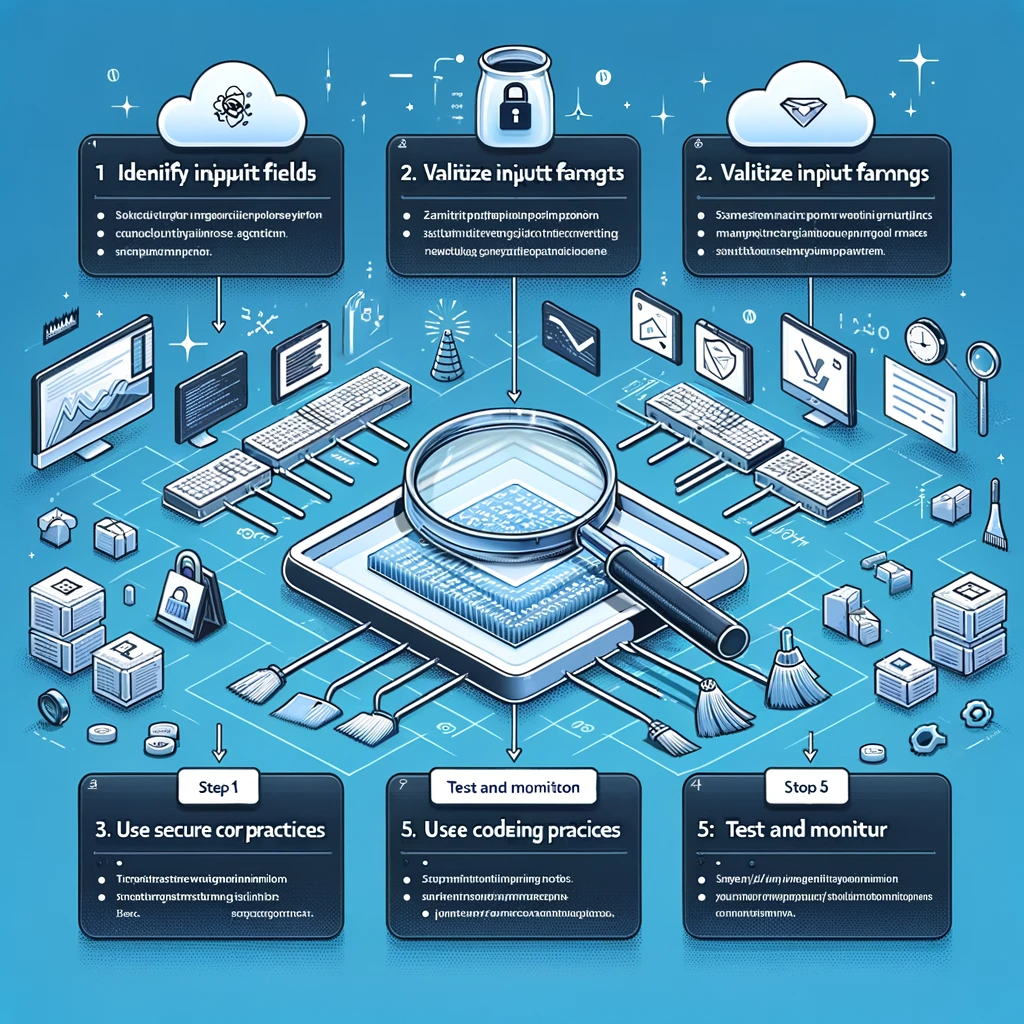
How Can You Balance Convenience and Security In Your Devices?
Have You Considered the Ethical Implications Of Poor Gadget Security?
Let’s take a moment and talk about the weight of our daily digital lives. We zip from room to room, smartphone in one hand, tablet in the other, convinced that our gadgets are the panacea for modern woes. But have we paused long enough to consider the cracks in this shiny façade? Poor gadget security is not a mere inconvenience—it’s a ticking time bomb, ready to explode in ways we can hardly imagine.
Picture this: your smart home device, innocently listening to your family’s laughter, suddenly becomes a portal for hackers. The emotional toll here is staggering. What happens when someone knows your routines, your vulnerabilities? That sense of security? Gone. You’re left feeling exposed, not just physically, but psychologically. The thought of an unseen intruder fiddling with your life is downright chilling. It gets to your gut, doesn’t it?
Now, let’s level with ourselves. From a rational standpoint, we have the tools to turn this ship around. Cybersecurity isn’t a fairy tale—it’s a daily ritual, a responsibility we shoulder not just for ourselves but for those around us. When we choose not to update software or strengthen passwords, we’re not just risking our information; we’re letting others down. Friends, family, and even that neighbor who borrowed your garden rake last summer—all are connected in this web of trust. One weak link can unravel the whole chain.
And here’s the kicker: it’s not just about us. Poor security practices can lead to identity theft, financial ruin, and even impact your professional reputation. Imagine the ripple effect—your compromised device could carry a data breach into your workplace, affecting colleagues and clients alike. This isn’t just an individual issue; it’s a societal one. We are all stewards of our digital environments, and every time we take a shortcut, it sends a message: “I don’t care.” That’s a message we need to rewrite.
Let your heart, head, and gut guide you as you reconsider your gadget security. Make those updates. Use complex passwords. Share your knowledge. Through thoughtful choices and simple actions, we can foster a culture of responsibility that protects not just ourselves but those we hold dear. It’s time to take charge. It’s time for a collective uprising in the face of poor gadget security. Trust your instincts. Act.

Have You Considered the Ethical Implications Of Poor Gadget Security?
Have You Considered the Ethical Implications Of Poor Gadget Security?
- Our reliance on digital devices may mask underlying security issues.
- Poor gadget security can lead to severe emotional and psychological impacts.
- Understanding daily routines and vulnerabilities increases feelings of exposure.
- Cybersecurity is a shared responsibility that affects our community.
- Neglecting security can result in identity theft and financial ruin.
- Poor security practices can impact professional reputations and workplace safety.
- We must actively cultivate a culture of responsibility regarding gadget security.

Have You Considered the Ethical Implications Of Poor Gadget Security?
What Expert Advice Can You Trust to Secure Your Technology?
When it comes to securing your technology, the loudest voices in the room aren’t always the ones you can trust. Amidst the cacophony of slick advertisements and self-proclaimed gurus, it’s crucial to filter out the noise and seek advice that resonates deeply. Cybersecurity isn’t just a buzzword; it’s the vital fabric of our digital lives, woven with the threads of personal data, financial information, and the nuances of our interactions. So, how do you separate the sage advice from the sales pitch?
Start by looking for the hard-earned wisdom of those who have weathered the storm. Think of the IT specialists who’ve spent years learning the ins and outs of code and encryption, often risking their own safety to protect others. These are the individuals who’ve tasted the bitter fruit of a breach—not just in their own networks but in real-world scenarios that left companies and communities reeling. Their narratives are filled with both triumph and cautionary tales, offering insights that stick with you long after the conversation ends.
When weighing expert advice, allow your heart to guide you toward those who prioritize transparency and honesty. You want counsel from folks who admit that there’s no one-size-fits-all solution, who are willing to roll up their sleeves and get down in the trenches with you. Their genuine concern for your security creates a bond built on trust, and that’s worth its weight in gold.
Rationally, look for those who back their claims with data and evidence. A reputable advisor will provide not only strategies but also the rationale behind them. This helps you understand the ‘why’ behind each recommendation, empowering you to take an informed stance in a complex landscape. Knowledge is power, after all, and when it comes to defense against potential threats, being well-informed makes you less of a target and more of a fortress.
Lastly, consider the ethical dimensions of their advice. Are they recommending products or services because they genuinely believe in their efficacy, or are they simply chasing a commission? Align yourself with experts whose ethics shine through—people who see cybersecurity not just as a profession, but as a mission. They’re out there, working tirelessly for your safety, ready to partner with you in forging a safer digital realm. This isn’t just about technology; it’s about safeguarding the very essence of who we are in an increasingly interconnected world. Choose wisely, connect deeply, and secure your peace of mind.

What Expert Advice Can You Trust to Secure Your Technology?
What Expert Advice Can You Trust to Secure Your Technology?
- Trustworthy cybersecurity advice is often drowned out by advertisements and self-proclaimed experts.
- Cybersecurity is essential for protecting personal data, financial information, and digital interactions.
- Seek insights from experienced IT specialists who have faced real-world cybersecurity challenges.
- Prioritize transparency and honesty in expert advice; there is no one-size-fits-all solution.
- Choose advisors who provide data-backed strategies and explain the rationale behind their recommendations.
- Consider the ethical implications of recommendations to ensure they prioritize your security over profit.
- Engage with experts who view cybersecurity as a mission, working towards a safer digital world.

What Expert Advice Can You Trust to Secure Your Technology?
Conclusion
In an age where our lives are intricately entwined with technology, securing our gadgets isn’t just a matter of convenience—it’s an urgent necessity. Just consider the everyday realities we navigate: lost memories captured in family photos and sensitive information disappearing in a digital blink. Think of the heart-stopping dread when you realize your personal data could be compromised. Loss isn’t merely a nuisance; it’s a real emotional toll that can disrupt your life and the lives of those you care about.
This is where our actions must speak louder than our fears. Implementing strong passwords is akin to installing solid locks on our homes; they safeguard our privacy and personal space. Enabling two-factor authentication acts like an alert guard standing watch, reducing the chances of unauthorized access. Keeping software updated is crucial—those updates are the shields against intruders, and neglecting them is like leaving the front door wide open. Secure your Wi-Fi network like you would protect your property from unwanted guests, and stay informed about the rapidly evolving landscape of cyber threats. This isn’t just smart; it’s a social responsibility.
Beyond practicality, there’s an ethical dimension here: our commitment to cybersecurity extends to others around us. When we take care of our devices, we are also protecting the immediate networks intertwined with our lives. This greater good philosophy positions us as guardians in our communities, reinforcing trust and establishing a culture of mutual protection against the impersonal forces of cybercrime. Stories shared in our circles can serve as reminders of both vulnerability and resilience, creating a narrative that propels collective awareness.
While the statistics on cybercrime can be staggering, they represent real people facing daunting consequences. Ignoring the importance of gadget security is not just reckless but irresponsible—it’s a gamble that risks not only your data but the trust others place in you. It’s a wake-up call to engage actively with technology.
So, take a moment to reflect. Are you ready to transform fear into determination? This is your call to action: safeguard your memories, your data, and the wider community. Let’s channel our anxieties into actions that fortify our lives and those of others. By prioritizing cybersecurity, we not only protect ourselves but enhance the integrity of our digital world, ensuring that convenience does not outweigh security. Together, we can build a resilient fortress against digital threats, safeguarding the essence of what makes our lives meaningful.

Conclusion
Conclusion:
- Securing gadgets is an urgent necessity in our technology-driven lives.
- Loss of personal data can have significant emotional impacts.
- Implement strong passwords to protect privacy and personal space.
- Use two-factor authentication for enhanced security.
- Keep software updated to defend against cyber threats.
- Cybersecurity is a shared responsibility that protects our communities.
- Prioritizing security helps maintain trust and enhances the integrity of our digital world.

Conclusion
Other Resources

Other Resources
Here is a list of other resources you can review online to learn more:
- Ciscom Solutions
- ProCircular
- CipherTechs
- MegaplanIT
- Cofense
- IT Weapons
- DataSure24
- Pulse Technology
- Telstra
- Accenture
- NTT Ltd.
- Proficio
- ADT Cybersecurity
- CTG Tech
- High Point Networks
- Xact IT Solutions
- Cisco Systems
- GRA Quantum
Use This Prompt To Get More Resources With Your Favorite Online AI Tool: Please provide me with a list of online articles with their URLs in a bulleted list that I can read regarding Five Ways to Secure Your Gadgets Before Hackers Do

Other Resources
Glossary Terms
Five Ways to Secure Your Gadgets Before Hackers Do – Glossary Of Terms
1. Antivirus: Software designed to detect and remove malicious software from devices to prevent unauthorized access and protect data.
2. Firewall: A security system that monitors and controls incoming and outgoing network traffic based on predetermined security rules.
3. Encryption: The process of converting information or data into a code to prevent unauthorized access and maintain confidentiality.
4. Two-Factor Authentication (2FA): A security measure requiring two forms of identification before allowing access to an account, enhancing credential security.
5. Malware: Malicious software, including viruses and spyware, designed to harm or exploit any programmable device or network.
6. Phishing: A fraudulent attempt to obtain sensitive information by disguising as a trustworthy entity in electronic communications.
7. Update: The process of installing the latest software patches or versions to enhance security features and fix vulnerabilities.
8. Password Manager: A software application designed to store and manage passwords securely, enabling complex password creation and auto-filling.
9. Public Wi-Fi: Wireless internet access available in public areas, often insecure and susceptible to eavesdropping by hackers.
10. VPN (Virtual Private Network): A service that encrypts internet traffic and masks the user’s IP address, providing privacy and security during online activities.
11. Device Lock: A security feature that requires a password or biometric verification to access the device, protecting it from unauthorized use.
12. Security Updates: Regular updates provided by software vendors that fix security vulnerabilities and improve the overall security of applications and operating systems.
13. Biometrics: Authentication techniques that use unique physical characteristics, such as fingerprints or facial recognition, to verify identity.
14. Secure Browsing: Practices and tools designed to protect user privacy and security while surfing the internet, such as using HTTPS websites.
15. Backup: The process of creating copies of data to prevent loss in case of a security breach, hardware failure, or data corruption.
16. IoT (Internet of Things): A network of interconnected devices that can collect and exchange data, often vulnerable to hacking if not properly secured.
17. Secure Password: A strong password that combines letters, numbers, and symbols, making it difficult for hackers to guess or crack.
18. Social Engineering: Manipulative tactics used by hackers to trick individuals into divulging confidential information.
19. Digital Hygiene: Practices aimed at maintaining the security and privacy of digital devices and online activities.
20. Spoofing: The act of disguising one communication device or user as another to deceive and gain unauthorized access.
21. Security Software: Programs meant to protect devices from security threats, encompassing antivirus, firewalls, and anti-malware tools.
22. Ransomware: A type of malware that encrypts a user’s files or system and demands payment for the decryption key.
23. Cybersecurity: The practice of protecting computers, networks, and data from unauthorized access, attack, or damage.
24. Authentication: The process of verifying the identity of a user or device, ensuring that only authorized individuals can access sensitive information.
25. Digital Footprint: The record of a user’s online activities, which can be tracked and analyzed, potentially exposing personal information to threats.
26. App Permissions: Settings that determine what level of access applications have to device features and data, crucial for maintaining privacy.
27. Remote Wipe: A security feature that allows the user to erase data on a device remotely in case of theft or loss.
28. User Awareness Training: Educational programs designed to inform users about cybersecurity risks and best practices to avoid threats.
29. Network Security: Measures taken to secure a computer network infrastructure against unauthorized access or attacks.
30. Privacy Settings: Configurations that allow users to control how their personal information is shared and who has access to it.

Glossary Of Terms
Other Questions
Five Ways to Secure Your Gadgets Before Hackers Do – Other Questions
If you wish to explore and discover more, consider looking for answers to these questions:
- What are the most common types of cyber attacks that affect personal gadgets?
- How can I determine if my device has been hacked?
- What additional steps can I take to secure my devices beyond the five mentioned?
- What should I do if my device is compromised?
- How often should I update my passwords?
- Are there specific tools or software that are recommended for securing devices?
- What role do public Wi-Fi networks play in gadget security?
- How can parents ensure their children’s online safety?
- What are the best practices for securely disposing of old devices?
- How can businesses encourage employees to practice good cybersecurity habits?
- What are the signs that my home Wi-Fi network is not secure?
- How can I educate my family about cybersecurity risks?
- Are there privacy settings on common apps that I should adjust?
- What legal protections exist for victims of cybercrime?
- How can I create a culture of security awareness in my community?

Other Questions
Haiku
Five Ways to Secure Your Gadgets Before Hackers Do – A Haiku
Protect your secrets,
Gadgets guard your cherished lives;
Safeguard, stay ahead.

Haiku
Poem
Five Ways to Secure Your Gadgets Before Hackers Do – A Poem
In a realm where our gadgets hold dear,
Life’s memories and dreams, both fragile and clear,
We often ignore the lurking despair,
As hackers, like shadows, invade unaware.
Imagine the panic, the haunting dismay,
When cherished photos are taken away,
A world turned chaotic, trust in decay,
Protecting our data is vital, they say.
Passwords like keys should be strong and unique,
A fortress of safety in gadgets we seek,
Two-factor authentication, a bouncer at play,
Ensuring that intruders can’t find their way.
Update your software, don’t leave doors ajar,
Each patch applied is a step from afar,
Secure your Wi-Fi, protect what you own,
Like guarding your home, standing strong, not alone.
Gather your knowledge, for awareness is might,
Community bonds can illuminate fright,
Share stories of breaches, inspire and ignite,
Together we stand, in the search for what’s right.
For every small act, we safeguard connection,
A ripple of change in our shared reflection,
Protecting our loved ones, building trust anew,
Cybersecurity isn’t just for a few.
As we dance with convenience, let caution preside,
For peace of mind is a choice we decide,
Let heart, head, and gut guide your intent,
For in every step forward, our future is spent.
The experts stand ready, with wisdom to glean,
Navigating the chaos, their knowledge is keen,
Ethics and data, in a world intertwined,
Together we rise, resilience defined.
So let’s fortify our lives in this digital age,
Crafting a story, together, we’ll wage,
A battle for safety, while embracing the light,
In a world where our gadgets feel safe and right.

Poem
Checklist
Five Ways to Secure Your Gadgets Before Hackers Do – A Checklist
Checklist for Securing Your Gadgets: Protect Your Peace of Mind
Emotional Appeals
_____ Visualize the Impact: Imagine how losing your device data would affect your life—cherished memories, essential documents, and financial details may be at risk. Write down what you’d miss most.
_____ Consider Loved Ones: Think about how a breach could impact your family or friends. Make a list of people whose trust you want to protect through your security measures.
Rational Appeals
_____ Assess Password Strength: Use a password manager to create and store strong, unique passwords for each device and account.
_____ Enable Multi-Factor Authentication (2FA): Make this a habit across all your accounts that support it.
_____ Regularly Update Software: Set reminders to check for and apply updates for your devices’ software and applications.
Ethical Appeals
_____ Understand Your Responsibility: Acknowledge that your security practices protect not just your data but also that of others connected to you. Reflect on how your actions influence your community’s cybersecurity culture.
Authority Appeals
_____ Follow Trusted Experts: Identify reputable tech sources and cybersecurity professionals to follow for updated insights and advice.
_____ Join Community Discussions: Engage in local workshops or online forums to share experiences and learn from experts in cybersecurity.
Narrative Appeals
_____ Share Personal Experiences: Write a brief account of a time you or someone you know faced a cyber breach. Use it to inspire action within your circle.
_____ Collect Stories: Reach out to others for their cybersecurity experiences—both successes and setbacks— to build a collective narrative that emphasizes the importance of vigilance.
Social Appeals
_____ Start a Conversation: Discuss cybersecurity measures with friends and family. Encourage a community culture of awareness and collective responsibility.
_____ Lead by Example: Actively demonstrate good security practices to inspire others; make securing devices a social norm within your networks.

Checklist
At BestCyberSecurityNews, we help teach entrepreneurs and solopreneurs the basics of cybersecurity and its impact on their businesses by using simple concepts to explain difficult challenges.
Please read and share any of the articles you find here on BestCyberSecurityNews with your friends, family, and business associates.