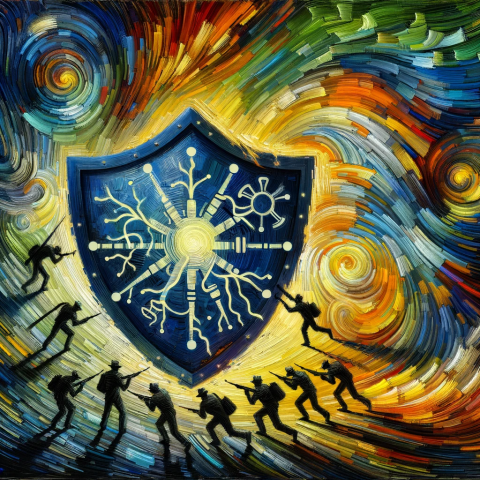
Mastering Your Inbox: Navigating The Warzone With Confidence
By Tom Seest
At BestCyberSecurityNews, we help teach entrepreneurs and solopreneurs the basics of cybersecurity and its impact on their businesses by using simple concepts to explain difficult challenges.
Please read and share any of the articles you find here on BestCyberSecurityNews with your friends, family, and business associates.
Your Inbox Is a Warzone – Here Is How to Survive
Your inbox is a battleground, where the clash of notifications, spam, and urgent emails can leave you feeling overwhelmed and defenseless. Each day, a fresh wave of digital threats breaches your defenses, and without a strategy, those messages can morph from mere annoyance into devastating vulnerabilities. Cybersecurity isn’t just a tech buzzword—it’s your personal shield against chaos.
Picture this: you wake up, groggy and disoriented, to a barrage of emails. There’s one from your bank, another from your boss, and a string of newsletters you never signed up for. Your heart races as you navigate this digital labyrinth, feeling like you’re fighting a never-ending war against time and technology. Ask yourself—what if the most innocuous-looking email contains hidden traps, designed to ensnare you? A moment’s inattention can lead to identity theft or a compromised network, bearing consequences far beyond an overflowing inbox.
It’s easy to let the deluge sap your confidence. Yet, behind every threat lies an opportunity—an opportunity to engage your head, heart, and gut. Start by assessing what truly matters. Prioritize your emails. Determine which ones require your immediate attention and which can wait. This isn’t just about survival; it’s about taking charge in a world where your electronic correspondence holds power. By implementing filters and organizing your messages, you create a fortress, protecting not only your time but your well-being.
As you hone your instincts and develop a keen awareness of threats, you begin to forge a sense of community. Share your experiences with friends and colleagues. Discuss strategies for sifting through the noise. Solidarity in this digital age not only builds trust but cultivates a shared resolve. When you foster an environment of ethical interaction, where cybersecurity measures are commonplace, everyone gains strength.
So, take a stand. How are you going to protect your peace, your productivity, and your precious time? Consider each action you take as a step toward victory against a foe that thrives on chaos. Your inbox may be a warzone, but with the right mindset and strategies, you can emerge not only as a survivor but as a commander of your own digital domain. Embrace the battle—it’s time to seize control.

Your Inbox Is a Warzone – Here Is How to Survive
Your Inbox Is a Warzone – Here Is How to Survive
- Your inbox can feel overwhelming with notifications, spam, and urgent emails acting as digital threats.
- Without a strategy, emails can lead to vulnerabilities like identity theft or compromised networks.
- Start by prioritizing emails to determine which need immediate attention versus those that can wait.
- Implement filters and organize your inbox to create a protective fortress for your time and well-being.
- Engage with friends and colleagues to share experiences and strategies for navigating email threats.
- Fostering a community around cybersecurity builds trust and cultivates a shared sense of security.
- Take charge of your digital domain and embrace the challenge of managing your inbox effectively.

Your Inbox Is a Warzone – Here Is How to Survive
Table Of Contents
- Your Inbox Is a Warzone – Here Is How to Survive
- What Emotional Weight Does Your Overflowing Inbox Carry for You?
- How Can Organizing Your Inbox Improve Your Mental Clarity and Focus?
- Is the Constant Influx Of Emails Affecting Your Overall Productivity?
- How Do Successful Leaders Manage Their Inbox Effectively?
- Can a Clean Inbox Lead to Better Relationships with Colleagues?
- What Stories From Others Inspire You to Take Control Of Your Inbox?
- What Tools Or Strategies Resonate with Your Style Of Work?
- Conclusion
- Other Resources
- Glossary Of Terms
- Other Questions
- Haiku
- Poem
- Checklist
What Emotional Weight Does Your Overflowing Inbox Carry for You?
Picture this: you sit down at your kitchen table, coffee in hand, ready to tackle the day. The sun peeks through the window, lighting up a scene that could be peaceful—until you open your email. Suddenly, the air grows heavy. An avalanche of unread messages floods your screen, each one a reminder of expectations, deadlines, and responsibilities. It’s a digital mountain you never wished to climb, a weight that pulls at your heartstrings and nudges your gut with unease.
That inbox isn’t just a collection of messages; it’s a reflection of our lives—the work we’ve taken on, the people we’ve promised to help, the relationships we’ve built and those we’ve neglected. Emotional weight comes coupled with each notification ding, instilling a sense of urgency that transforms your once serene morning into a pressure cooker of anxiety. You know rationally that clearing these messages could bring much-needed relief, yet the thought of facing what lies within each one feels insurmountable.
On a pragmatic level, studies show that an overflowing inbox can significantly hinder productivity, contributing to long-term stress and even affecting mental health. Nothing feels less ethical than letting that pile grow unchecked, knowing that someone is waiting on your response—a colleague who looks up to you, a valued client seeking support, or a team member who relies on your guidance. This isn’t just about you; every delayed reply subtly shifts the dynamics of trust in your relationships.
Let’s bring it home: think about the stories hidden within those emails. They carry the hopes, dreams, and concerns of real people who deserve your attention. Picture a friend reaching out for a favor but feeling ignored when you don’t reply. Or a customer whose patience runs thin while waiting for a resolution. These narratives matter; they shape the world around you, just as your choices influence its direction.
Instead of allowing your overflowing inbox to control you, take action. Create a system that treats each email with the respect it deserves but doesn’t overwhelm you. Slowly, as you clear that digital clutter, you’ll find clarity. You’ll rediscover the connections that provide meaning in both your work and life. The weight will lift, leaving you not just a little lighter, but stronger—ready to engage authentically with every person behind those messages.
So, let’s reclaim our inboxes; one message at a time. Your heart, your head, and your gut will thank you.

What Emotional Weight Does Your Overflowing Inbox Carry for You?
What Emotional Weight Does Your Overflowing Inbox Carry for You?
- The act of opening an overflowing inbox can instantly transform a peaceful morning into a source of anxiety.
- An inbox reflects personal and professional responsibilities, highlighting the relationships we nurture or neglect.
- Each unread email instills urgency and contributes to stress, which can affect mental health and productivity.
- Ignoring emails can damage trust and dynamics in relationships with colleagues, clients, and team members.
- Emails carry important stories and concerns from real people who deserve attention and timely responses.
- Implementing a systematic approach to managing emails can help reduce digital clutter and restore clarity.
- By reclaiming your inbox, you enhance genuine connections and create a more meaningful work and life experience.

What Emotional Weight Does Your Overflowing Inbox Carry for You?
How Can Organizing Your Inbox Improve Your Mental Clarity and Focus?
When we talk about organizing your inbox, we’re not just discussing a digital tidying spree; we’re diving deep into the heart of what it means to reclaim your mental clarity and unleash your focus. Picture this: your inbox is a reflection of your mind. The clutter, the unread emails, the overstuffed folders—it’s all noise drowning out your best thoughts. When you tackle that mess head-on, you aren’t just cleaning up a workspace; you’re making a statement about what’s important to you.
Think of it like this: each email represents a piece of your life. A job opportunity, a heartfelt message from a friend, or perhaps an important reminder about your health. When you let chaos reign, you risk losing track of the things that truly matter. The rational side of your brain understands that an organized inbox allows for better time management, reducing the anxiety that comes from constantly sifting through an overwhelming sea of messages. But there’s more. The clutter weighs on your soul, directly impacting your mental well-being.
Now, ethics comes into play, too. In a world where cybersecurity threats loom ever larger, taking the time to organize your inbox isn’t just beneficial; it’s essential. By implementing proper organization, you position yourself to better recognize suspicious emails and safeguard your personal information. You are actively protecting yourself and your loved ones from potential harm.
But let’s not forget the power of narrative. Imagine yourself sitting down at your desk, a soothing cup of coffee in hand, ready to face the day. You open your inbox, and instead of dread, you feel refreshing control. With each email you read and respond to, you’re weaving a story of productivity and purpose that resonates not just with you but with everyone around you.
Social interaction thrives in an organized environment. When your inbox reflects clarity, it signals to colleagues and friends that you’re reliable and on top of your game. You become someone they can count on, steering conversations toward productivity and positive outcomes.
So take a moment, roll up your sleeves, and dive in. The path to mental clarity and focus is paved with organization. You have the power to change your narrative—one email at a time. Don’t just organize your inbox; transform your life.

How Can Organizing Your Inbox Improve Your Mental Clarity and Focus?
How Can Organizing Your Inbox Improve Your Mental Clarity and Focus?
- Organizing your inbox goes beyond tidying; it promotes mental clarity and focus.
- Your inbox reflects your mind; clutter can drown out important thoughts.
- An organized inbox helps with time management and reduces anxiety.
- Clutter negatively impacts mental well-being and clarity.
- Proper organization enhances cybersecurity by recognizing suspicious emails.
- An organized inbox creates a narrative of productivity and purpose.
- Clarity in your inbox builds reliability and fosters positive social interactions.

How Can Organizing Your Inbox Improve Your Mental Clarity and Focus?
Is the Constant Influx Of Emails Affecting Your Overall Productivity?
Imagine for a moment the relentless ping of your inbox, as if a digital drumline is stomping through your day. You think you’ve conquered one task, only to be greeted by a fresh wave of emails, waiting like unruly students in a classroom. It’s more than just a nuisance; it’s a quiet thief, stealing bits of your focus and fragmenting your thoughts. Each notification is a siren call, yanking you away from deep work and pushing you into the shallows of distractions.
Let’s shift gears and analyze this: what do we stand to lose when our productivity is sapped by the constant influx? It’s not merely hours wasted—it’s passion. It’s creativity. It’s the feeling of satisfaction from finishing a project that mattered. While emails can be essential for communication, they often drown out the desire to innovate and connect on a deeper level. The relentless barrage not only affects your productivity but also your emotional state and overall well-being, leading to stress that quietly lingers beneath the surface.
Ethically, we must ask: Is this the environment we want to cultivate? Where productivity is reduced to a game of email tag, and deep work is sacrificed at the altar of instant communication? Organizations, leaders, and teams need to create an environment where thoughtful communication takes precedence over incessant emails, promoting a culture focused on effectiveness rather than immediate responses.
Consider that in the realm of cybersecurity, the more distracted we become, the more vulnerable we get. Important messages slip through the cracks; phishing attempts elude our defenses. In a world rife with threats, the risks multiply when our attention is divided. Trust is built on vigilance, and we must challenge ourselves to rise above the noise.
Let’s share a story—a simple one, maybe like yours. Perhaps you recall a moment when you finally hit ‘send’ on an overdue masterpiece. That rush of accomplishment was electric. Now, imagine recapturing that feeling more often. Envision a day where you control your time, free from the chains of an overflowing inbox.
You have the power to reclaim your focus. Start setting boundaries; check emails at specific times. Transform your approach, one small step at a time. Make room for creativity, collaboration, and connection, thereby not just enhancing productivity but enriching the quality of your work life.

Is the Constant Influx Of Emails Affecting Your Overall Productivity?
Is the Constant Influx Of Emails Affecting Your Overall Productivity?
- The constant influx of emails can fragment focus and distract from deep work.
- Overwhelming emails lead to loss of passion, creativity, and satisfaction in work.
- Organizations need to prioritize thoughtful communication over the volume of emails.
- Distraction from emails can increase vulnerability in cybersecurity.
- A divided attention can result in missed important messages and heightened risks.
- Implementing boundaries around email checking can help reclaim focus and creativity.
- Small changes in approach can enhance productivity and the overall quality of work life.

Is the Constant Influx Of Emails Affecting Your Overall Productivity?
How Do Successful Leaders Manage Their Inbox Effectively?
When it comes to managing an inbox, successful leaders understand it’s not just about emails; it’s about lives, decisions, and futures. Picture a leader—perhaps a mentor or a former boss—whom you admired deeply. They didn’t just send emails; they crafted messages with purpose. Each subject line was a call to action, each response a thread of importance woven into the fabric of their team’s success.
Think about the sheer volume of messages that flood our lives. It can feel like navigating a digital minefield, especially when cybersecurity threats lurk in the shadows. A missed email isn’t just an inconvenience; it could jeopardize a project, strain a relationship, or even open the door to vulnerabilities. Successful leaders don’t let their inboxes become overwhelming. Instead, they implement strategies designed to cut through the noise. They categorize emails, prioritize with intention, and set boundaries to protect their time, energy, and focus.
Rationally, designing an effective email management system makes sense—your productivity hinges upon it. Leaders who allocate just a few minutes each morning to sift through their inbox find clarity in chaos. They identify urgent messages, flag potential actions, and even delegate where necessary. Rather than drowning in a sea of unread emails, they rise above, ensuring nothing of importance slips through the cracks.
But there’s a deeper emotional connection here. Trust is built on clear communication, and a leader’s ability to respond thoughtfully fosters a sense of security among their team. When people see their leader prioritizing responsiveness and clarity, they’re more likely to emulate these behaviors themselves. It becomes a culture—people feel valued, and in turn, they perform at their best.
There’s an ethical dimension, too—managing an inbox effectively reflects a leader’s respect for their team’s time. By engaging directly and purposefully, they acknowledge that their team’s contributions matter, reinforcing a sense of belonging. Leaders must remember that every email is an opportunity to inspire action or spark innovation.
By modeling effective email management, leaders become the authority their team needs. They set a standard, one that ripples through their organization, encouraging professionalism and accountability. It’s more than just organizing emails; it’s about creating a legacy where clarity, respect, and action dominate. And when done right, that becomes an empowering force for everyone involved.

How Do Successful Leaders Manage Their Inbox Effectively?
How Do Successful Leaders Manage Their Inbox Effectively?
- Successful leaders view email management as integral to lives, decisions, and futures, not just a routine task.
- They craft purposeful messages, using subject lines as calls to action and responses that enhance team success.
- High email volumes can create chaos, especially with cybersecurity threats, making missed messages potentially damaging.
- Effective leaders implement strategies to categorize, prioritize, and set boundaries to maintain focus and protect their time.
- Spending a few minutes each morning to sort through emails provides clarity, highlights urgency, and allows for delegation.
- Clear communication fosters trust, creating a culture where team members feel valued and are motivated to perform their best.
- By modeling effective email practices, leaders inspire professionalism and accountability, creating a lasting legacy of clarity and respect.

How Do Successful Leaders Manage Their Inbox Effectively?
Can a Clean Inbox Lead to Better Relationships with Colleagues?
Picture this: You’re staring at your email inbox, a sprawling digital mess that seems to have taken on a life of its own. Notifications pinging, unread messages piling up like autumn leaves, and somewhere in the chaos, you know there’s an important note from a colleague who needs your input. The stress mounts, and so does the tension in your relationships. It’s a struggle familiar to many, and yet, the act of keeping your inbox clean can catalyze a profound shift in your workplace connections.
When you take control of your inbox, you’re not just tidying up your digital space; you’re sending a powerful message to your colleagues. You’re saying, “I respect your time and our teamwork.” This declaration is felt throughout the organization. People notice when you reply promptly, when your emails are streamlined and to the point. It fosters a culture of respect and efficiency.
Now, consider the gut elements of this equation—stress. An overflowing inbox can cause unnecessary anxiety, leading to poor judgment and missed opportunities. When you prioritize cybersecurity by utilizing tools that help filter spam and separate urgent matters from the noise, you’re not just protecting data; you’re protecting your mental bandwidth. A clear mind fosters better decision-making, and that leads to stronger, more confident interactions.
There’s a deeper, ethical dimension to this as well. Keeping a tidy inbox is more than just personal productivity. It respects the collective effort we all put into our work. It’s about acknowledging that every email you receive is a request for time and attention—time that your colleagues could spend elsewhere, doing their jobs effectively. The trust that builds when everyone reciprocates this consideration is invaluable, laying the foundation for strong workplace relationships.
Let’s weave in a story—a tale of two colleagues. One was known for a cluttered inbox, the other for a clean slate. When a crisis hit the team, it was the organized member who stepped up, sharply focused and clear-headed. They rallied the team, produced results, and strengthened bonds through clarity and action. Their example spread, creating ripples of change that lifted the entire group.
So, the next time you contemplate your inbox, remember: it’s not just about proving you’re organized. It’s about fostering connection, strengthening relationships, and ultimately, creating a workplace where everyone feels heard and valued. A clean inbox can indeed lead to better relationships with colleagues—and can transform the entire landscape of your professional life.

Can a Clean Inbox Lead to Better Relationships with Colleagues?
Can a Clean Inbox Lead to Better Relationships with Colleagues?
- An overflowing email inbox can lead to stress, anxiety, and strained workplace relationships.
- Taking control of your inbox sends a message of respect for your colleagues’ time and teamwork.
- Timely replies and streamlined emails foster a culture of respect and efficiency within an organization.
- Managing your inbox helps prioritize cybersecurity and protects mental bandwidth.
- A tidy inbox acknowledges the collective efforts of the team and respects colleagues’ time.
- Clear communication and organization can lead to stronger decision-making and better workplace connections.
- A story illustrates how an organized colleague successfully navigated a crisis, demonstrating the benefits of a clean inbox.

Can a Clean Inbox Lead to Better Relationships with Colleagues?
What Stories From Others Inspire You to Take Control Of Your Inbox?
When we think of the stories that inspire us to take control of our inboxes, we often conjure images of those relentless email notifications piling up like snowdrifts in January. Yet, it’s not just about the numbers; it’s about the narratives that underscore the challenges we face every day. Consider the tale of a small business owner who was almost brought to her knees by a single phishing email. One click was all it took. Her experience illustrates the importance of vigilance in a world increasingly focused on cybersecurity. It’s a cautionary reminder that our digital lives are woven tightly with our personal and professional identities.
As you sift through your own inbox, think about the stories of others who have taken control. There’s a father who rose each morning at dawn, filtering through hundreds of emails not just for business, but to secure a future for his children. He learned to prioritize not just tasks, but relationships, understanding the profound impact a well-managed inbox can have on familial bonds. It’s a story of dedication that hits you right in the gut—because when time slips away, what remains are the moments we share.
Then there’s the non-profit leader who turned chaos into clarity, creating a system that not only streamlined communication but fostered collaboration across teams, transforming their mission in the process. His approach speaks to the head, showcasing how a focused strategy can empower others and strengthen community ties. When you manage your inbox effectively, you’re not just optimizing your productivity; you’re fostering an environment where collective goals can flourish.
Look around you—your friends, colleagues, and even strangers are engaged in the same battle against the barrage of digital distractions. They too seek connection in their daily grinds, yearning for a sense of control and purpose. As you hear these stories, consider embracing the ethos of responsibility that comes with taking charge of your digital landscape.
Every story carries with it a lesson. Each tale of triumph or tribulation connects us, inviting us to reflect on our own experiences. A well-managed inbox not only provides clarity in chaos; it nurtures relationships, strengthens community ties, and protects us from the ever-present threats of our cyber environment. Take hold of your narrative. Adjust your sails, and steer your life toward the shores of clarity and purpose. The journey begins with a single click—you are the captain of this digital ship.

What Stories From Others Inspire You to Take Control Of Your Inbox?
What Stories From Others Inspire You to Take Control Of Your Inbox?
- Relentless email notifications can create overwhelming challenges in maintaining control of our inboxes.
- A small business owner faced significant risks from a single phishing email, highlighting the need for vigilance in cybersecurity.
- A father’s dedication to managing his inbox illustrates the importance of prioritizing tasks and relationships for his family’s future.
- A non-profit leader transformed chaos into clarity through an effective communication system, reinforcing collaboration and community ties.
- Everyone faces the struggle against digital distractions and seeks a sense of connection and purpose in their daily lives.
- Stories of triumph and challenge remind us of the lessons in managing our inboxes for clarity, nurturing relationships, and navigating cyber threats.
- Taking control of your digital landscape empowers you to direct the narrative of your life, initiating change with a single click.

What Stories From Others Inspire You to Take Control Of Your Inbox?
What Tools Or Strategies Resonate with Your Style Of Work?
When it comes to tools or strategies that resonate with your style of work, it’s essential to find what fits you like a well-worn glove. We often hear about the latest software or technique, but ultimately, it’s about aligning with the rhythm of your creativity and efficiency. Consider cybersecurity—you wouldn’t go on a daring adventure without a sturdy helmet, right? So why navigate the digital realm without protective measures that suit how you operate?
Imagine standing in the trenches of your daily grind. There, amidst the chaos, you need clarity and steadiness. It’s in these moments that the right tools shine. Whether it’s setting up a robust automated system that alerts you to suspicious activities or adopting a workflow platform that lets your team collaborate seamlessly, effectiveness comes from both the heart and mind. Ensuring the safety of your digital assets isn’t just a task; it’s a commitment to your work, your colleagues, and the trust your clients place in you.
Let’s not forget the narrative thread that runs through the stories of resilience in our workflows. Picture that moment when you implement a new cybersecurity protocol, and you see the team rally together, united by a common purpose. That’s not just teamwork; it’s a collective stand against risk. Every click and keystroke matters, and each one adds to the tapestry of reliability you’re weaving.
But it goes deeper than mere effectiveness. There’s an ethical duty we all share when working in our vastly interconnected world. It’s your responsibility to uphold the highest standards of security and integrity. A simple strategy, like adopting password managers or instilling a culture of awareness around phishing scams, can echo far beyond your own desk. It encourages accountability—bringing everyone into the fold, making each individual part of the solution.
Of course, every successful venture blooms from a little authority and experience. Seek inspiration from those who walked the path before you, learning their failures and successes. When you surround yourself with leaders in your field—whether through networking, workshops, or online platforms—you enrich your own toolbox, ensuring you’re always prepared for whichever challenge lies ahead.
Your unique style is woven from all these threads, each resonating with your instinctive approach to work. So, trust your gut when selecting your tools and strategies; they will reflect your values and help you navigate the winding road ahead with confidence and purpose.

What Tools Or Strategies Resonate with Your Style Of Work?
What Tools Or Strategies Resonate with Your Style Of Work?
- Find tools and strategies that align with your unique work style and enhance creativity and efficiency.
- Use protective cybersecurity measures that suit your operational needs, just like a sturdy helmet for adventure.
- In the chaos of daily work, the right tools provide clarity and steadiness to ensure effective teamwork.
- Implement cybersecurity protocols to foster a sense of collective responsibility and teamwork against risks.
- Maintain high standards of security and integrity, promoting a culture of accountability among your colleagues.
- Learn from industry leaders and previous experiences to enrich your skills and toolbox for future challenges.
- Trust your instincts when selecting tools and strategies, as they reflect your values and help navigate your path with confidence.

What Tools Or Strategies Resonate with Your Style Of Work?
Conclusion
In the clash of digital chaos that is your inbox, every ping and notification tells a story—stories of responsibility, connection, and sometimes, missed opportunities. The truth is, your inbox is more than just a collection of emails; it’s a reflection of your professional and personal commitments. As you scroll through those unread messages, think about what each one represents: a request for help, a missed connection, or a potential collaboration that could lead to something meaningful. This emotional weight can be overwhelming, but it also offers a profound opportunity for growth and clarity.
When we take control of our inboxes, we aren’t just organizing a digital space; we’re liberating ourselves from distractions that hijack our productivity and well-being. An organized inbox is like a clear mind—free from the clutter that clouds judgment and creativity. With every email you prioritize, every filter you implement, you’re making a declaration: “I respect my time, my colleagues’ time, and the important relationships I am cultivating.” This isn’t merely about replying promptly; it’s about fostering a culture of respect and accountability within your team.
As you navigate the digital minefield of emails, remember the ethics that underpin our interactions in the workplace. An overflowing inbox can lead to missed messages and fractured relationships. By honing your email management skills, you position yourself as a reliable partner who values others’ contributions, building trust along the way. And let’s be honest—who wouldn’t want to be that person that others can count on?
Think about the collective stories of those around you who’ve faced inbox overload and emerged victorious. The father who woke early to filter through emails for his children’s future, or the nonprofit leader who transformed chaos into clarity. These narratives inspire us to take charge, reminding us that with effort comes empowerment. So why not join the ranks of those who’ve decided they won’t let an overflowing inbox dictate their day?
Ultimately, your inbox might feel like a battlefield, but it’s also your personal command center. Embrace the strategies that resonate with you, and take every step necessary to reclaim your focus and time. Treat your emails with the respect they deserve, foster strong workplace relationships, and watch as you transform chaos into clarity. Control your inbox, and you can master your daily life—one email at a time.

Conclusion
Conclusion:
- Your inbox reflects your professional and personal commitments, filled with stories of responsibility and missed opportunities.
- An organized inbox helps liberate you from distractions, enhancing productivity and well-being.
- Prioritizing emails shows respect for your own time and the time of others, cultivating a culture of accountability.
- Proper email management builds trust and positions you as a reliable partner in the workplace.
- Inspirational stories of individuals overcoming inbox chaos remind us of the empowerment that comes with taking control.
- Your inbox serves as a personal command center; embracing strategies to manage it can reclaim your focus and time.
- Transforming chaos into clarity through email management can lead to stronger workplace relationships and improved daily life.

Conclusion
Other Resources

Other Resources
Here is a list of other resources you can review online to learn more:
- Nothing But NET
- Digital Defense
- Incenter Technology
- Datapath
- Kroll
- Decypher Technologies
- VK
- Inspira Enterprise India Private Limited
- CenturyLink Managed Security Services
- Security On-Demand
- IBM Managed Security Services
- Protective Actions Research for Cyberattacks
- ReliaQuest
- Deloitte
- High Point Networks
- rSolutions
- IND Corporation
- Smartronix
- BlueVoyant
Use This Prompt To Get More Resources With Your Favorite Online AI Tool: Please provide me with a list of online articles with their URLs in a bulleted list that I can read regarding Your Inbox Is a Warzone – Here Is How to Survive

Other Resources
Glossary Terms
Your Inbox Is a Warzone – Here Is How to Survive – Glossary Of Terms
1. Inbox: A digital space where incoming emails are received, organized, and stored.
2. Warzone: A metaphorical term depicting the chaotic environment of managing overwhelming email communications.
3. Email Overload: The state of being inundated with a high volume of emails, leading to stress and disorganization.
4. Prioritization: The process of determining the importance of tasks or emails to allocate time and attention accordingly.
5. Unsubscribe: The action of opting out of email lists to reduce unnecessary incoming messages.
6. Filters: Tools or settings used to automatically sort or categorize incoming emails based on specified criteria.
7. Archiving: The practice of moving emails out of the inbox to a designated storage area for future reference without cluttering the main view.
8. Email Etiquette: A set of guidelines and practices for maintaining professionalism and respect in email communication.
9. Notifications: Alerts or pop-ups that inform users of new emails or important updates, which can contribute to distractions.
10. Subject Line: The brief line at the top of an email indicating the content or purpose, crucial for effective communication and prioritization.
11. CC (Carbon Copy): A feature allowing the sender to send a copy of the email to one or more additional recipients.
12. BCC (Blind Carbon Copy): A feature that enables sending copies of an email to others without revealing their addresses to the main recipients.
13. Templates: Pre-designed email formats that can be used to streamline communication, especially for repetitive messages.
14. Response Time: The duration taken to reply to an email, often critical for maintaining effective communication.
15. Flagging: The action of marking specific emails for follow-up or to draw attention, aiding in organization.
16. To-Do List: A personal or digital list of tasks generated from emails requiring action or follow-up.
17. Snooze Feature: A function allowing emails to temporarily disappear from the inbox until a specified time, helping manage focus.
18. Spam: Irrelevant or unsolicited emails typically sent in bulk, cluttering the inbox and often used for advertising purposes.
19. Distractions: Interruptions that divert attention from essential tasks, such as continuous email notifications.
20. Time Block: A productivity technique where specific periods are allocated for checking and responding to emails.
21. Email Management Tools: Software applications or systems designed to help users efficiently organize, prioritize, and respond to emails.
22. Digital Minimalism: A philosophy that encourages the intentional use of technology to reduce digital clutter and enhance productivity.
23. Communication Strategy: A planned approach to managing email interactions to improve efficiency and clarity.
24. Email Signature: A predefined block of text or images added automatically at the end of an email, often containing contact information.
25. Follow-Up: The act of re-engaging with a recipient after an initial email to ensure tasks are addressed or questions answered.
26. Batch Processing: A method of handling emails in groups rather than individually, streamlining the management process.
27. Docket: A list of items or tasks to be addressed, often created from email communication, to keep track of responsibilities.
28. Integration: The incorporation of different tools or applications to streamline email management and enhance productivity.
29. Work-Life Balance: The equilibrium between professional responsibilities and personal life, often disrupted by email overload.
30. Digital Detox: The practice of taking a break from technology, including emails, to reduce stress and improve overall well-being.

Glossary Of Terms
Other Questions
Your Inbox Is a Warzone – Here Is How to Survive – Other Questions
If you wish to explore and discover more, consider looking for answers to these questions:
- What are the most effective strategies for prioritizing emails?
- How can I train myself to recognize phishing attempts?
- Are there specific tools that can help in organizing my inbox?
- What impact does a cluttered inbox have on mental health over time?
- How can I communicate better with colleagues to manage email expectations?
- What are the ethical considerations of email communication in the workplace?
- How do different personalities affect email management styles?
- What are some common mistakes people make when managing their inboxes?
- How can I create a culture of effective email management within my team?
- What techniques can help reduce the anxiety associated with a full inbox?

Other Questions
Haiku
Your Inbox Is a Warzone – Here Is How to Survive – A Haiku
Inbox battles rage,
Clarity breeds stronger ties—
Lead with heart and mind.

Haiku
Poem
Your Inbox Is a Warzone – Here Is How to Survive – A Poem
In the warzone of your inbox, a battle unfolds,
A flood of emails, a tale that needs to be told.
Notifications clash, in chaos they cling,
Each ping a reminder of the pressures they bring.
Your heart weighs heavy, your mind feels the strain,
Yet through this digital storm, there’s clarity to gain.
Prioritize with purpose, let your organization shine,
Transform that cluttered chaos into something divine.
Consider each message, a thread in the weave,
Of stories and connections, in which we believe.
For every neglected note, a relationship fades,
In the tapestry of trust, let compassion cascade.
In the realm of the leaders, wisdom takes flight,
They navigate the deluge, bringing forth the light.
Boundaries and clarity guide their deft hand,
Turning email fatigue into a united band.
With tools at your side, let efficiency reign,
Automated shields, a stronghold against pain.
Engage with your gut, let instinct inspire,
Building bonds through respect, fueling the fire.
So rise from the ashes, reclaim this domain,
Each email a soldier, marching through rain.
In solidarity, let’s conquer the grind,
Turning the tide, with purpose aligned.
Embrace the challenge, let your spirit unfurl,
In the battle for focus, let your heart, head, and gut swirl.
Your inbox may tremble, but with courage, stand tall,
In this warzone of messages, together, we’ll conquer it all.
Poem
Checklist
Your Inbox Is a Warzone – Here Is How to Survive – A Checklist
Inbox Survival Checklist
Emotional Appeals
_____ Reflect on Your Feelings: Journal about how your inbox affects your emotional state. Take note of any anxiety or stress you feel.
_____ Visualize Control: Picture your inbox as a peaceful workspace. What would that look like? Create a vision board with reminders of what you seek.
Head (Rational Appeals)
_____ Prioritize: List emails based on urgency. Identify which emails need immediate attention and which can wait.
_____ Set Boundaries: Designate specific times for checking emails to avoid constant distractions.
Gut (Intuitive Appeals)
_____ Trust Your Instincts: Practice identifying what feels “off” in emails to enhance your cybersecurity awareness.
_____ Simplify Your Workflow: Identify tools or strategies that resonate with your working style, and implement them gradually.
Ethical Appeals
_____ Communicate Respectfully: Acknowledge the time commitment of colleagues by responding promptly and thoughtfully to emails.
_____ Practice Cybersecurity: Regularly educate yourself and others about safe online practices to foster a culture of security within your team.
Authority Appeals
_____ Learn from Leaders: Research how successful leaders manage their inboxes. Adopt strategies that resonate with your personal style.
_____ Participate in Workshops: Join webinars or workshops on email management and productivity to gain expert insights.
Narrative Appeals
_____ Share Your Stories: Discuss your email management experiences with peers to foster a culture of shared learning.
_____ Collect Inspiring Examples: Curate stories of individuals or teams who transformed their email habits and the impact it had on their productivity and relationships.
Social Appeals
_____ Engage with Your Network: Reach out to colleagues for their email management tips and insights; create a shared resource document.
_____ Build a Support Community: Form a small group or forum where you can discuss and share strategies for keeping inboxes organized and efficient.
By implementing this checklist, you can navigate your inbox with confidence and reclaim your time, focus, and relationships.

Checklist
At BestCyberSecurityNews, we help teach entrepreneurs and solopreneurs the basics of cybersecurity and its impact on their businesses by using simple concepts to explain difficult challenges.
Please read and share any of the articles you find here on BestCyberSecurityNews with your friends, family, and business associates.