The Hidden Dangers Of Cyberattacks
By Tom Seest
At BestCyberSecurityNews, we help teach entrepreneurs and solopreneurs the basics of cybersecurity and its impact on their businesses by using simple concepts to explain difficult challenges.
Please read and share any of the articles you find here on BestCyberSecurityNews with your friends, family, and business associates.
Are Cyberattacks Malicious Attempts to Access Or Damage Networks?
When you think about the world of digital networks, it’s hard to ignore the shadow of cyberattacks looming over everything. At their core, these assaults can be boiled down to two things: access and damage. But let’s not kid ourselves; these aren’t your garden-variety attempts at breaking into a system. No, this is where cybersecurity steps into the ring, pitting the good folks against a relentless tide of malicious intent.
Now, there are plenty of folks out there who will tell you that cyberattacks are simply a part of life in today’s tech-driven society. And they’re not wrong. Every day, skilled hackers, often shrouded in anonymity, seek to infiltrate networks, looking for anything from personal information to corporate secrets. It’s an ever-evolving cat-and-mouse game where the stakes are high, and the risks are real. But let’s face it: not all attacks are created equal. Some breaches are fly-by-night operations, while others are well-planned campaigns designed to inflict maximum damage.
When we talk about damage, we aren’t just referring to hitting the delete button on an important file. We’re talking significant impacts that can cripple entire organizations. Think about it: one successful cyberattack could lead to the loss of sensitive data, millions of dollars in lost revenue, and even a shaken public trust. These aren’t just numbers on a spreadsheet; they represent the very lifeblood of a business.
Now, here’s where it gets tricky. The technological landscape is constantly shifting, and along with it, the tactics employed by those seeking to exploit vulnerabilities. Cybersecurity experts are engaged in a never-ending battle, developing strategies and defenses to thwart these malicious attempts. Their work is essential, often behind the scenes, ensuring that the networks we rely on are safeguarded against those who wish to do harm.
Yet, despite all their efforts, the threat remains. Cyberattacks can come in many forms—phishing emails, ransomware, and even sophisticated malware—each more insidious than the last. It’s a reminder that while we all enjoy the conveniences of modern technology, we must constantly remain vigilant. In this digital age, every click, every download, can be a doorway to either opportunity or disaster. The balance between access and damage hinges on our ability to fortify our defenses and outsmart those with malicious intent.

Are Cyberattacks Malicious Attempts to Access Or Damage Networks?
Are Cyberattacks Malicious Attempts to Access Or Damage Networks?
- Cyberattacks primarily involve two main elements: access and damage.
- Cybersecurity professionals engage in a constant battle against a range of cyber threats.
- Many skilled hackers operate anonymously, looking for personal or corporate information.
- Not all cyberattacks are the same; some are minor while others are well-coordinated efforts targeting significant damage.
- The impact of successful attacks can result in data loss, financial repercussions, and diminished public trust.
- The tactics used by cyberattackers are ever-evolving, demanding continuous updates in cybersecurity strategies.
- Vigilance is crucial in the digital age, as every interaction with technology carries potential risks.

Are Cyberattacks Malicious Attempts to Access Or Damage Networks?
Table Of Contents
- Are Cyberattacks Malicious Attempts to Access Or Damage Networks?
- What Are Cyberattacks And How Do They Occur?
- What Types Of Cyberattacks Exist?
- How Do Cyberattacks Impact Businesses And Individuals?
- What Are Common Signs Of A Cyberattack?
- How Can I Protect My Network From Cyberattacks?
- What Tools Can Help In Detecting Cyberattacks?
- How Can Organizations Respond To A Cyberattack?
- Conclusion
- Other Resources
- Glossary Of Terms
- Other Questions
- Haiku
- Poem
- Checklist
What Are Cyberattacks And How Do They Occur?
When we think about cyberattacks, we should really take a closer look at what they are and how they actually happen. Picture this: a bustling office filled with employees tapping away at their keyboards, all connected to the internet. Everything seems normal, but lurking just beyond the digital horizon are individuals—hackers, if you will—who are always on the lookout for vulnerabilities. It may feel like an invisible war, but it’s a daily reality in the realm of cybersecurity.
Cyberattacks manifest in numerous ways, and their methods can be as diverse as the people perpetrating them. One common technique is phishing, where attackers deceive users into granting access to sensitive information by pretending to be trustworthy sources. You know the emails that look like they’re from your bank, filled with urgent requests for your account details? Yeah, that’s phishing at work. It relies on human error, exploiting our natural inclination to trust what we see on the screen.
Then there’s malware—malicious software that gets into your system and wreaks havoc. It can be a virus making copies of itself, or ransomware holding your files hostage until you pay up. In a world where our lives are intertwined with technology, the impact of a successful malware attack can be staggering. It doesn’t just disrupt business; it can destroy reputations and shake the very foundation of trust.
Another common angle is Distributed Denial of Service (DDoS) attacks, where the perpetrator floods a network with traffic, overwhelming resources to the point of failure. It’s like throwing a massive block party on a quiet street; the sheer volume prevents legitimate traffic from getting in. For many businesses, especially those that operate online, this can be devastating.
So how do these cyberattacks occur? They often exploit weaknesses in software, systems, or protocols—essentially, gaps in our cybersecurity. Regular updates and patches are critical, yet many individuals and businesses lag behind on securing their systems. It’s the age-old battle of cat and mouse; every time we fortify our defenses, the hackers find new ways to breach them.
Understanding the landscape of cyberattacks is crucial, not just for tech wizards but for all of us. After all, in this digital age, we’re all players on the field. Knowledge is our best defense, and staying vigilant is key to countering the ever-evolving threat of cybercrime.

What Are Cyberattacks And How Do They Occur?
What Are Cyberattacks And How Do They Occur?
- Cyberattacks are a constant reality in the realm of cybersecurity, often characterized by hidden threats in our connected environments.
- Phishing is a common attack method where hackers deceive users into revealing sensitive information by posing as trusted sources.
- Malware, such as viruses and ransomware, can significantly disrupt operations and damage reputations through malicious software infiltrating systems.
- Distributed Denial of Service (DDoS) attacks overwhelm networks with excessive traffic, preventing legitimate access and affecting online businesses.
- Cyberattacks exploit weaknesses in software and systems, revealing gaps in cybersecurity protocols that need regular updates and patches.
- There’s a continuous battle between cybersecurity defenses and hacker methods, necessitating constant vigilance from individuals and organizations alike.
- Understanding cyber threats is essential for everyone in the digital age, as knowledge and awareness are key to combating cybercrime.

What Are Cyberattacks And How Do They Occur?
What Types Of Cyberattacks Exist?
When it comes to cybersecurity, the landscape is like a vast ocean, teeming with all sorts of creatures, each more threatening than the last. You’ve got your sharks, your jellyfish, and a whole lot of other critters swimming around, all waiting for the slightest lapse in your defenses. And let me tell you, if you’re not paying attention, you might just end up as the main course in their dinner plans.
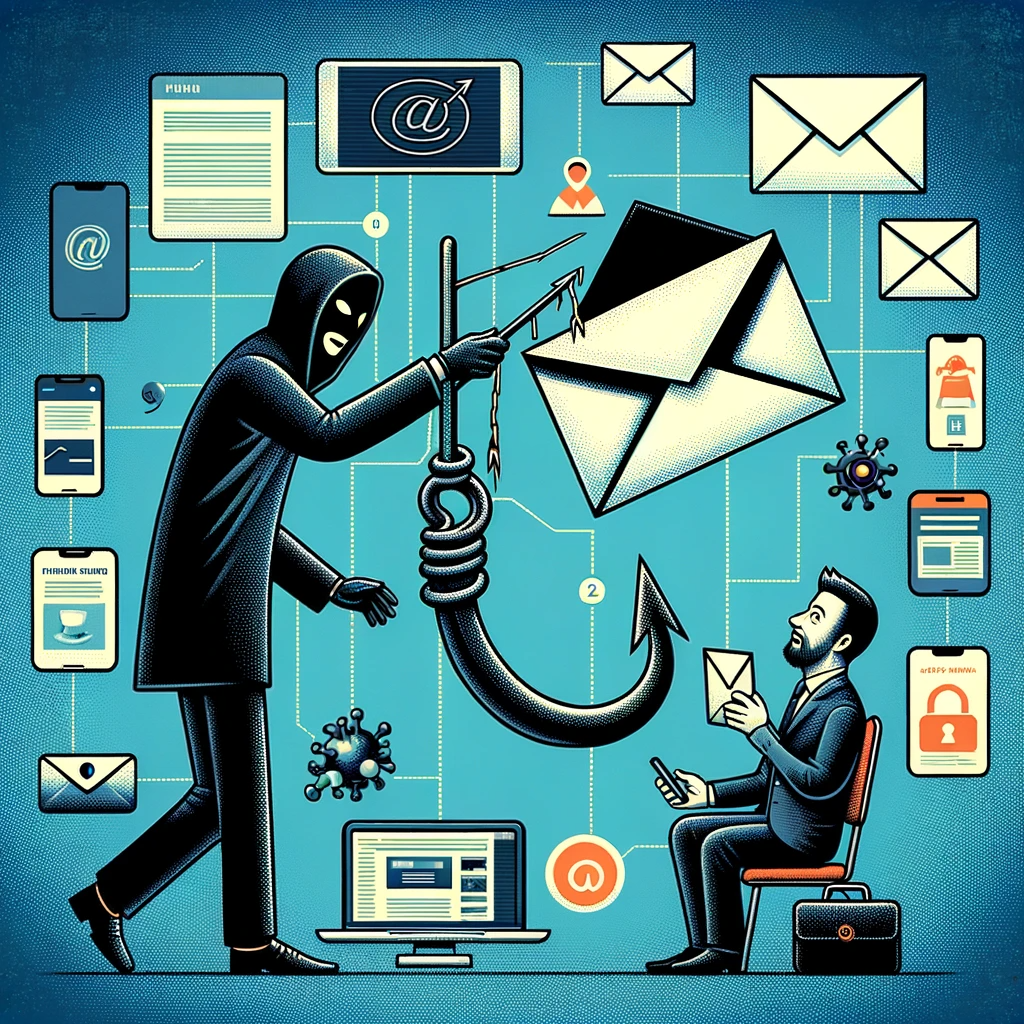
First up, we have the classic phishing attack—a bait-and-switch scenario that could fool even the most astute angler. Cybercriminals cast their nets through emails, pretending to be trusted organizations, hoping to reel in unsuspecting victims. You can spot this type of attack from a mile away if you know what to look for—misspelled domain names, awkward phrasing, and those ominous attachments. But if you’re not careful, you might click on that seemingly innocent link and, just like that, you’re hooked.
Next on the roster are ransomware attacks. Now, these are the real bulldogs of the cyberattack world. Picture this: your data is quietly humming away on your hard drive, and out of nowhere, a cyber thug slams the door shut, locks you out, and demands a ransom to get your files back. It’s as if someone broke into your home, took your valuables, and then put up a “for sale” sign featuring your own stuff. The emotions range from anger to helplessness, and the only question you’re left with is: pay up or lose it all?
Then there’s the notorious Denial-of-Service (DoS) attack, where attackers flood a server with an overwhelming amount of traffic, causing it to collapse under the strain—a bit like trying to fill a small pond with a fire hose. The result? Your website goes down, customers can’t access your services, and chaos reigns. It’s a wake-up call for businesses to bolster their cybersecurity.
And we can’t forget about Advanced Persistent Threats (APTs). Think of these as the stealthy ninjas of the cyber world—quiet, methodical, and often fueled by nation-states. They infiltrate systems, lingering undetected for years, gathering intelligence, and waiting for their moment to strike. Awareness is key in combating these sophisticated threats.
Understanding the types of cyberattacks is the first step in building a robust cybersecurity strategy. You wouldn’t go fishing without the right gear, would you? So arm yourself with knowledge, stay vigilant, and you just might navigate these perilous waters without becoming a casualty.

What Types Of Cyberattacks Exist?
What Types Of Cyberattacks Exist?
- The cybersecurity landscape is filled with various threats, likened to a vast ocean.
- Phishing attacks involve cybercriminals pretending to be trusted organizations to deceive victims.
- Ransomware attacks lock users out of their data, demanding ransom for access.
- Denial-of-Service (DoS) attacks overwhelm servers, causing website outages and service disruptions.
- Advanced Persistent Threats (APTs) are stealthy attacks often backed by nation-states, infiltrating systems for long-term intelligence gathering.
- Awareness and understanding of cyberattack types are crucial for developing strong cybersecurity strategies.
- Staying informed and vigilant is key to navigating cybersecurity threats successfully.

What Types Of Cyberattacks Exist?
How Do Cyberattacks Impact Businesses And Individuals?
In this fast-evolving digital age, let’s take a moment to reflect on the unseen threats lurking behind our screens. It’s easy to overlook the looming shadow of cyberattacks that can strike any business or individual. These aren’t just lofty headlines; they’re real, active threats with dire consequences. The landscape of cybersecurity is filled with both promise and peril, and understanding the impact of cyberattacks is crucial for everyone—big corporations and everyday folks alike.
Imagine you’re a small business owner, hustling day in and day out, when suddenly one morning, you find that your data has been hijacked. You’re staring at a screen full of chaos—files corrupted, customer information yanked from the safe harbor of your network, and that little bar of your operating system blinking like a Morse code distress signal. What follows? Loss of revenue, damaged reputation, and, most importantly, a loss of trust from your clients. In these moments, cybersecurity becomes not just a technical term but a lifeline, a wall that can either protect or betray you.
For individuals, the stakes are just as high. Picture this: You’re scrolling through your phone, absentmindedly clicking on a seemingly harmless link. The next thing you know, your private information is in the hands of those who know exactly how to exploit it. Identity theft can turn your life upside down in an instant, wreaking havoc on credit scores and personal finances. The reality is that cyberattacks are not just a business concern; they knock on the doors of our homes and lives, impacting everyone who dares to connect.
Moreover, consider the ripple effect. When businesses struggle with cyber threats, so do their employees, families, and communities. Layoffs happen when companies can’t recover from financial hits, and neighborhoods feel the strain when livelihoods are jeopardized. Cybersecurity isn’t just about firewalls and anti-virus software; it’s about safeguarding the fabric of our economic and social lives.
As we navigate this treacherous terrain, investing in robust cybersecurity measures and staying informed about potential risks becomes imperative. It’s not merely a recommendation; it’s a necessity in today’s interconnected world. Everyone, from the smallest startup to the largest corporation, must be vigilant and proactive in defending against the relentless tide of cyberattacks. Remember, the storm won’t wait, and neither should you.

How Do Cyberattacks Impact Businesses And Individuals?
How Do Cyberattacks Impact Businesses And Individuals?
- The digital age presents unseen threats from cyberattacks that can affect any individual or business.
- Cyberattacks can lead to serious consequences, including financial loss, damaged reputations, and loss of client trust.
- Small business owners are particularly vulnerable, as data breaches can disrupt operations and finances.
- Individuals also face risks, such as identity theft, which can devastate personal finances and credit scores.
- The impact of cyber threats extends beyond businesses to employees and communities, potentially leading to layoffs and economic strain.
- Effective cybersecurity is crucial not only for technical protection but also for maintaining social and economic stability.
- Staying informed and investing in cybersecurity measures is essential for all in today’s interconnected world.

How Do Cyberattacks Impact Businesses And Individuals?
What Are Common Signs Of A Cyberattack?
In today’s increasingly digital world, we’ve got our heads buried in gadgets and systems. But let’s not kid ourselves; this digital utopia comes with its fair share of pitfalls. When it comes to cybersecurity, vigilance is key. Spotting the early warning signs of a cyberattack can be the difference between a minor inconvenience and a catastrophic breach. So, let’s roll up our sleeves and take a closer look at some telltale signs that your digital fortress might be under siege.
First off, a sudden slowdown in performance can raise red flags. If your computer is acting as sluggish as a Sunday drive in heavy traffic, it might not just be old age—it could be an indicator that something malicious is lurking beneath the surface. Cybercriminals often install their nasty little programs (known as malware) that hog your system’s resources, leaving you high and dry during your important tasks.
Next, consider unexpected pop-ups. Sure, they’re annoying, but if you find yourself bombarded with ads for dubious products or services that you didn’t sign up for, your system may have been compromised. These unwelcome guests often herald the arrival of adware or spyware, which can lead to further intrusion into your personal data.
Another telltale sign is strange account activity. If you’re receiving password reset emails for accounts you didn’t create or find unfamiliar devices logged into your accounts, you may have some digital squatter on your hands. Cybersecurity experts recommend keeping a watchful eye on your online accounts and being quick to act if anything seems off.
Let’s not overlook the importance of unusual alerts or warnings from your security software. If your antivirus is alerting you more often than the guy at a convenience store on a Friday night, it’s time to take heed. Frequent alerts can mean an attack is already in progress or that you’ve unknowingly downloaded something nasty.
Finally, if you notice a sudden increase in network activity, especially when you’re not using your devices, it’s like having a loud neighbor blasting music at three in the morning—something’s just not right. This could indicate that someone is siphoning off your data behind your back.
In today’s digital landscape, awareness is your best defense. Staying informed about the signs of a cyberattack not only helps protect your valuable data but also fortifies your overall cybersecurity strategy. After all, it’s better to be safe than sorry.

What Are Common Signs Of A Cyberattack?
What Are Common Signs Of A Cyberattack?
- The digital world presents cybersecurity challenges alongside its advantages.
- Vigilance is crucial for detecting potential cyberattacks early.
- A sudden decrease in computer performance may indicate malware presence.
- Unexpected pop-ups can signal adware or spyware infections.
- Strange account activity, such as unauthorized password resets, suggests unauthorized access.
- Frequent alerts from security software could indicate ongoing attacks or malicious downloads.
- Increased network activity when devices are not in use may imply data theft.

What Are Common Signs Of A Cyberattack?
How Can I Protect My Network From Cyberattacks?
In today’s increasingly digital world, cybersecurity isn’t just the responsibility of your IT department—it’s essential for anyone with a Wi-Fi connection. If you’re wondering how to protect your network from cyberattacks, it all starts with understanding that the bad guys are out there, lurking in the digital shadows. They might be after your personal information, financial data, or simply looking to sow chaos. So, let’s roll up our sleeves and get to work to safeguard what’s yours.
First, every secure network needs a solid foundation—think of it as the sturdy base of a well-built barn. Begin with strong passwords; combine complexity with uniqueness. Avoid phrases like “password123” or “letmein.” Instead, think of a throwback to simpler times. Mix symbols, numbers, upper and lower case letters, and, most importantly, never use the same password across different accounts. Most cyberattacks exploit weak or reused passwords, so don’t hand the keys over to the wrong hands.
Next, it’s time to beef up your firewall. A robust firewall acts like a sentry, monitoring incoming and outgoing traffic and blocking out unwanted intruders. Consider investing in a quality hardware firewall in addition to your software one, as layers of protection make it significantly harder for cybercriminals to breach.
Now, let’s not forget about updates; they’re way more crucial than they might seem. Just like the old machinery on a farm needs regular maintenance, your devices require software updates to patch vulnerabilities that could be exploited. Enable automatic updates wherever possible; this way, you won’t have to think twice about running outdated software, which is just like leaving a door wide open for trouble.
Another vital element is education. Equip yourself and everyone in your household—or workplace—with knowledge about cybersecurity best practices. Phishing scams are as insidious as they come, often disguised as friendly emails or messages. If something smells fishy, it probably is. Be cautious about links and attachments, especially from unfamiliar sources.
Finally, conduct routine audits of your network and devices, much like checking the fence line or inventory of your tools. Regular assessments can spot vulnerabilities before they turn into full-blown cyber incidents.
By prioritizing cybersecurity with a proactive approach, you create an environment that not only protects your network but helps you sleep better at night, knowing you’ve done your part to keep those pesky cyberattacks at bay. Stay vigilant, stay informed, and take action—because in the world of cybersecurity, there’s no such thing as too safe.

How Can I Protect My Network From Cyberattacks?
How Can I Protect My Network From Cyberattacks?
- Cybersecurity is a collective responsibility for anyone with a Wi-Fi connection, not just the IT department.
- Start with strong and unique passwords, avoiding common phrases, and never reuse passwords across accounts.
- Enhance your firewall’s protection with both hardware and software solutions to block unwanted intruders.
- Regularly update devices and software to patch vulnerabilities, ideally enabling automatic updates.
- Educate yourself and others about cybersecurity best practices, especially regarding phishing scams.
- Conduct routine audits of your network and devices to identify and address potential vulnerabilities.
- Maintain a proactive approach to cybersecurity for a safer online environment and peace of mind.

How Can I Protect My Network From Cyberattacks?
What Tools Can Help In Detecting Cyberattacks?
In today’s digital age, the term cybersecurity feels more relevant than ever. Picture this: the data you hold dear, from family photos to important business information, is housed in a world that is as wild and unpredictable as any mighty river. And just like in nature, there are plenty of critters lurking below the surface, waiting for an opportunity to strike. However, there’s a whole toolkit available for detecting these unwelcome intrusions before they wreak havoc.
First up, we have Intrusion Detection Systems (IDS). Think of them as the security guard stationed at the entrance of your data fortress. These tools monitor network traffic for any suspicious activity, acting as a watchdog that barks when something’s amiss. It’s all about spotting the potential threats before they turn into full-blown disasters. In some ways, a good IDS is like a keen-eyed friend who can tell you when someone’s being funny on your social media, alerting you to suspicious activities.
Next on the list are Security Information and Event Management (SIEM) systems. These powerful platforms gather and analyze data from various sources in real-time, presenting a comprehensive overview of your security posture. Imagine a dashboard on a high-tech spaceship, providing pilots with all the info needed to avoid an asteroid belt. SIEM solutions correlate logs and events, allowing cybersecurity teams to quickly identify anomalies that could signal an ongoing attack.
Another vital tool is Endpoint Detection and Response (EDR). Simply put, these tools keep an eye on all the endpoints within a network—like the devices that connect to it—to spot any rogue behavior. It’s akin to having a vigilant parent checking in on all the kids in the neighborhood. If something goes down at one endpoint, EDR systems help contain it before it spreads like wildfire.
Let’s not forget about behavioral analytics tools either. These nifty gadgets analyze user behavior patterns over time, learning to recognize what’s normal and what’s not. When something suspicious pops up—a sudden spike in activity during odd hours, for instance—these tools raise the alarm, helping to nip potential threats in the bud.
Protecting your digital life calls for diligence, a hint of intuition, and a trusty set of tools. Investing in these resources can mean the difference between keeping the doors of your data fortress tightly bolted and letting the unwanted intruders waltz right in.
What Tools Can Help In Detecting Cyberattacks?
What Tools Can Help In Detecting Cyberattacks?
- The relevance of cybersecurity in today’s digital age reflects the unpredictable nature of the online world.
- Intrusion Detection Systems (IDS) act as security guards for data, monitoring network traffic for suspicious activities.
- Security Information and Event Management (SIEM) systems provide real-time analysis of security data, offering a comprehensive overview of security posture.
- Endpoint Detection and Response (EDR) monitors network endpoints to identify and contain rogue behavior, preventing spread of potential threats.
- Behavioral analytics tools track user behavior patterns to detect anomalies, raising alerts about suspicious activities.
- Maintaining cybersecurity requires diligence, intuition, and the right tools to protect digital assets.
- Investing in cybersecurity resources can safeguard against unwanted intrusions and maintain data integrity.

What Tools Can Help In Detecting Cyberattacks?
How Can Organizations Respond To A Cyberattack?
In today’s high-tech world, the reality is that cyberattacks are no longer a question of “if,” but “when.” Organizations must brace themselves and have a game plan in place for when the digital storm hits. So, how can organizations respond to a cyberattack? Buckle up; it’s going to be a bumpy ride, but with the right approach, you can steer through the chaos.
First things first, when an attack occurs, panic is your worst enemy. Instead of scrambling like a chicken with its head cut off, assembling a well-prepared incident response team can make all the difference. This crew should be made up of individuals who know their roles inside and out. Rely on your cybersecurity experts, legal advisors, and communications specialists to lay the groundwork for how you’ll face the aftermath of an attack.
Once your team is in place, it’s essential to assess the situation swiftly. Identify the scope of the breach, analyze what has been compromised, and determine the extent of the damages. Like peeling back the layers of an onion, you need to uncover the root cause. Was it a phishing scam that snared one of your employees, or did hackers exploit a vulnerability in your system? Understanding the “how” is vital for fortifying your defenses moving forward.
Next up is communication—both internally and externally. Your employees need to know what’s happening, what steps to take, and how to minimize their exposure. Transparency is key here. You don’t want misinformation swirling around like an out-of-control tornado. Likewise, engaging with customers and stakeholders is crucial. If sensitive data is involved, inform those affected promptly, as trust hinges on your response.
After the dust settles, it’s time to reflect and regroup. Conduct a post-mortem analysis to understand what went right, what went wrong, and how you can improve. Use this as an opportunity to reevaluate your cybersecurity strategies. Perhaps it’s time to rethink your training programs or invest in more robust security technologies.
Lastly, consider your long-term strategy. Cybersecurity is not a one-and-done deal; it’s a continuous endeavor. Adopt a culture of vigilance within your organization, regularly updating your defenses, training your team, and staying informed about emerging threats. In a world where cybercriminals are relentless, resilience is the name of the game. So, gear up and prepare—because in the battle against cyberattacks, preparedness is your best armor.

How Can Organizations Respond To A Cyberattack?
How Can Organizations Respond To A Cyberattack?
- Cyberattacks are inevitable; organizations must prepare for when they occur.
- Establish a dedicated incident response team comprised of cybersecurity experts, legal advisors, and communications specialists.
- Swiftly assess the situation to identify the scope of the breach and understand the root cause.
- Maintain clear communication with employees and external stakeholders to prevent misinformation and build trust.
- Conduct a post-mortem analysis to evaluate the response and identify areas for improvement.
- Continuously update cybersecurity strategies and training programs to enhance defenses.
- Foster a culture of vigilance to ensure ongoing resilience against cyber threats.

How Can Organizations Respond To A Cyberattack?
Conclusion
In our increasingly digital world, the threat of cyberattacks lurks just beneath the surface, like a snake in the grass. These aren’t your run-of-the-mill annoyances; they’re serious attempts to breach and damage networks that could cripple businesses and disrupt lives. As Tom Seest lays out, the essence of a cyberattack boils down to two malicious goals: unauthorized access and causing damage. Today’s hackers, armed with sophisticated tools and techniques, are relentless. Each day, they attempt to infiltrate our digital existence, from identity theft to corporate espionage. This modern cat-and-mouse game is no laughing matter; the stakes are incredibly high.
Think about it: a single successful breach can lead to devastating losses—not just in dollars and cents, but in trust and reputation. Organizations can find themselves facing not only financial fallout but also a public relations nightmare that could follow them for years. Unfortunately, the landscape of cybercrime is forever shifting. As defenders improve their strategies, the attackers innovate, learning new tricks to exploit unsuspecting users and unpatched systems.
So how do we protect ourselves in this landscape? Knowledge is power, and armed with that knowledge, users can bolster their defenses against assorted threats—from phishing scams and malware to more cunning advanced persistent threats. Cybersecurity isn’t just an IT issue; it’s a personal responsibility for everyone who uses technology. Understanding the different types of attacks and recognizing the early signs of trouble can mean the difference between a minor inconvenience and a catastrophic disaster.
It’s crucial to establish proactive defenses. Employing strong, unique passwords, installing a solid firewall, keeping systems updated, and training yourself and your employees to recognize the warning signs of an attack are just a few steps in the right direction. And should the unthinkable happen, having a thorough incident response plan can guide organizations through the chaos and help them recover.
In this digital age, complacency is not an option. Whether you’re a small business owner or just someone who uses a computer for everyday tasks, stay vigilant. Cyberattacks are part of the landscape now, but with the right tools, mindset, and strategies, we can successfully navigate these murky waters. Preparedness is your best armor—because while cybercriminals lurk, they can be thwarted. Stay informed, stay aware, and let’s outsmart those digital marauders together.

Conclusion
Conclusion:
- Cyberattacks pose serious threats to networks, with goals of unauthorized access and damage.
- Hackers employ sophisticated tools to compromise identities and conduct corporate espionage.
- A single breach can cause significant financial losses and long-term reputational damage.
- The cybercrime landscape is constantly evolving, requiring ongoing adaptation from defenders.
- Cybersecurity is a shared responsibility; users must be informed about potential threats.
- Proactive measures include using strong passwords, installing firewalls, and keeping systems updated.
- Preparedness and an effective incident response plan are essential for recovery from attacks.

Conclusion
Other Resources

Other Resources
Here is a list of other resources you can review online to learn more:
- Decypher Technologies
- Mazars USA
- Telstra
- eSecurity Solutions
- CyberMaxx
- Dataprise
- Cisco Systems
- Blue Line Technologies
Use This Prompt To Get More Resources With Your Favorite Online AI Tool: Please provide me with a list of online articles with their URLs in a bulleted list that I can read regarding Are Cyberattacks Malicious Attempts to Access Or Damage Networks?

Other Resources
Glossary Terms
Are Cyberattacks Malicious Attempts to Access Or Damage Networks? – Glossary Of Terms
1. Cyberattack: An intentional act aimed at compromising the integrity, confidentiality, or availability of computer systems or networks.
2. Malware: Short for malicious software, refers to any software designed to harm or exploit any programmable device or network.
3. Phishing: A fraudulent attempt to acquire sensitive information such as usernames, passwords, and credit card details by masquerading as a trustworthy entity.
4. Ransomware: A type of malware that encrypts a user’s data and demands payment for the decryption key to regain access.
5. Denial of Service (DoS): An attack meant to make a network service unavailable by overwhelming it with traffic or sending malicious data.
6. Distributed Denial of Service (DDoS): A DoS attack that uses multiple systems to flood a network, often involving a botnet.
7. Spyware: A type of software that secretly monitors user activity or collects information without the user’s consent.
8. Trojan Horse: A type of malware disguised as a legitimate program or application that, once activated, can damage or otherwise compromise systems.
9. Worm: A standalone malware that replicates itself to spread to other computers, often exploiting vulnerabilities in software.
10. Zero-Day Vulnerability: A security flaw in software that is unknown to the vendor and can be exploited by cybercriminals before a patch is released.
11. Exploit: A piece of code or software that takes advantage of a bug or vulnerability in a program or system.
12. Firewall: A security system that monitors and controls incoming and outgoing network traffic based on predetermined security rules.
13. Botnet: A network of infected computers that are remotely controlled by an attacker to perform tasks like sending spam or launching attacks.
14. Intrusion Detection System (IDS): A device or software application that monitors network or system activities for malicious activities or policy violations.
15. Encryption: The process of converting data into a code to prevent unauthorized access, ensuring confidentiality.
16. Social Engineering: The manipulation of individuals into divulging confidential or personal information through deceitful means.
17. Security Patch: A software update aimed at fixing vulnerabilities in a program or system, often released in response to newly discovered threats.
18. Credential Stuffing: A type of cyberattack where stolen account credentials are used to gain unauthorized access to user accounts on other services.
19. Advanced Persistent Threat (APT): A prolonged and targeted cyberattack where an intruder gains access to a network and remains undetected for an extended period.
20. Incident Response: The process of addressing and managing the aftermath of a security breach or cyberattack.
21. Rootkit: A collection of software tools that enable administrator-level access to a computer or network while hiding its presence.
22. Threat Intelligence: Information that helps organizations understand potential threats and vulnerabilities to inform security measures.
23. Data Breach: An incident where unauthorized access to confidential data occurs, often resulting in data being stolen or exposed.
24. Public Key Infrastructure (PKI): A framework that uses public key cryptography to secure communications and authenticate users.
25. Two-Factor Authentication (2FA): An additional security layer that requires two forms of verification before granting access to accounts, enhancing security.
26. Network Sniffer: A tool used to capture and analyze packets of data transferred over a network, potentially revealing sensitive information.
27. Insider Threat: A security risk that originates from within the organization, usually involving employees or contractors with access to sensitive data.
28. Vulnerability Assessment: The process of identifying, quantifying, and prioritizing vulnerabilities in a system or network.
29. Security Awareness Training: Education provided to employees to help them recognize security threats and follow best practices to mitigate risks.
30. Incident Management: A systematic approach to addressing and mitigating incidents that affect IT services and operations, aiming to minimize impact.

Glossary Of Terms
Other Questions
Are Cyberattacks Malicious Attempts to Access Or Damage Networks? – Other Questions
If you wish to explore and discover more, consider looking for answers to these questions:
- What are the most common types of cyberattacks?
- How can I identify if my system has been compromised?
- What measures should individuals take to protect personal data?
- What are the financial implications of a cyberattack for businesses?
- How can businesses educate employees about cybersecurity?
- What are the latest trends in cyberattacks?
- How does ransomware specifically work?
- What is the role of government in protecting against cybercrime?
- What are the legal responsibilities of organizations during a cyber incident?
- How can companies effectively recover after a cyberattack?
- What cybersecurity certifications or training should professionals pursue?
- How do hackers choose their targets for cyberattacks?
- What technologies can enhance network security?
- How often should organizations update their cybersecurity measures?
- What changes in legislation affect cybersecurity practices?

Other Questions
Haiku
Are Cyberattacks Malicious Attempts to Access Or Damage Networks? – A Haiku
Cyber shadows loom large,
Data’s worth in hands of thieves,
Guard your gates with care.

Haiku
Poem
Are Cyberattacks Malicious Attempts to Access Or Damage Networks? – A Poem
In Shadows of the Digital Realm
In the vast expanse where data weaves,
Lurks the shadow that never leaves,
Cyberattacks, with intent so sly,
Seek to breach, to harm, to pry.
A dance of hackers, skilled and keen,
In hidden corners, they glean and scheme,
With every click, we risk the fall,
A cat-and-mouse game, the stakes for all.
Phishing lines cast in the digital sea,
Deceitful whispers, “Trust in me,”
Ransomware strikes, demanding a fee,
A thief at the door, relentless decree.
Denial of service, the floodgates burst,
Chaos erupts, reality’s worst,
APTs whisper, silent and sly,
Stealthy ninjas as time slips by.
The cost is heavy, both right and wrong,
For businesses small and giants strong,
Trust once broken can stitched never be,
The fabric of life is torn, we see.
But knowledge is power, a fortress strong,
Update, educate—this is our song,
Firewalls like sentries guard the gate,
Vigilance, our shield against fate.
When storms descend and chaos reigns,
A plan must rise amidst the pains,
Communicate, assess, and then renew,
Strengthen the bonds, build trust anew.
For in this digital age we dwell,
A web of connection, a tale to tell,
Though shadows loom and dangers press,
With unity, knowledge, we can progress.
So heed the signs, stay sharp, and wise,
In this modern world where danger lies,
Together we rise, we learn, we defend,
In the face of cyber threats, we will not bend.

Poem
Checklist
Are Cyberattacks Malicious Attempts to Access Or Damage Networks? – A Checklist
Cyberattack Awareness & Prevention Checklist
Understanding Cyberattacks
1. Identify Types of Cyberattacks:
_____ Phishing
_____ Ransomware
_____ Denial-of-Service (DoS) attacks
_____ Advanced Persistent Threats (APTs)
2. Recognize Signs of a Cyberattack:
_____ Sudden performance slowdowns on devices
_____ Unexpected pop-ups or ads
_____ Strange activity on accounts (e. g. , password reset requests)
_____ Unusual alerts from security software
_____ Increased network activity when not in use
Protecting Your Network
3. Secure Password Practices:
_____ Use strong, unique passwords for every account
_____ Change passwords regularly and avoid sharing them
4. Firewall Implementation:
_____ Install a robust software firewall and consider additional hardware firewalls.
5. Regular Software Updates:
_____ Enable automatic updates for all software and devices to patch vulnerabilities.
6. Educate Yourself and Others:
_____ Inform family or employees about cybersecurity best practices, especially regarding phishing.
7. Conduct Routine Security Audits:
_____ Regularly review and assess network and device security to identify vulnerabilities.
Detection Tools
8. Utilize Detection Tools:
_____ Implement Intrusion Detection Systems (IDS)
_____ Use Security Information and Event Management (SIEM) systems
_____ Set up Endpoint Detection and Response (EDR) solutions
_____ Consider behavioral analytics tools to recognize unusual user activities
Responding to Cyberattacks
9. Create an Incident Response Plan:
_____ Assemble an incident response team with designated roles.
_____ DeFine procedures for assessing the breach and managing communication.
10. Communicate Effectively:
_____ Ensure internal teams are informed about the situation.
_____ Transparently communicate with affected customers and stakeholders.
11. Post-Attack Assessment:
_____ Conduct a thorough analysis after an attack to identify weaknesses and improve defenses.
12. Adopt a Culture of Vigilance:
_____ Foster ongoing cybersecurity training and awareness within your organization.
Continuous Improvement
13. Stay Informed on Emerging Threats:
_____ Regularly update your knowledge about cybersecurity trends and threats.
14. Review and Revise Security Measures:
_____ Periodically update security protocols and technologies to enhance protection.
This checklist is designed to enhance your awareness and preparedness against cyberattacks, ensuring that both individuals and organizations take proactive steps to safeguard their digital environments.

Checklist
At BestCyberSecurityNews, we help teach entrepreneurs and solopreneurs the basics of cybersecurity and its impact on their businesses by using simple concepts to explain difficult challenges.
Please read and share any of the articles you find here on BestCyberSecurityNews with your friends, family, and business associates.