


Mastering Five Essential Skills For A Thriving Cybersecurity Career
By Tom Seest
At BestCyberSecurityNews, we help teach entrepreneurs and solopreneurs the basics of cybersecurity and its impact on their businesses by using simple concepts to explain difficult challenges.
Please read and share any of the articles you find here on BestCyberSecurityNews with your friends, family, and business associates.
What 5 Skills Must You Learn Before Entering Cyber Security?
When stepping into the world of Cybersecurity, you’re not just entering a job; you’re embracing a mission. The stakes are real. Every day, people and businesses face threats that can cripple their operations and lead to devastating losses. To tackle these challenges head-on, there are five essential skills you must learn, and each one will shape your journey in profound ways.
First, technical prowess is non-negotiable. Understanding networks, systems, and how they interconnect is the bedrock of Cybersecurity. It’s like knowing how to read a map before you set off on a journey. Without this foundational skill, you’d be wandering lost in a maze of servers and data flow. Delving into these intricacies will make you the expert folks rely on when the chips are down.
Next is analytical thinking. Cybersecurity threats are like puzzles waiting to be solved. With every breach or attempted hack, you get to step into the investigator’s shoes. Each incident teaches you something new, inviting you to connect the dots and think critically about patterns and anomalies. This skill not only sharpens your mind but fosters a sense of purpose when you thwart potential attacks that could harm others.
Then there’s a knack for communication. It’s not enough to be the smartest person in the room if you can’t explain the problem or the solution. You need to bridge the gap between jargon-filled tech speak and the understandable language of your teams or clients. Your mission will often involve rallying people to your cause—whether they’re IT specialists or those who don’t know their firewall from their front door. Building trust through clear communication solidifies your role as a partner in protecting their interests.
Moreover, an ethical mindset is essential. The invisible nature of Cybersecurity can sometimes blur the lines of what’s right. As a guardian of sensitive information, your integrity becomes your greatest asset. Every decision should reflect your commitment to protecting people and their data, ensuring that your actions inspire confidence and respect in a field often shrouded in mystery.
Lastly, adaptability is key. The landscape of Cybersecurity is ever-changing, with new threats emerging all the time. You’ll need to stay ahead of the curve, learning continuously and adjusting your strategies in real time. Embracing this fluidity allows you to see challenges not as obstacles but as opportunities for growth.
Each of these skills is a step toward building a career grounded in purpose and dedication. If you’ve got the passion for problem-solving and a heart for service, Cybersecurity just might be the path for you.

What 5 Skills Must You Learn Before Entering Cyber Security?
What 5 Skills Must You Learn Before Entering Cyber Security?
- Cybersecurity is not just a job; it’s a mission with real stakes.
- Technical prowess is essential, involving understanding networks and systems.
- Analytical thinking helps in solving cybersecurity threats, treating them as puzzles.
- Strong communication skills are needed to explain complex issues in simple terms.
- An ethical mindset is crucial for protecting sensitive information and building trust.
- Adaptability is key in a constantly changing cybersecurity landscape.
- These skills contribute to a purposeful career in Cybersecurity for passionate problem solvers.

What 5 Skills Must You Learn Before Entering Cyber Security?
Table Of Contents
- What 5 Skills Must You Learn Before Entering Cyber Security?
- What Are the Most Crucial Skills for a Cyber Security Career?
- How Does Mastering These Skills Impact Job Opportunities?
- Which Technical Skills Are Non-Negotiable for Cyber Security?
- How Can Communication Skills Enhance Your Cyber Security Role?
- Why Is Understanding Of Regulations Vital In Cyber Security?
- How Does Critical Thinking Contribute to Effective Security Measures?
- What Role Does Ethical Hacking Play In Cyber Security Proficiency?
- Conclusion
- Other Resources
- Glossary Of Terms
- Other Questions
- Haiku
- Poem
- Checklist
What Are the Most Crucial Skills for a Cyber Security Career?
Cybersecurity is not just a job; it’s a calling that demands a unique blend of skills forged in the fires of real-world experience. To truly excel in this field, you need a mix of technical prowess, critical thinking, and a relentless drive for improvement. First, grasping the nuts and bolts of systems, networks, and protocols is fundamental. The tools of the trade—firewalls, intrusion detection systems, and encryption—are your weapons against the unseen threats lurking just beyond the digital horizon. Understanding their ins and outs can be likened to a mechanic knowing every part of a car; it’s about not just recognizing problems but also anticipating them.
Next comes critical thinking. In cybersecurity, decisions often need to be made in the blink of an eye. A security breach can feel like a freight train bearing down on you, and you have to know how to act decisively. It’s about piecing together clues, analyzing data on the fly, and thinking several steps ahead. This isn’t just an intellectual exercise; it’s the difference between a quick fix and a long-lasting solution. Trust doesn’t just come from resolving issues; it’s built on comprehensive strategies that protect data integrity.
Now, there’s also an ethical dimension to this work. Cybersecurity isn’t just about stopping the bad guys; it’s about protecting people, their identities, and their livelihoods. This is where your gut comes into play because decisions in this field aren’t always black and white. You have to align your actions with a moral compass that ensures you’re acting in the best interest of others, maintaining a trust that is essential in any relationship—personal or professional.
Building relationships within the cybersecurity community is another skill set that often goes overlooked. Collaborating, sharing knowledge, and supporting one another is vital because the landscape is ever-evolving. You’ll find that seasoned veterans are often eager to pass on their wisdom, showing that the path to expertise is paved with shared experiences. This social fabric creates a network of support that reinforces the values of collaboration and trust.
Ultimately, choosing a career in cybersecurity means committing to continual learning and resilience. The journey is as much about personal growth as it is about professional achievement. Skills can be taught, but the heart, the drive, and the desire to protect and serve must come from within. Embark on this path with the understanding that you are not just fighting fires; you are safeguarding the very foundation of our digital lives.

What Are the Most Crucial Skills for a Cyber Security Career?
What Are the Most Crucial Skills for a Cyber Security Career?
- Cybersecurity combines technical skills, critical thinking, and a commitment to improvement.
- Understanding systems, networks, and protocols is fundamental for anticipating threats.
- Decisive critical thinking is crucial during security breaches, requiring quick analysis and strategy.
- Ethical considerations are essential, focusing on protecting people’s identities and livelihoods.
- Building relationships in the cybersecurity community fosters collaboration and knowledge sharing.
- A career in cybersecurity requires continual learning and resilience for personal and professional growth.
- The role involves not just responding to threats but safeguarding the foundations of our digital lives.

What Are the Most Crucial Skills for a Cyber Security Career?
How Does Mastering These Skills Impact Job Opportunities?
Mastering essential skills not only opens doors but also shapes the very foundation of one’s career. In today’s job market, where competition runs high, having a versatile skill set can be the deciding factor that gets a foot in the door. Let’s take a closer look at how mastering skills, particularly in areas like cybersecurity, impacts job opportunities.
First, consider the emotional weight of security. In a world that feels increasingly uncertain, knowing the ins and outs of cybersecurity can bring a sense of empowerment. It’s more than just a job; it’s about making a real difference. Protecting individuals and organizations from threats creates a tangible impact, giving you a sense of purpose as you safeguard vital information. That fulfillment translates into confidence, drawing employers who appreciate candidates with a deep understanding of protecting their digital assets.
Rationally speaking, the cybersecurity field is booming. Businesses are investing heavily to fortify their defenses against an array of threats—from hackers to data breaches. This means job stability, competitive salaries, and growth potential for those skilled in safeguarding information. It’s not just a trend; it’s a necessity. So, while anyone can jump into the job pool, those armed with cybersecurity expertise are more likely to stand out, landing positions that are in high demand.
On an ethical level, having expertise in cybersecurity also speaks volumes about integrity. It shows a commitment to doing the right thing by protecting sensitive data and ensuring privacy. Employers not only seek talent but also value trustworthiness. When you demonstrate your capability in cybersecurity, you’re not just offering skills; you’re also showcasing your accountability and dedication to the greater good.
Then there’s the narrative element. Every scar, every obstacle faced in mastering a skill contributes to a story worth telling. These journeys resonate with others who are navigating their paths, fostering connections that can lead to unexpected opportunities. Sharing experiences in overcoming challenges can inspire others and build a supportive community around you.
Ultimately, as you develop these pivotal skills, you’re not just preparing for a job; you’re laying the groundwork for a career that demands respect and resilience. The hands-on knowledge gained through practice and experience isn’t just practical; it’s a badge of honor. Mastering these skills ensures that you’re not merely part of the workforce but a sought-after asset capable of steering the ship through the stormy seas of an ever-evolving digital landscape.

How Does Mastering These Skills Impact Job Opportunities?
How Does Mastering These Skills Impact Job Opportunities?
- Mastering essential skills strengthens career foundations and increases job opportunities.
- Cybersecurity knowledge provides empowerment and a sense of purpose in protecting vital information.
- The booming cybersecurity field offers job stability, competitive salaries, and growth potential.
- Expertise in cybersecurity reflects integrity and commitment to protecting sensitive data and ensuring privacy.
- Personal narratives and experiences in skill mastery can inspire others and foster community connections.
- Developing vital skills prepares individuals for a respected and resilient career.
- Practical knowledge in cybersecurity makes candidates sought-after assets in a demanding job market.

How Does Mastering These Skills Impact Job Opportunities?
Which Technical Skills Are Non-Negotiable for Cyber Security?
When it comes to working in cybersecurity, there are certain technical skills that are just plain essential. Think of them as the backbone of your toolkit—without them, you’re as lost as a ship without a compass. First off, knowledge of networking fundamentals is crucial. You’ve got to understand how data flows across networks, the nuances of IP addressing, and what protocols keep everything talking to one another. Without this grounding, you’re like a mechanic who doesn’t know how an engine works.
Next up is proficiency in operating systems, particularly Windows and Linux. These systems have their quirks, and knowing how to navigate them can be the difference between locking down a vulnerability and leaving the door wide open for an attack. It’s about familiarizing yourself with the platforms that matter and being able to maneuver through security settings with ease. There’s an old saying: “Know thy enemy.” Understanding these systems inside and out allows you to anticipate threats and fortify defenses.
Then you’ve got programming languages—Python, JavaScript, or even C++. Being able to write and read code is invaluable. You don’t need to be a master coder, but being able to script a few lines can save you time and help automate tasks or analyze threats more effectively. It’s like knowing enough about carpentry to build a solid frame rather than just pounding nails. Also, familiarity with tools like firewalls, intrusion detection systems, and antivirus software is a given. These tools are your frontline warriors against cyber threats, and knowing how they work is non-negotiable.
Don’t forget about the critical skill of threat analysis. This isn’t just about recognizing a problem; it’s about evaluating risks and understanding potential impacts. You have to look at threats not just as lurking shadows but as real challenges that can disrupt lives and businesses. The stakes are high, and having a keen eye for what could go wrong will make you invaluable.
Finally, the ability to communicate effectively—both in writing and verbally—is key. You’re going to be translating complex security issues into terms that everyone can understand, bridging the gap between tech and non-tech folks. It’s about being the calm voice in the storm, someone the team can trust to steer the ship through turbulent waters.
In cybersecurity, these skills aren’t just a list of requirements; they’re part of your identity as a defender in a world where threats can surface at any moment. Embrace them, and you’ll find yourself not just surviving but thriving in this ever-evolving landscape.

Which Technical Skills Are Non-Negotiable for Cyber Security?
Which Technical Skills Are Non-Negotiable for Cyber Security?
- Essential technical skills are crucial in cybersecurity, acting as the backbone of the toolkit.
- Knowledge of networking fundamentals, including data flow, IP addressing, and protocols, is vital.
- Proficiency in operating systems like Windows and Linux is necessary for managing vulnerabilities.
- Familiarity with programming languages such as Python, JavaScript, or C++ aids in scripting and automation.
- Understanding tools like firewalls, intrusion detection systems, and antivirus software is imperative.
- Threat analysis skills help evaluate risks and understand potential impacts on businesses and individuals.
- Effective communication is essential for translating complex security issues to diverse audiences.

Which Technical Skills Are Non-Negotiable for Cyber Security?
How Can Communication Skills Enhance Your Cyber Security Role?
In the world of cybersecurity, you might think that coding skills, technical prowess, and a deep knowledge of firewalls are the gold standard. However, the often-overlooked element that can truly elevate your role is the art of communication. Let’s break it down.
Picture this: you’re in a high-stakes meeting, and tensions are running high. The IT folks are talking in their tech jargon, while management looks baffled, fearing the worst. In this moment, your ability to translate complex cybersecurity language into relatable terms is crucial. It’s not just about knowing your stuff; it’s about making it digestible for everyone at the table. This emotional connection can ease fears and build trust among colleagues, leading to a stronger, more cooperative team environment.
On a rational level, effective communication ensures that everyone understands the risks and protocols involved in cybersecurity. When you can articulate the importance of a particular security measure or the implications of a breach, folks are more likely to take action. Providing clear rationale behind decisions fosters a culture of responsibility and awareness. It encourages everyone to be vigilant, knowing that their role contributes to protecting the entire organization.
Ethically, the way you communicate can set a standard for the entire company. Championing transparency when discussing potential vulnerabilities or incidents not only builds your authority as a cybersecurity professional but also reinforces a culture of honesty. When employees see that they can trust you with sensitive information, they’re more likely to be forthcoming about their own concerns, creating an open line that benefits everyone.
Sharing stories about real-life incidents can bridge gaps. Relating a past experience where a minor oversight led to a significant breach highlights the importance of diligence and foresight. It’s not just theoretical; these are lessons learned in the trenches, making it relatable and engaging for your audience.
Lastly, consider the social aspect. Building rapport with your teammates can lead to a united front against cyber threats. When everyone feels involved and valued in communication, they’re more likely to contribute ideas and strategies, strengthening the overall security posture of the organization. By focusing on communication skills alongside technical expertise, you’re not just enhancing your role; you’re fostering a resilient cybersecurity culture that resonates with everyone involved.

How Can Communication Skills Enhance Your Cyber Security Role?
How Can Communication Skills Enhance Your Cyber Security Role?
- Communication is an essential skill in cybersecurity, often overlooked compared to technical skills.
- The ability to translate complex technical jargon into relatable terms helps ease fears and build trust in high-stakes meetings.
- Effective communication promotes understanding of cybersecurity risks and protocols, encouraging responsible actions among all team members.
- Transparency in discussing vulnerabilities fosters a culture of honesty and reinforces the authority of cybersecurity professionals.
- Sharing real-life incidents highlights the importance of vigilance and learning from past mistakes.
- Building rapport with teammates strengthens collaboration against cyber threats and enhances overall security posture.
- Focusing on both communication skills and technical expertise nurtures a resilient cybersecurity culture within the organization.

How Can Communication Skills Enhance Your Cyber Security Role?
Why Is Understanding Of Regulations Vital In Cyber Security?
Understanding regulations in cybersecurity is not just about ticking boxes or adhering to legal standards; it’s about protecting what matters most. Picture this: an ordinary day at your small business suddenly turns chaotic when a cyberattack cripples your operations. Customers’ data is compromised, trust is shattered, and the fallout could lead to financial ruin. That’s the harsh reality of ignoring the rules that govern cybersecurity.
Regulations are the backbone of a robust security framework, breathing life into the strategies designed to fend off threats. They serve as a guiding light, offering clear pathways to safeguard sensitive information. Knowing the rules means you can make informed decisions, tapping into the full potential of your resources while minimizing risks. This isn’t just good business; it’s common sense grounded in reality.
Emotionally, there’s a connection to the people involved. Employees work hard, customers trust you, and families depend on the health of your business. When regulations are overlooked, loyalty turns to fear, eroding the fabric of your relationships. Understanding these regulations fosters an environment of trust—customers feel secure knowing their data is treated with respect and care.
Rationally, consider the cost of non-compliance. Fines, legal battles, and damage to reputation can devastate an organization. The regulations are there to protect not only data but also the integrity of the industry as a whole. Companies that embrace these rules aren’t just compliant; they’re demonstrating their commitment to ethical business practices. In a world where every click could be a threat, being proactive offers peace of mind to all involved.
On a narrative level, think of the stories that unfold from a lack of cybersecurity awareness. Once a thriving business, now a cautionary tale—people remember these stories. When you understand and abide by regulations, you position yourself as a leader in the industry, inspiring others to follow suit. This builds a community where businesses can thrive together, fostering a culture of shared responsibility.
At the gut level, it’s about instinct. Something doesn’t feel right when rules are ignored. Trust your instincts; understanding regulations equips you with the knowledge to navigate risks and make informed choices. Grasping the importance of these regulations in cybersecurity is a matter of protecting your hard work and the people who believe in you. Embrace this understanding—it’s a powerful tool for success.

Why Is Understanding Of Regulations Vital In Cyber Security?
Why Is Understanding Of Regulations Vital In Cyber Security?
- Understanding cybersecurity regulations is essential for protecting vital business operations.
- Non-compliance can lead to chaos, compromised data, and financial ruin.
- Regulations provide a structured framework for safeguarding sensitive information and minimizing risks.
- Adhering to regulations builds trust with employees and customers, enhancing business relationships.
- Ignoring regulations can result in severe consequences such as fines and reputational damage.
- Compliance demonstrates a commitment to ethical business practices and a proactive security stance.
- Understanding regulations empowers businesses to navigate risks and inspire communal responsibility.

Why Is Understanding Of Regulations Vital In Cyber Security?
How Does Critical Thinking Contribute to Effective Security Measures?
In today’s world, where cybersecurity threats loom larger than ever, critical thinking isn’t just a fancy idea tossed around by academics; it’s the backbone of sturdy security measures, especially for organizations operating on the front lines. When faced with a potential cyber breach, it’s the thought process that separates a knee-jerk reaction from a well-informed strategy. This isn’t just about tech; it’s about people and the actions they take.
Think about it: every day, ordinary folks are tasked with protecting sensitive data, whether they’re in a bustling office or working remotely over a cup of coffee. Critical thinking empowers these individuals to assess situations with a healthy dose of skepticism and clarity. Instead of accepting information at face value, they learn to ask the tough questions. They dig deeper, examining potential vulnerabilities, understanding why a certain software might not be secure, and evaluating the risks. This is where the heart comes in; these employees care about their companies, their colleagues, and the very personal data at stake. Their vigilance stems from a sense of responsibility that goes beyond the nine-to-five.
At the same time, critical thinking fosters a culture of accountability. When employees feel empowered to speak up, to trust their instincts, this collective awareness builds a more robust defense against cyber threats. It’s not just about following protocols; it’s about robust discussions, sharing insights, and learning from mistakes. This community-based approach helps everyone stay vigilant and adapt to ever-evolving threats, enhancing their defenses with each challenge tackled.
Using established frameworks and real-world experiences, organizations that prioritize critical thinking in their security training programs instill values that resonate with their teams. They cultivate leaders who can analyze data, foresee potential problems, and come up with practical solutions. When an organization stands behind its people, encouraging thoughtful dialogue and showing that every voice matters, trust is built. Employees feel a sense of belonging, and they know their contributions are vital in safeguarding their company.
Embracing critical thinking isn’t just about knowing how to respond to a cyber incident; it’s about fostering a mindset of vigilance and care across all levels. This means protecting not only the company but everyone it serves, creating a ripple effect that instills confidence and inspires action. By valuing this approach, we strengthen our collective resilience and pave the way for a secure future.

How Does Critical Thinking Contribute to Effective Security Measures?
How Does Critical Thinking Contribute to Effective Security Measures?
- Cybersecurity threats necessitate critical thinking as a foundational element for effective security measures.
- Ordinary individuals, both in offices and remote settings, play a crucial role in protecting sensitive data.
- Critical thinking enables employees to question information, evaluate risks, and identify vulnerabilities.
- A culture of accountability develops when employees feel encouraged to speak up and share insights.
- Organizations that integrate critical thinking into training cultivate leaders who can analyze data and develop solutions.
- Trust and a sense of belonging within teams enhance the overall security posture of an organization.
- Embracing critical thinking fosters a proactive mindset that benefits both the company and its stakeholders.

How Does Critical Thinking Contribute to Effective Security Measures?
What Role Does Ethical Hacking Play In Cyber Security Proficiency?
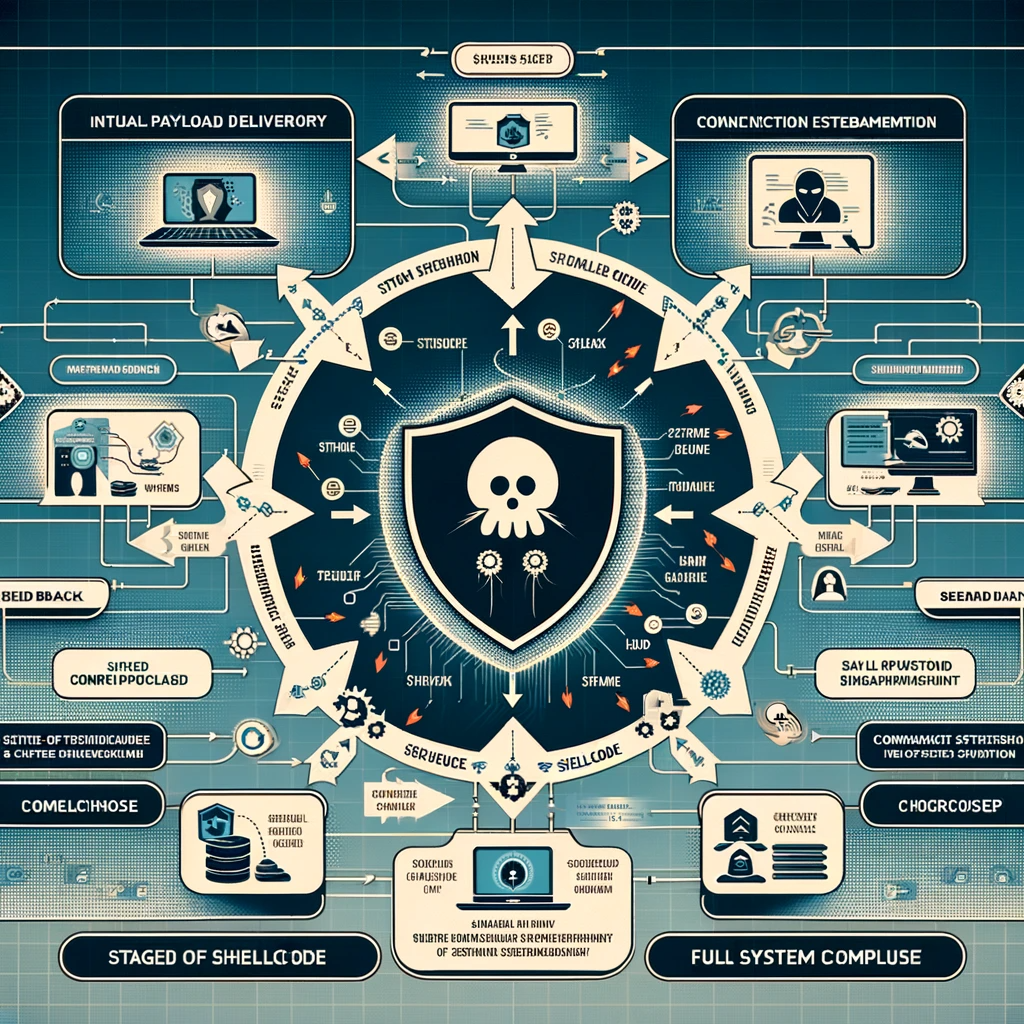
Ethical hacking plays a critical role in sharpening the skillset needed for robust cybersecurity. Think of these professionals as the watchful guardians, slipping through the cracks that malevolent hackers might exploit. They don’t just play defense; they’re on the front lines, proactively identifying vulnerabilities that could leave organizations exposed. It’s not just about fixing problems; it’s about understanding the ever-evolving landscape of cyber threats and staying one step ahead.
In today’s digital age, where data breaches can decimate companies and ruin reputations, ethical hackers serve as a necessary bulwark. Their work resonates with both heart and head, as they safeguard personal information, financial details, and intellectual properties for countless individuals and businesses. Imagine the peace of mind that comes with knowing someone is out there, actively protecting against the unseen dangers lurking in the shadows of the internet.
The ethical part of hacking is paramount. These professionals adhere to a strict code of conduct, using their skills for the greater good rather than for malicious intent. They are the embodiment of integrity in a world that can often feel chaotic and threatening. This ethical foundation fosters trust; businesses can lean on these experts to guide them through the complexities of cybersecurity. Their methods, from penetration testing to risk assessments, aren’t just technical moves; they’re strategic maneuvers driven by the desire to make systems safer for everyone.
Moreover, ethical hackers embody the values of community and social responsibility. They often share their findings, collaborating with others in the field to spread knowledge and best practices. This spirit of camaraderie not only enhances individual capabilities but elevates the cybersecurity profession as a whole. When they gather to exchange insights, it’s a testament to a collective commitment to making the internet a safer place for everyone.
Their compelling narratives often include stories of thwarted attacks and recovered data, showcasing their hands-on experience and real-world impact. This relatable aspect speaks to anyone who has ever felt vulnerable in an increasingly digital world. It’s a shared concern and an urgent call to action; we all have a stake in our own cybersecurity. Investing in ethical hacking services is not just a smart business decision; it’s a necessary step towards building a resilient digital future. The battle against cyber threats is ongoing, but with the right warriors on our side, there’s confidence that we can withstand whatever comes our way.
What Role Does Ethical Hacking Play In Cyber Security Proficiency?
What Role Does Ethical Hacking Play In Cyber Security Proficiency?
- Ethical hacking enhances skillsets crucial for effective cybersecurity.
- Ethical hackers proactively identify vulnerabilities, acting as guardians against cyber threats.
- They safeguard sensitive information, contributing to organizational stability and reputation.
- Adhering to a strict ethical code, they use their skills for the greater good, fostering trust.
- They promote community and social responsibility by sharing knowledge and best practices.
- Their real-world impact is demonstrated through narratives of thwarted attacks and data recovery.
- Investing in ethical hacking is essential for building a resilient digital future against ongoing threats.

What Role Does Ethical Hacking Play In Cyber Security Proficiency?
Conclusion
Entering the field of cybersecurity isn’t just about landing a job; it’s a commitment to a cause that holds significant weight. As the digital landscape evolves, so do the threats that can disrupt lives and businesses. Mastering five essential skills is fundamental for anyone aspiring to make a mark in cybersecurity.
The foundation starts with technical expertise. A deep understanding of networks, systems, and protocols is as crucial as a mechanic knowing an engine inside and out. You can’t navigate the often-chaotic world of cyber threats without this grounding. It’s vital for recognizing problems and preempting them before they escalate.
Equally important is analytical thinking. Cybersecurity challenges resemble intricate puzzles that demand critical thought. Each breach you analyze not only hones your skills but also instills a sense of accomplishment and purpose as you deter threats that could harm individuals and organizations alike.
Communication skills can’t be overlooked. You might have all the technical knowledge in the universe, but if you can’t convey that information to your team or clients, you’re missing the mark. Bridging the gap between tech speak and everyday language builds trust and creates a collaborative atmosphere, vital for any cyber defense strategy.
An ethical mindset shapes how cybersecurity professionals operate. Integrity becomes your greatest ally as you navigate sensitive information. Decisions grounded in ethics foster trust, highlighting your role as a protector in a field often shrouded in uncertainty.
Lastly, adaptability stands out as a key skill. The cyber landscape shifts like sand, and staying ahead means continuously learning and adjusting to new threats. This mindset converts challenges into opportunities for growth, paving the way for a fulfilling career in a domain that feels turbulent at times but is ultimately rewarding.
These skills are not just provisions for a successful career; they build a framework of purpose and resilience. Cybersecurity professionals, motivated by a desire to protect and serve, find themselves immersed in a mission far beyond a paycheck. With each skill learned, you’re crafting a story—one of dedication, growth, and an unwavering commitment to safeguarding what matters most. Choosing to excel in this field isn’t merely about securing a position; it’s about becoming a guardian of the digital realm, ensuring safety for individuals and businesses alike in a world fraught with uncertainty.

Conclusion
Conclusion:
- Entering cybersecurity is a commitment to a significant cause beyond just securing a job.
- Mastering five essential skills is fundamental for those aspiring to excel in the field.
- Technical expertise is crucial for understanding networks, systems, and protocols.
- Analytical thinking helps decipher complex cybersecurity challenges and enhances problem-solving skills.
- Effective communication skills bridge the gap between technical knowledge and everyday language.
- An ethical mindset is essential for fostering trust and navigating sensitive information.
- Adaptability is necessary for learning and adjusting to the rapidly evolving cyber landscape.

Conclusion
Other Resources

Other Resources
Here is a list of other resources you can review online to learn more:
- TruAdvantage
- Corsica Cybersecurity
- GM Security Solutions
- ON2IT
- Agile1
- Firestorm Cyber
- BT Security
- Long View Systems
- deviantART
- Integrity IT
- NexusTek
- IND Corporation
- Root9b
- Medium
- Scoop.It
- SecValMSP
- Decypher Technologies
- ISH Tecnologia
- AccountabilIT
Use This Prompt To Get More Resources With Your Favorite Online AI Tool: Please provide me with a list of online articles with their URLs in a bulleted list that I can read regarding What 5 Skills Must You Learn Before Entering Cyber Security?

Other Resources
Glossary Terms
What 5 Skills Must You Learn Before Entering Cyber Security? – Glossary Of Terms
1. Networking: Understanding the interconnection of devices, protocols, and data communication.
2. Operating Systems: Familiarity with various operating systems, particularly Windows, Linux, and macOS.
3. Security Fundamentals: Knowledge of basic security concepts, including confidentiality, integrity, and availability.
4. Risk Assessment: Identifying and evaluating risks to systems and data to prioritize security measures.
5. Incident Response: Skills in effectively managing and responding to security breaches or attacks.
6. Firewalls: Understanding how firewalls operate to protect networks from unauthorized access.
7. Encryption: Knowledge of techniques for securing data by converting it into a coded format.
8. Vulnerability Assessment: Ability to identify weaknesses in systems that could be exploited.
9. Malware Analysis: Skills in examining and understanding various types of malicious software.
10. Penetration Testing: Techniques for testing a system’s security by simulating attacks.
11. Threat Intelligence: Gathering and analyzing information about current and potential security threats.
12. Compliance Standards: Awareness of legal and regulatory standards governing data security.
13. Security Policies: Development and implementation of policies to guide an organization’s security practices.
14. Cloud Security: Understanding the specific challenges and solutions related to securing cloud-based services.
15. Forensics: Techniques for investigating security incidents and gathering evidence for analysis.
16. Identity Management: Managing user access and permissions to ensure security.
17. Secure Coding: Writing software code that is resistant to vulnerabilities and attacks.
18. Social Engineering: Understanding tactics used to manipulate individuals into divulging confidential information.
19. SIEM: Knowledge of Security Information and Event Management systems for monitoring and analyzing security data.
20. Endpoint Security: Protecting devices such as computers and mobile devices from threats.
21. Network Protocols: Familiarity with protocols like HTTP, FTP, and TCP/IP used for communication.
22. Mobile Security: Strategies to secure mobile devices and data from threats.
23. Data Loss Prevention: Techniques for preventing unauthorized data access or exfiltration.
24. Cybersecurity Frameworks: Understanding established guidelines and best practices for improving security posture.
25. Web Security: Practices aimed at protecting websites and web applications from threats.
26. Threat Modeling: Analyzing systems to identify potential threats and plan mitigations.
27. Behavioral Analytics: Using data to identify unusual behavior that may indicate a security threat.
28. Wireless Security: Protecting wireless networks from unauthorized access and attacks.
29. Security Audits: Evaluating and assessing security measures to ensure compliance and effectiveness.
30. Career Development: Continuous learning and skills enhancement to keep up with the evolving cybersecurity landscape.

Glossary Of Terms
Other Questions
What 5 Skills Must You Learn Before Entering Cyber Security? – Other Questions
If you wish to explore and discover more, consider looking for answers to these questions:
- What specific learning path should I follow to acquire the five essential skills mentioned?
- Which entry-level jobs are best for building these cybersecurity skills?
- How long does it typically take to become proficient in each of the five skills?
- What certifications align most directly with these skills (e.g., Security+, CEH, CISSP)?
- Do I need a computer science degree to start a cybersecurity career?
- Which programming languages should I learn first for cybersecurity work?
- What hands‑on labs, platforms, or home lab setups are recommended for practice?
- How can I demonstrate these skills on a resume or portfolio?
- What are common entry‑level interview questions for cybersecurity roles?
- How much do salaries vary based on mastery of these skills and region?
- What are realistic first roles (e.g., SOC analyst, junior pentester) for newcomers?
- How important is knowledge of Linux vs. Windows for beginners?
- Which networking concepts are most critical to learn first?
- How can I practice threat analysis and incident response in a safe, legal way?
- What ethical rules and legal constraints should I be aware of before doing hands‑on testing?
- How do I choose a cybersecurity specialization (cloud security, application security, forensics)?
- What free or low‑cost learning resources are most effective?
- How can I find mentors, communities, or study groups in cybersecurity?
- What certifications are worth the investment for career acceleration?
- How do employers evaluate soft skills like communication and ethical judgment?
- What are the best practices for building a personal bug bounty or capture‑the‑flag portfolio?
- How does knowledge of regulations (GDPR, HIPAA, PCI-DSS) affect day‑to‑day security work?
- What tools and platforms should I become familiar with (SIEM, IDS/IPS, firewalls)?
- How do I keep skills current given the rapid evolution of threats?
- What common mistakes do beginners make and how can they be avoided?
- How do ethical hackers obtain authorization to test systems legally?
- What are the steps to transition into cybersecurity from a non‑technical background?
- How important is knowledge of cloud providers (AWS, Azure, GCP) for modern security roles?
- What role does automation and scripting play in everyday security tasks?
- How do I measure my progress and know when I’m ready for a job change or promotion?
- What is the typical career progression and timeline in cybersecurity?
- How do organizations quantify the ROI of hiring skilled cybersecurity professionals?
- What soft‑skill training or public‑speaking experience helps with communicating risks to stakeholders?
- How do I prepare for hands‑on technical interviews or practical assessments?
- What are recommended books, blogs, podcasts, or conferences to follow?
- How can I gain real‑world experience through internships, volunteering, or open‑source projects?
- What are the ethical dilemmas commonly faced in cybersecurity and how should they be handled?
- How does working in a startup differ from an enterprise security role?
- What mental health and burnout risks exist in cybersecurity and how can they be managed?

Other Questions
Haiku
What 5 Skills Must You Learn Before Entering Cyber Security? – A Haiku
Skills of cybersecurity,
Guardians of trust and truth rise,
In a world of code.

Haiku
Poem
What 5 Skills Must You Learn Before Entering Cyber Security? – A Poem
In the world of cyberspace, where shadows creep and lurk,
Five skills await, a guardians diligent work.
First, technical prowess, the map to navigate,
In the maze of networks, its knowledge that you cultivate.
Next, analytical thinking, a puzzle to unravel,
Each breach is a story, a path where you must travel.
With critical eyes and logic, youll forge a secure line,
Preventing harm to others, with each decision, divine.
Communications the bridge, connecting hearts and minds,
In a jargon-filled landscape, where understanding binds.
You rally the troops, explain the stakes at hand,
Building trust through clarity, a protective band.
Ethics guide your journey, a compass in the night,
For guardians of data must act with honor and light.
Each choice reflects a promise, to shield the vulnerable trust,
In a world of fleeting data, integrity is a must.
Lastly, embrace adaptability, for threats do ever change,
Each challenge, an opportunity, in this dynamic range.
Together these skills shape a path both wise and true,
In cybersecurity’s embrace, a calling meant for you.

Poem
Checklist
What 5 Skills Must You Learn Before Entering Cyber Security? – A Checklist
Technical Prowess
✅______ Understand OSI and TCP/IP models and how data moves across a network
✅______ Explain IP addressing, subnetting, routing versus switching, and VLANs
✅______ Configure and verify DNS, DHCP, NAT, and VPNs in a lab
✅______ Capture and analyze packets with Wireshark to identify normal versus suspicious traffic
✅______ Administer Windows (including Active Directory basics) and Linux (users, permissions, and services)
✅______ Collect and interpret system, application, and security logs on Windows and Linux
✅______ Harden operating system (OS) baselines (disable services, enforce updates, configure audit policies)
✅______ Configure and manage host and network firewalls; create and test rules safely
✅______ Use IDS/IPS/EDR tools to investigate and respond to alerts
✅______ Build basic SIEM queries and dashboards to correlate events
✅______ Write simple scripts (Python, Bash, PowerShell) to automate a security task
✅______ Understand encryption fundamentals (TLS, certificates, hashing, key management)
✅______ Perform basic vulnerability scanning and produce a remediation plan
✅______ Outline an incident response flow: triage, containment, eradication, recovery, and lessons learned
Critical and Analytical Thinking
✅______ Form hypotheses and test them using logs, timelines, and evidence
✅______ Distinguish indicators of compromise from benign anomalies
✅______ Conduct root-cause analysis and document contributing factors
✅______ Prioritize risks using likelihood and impact to guide actions
✅______ Run a tabletop exercise and capture decisions and gaps
✅______ Write a concise after-action report with measurable improvements
✅______ Validate assumptions and check for cognitive biases during investigations
Communication
✅______ Translate a technical finding into business impact and recommended actions
✅______ Write a one-page incident summary in clear, non-jargon language
✅______ Create a short briefing for executives and a separate technical deep dive
✅______ Maintain runbooks and playbooks that others can follow under pressure
✅______ Escalate issues with clear context, severity, and next steps
✅______ Deliver a 5-minute security awareness talk tailored to non-technical staff
✅______ Collaborate cross-functionally (IT, Legal, HR, Compliance) with shared goals and timelines
Ethics, Governance, and Regulations
✅______ Commit to a personal code of ethics (consent, least privilege, do no harm)
✅______ Handle sensitive data according to classification and retention policies
✅______ Obtain written authorization before any testing; define scope and rules of engagement
✅______ Map at least one framework to controls (e.g., NIST CSF, ISO 27001)
✅______ Recognize core regulatory obligations relevant to your context (e.g., GDPR, HIPAA, PCI DSS)
✅______ Follow incident reporting requirements and evidence handling protocols
✅______ Avoid conflicts of interest; maintain separation of duties where required
Adaptability and Continuous Learning
✅______ Maintain a learning plan with quarterly goals and milestones
✅______ Track threat intelligence sources and summarize relevant trends
✅______ Practice regularly in a lab or CTF and document what you learned
✅______ Review new CVEs monthly and test one mitigation end-to-end
✅______ Update detections and playbooks based on lessons learned and changing threats
✅______ Participate in community forums, meetups, or knowledge-sharing groups
Ethical Hacking Foundations
✅______ DeFine and follow scoped, authorized testing with documented rules of engagement (ROE)
✅______ Use common reconnaissance and scanning tools responsibly (e.g., Nmap) in a lab
✅______ Validate and safely reproduce a vulnerability without data exfiltration
✅______ Write a clear, reproducible report with business impact and remediation steps
✅______ Retest to confirm fixes and close the loop with stakeholders
Career Signals and Portfolio
✅______ Publish sanitized lab write-ups (e.g., detection, response, hardening)
✅______ Share a sample incident report and a tabletop exercise summary
✅______ Include a small script or tool and a brief README explaining its use
✅______ Document a risk assessment with prioritized recommendations
✅______ Collect peer feedback or mentorship notes that show growth
✅______ Align achievements to job descriptions (skills, tools, outcomes)
Readiness Snapshot (Self-Assessment)
✅______ I can secure and monitor a small network end-to-end in a lab
✅______ I can detect, analyze, and communicate a simulated incident within 24 hours
✅______ I can explain how one regulation or framework influences daily security tasks
✅______ I can demonstrate learning agility with recent updates to my playbooks or tooling
✅______ I can provide portfolio evidence for each of the five essential skills

Checklist
At BestCyberSecurityNews, we help teach entrepreneurs and solopreneurs the basics of cybersecurity and its impact on their businesses by using simple concepts to explain difficult challenges.
Please read and share any of the articles you find here on BestCyberSecurityNews with your friends, family, and business associates.


