Protecting Your Identity: A Holistic Approach
By Tom Seest
At BestCyberSecurityNews, we help teach entrepreneurs and solopreneurs the basics of cybersecurity and its impact on their businesses by using simple concepts to explain difficult challenges.
Please read and share any of the articles you find here on BestCyberSecurityNews with your friends, family, and business associates.
Your Identity Is the New Currency – Here Is How to Guard It
In a world where every click and keystroke creates an invisible trail, it’s easy to forget that your identity has become the new currency—something thieves seek to pilfer while you scroll mindlessly through your feeds. But don’t be fooled; this isn’t a mere digital nuisance; it’s a full-blown battleground for your very essence. Understanding how to guard your identity is paramount—not just for your bank account, but for your peace of mind.
Think of your identity as a treasured heirloom; it carries your values, your history, and your future hopes. Just as you would safeguard a family heirloom, it’s time to adopt a mindset of vigilance. That means embracing cybersecurity not just as a technical necessity but as an essential life skill. The reality is that the digital landscape is riddled with threats masquerading as harmless ads or emails. Every time you click “accept,” you’re potentially handing over the keys to your identity.
Rationally speaking, consider the implications of identity theft. It can take months, sometimes years, to unravel the mess left behind by someone who has moved casually through your life behind a mask. The aftermath can leave you feeling exposed and vulnerable, even more, disheartening is the emotional burden—anxiety knowing that someone else has been in your shoes, has accessed your private moments. This isn’t just about money; it’s about trust, dignity, and respect for yourself.
Now, think ethically. Keeping your identity safe isn’t just a personal endeavor; it’s a social responsibility. Every time you share your own ninja skills for safeguarding your data, you empower others to do the same. You create a network of fortified individuals who collectively guard against the tide of cyber marauders, reinforcing a community that values privacy and honesty.
Finally, let’s bring this full circle. Do you want to feel empowered when you send that sensitive email or make that online purchase? The choice is clear. Become an advocate for your own identity. Use complex passwords, enable two-factor authentication, and think critically before clicking. By taking action now, you’re not just protecting yourself; you’re setting a benchmark for others and instilling confidence that we can all reclaim our narratives in this digital age. Your identity deserves that—and so do you.

Your Identity Is the New Currency – Here Is How to Guard It
Your Identity Is the New Currency – Here Is How to Guard It
- Your identity is the new currency that thieves aim to steal while you engage online.
- Understanding how to protect your identity is crucial for financial security and peace of mind.
- Approach cybersecurity as a vital life skill, not just a technical requirement.
- Identity theft can lead to long-lasting emotional and financial damage.
- Safeguarding your identity is a social responsibility that helps empower others.
- Take proactive measures like using strong passwords and enabling two-factor authentication.
- By protecting your identity, you can instill confidence and encourage others to do the same.

Your Identity Is the New Currency – Here Is How to Guard It
Table Of Contents
- Your Identity Is the New Currency – Here Is How to Guard It
- What DeFines Your Sense Of Self In a Digital World?
- How Can Protecting Your Identity Lead to Greater Peace Of Mind?
- What Ethical Responsibilities Do We Have In Guarding Our Identity?
- Are You Aware Of the Real Value Your Personal Data Holds?
- How Might Your Life Change If Your Identity Was Compromised?
- What Steps Can You Take Today to Safeguard Your Digital Self?
- How Does Your Online Presence Shape How Others Perceive You?
- Conclusion
- Other Resources
- Glossary Of Terms
- Other Questions
- Haiku
- Poem
- Checklist
What DeFines Your Sense Of Self In a Digital World?
In a world where our lives are woven into the very fabric of the digital realm, the question of what defines our sense of self has never been more relevant. Each of us is not just a person; we are a mosaic of our online interactions, a portrait painted by likes, shares, and tweets. Our digital footprints tell a story that is often more potent than the one we tell in face-to-face encounters. But what happens when that narrative gets hijacked?
Imagine for a moment you’ve built a thriving online community, sharing insights and stories that resonate deeply with others. You’ve invested time, emotion, and a piece of your soul into that space. Now, consider the vulnerability that comes with that connection—the specter of cybersecurity looming overhead, threatening to dismantle your digital identity in an instant. It’s not just about lost data; it’s about losing the essence of who you are and the connections you’ve forged.
Peel back the layers of that fear, and you’ll find a deeper truth: our sense of worth is often tied to how we are perceived online. We curate our images, highlight our achievements, and craft narratives that make us feel significant. But when a cyber intruder sweeps in, they aren’t just stealing data; they’re erasing parts of our identity, spitting on the handmade quilt of our lives. It’s a hard pill to swallow, but it’s a reality we must confront.
Yet, here’s the silver lining—understanding that our sense of self is both resilient and adaptable can empower us. It reminds us that we can reclaim our narrative, adding layers to our digital persona that are as rich and complex as our real lives. By prioritizing cybersecurity in our online lives, we take a stand, not just against invasions, but in favor of the authenticity that fuels our connections. It’s about championing the truth of who we are in a landscape rife with facades.
Engaging with the digital world need not feel like walking a tightrope; it can be an avenue for authenticity and connection when we wield the tools of protection wisely. As we navigate this ever-evolving landscape, let’s commit to safeguarding our selves—both online and off. After all, our sense of self deserves that kind of investment.

What DeFines Your Sense Of Self In a Digital World?
What DeFines Your Sense Of Self In a Digital World?
- The digital realm shapes our identity, making our online interactions a core part of who we are.
- Our digital footprints often tell a more powerful story than personal interactions.
- Building an online community involves vulnerability, with cybersecurity threats potentially jeopardizing our digital identity.
- Our self-worth is linked to online perceptions, as we curate images and narratives that reflect our significance.
- Cyber intrusions not only steal data but can erase parts of our identity and connections.
- Recognizing our identity’s resilience allows us to reclaim our narrative and enhance our digital personas.
- Prioritizing cybersecurity empowers us to safeguard our authenticity and navigate the digital landscape wisely.

What DeFines Your Sense Of Self In a Digital World?
How Can Protecting Your Identity Lead to Greater Peace Of Mind?
In a world that’s becoming increasingly digital, our personal information is akin to an open book tossed in a crowded square. Every keystroke, every transaction, and every shared moment dances in the ether, vulnerable and exposed. Protecting your identity is not just a smart move; it’s a necessary act of self-preservation and empowerment that yields more than just a layer of security—it cultivates a profound sense of peace.
Let’s lay it out plainly: when you take charge of your identity, you’re building a fortress around your life. You’re not merely reacting to potential threats; you’re actively engaging in a proactive strategy. The truth is, cybersecurity isn’t just about firewalls and passwords; it’s about reclaiming control and asserting your right to privacy. When you know your information is shielded, there’s a certain lightness in your step. No longer are you weighed down by the looming threat of identity theft or the pang of anxiety every time your phone buzzes with a notification.
Now, think about it—what does that peace of mind allow you to do? It frees you. You can focus on what truly matters: your family, your passions, those late-night conversations around the dinner table, or dreaming about the next big adventure. Your brain can embrace creativity instead of wrestling with worry. Rationally speaking, investing in tools and practices to protect your identity is far more cost-effective than dealing with the aftermath of a breach. Regaining your identity once it’s lost is a battle that no one wants to fight.
Ethically, we owe it to ourselves and our loved ones to safeguard our information. By protecting your identity, you’re not just looking out for yourself; you’re setting an example for those around you. It sends ripples through your community, showing that taking ownership of your identity is a worthwhile pursuit. Every strong decision fosters trust, and trust is the cornerstone of any relationship—whether that’s with family, friends, or society at large.
Ultimately, it’s about connection. Knowing that you’ve fortified your personal digital space allows for deeper relationships flourished on authenticity rather than fear. So, take action. Explore cybersecurity options, engage with the tools at your disposal, and embrace the tranquility that comes when you know your identity is safe. You deserve that peace of mind, and believe me, it’s worth every effort.

How Can Protecting Your Identity Lead to Greater Peace Of Mind?
How Can Protecting Your Identity Lead to Greater Peace Of Mind?
- Our personal information is increasingly exposed in the digital world, resembling an open book.
- Protecting your identity is essential for self-preservation and provides a sense of peace.
- Taking charge of your identity creates a protective barrier against threats.
- Cybersecurity is not just about tools; it’s about reclaiming control and asserting privacy rights.
- Peace of mind allows you to focus on what truly matters, enhancing creativity and reducing anxiety.
- Safeguarding your information is an ethical responsibility that fosters trust within communities.
- Strengthening your digital space enriches relationships through authenticity rather than fear.
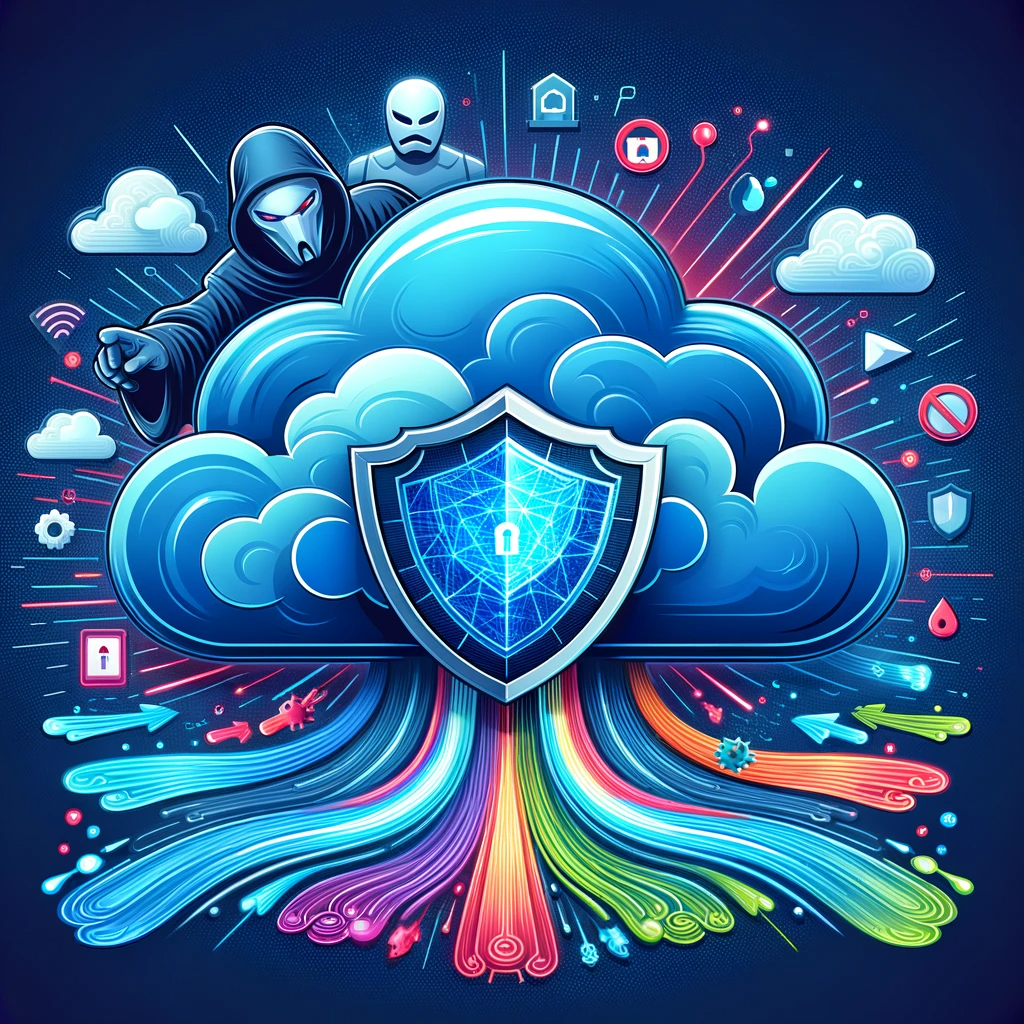
How Can Protecting Your Identity Lead to Greater Peace Of Mind?
What Ethical Responsibilities Do We Have In Guarding Our Identity?
In today’s digital age, the responsibility of guarding our identity is not just a personal choice; it’s a collective ethical obligation. When we use the internet, we’re not only engaging with technology but also with an intricate web of relationships that affect our lives, communities, and even our society as a whole. It’s time to get serious about our role in this narrative.
Consider the heart of the matter: your identity is more than just a collection of data points—it’s the essence of who you are. Every time you share a piece of yourself online, you’re not just handing over information. You’re placing a fragment of your story in the hands of others, sometimes without realizing it. This is where the emotional responsibility kicks in. Our ancestors fought hard to protect their identities, and now, in the virtual world, it’s our turn. To ignore this duty is to disregard the sacrifices made by those who came before us.
Now, here comes the rational side. Cybersecurity can feel like a complex maze, often leaving us overwhelmed. Yet, arming ourselves with knowledge transforms this complexity into clarity. Understand the tools at your disposal—strong passwords, two-factor authentication, and privacy settings are only the beginning. Educating ourselves and those around us builds a fortress around our identities, making us the gatekeepers of our digital domains. When we take these steps, we become not just passive victims but active participants in our own security.
Ethically, we owe it to our friends, family, and community to protect not just our data but also theirs. Breaches of personal information don’t just harm individuals—they ripple through our networks. This collective ethos encourages a culture of caution and respect within our digital interactions.
Moreover, it’s essential to listen to experts in the field. Organizations that specialize in cybersecurity provide invaluable insights that can empower us all. They’re our modern-day sentinels, guiding us through the murky waters of identity protection. Trust their knowledge, and encourage others to do the same.
So, what can we do? Start small. Talk to your loved ones; have those sometimes-awkward conversations about digital safety. Share stories of breaches to illustrate the risks. The more we connect on this topic, the more we build a community that values trust, respect, and responsibility. It’s time to stand up, take action, and be the guardians of our own identities—and inspire others to do the same.

What Ethical Responsibilities Do We Have In Guarding Our Identity?
What Ethical Responsibilities Do We Have In Guarding Our Identity?
- Guarding our identity in the digital age is not just personal; it’s a collective ethical obligation.
- Your identity is more than data; it’s the essence of who you are, influencing your story online.
- We inherit the responsibility from our ancestors to protect our identities in the virtual world.
- Knowledge is key; understanding cybersecurity tools like strong passwords and two-factor authentication is essential.
- Protecting our own data helps safeguard the data of friends and family, creating a collective culture of caution.
- Listening to cybersecurity experts can provide invaluable insights into identity protection.
- Start conversations about digital safety to build a community that values trust and responsibility.

What Ethical Responsibilities Do We Have In Guarding Our Identity?
Are You Aware Of the Real Value Your Personal Data Holds?
Have you ever taken a moment to ponder the true worth of your personal data? The very information you share online—your preferences, habits, and interests—holds more value than many might realize. Think of it like your personal treasure chest. Locked away, it seems innocuous, but once exposed, it can unleash a whirlwind far beyond your control.
Consider this: every time you click “Accept,” agree to terms and conditions, or check a box on a website, you’re handing over pieces of yourself. What’s more, with the rise of Cybersecurity threats, it’s no wonder the need for awareness around our digital footprint has never been greater. Hackers are lurking in the shadows, eager to siphon off your data like a thief in the night. With each breach, countless individuals face not just financial loss, but the added weight of identity theft, privacy invasions, and lasting emotional scars.
Our personal data doesn’t merely fuel algorithms; it shapes our existence. Companies leverage what they know about us to create targeted ads, curate our online experiences, and—ultimately—drive their profits. It’s a modern-day gold rush, and the stakes couldn’t be higher. By becoming aware of our data’s value, we can take actionable steps to protect it. That’s the heart of the matter: it’s not just about the money, but the power of choice.
Imagine sitting at a coffee shop, your phone buzzing with notifications, and a sense of vulnerability creeping in. You’re not alone. Many share this experience—a collective unease borne out of feeling watched, tracked, and sometimes, manipulated. When we understand our data is a form of currency, we begin to wield it with intention and discernment. We start saying no to intrusive requests and seeking services that respect our autonomy.
It’s not merely an individual journey but a societal call to arms. Together, we can foster an environment where ethical data practices are the norm. This is about reclaiming control, not just for ourselves, but for future generations. As consumers, we can demand transparency from organizations, empowering us as a collective to safeguard our invaluable information. So, what will you do with the knowledge of your data’s true worth? It’s time to think, reflect, and act. Each decision counts.

Are You Aware Of the Real Value Your Personal Data Holds?
Are You Aware Of the Real Value Your Personal Data Holds?
- Personal data is more valuable than many realize, acting as a treasure trove of individual preferences and habits.
- Every time we agree to terms and conditions or check boxes online, we unknowingly hand over parts of our personal information.
- The rise of cybersecurity threats emphasizes the need for increased awareness of our digital footprints.
- Data breaches not only result in financial loss but also lead to identity theft, privacy invasions, and emotional distress.
- Companies use personal data to create targeted advertising and curate online experiences, highlighting its role as a modern-day commodity.
- Understanding the value of our data empowers us to protect it and make conscious choices regarding our online interactions.
- This is a collective issue, calling for societal efforts to demand ethical data practices and transparency from organizations.

Are You Aware Of the Real Value Your Personal Data Holds?
How Might Your Life Change If Your Identity Was Compromised?
Imagine waking up on a regular Tuesday morning, pouring that first cup of coffee, unaware that someone out there is occupying a version of your life without your permission. Your identity—your name, your Social Security number, your financial information—suddenly becomes someone else’s plaything. It’s a jarring thought and one that might feel surreal, like a plot twist in a bad movie, but for countless individuals, it’s a harrowing reality that leads to a cascade of challenges.
Emotions like fear and anger are natural responses when contemplating identity theft. It’s not just about the financial ramifications; it’s about trust. Trust in your community, trust in the systems designed to protect you, and ultimately, trust in yourself. Every notification that pings your phone feels like an unexpected jab, raising your heart rate as you grapple with the uncomfortable suspicion that someone is masquerading as you.
Logically, the cost can be staggering. Identity theft can lead to damaged credit scores, denied loans, and countless hours spent repairing the damage. It’s not just money, either; it’s your time, your mental energy, and your peace of mind. When you’re plagued with the fallout, the world gets a little darker, the burdens a little heavier. You become hyper-aware of your surroundings and what lies behind your screens, wondering if every new account might just be another thread as tangled as the last.
Ethically, we live in a society where we should trust one another. Our shared commitment to privacy and security gets tested in these moments, and it raises questions that should echo in all our hearts: What kind of world do we want to live in? One where people can rob you of your identity so easily, or one where community means protecting each other?
The reality is, we’re all in this together. We operate within a shared space of vulnerability, and understanding the importance of cybersecurity isn’t just a matter of individual preparedness; it’s a collective responsibility. So, take action. Educate yourself, bolster your digital defenses, and share your knowledge. Let’s create an environment where our identities are safe, where our lives aren’t just data points in someone else’s game, and where we can all rise stronger together.

How Might Your Life Change If Your Identity Was Compromised?
How Might Your Life Change If Your Identity Was Compromised?
- Identity theft can occur without your knowledge, impacting your personal information and financial security.
- Emotions such as fear and anger accompany the realization of being a victim of identity theft.
- It undermines trust in community, protective systems, and self-worth.
- The financial consequences include damaged credit, denied loans, and time spent on resolution.
- Identity theft also affects mental energy and peace of mind, adding to your overall burden.
- Society’s commitment to privacy and security is tested by the ease of identity theft.
- Collective responsibility for cybersecurity is crucial; individuals should educate themselves and assist others in safeguarding identities.

How Might Your Life Change If Your Identity Was Compromised?
What Steps Can You Take Today to Safeguard Your Digital Self?
Let’s face it: in a world where you’re one click away from exposing your most treasured secrets, safeguarding your digital self isn’t just smart; it’s essential. Cybersecurity isn’t just a buzzword—it’s the modern-day armor we need to don. Picture yourself on a Saturday evening, cozying up on the couch, remotely banking, shopping, or browsing countless social feeds, and suddenly, the weight of vulnerability sinks in. The astonishing truth is that many of us casually throw our personal information into the digital arena, naively believing it’s harmless when, in reality, it’s akin to leaving the front door wide open.
This isn’t just about numbers or statistics; it’s about you and your loved ones. Imagine them—parents, children, friends—falling victim to a data breach simply because you didn’t take a few preventive measures. The thought of them being compromised stirs that gut feeling, doesn’t it? You’d do anything to protect them. So why wouldn’t you take steps to shield yourself first?
Let’s get into it. Start with the basics: use strong passwords. Think of them as the keys to your digital kingdom. Don’t just use any old phrase; craft unique, complex passwords that are hard to crack but memorable enough to keep. That’s your first step in the battleground of cybersecurity. Next, enable two-factor authentication wherever possible. It’s like going the extra mile to bolt the door behind you.
If you think your digital footprint is safe because you don’t “do anything wrong,” think again. Ethical responsibility also underpins our actions online. You wouldn’t want to unwittingly become the reason for someone else’s misfortune. Think about what you post and share; be mindful and selective. If you’re not just safeguarding your own data but also protecting the perhaps innocent third parties entwined in your online life, you’re acting not only in your self-interest but also in a way that elevates the collective trust we place in each other.
In this digital age, creating community means helping one another understand the importance of cybersecurity. Share your newfound knowledge, inspire friends and family to adopt better habits, and create a ripple effect. When we come together with shared values around protecting our digital selves, we collectively rise. Take it from someone who’s witnessed the costly consequences of neglect; your digital self deserves the same fierce protection as your real-life world. Stand guard. Take action today.

What Steps Can You Take Today to Safeguard Your Digital Self?
What Steps Can You Take Today to Safeguard Your Digital Self?
- Safeguarding your digital self is essential in today’s interconnected world.
- Cybersecurity acts as modern-day armor, protecting your personal information.
- Many people naively share personal data online, risking vulnerability.
- Strong passwords are crucial; they serve as keys to your digital kingdom.
- Enable two-factor authentication as an additional layer of security.
- Be mindful of what you share online; consider the impact on others.
- Encourage others to adopt better cybersecurity habits to create a safer community.

What Steps Can You Take Today to Safeguard Your Digital Self?
How Does Your Online Presence Shape How Others Perceive You?
In today’s fast-paced digital world, your online presence is akin to your personal brand—an unspoken declaration of who you are, what you stand for, and how you wish to be seen. Imagine walking into a room where everyone has a preconceived notion of you, shaped by snippets of your existence floating around the internet. Each social media post, blog entry, and even the comments you leave create a mosaic that others use to define you. This raises an important point: are you actively sculpting that image or merely allowing it to happen?
Let’s be real for a moment; your online actions—or inactions—carry weight. Think of the professionals out there: hiring managers and potential clients combing through profiles, searching for signs of reliability and ethics. The posts you share reflect not just your interests, but your values and your intellect. They say that people are more likely to trust a brand they can relate to over one they don’t understand. This translates to human interactions as well. When you build a digital persona that is authentic and engaging, you establish trust.
Rationally speaking, your digital footprint is permanent. The things you say today could affect job prospects years from now. That’s where cybersecurity becomes essential—not just protecting your information, but safeguarding your reputation. A single careless moment online can unravel hard-earned credibility, resulting in opportunities lost.
On an ethical level, consider your role within your community and the narratives you promote. A thoughtless post can further divisions instead of bridging gaps. The stories you share can inspire action, encourage dialogue, or perpetuate misunderstandings. When you consciously decide to be part of the solution, your online presence becomes a tool for positive influence, fostering connections that matter.
Let’s not forget the human element. We’ve all scrolled through our feeds, drawn to others’ stories of triumph or struggle. When you share your genuine experiences—your failures, your learning, your resilience—you resonate with those who read your words.
Remember, every click matters. Every comment counts. The way you present yourself online shapes not just how others see you, but how you see yourself. It’s a dance between presenting your true self and navigating the expectations of the digital landscape. So, be intentional—connect authentically, act ethically, and inspire others through the unique story only you can tell.

How Does Your Online Presence Shape How Others Perceive You?
How Does Your Online Presence Shape How Others Perceive You?
- Your online presence acts as your personal brand, reflecting who you are and how you want to be perceived.
- Every social media post and comment contributes to a digital mosaic that others use to define you.
- Your online actions have consequences; hiring managers and clients assess your reliability and ethics through your digital footprint.
- Building an authentic and engaging digital persona fosters trust and relatability.
- Your digital footprint is permanent and can impact future job prospects, making cybersecurity crucial for protecting your reputation.
- Conscious online behavior can bridge community divides and inspire positive narratives, rather than perpetuating misunderstandings.
- Sharing genuine experiences helps connect with others and influences how you perceive yourself in the digital landscape.

How Does Your Online Presence Shape How Others Perceive You?
Conclusion
Your identity, once just an abstract notion of self, has evolved into a powerful currency in today’s digital battleground. Every interaction you make online—be it a casual scroll through social media or a simple purchase—leaves behind traces that could, if not guarded well, fall into the wrong hands. Picture it as a family heirloom: precious, valuable, and deserving of your utmost protection. The stakes extend beyond financial loss; we’re talking about the erosion of trust and safety in a space that should feel secure.
When you embrace cybersecurity, you’re not just safeguarding data; you’re reclaiming control over your narrative. The fears and anxieties surrounding identity theft are far from baseless—imagine someone hijacking your identity and the chaos that would ensue in your life. Vulnerability begins to creep in, tainting every notification with worry. That’s where the emotional aspect of this battle comes in. It’s not just about protecting your bank account; it’s about preserving your sense of self and the connections you’ve built.
Ethically, the responsibility to protect our identities and that of our loved ones is a shared societal obligation. When we strengthen our defenses, we’re not merely standing guard for ourselves; we’re emitting ripples of empowerment through our communities. Sharing insights about cybersecurity doesn’t just fortify our own positions; it enriches those around us and fosters a culture of vigilance.
On a rational level, investing in protective measures like strong passwords and two-factor authentication is a savvy move. It’s akin to reinforcing the safety of your home, allowing you to focus on what truly matters—your relationships and passions—rather than languishing in fear of potential threats.
The call to action is clear: educate yourself, bolster your defenses, and inspire those around you. You’re not just participating in your own security; you’re championing a movement toward authenticity and connection in this digital landscape. In a world rife with uncertainty, it’s time to take a stand. Forge a path where your identity is safeguarded, your narrative is yours to tell, and your community can thrive alongside you. Protecting your identity is not just a personal endeavor; it’s a vital act of collective empowerment. Your identity deserves nothing less than fierce determination to secure it—and so do you.

Conclusion
Conclusion:
- Your identity is a powerful currency in the digital age, needing protection. .
- Every online interaction leaves traces that can be exploited if not secured. .
- Cybersecurity goes beyond data protection; it’s about reclaiming control over your life. .
- Identity theft can wreak havoc, creating anxiety and vulnerability. .
- Protecting our identities is a shared societal responsibility that empowers communities. .
- Investing in protective measures, like strong passwords and two-factor authentication, allows focus on meaningful relationships. .
- Take action to educate yourself and others, championing security and authenticity in the digital landscape.

Conclusion
Other Resources

Other Resources
Here is a list of other resources you can review online to learn more:
- RedLegg
- Impact Networking
- Zyston
- Reliance ACSN Limited
- ProCircular
- eSecurity Solutions
- Cognizant
- Safeway
- BDQ
- Root9b
- Ready.Gov – Cybersecurity
- SeedSpark
- Amnet
- Tactical Intelligence Security
- Cysiv
- Proficio
- Nothing But NET
- Masergy
- Haven Cyber Technologies
Use This Prompt To Get More Resources With Your Favorite Online AI Tool: Please provide me with a list of online articles with their URLs in a bulleted list that I can read regarding Your Identity Is the New Currency – Here Is How to Guard It

Other Resources
Glossary Terms
Your Identity Is the New Currency – Here Is How to Guard It – Glossary Of Terms
1. Identity: The distinguishing characteristics and qualities of an individual, encompassing personal information, beliefs, and traits.
2. Currency: A medium of exchange; in the context of identity, it refers to the value and influence one’s personal data can hold.
3. Data Privacy: The right to control how personal information is collected, used, and shared.
4. Cybersecurity: Measures taken to protect computer systems and networks from damage, theft, or unauthorized access.
5. Personal Information: Details that can identify an individual, such as name, address, phone number, and social security number.
6. Digital Footprint: The trail of data one leaves behind on the internet, including social media activity, web browsing history, and online purchases.
7. Identity Theft: The unlawful acquisition and use of someone else’s personal information, typically for financial gain.
8. Two-Factor Authentication (2FA): A security process that requires two forms of identification before granting access to an account.
9. Encryption: The process of converting information into a code to prevent unauthorized access.
10. Phishing: A fraudulent attempt to obtain sensitive information by disguising as a trustworthy entity in electronic communication.
11. Firewall: A network security system that monitors and controls incoming and outgoing traffic based on predetermined security rules.
12. Malware: Malicious software designed to harm, exploit, or otherwise compromise computer systems.
13. Social Engineering: Psychological manipulation to obtain confidential information from individuals or organizations.
14. VPN (Virtual Private Network): A service that creates a secure connection over the internet, protecting users’ data and identity.
15. Password Manager: A tool that securely stores and manages passwords for various online accounts.
16. Privacy Policy: A statement that explains how an organization collects, uses, and protects personal data.
17. Biometrics: Biological measurements or physical characteristics used for identification and access control, such as fingerprints or facial recognition.
18. Digital Identity: An online representation of an individual, including usernames, profiles, and personal data on the internet.
19. Consent: Agreement from an individual to allow their personal information to be collected and processed.
20. Data Breach: An incident where unauthorized access to confidential data occurs, leading to potential exposure of sensitive information.
21. Threat Intelligence: Information that helps organizations understand and anticipate potential cyber threats.
22. Anonymity: The state of being not identified or named, often used to protect personal information in online interactions.
23. Reputation Management: The practice of monitoring and influencing an individual’s or organization’s public perception online.
24. Digital Literacy: The ability to effectively and critically navigate, evaluate, and create information in multiple formats using digital technologies.
25. Compliance: Adhering to laws, regulations, and policies regarding personal data protection and privacy.
26. User Agreement: A contract between a service provider and a user that outlines the terms of service and data handling practices.
27. Data Minimization: A principle that advocates for limiting the collection of personal data to only what is necessary.
28. Identity Verification: The process of determining that an individual is who they claim to be, often required before granting access to services.
29. Cyber Hygiene: Practices and steps that users take to maintain system health and protect personal information from cyber threats.
30. Online Reputation: The perception and evaluation of an individual’s or organization’s character based on their digital footprint and online presence.

Glossary Of Terms
Other Questions
Your Identity Is the New Currency – Here Is How to Guard It – Other Questions
If you wish to explore and discover more, consider looking for answers to these questions:
- What are the most effective strategies for protecting personal identity online?
- How can one assess the current vulnerability of their digital presence?
- What tools and resources are available for enhancing cybersecurity measures?
- What steps should I take if I suspect my identity has been compromised?
- How can I educate my family and friends about the importance of identity protection?
- What are the potential long-term effects of identity theft on victims?
- How do privacy laws vary across different regions, and how do they affect identity security?
- What role do social media platforms play in identity theft and protection?
- How can businesses better protect customer identities?
- What are the ethical implications of data collection by companies?
- How can I recognize phishing attempts and other scams targeting my identity?
- What actions can I take to ensure my digital footprint is as small as possible?

Other Questions
Haiku
Your Identity Is the New Currency – Here Is How to Guard It – A Haiku
Guard your essence close,
In a world of shared secrets—
Value your true self.

Haiku
Poem
Your Identity Is the New Currency – Here Is How to Guard It – A Poem
In a world where shadows lurk behind the screen,
Your identity’s a treasure, a vital unseen.
Each click and scroll, a step on shifting ground,
Guard it fiercely, for it’s there to be found.
A mosaic of moments, stitched with care,
Online, you weave a narrative laid bare.
Yet, beware the marauders, with masks and intent,
To steal your essence, your peace, your content.
Your data, a currency—don’t let it be swayed,
Guard it like a cloak from the debts unpaid.
With each flawed trust, the layers peel back,
Leaving you vulnerable, lost in the black.
Stand up, take action, build a fortress strong,
Educate your circle, uplift the throng.
For to safeguard your story is to share in a fight,
A tapestry of trust woven in the night.
In sharing our wisdom, we break down the walls,
Uniting as guardians when each voice calls.
For together we rise, a community bright,
Fostering connections that shine through the night.
So consider your presence, the echoes you leave,
Be intentional, mindful—what you choose to weave.
For in this digital age where truth seems blurred,
Let your identity flourish, your voice be heard.
Be the advocate for self, for kin, for the world,
As your story unfolds, let your banner unfurl.
Embrace the challenge—turn fear into grace,
Guard your identity; it’s the heart of your space.

Poem
Checklist
Your Identity Is the New Currency – Here Is How to Guard It – A Checklist
Identity Protection Checklist
Heart (Emotional Appeals)
_____ Visualize Your Identity: Imagine your identity as a treasured family heirloom. What steps will you take to protect it?
_____ Reconnect with Your Values: Reflect on what your online presence says about you. Is it aligned with your true self?
_____ Share Your Journey: Start conversations about identity protection with friends and family. Foster connections rooted in authenticity and mutual respect.
Head (Rational Appeals)
_____ Understand the Risks: Research the potential impacts of identity theft. Make a list of statistics that surprise you and share them with others.
_____ Learn About Cybersecurity Tools: Identify and write down at least three cybersecurity tools or tips (e. g. , strong passwords, two-factor authentication) you can implement today.
_____ Evaluate Your Online Presence: Google yourself and review your digital footprint. What does it say about you? What can you improve?
Gut (Ethical Appeals)
_____ Evaluate Your Online Behavior: Consider your social media posts and comments. Are they contributing to a positive digital environment? Make a plan to promote constructive dialogue.
_____ Assess Your Digital Sharing: Reflect on every piece of personal information you’ve shared online. Create a strategy for what to limit or delete.
_____ Encourage Others: Commit to educating friends and family about the ethical responsibility of protecting their identities. Share resources or organize a group discussion.
Authority (Expert Appeals)
_____ Consult Established Guidelines: Look up cybersecurity best practices from trusted organizations (e. g. , NIST, FTC). Keep a list of their recommendations handy.
_____ Follow Leading Experts: Identify and follow cybersecurity experts on social media. Stay updated on their advice and tips.
_____ Engage in Community Workshops: Attend a seminar or online workshop about identity protection. Share what you learn with your community.
Narrative (Story Appeals)
_____ Personal Stories: Write down a relatable story about someone negatively affected by identity theft. Use it to illustrate the importance of safeguarding digital identities.
_____ Positive Outcomes: Reflect on a time when you successfully protected your identity. What actions did you take, and how did it feel?
_____ Create a Collective Narrative: Work with a group to create a community narrative around identity protection. How can you all contribute to a safer digital culture?
Social Appeals
_____ Start a Support Group: Organize a group focused on sharing tips and experiences about identity protection. Make it a safe space for open dialogue.
_____ Encourage Accountability: Partner with friends or family members for regular check-ins on each other’s digital safety practices.
_____ Promote Safe Online Behavior: Use your platforms to endorse and practice respectful sharing and promoting online privacy. Celebrate positive examples within your social circle.
Implement these steps to empower yourself and those around you in safeguarding your identity in the digital age.

Checklist
At BestCyberSecurityNews, we help teach entrepreneurs and solopreneurs the basics of cybersecurity and its impact on their businesses by using simple concepts to explain difficult challenges.
Please read and share any of the articles you find here on BestCyberSecurityNews with your friends, family, and business associates.