Protecting Your Privacy While Maximizing Data Utility – A Comprehensive Guide
By Tom Seest
At BestCyberSecurityNews, we help teach entrepreneurs and solopreneurs the basics of cybersecurity and its impact on their businesses by using simple concepts to explain difficult challenges.
Please read and share any of the articles you find here on BestCyberSecurityNews with your friends, family, and business associates.
Your Data Can Be Useful Without Being Exposed – Here Is How
Your data can be a powerful asset, quietly working behind the scenes without ever being exposed. Imagine, for a moment, the insights hidden within your personal information—habits, preferences, and patterns that can drive positive change without compromising your privacy. It’s like having a trusty compass guiding you toward safer choices in an increasingly digital world.
Picture this as a community effort. We live in an age where we can collectively benefit from data without steeping ourselves in the murky waters of exposure. Cybersecurity is not just a technical term thrown around by professionals; it’s the backbone that supports our everyday interactions. When we harness our data responsibly, we contribute to a larger narrative of safety, trust, and innovation. This is more than just a personal journey—it’s a shared endeavor that fosters connection among us all.
Let’s take a step back and think about the stories our data tells. Perhaps it helps determine that perfect route to work, saving you time and stress. Or, it could suggest adjustments to your spending habits, helping you save for that long-awaited vacation. Each time you engage with technology, you’re not just a passive participant; you’re an active contributor shaping a system that prioritizes both convenience and security.
Let’s be clear: your data deserves protection. Ethical handling of our information isn’t just a choice; it’s a responsibility we owe ourselves and our communities. Demand transparency and accountability from the platforms you engage with. When companies respect your privacy, they’re fostering a culture built on trust, making it clear that your data can indeed be useful without being exposed.
By supporting initiatives that prioritize cybersecurity, you become part of a growing community that values safety and innovation. When you advocate for responsible data practices, you inspire others to follow suit, creating a ripple effect that strengthens the very fabric of our digital society.
So, take that leap of faith. Embrace the idea that your data doesn’t have to be a vulnerability. It can be a tool for empowerment, illuminating paths not just for you but for the collective good. Trust that by safeguarding your information, you’re choosing to be part of a future where privacy and usefulness go hand in hand. Your actions today can inspire real change tomorrow—let’s make it count.

Your Data Can Be Useful Without Being Exposed – Here Is How
Your Data Can Be Useful Without Being Exposed – Here Is How
- Your data is a valuable asset that can provide insights without compromising privacy.
- Collective data usage can enhance safety without exposing individuals to risks.
- Cybersecurity is essential for maintaining trust in our everyday interactions.
- Your data can optimize personal experiences, such as saving time or money.
- Protecting personal information is a responsibility we share as a community.
- Supporting cybersecurity initiatives fosters a culture of safety and trust.
- Empowering yourself with data can lead to a future where privacy and utility coexist.

Your Data Can Be Useful Without Being Exposed – Here Is How
Table Of Contents
- Your Data Can Be Useful Without Being Exposed – Here Is How
- What If Your Data Could Empower You Without Compromise?
- How Can We Balance Privacy and Innovation In Our Digital Lives?
- Are We Giving Away too Much Personal Information for Convenience?
- How Can Anonymized Data Drive Meaningful Change In Society?
- What Safeguards Can Protect Our Personal Information While Using Data?
- How Does Data Privacy Impact Trust In Businesses and Organizations?
- Can We Harness Valuable Insights Without Sacrificing Our Privacy?
- Conclusion
- Other Resources
- Glossary Of Terms
- Other Questions
- Haiku
- Poem
- Checklist
What If Your Data Could Empower You Without Compromise?
What if your data could empower you without compromise? Imagine a world where your personal information does more than just sit idly by, waiting to be exploited. Picture your data as a powerful tool, a trusted ally in the digital landscape that enhances your life, rather than one that puts it at risk. This is the promise of a future where cybersecurity aligns with your everyday experiences, forging a path where convenience meets control.
Consider how many choices we make daily, each dependent on the data we generate. It might be as simple as a grocery list app or as complex as a financial management platform. Yet, the fear of data breaches and privacy violations often looms large over these choices, making us hesitate. But what if you could wield that fear instead of letting it hold you captive? Think about an empowered existence where your data not only stays secure but is actively used to create customized solutions that cater specifically to your needs.
When we talk about data, we often forget the human side of the equation. Our stories, experiences, and aspirations are embedded within those bits and bytes. By embracing innovative cybersecurity measures, you’re not just protecting a series of numbers; you’re safeguarding the very essence of your life. You’re telling the world that your experiences matter and that they should be honored rather than exploited.
Now, let’s drill down to the rational side. New technologies that prioritize ethical data usage allow individuals to dictate how their information is shared and used. These systems not only enhance security but foster a much-needed dialogue around personal data rights. It’s about crafting a social contract that respects the individual while still reaping the benefits of data-driven insights.
This is not some distant dream; it’s a tangible reality that you can be part of today. Envision a new era where you take charge, using your data to fuel innovative solutions—from personalized health recommendations to optimizing your household budget—all while knowing your information is secure.
In a world where compromise feels inevitable, why should you settle? By understanding the potential of your data and demanding systems that respect your autonomy, you champion a movement of informed individuals—fully aware, fully engaged, and fully empowered. It’s time to embrace the future without compromise and transform our relationship with data from a fear-based dynamic into a partnership grounded in trust.
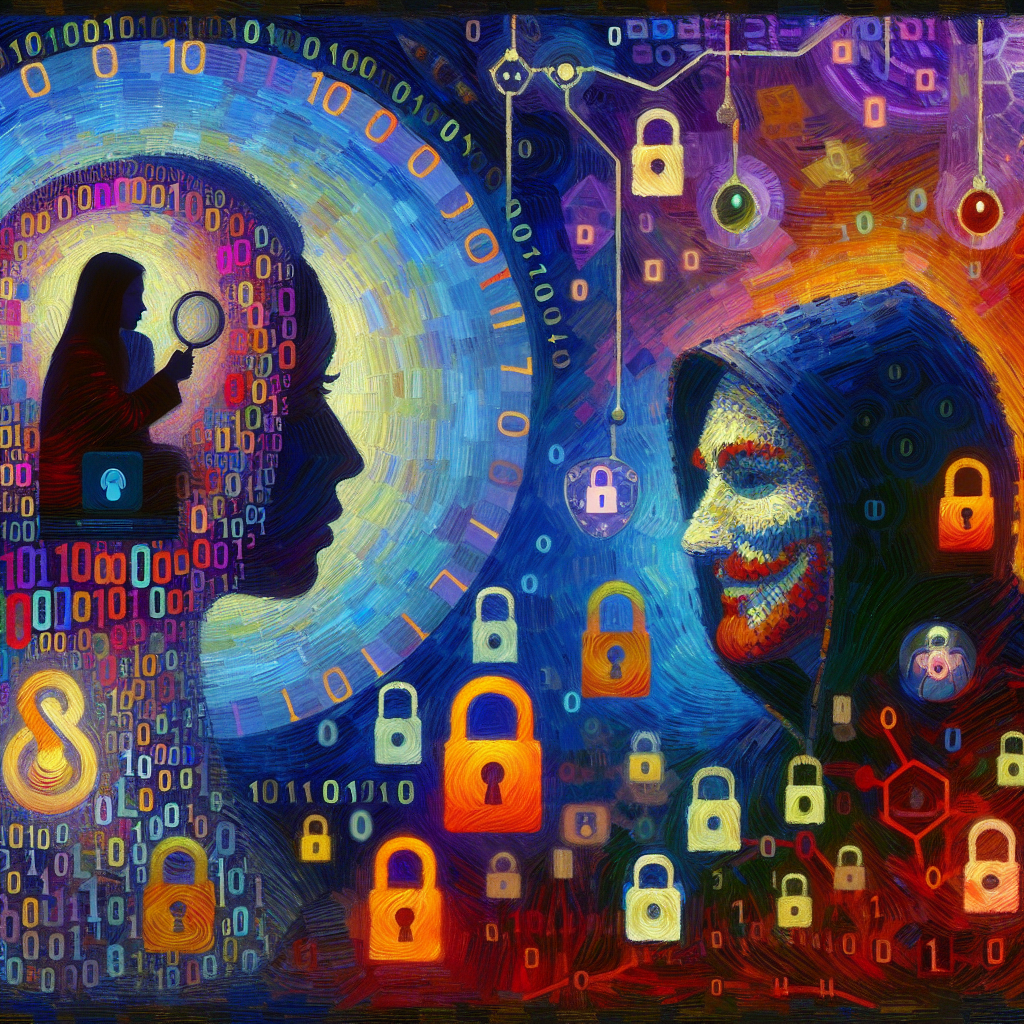
What If Your Data Could Empower You Without Compromise?
What If Your Data Could Empower You Without Compromise?
- Your data can empower you and enhance your life rather than put it at risk.
- Every choice you make daily is influenced by the data you generate, yet fear of breaches often holds you back.
- An empowered existence means your data remains secure while creating customized solutions for your needs.
- Data protection involves safeguarding your personal stories, experiences, and aspirations.
- Innovative cybersecurity technologies prioritize ethical data usage and allow individuals to control their information.
- You can actively participate in a new era where your data fuels innovative solutions while maintaining security.
- By demanding systems that respect your autonomy, you can transform the relationship with data into a trust-based partnership.

What If Your Data Could Empower You Without Compromise?
How Can We Balance Privacy and Innovation In Our Digital Lives?
In a world where our digital footprints are as permanent as a tattoo, we’re confronted with a relentless push-and-pull of privacy and innovation. Imagine logging into a platform that knows your quirks—your favorite shows, your midnight snack cravings—but at what cost? Convenience is alluring, yet it often carries the weight of surveillance. The irony here is palpable: We chase the latest apps and gadgets, all the while handing over bits of ourselves like candy at a parade.
Let’s take a moment to understand what’s at stake. Cybersecurity isn’t just a buzzword for IT professionals; it’s the very foundation of trust in our digital interactions. When we share our lives online, we’re playing a game of vulnerability. But it’s not just our data; it’s our very sense of security and freedom. The question many face is simple yet profound: How can we embrace the benefits of technology while safeguarding our rights and identities?
Picture this: You’re an entrepreneur developing the next big app, and your vision is to revolutionize communication. You have the skills and creativity, yet how do you safeguard the personal information of every user who signs up? The ethical responsibility is heavy—a tightrope act between innovation and the sanctity of privacy. Creating a product that respects user data fosters loyalty and encourages community, turning casual users into passionate advocates.
Now, let’s anchor this thought in shared experience. Think about the last time you hesitated before hitting “accept” on a privacy policy. Did you feel that twinge of doubt? You’re not alone. Many of us grapple with feelings of exposure, and it’s those emotional connections that compel us to seek balance. A commitment to transparent practices can dissolve that unease and build stronger relationships between consumers and creators.
Ultimately, it falls on all of us—individuals and corporations—to champion a new narrative where innovation coexists with privacy. It’s not about stifling creativity; it’s about nurturing it through ethical practices. Embrace this challenge! Advocate for stronger cybersecurity measures, demand transparency from tech companies, and be the informed user who values not just the technology but the integrity behind it. When we prioritize privacy, we not only protect ourselves but we cultivate a culture of trust—one that elevates innovation while respecting our humanity. Now, that’s a future worth striving for.

How Can We Balance Privacy and Innovation In Our Digital Lives?
How Can We Balance Privacy and Innovation In Our Digital Lives?
- Digital footprints are permanent, creating tension between privacy and innovation.
- Convenience gained through technology often comes with increased surveillance.
- Cybersecurity is essential for trust in our online interactions and personal security.
- Entrepreneurs face the challenge of balancing innovation with user privacy responsibilities.
- Users often feel apprehensive about accepting privacy policies, reflecting a broader desire for security.
- Both individuals and corporations must advocate for a balance between innovation and privacy.
- Prioritizing privacy fosters trust and can lead to a culture that supports ethical technological practices.

How Can We Balance Privacy and Innovation In Our Digital Lives?
Are We Giving Away too Much Personal Information for Convenience?
In our fast-paced world, convenience often trumps caution, leaving us at the mercy of a digital landscape where personal information slips through our fingers like grains of sand. Think about it for a moment; those online shopping sprees, the seamless app-based transactions—each click, every swipe, is celebrated as a leap forward in progress. Yet, under this shiny veneer of convenience lies a nagging question: at what cost?
When you hand over your personal data for a few extra clicks, what are you really sacrificing? Emotions stir when we think about the trust we place in companies to protect our intimate details. They tell us their sites are “secure,” a word that has become as common as it is comforting. But what do we truly know about their cybersecurity practices? Are we entrusting our personal histories, our dreams, and even our future to entities that thrive on our convenience?
Rationally, we must consider whether this shortcut to ease blinds us to the reality of what it means to share our lives online. With each subscription, we unknowingly give away a piece of ourselves—our shopping habits, our preferences, even our health information. As we paint a digital portrait of our lives, those strokes of data can later become a weapon in the hands of thieves or misused by corporations that care more about profit than protection.
By sharing so freely, aren’t we compromising our ethics? We need to ask ourselves if convenience is worth jeopardizing our privacy. It’s time for us to reclaim our power. When you resist the allure of “just one more app” or think twice before clicking “I agree,” you tap into a shared narrative—a growing community of individuals who value their privacy as much as their convenience.
Let’s rally together and foster a social responsibility that prioritizes our own security. It’s no longer just about us; it’s about creating a culture where we hold ourselves and those who handle our data accountable. Inspire your friends, your family, and even your colleagues to pause and think about how much personal information is shared. It’s more than a fleeting convenience—it’s about creating a safer, more respectful digital world where trust is built, not broken.

Are We Giving Away too Much Personal Information for Convenience?
Are We Giving Away too Much Personal Information for Convenience?
- In a fast-paced world, convenience often outweighs caution regarding personal data security.
- Online transactions and shopping are applauded for their ease, prompting concerns about the cost of this convenience.
- Trust is placed in companies with claims of secure sites, raising questions about their actual cybersecurity practices.
- Sharing personal data online compromises privacy, as it reveals shopping habits, preferences, and health information.
- Widespread sharing of personal information can lead to ethical dilemmas and potential exploitation by thieves and corporations.
- Individuals are encouraged to resist the lure of convenience in favor of safeguarding their privacy and data.
- The goal is to create a culture of accountability and respect for personal security in the digital realm.

Are We Giving Away too Much Personal Information for Convenience?
How Can Anonymized Data Drive Meaningful Change In Society?
In a world saturated with data, it’s easy to overlook the power of anonymized data to become a catalyst for meaningful change in society. Picture this: a community grapples with escalating public health issues. Using anonymized data, public health officials can identify trends, allowing them to craft tailored interventions. Instead of throwing resources in every direction, they can spotlight where they’re most needed, transforming lives with precision and purpose.
Let’s break it down. The heart wants to see lives improved. When we talk about anonymized data, we’re not just tossing out statistics; we’re talking about real people, families, and communities. Each number represents someone’s struggle, so when those numbers drive targeted programs, they embody hope. This emotional connection to the data fosters a sense of urgency and importance in acting upon it.
Now, the head kicks in with a rational perspective. The ethical use of anonymized data is paramount, protecting individual privacy while still delivering critical insights. This balance is the backbone of effective decision-making. In an age where cybersecurity is a hot topic, the safety and anonymity of individual data are fundamental. When people trust that their privacy is respected, they’re more likely to engage. The meticulous implementation of cybersecurity practices establishes a fortress around the data, ensuring that it serves the greater good without compromising personal security.
But don’t overlook the power of a good story—an engaging narrative can elevate understanding into action. Imagine a nonprofit that utilizes anonymized data to determine the needs of a vulnerable population, crafting programs that really resonate with those they aim to help. By inviting those community members to share their experiences, the organization can deepen connections and tailor solutions that genuinely uplift lives.
Moreover, think about the social responsibility we all carry. In a world where we’re constantly connected, using anonymized data ethically can set the standard for how societies evolve. When businesses and governments leverage this data for the common good, they cultivate trust and invite citizen participation. People see the tangible results in improvements around them, inspiring continued collaboration. This creates a cycle of positive change that can help build a more informed and engaged society, proving that when data meets compassion, it can drive significant change for all.

How Can Anonymized Data Drive Meaningful Change In Society?
How Can Anonymized Data Drive Meaningful Change In Society?
- Anonymized data can drive meaningful societal change, particularly in public health.
- Targeted interventions based on data trends can improve community health by directing resources where they are most needed.
- Each data point represents real lives, emphasizing the emotional connection to the issues being addressed.
- Ethical use of anonymized data protects individual privacy while providing critical insights for decision-making.
- Trust in data privacy encourages community engagement and participation in programs.
- Storytelling alongside data enhances understanding and encourages action, particularly for vulnerable populations.
- Ethical use of anonymized data fosters social responsibility, building trust and inviting collaboration for community improvement.

How Can Anonymized Data Drive Meaningful Change In Society?
What Safeguards Can Protect Our Personal Information While Using Data?
Navigating the digital landscape can feel like walking through a minefield, yet most of us do so with a sense of ease, fueled by the conveniences of modern technology. But let’s take a moment to pull back the curtain and look at what’s really at stake. Vulnerable data is akin to leaving your garage door wide open; you might be comfortable with the front door, but then there’s always the risk of someone wandering in uninvited.
At the heart of protecting your personal information lies the principle of Cybersecurity. This isn’t just a tech buzzword tossed around in boardrooms; it’s our digital defense system. When we embrace robust cybersecurity measures, we’re actively choosing to safeguard our identities, our finances, and our peace of mind. This choice resonates on an emotional level—think of the stories we’ve all heard of individuals whose lives were devastated by identity theft or data breaches. It’s not just numbers on a spreadsheet; it’s real people, each with dreams and aspirations, suffering as a result of someone else’s negligence or malicious intent.
Rationally speaking, employing simple, effective safeguards is much like buckling your seatbelt before hitting the road. It may seem like a small act, but it could save your life, or in this case, your privacy. Start with strong, unique passwords and two-factor authentication. These steps are not just recommendations; they are essential tools in the fight against digital intrusion. When you fortify your online accounts, you’re taking ownership of your personal security and saying loud and clear, “Not today!”
Ethically, we have a responsibility to protect not just our data, but also the information of those around us—family, friends, colleagues. By being vigilant and proactive, we set a standard in our circles. Imagine the ripple effect of making cybersecurity a priority; it encourages a culture of responsibility, integrity, and awareness.
The digital world, despite its complexities and pitfalls, also offers us a powerful opportunity for connection. As we foster a sense of community focused on digital safety, we create a shared bond, one built on trust and mutual respect. We can inspire one another to share knowledge and resources, ensuring we all navigate this landscape safely.
So, let’s put on our armor and charge into the fray, not just for ourselves, but for those we care about. It’s time we all take up the mantle of protectors. The future of our digital lives depends on it.

What Safeguards Can Protect Our Personal Information While Using Data?
What Safeguards Can Protect Our Personal Information While Using Data?
- Navigating the digital landscape involves risks akin to leaving personal data exposed.
- Cybersecurity is essential for protecting personal information and is a defense system against threats.
- Identity theft and data breaches have real-life consequences on individuals’ lives, not just statistics.
- Simple safeguards like strong passwords and two-factor authentication are vital for personal security.
- There is an ethical responsibility to protect not only one’s own data but the data of others as well.
- Fostering a community focused on digital safety promotes awareness and a culture of responsibility.
- Collective action in cybersecurity is imperative for the safety and integrity of our digital lives.

What Safeguards Can Protect Our Personal Information While Using Data?
How Does Data Privacy Impact Trust In Businesses and Organizations?
Imagine a world where every click you make online resonates like the sound of a door creaking open—inviting yet unnerving. We enter our favorite websites, type in our personal information, and with a simple click, we welcome these businesses into our lives. But behind that virtual doorway lies the complex world of data privacy. Just as you wouldn’t invite a stranger into your home without vetting them first, you shouldn’t entrust your information to companies that don’t treat it with the utmost respect.
At the heart of this matter is trust. When customers feel confident that their data is shielded by robust cybersecurity measures, relationships blossom. Picture being greeted at a shop by a warm smile and a clear promise: “Your secrets are safe here.” That’s what data privacy looks like in the digital realm. It’s a pledge from businesses to protect what matters to you, forging a connection that goes beyond transactions. Trust becomes a two-way street; when organizations prioritize your privacy, it nurtures a sense of loyalty and community.
Now, let’s talk about the head. For every statistic shared about data breaches and privacy violations, there’s a story behind those numbers—real people grappling with identity theft, anxiety, and loss of control. Rationally, we understand that data is like currency in today’s world. Yet, the emotional toll on victims can’t be ignored. When businesses prioritize data privacy, they demonstrate a commitment to their customers’ well-being, making the invisible threat of hacking feel more like a distant fear rather than an imminent reality.
On an ethical level, the responsibility of protecting personal data feels paramount. Every organization has a moral obligation to honor the trust bestowed upon them by their customers. By adopting strong cybersecurity protocols, they send a clear message: “We care about you beyond profit margins.” This establishes a foundation where ethical behavior meets business acumen, reminding us all that profit doesn’t have to come at the expense of respect.
Lastly, let’s consider the social angle. Today’s consumers are more informed and interconnected than ever. Armed with knowledge, they share experiences—both good and bad—with their networks. A single positive review about a company’s commitment to data privacy can resonate like a ripple in a pond, fostering trust that can last for generations. Ultimately, when businesses prioritize data privacy, they aren’t just protecting files; they’re nurturing a culture of trust that enriches communities, one connection at a time. It’s about creating a safe haven in a digital landscape that often feels chaotic.

How Does Data Privacy Impact Trust In Businesses and Organizations?
How Does Data Privacy Impact Trust In Businesses and Organizations?
- Online interactions evoke feelings of both invitation and unease regarding data privacy.
- Trust is fundamental; businesses must protect customer data to build strong relationships.
- Data privacy signifies a business’s commitment to safeguarding customer information.
- Real stories of data breaches highlight the emotional toll on victims beyond just statistics.
- Organizations have a moral obligation to honor customer trust through strong cybersecurity measures.
- Informed consumers share experiences, positively impacting trust and loyalty towards data-conscious companies.
- Prioritizing data privacy fosters a culture of trust, creating safe connections in a chaotic digital world.

How Does Data Privacy Impact Trust In Businesses and Organizations?
Can We Harness Valuable Insights Without Sacrificing Our Privacy?
In a world where data flows faster than a river after a storm, the clash between the pursuit of insights and the need for privacy is palpable. Picture this: you’re standing on the cutting edge of innovation, your dreams ready to take flight, but the weight of your personal privacy hangs heavy like an anchor. We need to embrace the truth that the quest for knowledge shouldn’t come at the expense of our dignity or security.
Take a moment to consider the brave new digital world we’re navigating, framed by the pillars of robust cybersecurity. Every click we make can unveil our habits, our hobbies, our very identities. It’s a treasure trove for companies eager to gather data, but at what cost to us? Connecting the dots between innovation and ethics, we find ourselves with an urgent question: how can we extract those valuable insights without sacrificing the very essence of who we are? It’s a balancing act, one that calls for transparency and responsible practices as guiding principles.
Imagine a future where the powerful insights derived from big data could actually empower, not endanger, us. A future where we’re not just data points to be exploited, but active participants who consent to share information on our terms. Think of how that could foster trust, not just between consumers and companies, but among communities that thrive on shared values and respect for each individual’s privacy. When did we become mere commodities? It’s time to reclaim our narratives, to stand tall as guardians of our own data, engaging in a dialogue that respects our agency and autonomy.
Let’s weave our collective stories—those heartbeats behind the screens—into a new tapestry of mutual respect and understanding. There’s power in our voices, and when we unite behind the principle of sharing knowledge ethically, we can unlock insights that serve us all without tearing at the fabric of our privacy. And as we forge this path together, we must hold companies to a higher standard, demanding accountability and integrity.
So, let’s roll up our sleeves, tap into our gut instincts, and push for a reality where valuable insights don’t come with strings attached. We have the power to shape our landscape—let’s ensure privacy isn’t merely an afterthought but a cornerstone of innovation. Together, we can create a balance that honors both our thirst for knowledge and our fundamental right to privacy.

Can We Harness Valuable Insights Without Sacrificing Our Privacy?
Can We Harness Valuable Insights Without Sacrificing Our Privacy?
- The clash between the pursuit of insights and the need for privacy is increasingly evident in today’s data-driven world.
- Personal privacy should not be sacrificed in the name of innovation and knowledge.
- The digital landscape necessitates robust cybersecurity to protect personal information.
- Companies often gather data at the potential cost of individual privacy and dignity.
- A future is envisioned where individuals have control over their data, fostering trust and mutual respect.
- Collective narratives can create an ethical framework for sharing knowledge without compromising privacy.
- There is a call to hold companies accountable and prioritize privacy as a fundamental aspect of innovation.

Can We Harness Valuable Insights Without Sacrificing Our Privacy?
Conclusion
Data has become a double-edged sword in our modern lives—promising rewards while posing significant risks. Each day, we generate a torrent of information, often without a second thought. Imagine your data as a hidden treasure trove, full of insights that could improve your life, empower your decisions, and even benefit your community. This is not merely a fantasy; it’s a possible reality. However, this potential comes with a critical responsibility: protecting our privacy.
Cybersecurity has moved beyond the realm of technical jargon; it’s now an essential part of our daily interactions. When we engage with technology, we should embrace the idea that our data can serve as a tool for empowerment rather than become a vulnerability. Trust and transparency must stand at the forefront of our digital relationships. When companies respect your privacy, they create an environment where you can confidently extract value from your data without fear. This mutual respect fosters a culture of accountability, innovation, and ethical practices.
The emotional weight of compromised privacy cannot be overstated. Many of us have experienced, or at least heard of, the fallout from data breaches that leave individuals feeling violated and exposed. This reality is more profound than a statistic—it speaks to the human experience behind the numbers. Each click we make can unwittingly share crucial parts of our lives. Therefore, it is vital to ask ourselves: Is convenience worth the risk of our personal information being mishandled? Choosing to prioritize privacy doesn’t just protect you; it nurtures a community of informed individuals ready to advocate for their rights.
As consumers, we hold the power to shape this narrative. When we demand ethical handling of our data, we inspire others to engage in similar behaviors, creating a ripple effect of accountability. By advocating for robust cybersecurity measures and transparent practices, we are not just protecting ourselves—we are laying the groundwork for a future where trust, innovation, and privacy coexist harmoniously.
Embrace the potential within your data, not as a burden but as a key to newfound empowerment. Together, let’s forge a path where our data brings value without compromising our dignity. The future is in our hands, and it’s time we make choices that reflect our shared desire for safety, trust, and personal agency in this digital age. After all, a safer digital landscape is a collective responsibility—a battle worth fighting for ourselves and for future generations.

Conclusion
Conclusion:
- Data is a double-edged sword, offering rewards but also significant privacy risks.
- Daily information generation can enhance lives and empower decisions if managed responsibly.
- Cybersecurity has become essential in our interactions with technology, shifting from technical jargon to practical responsibility.
- Trust and transparency are crucial in digital relationships; companies must respect privacy to engender trust.
- Compromised privacy can lead to feelings of violation and exposure, emphasizing the human cost of data breaches.
- Consumers have the power to demand ethical data handling and inspire a culture of accountability.
- Embracing data as a tool for empowerment can lead to a safer digital landscape, benefiting society as a whole.

Conclusion
Other Resources

Other Resources
Here is a list of other resources you can review online to learn more:
- Netsurion
- NetSecurity Tecnologia
- CTG Tech
- Aspire Technology Partners
- Ciscom Solutions
- ReliaQuest
- Cloud24x7
- Avertium
- RoundTower Technologies
- ControlScan, Inc.
- Nixu
- Incenter Technology
- Deepwatch
- NTT Ltd.
- Red Canary
- IT Hotdesk
- Velo ITG Holdings
- BlackFog
- BLOKWORX
Use This Prompt To Get More Resources With Your Favorite Online AI Tool: Please provide me with a list of online articles with their URLs in a bulleted list that I can read regarding Your Data Can Be Useful Without Being Exposed – Here Is How

Other Resources
Glossary Terms
Your Data Can Be Useful Without Being Exposed – Here Is How – Glossary Of Terms
1. Data Privacy: The protection of personal and sensitive information from unauthorized access and disclosure.
2. Anonymization: The process of removing identifiable information from data sets, allowing for analysis without compromising individual privacy.
3. Encryption: A method of converting information into a code to prevent unauthorized access, ensuring data security during storage and transmission.
4. Data Masking: Altering specific data within a database so that it remains usable for testing or analysis without revealing actual details.
5. Access Control: Mechanisms that restrict access to data based on user roles, ensuring only authorized individuals can view or manipulate sensitive information.
6. Data Minimization: The principle of collecting only the data that is necessary for a specific purpose, reducing risk of exposure.
7. Pseudonymization: Replacing private identifiers with fake identifiers or pseudonyms to protect individuals’ identities in data sets.
8. Tokenization: The process of substituting sensitive data with non-sensitive equivalents (tokens) that can be safely used without concern for exposure.
9. Secure Data Sharing: The practice of distributing data with security measures in place to ensure unauthorized parties cannot access it.
10. Compliance: Adhering to laws and regulations related to data protection and privacy, such as GDPR or HIPAA.
11. Data Breach: An incident where unauthorized individuals gain access to confidential data, often resulting in data exposure.
12. Data Governance: The framework for managing data availability, usability, integrity, and security within an organization.
13. Risk Assessment: The process of identifying, evaluating, and prioritizing risks to data privacy and security.
14. Data Stewardship: The responsible management of data assets, ensuring data is accurate, available, and secure.
15. User Consent: Permission given by individuals for their data to be collected and processed, often requiring clear communication of intentions.
16. Data Usage Policies: Guidelines that outline how data can be collected, shared, and utilized while protecting user privacy.
17. Monitoring and Auditing: Regular checks of data access and usage to ensure compliance with privacy policies and regulations.
18. Data Lifecycle: The stages through which data goes, from creation and storage to archiving and deletion, with a focus on privacy at each stage.
19. Virtualization: Using software to create a simulated environment, allowing for data analysis without exposing actual datasets.
20. Federated Learning: A machine learning approach that trains algorithms across decentralized devices without sharing raw data.
21. Data Integrity: The accuracy and consistency of data over its lifecycle, essential for reliable analysis without breach risks.
22. Incident Response: Procedures for addressing data breaches or security incidents to minimize damage and restore normal operations.
23. Data Resilience: The ability to maintain data availability and integrity in the face of threats or disruptions.
24. Cloud Security: Measures taken to protect data stored in cloud services from unauthorized access and breaches.
25. Privacy by Design: An approach that integrates privacy into system design from the outset rather than as an afterthought.
26. Behavioral Analytics: Analyzing patterns in user behavior to gain insights while preserving individual privacy through aggregation.
27. Remote Data Destruction: The ability to erase data securely from devices remotely to prevent unauthorized retrieval.
28. Data Provenance: The history of data, detailing its origin, ownership, and lifecycle, crucial for transparency and trust.
29. Synthetic Data: Artificially generated data that mimics real data attributes without revealing sensitive information.
30. Data Sovereignty: The concept that data is subject to the laws and governance structures within the nation where it is collected.

Glossary Of Terms
Other Questions
Your Data Can Be Useful Without Being Exposed – Here Is How – Other Questions
If you wish to explore and discover more, consider looking for answers to these questions:
- What specific steps can individuals take to protect their data?
- How do companies ensure the ethical handling of personal data?
- What are the potential risks of sharing personal data for convenience?
- How can individuals advocate for stronger data privacy measures?
- What role does legislation play in protecting data privacy?
- How can anonymized data impact public health initiatives?
- What technologies are available for enhancing data privacy?
- How do businesses benefit from prioritizing data privacy?
- What is the relationship between data breaches and consumer trust?
- How can consumers differentiate between companies that truly protect their data and those that do not?
- What are the long-term effects of data exposure on individuals and society?
- How can organizations build a culture of privacy awareness among employees?
- What are the best practices for using data for marketing without compromising privacy?
- How does data collection affect user experience on digital platforms?

Other Questions
Haiku
Your Data Can Be Useful Without Being Exposed – Here Is How – A Haiku
Data holds our truth,
A shared trust in privacy;
Shielding lives, we thrive.

Haiku
Poem
Your Data Can Be Useful Without Being Exposed – Here Is How – A Poem
In the realm where data thrives,
A silent compass guides our lives,
With bits and bytes that hold our dreams,
Yet caution clings to all it seems.
Imagine insights, rich and bright,
Transforming shadows into light,
Each shared pulse, a story told,
Echoing trust—pure, not sold.
Embrace the safety of our space,
Where privacy and purpose face,
The push and pull, we navigate,
In the digital sea where risks await.
For every click, a trust we stake,
A promise forged, a choice we make,
To shield our hearts from theft and crime,
In ethics grounded, we climb the prime.
Anonymized, our tales unfold,
Effecting change, bright futures bold,
For every need, a fingerprint,
In data’s power, we find our rent.
Let’s rally forth, with voices clear,
A culture built on trust, sincere,
Empowered users, hand in hand,
Creating futures, as we planned.
So let us rise, protect our right,
Where data serves, but never bites,
A partnership, where we declare,
Our stories matter, they’re precious, rare.
With innovation on the line,
We’ll shape a world where we define,
The balance struck, our hearts in play,
Trust and privacy, the light of day.

Poem
Checklist
Your Data Can Be Useful Without Being Exposed – Here Is How – A Checklist
Checklist for Protecting Your Data While Maximizing Utility
Emotional Appeals
_____ Reflect on the stories behind your data: Consider what experiences your personal data represents.
_____ Recognize the power of your data: Understand that your information can positively influence your life and those around you when used wisely.
_____ Cultivate a sense of trust: Aim to support businesses that prioritize your data protection, fostering a culture of confidence and loyalty.
Rational Appeals
_____ Implement strong cybersecurity measures: Use strong, unique passwords and enable two-factor authentication on your accounts.
_____ Educate yourself about data privacy: Stay informed about the latest cybersecurity practices and your rights regarding personal data.
_____ Assess the worth of convenience vs. privacy: Before sharing your data for convenience, evaluate the implications and risks involved.
Ethical Appeals
_____ Demand transparency: Hold companies accountable for clear privacy policies and their data handling practices.
_____ Advocate for ethical data use: Support businesses that show a commitment to responsible data usage and respect for personal privacy.
_____ Be a role model: Encourage friends and family to be proactive about their own data security.
Authority Appeals
_____ Follow guidelines from cybersecurity experts: Reference credible sources and professionals in the field when improving your data security practices.
_____ Stay updated with current laws and regulations: Familiarize yourself with legal protections for consumer data and privacy.
Narrative Appeals
_____ Share personal stories: Discuss your experiences with data misuse or protection to raise awareness among peers.
_____ Encourage community action: Participate in local initiatives that promote data security awareness and ethical practices in technology.
Social Appeals
_____ Foster a community of informed users: Connect with others who prioritize data privacy and share resources and knowledge.
_____ Create a culture of collective responsibility: Inspire those around you to view data protection not just as individual responsibility, but a societal obligation.
_____ Engage in conversations about data ethics: Build dialogues within your community about the importance of balancing convenience and privacy.
Utilize this checklist to guide your journey toward better data privacy management while reaping the benefits of your personal information. Together, we can create a safer digital landscape.

Checklist
At BestCyberSecurityNews, we help teach entrepreneurs and solopreneurs the basics of cybersecurity and its impact on their businesses by using simple concepts to explain difficult challenges.
Please read and share any of the articles you find here on BestCyberSecurityNews with your friends, family, and business associates.