


Protecting Your Digital Future With AI
By Tom Seest
At BestCyberSecurityNews, we help teach entrepreneurs and solopreneurs the basics of cybersecurity and its impact on their businesses by using simple concepts to explain difficult challenges.
Please read and share any of the articles you find here on BestCyberSecurityNews with your friends, family, and business associates.
Why AI Might Be the Best Investment In Your Digital Safety
In today’s hyper-connected world, where our lives are intertwined with digital interactions, our exposure to cyber threats has risen to alarming levels. Imagine the safety of your personal information hanging by a fragile thread. Cybersecurity isn’t just a technical need; it’s a fundamental human right. It’s about peace of mind, knowing that your private life is shielded from prying eyes and malicious intent. When you take steps to bolster your digital safety, you’re not only protecting yourself; you’re also safeguarding your loved ones and your community.
Now, here’s where artificial intelligence steps in—not as a cold, faceless entity, but as a sentry, a tireless guardian equipped to preemptively detect and respond to threats that would otherwise go unnoticed. AI’s capacity to analyze vast amounts of data in real-time allows it to identify patterns that signal potential breaches, enabling swift actions that can save you from a world of hassle and heartache. Instead of reacting to threats after they happen, imagine being a step ahead, thanks to intelligent systems that learn and adapt.
But let’s be real. Investing in AI-driven cybersecurity is not merely about numbers on a page. It’s about relationships. Picture your small business, your family, or your hard-earned reputation at risk. The small investment you make today in AI could be the difference between a secure future or a devastating fallout. It’s about making a choice to protect what matters most—and feeling good about it.
Ethically, using AI to enhance cybersecurity stands as a testament to our responsibility. It’s not just about protecting the bottom line; it’s about doing what is right for ourselves and those around us. Moreover, with the rapid advancement in technology, aligning your digital defenses with the best innovations available isn’t just smart; it’s a necessity. Look to trusted leaders in the field whose expertise gives you assurance that your investment isn’t lost in a sea of complexity.
Embracing AI in your cybersecurity arsenal is more than a decision—it’s an investment in your peace of mind. It’s a way to empower yourself, inspire confidence within your community, and stand firmly against the tides of digital threats. So, let’s take this leap together, not just as individuals, but as a united front committed to securing our digital lives.

Why AI Might Be the Best Investment In Your Digital Safety
Why AI Might Be the Best Investment In Your Digital Safety
- The rise of cyber threats in our digital world underscores the importance of cybersecurity as a fundamental human right.
- Cybersecurity provides peace of mind by protecting personal information from malicious attacks.
- Investing in cybersecurity safeguards not only yourself but also your loved ones and community.
- Artificial intelligence acts as a proactive guardian, detecting threats in real-time and enabling swift responses.
- AI-driven cybersecurity investments are critical for protecting relationships, businesses, and reputations.
- Using AI ethically in cybersecurity emphasizes our responsibility to protect ourselves and others, keeping up with technological advancements.
- Embracing AI in cybersecurity fosters community confidence and empowers individuals to combat digital threats effectively.

Why AI Might Be the Best Investment In Your Digital Safety
Table Of Contents
- Why AI Might Be the Best Investment In Your Digital Safety
- What Steps Are You Taking to Protect Your Personal Data?
- How Would Losing Your Data Impact Your Life?
- Can AI Solutions Ensure Your Peace Of Mind Online?
- What Ethical Responsibilities Do Companies Have In Safeguarding Data?
- How Does Investing In AI Enhance Your Trust In Digital Services?
- What Stories Of Data Breach Could Have Been Avoided with Ai?
- Are You Willing to Risk Your Privacy for Outdated Security Measures?
- Conclusion
- Other Resources
- Glossary Of Terms
- Other Questions
- Haiku
- Poem
- Checklist
What Steps Are You Taking to Protect Your Personal Data?
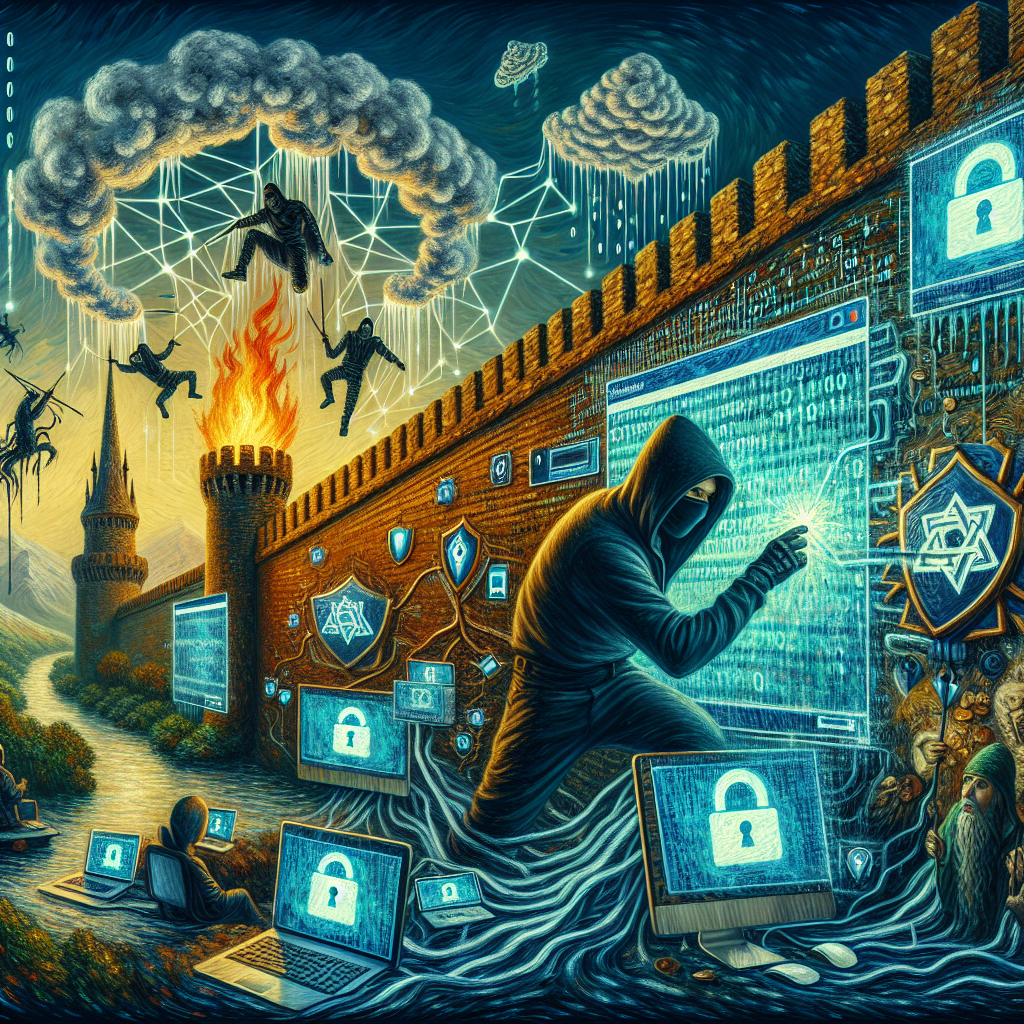
When you wake up each morning, consider the vast world outside your front door. A world brimming with opportunity—but also a world where your personal data is vulnerable. Cybersecurity is more than a buzzword; it’s a lifeline in this digital age, a shield we must all wield, whether we realize it or not. Imagine the devastating consequences if that shield is neglected. Identity theft, financial ruin, and emotional distress are not just statistics; they’re stories that could belong to anyone, including you.
Let’s connect on a human level. Remember the time you lost your wallet? The panic, the dread, and that sinking feeling in your gut? Now, think about the implications of losing something even more personal—your identity. It’s a haunting thought. In protecting your data, you’re not merely securing bits and bytes; you’re safeguarding your life and legacy. That’s why every action counts. Simple steps, like using strong, unique passwords across your accounts or enabling two-factor authentication, can make a world of difference. Feel empowered by that knowledge.
Now, let’s get a bit more rational. Statistically speaking, a significant percentage of individuals experience some form of cyberattack. That alone underscores the importance of taking proactive measures. Consider it an investment—not just in your safety, but in your peace of mind. Educating yourself about phishing scams, using antivirus software, or regularly monitoring your financial statements are not just smart moves; they are responsible actions we owe to ourselves and our loved ones. We live in a society that expects us to look out for one another, and safeguarding our data is an extension of that responsibility.
And let’s not overlook the ethical dimension. By prioritizing cybersecurity, you’re setting a positive example. Every time you share knowledge about protecting data or encourage safe online practices, you’re fostering a community built on trust and vigilance. We all have a role to play, and when we stand together, we strengthen the fabric of our connection.
Taking action in cybersecurity is not just resolute; it’s necessary. It’s a commitment to staying one step ahead in a world that constantly evolves. So, when you think about your personal data, think about all the moments that define you. Protect those moments. Protect yourself. Because in this digital landscape, your vigilance can pave the way for a safer future—for you and everyone around you.
What Steps Are You Taking to Protect Your Personal Data?
What Steps Are You Taking to Protect Your Personal Data?
- The world is filled with opportunities but also vulnerabilities regarding personal data.
- Cybersecurity is essential for protecting against identity theft, financial ruin, and emotional distress.
- Neglecting cybersecurity can lead to devastating consequences, similar to the panic of losing a wallet.
- Simple measures like using strong passwords and enabling two-factor authentication are vital for personal safety.
- A significant percentage of individuals face cyberattacks, emphasizing the need for proactive cybersecurity measures.
- By prioritizing cybersecurity, you set a positive example and foster a community of trust.
- Taking action in cybersecurity is necessary to protect personal data and ensure a safer future.

What Steps Are You Taking to Protect Your Personal Data?
How Would Losing Your Data Impact Your Life?
Imagine waking up one day to find that the digital world you’ve carefully built over the years has vanished. Your family photos, cherished memories captured in pixels, are gone—erased as if they were never taken. Now, consider the weight of that loss. Your child’s first steps, a friend’s wedding, a loved one’s laughter immortalized in a moment you can never retrieve. It’s not just data; it’s history, and it’s irreplaceable.
On a practical level, losing your data disrupts your daily life. Your work—the hours spent crafting reports, developing strategies, or nurturing projects—evaporates without warning. Imagine facing a deadline with no content to deliver. Suddenly, the ripple effects of a single incident turn into a tidal wave, disrupting not just your productivity but your professional relationships as well. Your colleagues and clients rely on you, and that trust cannot be easily restored once it’s shattered.
Ethically, it speaks volumes about our understanding of responsibility. We entrust our lives to unseen forces, believing our information is safe. The truth? Every click, every upload is a choice—one that carries consequences. Embracing cybersecurity is not a mere trend; it’s an imperative. When you safeguard your data, you honor not only your own reality but the lives intertwined with yours—your family, friends, and community. Each choice to secure your data is a tribute to those connections.
Narratives abound of people who have suffered these losses, their lives forever altered by a single moment of negligence. It’s easy to dismiss data safety as just another technical concern, but step back for a moment. We are the architects of our digital lives, offering bits of ourselves to the void. But when we fortify our digital domains, we’re not just protecting files; we’re preserving our stories, our bonds, and our futures.
Socially, we are all part of this interconnected web. Each friend and family member’s data affects the others. When one of us falls victim to cyber turmoil, we all feel the tremors. The fight for cybersecurity isn’t just a personal endeavor; it’s a communal responsibility that calls us to action.
The reality is, in today’s world, data is more than ones and zeros—it’s the very essence of who we are. Protecting it is not just smart; it’s essential. Prepare, secure, and safeguard, because every byte contains a piece of you.

How Would Losing Your Data Impact Your Life?
How Would Losing Your Data Impact Your Life?
- Imagine losing your digital world, including family photos and memories, which are irreplaceable.
- The loss impacts everyday life, hindering work productivity and disrupting professional relationships.
- Data loss highlights the importance of ethical responsibility in safeguarding personal information.
- Every data choice carries consequences; embracing cybersecurity is an imperative for everyone.
- Individual stories of data loss illustrate the real-life implications of negligence in data safety.
- Cybersecurity is a communal effort; one person’s data issues can affect the entire network of connections.
- In today’s digital age, protecting data is essential as it represents our identities and relationships.

How Would Losing Your Data Impact Your Life?
Can AI Solutions Ensure Your Peace Of Mind Online?
In today’s whirlwind of the digital age, where every click can lead to opportunities or pitfalls, cybersecurity is not just a buzzword; it’s the lifeline that connects us to what matters most. Imagine logging into your bank account or sharing precious family photos online, all while knowing that powerful AI solutions are watching your back. It’s not science fiction; it’s the robust future we’re stepping into.
Think about it: your online identity is not merely a collection of bits and bytes. It’s a reflection of your life—your achievements, your friendships, your aspirations. With every email sent and every transaction made, you’re weaving a digital tapestry that deserves protection. AI solutions provide that safeguard and, in doing so, create a comforting blanket of security in an uncertain world. They analyze patterns, identify threats, and adapt to new risks faster than any human could dream of, allowing you to focus on what truly matters: living fully and authentically.
But let’s cut to the chase—this is more than just a safe online experience; it’s about peace of mind and trust. Can you put a price on not worrying about data breaches or identity theft? When AI systems are continually scanning for vulnerabilities, you’re not just a target in the vast digital landscape; you’re a valued individual whose online presence deserves protection. That’s not merely comforting; it’s empowering.
Ethically, it’s crucial for technology to foster a culture of security. Just as we teach our children to lock their doors at night, we should embrace the advancements in AI that safeguard our online realms. You wouldn’t hire someone unqualified to protect your home; why settle for anything less than the best when it involves your personal data?
Imagine sharing your life with friends and family on social media, the joy in their reactions untainted by the fear of cyber threats. Those moments become more meaningful when you know that AI is diligently fostering your security, ensuring that your digital interactions remain joyful and genuine. It’s a collective responsibility, as we are all social beings united by our reliance on technology.
So, as you navigate this vast digital landscape, consider embracing AI solutions not just as tools, but as trusted allies designed to bring peace of mind. It’s about ensuring that you, your loved ones, and the momentous experiences in life can thrive, unhampered by the shadow of cyber threats. Take the step, fortify your connections, and let peace reign online.

Can AI Solutions Ensure Your Peace Of Mind Online?
Can AI Solutions Ensure Your Peace Of Mind Online?
- Cybersecurity is essential in the digital age, connecting us to what matters most.
- Your online identity reflects your life, achievements, and relationships, deserving of protection.
- AI solutions offer security by analyzing patterns and identifying threats quickly.
- Utilizing AI provides peace of mind, reducing worries about data breaches and identity theft.
- Technology should foster a culture of security, akin to locking your doors at night.
- AI ensures that social interactions are joyful and genuine, free from fear of cyber threats.
- Embrace AI as trusted allies to protect your connections and experiences online.

Can AI Solutions Ensure Your Peace Of Mind Online?
What Ethical Responsibilities Do Companies Have In Safeguarding Data?
In a world increasingly defined by digital connections, the ethical responsibilities of companies in safeguarding data extend far beyond mere compliance; they touch the very essence of trust. Picture this: a family, blissfully scrolling through their favorite online platform, unaware that their personal information is hanging by a thread, vulnerable to cyber threats. When businesses prioritize cybersecurity, they aren’t just protecting data; they’re safeguarding the heart of every customer interaction, every shared story, and every trusting relationship.
Let’s face it—data breaches have become a tragic reality, tearing apart the fabric of trust that binds businesses to the communities they serve. When a company’s negligence leads to a data leak, it’s not just numbers and codes that get compromised; it’s the peace of mind of real people. They aren’t just customers; they are parents, friends, and neighbors. When companies acknowledge their ethical responsibility to protect this information, they commit to something much larger than profits—they commit to the fundamental principle of respect for the individual.
From a rational standpoint, investing in cybersecurity is not just a good deed; it’s a sound business strategy. The fallout from negligence can be devastating—a single breach can wipe out years of hard-earned reputation, leading to losses that can cripple even the most established firms. Actions rooted in ethical responsibility can lead to lasting loyalty and long-term success. When customers trust a company to handle their data with care, they are more likely to stick around, fueling growth and innovation.
Let’s shift to the narrative aspect: consider the stories of small businesses that thrive because they treated their customers’ data with respect. These businesses don’t just sell products; they build relationships that foster community. They understand that their obligation goes beyond legal standards; they aspire to build a culture where data protection is woven into the very fabric of their operations.
Ultimately, each corporate decision regarding data protection reflects a broader social commitment. Stakeholders, employees, and customers all care deeply about these issues. When companies champion data ethics, they position themselves as leaders in the fight against cyber threats, elevating their role in society. This inspires not just confidence but action—an invitation for all to join in building a safer digital future. Together, we can each play a part, ensuring that the digital marketplace is one where trust reigns and every interaction holds value.

What Ethical Responsibilities Do Companies Have In Safeguarding Data?
What Ethical Responsibilities Do Companies Have In Safeguarding Data?
- Companies have ethical responsibilities that go beyond compliance in safeguarding data, influencing trust with customers.
- Data breaches can severely damage the trust between businesses and the communities they serve, affecting real people’s peace of mind.
- Investing in cybersecurity is essential not only for ethical reasons but also as a wise business strategy to protect reputation and growth.
- Negligent handling of data can lead to significant financial losses and damage to a company’s reputation over time.
- Small businesses that respect customer data often thrive by building strong relationships and fostering community connections.
- Corporate decisions on data protection reflect a larger social commitment and responsibilities toward stakeholders and society at large.
- Championing data ethics allows companies to become leaders against cyber threats, inspiring confidence and collective action for a safer digital future.

What Ethical Responsibilities Do Companies Have In Safeguarding Data?
How Does Investing In AI Enhance Your Trust In Digital Services?
In a world where we increasingly rely on digital services, the question of trust looms larger than life. You hand over your personal information—financial details, health records, or even just a simple email address—every day. So, how can investing in artificial intelligence restore some of that peace of mind, turning trepidation into confidence?
Think about it. Every time you input data into a website, you’re venturing out into the vast digital wilderness. It’s a leap of faith, each click reminiscent of stepping on a tightrope. But as investments in AI evolve, they’re extending a safety net underneath. With advanced algorithms and machine learning, AI can detect patterns in fraud and cybersecurity threats almost instantaneously, providing a level of protection that was unfathomable a decade ago. Imagine a vigilant watchdog, always awake, always alert, ready to bark at the first sign of trouble. This isn’t just technology at work; it’s a secure promise that your information is being guarded by some of the smartest systems out there.
Connecting on an emotional level, consider the stories of those who have felt the repercussions of data breaches. A family frantically trying to reclaim their lives after identity theft, or a small business collapsing under the weight of a cyber attack. By investing in AI-driven security systems, we aren’t just funding lines of code; we’re choosing to be part of a safeguard that could prevent such heart-wrenching experiences. We have the power to create an environment where trust reigns supreme.
On a rational level, AI in digital services translates to better decision-making. With data insights derived from vast pools of information, users get personalized, relevant experiences rather than generic ones. You feel seen and understood, not merely like another faceless entry in a ledger. And ethically? By choosing AI-enhanced services, you’re supporting companies that prioritize trust and transparency, setting higher standards across the board.
Let’s not forget the collective impact. When we embrace AI, we take solace in the fact that we’re part of a larger community that values innovation as a cornerstone of trust. Every investment in AI isn’t just a vote for a company; it’s a declaration that you believe in a future where digital services can be as trustworthy as friends. So, next time you log in, remember the intelligent protectors behind the scenes. They’re working tirelessly so you can navigate this digital world with confidence and peace of mind.

How Does Investing In AI Enhance Your Trust In Digital Services?
How Does Investing In AI Enhance Your Trust In Digital Services?
- The increasing reliance on digital services raises significant questions of trust concerning personal information security.
- Investing in artificial intelligence (AI) can help restore confidence by providing a safety net against data breaches and cyber threats.
- AI utilizes advanced algorithms to detect patterns of fraud and cybersecurity threats in real-time, offering unprecedented protection.
- Personal stories highlight the emotional consequences of data breaches, demonstrating the importance of AI-driven security systems.
- AI improves decision-making by offering personalized, relevant experiences based on data insights, enhancing user feelings of recognition.
- Supporting AI-enhanced services promotes companies that prioritize trust and transparency, setting higher ethical standards in the industry.
- Collectively embracing AI signifies a commitment to trust and innovation in digital services, contributing to a more secure future.

How Does Investing In AI Enhance Your Trust In Digital Services?
What Stories Of Data Breach Could Have Been Avoided with Ai?
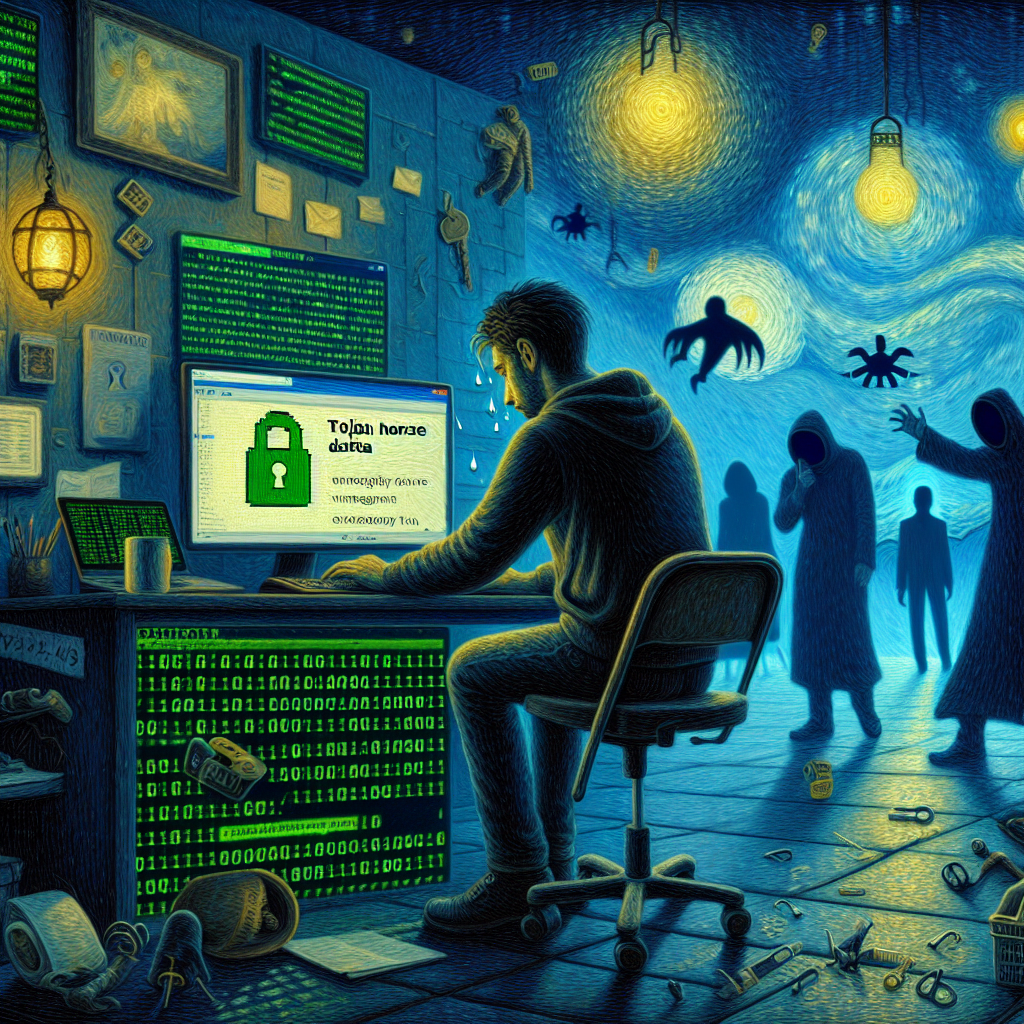
In today’s digital landscape, the stark reality of data breaches looms like a storm cloud over every business and individual engaged in the virtual world. Every headline announcing a massive breach carries with it a gut-punch of vulnerability and fear. Yet, these stories of compromised personal information and disrupted businesses could have been avoided through the power of artificial intelligence, stirring a compelling vision of what could be.
Consider the incident where a healthcare provider lost thousands of patient records due to poor password hygiene. A simple AI-driven system could have analyzed user behavior, detected anomalies, and issued alerts before the breach even unfolded. It’s not just about protecting data; it’s about safeguarding the trust between patients and providers, a fundamental connection that deserves robust protection. When the heart of our communities—our healthcare systems—faces threats, the ripples extend far beyond the breach, affecting lives, families, and futures.
Rationally, it’s time to acknowledge that the age of relying solely on conventional defenses is over. In a world where cybercriminals are relentless and increasingly sophisticated, businesses can’t afford complacency. AI offers a solution, learning and adapting in real-time, responding to threats faster than any human could. It becomes not merely a shield, but a shield that anticipates the strike before it lands.
Ethical considerations also come into play. Protecting personal data is not just a responsibility; it’s an imperative. Companies that ignore the integration of AI into their cybersecurity frameworks may find themselves on the wrong side of history, facing both legal repercussions and public backlash as customer trust evaporates. We must champion the alignment between profit and purpose, ensuring that technology serves as a safeguard for the community rather than a tool for exploitation.
Narratively, think of the small business owner who invested everything into their venture, only to see it crumble under the weight of a data breach, leaving customers at risk and reputation in tatters. The heartache doesn’t just come from lost revenue—it’s the betrayal of trust that cuts the deepest. Yet, an AI-infused cybersecurity strategy would transform that story, turning vulnerability into resilience, and inspiring other businesses to follow suit.
As we gather at our digital campfires, let’s engage in conversations that transcend fear and foster a collective resolve to embrace technology as our ally in the fight against cyber threats. Together, through AI-driven solutions, we can weave a tapestry of trust, community, and confidence—ensuring that the stories of data breaches are no longer tales of tragedy, but rather lessons in vigilance and proactive defense.
What Stories Of Data Breach Could Have Been Avoided with Ai?
What Stories Of Data Breach Could Have Been Avoided with Ai?
- Data breaches pose significant risks for businesses and individuals in the digital landscape.
- AI technology can proactively prevent incidents by analyzing user behavior and detecting anomalies.
- Protecting data is crucial for maintaining trust between healthcare providers and patients.
- Traditional cybersecurity measures are no longer sufficient against sophisticated cybercriminals.
- Failing to integrate AI into cybersecurity can result in legal issues and loss of customer trust.
- An AI-driven approach can turn vulnerabilities into resilience for businesses facing threats.
- Collective engagement on using technology can help build a safer community against cyber threats.

What Stories Of Data Breach Could Have Been Avoided with Ai?
Are You Willing to Risk Your Privacy for Outdated Security Measures?
In a world where every click and keystroke leaves a trail, the question is not just about convenience. It’s about the very essence of who we are. Are we willing to turn over our privacy for cybersecurity measures that feel more like handcuffs than a safety net? Picture this: you’re at a coffee shop, laptop open, with your favorite blend wafting through the air. You’re engaged in a conversation, laughter bouncing off the walls. Meanwhile, somewhere in the digital ether, someone is ready to exploit the naivety of that moment—intruding into your private life without batting an eye. It’s unnerving, isn’t it?
We strive for connection these days, pushing the boundaries of technology further than ever. And while it’s easy to buy into the narrative that the latest app or software update will protect us, we must critically evaluate what we’re sacrificing in exchange for this perceived safety. Think about the ethical stakes involved: when you hand over your data—your interests, your routines, your very identity—what are you really buying? Are we trading valuable pieces of ourselves for a flimsy sense of security?
The insight from cybersecurity experts suggests that the most sophisticated hackers don’t just crack codes; they exploit human trust. The compromises often go far beyond personal data leaks; they reverberate through our relationships, our livelihoods, and ultimately our societies. What price are we willing to pay for protection that may still leave us exposed, like a lion tamer relying on a flimsy whip in a den filled with hungry beasts?
Our collective attitude toward privacy reflects not just individual choices; it’s a societal statement. Every time we compromise our security for outdated safeguards, we say it’s okay to prioritize convenience over trust. This realization is what connects us all as we navigate our digital lives. It’s time to reclaim our narratives and challenge the status quo. Together, let’s advocate for smarter, more robust measures that don’t force us into the shadows of obscurity but instead empower us, allowing us to sit comfortably in our own skin—fully aware, fully present, and responsibly secure.
What are you willing to risk for your peace of mind? The answer has the power to shape our digital future, and it begins with a choice.

Are You Willing to Risk Your Privacy for Outdated Security Measures?
Are You Willing to Risk Your Privacy for Outdated Security Measures?
- Our digital activities leave traces that impact our privacy and identity.
- There is a dilemma between sacrificing privacy for cybersecurity and feeling restricted.
- Individuals must assess the true cost of safety provided by technology versus personal data surrender.
- Cybersecurity experts warn that hackers often exploit human trust rather than just technical vulnerabilities.
- Compromising personal data can lead to wider societal impacts beyond mere data leaks.
- Prioritizing convenience over security reflects a societal attitude that undermines trust.
- It’s crucial to advocate for effective security measures that empower and protect individual privacy.

Are You Willing to Risk Your Privacy for Outdated Security Measures?
Conclusion
In today’s ever-evolving digital landscape, where our lives are seamlessly intertwined with technology, safeguarding our personal information is more crucial than ever. Cybersecurity isn’t just a technical requirement; it resonates deeply with our fundamental human rights. It brings us peace of mind, enabling us to engage in the digital realm without fear of losing what matters most—our personal history, our relationships, and our identities. As we grapple with increasing cyber threats, the integration of artificial intelligence into cybersecurity stands out not simply as a smart investment but as a vital lifeline.
Imagine a future where AI acts as a vigilant guardian, tirelessly analyzing vast troves of data to detect anomalies and facilitate real-time responses to potential threats. This isn’t just fantasy; it represents a significant evolution in our approach to digital safety. The proactive nature of AI systems—capable of learning and adapting—empowers you to stay ahead of cybercriminals rather than merely reacting once an incident has occurred. This capability transforms investment in AI from a budgetary concern into a necessary commitment to protect yourself, your loved ones, and your community.
Consider the emotional weight of your personal data. Each piece of information you relinquish online embodies moments and memories—family photos, significant milestones, and cherished interactions. Losing these important elements due to negligence can feel like losing a part of yourself. The ethical responsibility to safeguard our data extends beyond ourselves; it encompasses our families, friends, and the broader community. By prioritizing advanced cybersecurity through AI, we ensure that we’re doing right by those connected to us.
Rationally, the data speaks for itself. A staggering number of individuals fall victim to cyberattacks each year. Every statistic serves as a reminder of the imperative to take protective measures. The small investment made today in AI-driven systems can safeguard against potentially devastating repercussions, from identity theft to financial ruin. Investing in cybersecurity symbolizes a conscious choice to stand up for our future and create an environment of trust in our digital interactions.
As we navigate this digital realm together, let us embrace AI not just as a tool, but as a partner in our journey towards digital safety. Every moment protected allows us to continue sharing and connecting meaningfully. By acting now, we can weave a future where peace of mind flourishes, and trust thrives. The choice is clear: invest in your digital safety, and empower not just yourself, but the collective spirit of community around you. The time for action is now.

Conclusion
Conclusion:
- Cybersecurity is essential in today’s technology-driven world, safeguarding fundamental human rights.
- AI integration into cybersecurity enhances protection against increasing cyber threats.
- AI can analyze data and respond to threats in real-time, transforming digital safety approaches.
- Emotional significance of personal data makes its protection crucial for individual and community well-being.
- A high number of individuals are victims of cyberattacks each year, underscoring the need for protective measures.
- Investing in AI-driven cybersecurity is a proactive choice to ensure a safer digital future for ourselves and our communities.
- By acting now, we can foster an environment of trust and meaningful connections in the digital realm.

Conclusion
Other Resources

Other Resources
Here is a list of other resources you can review online to learn more:
- Scoop.It
- Integrity IT
- Delta Risk
- F-Secure Corp.
- SOCSoter
- GiaSpace Inc
- onShore Security
- Foresite MSP Inc.
- CynergisTek
- Collabrance
- Infosys
- Lehigh Valley Technology
- ON2IT
- IBM Managed Security Services
- Digital Defense
- Xact IT Solutions
- KPMG
- IT Weapons
Use This Prompt To Get More Resources With Your Favorite Online AI Tool: Please provide me with a list of online articles with their URLs in a bulleted list that I can read regarding Why AI Might Be the Best Investment In Your Digital Safety

Other Resources
Glossary Terms
Why AI Might Be the Best Investment In Your Digital Safety – Glossary Of Terms
1. Artificial Intelligence (AI): Technology capable of performing tasks that typically require human intelligence, such as decision-making and problem-solving.
2. Cybersecurity: The practice of protecting systems, networks, and data from digital attacks, damage, or unauthorized access.
3. Malware: Malicious software designed to harm, exploit, or otherwise compromise computer systems, networks, or devices.
4. Phishing: A fraudulent attempt to obtain sensitive information by disguising as a trustworthy entity in electronic communication.
5. Encryption: The process of converting information into a code to prevent unauthorized access, ensuring data confidentiality.
6. Data Breach: An incident where unauthorized access is gained to confidential data, often resulting in data theft or exposure.
7. Firewall: A network security system that monitors and controls incoming and outgoing network traffic based on predetermined security rules.
8. Intrusion Detection System (IDS): Technology that monitors network traffic for suspicious activity and alerts users to potential threats.
9. Machine Learning: A subset of AI that uses algorithms to allow computers to learn from data and improve their performance over time.
10. Threat Intelligence: Information about potential threats to an organization’s cybersecurity posture, aiding in proactive defense.
11. Zero-Day Exploit: A cyber attack that occurs on the same day a vulnerability is discovered, before a fix can be implemented.
12. Biometrics: Security measures that use unique physical traits, such as fingerprints or facial recognition, for identification and access control.
13. Ransomware: A type of malware that encrypts a user’s data and demands payment for the decryption key.
14. Vulnerability Assessment: The process of identifying, quantifying, and prioritizing security weaknesses in a system.
15. Incident Response: A structured approach to managing and addressing security breaches or attacks when they occur.
16. Artificial Neural Networks: Computing systems inspired by the biological neural networks that constitute animal brains, used in AI applications.
17. Digital Forensics: The process of collecting, preserving, and analyzing electronic data to investigate cyber crimes.
18. Behavioral Analytics: Analyzing user behavior patterns to detect anomalies that may indicate security threats.
19. Multi-Factor Authentication (MFA): A security process that requires multiple forms of verification before granting access to an account.
20. Cloud Security: Measures and technologies designed to protect cloud-based systems and data from threats.
21. White Hat Hacker: An ethical hacker who uses hacking skills for defensive purposes, helping organizations improve their security.
22. Supply Chain Security: The practice of protecting the integrity and security of supply chains from cyber threats.
23. User Education: Training individuals on proper cybersecurity practices and awareness to reduce susceptibility to attacks.
24. Access Control: Mechanisms that regulate who can view or use resources in a computing environment.
25. Privacy Policy: A legal statement outlining how an organization collects, uses, and protects user data.
26. DDoS Attack: A Distributed Denial of Service attack aimed at overwhelming a network or service to make it unavailable.
27. Secure Socket Layer (SSL): A standard security technology for establishing an encrypted link between a server and a client.
28. Data Loss Prevention (DLP): Strategies and tools used to ensure that sensitive data is not lost, misused, or accessed by unauthorized users.
29. Digital Identity: The online representation of an individual or organization, often associated with personal data and credentials.
30. Security Audit: A systematic evaluation of an organization’s information system to assess security policies, controls, and compliance.

Glossary Of Terms
Other Questions
Why AI Might Be the Best Investment In Your Digital Safety – Other Questions
If you wish to explore and discover more, consider looking for answers to these questions:
- What are the most common types of cyber threats individuals face today?
- How can AI specifically detect and respond to cyber threats?
- What are the best practices for individuals to enhance their online security?
- How has the landscape of cyberattacks evolved with the rise of AI?
- What are some real-life examples of businesses benefiting from AI-driven cybersecurity?
- How do I choose the right AI cybersecurity solution for my needs?
- What is the cost-benefit analysis of investing in AI for cybersecurity?
- What ethical considerations should consumers be aware of regarding AI in cybersecurity?
- How do different industries approach data protection with AI?
- What role do government regulations play in encouraging businesses to adopt AI for cybersecurity?
- What should you do if you suspect your data has been compromised?
- How can companies foster a culture of cybersecurity among their employees?
- What technologies complement AI in enhancing digital safety?
- How can individuals educate themselves about the latest cybersecurity threats?
- What is the future of AI in cybersecurity?

Other Questions
Haiku
Why AI Might Be the Best Investment In Your Digital Safety – A Haiku
AI, our steadfast shield,
Guarding lives in unseen ways,
Trust blooms, fears dissolve.

Haiku
Poem
Why AI Might Be the Best Investment In Your Digital Safety – A Poem
In a world spun from digital threads,
Where personal lives connect and spread,
A fragile line guards our peace of mind,
Yet cyber threats lurk, relentless and blind.
Imagine your memories, cherished and bright,
Wiped clean in a moment, swallowed by night,
Identity lost, a phantom without form,
A haunting reminder of data’s fierce storm.
Cybersecurity’s not just a code to protect,
It’s a right we demand, it’s our lives we respect,
AI stands sentinel, a guardian awake,
Analyzing patterns, preserving what’s at stake.
Picture each family, each business at risk,
Investing in safety is more than a task,
With AI as the ally, trust rises anew,
Enabling us all to secure what is true.
Stories of loss echo, ripple through space,
But solutions are birthed through technological grace,
No longer mere tools, but heartfelt allies,
Empowering connections, where hope never dies.
Ethical choices guide us, weaving a thread,
Each act of protection, a vow we’ve pledged.
Together we rise, a community strong,
Safeguarding our data, where all can belong.
So challenge the notion that privacy’s lost,
For within each decision, we calculate cost,
Let’s invest in our futures, united we stand,
As we safeguard our stories, together hand in hand.

Poem
Checklist
Why AI Might Be the Best Investment In Your Digital Safety – A Checklist
Digital Safety Checklist: Empowering Your Cybersecurity Journey
Emotional Appeals
_____ Reflect on what personal data means to you. List your most sensitive information (e. g. , photos, financial records).
_____ Share a story about a time you felt vulnerable in the digital space. How did it make you feel?
Rational Appeals
_____ Research and choose AI-driven security tools for your digital safety. Write down at least three options.
_____ Calculate potential costs of a data breach for your personal or business life. What would it mean for you?
Ethical Appeals
_____ Commit to discussing cybersecurity best practices with friends and family. Make a plan for your next conversation.
_____ Explore the ethical implications of data privacy. Write down your thoughts on the responsibilities of companies in protecting consumer data.
Authority Appeals
_____ Identify and subscribe to three reputable cybersecurity experts or organizations for ongoing updates and tips.
_____ Create a list of certifications or endorsements that indicate strong cybersecurity practices within companies you use.
Narrative Appeals
_____ Research and summarize a real-life case of a data breach and its impact. What lessons can you learn from it?
_____ Share your experiences online with your network regarding how AI tools have enhanced your sense of digital safety.
Social Appeals
_____ Join online forums or local groups focused on cybersecurity to foster community awareness.
_____ Set up a buddy system with a friend or family member to regularly check in on each other’s cybersecurity health.
Practical Steps
_____ Implement strong, unique passwords for all your accounts. Use a password manager if necessary.
_____ Enable two-factor authentication on all relevant accounts.
_____ Keep your software and devices updated to protect against vulnerabilities.
Future Planning
_____ Create a personal digital safety action plan outlining steps you will take in the next month.
_____ Schedule regular intervals (e. g. , monthly) to review and revise this plan as needed.
Utilizing this checklist will empower you to take meaningful steps toward enhancing your digital safety, while also fostering a sense of community around cybersecurity importance.

Checklist
At BestCyberSecurityNews, we help teach entrepreneurs and solopreneurs the basics of cybersecurity and its impact on their businesses by using simple concepts to explain difficult challenges.
Please read and share any of the articles you find here on BestCyberSecurityNews with your friends, family, and business associates.


