


Protecting What Matters – Securing Your Connected Home
By Tom Seest
At BestCyberSecurityNews, we help teach entrepreneurs and solopreneurs the basics of cybersecurity and its impact on their businesses by using simple concepts to explain difficult challenges.
Please read and share any of the articles you find here on BestCyberSecurityNews with your friends, family, and business associates.
When Your Fridge Becomes a Spy – the IoTSecurity Wake-Up Call
Picture this: you walk into your kitchen, the warm glow of the fridge casting a reassuring light in the early morning hours. In many ways, this appliance is a trusted family member, always ready to help whip up nourishment for loved ones and keep your midnight snacks ice-cold. But what if I told you that this very same gadget may be silently gathering data, almost like an unwitting spy in your home? It sounds like something from a science fiction movie, but in our tech-driven age, it’s all too real.
As we embrace the wonders of connected devices, from smart fridges to security cameras, we can’t ignore the lurking threats that come with them. Cybersecurity isn’t just a buzzword or a techie concern; it’s an emotional issue that resonates deep within us—because it strikes at the core of what we hold dear: our families, our homes, and our privacy. The very thought that a rogue hacker could access not just your grocery list but your personal data and routines is unsettling. It’s a gut punch that reminds us of the vulnerability that accompanies convenience.
Allow yourself to imagine the scenario where your fridge isn’t simply a keeper of your food but a conduit for information that could be exploited. How would that feel? Not just a distraction; it’s a breach of trust — ethical and personal. Are we really prepared to let our appliances dictate the boundaries of our safety? As we indulge in the benefits of modern technology, we have a responsibility to make sure that we’re not trading our security for convenience.
But here’s where hope springs: awareness breeds action. By understanding the threats posed by devices we often take for granted, we empower ourselves to take back our privacy. Learning how to fortify our cyber defenses is a potent step towards reclaiming our autonomy. The conversation around this issue isn’t just flat data—it’s about all of us rallying together for a safer digital community. Social ties and ethical considerations bind us; learning these lessons collectively makes for a united front against potential threats.
So let’s not allow comfort to cloud our judgment. Your fridge can be a friend or a foe—it’s up to us to choose how we engage with it in this brave new world. Together, let’s make intelligent choices that protect not just our food, but our very way of life.

When Your Fridge Becomes a Spy – the IoTSecurity Wake-Up Call
When Your Fridge Becomes a Spy – the IoTSecurity Wake-Up Call
- Modern appliances, like smart fridges, can gather data, resembling a spy in our homes.
- Cybersecurity is an emotional issue affecting families, homes, and personal privacy.
- The thought of hackers accessing personal information is unsettling and highlights our vulnerability.
- Connected devices can breach trust, raising questions about safety and the control we have over our lives.
- Awareness of cybersecurity threats empowers individuals to reclaim their privacy and autonomy.
- Collective learning and action can strengthen community resilience against digital threats.
- We must balance convenience with security to protect our way of life in a tech-driven world.

When Your Fridge Becomes a Spy – the IoTSecurity Wake-Up Call
Table Of Contents
- When Your Fridge Becomes a Spy – the IoTSecurity Wake-Up Call
- What Secrets Does Your Fridge Reveal to the Outside World?
- How Vulnerable Is Your Personal Data In the Age Of Smart Appliances?
- Who Is Responsible for Protecting Your Privacy In Connected Homes?
- What Measures Can You Take to Secure IoTDevices In Your Home?
- How Does the Convenience Of Smart Fridges Come At What Cost?
- What Stories Are Hidden In the Data Collected By Your Refrigerator?
- Are We Sacrificing Our Privacy for the Sake Of Convenience?
- Conclusion
- Other Resources
- Glossary Of Terms
- Other Questions
- Haiku
- Poem
- Checklist
What Secrets Does Your Fridge Reveal to the Outside World?
The fridge is more than just a cold box that keeps your food fresh; it’s a portal to our habits, our health, and even our values. When you crack open that door, what do you reveal to the outside world? Perhaps a kaleidoscope of brightly colored fruits and vegetables suggesting a commitment to health and well-being. Or maybe you’ll find leftover takeout containers, remnants of a frenzied week, hinting at a busy life intertwined with convenience over culinary craft.
But let’s pivot from the dinner table to the digital age. We live in a time when “smart” appliances do more than chill your drinks; they can learn your patterns, adapt to your schedule, and even order groceries for you. The convenience is undeniable, yet it raises a chilling question: how secure is your fridge? Cybersecurity isn’t just a tech buzzword; it’s a vital ally in your domestic life. Each time you connect your smart appliance to Wi-Fi, you’re opening a door not just to convenience but to a world of potential vulnerabilities.
Now, think about it. Your fridge may well be an unassuming trove of personal data that could be exploited if you’re not careful. You may dismiss the idea as merely technical, but let’s engage the heart here. It’s about the safety of your home and the integrity of your family. You wouldn’t leave your front door wide open; why leave your digital door ajar? An ounce of prevention is worth a pound of cure—our homes deserve that attention.
By examining our food choices and the technology we embrace, we forge connections not only with one another but also with our own values. Sharing a meal is about creating memories, building trust, and fostering a sense of belonging. Just as you carefully select what goes into your body, you also need to consider what goes into your digital life.
So, the next time you rifle through your fridge, reflect on what those choices say about who you are. Choose wisely, protect diligently, and let your fridge tell a story of health, safety, and genuine connection—both offline and on. It’s time for a movement, one that embraces intelligent choices in what we consume and the technology we invite into our lives. This is more than a kitchen necessity; it’s a call to action that resonates within us all.

What Secrets Does Your Fridge Reveal to the Outside World?
What Secrets Does Your Fridge Reveal to the Outside World?
- The fridge symbolizes our habits, health, and values, showcasing what we choose to consume.
- Food choices within the fridge can reflect our commitment to health or a busy lifestyle prioritizing convenience.
- Smart appliances enhance convenience but raise concerns about cybersecurity and personal data safety.
- Connecting smart devices to Wi-Fi can expose homes to potential vulnerabilities.
- Protecting personal data is crucial for home safety and family integrity.
- Food choices and technology reflect our values and help forge connections with others.
- Choosing wisely and protecting our digital lives turns the fridge into a symbol of health, safety, and connection.

What Secrets Does Your Fridge Reveal to the Outside World?
How Vulnerable Is Your Personal Data In the Age Of Smart Appliances?
In today’s world, where convenience reigns supreme, our homes are evolving into smart sanctuaries, filled with devices that learn, anticipate, and even care for us. But as we invite these intelligent assistants into our lives, a question looms larger than the one about how many cookies our connected fridge can bake—how vulnerable is our personal data?
Picture this: a bustling family gathers in the living room, while the smart thermostat adjusts the temperature, and the voice-activated assistant plays your kid’s favorite songs. Sounds blissful, right? Yet, lurking beneath this façade of comfort, the threat of cyber insecurity can leave us feeling exposed and uncertain. Our trust unwittingly hangs in balance with every beep and whirr of those gadgets. We consider ourselves smart, but are we wise enough to safeguard what matters most—our privacy?
Think about the stories you share with family and friends, the intimate conversations where you let your guard down. The average homeowner unwittingly hands over a treasure trove of data to smart appliances that listen closely, recording preferences, habits, and routines. It’s like having an uninvited guest who just can’t resist eavesdropping. And while we might shrug it off, remember this: that data can be exploited. Imagine the potential for misuse if it falls into the wrong hands—our personal lives turned into a commodity that can be bought and sold.
Ethically, there’s a line we’ve crossed as a society. Our desire for comfort can’t overshadow our need for security. Manufacturers tout cutting-edge technology and seamless integration, but how many are stepping up to prioritize robust cybersecurity? Trust shouldn’t just be assumed; it should be demanded. We need to be vigilant consumers, supporting companies that treat our data with the respect it deserves.
Let’s step back for a second and portray this in a more relatable light. Consider the neighbor who loses her entire bank account to a cyber attack because her smart lock was hacked. It’s like watching a family heirloom vanish in the blink of an eye—a gut-wrenching reality that we all hope to avoid.
So, let’s band together and educate ourselves about cybersecurity. When we consciously choose to safeguard our personal data, we’re not only protecting ourselves; we’re setting an example for our friends, families, and communities. We can lead the charge for a smarter, safer future, where our homes are havens—truly smart, without the price of vulnerability. Together, let’s ensure our personal lives remain just that: personal.

How Vulnerable Is Your Personal Data In the Age Of Smart Appliances?
How Vulnerable Is Your Personal Data In the Age Of Smart Appliances?
- Our homes are transforming into smart sanctuaries filled with intelligent devices that interact with us.
- As we enjoy convenience, concerns about the vulnerability of our personal data grow.
- Smart appliances collect intimate data, posing risks if that information is misused.
- Societal priorities may favor comfort over security, raising ethical concerns about data handling.
- Consumers need to prioritize cybersecurity, supporting companies that respect privacy.
- Real-life examples, such as cyberattacks on smart locks, highlight the potential risks.
- Education and vigilance in cybersecurity can help protect our personal data and inspire others.

How Vulnerable Is Your Personal Data In the Age Of Smart Appliances?
Who Is Responsible for Protecting Your Privacy In Connected Homes?
In a world where your toaster can send you a text, who’s really guarding the goods? That’s a question more pressing than ever as we cozy up to the marvels of connected homes. We’ve steeped ourselves in the convenience of smart devices, yet many of us stand oblivious to the potential pitfalls lurking behind those sleek interfaces. This isn’t just about convenience; it’s about trust and the sanctity of your living space.
While tech companies are often the first to spring to mind when we consider privacy, the roster of accountability runs far deeper. The manufacturers of your gadgets, the service providers powering them, and yes, even local and federal regulators play a role in your cybersecurity. But here’s the kicker: it’s also on you. Many individuals overlook basic precautions. Secure your network, update your devices, and read those user agreements, no matter how tedious. Protecting your home isn’t a one-and-done task; it’s a continuous commitment, like maintaining a classic car. It’s the difference between merely existing in a digitally drenched space and genuinely thriving within it.
Now, think about it. When you step into your home, you’re entering a sanctuary filled with memories, laughter, and sometimes heartache. It should feel safe, not like a digital exhibition where every keystroke or voice command is on display for the world to see. The ethical stakes are high. Are the companies crafting these products prioritizing your privacy over profit? You’d like to think that they value your well-being as much as their quarterly earnings, but the facts can be murky. It’s our job as consumers to hold them accountable. If you notice a company cutting corners or ignoring essential updates, raise your voice. Your feedback matters.
Moreover, navigate this landscape with confidence by forming connections with knowledgeable allies—tech-savvy friends or community resources that can shed light on the best practices for safeguarding your privacy. Remember, you’re not alone in this digitized world; many are in the same boat, feeling a blend of curiosity and concern. Engage in conversations, share experiences, and together, you can foster a community that values security as much as comfort. This way, when you walk into your home, it’s not just a physical shelter; it’s a fortified bastion of your personal life, guarded not by frustration and fear, but by a well-informed understanding of your rights and responsibilities.

Who Is Responsible for Protecting Your Privacy In Connected Homes?
Who Is Responsible for Protecting Your Privacy In Connected Homes?
- Smart home technology brings convenience but poses significant privacy risks.
- Accountability for cybersecurity involves manufacturers, service providers, and regulators.
- Individuals must take personal responsibility by securing networks, updating devices, and reading user agreements.
- Home security is an ongoing commitment, akin to maintaining a classic car.
- Consumers should advocate for their privacy rights and hold companies accountable for neglecting security.
- Building connections with tech-savvy friends or community resources can enhance understanding of privacy practices.
- Creating a supportive community around privacy fosters a secure and comfortable living environment.

Who Is Responsible for Protecting Your Privacy In Connected Homes?
What Measures Can You Take to Secure IoTDevices In Your Home?
In today’s world, where smart devices seem to outnumber us, securing your IoT devices isn’t just a good idea—it’s a responsibility. Imagine a stranger slipping into your home unnoticed, accessing your personal conversations, or invading your privacy. That unsettling thought isn’t too far from reality when it comes to poorly secured gadgets. You might think, “It’ll never happen to me,” but in the heart of every home, complacency can be its greatest enemy.
So, where do you start? First off, treat every device like a guest in your home—some are friendly, but others come with bad intentions. Change the default passwords. Yes, it might seem tedious, but would you leave the front door unlocked just because it’s convenient? Every time you neglect that essential step, you’re handing a potential intruder a set of keys to your life. A strong password isn’t just a string of characters; it’s the fortification your data needs.
Next, update your devices regularly. Cybersecurity experts won’t stop reminding you: those updates aren’t just annoying pop-ups. They’re your digital shield against ever-evolving threats. Embrace them like a long-lost friend returning to share vital information. Each update is a lifeline, a chance to keep vulnerabilities at bay.
Then there’s network security—think of it as your home’s perimeter. A strong, unique Wi-Fi password is your fortress. Hide your network’s name, so only those who belong can find the entrance. Sometimes, having fewer digital footprints is the cleverest way to go unnoticed by those prowling for a weakness.
Lastly, consider taking advantage of the latest in cybersecurity technology. Set up a separate guest network for visitors and IoT devices, isolating them from your more sensitive information. It’s like putting a fence around your prized possessions, protecting them from curious onlookers.
Embracing these measures isn’t about succumbing to fear; it’s about empowerment. Think of it as an act of love—love for your family, your home, and your peace of mind. When you take the steps to secure your devices, you’re practicing good ethics, ensuring that your personal information remains yours. In a connected world, where every device communicates like a gossiping neighbor, vigilance becomes your most reliable ally.
So, don’t wait for a breach to jolt you into action. Take control today, and secure your home with the knowledge that you’ve fortified your digital sanctuary.
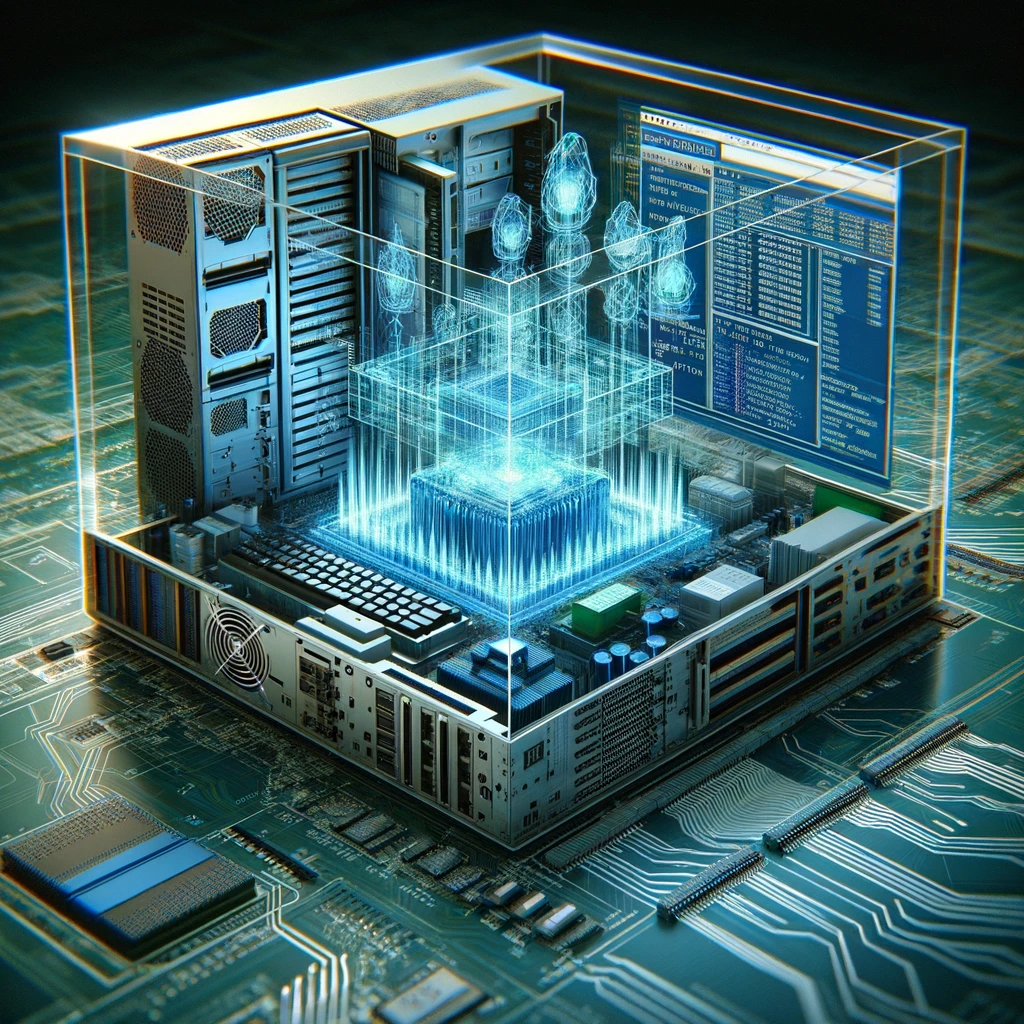
What Measures Can You Take to Secure IoTDevices In Your Home?
What Measures Can You Take to Secure IoTDevices In Your Home?
- Securing IoT devices is a responsibility in a world filled with smart technology.
- Every device should be treated like a guest, requiring strong, unique passwords instead of default ones.
- Regular updates are crucial for protecting against evolving cyber threats.
- Network security acts as your home’s perimeter; use unique Wi-Fi passwords and hide your network name.
- Set up a separate guest network to isolate IoT devices from sensitive information.
- Taking these security measures empowers you and protects your family and privacy.
- Act now to secure your digital sanctuary before a breach occurs.

What Measures Can You Take to Secure IoTDevices In Your Home?
How Does the Convenience Of Smart Fridges Come At What Cost?
In a world buzzing with convenience, the smart fridge stands as a shining example of technological marvel, promising a life of ease and connectivity. Picture this: an appliance that tracks your grocery inventory, suggests recipes based on what’s inside, and even orders missing items with a simple voice command. Who wouldn’t want that? Yet, beneath this sleek exterior lies a deeper conversation about what convenience really costs us.
When we welcome a smart fridge into our homes, we invite not just innovation, but also questions of privacy and security. A fridge that syncs with your phone may also sync with someone else’s agenda, revealing personal data that could be exploited. Cybersecurity isn’t just a buzzword; it’s the digital gatekeeper of our homes. Imagine your refrigerator holding the key to your personal preferences, schedules, and, by extension, your life. That intimacy has a price, and it’s one we often overlook while marveling at the blinking lights and touchscreens.
Let’s think about the ethical dimensions too. Are we sacrificing our autonomy on the altar of convenience? With each command given to our smart fridges, we risk becoming dependent on a technology that knows us a little too well. That reliance can shape our eating habits, our purchase choices, and even our lifestyles in ways we might never consciously acknowledge. How many families now depend on an algorithm to plan their dinners, rather than gathering around the table to discuss what they truly want to eat?
We need to remember that every connection we make comes with responsibility. Our smart fridges, hanging on the walls of our kitchens, could also become conduits for companies collecting data without our full awareness—using it to influence our choices under the guise of convenience. Yet, we all crave that warm, authentic connection, the one that comes from shared meals and stories, not automated suggestions.
So, what do we do? We need to advocate for transparency. Embrace technology, yes, but question it too. Find a balance between convenience and common sense. Ask yourself: Is the ease of pulling out my phone to look for a recipe worth risking my family’s privacy? In our quest for smarter homes, let’s keep our hearts rooted in genuine human connection and our heads engaged in the choices we make. After all, true convenience shouldn’t come at the expense of our values or our trust.

How Does the Convenience Of Smart Fridges Come At What Cost?
How Does the Convenience Of Smart Fridges Come At What Cost?
- The smart fridge symbolizes technological convenience, tracking grocery inventory and suggesting recipes.
- Concerns about privacy and security arise, as smart fridges can reveal personal data to potential exploiters.
- Cybersecurity acts as a critical protector of our personal information stored in home devices.
- Dependence on smart technology may diminish our autonomy and influence our eating habits and lifestyle choices.
- Companies may collect data through smart fridges, leading to manipulation disguised as convenience.
- There is a need to advocate for transparency while embracing technology responsibly.
- True convenience should prioritize privacy and trust, fostering genuine human connections over automated interactions.

How Does the Convenience Of Smart Fridges Come At What Cost?
What Stories Are Hidden In the Data Collected By Your Refrigerator?
Behind the sleek façade of your refrigerator lies a treasure trove of untold stories — narratives crafted over months and years, intertwined with the very fabric of your family’s daily life. Consider every item stored within those chilly confines. Each carton of milk, every jar of pickles, and each hastily consumed take-out container carries with it a tale of celebration, compromise, or the bittersweet nostalgia of a loved one no longer present. These are not mere commodities; they represent moments.
Now, let’s talk numbers. The data your refrigerator collects paints a picture that transcends mere inventory management. It can reveal patterns in your eating habits. Perhaps you notice that the organic spinach wilts unnoticed for weeks while the ice cream vanishes within days. This simple observation opens up discussions about health, wellness, and lifestyles. When you recognize these patterns, you’re armed with insights powerful enough to transform your family’s eating habits and foster better nutritional choices. This is where data meets action, where the cold steel of the appliance melds with the warmth of home.
Yet, in an age where connectivity reigns, let us not forget the critical aspect of cybersecurity. These smart appliances are gateways not just for convenience but also for vulnerability. A refrigerator that knows what’s inside needs protection, ensuring that the stories it tells remain private and secure. By staying informed about potential threats, you can safeguard your moments and memories from prying eyes. This commitment to security fosters trust among your family, aligning with a growing call for ethical technology use.
As our lives become increasingly intertwined with technology, it’s essential to develop a healthy relationship with these appliances. They serve us, but they also require our understanding and respect. Treat them as partners in your culinary adventures, not just machines to be filled and forgotten. This collective mindfulness transforms the mundane into the extraordinary, reminding us of our shared humanity and the importance of every little moment.
So, the next time you open that familiar door, take a moment to appreciate the hidden stories lurking inside. From the mundane to the meaningful, let the data guide you, inspire you, and remind you that even the simplest artifacts of daily life hold the power to connect us, teach us, and keep us safe. Embrace the data, protect your stories, and let your refrigerator become a trusted ally in the journey of life.

What Stories Are Hidden In the Data Collected By Your Refrigerator?
What Stories Are Hidden In the Data Collected By Your Refrigerator?
- Your refrigerator holds untold stories, woven into your family’s daily life.
- Each item inside represents moments of celebration, nostalgia, and compromise.
- The data collected reveals patterns in eating habits, offering insights for better nutrition.
- Recognizing these patterns can transform family eating habits and foster wellness.
- Smart appliances like refrigerators present cybersecurity challenges that must be addressed.
- Developing a healthy relationship with technology enhances our culinary experiences.
- Appreciate the stories within your refrigerator, as they connect and teach us in meaningful ways.

What Stories Are Hidden In the Data Collected By Your Refrigerator?
Are We Sacrificing Our Privacy for the Sake Of Convenience?
We live in an age where convenience often reigns supreme, yet we find ourselves teetering on the edge of a precipice called privacy. Every time we unlock our smartphones with a quick swipe or order a meal with a single voice command, we’re trading fragments of our personal lives for fleeting ease. It feels good, doesn’t it? But at what cost?
Take a moment to think about the last time you shared your data for the sake of simplicity—perhaps it was to access that new app that promised to make your life easier. You breezed through the terms and conditions, likely not realizing that with each click, you were giving away pieces of your private world to unknown entities. Now, consider the implications—how secure is your information really? Cybersecurity may be a buzzword to some, but it’s our frontline defense against an increasingly invasive digital landscape.
When you scroll through social media, does it ever strike you that the very platform you rely on to stay connected is often the one undermining your right to privacy? Remember the headlines about data breaches and corporate negligence? They serve as poignant reminders that the companies profiting from your data aren’t always looking out for your best interests. It’s our trust that they seek, yet all too often, they leave us exposed, wondering if our most sensitive details are being sold to the highest bidder.
We have a duty—both to ourselves and to one another. Boundaries matter. Allowing ourselves to be pawns in a game where our privacy is the price of entry isn’t just foolish; it’s ethically questionable. Imagine a world where we reclaim our consent, where saying “no” to intrusive data practices is just as easy as saying “yes” to convenience. It’s time to spark a conversation—one that empowers not just us, but our communities.
So, let’s take that first step together. Educate yourself on data privacy. Support businesses that prioritize ethical practices and robust cybersecurity measures. Share your knowledge and encourage others to ask the hard questions—about what they’re giving up for that convenience. It’s not just our individual rights at stake; it’s the collective freedom to thrive in a world where we can embrace technology without fear. The choice is in our hands. Let’s choose wisely and cultivate a future where privacy and convenience coexist harmoniously.

Are We Sacrificing Our Privacy for the Sake Of Convenience?
Are We Sacrificing Our Privacy for the Sake Of Convenience?
- We prioritize convenience, often at the expense of our privacy.
- Sharing data for simplicity can lead to unknowingly giving away personal information.
- Cybersecurity is our defense against an increasingly invasive digital environment.
- Social media platforms can undermine our right to privacy despite their connective benefits.
- Companies often profit from our data without prioritizing our best interests.
- We have a duty to establish boundaries and reclaim consent regarding our data.
- Educating ourselves and supporting ethical businesses can foster a future where privacy and convenience coexist.
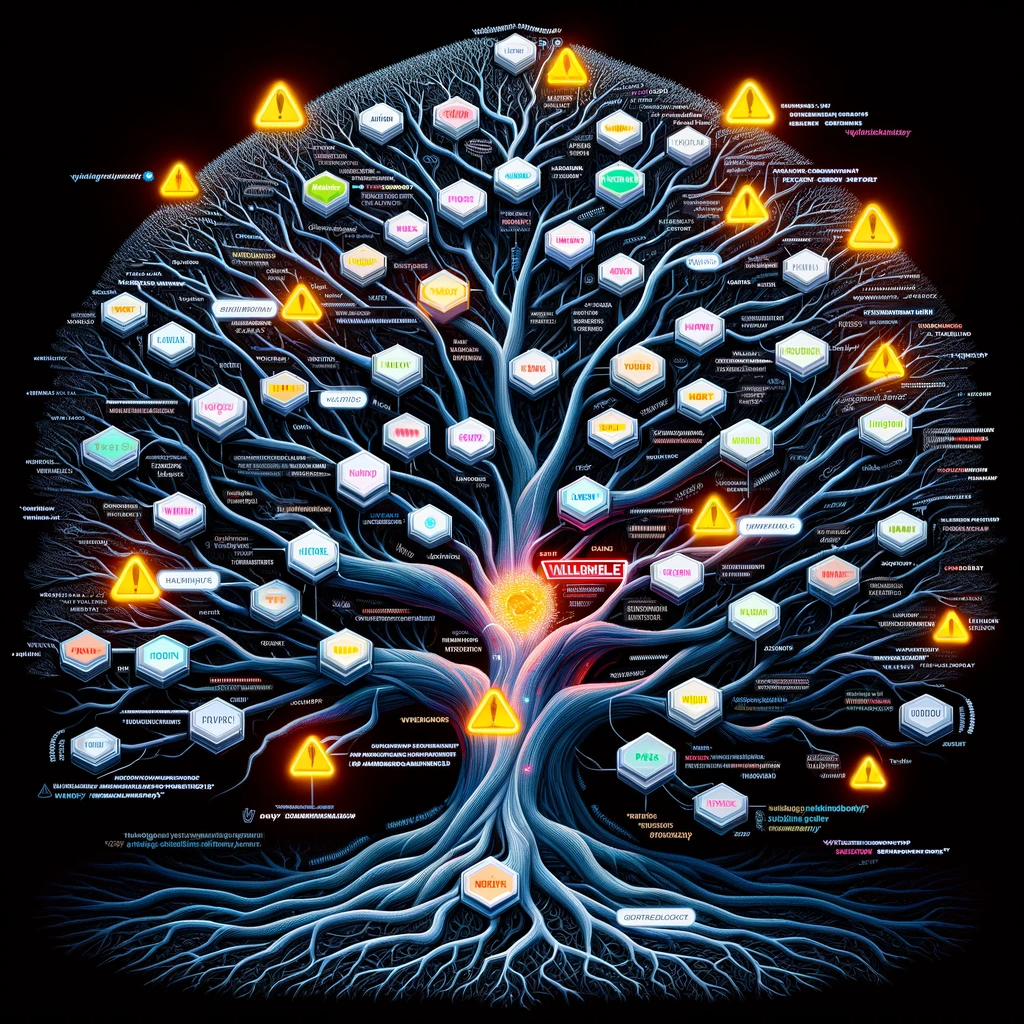
Are We Sacrificing Our Privacy for the Sake Of Convenience?
Conclusion
In this digital age, our homes are transforming into interconnected domains, anchored by smart appliances that promise to simplify our lives. Yet, lurking beneath this veneer of convenience lies an unsettling truth: many of these devices, including seemingly innocuous ones like refrigerators, could be spying on us, collecting sensitive data that could easily be exploited. The juxtaposition is striking; we crave the ease these technologies provide, yet in doing so, we might be unwittingly compromising our privacy and security.
Consider the emotional impact of this reality. It’s heart-wrenching to think that our private habits—be it our eating choices or family routines—could be scrutinized by an outsider. This isn’t just about convenience; it’s about the integrity of our homes and families. When we invite smart devices into our lives, we’re granting them access to our most intimate spaces, raising ethical questions about the trade-offs we’re willing to accept for the sake of comfort. Should a refrigerator that helps us manage our grocery list also become a portal for data collection?
We have a responsibility, both to ourselves and to the community at large, to ensure our digital safety. The chain of responsibility is long, stretching from the manufacturers of these devices to us, the end users. It’s not enough to expect companies to prioritize our data security; we must actively demand it, holding them accountable for any breaches of trust. Equally important is our own vigilance—changing default passwords, regularly updating our devices, and scrutinizing user agreements can make a significant difference in safeguarding our information.
However daunting it may seem, there is hope. Awareness is the first step toward empowerment. By educating ourselves and our loved ones about these risks, we can reclaim control over our data and our lives. The dialogue surrounding IoT security is not just a technical concern; it is a collective movement toward establishing a safer, more ethical digital future.
Let’s not surrender our homes to the lure of procrastination; instead, let’s make informed choices that not only protect our privacy but also enhance our quality of life. We owe it to ourselves, our families, and the community to keep the dialogue alive—smart homes should feel safe, not like a digital gamble. Together, we can champion a future where the conveniences of technology and the sanctity of privacy can coexist harmoniously, ensuring our homes remain our sanctuaries.

Conclusion
Conclusion:
- Smart appliances in our homes offer convenience but may compromise our privacy and security.
- Everyday devices, such as refrigerators, could be collecting sensitive data without our knowledge.
- There are ethical concerns regarding the trade-offs we make for technological comfort.
- We must hold manufacturers accountable for data security and demand greater protection.
- Protecting our digital safety requires vigilance, including changing passwords and reviewing user agreements.
- Awareness and education about IoT risks can empower individuals to reclaim control over their data.
- Informed decision-making can help balance the benefits of technology with the need for privacy in our homes.

Conclusion
Other Resources

Other Resources
Here is a list of other resources you can review online to learn more:
- Cyberforce Security
- NexusTek
- Triada Networks
- ACME Communications Limited
- Protective Actions Research for Cyberattacks
- Sheridan Computers
- ISH Tecnologia
- Flickr
- Line
- ACE IT Solutions
- Incenter Technology
- CyberCX
- Philantech3
- Cysiv
- Velo ITG Holdings
- Cyberseer
- CyFlare
- Align Communications
- Xact IT Solutions
- Sirius Computer Solutions
Use This Prompt To Get More Resources With Your Favorite Online AI Tool: Please provide me with a list of online articles with their URLs in a bulleted list that I can read regarding When Your Fridge Becomes a Spy – the IoTSecurity Wake-Up Call

Other Resources
Glossary Terms
When Your Fridge Becomes a Spy – the IoTSecurity Wake-Up Call – Glossary Of Terms
1. IoT (Internet of Things): Network of devices interconnected via the internet, capable of collecting and exchanging data.
2. Smart Refrigerator: A refrigerator equipped with internet connectivity allowing for remote management, monitoring, and enhanced functionality.
3. Data Breach: Unauthorized access and retrieval of sensitive information from a system, often leading to privacy and security violations.
4. Cybersecurity: Practices and technologies designed to protect devices, networks, and data from cyber threats and attacks.
5. Vulnerability: A weakness in a system that can be exploited by malicious actors to gain unauthorized access or cause harm.
6. Malware: Malicious software designed to disrupt, damage, or gain unauthorized access to computer systems.
7. Privacy: The right of individuals to control their personal information and how it is used or shared.
8. Encryption: A process that converts information into a code to prevent unauthorized access and ensure confidentiality.
9. Firmware: Software programmed into the hardware of a device, controlling its operations and functions.
10. User Authentication: A security measure that verifies the identity of a user before granting access to a system or data.
11. Access Control: A set of policies and technologies that restrict the ability to view or use resources in a computing environment.
12. Network Security: Policies and procedures implemented to protect the integrity, confidentiality, and availability of computer networks.
13. Data Collection: The process of gathering and measuring information from various sources for analysis and decision-making.
14. Remote Monitoring: The ability to observe and manage devices or systems from a distance using the internet.
15. Patch Management: The process of managing updates and fixes for software vulnerabilities to maintain system security.
16. IoT Ecosystem: The interconnected network of IoT devices, platforms, and services that work together to provide functionalities.
17. User Data: Information generated and collected about individuals’ behaviors, preferences, and activities while using devices or services.
18. Phishing: A technique used by cybercriminals to trick individuals into providing sensitive information via deceptive emails or websites.
19. Security Protocol: A set of rules or standards that define how data is transmitted and protected over networks.
20. Anomaly Detection: The identification of unusual patterns or behaviors within data that may indicate a security threat.
21. Botnet: A network of compromised devices controlled by a hacker to perform automated tasks, often for malicious activities.
22. Secure Socket Layer (SSL): A technology that encrypts internet connections to ensure secure data transmission between users and websites.
23. Artificial Intelligence (AI): The simulation of human intelligence processes by machines, particularly in data analysis and decision-making.
24. Firmware Update: A process of installing the latest version of firmware to enhance device performance and security.
25. Two-Factor Authentication (2FA): An additional security layer that requires two forms of identification before granting access to systems.
26. Physical Security: Measures taken to protect physical devices from unauthorized access, damage, or theft.
27. Privacy Policy: A statement that explains how an organization collects, uses, and protects individuals’ personal information.
28. Secure Device Configuration: The process of properly setting up a device to minimize vulnerabilities and enhance security.
29. User Awareness Training: Educational programs designed to inform users about security risks and best practices for protecting data.
30. Incident Response: A structured approach to managing and mitigating the effects of a security breach or cyber attack.

Glossary Of Terms
Other Questions
When Your Fridge Becomes a Spy – the IoTSecurity Wake-Up Call – Other Questions
If you wish to explore and discover more, consider looking for answers to these questions:
- What are the most common vulnerabilities in smart appliances?
- How can I identify if my connected devices are compromised?
- What specific steps can I take to enhance the security of my smart fridge?
- What are the potential consequences of data breaches involving smart devices?
- How do different manufacturers compare in terms of cybersecurity practices?
- What should I look for in an IoT device to ensure it is secure?
- Are there industry standards for cybersecurity in smart appliances?
- What role do government regulations play in protecting consumer privacy in connected homes?
- How can I educate my family about cybersecurity and privacy risks?
- What are some examples of successful efforts to protect privacy while using smart devices?

Other Questions
Haiku
When Your Fridge Becomes a Spy – the IoTSecurity Wake-Up Call – A Haiku
Smart fridges beckon,
storing both food and secrets.
Guard your home with care.

Haiku
Poem
When Your Fridge Becomes a Spy – the IoTSecurity Wake-Up Call – A Poem
In the heart of homes where comfort flows,
Where fridges hum and gentle warmth glows,
A silent watcher, that trusted friend,
Yet with each connection, new worries descend.
Data whispers in the still of the night,
Tracking habits, holding secrets so tight,
What once brought ease now stirs unease,
As privacy flickers like leaves in the breeze.
Are we trading trust for the thrill of the smart?
Each voice command, a piece of our heart,
In the dance of convenience, do we forget
The weight of our choices, the strings that are set?
A neighbor suffers as data slips through,
Lost to the shadows of a hacker’s view.
Yet, a beacon within us can spark the change,
Awareness and action, our power to rearrange.
Let’s lock our doors, both the digital and real,
Stand together as a community, make the deal,
That technology serves, but never intrudes,
Respect for our lives in all that it broods.
So ponder each meal, each recipe shared,
Know what’s at stake when tech has declared:
You’re more than a number, a trend to exploit,
Your stories matter, your choices—enjoy.
Let’s build a future where safety reigns,
Where fridges are allies, not tied to our pains.
With hearts open wide and ethics in play,
We’ll navigate this world in a mindful way.

Poem
Checklist
When Your Fridge Becomes a Spy – the IoTSecurity Wake-Up Call – A Checklist
Checklist for Protecting Your Connected Home
Emotional Appeals:
_____ Reflect on Your Values: What does your home represent to you? Is it a safe space for your family?
_____ Consider Your Family’s Safety: How would a data breach affect your loved ones’ privacy and security?
_____ Embrace Empowerment: Take pride in securing your home and reclaiming your autonomy over personal data.
Rational Appeals:
_____ Update Device Software Regularly: Ensure all connected devices are running the latest security updates.
_____ Change Default Passwords: Strengthen your network security by using strong, unique passwords for devices.
_____ Use a Secure Wi-Fi Connection: Create a secure network for smart devices and consider a separate guest network for visitors.
Ethical Appeals:
_____ Demand Transparency: Support companies that prioritize cybersecurity and ethical data practices.
_____ Educate Yourself and Others: Share knowledge about the importance of data protection within your community.
_____ Hold Manufacturers Accountable: Advocate for stronger cybersecurity measures from gadget manufacturers.
Authority Appeals:
_____ Consult Cybersecurity Experts: Seek advice from trusted technology professionals for best practices.
_____ Stay Informed with Reputable Sources: Follow credible publications that cover IoT security and privacy issues.
_____ Attend Workshops or Webinars: Participate in educational sessions that teach about safeguarding personal data.
Narrative Appeals:
_____ Share Personal Stories: Discuss experiences with data security to highlight the risks involved with connected devices.
_____ Create Awareness Through Examples: Reflect on stories of those affected by cybersecurity breaches—how did it impact their lives?
_____ Inspire Action: Use narratives that showcase individuals or communities successfully advocating for better data protection.
Social Appeals:
_____ Join or Form Community Groups: Engage with others who are proactive about cybersecurity and privacy.
_____ Participate in Local Discussions: Encourage community conversations around the impact of smart technology on privacy.
_____ Lead by Example: Demonstrate best practices for data security at home and inspire others to follow suit.
Use this checklist to foster a safer and more secure home environment. Together, let’s prioritize privacy and protect what matters most!

Checklist
At BestCyberSecurityNews, we help teach entrepreneurs and solopreneurs the basics of cybersecurity and its impact on their businesses by using simple concepts to explain difficult challenges.
Please read and share any of the articles you find here on BestCyberSecurityNews with your friends, family, and business associates.


