Protecting Seniors’ Online Safety: Essential Steps
By Tom Seest
At BestCyberSecurityNews, we help teach entrepreneurs and solopreneurs the basics of cybersecurity and its impact on their businesses by using simple concepts to explain difficult challenges.
Please read and share any of the articles you find here on BestCyberSecurityNews with your friends, family, and business associates.
What Steps Can Seniors Take to Secure Their Digital Presence?
Hey there, friends! Let’s talk about navigating the wild world of the internet, especially if you’re a seasoned individual looking to boost your cybersecurity. Raise your hand if the word “cybersecurity” makes you groan just a bit. You’re not alone! But here’s a little secret: securing your digital presence doesn’t have to be a chore; it can be empowering. Let’s roll up our sleeves and dive into a few straightforward steps that can help you feel more confident online.
First off, think of your passwords as the keys to your digital castle. Each key should be unique and solid enough to keep the ruffians out. Instead of using your pet’s name or your birthdate (we know those are popular choices), consider creating a random phrase or a combo of upper and lowercase letters, numbers, and symbols. Use a password manager to keep track of them. Yes, it’s another app to deal with, but trust me—it’s a lot easier than trying to remember which browser you saved that password on!
Next up, let’s talk about updates. No one likes reminders popping up to update their software, but this is like putting on a raincoat before heading out in a storm. Software updates are designed to patch up holes that hackers love to exploit. So next time that update prompt appears, give it the green light, and know you’re taking a proactive step to bolster your cybersecurity.
Now, how about those emails? If something seems too good to be true—like a long-lost relative leaving you a fortune or an unbelievable deal—you might want to raise an eyebrow. Phishing scams are crafty and can appear legitimate. Always check the sender’s address and never click on links unless you’re certain they’re safe. A healthy dose of skepticism will go a long way in keeping those would-be thieves at bay.
Finally, consider enrolling in a local workshop or online course focused on digital literacy and cybersecurity. Knowledge is power, and the more you learn, the more in control you’ll feel. Connecting with others on this journey—sharing experiences and barriers—can be incredibly reassuring.
So there you have it! A few practical steps to not just secure your online presence but to empower you as well. The digital world can be overwhelming, but with a little strategy, you can claim your space and enjoy all it has to offer. You’ve got this!

What Steps Can Seniors Take to Secure Their Digital Presence?
What Steps Can Seniors Take to Secure Their Digital Presence?
Here’s a bulleted summary of the provided text presented as a formatted HTML list:
- Cybersecurity can be empowering and doesn’t have to feel like a chore.
- Use unique, strong passwords; consider a random phrase or combination of characters.
- Utilize a password manager to keep track of your passwords securely.
- Software updates are critical for patching security holes; don’t ignore them.
- Be cautious of emails that seem too good to be true; check sender addresses and avoid unsafe links.
- Enroll in workshops or online courses for digital literacy and cybersecurity.
- Knowledge and community support can help you feel more in control of your online presence.

What Steps Can Seniors Take to Secure Their Digital Presence?
Table Of Contents
- What Steps Can Seniors Take to Secure Their Digital Presence?
- What Is Digital Security For Seniors?
- Why Is Online Safety Important For Seniors?
- How Can Seniors Create Strong Passwords?
- What Are The Best Practices For Online Privacy?
- How Can Seniors Recognize Phishing Scams?
- What Security Software Should Seniors Use?
- How To Secure Social Media Accounts Effectively?
- Conclusion
- Other Resources
- Glossary Of Terms
- Other Questions
- Haiku
- Poem
- Checklist
What Is Digital Security For Seniors?
Alright, folks, let’s dive into a subject that’s becoming more important every day: digital security for seniors. Now, I know what you might be thinking—“Isn’t that just a bunch of tech jargon for the younger crowd?” But hold on a second! Understanding cybersecurity is not just for the savvy millennials with their fancy gadgets; it’s for everyone, especially those of us who’ve seen a few more sunrises.
Picture this: you’ve just picked up the latest device—be it a smartphone, tablet, or computer—and you’re ready to connect with family, explore hobbies, or maybe share that latest photo of your garden’s glory. But wait! With every tap and swipe, there’s a hidden world of cyber threats lurking around. Cybersecurity is your shield in this vast digital landscape. It sounds technical, but at its core, it’s simply about keeping yourself safe online.
So, what does digital security look like for seniors? First, it’s understanding the basics. Think of it as the equivalent of locking your front door before heading out. You don’t forget the key, right? Likewise, in the digital space, a strong password is your first line of defense. Ditch the obvious choices—like “123456” or “password.” Consider phrases that resonate with you, perhaps a line from a favorite song or a cherished memory.
Another crucial aspect is recognizing the signs of digital fraud. We’re all gifted with intuition. If an email looks wonky or an online offer seems “too good to be true,” trust that gut feeling! Those shady scammers thrive on tricking unsuspecting individuals and exploiting vulnerabilities. By staying vigilant, you can prevent the bad guys from celebrating their little victories.
Now, let’s talk tools. There are plenty of resources out there designed specifically to help seniors navigate this daunting world. From user-friendly security software to community workshops, there’s no shortage of support! And remember, you’re not alone in this journey. Whether it’s reaching out to family for tech tips or joining a local class, every step taken builds your confidence.
So, dust off that keyboard or grab that tablet with pride. Knowing the ropes of digital security doesn’t just protect you—it empowers you. Dive into the digital age with trust in your abilities, and you’ll find that the online world has much to offer. Just remember: a little caution goes a long way, transforming apprehension into mastery!

What Is Digital Security For Seniors?
What Is Digital Security For Seniors?
- Digital security is increasingly important for seniors, not just a topic for younger generations.
- Using technology like smartphones and tablets opens the door to potential cyber threats, making cybersecurity essential.
- Understanding digital security starts with basic knowledge, akin to locking your front door—strong passwords are crucial.
- Seniors should avoid simple passwords and instead use memorable phrases for added security.
- Recognizing signs of digital fraud is vital; trust your instincts if something seems suspicious.
- There are many resources available for seniors, including user-friendly security software and community workshops.
- Being proactive in learning digital security empowers seniors to confidently navigate the online world.

What Is Digital Security For Seniors?
Why Is Online Safety Important For Seniors?
Let’s take a moment to dive into why online safety isn’t just a trendy topic for tech-savvy whippersnappers—it’s a vital concern for all of us, especially for our seniors. In a world where our lives are increasingly played out on digital stages, it’s essential to understand how to navigate these often-treacherous waters. Think about it: retirement communities have transformed into bustling virtual social hubs, where friendships spark over shared memories and old photographs—yet lurking in the shadows are various risks that could steal that joy away.
First off, let’s talk about cybersecurity. If that term feels a bit daunting, you’re not alone. It’s essentially about protecting your online presence from those who may wish to exploit it. More than ever, seniors are encountering scams, identity theft, and phishing attempts that can leave them vulnerable. You know that feeling you get when you’ve just polished off a delicious homemade pie? That warm satisfaction should be felt online too, not anxiety that someone’s trying to slice a piece away from you without asking.
Education is empowerment, and recognizing the importance of online safety can make all the difference. Imagine a grandson or granddaughter showing you how to spot a sketchy email. Instead of a frustrating digital minefield, you become the grandparent who confidently navigates the virtual landscape, sharing wisdom with others at the community potluck—or even online. When you take the time to learn a few digital skills, you’re not just safeguarding yourself; you’re embracing a whole new way to connect with family and friends.
For many seniors, the internet is a lifeline. It’s a platform for maintaining relationships, exploring hobbies, and accessing resources that can improve quality of life. However, without a commitment to online safety, these activities can transform from joyful experiences to unsettling encounters. So, what can you do? Start small. Empower yourself by learning about password security, recognizing red flags in emails, and using privacy settings on social media.
Fostering an environment of awareness and vigilance turns what might be a frightening prospect into an enriching journey. Embrace the challenge, because being safe online means you can keep those cherished connections alive without the worry that someone might come along and take them away. By prioritizing your online safety, you’re not just protecting yourself; you’re paving the way for a brighter digital future for everyone.

Why Is Online Safety Important For Seniors?
Why Is Online Safety Important For Seniors?
- Online safety is a vital concern for everyone, especially seniors, as more of life moves to digital platforms.
- Retirement communities are now vibrant virtual hubs, but they also expose users to various risks.
- Cybersecurity involves protecting online presence from scams, identity theft, and phishing attempts.
- Education in online safety empowers seniors to navigate the digital landscape confidently.
- Understanding digital skills enhances connectivity with family and friends while safeguarding personal information.
- For seniors, the internet serves as a crucial platform for maintaining relationships and pursuing hobbies.
- Learning password security, recognizing email red flags, and adjusting social media privacy settings are essential steps to improve online safety.
Why Is Online Safety Important For Seniors?
How Can Seniors Create Strong Passwords?
Let’s take a moment to chat about something that, let’s be honest, isn’t always the most riveting topic of conversation: passwords. They’re those pesky little key codes that guard your digital front doors, and in today’s world, those doors are swinging wide open for everyone but you if you’re not careful. But fear not! Crafting a strong password can be as satisfying as finding a hidden gem at a thrift store. So, let’s roll up our sleeves and dive into the nitty-gritty of cybersecurity.
First, consider your password as the first line of defense against unwanted visitors. You wouldn’t let just anyone stroll into your home, right? Same goes for your online accounts. Here’s a tip: a good password is like a good recipe—it’s all about the right ingredients! Start with at least 12 characters. The longer, the better. Mix lower and upper case letters, numbers, and special characters. Think of a phrase or a saying that means something to you—a line from a favorite song, or a memorable family saying—then, add a twist. For example, “I love to bake cookies!” could become “IL0v3T0B@k3C00ki3s!” Voilà! A deliciously strong password that’s personal to you.
Now, I get it—those character switches can feel a little tricky at first. But remember, every expert was once a beginner. Practice makes perfect! Write down your new creation in a secure place until it becomes second nature. You wouldn’t throw out that secret family recipe after figuring it out just once, would you? The same goes for your passwords.
Next, consider using a password manager. Think of it as a trusted friend who can store your secrets safely and remind you of them when you forget. These tools can generate strong passwords for you too, so you can spend less time stressing over what to come up with next.
Lastly, don’t forget about two-factor authentication. It’s like locking your door and then installing a deadbolt. That little extra step makes a world of difference.
Here’s the bottom line: creating strong passwords doesn’t have to be a chore. With a little time and practice, you can build a fortress around your online life. And believe me, once you get the hang of it, you’ll be navigating the digital world with the confidence of a pro. So go ahead, take on the challenge; it’s worth every keystroke!

How Can Seniors Create Strong Passwords?
How Can Seniors Create Strong Passwords?
- Passwords are essential for protecting your online accounts from unwanted access.
- A strong password should be at least 12 characters long and mix uppercase, lowercase, numbers, and special characters.
- Use personal phrases or sayings as a foundation for memorable and secure passwords.
- Practice creating and recalling passwords to make them second nature; write them down in a secure location if needed.
- Consider using a password manager to securely store and generate strong passwords.
- Implement two-factor authentication for an added layer of security on your accounts.
- Building strong passwords is manageable and brings confidence in navigating the digital world.

How Can Seniors Create Strong Passwords?
What Are The Best Practices For Online Privacy?
In the wild, wild web we all navigate daily, it’s easy to feel like you’re wandering through a crowded bazaar—everyone’s shouting, trying to catch your attention, and all the while, there’s your personal information just waiting to be snatched like a prized watermelon at a summer fair. Embracing good practices for online privacy can be your sturdy umbrella on a rainy day—keeping you dry, and more importantly, in control.
First off, let’s talk about passwords. They’re like the bouncers at the door of your digital club. You want them to be tough, not easy to flatter into submission. Use a unique password for each account, a digital fortress guarding against prying eyes. And please, add a dash of creativity—combine letters, numbers, and symbols. Make it a wild mix that only you could decipher. Better yet, consider a password manager. These tools can be your allies, generating and storing robust passwords for you, allowing your brain to focus on the finer things in life, like planning your next adventure.
Next, it’s crucial to keep your software up to date. Think of software updates as the upgrades on your tech’s security armor. Cybersecurity relies on keeping those digital doors locked, and updates often fix vulnerabilities that hackers just love to exploit. So, when your device nudges you with a notification that an update is available, go ahead—hit that button!
Now, let’s discuss the web of tracking. Those cookies can be more invasive than a nosy neighbor peering through your window. Familiarize yourself with privacy settings on your browsers and tweak them to limit what data sites can gather about you. You can opt for browsers that prioritize privacy. Sometimes, less common paths can lead to safer destinations.
Lastly, let’s not forget about the power of skepticism. When you get an email that seems just a bit off—an unexpected request or a deal too good to be true—take a step back. Trust your gut and investigate before clicking that link or opening that attachment. Cybersecurity starts with awareness and a healthy dose of caution.
In this digital age, we owe it to ourselves to take these steps—not just for our own peace of mind but for our friends and family. Your online privacy isn’t an abstract concept; it’s your sanctuary in a bustling digital arena. Protect it, nurture it, and it will serve you well.

What Are The Best Practices For Online Privacy?
What Are The Best Practices For Online Privacy?
- The internet is crowded and can feel overwhelming, with personal information at risk of being stolen.
- Use strong, unique passwords for each account, and consider using a password manager for added security.
- Keep software up to date to protect against vulnerabilities that hackers may exploit.
- Be aware of tracking and adjust browser privacy settings to limit data collection.
- Consider using privacy-focused browsers for enhanced security.
- Exercise skepticism with unexpected emails and investigate before clicking links or opening attachments.
- Your online privacy is essential; take proactive steps to protect it for your own safety and that of your loved ones.

What Are The Best Practices For Online Privacy?
How Can Seniors Recognize Phishing Scams?
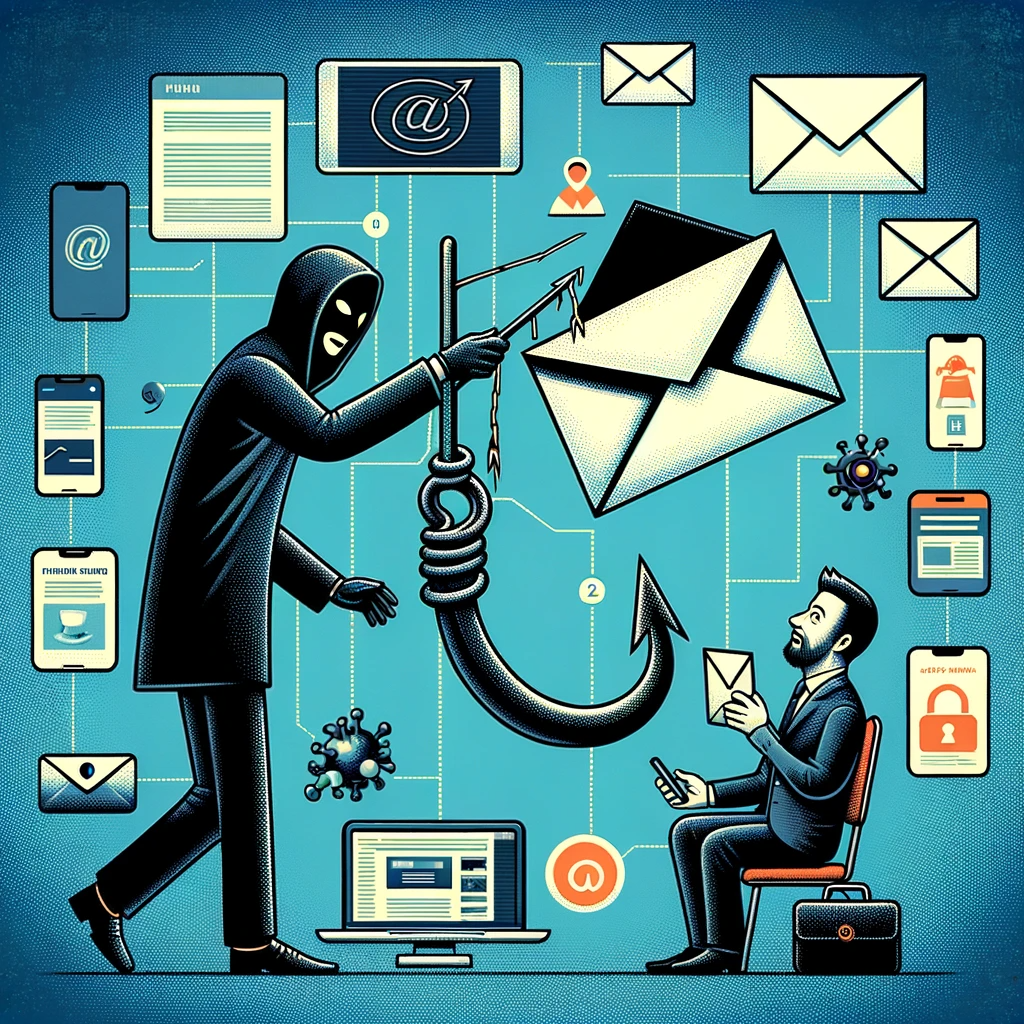
Let’s face it: the internet can be a bewildering place, especially when the latest buzzwords throw around terms like “cybersecurity” as though everyone should already know the lingo. But that’s just it—it’s easy to get lost in the jargon. Phishing scams are like deceitful fishermen, casting their lines with clever bait and hoping you’ll take a nibble. The good news? You don’t have to find yourself on the hook. With a little awareness and a dash of caution, you can navigate these waters more safely.
First, recognize that not all emails are created equal. Trust your instincts—if something feels off, it probably is. Phishing attempts often come from addresses that seem a little “off”—a slight misspelling or an unfamiliar domain can be a red flag. Don’t hesitate to examine the sender’s email address closely. Remember, legitimate organizations will use official domains, not strange variations.
Next, be wary of urgency. Scammers love to push panic buttons, making it sound like immediate action is necessary. Perhaps they claim your bank account will be closed, or a prize awaits—but only if you act fast. Take a deep breath. Real companies understand that rush typically leads to rash decisions, so they won’t pressure you in a panic. Instead, reach out directly to the organization using official contact information you already have. Always double-check!
Now let’s talk about attachments and links. If you receive a message that encourages you to click on anything, treat it like it’s covered in poison ivy. Links can lead you to malicious sites, while attachments may carry harmful software. In computer speak, that’s a one-way ticket to trouble. Instead, use your web browser to navigate to the official site if you suspect legitimacy—no need to take that bait.
Finally, don’t hesitate to lean on your support network. Whether it’s family, friends, or community resources, surround yourself with people who can help you make sense of digital conundrums. Sharing experiences and asking questions can demystify the world of cybersecurity and keep your online life simpler and more secure.
In our high-tech era, knowledge is our best ally. By staying informed and fostering healthy skepticism, you’re arming yourself against these cyber traps. So, put on your metaphorical life jacket, and let’s sail smartly through the sometimes-tricky waters of the digital landscape together. You are not alone, and every step you take in safeguarding your online presence is a step in the right direction.

How Can Seniors Recognize Phishing Scams?
How Can Seniors Recognize Phishing Scams?
- The internet can be confusing with complex terms like “cybersecurity” and “phishing.”.
- Phishing scams mimic deceitful fishermen, luring victims with clever bait.
- Examine email addresses closely; look out for misspellings and unfamiliar domains.
- Be cautious of urgent messages that pressure you to act quickly; verify with official contact methods.
- Avoid clicking on suspicious links or attachments that may lead to harmful sites or software.
- Leverage support from family, friends, or community resources for guidance on cybersecurity issues.
- Staying informed and maintaining skepticism can help you navigate the digital landscape safely.

How Can Seniors Recognize Phishing Scams?
What Security Software Should Seniors Use?
In the fast-paced digital world we live in, stepping online is like walking into a bustling marketplace filled with opportunities—and a few folks who might not have your best interests at heart. For seniors, navigating this arena can feel daunting, especially when it comes to something as critical as cybersecurity. But fear not! You’re not alone on this journey.
First things first, let’s talk about understanding the threats. Cybersecurity may sound like a buzzword that’s reserved for tech-savvy youngsters, but it’s something we all need to grasp. Think of it like locking your front door; it’s about taking necessary precautions to keep the bad guys outside. That said, with a few trusted security software options, you can effectively enhance your online safety without feeling overwhelmed.
Start with an antivirus program. This is your first line of defense—a reliable watchdog that scans for viruses, malware, and other nasties. Look for software that offers real-time protection, automated updates, and a user-friendly interface. Many options cater specifically to seniors, featuring straightforward installation processes and clear instructions. It’s like having a tech-savvy neighbor ready to help whenever you need it!
Next up, let’s not forget about firewalls. These digital barriers protect your personal information, acting like a bouncer at an exclusive VIP club. Windows comes equipped with a built-in firewall, but if you’re looking for an extra layer of security, consider investing in a third-party option. It’s all about setting yourself up for success and breathing a little easier while browsing.
You may also want to consider a password manager. Picture it as a digital Swiss Army knife for all your passwords. Keeping track of multiple passwords can feel like a jigsaw puzzle, but a quality password manager can help you create, store, and manage unique, complex passwords for each of your accounts. Trust me, it’s much safer than writing them down on sticky notes, which might as well come with a neon sign inviting trouble.
Finally, regular updates are your cybersecurity best friends. Keep your operating system and software up to date. It’s a simple task that can make a world of difference in maintaining your online security.
Remember, while the digital landscape may feel overwhelming, staying safe online is a matter of taking deliberate steps and understanding that securing your digital life is well within your reach. So, gear up, explore, and know that with the right security software, you are more than capable of navigating this vast digital expanse with confidence.

What Security Software Should Seniors Use?
What Security Software Should Seniors Use?
- Navigating the digital world can be daunting, especially for seniors.
- Understanding cybersecurity is essential; it’s like locking your front door to keep threats out.
- Antivirus programs are crucial as your first line of defense against malware and viruses.
- Firewalls act as digital barriers to protect personal information and enhance security.
- Password managers help manage and store complex passwords safely.
- Regular updates for your operating system and software significantly improve online security.
- With the right security measures, seniors can confidently navigate the digital landscape.

What Security Software Should Seniors Use?
How To Secure Social Media Accounts Effectively?
How To Secure Social Media Accounts Effectively
In today’s digital landscape, securing your social media accounts is like putting up a solid fence around your home. Every time you log in, you’re inviting the world into your personal space, and while most visitors mean no harm, there are a few digital miscreants just waiting for an opportunity to sneak in. Let’s break it down in a way that’s both straightforward and effective—no tech jargon here.
First things first, let’s talk Cybersecurity. It’s a big word that often sounds daunting, but all it really means is taking the necessary steps to protect your information. Start by creating strong passwords—think of them as the lock on that fence. A good password is like a robust chain link: long, complex, and not easily guessed. Use a mix of uppercase letters, lowercase letters, numbers, and symbols. And please, for the love of all things digital, don’t use “password123” or your dog’s name—those are like leaving the door wide open!
Next up, enable two-factor authentication (2FA). It’s another layer of security that’s like adding a padlock to your fence. With 2FA, even if someone manages to snag your password, they won’t get far without that extra code sent to your phone. It’s a minor inconvenience that goes a long way in protecting your online presence. You wouldn’t leave your home unlocked, would you? The same principle applies here.
Now, let’s talk about what you share. While it’s tempting to post every detail of your life, the more you share, the easier you make it for that pesky character on the other side of the screen. Be mindful of the information you disclose publicly. Scammers can use seemingly harmless details to piece together the puzzle of your life, making you more vulnerable.
Finally, stay updated. Just like you’d want to fix any holes in your fence, regularly updating your privacy settings and monitoring your account activity is crucial. Delve into your account settings like a detective searching for clues. If you see something suspicious, take action—don’t hesitate.
Keeping your social media accounts secure isn’t just a chore; it’s your digital armor in a world full of virtual wildlings. So, roll up your sleeves, take control, and feel good knowing you’re protecting your online self. After all, in the grand digital landscape, you deserve to feel safe and secure in your own online backyard.

How To Secure Social Media Accounts Effectively?
How To Secure Social Media Accounts Effectively?
- Securing social media accounts is essential for protecting personal information.
- Create strong passwords that are long, complex, and difficult to guess.
- Enable two-factor authentication (2FA) for an added layer of security.
- Be cautious about the personal information you share publicly.
- Regularly update privacy settings and monitor account activity.
- Act quickly if you notice any suspicious activity on your accounts.
- Taking these steps helps you feel safe and secure in your online presence.

How To Secure Social Media Accounts Effectively?
Conclusion
Alright, folks, let’s wrap this up with a hearty salute to all the seniors out there tackling the often-confusing world of digital safety! Navigating the internet might sometimes feel like stepping into a chaotic carnival—exciting but fraught with potential pitfalls. But it doesn’t have to be intimidating. In fact, securing your online presence can be an empowering badge of honor, proving that age is just a number when it comes to mastering modern technology.
First things first, let’s talk about passwords. Think of them as the sturdy locks on your digital doors. A strong password keeps unwanted intruders at bay, so toss aside those weak ones and create a robust combination of letters, numbers, and symbols instead. Need help remembering them? Don’t shy away from a password manager. It’s like having a trusty sidekick that will safeguard your secrets and give you peace of mind.
Next up, software updates may feel like annoying pop-ups, but they’re akin to putting on a raincoat before a downpour. Those updates patch up vulnerabilities and ensure you’re always one step ahead of the bad guys. So, the next time your device nudges you, give it a little TLC and hit that update button with confidence.
Now, when emails come knocking at your virtual doorstep, remember: if something smells fishy, it’s probably a phishing scam. Keep your skepticism hat on! Always check the sender’s address and resist the temptation to click any dubious links. A little wariness can save you from a heap of trouble.
Did I mention the value of community and education? Don’t hesitate to lean on local workshops or friendly family members who can help illuminate the tech fog. Knowledge is power, and sharing experiences can demystify the cyber realm, making it less overwhelming for everyone involved.
In closing, stepping into the realm of digital security doesn’t just protect you; it opens up a world of opportunities for connection and exploration. With a few simple strategies, you can thrive online, share cherished memories, and navigate this vibrant digital landscape with the confidence that comes from being well-prepared. So, roll up those sleeves, embrace the challenge, and know that this isn’t just a tech task—it’s a chance to take command of your online narrative. You’ve got this!

Conclusion
Conclusion:
Here’s a bulleted summary in a formatted HTML list:
- Salutation to seniors navigating digital safety, likening it to a chaotic carnival.
- Passwords are essential; use strong combinations of letters, numbers, and symbols.
- Password managers can help securely remember your passwords.
- Software updates are crucial for patching vulnerabilities and enhancing security.
- Exercise caution with emails to avoid phishing scams by checking sender addresses.
- Community workshops and family support can aid in understanding technology.
- Embracing digital security opens opportunities for connection and exploration online.

Conclusion
Other Resources
Other Resources
Here is a list of other resources you can review online to learn more:
- KAMIND IT
- CynergisTek
- Fiberwolf
- Haven Cyber Technologies
- IT Hotdesk
- Velo ITG Holdings
- Netsurion
- Xantrion
- Accenture
- Cyber Defense Labs
Use This Prompt To Get More Resources With Your Favorite Online AI Tool: Please provide me with a list of online articles with their URLs in a bulleted list that I can read regarding What Steps Can Seniors Take to Secure Their Digital Presence?

Other Resources
Glossary Terms
What Steps Can Seniors Take to Secure Their Digital Presence? – Glossary Of Terms
1. Digital Footprint: The trail of data a person leaves online, including websites visited, emails sent, and social media interactions.
2. Privacy Settings: Configurable options provided by online platforms that allow users to control who can see their information and activities.
3. Two-Factor Authentication (2FA): An additional security layer requiring two forms of verification before accessing an account, enhancing protection against unauthorized access.
4. Phishing: A fraudulent attempt to obtain sensitive information like usernames and passwords by masquerading as a trustworthy entity in electronic communication.
5. Malware: Malicious software designed to harm or exploit devices or networks, including viruses, worms, and spyware.
6. Strong Password: A complex password that is difficult to guess, often containing a mix of letters, numbers, and symbols.
7. Password Manager: A software application that stores and manages a user’s passwords for different online accounts, helping generate strong passwords.
8. Social Media Privacy: Measures taken to manage information sharing and visibility on social media platforms to protect personal data.
9. VPN (Virtual Private Network): A service that creates a secure connection over the internet, encrypting data and maintaining privacy while online.
10. Software Updates: Regular updates provided by software developers that fix security vulnerabilities and improve functionality; essential for maintaining device security.
11. Identity Theft: The unauthorized use of someone else’s personal information to commit fraud or other crimes, often facilitated by poor digital security.
12. Encryption: The process of converting information into a code to prevent unauthorized access, crucial for protecting sensitive data.
13. Secure Website: A website that uses HTTPS (Hypertext Transfer Protocol Secure) to ensure data transmission is encrypted and secure.
14. Backing Up Data: The process of creating copies of data to prevent loss due to cyberattacks, device failure, or accidental deletion.
15. Social Engineering: Manipulative tactics used by hackers to trick individuals into divulging confidential information.
16. Public Wi-Fi Security: Measures taken to protect personal information when using public wireless networks, which are often unsecured.
17. Digital Literacy: The ability to understand and effectively use technology and digital tools, essential for navigating online environments safely.
18. Firewall: A network security system that monitors and controls incoming and outgoing network traffic based on predetermined security rules.
19. Ad-blocker: Software that prevents ads from appearing on web pages, helping to enhance online security and privacy by blocking tracking scripts.
20. Online Privacy Policy: A legal statement that discloses the ways a website gathers, uses, and manages user data, important for understanding data handling practices.
21. Secure Cloud Storage: Online data storage services that offer encryption and security measures to protect files stored in the cloud.
22. Digital Scams: Fraud schemes that exploit the internet to deceive individuals, often targeting vulnerable populations like seniors.
23. Browser Privacy Settings: Configurable options in web browsers that control how tracking is performed and what information is shared with websites.
24. Account Recovery: Procedures in place to regain access to an account after being locked out or having forgotten a password.
25. Digital Will: A document outlining how an individual wishes to manage their digital assets and online accounts after death, including access information.
26. Security Breach: An incident where unauthorized access to data occurs, potentially compromising personal and financial information.
27. Online Reputation: The perception of a person based on their digital presence, which can affect personal and professional opportunities.
28. Anti-virus Software: Programs designed to detect, prevent, and remove malware from devices, essential for safeguarding personal information.
29. Hardware Security: Physical security measures that protect devices from theft and tampering, such as locks and encryption chips.
30. Digital Literacy Training: Educational programs aimed at improving individuals’ understanding of technology, focusing on safe and responsible internet usage.

Glossary Of Terms
Other Questions
What Steps Can Seniors Take to Secure Their Digital Presence? – Other Questions
If you wish to explore and discover more, consider looking for answers to these questions:
- What are the most common online threats that seniors face?
- How can seniors identify safe websites?
- What resources are available for seniors to learn more about cybersecurity?
- What should seniors do if they fall victim to a scam?
- Are there specific devices or apps that are more secure for seniors?
- How can seniors protect themselves while using public Wi-Fi?
- What role does family play in helping seniors with digital security?
- How can seniors educate themselves about the latest online threats?
- What are the signs of a secure website?
- How often should seniors update their passwords?

Other Questions
Haiku
What Steps Can Seniors Take to Secure Their Digital Presence? – A Haiku
Seniors online safe,
Craft strong keys, stay aware,
Empower your space.

Haiku
Poem
What Steps Can Seniors Take to Secure Their Digital Presence? – A Poem
A Senior’s Guide to Digital Defense
In the vast expanse of the web so wide,
Seniors traverse where shadows abide.
With laughter and wisdom, they step through the door,
Yet hidden behind screens, dangers galore.
Passwords, the keys to their digital throne,
Should be crafted with care, unique, and alone.
Forget birthdates and pets, let phrases take flight,
With symbols entwined, they’ll guard through the night.
When updates arise, like rain on the street,
Embrace them with grace, keep your software neat.
For each patch that you welcome improves your domain,
Shielding you from the shifty and the profane.
Oh, emails that promise the world yet appear,
Should raise a red flag, foster cautious cheer.
Phishing’s a trick where the cunning will wait,
Trust intuition’s whisper; don’t gamble with fate.
Join workshops and classes, embrace what you learn,
With knowledge as fuel, watch confidence burn.
A bond with community, where tech tips abound,
Turns uncertainty to mastery, security found.
Antivirus and firewalls play their stout role,
As guardians protect what makes you whole.
Two-factor authentication, a lock on the gate,
Adds layers to safety; it’s never too late.
On social media, be mindful and wise,
What you chose to share can expose you to lies.
Secure every detail, keep your life’s tale tight,
For safety in sharing, you’ll shine ever bright.
So here’s to our seniors, navigating with care,
In a digital world, let us all be aware.
With each step taken, a fortress you’ll build,
Empowering your presence, your spirit fulfilled.

Poem
Checklist
What Steps Can Seniors Take to Secure Their Digital Presence? – A Checklist
Checklist for Securing Your Digital Presence as a Senior
1. Create Strong Passwords
_____ Use at least 12 characters combining uppercase and lowercase letters, numbers, and symbols.
_____ Avoid easily guessable passwords (like names or birthdates).
_____ Consider using a memorable phrase as a base for your password (e. g. , a line from a favorite song).
2. Use a Password Manager
_____ Choose a reliable password manager to store and generate strong passwords.
_____ Avoid writing passwords down on sticky notes or easily accessible places.
3. Enable Two-Factor Authentication (2FA)
_____ Activate 2FA on accounts that offer it for an extra layer of security.
_____ Use methods like SMS codes or authentication apps for verification.
4. Keep Software and Systems Updated
_____ Regularly install updates for your operating system and software.
_____ Respond promptly to update notifications to patch vulnerabilities.
5. Recognize Phishing Scams
_____ Be cautious of emails that seem off—check the sender’s email address carefully.
_____ Watch out for urgent requests or offers that seem too good to be true.
_____ Do not click on suspicious links or download attachments from unknown sources.
6. Educate Yourself on Digital Literacy
_____ Enroll in local workshops or online courses focused on digital security.
_____ Share experiences and seek advice from trusted family or friends.
7. Monitor Privacy Settings on Social Media
_____ Review and adjust your privacy settings across social media platforms.
_____ Be selective about the personal information you share online.
8. Use Reliable Security Software
_____ Install a trusted antivirus program for real-time protection against malware and viruses.
_____ Consider enabling firewalls for additional security.
9. Stay Skeptical and Aware
_____ Trust your instincts; if something feels off, take a moment to investigate.
_____ Share your online experiences with others to foster mutual learning about cybersecurity.
10. Reach Out for Help When Needed
_____ Don’t hesitate to ask family, friends, or community resources for assistance if you’re unsure about how to handle a digital issue.
Conclusion
Embrace these essential steps to bolster your digital security and feel more confident online. Regularly review and update your practices to stay ahead of potential threats. You’ve got this!
Checklist
At BestCyberSecurityNews, we help teach entrepreneurs and solopreneurs the basics of cybersecurity and its impact on their businesses by using simple concepts to explain difficult challenges.
Please read and share any of the articles you find here on BestCyberSecurityNews with your friends, family, and business associates.