Protect Yourself: The Deceptive Evolution Of Voice Scams
By Tom Seest
At BestCyberSecurityNews, we help teach entrepreneurs and solopreneurs the basics of cybersecurity and its impact on their businesses by using simple concepts to explain difficult challenges.
Please read and share any of the articles you find here on BestCyberSecurityNews with your friends, family, and business associates.
Voice Scams Are Back – Only Now They Sound Just Like Family
When you pick up the phone and hear a voice that sounds just like your child, your heart flips. You might imagine them in trouble, far from home, with nowhere to turn but to you. You’d do anything to help, wouldn’t you? This is the gut-wrenching reality of the voice scams that have resurfaced, only now they’ve sharpened their claws. They’re not just impersonating strangers; they’re masquerading as the very people you love the most. Gone are the days when scams were easy to spot. Today, they’ve evolved to make you question everything and trust no one.
The truth is, the tacticians behind these scams have done their homework. They use technology and social media to gather details about your family, crafting a chillingly believable narrative. They play on your emotions with stories of accidents, arrests, or urgent financial needs. They evoke fear, that primal instinct that makes you act before you think. In a world where cyber threats lurk at every corner, it’s paramount to arm yourself with knowledge.
It’s not just a matter of being aware; it’s about proactively combating these threats with sound cybersecurity practices. Change those passwords, verify before you trust, and share these tips with your loved ones. Just as you wouldn’t leave the door to your home wide open, the same vigilance is needed to protect your digital life. We often think of cybersecurity as an abstract concept, but here it’s personal. It’s about securing the voices of those you hold dear.
Consider this: we’re all in this together. Scammers thrive on isolation; they want to divide us, erode our support systems. By fostering a conversation about these issues with friends and family, we create a community that’s informed and resilient. Share your experiences, even the close calls, to help build a protective shield around one another. This isn’t just about safeguarding your own family; it’s about ensuring everyone knows the dangers lurking just a phone call away.
Our trust can be a powerful shield against deception, but it has to be earned and maintained through vigilance. As new threats arise, we owe it to ourselves—and to the voices we cherish—to stay alert, stay connected, and protect our loved ones with unwavering tenacity.

Voice Scams Are Back – Only Now They Sound Just Like Family
Voice Scams Are Back – Only Now They Sound Just Like Family
- Voice scams impersonate loved ones, creating an emotional and gut-wrenching experience.
- Scammers now utilize technology and social media to collect personal family details.
- They craft believable narratives involving accidents, arrests, or urgent financial needs.
- Awareness and proactive cybersecurity measures are essential for protection.
- Implement strong password practices and verify identities before trusting calls.
- Fostering open conversations about scams in communities helps build resilience.
- Trust must be earned; vigilance is necessary to protect loved ones from deception.

Voice Scams Are Back – Only Now They Sound Just Like Family
Table Of Contents
- Voice Scams Are Back – Only Now They Sound Just Like Family
- What Would You Do If You Heard a Familiar Voice Asking for Money?
- How Can We Verify the Identity Of a Caller Claiming to Be Family?
- Are You Aware Of the Latest Technology Used In Voice Scams?
- What Ethical Responsibilities Do Companies Have to Combat Voice Scams?
- How Do Voice Scams Exploit Our Trust and Sense Of Family?
- Can You Recall a Time When a Loved One Was Targeted By a Scam?
- How Can Sharing Stories About Scams Help Others Stay Vigilant?
- Conclusion
- Other Resources
- Glossary Of Terms
- Other Questions
- Haiku
- Poem
- Checklist
What Would You Do If You Heard a Familiar Voice Asking for Money?
Imagine you’re walking down a busy street, your mind on your own business, when you suddenly hear a voice—a voice you recognize immediately. It could be a childhood friend, a beloved cousin, or someone from your past who once shared significant moments with you. But instead of a warm greeting, you hear, “I need help. I’m in trouble and could use some money.” Your heart pulls one way, while your head scrambles to analyze the situation. The ethics of aiding someone in need tussle with the rational thoughts swirling around the possibility of deception.
Let’s face it, we all have those moments when our gut instincts kick in. The sudden flutter of anxiety, paired with that urge to help, can leave you reeling. But here’s the twist: how do you really know that familiar voice is genuine? In a world beset with personal and financial risks, including the stealthy menace of cybersecurity threats, discernment is more important than ever. Scams come in many shapes and can target even those closest to us. The comforting cadence of a familiar voice isn’t a foolproof guarantee of authenticity.
We have a social responsibility—to foster a supportive community while maintaining a critical eye. It’s not just about the individual in front of you; it’s about the larger network that exists, the shared humanity that ties us together. If you decide to engage, don’t let the emotional pull override your rationale. Ask questions, dig deeper into the story being told. Is there another way to help? Can you verify their situation through mutual acquaintances or social platforms?
Your instincts might lead you to take immediate action, but pausing to think can be powerful. This moment can become a catalyst for change—not just for the person asking for assistance, but for your own sense of accountability and awareness.
By thoughtfully engaging with those in need, while balancing emotion with caution, you can channel your kindness into meaningful support. Understanding the risk and responsibility allows you to simultaneously uplift someone in crisis and safeguard your own well-being—and maybe even inspire others to do the same. It’s a delicate dance, but one worth mastering in the beautiful mosaic of human connection.

What Would You Do If You Heard a Familiar Voice Asking for Money?
What Would You Do If You Heard a Familiar Voice Asking for Money?
- Recognition of a familiar voice leads to a plea for help, creating an emotional conflict.
- Balancing the urge to assist with the potential for deception is crucial.
- Scams can target anyone, emphasizing the need for discernment in today’s world.
- Our social responsibility involves supporting the community while staying critical.
- Engagement should include questioning and verifying the situation before acting.
- Pausing to think can transform an instinctive reaction into a powerful decision.
- Thoughtful engagement fosters kindness while protecting personal well-being and encouraging collective responsibility.

What Would You Do If You Heard a Familiar Voice Asking for Money?
How Can We Verify the Identity Of a Caller Claiming to Be Family?
When you answer the phone and hear “It’s me, your cousin,” it’s easy to fall into the comfort of familiarity. Family holds a special place in our hearts, an anchor that provides safety in a chaotic world. But sometimes, that warmth transforms into vulnerability, especially when a caller lacks the credentials to prove their identity. If you’re wondering how to separate the true family from the impersonators, the answer needs to hit you right in the gut.
Picture this: You receive a distressed call from someone claiming to be your brother, saying he’s in trouble and needs money fast. The urgency tugs at your heartstrings, making it hard to think clearly. In that moment, your emotional instincts could lead you down a dangerous path. But here’s where rationality must step in like a good friend at the bar, nudging you awake from the emotional haze. Cybersecurity isn’t just a buzzword for tech gurus; it’s a necessity for everyone in our hyper-connected world.
Take a moment to gather your thoughts and assess the situation. Ask questions that only your real family would know the answers to—like that inside joke from childhood or the name of your first pet. This is not just about protecting yourself; it’s about honoring the dignity and trust that exists within your family bonds. If the caller struggles to answer these questions, like a cowpoke at a carnival trying to find his lost hat, it’s a clue that something’s off.
But what about the ethical angle? We have a duty to protect our loved ones, and that responsibility extends to ensuring that our actions don’t lead us astray. Remember, scammers often prey on our good nature, masquerading as a family member in distress. It’s up to you to draw the line and ensure your love doesn’t become mistaken for gullibility.
Finally, consider the broader social implications of our actions. By being cautious and verifying identities, we not only safeguard ourselves but also send a message to our loved ones: “I care enough to protect our bond.” In this digital age, that confidence in our ability to discern truth from deception strengthens the ties that bind us, reinforcing the notion that family is worth the effort. So, the next time that familiar voice rings out from your phone, take a moment to ensure you’re leaning into love—not illusion.

How Can We Verify the Identity Of a Caller Claiming to Be Family?
How Can We Verify the Identity Of a Caller Claiming to Be Family?
- Receiving a call from a familiar voice can create a sense of comfort and safety.
- Vulnerability may arise when the caller’s identity is uncertain, requiring discernment.
- Emotional instincts may cloud judgment, especially during urgent calls from alleged family members.
- Rational thinking and verification are essential to avoid falling for scams, despite emotional pulls.
- Asking personal questions can help confirm true identity and maintain family trust.
- Recognizing that scammers exploit familial ties underscores the importance of remaining cautious.
- Verifying identities not only protects individuals but also reinforces family bonds in a digital age.

How Can We Verify the Identity Of a Caller Claiming to Be Family?
Are You Aware Of the Latest Technology Used In Voice Scams?
In an age where technology advances at lightning speed, staying informed about the latest tools used in voice scams has never been more critical. Imagine receiving a call that sounds just like a loved one, their voice unmistakable, but something feels off. That’s the terrifying reality we face with emerging technologies. Voice cloning, powered by artificial intelligence, has reached a level where it can mimic voices so accurately that it could fool even the closest friends and family. What used to be the stuff of science fiction is now knocking at our front door, and we must be ready to answer.
From a cybersecurity perspective, the implications are staggering. Voice scams aren’t just pranks; they can lead to financial ruin and emotional devastation. It’s a gamble with trust—the foundation of our relationships. When scammers employ these high-tech tools, they exploit our empathy and our willingness to help. It’s a sickening thought that someone would use technology, which we typically associate with progress and connection, to exploit the vulnerabilities of human emotion. This isn’t just about stolen money; it’s about shattered trust and the gnawing fear of betrayal.
Think about it: if you felt secure about every call you took or every message you received, how would that change your interactions? Trust is not just a virtue; it’s an essential nutrient for thriving communities. When scammers erode that trust, they weaken the bonds that tie us together, feeding on our natural instinct to respond to a familiar voice. The ethical implications of this technology can’t be overlooked. Are we prepared to allow the ruthless to wield tools that cause harm, while the rest of us navigate this minefield with caution?
Finally, we must engage in conversations about this. Share stories with friends, families, and colleagues. Awareness is our first line of defense. By fostering an open dialogue about voice scams, we create a social fabric that is resilient against manipulation. Each of us has a role to play in this fight; ideas and information shared can bolster our collective security. So, whether it’s setting up better cybersecurity measures for your devices or simply being cautious about unknown calls, every action counts. Trust your instincts, and encourage your loved ones to do the same. Together, we can outsmart the scammers one call at a time.

Are You Aware Of the Latest Technology Used In Voice Scams?
Are You Aware Of the Latest Technology Used In Voice Scams?
- Rapid advancements in technology make awareness of voice scams crucial.
- Voice cloning using AI can mimic loved ones’ voices with alarming accuracy.
- Voice scams can lead to financial loss and emotional harm, challenging trust in relationships.
- Scammers exploit empathy, using advanced tools to manipulate human emotions.
- Trust is essential for community well-being, and scams erode these bonds.
- Open conversations about voice scams can strengthen social resilience against manipulation.
- Awareness and caution in responding to calls are vital; collective action can combat scammers.

Are You Aware Of the Latest Technology Used In Voice Scams?
What Ethical Responsibilities Do Companies Have to Combat Voice Scams?
As we navigate the murky waters of a digital age, one thing becomes crystal clear: the responsibility to combat voice scams rests squarely on the shoulders of companies. Each day, malicious actors wield the power of technology like a weapon, exploiting vulnerability for profit. It’s time for companies to step up, push past apathy, and recognize that ethical responsibility isn’t just a checkbox; it is a commitment that demands action.
Let’s stop for a moment and think about the individuals behind those voices. Each victim of a voice scam isn’t just a statistic; they are mothers, fathers, children, friends—hardworking people who fell prey to a sophisticated con. The emotional toll of being scammed is profound. Trust is shattered, confidence is eroded, and in some cases, lives are changed forever. Companies must grasp that they possess the tools to not only prevent these scams but also protect the very fabric of trust in our society.
Rationally speaking, investing in robust cybersecurity measures is not just the right thing to do; it’s smart business. A reputation can crumble as quickly as a bad phone call can ruin a day. Taking proactive measures against voice scams not only shields customers but also solidifies a company’s standing as a trustworthy entity. Imagine a world where a business prioritizes the safety of its clients. That world isn’t just a dream; it’s achievable through a commitment to ethical practices.
But ethics isn’t just about money or reputation; it’s about being a responsible member of the community. By creating educational programs, companies can empower individuals to recognize the signs of scams, effectively transforming victims into informed consumers. This is where authority comes into play. With proper training and resources, businesses can serve as beacons of knowledge, guiding people away from the pitfalls of voice scams.
The narrative we should all strive for is one of uplifting human connection. Imagine suppliers, manufacturers, and service providers banding together to forge an impenetrable line of defense against scammers. When companies lean into this collaborative spirit, they foster a sense of social responsibility.
Let’s not wait for tomorrow. The time for change is now. Each company has the ability—and, more importantly, the duty—to combat voice scams. Because in the end, protecting our community isn’t just a responsibility; it’s an honor. Take action because trust isn’t just earned; it’s lived.

What Ethical Responsibilities Do Companies Have to Combat Voice Scams?
What Ethical Responsibilities Do Companies Have to Combat Voice Scams?
- Responsibility to combat voice scams rests with companies, not just individuals.
- Malicious actors exploit vulnerabilities, prompting the need for companies to take action.
- Voice scam victims are real individuals, experiencing profound emotional toll.
- Investing in robust cybersecurity is both ethical and beneficial for business reputation.
- Companies can empower consumers through educational programs about recognizing scams.
- Collaboration among businesses fosters social responsibility and protects communities.
- The time for action is now; protecting trust in the community is a vital honor for companies.

What Ethical Responsibilities Do Companies Have to Combat Voice Scams?
How Do Voice Scams Exploit Our Trust and Sense Of Family?
Picture this: Your phone rings, and on the other end, a voice that sounds remarkably like your loved one reaches out in distress. “Help me! I’ve been in an accident!” Your heart races, every instinct sharpens, and you find yourself locked in a moment of sheer panic. It’s a scenario that’s more common than you might think, a calculated exploit of our inherent trust and love for one another.
These voice scams are not just about stealing money; they prey on the very essence of our familial bonds. The staggering reality is that scammers have become remarkably adept at mimicking voices, dipping into technology that creates a near-perfect digital rendition of someone you hold dear. The emotional toll is profound. It’s not just about what they take but what they instill in us: fear and doubt. Our brains, wired to protect those we love, override our skepticism, often shoving logic aside in favor of the gut-wrenching urgency that family evokes.
It’s a raw nerve, and the criminals know it. They exploit the social fabric of our lives, creating narratives that tug at our heartstrings. “I can’t involve the police,” they often say, tugging us deeper into their web. The rational response that tells us to verify quickly evaporates in the tension of the moment, replaced by an overwhelming desire to help. Suddenly, money, which usually requires careful consideration, is transferred in a blind act of love.
Ethically, we face a dilemma. We have every right to protect our families, yet how do we reconcile that instinct with the cold reality of a growing number of scams? Cybersecurity may not be a comfortable topic at dinner, but it’s crucial to have these conversations and educate each other about the dangers lurking just a phone call away. We must make awareness a part of our family narratives, share experiences, and cultivate a healthy skepticism, not just about the unknown, but about the familiar.
The truth is, trust is a precious commodity. It’s what holds families together but can just as easily be exploited by those who lurk in the shadows. If we invest in learning how these scams work, we empower ourselves and our loved ones to deflect them. By doing so, we don’t just protect our wallets but also fortify the bonds that truly matter. So, let’s reconnect with those we cherish and fortify our defenses against those who seek to tarnish that trust. After all, love should never come with a price tag.

How Do Voice Scams Exploit Our Trust and Sense Of Family?
How Do Voice Scams Exploit Our Trust and Sense Of Family?
- Scammers exploit our emotional connections, using impersonation to create panic and urgency.
- Voice scams are designed to manipulate familial trust, causing fear and doubt in victims.
- Advanced technology allows scammers to mimic voices convincingly, making the threat more potent.
- Victims often feel compelled to act quickly, prioritizing an emotional response over rational verification.
- Discussing cybersecurity and awareness about voice scams is essential for family safety.
- Building skepticism towards both the unknown and familiar can help protect against exploitation.
- Education on these scams empowers families to safeguard their relationships and finances.
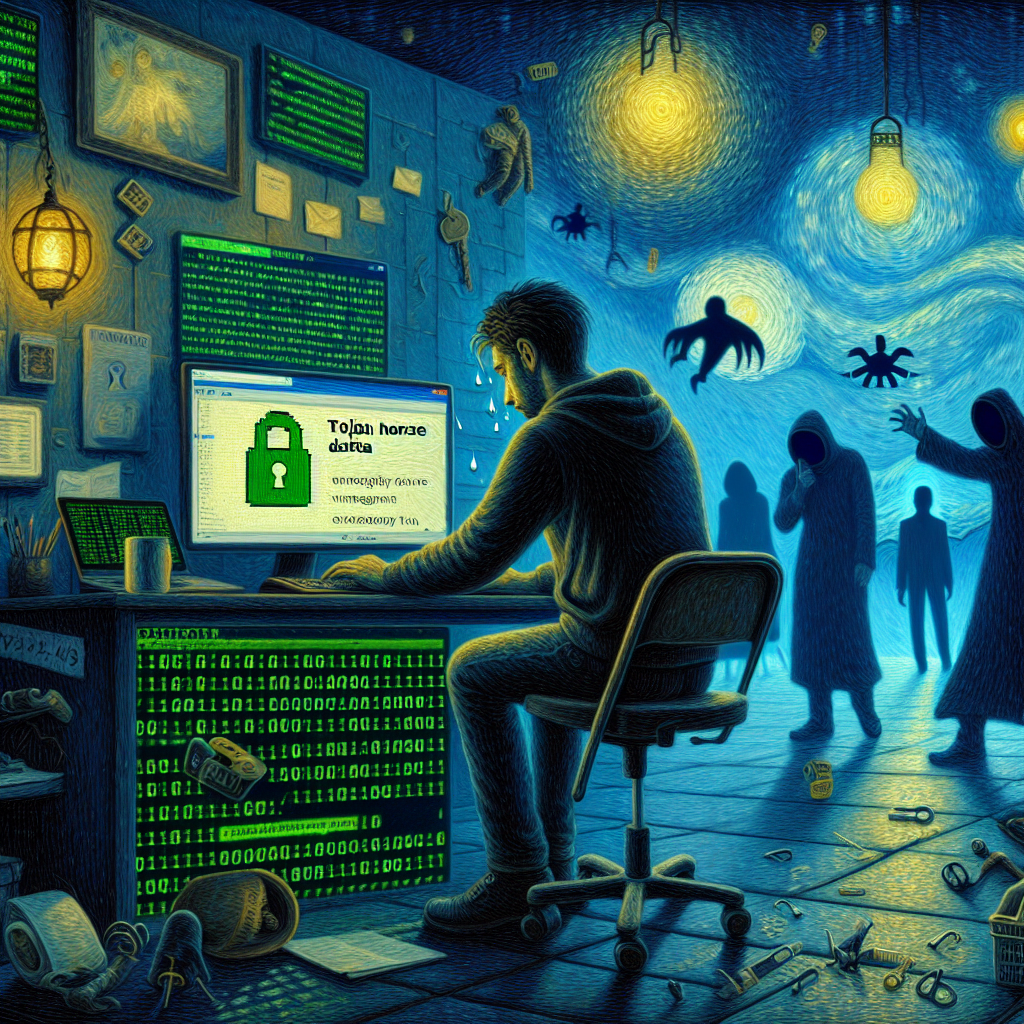
How Do Voice Scams Exploit Our Trust and Sense Of Family?
Can You Recall a Time When a Loved One Was Targeted By a Scam?
It’s a scene that stays with you, an image etched in the mind like a stubborn stain on your favorite shirt. You’ve just finished a long day, perhaps you’re settled in with a book, when your phone buzzes. An anxious voice on the other end, familiar yet quivering, reveals the unthinkable: a loved one has fallen victim to a scam. In that moment, your heart aches, your gut churns, and your head races to understand how this could have happened.
Think about it: we live in a world brimming with information, where cybersecurity measures are at our fingertips. Yet, the malicious hands of a scam artist often slip through the cracks, finding their way to those we hold dear. They don’t just target our finances; they prey on trust, emotions, and the vulnerability that arises from genuine connection. It’s an insidious dance, and it’s heartbreakingly effective.
Take a moment to consider the last time you were warned about a scam. You likely brushed off the advice, feeling invulnerable, thinking “That could never happen to me—or anyone I know.” But it does happen. The story of your loved one serves as a reminder that these scams are not just faceless transactions; they represent a betrayal of trust, an ethical dilemma wrapped in the disguise of compassion and help. When a trusted individual falls prey to a scam, we all feel the fallout. It ripples through families, turning joy into suspicion and safety into unease.
There’s a lesson baked into this painful experience: we must do better. As a society, we have a responsibility to empower those around us. We can talk openly about the dangers that lurk online, share resources for cybersecurity, and remind each other of the importance of skepticism, especially when it comes to unexpected requests for money or sensitive information. Your story isn’t just a cautionary tale—it’s a call to arms.
So let’s rally together. Let’s actively engage in these conversations, drawing on our collective experience to educate ourselves and others. Together, we can create a foundation of knowledge and trust, fortifying our loved ones against the susceptibility that so many have faced. Your vigilance could be the safety net that prevents another family from experiencing that gut-wrenching phone call.

Can You Recall a Time When a Loved One Was Targeted By a Scam?
Can You Recall a Time When a Loved One Was Targeted By a Scam?
- Receiving a distressing call reveals a loved one’s victimization by a scam.
- Scams exploit trust, emotions, and vulnerabilities, targeting individuals rather than just finances.
- Many people underestimate their risk of falling victim to scams, believing it won’t happen to them.
- Scams create a ripple effect, turning family joy into suspicion and safety into anxiety.
- Society has a responsibility to empower individuals with knowledge about online dangers and cybersecurity.
- Open conversations about scams and sharing resources can help enhance awareness and skepticism.
- Collective vigilance can serve as a protective net, potentially preventing future scam-related distress.

Can You Recall a Time When a Loved One Was Targeted By a Scam?
How Can Sharing Stories About Scams Help Others Stay Vigilant?
When it comes to the digital world, we often think of cybersecurity as a hard shell encasing our sensitive data. But behind that shell, there are stories—real-life accounts of distress, confusion, and sometimes, sheer devastation. Sharing these stories is more than just rattling off bullet points about scams; it’s about weaving a tapestry of human experience that can connect us, teach us, and ultimately, protect us.
Have you heard about that unsuspecting grandmother who lost her life savings to a phone scam? Or the eager college student who fell prey to an online rental fraud? These aren’t just cautionary tales; they serve as poignant reminders of our vulnerability in a rapidly evolving digital landscape. When we share these stories, we acknowledge our common humanity—our fears, our pride, and our occasional lapses in judgment. We show one another that it could happen to any of us, building a sense of trust and solidarity.
On a rational level, these narratives offer critical insights into the mechanics of scams. By discussing how one person got swindled, we dissect the methods and mindsets of those who commit these cyber crimes. This knowledge arms us with the ability to recognize red flags before it’s too late. Understanding how scams operate doesn’t just appeal to our intellect; it prompts us to be proactive. When we talk about these experiences, we cultivate a culture of awareness and vigilance, urging those around us to take cybersecurity seriously.
Ethically, sharing stories about scams highlights our responsibility to protect not just ourselves, but our families, friends, and communities. By creating a safe space to discuss these issues, we empower each other to ask questions, seek help, and take preventive measures. It’s about forging connections that transcend fear; it’s about making skilled and informed decisions.
Finally, let’s not underestimate the power of community. When we unite to share these cautionary tales, we amplify their impact. Each story echoed within our circles sends a ripple effect, reaching others who might be teetering on the brink of a similar misstep. So let’s be vigilant together. Share your stories, listen to others, and build a fortress of shared knowledge that not only protects but also strengthens our collective resolve against the ever-evolving threats in the realm of cybersecurity.

How Can Sharing Stories About Scams Help Others Stay Vigilant?
How Can Sharing Stories About Scams Help Others Stay Vigilant?
- Cybersecurity is often viewed as a protective barrier for sensitive data, but it encompasses deeper human experiences.
- Real-life stories highlight the emotional toll of scams, reminding us of our vulnerabilities in a digital age.
- Sharing these experiences fosters a sense of community and trust, indicating that anyone can fall victim to scams.
- Discussing narratives of fraud helps us understand the methods used by scammers and equips us to identify warning signs.
- Being aware of how scams operate encourages a proactive approach to cybersecurity and promotes vigilance.
- Ethically, sharing stories urges us to protect our loved ones and to create open dialogues about digital safety.
- Collective storytelling enhances awareness, allowing us to build a supportive network that guards against evolving threats.

How Can Sharing Stories About Scams Help Others Stay Vigilant?
Conclusion
The evolution of voice scams has become a chilling reminder of the vulnerabilities that lurk within our quest to protect the ones we love. These scams now exploit something deeply human—our innate trust and affection for our family. Imagine the gut-wrenching moment when you pick up the phone only to hear a familiar voice pleading for help. The instinct to respond—a visceral pull towards your loved one—can easily drown out your rational defenses. Here lies the cunning strategy of these scammers, who utilize technology to create a near-perfect illusion, blending ethics and emotion in ways that leave little room for skepticism.
As we navigate this treacherous territory, it’s crucial to acknowledge that being wise isn’t merely a personal responsibility; it’s a collective one. This isn’t just about shielding your own family. It requires us to weave a safety net woven from a community of informed individuals who look out for one another. By sharing stories and encouraging conversations about scams, we foster a culture where awareness thrives. It becomes a form of empowerment, urging us to remain vigilant and skeptical, even when a voice we know and love beckons for help.
Rationally speaking, companies too carry an ethical burden. They hold the power to educate and equip us against these scams. A business’s commitment to cybersecurity isn’t just a strategy for success; it reflects a deeper moral obligation to its stakeholders. When they invest in protecting their clients, they’re helping to fortify the very trust that binds product and consumer, friend and family. In a world where scammers manipulate technology to breach our defenses, proactive measures—like enhanced security protocols and public awareness campaigns—are not just options; they are obligations.
The personal and societal impact of these scams resonates deeply, transforming lives and shaking the very foundation of familial trust. As we educate ourselves and reach out to those within our circles, we build a resilient community prepared to face deception with both tenacity and compassion. Our response shouldn’t just be to brace for impact but to rise together, one story, one lesson at a time, creating a fortress of support that secures our loved ones against manipulation.
In the end, the struggle against these deceptive voices is not just about money. It’s about preserving the connections that define us—trust, loyalty, and love. So let’s commit to staying alert and nurturing an open dialogue about the threats that dwell within our digital age, ensuring that the voices we cherish remain free from the grasp of fraud and deception.

Conclusion
Conclusion:
- Voice scams exploit human trust and affection for family, making it easy to fall victim.
- Scammers blend ethics and emotion to create convincing illusions that challenge skepticism.
- A collective responsibility exists to protect not just individual families, but communities.
- Sharing stories and fostering conversations about scams encourages awareness and vigilance.
- Companies have an ethical obligation to educate their customers about scam prevention.
- Proactive measures, such as enhanced security and awareness campaigns, are essential obligations for businesses.
- The fight against scams is about preserving connections of trust, loyalty, and love within families and communities.

Conclusion
Other Resources

Other Resources
Here is a list of other resources you can review online to learn more:
- BAE Systems Managed Security Services
- Mastodon
- Dataprise
- CTG Tech
- Zyston
- LB3 Technologies
- Verizon Managed Security Services
- WatchTower
- KPMG
- Infiltration Labs
- CyberMaxx
- Shatter IT
- Orange Cyberdefense
- Choice Solutions
- Sheridan Computers
- Back IT Up
- Waident Technology Solutions
Use This Prompt To Get More Resources With Your Favorite Online AI Tool: Please provide me with a list of online articles with their URLs in a bulleted list that I can read regarding Voice Scams Are Back – Only Now They Sound Just Like Family

Other Resources
Glossary Terms
Voice Scams Are Back – Only Now They Sound Just Like Family – Glossary Of Terms
1. Voice Scam: A fraudulent scheme using phone calls to deceive individuals, often impersonating trusted figures.
2. Impersonation: The act of pretending to be someone else to gain personal information or financial benefit.
3. Phishing: A method of attempting to acquire sensitive information by masquerading as a trustworthy entity.
4. Spoofing: The practice of disguising a communication from an unknown source as being from a known, trusted source.
5. Linguistic Analysis: The study of speech patterns and language use to detect potential deception or fraud.
6. Synthetic Voice: A computer-generated voice that mimics the sound and cadence of real human voices.
7. Social Engineering: The psychological manipulation of people into providing confidential information.
8. Caller ID: A telephone service that identifies the calling party and can be spoofed to display false information.
9. Scam Alert: A notification or warning about the presence of a fraud scheme or scam.
10. Emotional Manipulation: The use of psychological tactics to influence emotions and compel individuals to act against their interest.
11. Target Audience: The specific group of individuals that scammers aim to defraud, often based on demographic factors.
12. Con Artist: A person who gains the confidence of others to commit fraud or deceit.
13. Red Flags: Warning signs or indicators that suggest a situation may be fraudulent.
14. Financial Fraud: Any act that results in financial gain through deceptive means, often involving theft or scams.
15. Trust Factor: The degree to which an individual is willing to believe or rely on the information or persona presented by the caller.
16. Scam Prevention: Strategies and measures taken to reduce the risk of falling victim to scams.
17. Verification: The process of confirming the identity of a caller through various means to ensure their legitimacy.
18. Robocall: An automated phone call that delivers a recorded message, which may be used for scams.
19. Fraudulent Claims: False statements made to deceive others for personal gain, typically involving financial benefits.
20. Crisis Scenario: A fabricated emergency situation presented by scammers to induce panic and prompt quick action.
21. Privacy Settings: Configurations that control the sharing of personal information, which can help protect against scams.
22. Identity Theft: The unauthorized use of someone else’s personal information, often for financial advantage.
23. Legitimacy Test: Methods used to ascertain the authenticity of a call or the caller’s claims.
24. Emotional Appeals: Techniques used in communication to evoke sympathy or urgency, pressuring the victim to comply.
25. Consent: Permission given by an individual, often intricately sought by scammers to exploit trust.
26. Fraud Awareness: Being informed about common scam tactics to better identify and avoid them.
27. Communication Channels: Various platforms or methods used for conveying information, including phone calls.
28. Scammer Profile: The typical characteristics, tactics, or behaviors exhibited by individuals who commit scams.
29. Reverse Lookup: A service that allows users to identify the source of a phone number, which can help in scam detection.
30. Reporting Mechanism: A process through which victims can report scams to authorities or organizations for awareness and investigation.

Glossary Of Terms
Other Questions
Voice Scams Are Back – Only Now They Sound Just Like Family – Other Questions
If you wish to explore and discover more, consider looking for answers to these questions:
- What are some examples of common voice scams in today’s world?
- How can I educate my family about the risks of voice scams?
- What specific cybersecurity measures can individuals take to protect themselves?
- Are there resources or organizations dedicated to combatting voice scams?
- What should I do if I suspect I’ve received a scam call?
- How can I help a loved one who has been targeted by a scam?
- What are the signs that a call might be a scam, even if the voice sounds familiar?
- How can community awareness and discussions help prevent voice scams?
- What role do telecommunications companies play in preventing voice scams?
- What are the latest technological advancements in voice cloning and its implications for security?
- How do scammers typically gather information about their victims?
- What ethical considerations should companies prioritize when developing technology to prevent scams?
- How can we balance the desire to help with the need for skepticism in urgent situations?
- What steps can I take to report scams and help law enforcement?
- How can sharing personal experiences regarding scams create a support network?

Other Questions
Haiku
Voice Scams Are Back – Only Now They Sound Just Like Family – A Haiku
Familiar voices,
Trust and fear intertwining,
Guard love with knowledge.

Haiku
Poem
Voice Scams Are Back – Only Now They Sound Just Like Family – A Poem
In a world where voices echo, familiar and dear,
A whispered plea rings out, igniting gut-wrenching fear.
“Help me, I’m in trouble,” the tones distort trust,
Yet clarity fades in a haze of must.
With technology’s prowess, the line’s become blurred,
Scammers now mimic the voices we’ve heard,
Our hearts pound in panic, as love turns to doubt,
In a blink, our defenses begin to fall out.
The stories unfold, tales both poignant and raw,
A grandmother’s sorrow, a college student’s flaw.
We gather wisdom from shadows of pain,
Sharing our narratives, a protective chain.
Ethically charged, companies must heed,
The weight of their actions—a communal need.
Investing in knowledge, we’re stronger as one,
Awareness is armor; together, we’ve won.
So pause before trust, let reason take flight,
Verify before you leap, for love’s not a blight.
In echoing voices, a warning—and grace,
A call to unite and safeguard our space.
For bonds that we cherish can withstand the strain,
Empowered through knowledge, we dance in the rain.
Let’s weave our stories, stand vigilant and bold,
In love’s true embrace, let trust never fold.

Poem
Checklist
Voice Scams Are Back – Only Now They Sound Just Like Family – A Checklist
Protect Yourself: Voice Scams Awareness Checklist
Emotional Appeals
_____ Recognize Your Feelings: Acknowledge that trust and love can cloud judgment; remember to pause when emotional triggers arise.
_____ Identify Moments of Vulnerability: Reflect on personal examples when you felt compelled to help a loved one in distress; how did it affect your decision-making?
Rational Appeals
_____ Verify Before Trusting: Always confirm the identity of the caller by asking personal questions only they would know.
_____ Stay Informed: Research recent scams and technological advancements in voice manipulation to recognize potential threats.
Ethical Appeals
_____ Understand Your Responsibility: Accept the ethical obligation to protect yourself and others from scams; discuss the risks openly with family and friends.
_____ Encourage Open Conversations: Create an environment where discussing scams and cybersecurity is normalized and encouraged in your social circles.
Authority Appeals
_____ Learn from Trusted Sources: Follow cybersecurity experts and organizations that provide insights into voice scams and prevention strategies.
_____ Participate in Educational Programs: Attend workshops or webinars on cybersecurity organized by local community centers or schools.
Narrative Appeals
_____ Share Personal Stories: Talk about experiences (yours or others’) with scams to highlight their emotional and financial consequences.
_____ Engage in Peer Storytelling: Create a group where friends and family can share cautionary tales that promote awareness.
Social Appeals
_____ Foster Community Vigilance: Encourage a collective effort in your community to stay alert and vigilant against scams.
_____ Utilize Social Media: Share information about scams on your social platforms to raise awareness among your network.
Action Tips
_____ Change Passwords Regularly: Keep your accounts secure by using unique and strong passwords.
_____ Reflect on Communication Patterns: Before reacting to requests for money from family, consider their usual communication methods.
_____ Encourage Group Check-ins: Establish a protocol to check in with family members who might be vulnerable to scams.
Final Reminder
_____ Strengthen Relationships: Use this opportunity not only to safeguard your finances but also to build stronger familial and community bonds through shared understanding and vigilance.

Checklist
At BestCyberSecurityNews, we help teach entrepreneurs and solopreneurs the basics of cybersecurity and its impact on their businesses by using simple concepts to explain difficult challenges.
Please read and share any of the articles you find here on BestCyberSecurityNews with your friends, family, and business associates.