The Silent Chaos: Unraveling The Cyber Pandemonium
By Tom Seest
At BestCyberSecurityNews, we help teach entrepreneurs and solopreneurs the basics of cybersecurity and its impact on their businesses by using simple concepts to explain difficult challenges.
Please read and share any of the articles you find here on BestCyberSecurityNews with your friends, family, and business associates.
The Cyber Traffic Jam – How Hackers Shut Down the Internet
Picture this: A cold winter’s night. Families across the country, nestled together, binge-watching their favorite shows or video chatting with loved ones. The digital world hums along, turning our homes into vibrant hubs of connection. But then, out of nowhere, the screens go dark, the soothing sounds turn to silence, and an ominous message appears: “Connection Lost.” In that moment, everything stops. What happened? The answer lies buried deep in the labyrinth of the internet – an unseen battle being waged right beneath our feet.
Cybersecurity has never been more critical, yet for many, it feels like an abstract set of concepts reserved for the tech-savvy elite. But let’s be honest – at its core, cybersecurity is about people. It’s about our need to feel safe in a world that’s increasingly tethered to the digital realm. When hackers launch an attack that brings the internet to its knees, it’s not just an inconvenience; it’s a plunder of our peace of mind. Imagine the small business owner unable to process credit card transactions, or the child who misses a virtual classroom simply because a hacker decided to throw a wrench into the works. It’s about real lives, real emotions, and the very fabric that binds us together.
So how do we respond? With knowledge and proactive action. Each of us has a role in this intricate web of security. Do we shrug our shoulders, letting complacency reign while we allow our sensitive data to become fodder for criminals? Or do we champion strong passwords, updated software, and awareness in ourselves and others? The choices we make today echo beyond our personal lives, shaping the cyber landscape for tomorrow.
The truth is, we each have the power to protect our digital lives. By fostering a culture of awareness, we not only defend ourselves but also a collective community who depends on connectivity. Embracing cybersecurity is not just about fortifying our systems; it’s about standing together in the face of adversity. As guardians of our digital spaces, let’s unite against those who seek to exploit our vulnerabilities. The next time you sit down at your device, remember: every click can either build a bridge or risk a crash. Choose wisely, choose confidently, and let’s navigate this cyber traffic jam together.
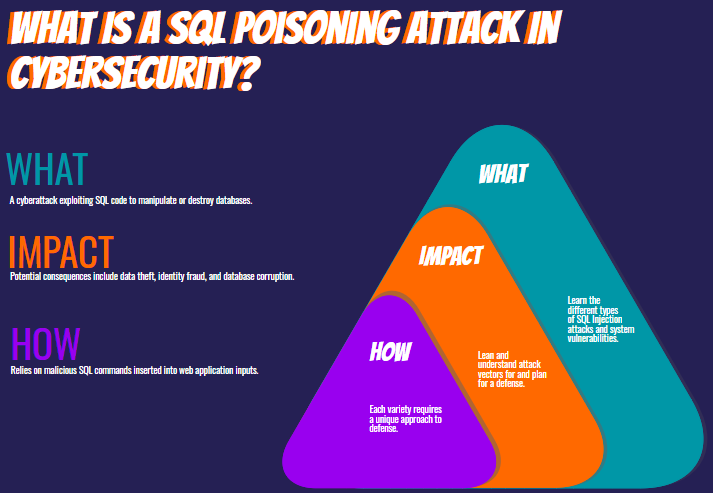
The Cyber Traffic Jam – How Hackers Shut Down the Internet
The Cyber Traffic Jam – How Hackers Shut Down the Internet
- A cold winter’s night highlights the importance of digital connectivity for families.
- An unexpected loss of connection disrupts activities and raises concerns about cybersecurity.
- Cybersecurity is essential and fundamentally about ensuring people’s safety in a digital world.
- Cyber attacks can affect real lives, causing inconveniences for individuals and businesses.
- Proactive knowledge and actions, like strong passwords and updated software, are needed for protection.
- Everyone plays a role in fostering a culture of awareness to improve digital security.
- Every digital action can either enhance security or expose vulnerabilities; make informed choices.

The Cyber Traffic Jam – How Hackers Shut Down the Internet
Table Of Contents
- The Cyber Traffic Jam – How Hackers Shut Down the Internet
- What If Your Life Depended on Your Online Security?
- How Does Hacking Impact Our Daily Lives?
- Can We Trust Authorities to Protect Our Data?
- What Measures Can We Take to Fend Off Cyber Threats?
- Are We Doing Enough to Educate Ourselves About Online Dangers?
- How Would a Major Internet Shutdown Affect Our Society?
- Do We Really Understand the Power Of the Internet We Use?
- Conclusion
- Other Resources
- Glossary Of Terms
- Other Questions
- Haiku
- Poem
- Checklist
What If Your Life Depended on Your Online Security?
Imagine waking up one morning to find your entire life turned upside down. Your bank accounts drained, your personal information exposed, and your reputation tarnished—all because of a single weakness in your online security. It may sound like the plot of a thriller, but for many, it’s a chilling reality. The stakes are high, and the consequences are very real.
In an age where every swipe, click, and share adds pieces to the puzzle of who you are, our digital footprints have become both invaluable and vulnerable. Think about it. Every time you log into a social media account or complete a transaction online, you’re placing your trust—and your life—into the hands of unseen algorithms and firewalls. But what if that trust is misplaced? Cybersecurity is not just a technical issue; it’s a matter of personal safety and integrity.
From the moment you create an online presence, you become part of a complex web of data. Your identity is no longer just yours; it’s a target. The reality is stark: the very tools and conveniences of modern life can become weapons against you if not properly safeguarded. Consider the plight of someone like Emily, a young entrepreneur whose identity was stolen. Overnight, her dreams unraveled as she battled legal issues and financial fraud, all because she neglected the importance of robust cybersecurity measures. Her story is one of many; proof that the threats are not just theoretical—they’re immediate and impactful.
Now, let’s get practical: the first line of defense is knowledge. Understanding basic cybersecurity principles can empower you. It’s about setting strong passwords, being mindful of phishing attacks, and knowing how to recognize the signs of a breach. These are not just tech jargon; they’re life skills. As the battle for your information rages behind the scenes, adopting a proactive stance sounds the alarm on complacency.
But this isn’t only about technology; it’s an ethical responsibility to safeguard yourself and others. When you protect your digital life, you’re also contributing to a culture where security is paramount. Join forces with your family and friends in this fight—share your knowledge and experiences. After all, true strength lies not just in individual resilience but in the collective wisdom of a community committed to each other’s safety.
So, ask yourself: What if your life depended on your online security? It just might. Take action today. Equip yourself with the tools and knowledge necessary to fortify your existence in the ever-expanding digital realm. Your future self will thank you.

What If Your Life Depended on Your Online Security?
What If Your Life Depended on Your Online Security?
- Waking up to a life turned upside down due to online security breaches is a chilling reality for many.
- Our digital footprints are invaluable yet vulnerable, as every online interaction may expose personal information.
- Trusting unseen algorithms and firewalls with our online activities poses risks to personal safety and integrity.
- Creating an online presence makes one targetable, as modern conveniences can turn into weapons if not safeguarded.
- Personal stories, like that of Emily, illustrate the immediate and impactful threats of identity theft and its consequences.
- Basic cybersecurity principles, such as strong passwords and awareness of phishing, empower individuals to defend themselves.
- Protecting one’s digital life fosters a culture of security, encouraging collective responsibility and shared knowledge among communities.

What If Your Life Depended on Your Online Security?
How Does Hacking Impact Our Daily Lives?
In the quiet hum of our daily lives, we often overlook the unseen battles waged on the digital frontlines. Each time we check our bank balance or share a picture of our dinner, we place a tiny piece of ourselves in the hands of technology. Yet lurking behind the convenience of this digital age is a shadowy world of hacking, where skilled adversaries leverage their expertise for gain, raising a clarion call for a robust understanding of cybersecurity.
Imagine waking up one morning to find your bank account drained, your personal information splashed across the dark web, and your sense of security shattered. This isn’t just a far-off nightmare; it’s a reality for countless individuals and families. In small towns and big cities alike, the impact of hacking reverberates through community trust. Families have had to grapple not just with financial loss, but with the emotional turmoil of violated security. The trust we place in technology is foundational, and every breach chips away at that foundation, leaving us feeling exposed and vulnerable.
But our response doesn’t have to be fear. Instead, it can become an opportunity for empowerment. When we prioritize cybersecurity, we become informed stewards of our own digital lives. This isn’t solely a responsibility relegated to tech experts; it’s a call to all of us. We can learn the basics—strong passwords, two-factor authentication, and recognizing phishing attempts—and in doing so, take back some control over our digital environments. Each proactive step we take builds resilience against the unseen forces attempting to undermine our everyday lives.
Ethically, we owe it to ourselves and to our communities to foster a culture of cybersecurity awareness. We need to demand better protection from the companies we engage with. Every time we support businesses that prioritize robust security measures and ethical data handling, we’re voting with our wallets for a safer digital world. This is about more than just individual actions; it’s about creating a collective network of safety.
Remember, our digital experiences are interwoven with our daily lives, and in this interconnected world, the actions of one can ripple across many. By engaging with cybersecurity not just as a technologically-minded pursuit, but as a community value, we can harness that human connection. Starting conversations about online safety at dinner tables or in coffee shops transforms what may feel like a solitary struggle into a communal effort. Trust and confidence in technology can flourish with our collective vigilance, paving the way for a future where innovation and safety walk hand in hand.

How Does Hacking Impact Our Daily Lives?
How Does Hacking Impact Our Daily Lives?
- Digital interactions involve sharing personal information, increasing vulnerability to hacking.
- Cybersecurity breaches can lead to significant financial loss and emotional distress for individuals and families.
- The erosion of trust in technology stems from frequent security violations, affecting community well-being.
- Fear should be replaced with empowerment through informed cybersecurity practices.
- Everyone has a role to play in cybersecurity; learning basic protective measures can enhance personal safety.
- This is a collective issue; supporting businesses that prioritize data protection fosters a safer digital environment.
- Discussing cybersecurity openly can create a stronger community commitment to online safety and resilience.

How Does Hacking Impact Our Daily Lives?
Can We Trust Authorities to Protect Our Data?
When we think about our data, the first question that often crosses our minds is: Can we trust the authorities to protect it? We live in a world where our personal information is strewn across digital landscapes like confetti at a celebration, and the stakes are high. Every text message, every online purchase, and every social media post contributes to a story about who we are. So, why should we feel confident that those we entrust with our data have our best interests at heart?
Let’s start with the emotional angle. Imagine a parent logging into their child’s school portal, only to discover that personal information has been breached. The panic sets in—not just for the parent, but for the whole family. It’s not a mere digital inconvenience; it’s a breach of trust. This fear is shared by countless individuals worldwide, resonating deeply with anyone who has ever felt vulnerable in an increasingly digital age.
Now, consider the rational side. Cybersecurity is a burgeoning field, yet it continually grapples with the evolving tactics of cybercriminals. Authorities often scramble to keep pace, and while plenty of organizations are doing commendable work, can they ensure absolute protection? The simple answer is no. Vulnerabilities exist, and it’s important we understand that. Navigating this truth requires a careful balance of skepticism and trust; we need to be informed consumers of the services purporting to keep our data safe.
Ethically, we have to ask: Are these platforms genuinely committed to protecting our data, or are they merely paying lip service to the idea? A commitment to transparency and accountability from these institutions can help reassure us that they have our best interests at heart. When authorities openly share their cybersecurity challenges and the steps taken to mitigate risks, trust begins to flourish.
Lastly, let’s tap into the social aspect. We talk about data, but at the end of the day, it’s about people—our friends, our families, and ourselves. We should foster a culture of digital literacy, encouraging one another to question, demand, and advocate for better practices. By sharing our stories and experiences, we not only empower ourselves but reinforce community ties as we navigate these murky waters together.
So, can we trust authorities to protect our data? The answer lies in a partnership—between individuals and entities, built on transparency, shared experiences, and mutual responsibility. As we move forward, let’s inspire a collective action that holds everyone accountable. After all, our data is not just code; it’s a reflection of our very lives.

Can We Trust Authorities to Protect Our Data?
Can We Trust Authorities to Protect Our Data?
- Questions arise about trusting authorities to protect personal data in a digital world.
- Emotional impact of data breaches affects families, leading to feelings of vulnerability.
- Cybersecurity is evolving, but absolute protection against cybercriminals remains unattainable.
- Understanding vulnerabilities requires a balance of skepticism and trust from consumers.
- Ethical commitment to transparency from platforms can build trust regarding data protection.
- Fostering a culture of digital literacy encourages individuals to question and advocate for better data practices.
- Trust in data protection is rooted in collaboration between individuals and authorities, emphasizing shared responsibility.

Can We Trust Authorities to Protect Our Data?
What Measures Can We Take to Fend Off Cyber Threats?
In a world increasingly dominated by technology, protecting ourselves from cyber threats has become a daily responsibility, much like locking your door or checking your smoke alarm. While the intricate world of cybersecurity might seem intimidating or distant, the truth is that it’s rooted in straightforward actions that resonate with each of us.
First and foremost, education is key. Picture this: the more we understand about cyber threats, the better equipped we are to deal with them. Imagine sitting down with a friend and sharing stories about a phishing email that almost tricked you. By engaging in these conversations, we not only empower ourselves but create a community that values vigilance. Knowledge isn’t just power; it’s an armor worn by everyone who wants to stay secure in the digital landscape.
Then there’s regular software updates. Think of it like maintaining your car or home. Just as you wouldn’t drive a rusted-out sedan without checking the brakes, why would you let your devices run outdated software that leaves you exposed? Each update isn’t just a meaningless prompt; it’s a crucial layer in the fortress of your digital life. When we hit “Update,” we’re not just clicking a button—we’re making a conscious choice to protect our personal information and our peace of mind.
Let’s not forget about strong, unique passwords. It’s tempting to use the same password across multiple sites. However, superhero status doesn’t come easy. Creating a solid password is akin to forging a thick steel door for your treasured belongings. It takes effort, but that effort pays off in preventing intruders from waltzing in uninvited. Paired with two-factor authentication, those passwords become an almost impenetrable guard against cyber threats.
Consider the broader implications of our actions. We aren’t just safeguarding our own data; we are contributing to the integrity of the entire online community. By acting responsibly and promoting cybersecurity awareness, we help nurture an environment where everyone can thrive without fear. The collective effort fosters a culture of safety, much like the bonds formed over shared meals or community gatherings.
Finally, if you encounter a cyber threat, report it. This isn’t just for your own benefit; it’s for the benefit of all those who share the digital space. Together, we form a bulwark against uncertainty, standing shoulder to shoulder in a commitment to keeping our online world secure. In taking these steps, we don’t just fend off cyber threats—we build trust, instill confidence, and inspire action. That, my friends, is the true power of proactive cybersecurity.

What Measures Can We Take to Fend Off Cyber Threats?
What Measures Can We Take to Fend Off Cyber Threats?
- Cybersecurity is a daily responsibility, akin to locking doors or checking smoke alarms.
- Education is crucial; understanding cyber threats empowers individuals and fosters community vigilance.
- Regular software updates are essential for protecting devices from vulnerabilities.
- Strong, unique passwords, combined with two-factor authentication, significantly enhance security.
- Responsible actions contribute to the integrity of the online community, fostering a culture of safety.
- Reporting cyber threats benefits everyone, creating a united front against digital risks.
- Proactive cybersecurity builds trust, confidence, and inspires collective action against threats.

What Measures Can We Take to Fend Off Cyber Threats?
Are We Doing Enough to Educate Ourselves About Online Dangers?
The digital world is a double-edged sword — a vast playground where information flows freely, alongside lurking dangers that can upend our lives in an instant. In the age of technology, ignorance isn’t bliss; it’s a threat, plain and simple. We may feel invincible navigating this virtual landscape, but we must realize that a single click can lead to a downward spiral of anxiety and devastation. Cybersecurity isn’t just a buzzword; it’s a vital safeguard that requires our immediate attention and understanding.
The statistics are shocking — a significant proportion of cyberattacks target everyday users, individuals like you and me, whose unique blind spots make us prime targets. Think about that for a moment. You’re at home, scrolling through your social media feed. What seems like an innocent interaction could be the entry point for someone with malicious intent. This isn’t fiction; it’s a reality that ought to send shivers down your spine.
We need to engage with this issue, not merely as a cautionary tale but as a shared responsibility. Each click we make is a thread in the fabric of our collective safety. By educating ourselves, we aren’t just protecting our own interests — we’re fortifying our communities against threats that could lead to larger consequences. Every parent, teacher, and business owner should delve into the world of online safety and cybersecurity. Imagine a community where every individual is informed, vigilant, and empowered to tackle these dangers head-on. Together, we can create a support network that fosters resilience, transforming fear into confidence.
Stories of those who have experienced cyberattacks are unsettling yet poignant teaching moments. They remind us that behind every statistic is a real person grappling with the chaos that can unfold after a breach. By listening to these narratives, we begin to understand that our complacency comes at a cost.
Educating ourselves is no longer optional; it’s a moral imperative. Just as we wouldn’t leave our homes unlocked, we must take proactive steps to secure our online presence. Start small – engage with trusted sources, attend local workshops, or even talk to your children about the digital footprints they leave behind. The time to act is now. After all, when we become informed guardians of our digital domains, we create a safer world for everyone. Let’s not wait for the storm to hit; let’s be the ones who prepare for it.
Are We Doing Enough to Educate Ourselves About Online Dangers?
Are We Doing Enough to Educate Ourselves About Online Dangers?
- The digital world offers both opportunities and dangers, making ignorance a serious threat.
- Cybersecurity is essential for protecting individuals from increasing cyberattacks targeting everyday users.
- Even innocent online interactions can expose users to malicious intent.
- Addressing cybersecurity is a collective responsibility that impacts community safety.
- Education and awareness about online safety are crucial for everyone, including parents, teachers, and business owners.
- Real stories of cyberattack victims underscore the importance of proactive cybersecurity measures.
- Taking action to secure our digital presence is a moral imperative; we must start by educating ourselves and others.

Are We Doing Enough to Educate Ourselves About Online Dangers?
How Would a Major Internet Shutdown Affect Our Society?
Imagine waking up one morning to find your entire world has been muted. The familiar ping of notifications? Gone. Your connected devices? Silenced. A major internet shutdown would transform our bustling digital marketplace into a ghost town overnight, and the implications stretch far beyond the confines of our screens.
Think about it: the very fabric of our daily lives is woven into the vastness of the internet. Marketers, entrepreneurs, educators—countless professions go dark, leaving livelihoods hanging in the balance. Small businesses would stand to suffer the most, their survival reliant on digital platforms. Families, who depend on online services for education during a crisis, would suddenly find themselves cut off, forced to turn back the clock to methods from a bygone era. The narrative shifts from convenience to chaos, and suddenly every click matters.
Our hearts ache for the vulnerable among us: the elderly who rely on online services for connection or those in remote areas who depend on technology for resources. The emotional weight of the shutdown would ripple through society, causing not just economic distress but a profound communal disconnect. We may be individuals, each with our own digital lives, but our interdependence grows clearer when the lines of communication are severed.
Rationally speaking, think of the cybersecurity implications. A sudden loss would expose us to unregulated chaos, rendering us sitting ducks for identity theft or malicious actors seeking to exploit a vulnerable landscape. It would leave our private lives marooned in uncertainty, as trust in our systems diminished and fear of the unknown took root in our minds.
Ethically, we would face tough questions about our investment in technology and how we balance our reliance on it. Are we prepared to support ourselves when pushed to the edge? In these critical moments of reflection, a collective responsibility emerges—reminding us that trust isn’t merely a buzzword; it’s a lifeline. Who will lead the charge toward relearning self-sufficiency and reinvesting in our communities?
This isn’t just about Internet access; it’s about connection. It’s about rallying together to restore the bonds that slip through our fingers when the virtual world fades. The stories we share, the help we provide, the laughter we generate—it all matters. When the lights go out, we will discover whether we can truly connect in a world where continued resilience and reinvention must prevail, urging us to rethink our dependencies and embrace the more grounding aspects of life.

How Would a Major Internet Shutdown Affect Our Society?
How Would a Major Internet Shutdown Affect Our Society?
- A major internet shutdown would silence digital communications and services, drastically altering daily life.
- Many professions, including marketers and entrepreneurs, would struggle to function without internet access, heavily impacting small businesses.
- Families reliant on online education and services would find themselves cut off, reverting to outdated methods.
- The shutdown would create emotional distress, particularly for vulnerable populations like the elderly and those in remote regions.
- Cybersecurity risks would rise, leaving individuals exposed to fraud and exploitation due to a lack of online protection.
- Ethical questions arise about our dependence on technology and the need for community resilience and self-sufficiency.
- This situation emphasizes the importance of human connection and encourages a reevaluation of our reliance on digital platforms.

How Would a Major Internet Shutdown Affect Our Society?
Do We Really Understand the Power Of the Internet We Use?
In the quiet corners of our homes, where we navigate virtual landscapes with the flick of a finger, it’s easy to forget the raw, untamed power coursing through our screens. Each click and scroll we make is not just a casual interaction; it’s an engagement in a vast network, a living tapestry of information, culture, and yes, risk. The internet, for all its conveniences and marvels, is a double-edged sword. We often take for granted that our devices are portals to knowledge and connection while glossing over the shadows lurking behind our digital footprint.
Let’s take a moment—pause, breathe, and reflect. Every time we log on, we’re stepping onto a global stage, wielding influence and access that was unimaginable a generation ago. We share thoughts and ideas, connect with people across continents, and mobilize movements that reshape societies. But here’s where it gets real: while we enjoy the freedoms of that mighty platform, we also expose ourselves to vulnerabilities. The very same tool that connects us can be exploited by those who wield it with malicious intent. Cybersecurity isn’t just a technical buzzword; it’s the shield that protects our identities, our families, and our very way of life.
Think about your own experiences. How often do we freely share our stories, our fears, our dreams—the essence of who we are—without a second thought for the consequences? We’ve all heard the tales of the unsuspecting victim; their lives altered by a simple breach. These are not just stories; they are cautionary tales that mirror our own potential futures. The ethical consideration sits heavy on our shoulders: Are we doing enough to understand the implications of our online actions?
The truth is, we’re not alone in this quest for understanding. A collective awakening is underway, one that urges us to educate ourselves, to cultivate a culture of respect and vigilance online. It’s time to forge relationships based on trust, to foster a community that values security as part of its very ethos. We have the tools and the knowledge at our fingertips. Let’s ensure we wield them wisely. Together, we can step toward a digital future that honors the connections we cherish while safeguarding against the unseen dangers that linger just beyond our screens.

Do We Really Understand the Power Of the Internet We Use?
Do We Really Understand the Power Of the Internet We Use?
- The internet is a vast network, presenting both benefits and risks in our interactions.
- Every online engagement grants us influence and access previously unimaginable, reshaping societies.
- While enjoying digital freedoms, we expose ourselves to vulnerabilities from malicious actors.
- Cybersecurity is essential for protecting our identities and way of life.
- Sharing personal stories online can have serious implications and consequences.
- A collective awakening is encouraging individuals to educate themselves about online security.
- Building a culture of respect and vigilance online is crucial for a safer digital future.

Do We Really Understand the Power Of the Internet We Use?
Conclusion
On that ordinary evening when families gather to share stories and laughs, the internet—a lifeline connecting us all—can suddenly fade away, leaving behind a void of silence and confusion. When hackers come barreling through the digital highways of our lives, they aren’t just disrupting services; they’re snatching away our sense of security, shaking the very foundations of what we consider safe and familiar. Each time a screen goes dark, it’s about more than just lost connectivity; it’s about real people affected, from a small business owner unable to accept payments to a child abruptly disconnected from their classmates. At its heart, cybersecurity isn’t just a technical field reserved for the experts; it’s about us—about our families, our communities, and our collective peace of mind.
Acknowledging that the risks are real—and they are—brings us to a crossroads. Will we lean into the discomfort of these conversations and make informed choices about our digital lives, or will we close our eyes to potential threats, hoping they don’t find a way to knock at our doors? Each of us has a role to play in this unfolding narrative. By adopting strong passwords, performing regular updates, and recognizing suspicious activity, we can arm ourselves against the unseen foes lurking in cyberspace.
This isn’t merely a call to action; it’s an ethical obligation to ourselves and our communities. When we prioritize cybersecurity, we create a culture of responsibility and awareness, ensuring that no one stands alone against the digital tide. Our interactions matter. Sharing knowledge about online safety can transform isolated struggles into collective resilience. There’s power in community—when one learns, we all benefit, and together we fortify our defenses.
But let’s not ignore the broader implications. Can we trust those in authority to safeguard our data? As we navigate this complex digital landscape, the answer is often nuanced. Transparency from institutions about their cybersecurity measures is vital; it builds trust and allows us to engage with them responsibly.
So, as you scroll through your feed tonight, consider this: every message sent, every transaction completed, is a small thread in a much larger tapestry. Each action has repercussions, not just for you, but for the network we all share. Embrace your role in this vast ecosystem, and remember, it’s time we step forward—not just as individuals but as a united force, forging a future where our digital lives are secure, and where connection thrives amidst chaos. Let’s navigate this cyber traffic jam together, empowered by knowledge and united in purpose.

Conclusion
Conclusion:
- The loss of internet connectivity highlights a sense of security and disruption in our lives.
- Cyberattacks impact individuals, small businesses, and communities, illustrating the human cost of digital threats.
- Cybersecurity is crucial for everyone, not just technology experts; it affects families and communities.
- We must address cybersecurity risks with informed choices rather than ignoring potential threats.
- Individuals can enhance their security by using strong passwords, performing updates, and recognizing suspicious activity.
- Prioritizing cybersecurity fosters a culture of responsibility and collective resilience within communities.
- Transparency from authorities regarding their cybersecurity measures is vital for building public trust.

Conclusion
Other Resources

Other Resources
Here is a list of other resources you can review online to learn more:
- Sennovate
- CenturyLink Managed Security Services
- Google My Business
- Shatter IT
- Datapath
- Corsica Cybersecurity
- Apex Computer Systems
- Incenter Technology
- Safeway
- CyberDome Nigeria
- ECS Federal, LLC
- Cyber Defense Labs
- Infosys
- KPMG
- Armadillo Managed Services
- Inspira Enterprise India Private Limited
- Digital Hands
- Collabrance
- BAE Systems Managed Security Services
Use This Prompt To Get More Resources With Your Favorite Online AI Tool: Please provide me with a list of online articles with their URLs in a bulleted list that I can read regarding The Cyber Traffic Jam – How Hackers Shut Down the Internet

Other Resources
Glossary Terms
The Cyber Traffic Jam – How Hackers Shut Down the Internet – Glossary Of Terms
1. Botnet: A network of compromised computers used to perform automated tasks, often employed by hackers for launching attacks.
2. DDoS (Distributed Denial of Service): An attack method where multiple systems flood a target server with excessive requests, overwhelming it and causing downtime.
3. Malware: Malicious software designed to harm, exploit, or gain unauthorized access to systems, often used in cyber attacks.
4. Ransomware: A type of malware that encrypts data on a victim’s device and demands payment for decryption.
5. Phishing: A social engineering attack where attackers masquerade as trustworthy entities to steal sensitive information from individuals.
6. Zero-Day Exploit: A vulnerability in software that is unknown to the vendor and can be exploited by hackers before a patch is available.
7. Firewall: A security device or software that monitors and controls incoming and outgoing network traffic based on predetermined security rules.
8. VPN (Virtual Private Network): A technology that creates a secure, encrypted connection over a less secure network, typically used to protect privacy online.
9. IP Spoofing: A technique used by attackers to send messages from a false IP address to mask their identity and deceive recipients.
10. Trojan Horse: A type of malware that disguises itself as legitimate software to trick users into installing it.
11. Payload: The part of a malware or attack that performs the actual malicious activity, such as data theft or system damage.
12. Encryption: The process of converting information into a coded format to prevent unauthorized access.
13. Data Breach: An incident where unauthorized access to confidential data occurs, often resulting in the exposure of sensitive information.
14. DNS (Domain Name System): A system that translates domain names into IP addresses, essential for navigating the internet.
15. SSL Certificate: A digital certificate that authenticates the identity of a website and enables an encrypted connection, ensuring data security.
16. Social Engineering: Techniques used to manipulate individuals into divulging confidential information, often exploiting human psychology.
17. Lag: A delay in the response time of a network or system, often caused by overloading or attacks.
18. Cybersecurity: The practice of protecting systems, networks, and data from theft, damage, or unauthorized access.
19. Intrusion Detection System (IDS): A system that monitors network traffic for suspicious activity and alerts administrators of potential security breaches.
20. Cipher: An algorithm for performing encryption or decryption operations on data.
21. Exploit Kit: A toolkit used by cybercriminals to deliver malware to victims through vulnerabilities in software.
22. Network Congestion: A state when a network is overwhelmed by traffic, leading to slow performance and potential outages.
23. Content Delivery Network (CDN): A system of distributed servers that deliver web content to users based on their geographic location, enhancing speed and reliability.
24. Authentication: The process of verifying the identity of users or systems before granting access to resources.
25. Incident Response: The systematic approach to addressing and managing the aftermath of a cyber attack or breach.
26. Patch: A software update designed to fix vulnerabilities and improve security.
27. Privilege Escalation: A technique where an attacker gains elevated access rights to a system, allowing them to execute unauthorized actions.
28. Cyber Espionage: The act of using hacking techniques to gather secret information from governmental or corporate entities.
29. Threat Intelligence: Information about current or potential threats to an organization’s cybersecurity, used to inform defenses and responses.
30. Rootkit: A type of software that allows unauthorized access to a computer while hiding its presence, typically used to hide malware.

Glossary Of Terms
Other Questions
The Cyber Traffic Jam – How Hackers Shut Down the Internet – Other Questions
If you wish to explore and discover more, consider looking for answers to these questions:
- What specific types of cyber attacks are most common today?
- How can individuals better secure their online accounts?
- What resources are available for learning about cybersecurity?
- How do different demographics experience cyber threats differently?
- What role do businesses play in protecting consumer data?
- How can communities support each other in improving cybersecurity awareness?
- What are the legal implications for companies that fail to protect user data?
- How has the landscape of cybersecurity changed in recent years?
- What technological advancements are aiding in cybersecurity efforts?
- What steps should be taken immediately after a data breach occurs?
- How can parents educate their children about online safety?
- What are the most effective ways to respond to a phishing attempt?
- How do cultural attitudes toward privacy affect online behavior?
- What can individuals do to raise awareness about cybersecurity in their communities?
- What are the psychological effects of experiencing a cyber attack?

Other Questions
Haiku
The Cyber Traffic Jam – How Hackers Shut Down the Internet – A Haiku
Silent screens resound,
Cyber shadows loom too close—
Guardians unite now.

Haiku
Poem
The Cyber Traffic Jam – How Hackers Shut Down the Internet – A Poem
In the soft glow of screens, we gather near,
Families bonded, hearts filled with cheer.
But shadows lurk in the digital night,
As hackers plot to snuff out our light.
A battle unseen, a war waged in code,
Our lives hang by threads, on this perilous road.
A small business falters, a child’s lesson missed,
When chaos erupts, in the net’s clenched fist.
Yet knowledge is power, our armor, our guide,
Proactive measures turn the tide.
Strong passwords and updates, a culture we weave,
Together we rise—there’s strength to believe.
Consider the pain of a life ripped apart,
In the hands of those who disregard the heart.
A stolen identity, a tale all too real,
The emotional toll we silently feel.
Can we trust the authorities, so swift in their chase?
Or must we take action, lend safety a place?
Transparency, resilience—these lights we ignite,
In the face of adversity, we gather our might.
Let’s share what we learn, let’s foster the wise,
A community vigilant, alert to the lies.
As clicks weave our stories, let’s choose with intent,
For each digital step is a path we should mend.
When the internet falters, will we stand strong together?
Rebuild our connections, like vines in the weather.
For it’s not just a network, it’s our lives intertwined,
In this vast web of voices, our humanity shines.
So let’s be the guardians of our virtual space,
With courage and wisdom, we’ll set our own pace.
In unity, we flourish, in knowledge, we trust,
For together we thrive, bound by connection—robust.

Poem
Checklist
The Cyber Traffic Jam – How Hackers Shut Down the Internet – A Checklist
Cybersecurity Awareness Checklist
Emotional Appeals (Heart):
_____ Reflect on personal experiences related to online security. Have you or someone you know ever faced a cyberattack? Share stories to foster empathy.
_____ Discuss the emotional impact of a potential internet shutdown on families and small businesses. How would it change your daily life?
_____ Create a safe space for conversations about fears and vulnerabilities in the digital realm. How can you support your loved ones?
Rational Appeals (Head):
_____ Review and implement strong password guidelines. Are your passwords unique and complex?
_____ Stay informed about the latest cybersecurity threats and trends. Subscribe to reliable cybersecurity news sources.
_____ Regularly update your devices and software. Are you keeping them secure with the latest protections?
Ethical Appeals:
_____ Consider the ethical implications of sharing personal information online. Are you cognizant of your digital footprint?
_____ Engage in discussions about the responsibilities of companies in safeguarding consumer data. Are you advocating for transparency in data handling?
_____ Promote cybersecurity awareness within your community. How can you encourage others to prioritize online safety?
Authority Appeals:
_____ Research reputable organizations in cybersecurity (e. g. , Cybersecurity & Infrastructure Security Agency). Are you following their best practices?
_____ Attend local workshops or webinars led by cybersecurity experts. What insights can you gain from professionals in the field?
_____ Share authoritative resources with friends and family to help them understand the importance of cybersecurity.
Narrative Appeals:
_____ Share real-life stories of individuals affected by cyberattacks. What lessons can be learned from their experiences?
_____ Create a narrative around proactive cybersecurity measures. What steps can you take today to protect yourself and your community?
_____ Discuss the potential societal impact of a major internet shutdown. How would communities come together in the face of adversity?
Social Appeals:
_____ Initiate conversations about digital safety in social settings (e. g. , at family gatherings, community events). How can you elevate the topic of cybersecurity?
_____ Encourage friends and family to join you in practicing safe online behaviors. What collective actions can you take to enhance safety?
_____ Build a support network for sharing resources and strategies related to cybersecurity. How can you engage your network to create a safer digital environment?

Checklist
At BestCyberSecurityNews, we help teach entrepreneurs and solopreneurs the basics of cybersecurity and its impact on their businesses by using simple concepts to explain difficult challenges.
Please read and share any of the articles you find here on BestCyberSecurityNews with your friends, family, and business associates.