


Reinventing Security: The Latest In AI Technology
By Tom Seest
At BestCyberSecurityNews, we help teach entrepreneurs and solopreneurs the basics of cybersecurity and its impact on their businesses by using simple concepts to explain difficult challenges.
Please read and share any of the articles you find here on BestCyberSecurityNews with your friends, family, and business associates.
Smart Shields – How AI Is Transforming Corporate Security
In a world where cyber threats lurk like wolves in the shadowy corners of the internet, corporate security has evolved from a fortress mentality to a smart, dynamic shield. We’re talking about “Smart Shields,” a remarkable fusion of technology and human ingenuity that’s changing the landscape of cybersecurity. When your business data is on the line, the stakes couldn’t be higher. Imagine investing countless hours and resources, only to have it all jeopardized by a single breach. It’s a gut-wrenching prospect that keeps many leaders awake at night.
Now, picture this: what if you could arm your organization with the intelligence to not just defend against attacks but to anticipate them? Smart Shields harness the power of AI, enabling companies to analyze vast amounts of data and identify potential vulnerabilities before they become full-blown crises. This isn’t just about protecting your assets; it’s about instilling a sense of confidence in your team. When employees know they’re backed by proactive defenses, they can channel their energy into innovation and collaboration, rather than worrying about the next cyber onslaught.
Ethics plays a crucial role here, too. Employees expect their organizations to safeguard their personal information and uphold trust. By investing in advanced cybersecurity solutions, companies demonstrate a commitment to not only protecting their bottom line but also valuing their people. This dedication fosters a culture of trust that permeates the workplace, which is vital in today’s collaborative environment.
Furthermore, the narrative of resilience becomes more poignant with Smart Shields. Every incident mitigated by AI is not just a statistic; it’s a story of a business that stood tall against adversity. Each victory adds to a collective confidence that not only safeguards the company but also uplifts the entire community surrounding it. When businesses share their success stories in adopting these advanced measures, they inspire others to follow suit, creating a ripple effect that bolsters overall corporate security.
So, the next time you consider the implications of cybersecurity, remember: Smart Shields are about more than just technology—they’re about empowering people. They embody resilience, responsibility, and a vision for a safer tomorrow. It’s time to take action and realize not just the potential of your defenses, but the transformation of your entire corporate culture. Investing in Smart Shields is more than a smart business move; it’s a pledge to a brighter, more secure future for all.

Smart Shields – How AI Is Transforming Corporate Security
Smart Shields – How AI Is Transforming Corporate Security
- Corporate security has evolved from a fortress mentality to a dynamic “Smart Shields” approach.
- Smart Shields combine technology and human ingenuity to transform cybersecurity strategies.
- AI-powered solutions help organizations anticipate and identify vulnerabilities before crises occur.
- Proactive defenses boost employee confidence, allowing focus on innovation and collaboration.
- Investment in cybersecurity reflects a commitment to protecting personal information and fostering trust.
- Success stories of resilience can inspire other businesses to enhance their security measures.
- Investing in Smart Shields represents a commitment to a safer future and a transformative corporate culture.

Smart Shields – How AI Is Transforming Corporate Security
Table Of Contents
- Smart Shields – How AI Is Transforming Corporate Security
- What If AI Could Predict Security Breaches Before They Happen?
- How Do Smart Shields Enhance Trust In Corporate Environments?
- Can AI Make Security More Affordable for Small Businesses?
- How Reliable Is AI In Detecting Threats Compared to Human Experts?
- What Ethical Concerns Arise with AI In Corporate Security Measures?
- How Can Organizations Ensure Transparency In AI Security Systems?
- Could the Integration Of AI Reduce Human Error In Security Protocols?
- Conclusion
- Other Resources
- Glossary Of Terms
- Other Questions
- Haiku
- Poem
- Checklist
What If AI Could Predict Security Breaches Before They Happen?
Imagine a world where your data is safeguarded by a virtual guardian—a watchful protector that not only stands guard but also foresees impending threats. This isn’t the stuff of sci-fi nightmares or futuristic fantasies; this is the realm of advanced AI in cybersecurity. Now, close your eyes and think about the potential: what if this technology could predict security breaches before they happen?
At its core, cybersecurity isn’t just a technical necessity; it’s an emotional battleground. The thought of someone uninvited rummaging through your personal information feels like a violation of privacy, a breach of trust. It keeps you up at night, wondering whether the next click could lead to chaos. Yet, here lies a ray of hope. By harnessing the power of predictive analytics, we’re on the brink of transforming the way we fight back. Imagine laying down your head on the pillow knowing that sophisticated algorithms are scanning oceans of data at warp speed, identifying vulnerabilities before the bad actors can strike.
It’s not merely about protecting assets; it’s about preserving peace of mind. Rationale aside, it’s the emotional resonance of security that drives every individual—whether it’s a small business owner or a tech-savvy individual—seeking to shield their kingdom from unseen threats. AI serves as a tireless partner, tirelessly analyzing patterns and drawing correlations that may escape even the keenest human eye. The authority of this technology is undeniable; it learns with every interaction, growing smarter and more discerning, helping to stem the tide of what can feel like a never-ending battle against cyber assailants.
Yet, with great power comes great ethical responsibility. As we integrate AI into cybersecurity, we must remain vigilant against its potential pitfalls. The balance between innovation and privacy is delicate but absolutely essential. We must ensure these technologies serve to empower and protect rather than surveil and control.
So, share this vision of a safer digital landscape. Curiosity and caution go hand in hand, sparking community discussions that resonate beyond boardrooms and tech conferences. We can foster a collective responsibility, empowering individuals and organizations to embrace AI tools that prevent breaches, ultimately forging a formidable barrier against darkness. Picture a world where trust reigns supreme, and cybersecurity is less about fear and more about a shared commitment to safeguarding our digital lives. Together, let’s take that leap into the future, where anticipation empowers us, not anxiety.

What If AI Could Predict Security Breaches Before They Happen?
What If AI Could Predict Security Breaches Before They Happen?
- Imagines a world with AI as a virtual guardian for data security.
- AI can predict security breaches before they occur, enhancing cybersecurity efforts.
- Cybersecurity is an emotional battleground, emphasizing the need for privacy and trust.
- Predictive analytics transforms data protection, identifying vulnerabilities rapidly.
- AI learns and evolves, analyzing patterns to aid in the fight against cyber threats.
- Ethical responsibility is vital in balancing innovation and privacy in AI cybersecurity.
- Encourages community discussions to foster shared responsibility in embracing AI tools.

What If AI Could Predict Security Breaches Before They Happen?
How Do Smart Shields Enhance Trust In Corporate Environments?
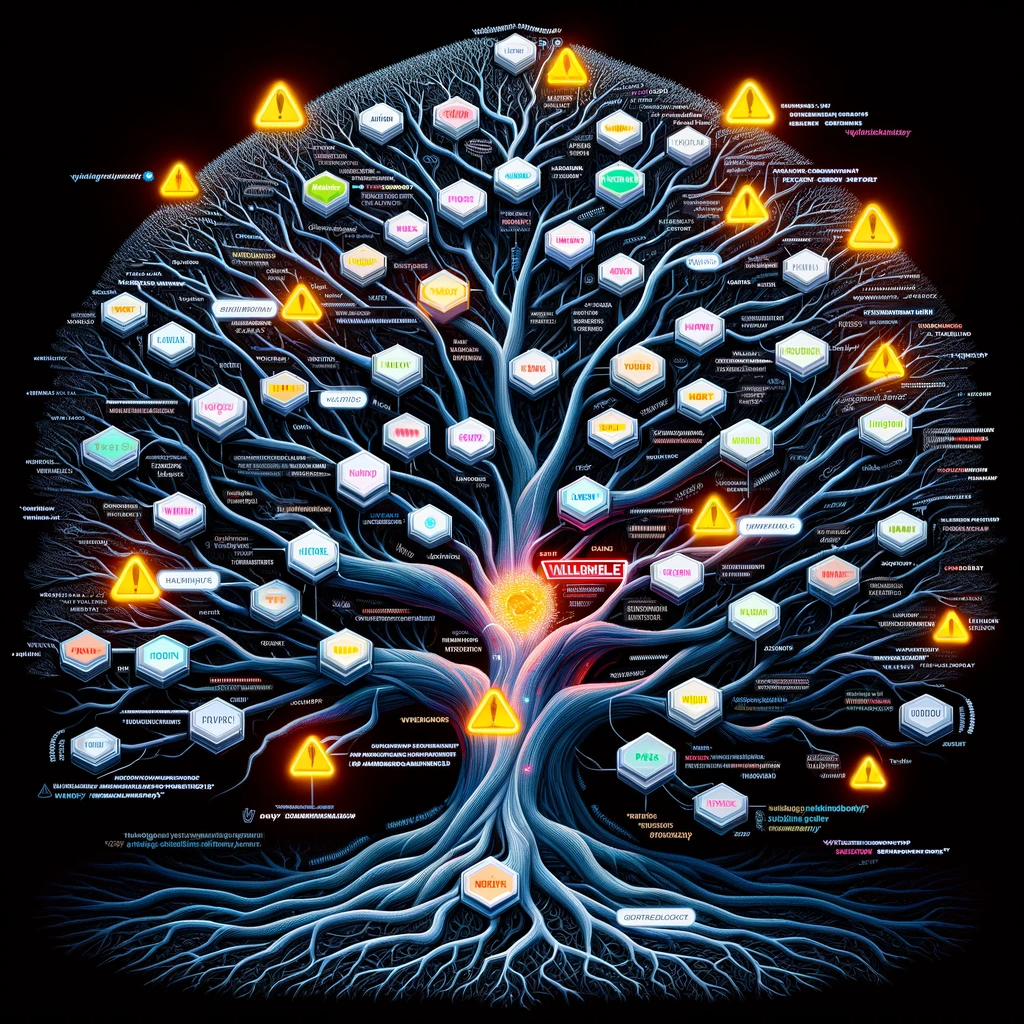
In today’s fast-paced corporate world, where every click can lead to a breach, the need for innovative solutions like smart shields has never been more critical. Imagine walking into an office where the air feels thick with anxiety—anxiety over hacking threats and data breaches. Smart shields change that narrative. By implementing robust cybersecurity measures, they act as invisible sentinels, providing not only protection but a palpable sense of security that reverberates through every level of the organization.
Consider the emotional weight of trust. When employees feel safe, they can focus on what truly matters: innovation, collaboration, and growth. Smart shields foster an environment where creativity can flourish because the phantoms of cyber threats are kept at bay. This isn’t just about firewalls and encryption; it’s about building a workplace where people feel valued and protected. It’s about giving everyone—from the intern to the CEO—the confidence to take risks and share bold ideas without the fear of losing sensitive information.
Rationally, think about the implications for productivity and bottom lines. Every missed opportunity due to fear or insecurity is like throwing money into the wind. Smart shields guarantee that the data—our most valuable asset—remains uncompromised. This isn’t merely an investment in technology; it’s an investment in the culture of your company. Decision-makers who recognize this will find themselves ahead of the curve, equipped with a competitive advantage rooted in trustworthiness.
Ethically, we must recognize the responsibility that comes with data management. Companies should serve their employees and clients with integrity, and adopting smart shields reflects a commitment to safeguarding their interests. It’s a moral imperative that aligns corporate goals with the well-being of individuals.
On a social level, the ripple effect is powerful. When your company becomes known for its dedication to cybersecurity, it earns respect and loyalty from both employees and customers. The community notices; word spreads. Your brand grows not just because of what you sell but because of how you protect.
With smart shields, corporate environments evolve from being mere workplaces to thriving ecosystems of trust and collaboration. They invite everyone to step up, speak out, and contribute, knowing their efforts are backed by a fortress of security. The time has come to embrace this evolution and safeguard the very heart of your business.
How Do Smart Shields Enhance Trust In Corporate Environments?
How Do Smart Shields Enhance Trust In Corporate Environments?
- The urgency for innovative cybersecurity solutions like smart shields is heightened in today’s corporate landscape.
- Smart shields provide robust protection and a sense of security that enhances workplace morale and trust.
- By ensuring safety, smart shields enable employees to focus on innovation, collaboration, and overall growth.
- Investing in smart shields is not only about technology; it fosters a culture of trust and confidence across all organizational levels.
- Smart shields protect valuable data, preventing missed opportunities and positively impacting productivity and profits.
- The ethical responsibility of data management is crucial, and adopting smart shields demonstrates commitment to integrity and employee welfare.
- A dedication to cybersecurity builds brand loyalty and respect, transforming corporate environments into thriving ecosystems of trust.

How Do Smart Shields Enhance Trust In Corporate Environments?
Can AI Make Security More Affordable for Small Businesses?
Imagine this: a small business owner, let’s call her Maria, pouring her soul into a quaint coffee shop nestled on a busy street corner. Each morning, the aroma of freshly brewed coffee fills the air, drawing in a loyal crowd. But behind the scenes, Maria’s worries are growing. Cybersecurity threats lurk in the shadows like wolves waiting for a chance to attack. For many small business owners like Maria, investing in cybersecurity feels more like a luxury than a necessity—something they can’t quite afford, alongside rent, payroll, and that new espresso machine.
Here’s the honest truth: neglecting cybersecurity isn’t just risky; it’s reckless. Small businesses are often the low-hanging fruit for cybercriminals. Yet, the digital landscape offers us a glimmer of hope. Enter artificial intelligence. This isn’t just a buzzword; it’s a game changer that can make robust security measures more accessible for hardworking folks like Maria.
AI can help automate many aspects of cybersecurity, responding to threats with lightning speed and efficiency that no human team could match. It learns and adapts, analyzing vast amounts of data to identify vulnerabilities that could compromise Maria’s business. This isn’t just smart; it’s essential. Imagine a robust security system watching over your business day and night, allowing you to focus on what really matters—your customers and your craft.
But let’s make it clear: implementing AI in security isn’t purely a technological upgrade; it’s an ethical imperative. By embracing these innovations, small businesses engage in a moral contract with their customers: to protect their data, their trust, and ultimately, their livelihoods. When small businesses prioritize cybersecurity, they elevate not just themselves, but their entire community. Everyone benefits from a safer digital environment.
Now, let’s get real. The finances can be daunting, but many emerging AI solutions are designed with affordability in mind. This is where intelligent investment meets community responsibility. When small businesses invest in these tools, they send a message: we value you, and we’re committed to safeguarding your information.
So, to my fellow small business warriors, consider this: affordable security isn’t just wishful thinking; it’s a reachable goal that provides the peace of mind you deserve. It’s about creating an environment where your dreams can thrive without the cloud of uncertainty. Together, let’s champion this change. Start considering AI for cybersecurity—not just for your business, but for the community that relies on your hard work and passion.

Can AI Make Security More Affordable for Small Businesses?
Can AI Make Security More Affordable for Small Businesses?
- Maria, a small business owner, invests her passion into a coffee shop while facing growing cybersecurity concerns.
- Cybersecurity is often viewed as a luxury rather than a necessity by small business owners, due to financial constraints.
- Neglecting cybersecurity is reckless; small businesses attract cybercriminals as easy targets.
- Artificial intelligence (AI) offers a transformative solution for enhancing cybersecurity accessibility.
- AI can automate cybersecurity tasks, respond to threats quickly, and analyze data to identify vulnerabilities.
- Implementing AI in security is not only a technological upgrade but also an ethical responsibility to protect customer data.
- Investing in affordable AI cybersecurity solutions demonstrates a commitment to community safety and business integrity.

Can AI Make Security More Affordable for Small Businesses?
How Reliable Is AI In Detecting Threats Compared to Human Experts?
When we think about cybersecurity, we often find ourselves caught between cutting-edge technology and the hard-earned wisdom of human experience. Picture this: in a dimly lit control room, professionals monitor a maze of screens, each displaying streams of data that would put the most complex puzzle to shame. These are the seasoned experts, and their instincts are honed by years of labor, recognizing patterns and anomalies that machines may not fully grasp. Now, enter AI. It’s like having an over-caffeinated intern who’s read every cybersecurity manual but lacks the stories that inform the why behind the what.
On one hand, AI can sift through mountains of data at lightning speed, detecting potential threats faster than any human could hope to. That’s impressive. It’s like having a calculator in a room full of people scratching their heads over arithmetic; sure, it gives you answers quick, but it doesn’t explain the deeper logic behind them. It lacks the emotional intelligence that often plays a crucial role in threat assessment—an innate understanding of an organization’s culture, its vulnerabilities, and the subtle signs of potential breaches that a machine simply can’t perceive.
Ethically speaking, there’s an important conversation here. Trusting an algorithm to determine what’s a threat and what’s benign means handing over our security to a logic-chewing, pattern-matching machine. The stakes are high; personal information and company reputations hang in the balance. Are we ready to cede that responsibility without a second thought? This isn’t just about efficiency; it’s about emotional consequences, too—the fear of the unknown, the unsettling thought of a faceless entity deciding if we are safe.
As we stand on the precipice of this technological revolution, let’s remember that human instinct cannot be easily replicated. We must strike a balance—leveraging the speed and efficiency of AI while keeping our seasoned experts in the driver’s seat. It’s not about replacing the tried and true but augmenting it, creating a symbiotic relationship where each can learn from the other.
In this ever-evolving landscape of cybersecurity, we need to foster a collaborative environment, one that combines the robustness of AI with the irreplaceable insight of human experience. Together, we can navigate the minefield of emerging threats, ensuring a safer future for all. So, let’s rally together. Trust the technology, but don’t forget the heart and soul that built this industry.

How Reliable Is AI In Detecting Threats Compared to Human Experts?
How Reliable Is AI In Detecting Threats Compared to Human Experts?
- Cybersecurity balances cutting-edge technology and human experience.
- Experienced professionals can identify patterns and anomalies that AI may not understand.
- AI can quickly analyze large data sets to detect threats faster than humans.
- AI lacks emotional intelligence and an understanding of organizational culture and vulnerabilities.
- There are ethical implications in trusting algorithms for threat assessment.
- Maintaining human oversight is crucial for effective cybersecurity management.
- A collaborative approach is essential, combining AI efficiency with human insight.

How Reliable Is AI In Detecting Threats Compared to Human Experts?
What Ethical Concerns Arise with AI In Corporate Security Measures?
As businesses increasingly harness the power of artificial intelligence for corporate security measures, the merits can often overshadow the critical ethical concerns lurking in the shadows. Imagine the bustling heart of a company, where innovation and ambition meet. Here, AI acts as both guardian and gatekeeper, providing robust cybersecurity solutions that shield valuable data and safeguard assets. Yet, lurking beneath the surface is the question: at what cost?
Consider the algorithms designed to detect threats; they’re amazing, right? But these same algorithms can inadvertently intertwine themselves with biases that could misidentify innocent individuals as possible threats. Picture a loyal employee, a devoted contributor to the company, suddenly labeled as suspicious due to flawed data processing. It’s a gut-wrenching scenario that illustrates the fragility of trusting technology without scrutiny.
Ethics must reside at the forefront of our minds. The drive to protect company interests shouldn’t morph into a slippery slope of surveillance that obliterates privacy. People are not merely data points in a system—they are human beings with lives outside of the office. The social fabric that binds colleagues together could fray under the weight of invasive monitoring. Imagine the atmosphere of mistrust that would blossom among team members if every keystroke and interaction were observed, leading to an unhealthy culture of fear instead of collaboration.
Now, let’s talk about transparency in corporate practices. Companies often tout the importance of data protection but may shy away from full disclosure about how AI and surveillance tools are deployed. This lack of openness can erode trust. Employees and customers alike deserve to understand the systems that oversee their interactions with the company. When businesses prioritize ethical practices, they don’t just comply with regulations—they build a reputation grounded in integrity.
Every choice made in the deployment of AI in cybersecurity must reflect a commitment to ethical standards. This is not just about protecting a balance sheet; it’s about preserving humanity within the digital age. The heart and soul of a company thrive on trust, and fostering this trust begins with open dialogue about the ethical implications of AI. If we want to take pride in our workplaces, the conversation about AI’s role in corporate security must be rooted in responsibility and respect for individuals. Let’s be the leaders who navigate the intersection of innovation and ethics thoughtfully, ensuring that we create an environment that values both security and humanity.

What Ethical Concerns Arise with AI In Corporate Security Measures?
What Ethical Concerns Arise with AI In Corporate Security Measures?
- Artificial intelligence is increasingly utilized for corporate security, but ethical concerns must be addressed.
- AI serves as both protector and potential threat, raising questions about the implications of data processing.
- Algorithms can exhibit biases, leading to misidentification of innocent employees as threats.
- Invasive monitoring can create a culture of mistrust and fear, damaging workplace collaboration.
- Transparency in AI and surveillance tool deployment is essential for building trust among employees and customers.
- Adhering to ethical standards in AI deployment is critical to maintaining human dignity in the digital age.
- Open dialogue about AI’s ethical implications is necessary for fostering trust and respect within organizations.

What Ethical Concerns Arise with AI In Corporate Security Measures?
How Can Organizations Ensure Transparency In AI Security Systems?
When it comes to ensuring transparency in AI security systems, organizations are faced with a weighty responsibility that goes beyond just plug-and-play technology. This isn’t just about wires, code, and algorithms; it’s about the lives and livelihoods that these systems influence every single day. Imagine a family at home, oblivious to the invisible threats lurking online. Or think about the employee who puts their trust in an AI system designed to protect them. There’s a palpable connection there, a bond built on trust. As leaders in cybersecurity, it’s critical to honor that bond by making transparency a priority.
The heart of this challenge lies in communication. Organizations need to embrace an open dialogue—not just internally, but with the public. Clear, straightforward explanations of how AI systems function, what data is being used, and how decisions are made can demystify the intricate web of algorithms. This is about compelling storytelling: sharing narratives that reveal both the intricacies of the technology and the ethical considerations at play. When people understand that the algorithms work not just for efficiency but for fairness, they are more likely to develop confidence in the systems that affect their daily lives.
From a rational standpoint, transparency mitigates risk. Providing stakeholders with insights into data handling practices and security measures reinforces a sense of accountability. Organizations that openly share their approaches to data privacy and AI ethics position themselves as trustworthy authorities in a crowded field. This not only reduces anxiety around cybersecurity breaches but also equates to a responsible management of resources that can strengthen an organization’s reputation.
Ethically, the onus is on organizations to recognize their societal role. Emphasizing transparency in AI is crucial, especially in light of the potential for bias and discrimination inherent in these technologies. A robust framework that invites feedback from diverse voices can lead to fairer, more equitable systems.
Ultimately, an organization’s commitment to transparency isn’t a bureaucratic checkbox; it’s a call to action. When businesses prioritize openness, something magical happens—customers feel like they matter. They engage, they connect, and they trust. So let’s pave the way for a future where transparency in AI isn’t just a nice-to-have, but a core tenet of how we protect our communities in an increasingly digital world. This is not merely a strategy; it’s a promise.

How Can Organizations Ensure Transparency In AI Security Systems?
How Can Organizations Ensure Transparency In AI Security Systems?
- Organizations have a responsibility to ensure transparency in AI security systems, which influences lives daily.
- Trust is vital; stakeholders need assurance that AI systems protect them from invisible online threats.
- Open communication and dialogue with both internal and public audiences are essential for transparency.
- Clear explanations of AI functionality, data usage, and decision-making processes help demystify technology.
- Transparency mitigates risk, reinforcing accountability and positioning organizations as trustworthy authorities.
- Organizations must recognize their societal role and address biases inherent in AI technologies.
- A commitment to transparency fosters customer engagement and trust, making it a core value in protecting communities.

How Can Organizations Ensure Transparency In AI Security Systems?
Could the Integration Of AI Reduce Human Error In Security Protocols?
In a world where the digital landscape shifts beneath our feet, the stakes could not be higher when it comes to cybersecurity. Every day, we entrust our most sensitive information to systems designed, ideally, to protect it. Yet, human error remains the stubborn fly in the ointment, undermining even the most robust protocols. Here’s where the potential integration of AI shines. In this confluence of heart, head, and gut, we find not only a solution but a call to action for those who care deeply about safety and security.
Think about it: the feeling of dread that washes over you when you hear about a breach — personal info leaked, identities stolen, lives disrupted. It’s not just data at risk; it’s trust, dignity, and peace of mind. Imagine if algorithms and machine learning could step in as guardians, tirelessly watching and learning, catching anomalies that a human might overlook in a moment of distraction or fatigue. This is not just a technological upgrade; it’s a profound shift toward a safer tomorrow.
From a rational perspective, consider the statistics. Studies show that human error accounts for over 90% of data breaches. When machines take on repetitive tasks, they eliminate the emotional weight that often clouds our judgment. By leveraging AI’s capabilities, organizations could minimize vulnerabilities and create a cyber fortress around vital information.
Ethically speaking, we have a duty to protect those we serve, including our families, friends, and coworkers. Embracing AI in cybersecurity reflects a commitment not just to efficiency, but to the well-being of individuals whose lives might be irrevocably altered by a data breach. It’s about trust — earning it, maintaining it, and amplifying it through responsible use of technology.
And let’s face it: in today’s connected world, this might just be the way forward. We are social creatures; what impacts one person ultimately impacts us all. By championing AI’s role in reducing human error, we’re fostering a culture of cooperation — an understanding that technology, when used ethically and intelligently, can build bridges rather than walls.
So, let’s engage in conversation about this integration. Let’s advocate together for solutions that make our digital spaces safer, fortifying our defenses against the shadows that lurk behind the screens. By embracing AI in conjunction with our human instincts, we forge a path toward a future where cybersecurity becomes an impenetrable shield, not just a flimsy facade. Let’s be the pioneers of this new frontier and stand united in the belief that we can do better—together.

Could the Integration Of AI Reduce Human Error In Security Protocols?
Could the Integration Of AI Reduce Human Error In Security Protocols?
- The digital landscape poses high stakes for cybersecurity, with sensitive information often at risk.
- Human error contributes significantly to data breaches, undermining strong security protocols.
- AI integration presents a promising solution to enhance cybersecurity by monitoring for anomalies.
- Statistics reveal that over 90% of data breaches are due to human error, underscoring the need for AI.
- Embracing AI in cybersecurity demonstrates a commitment to protecting individuals and their information.
- Advocating for AI’s role fosters a culture of cooperation and trust in technology’s ethical use.
- Engaging in discussions about AI integration can pave the way for a safer and more secure digital future.

Could the Integration Of AI Reduce Human Error In Security Protocols?
Conclusion
In today’s rapidly evolving digital landscape, the need for robust corporate security has never been more pronounced. Smart Shields represent a transformative approach to ensuring cybersecurity, leveraging the power of artificial intelligence to provide not just reactive measures, but proactive ones that can predict and prevent breaches before they occur. It’s a potential game-changer, especially for business leaders who feel the weight of their organization’s data resting heavily on their shoulders. The threat of a cyberattack isn’t just about statistics; it’s about the emotional turmoil and sleepless nights it brings.
Imagine your team feeling empowered, not shackled by fear, because they’re backed by an unyielding defense that safeguards their innovative efforts. This culture of security fosters collective confidence and encourages creativity, enabling employees to focus on what truly matters—collaboration and growth. Ethically, investing in Smart Shields is a commitment to protecting not just your data, but the trust your employees and clients place in you. By addressing these vulnerabilities before they escalate, businesses demonstrate their dedication to their people, reinforcing ethical practices that are vital in today’s interconnected world.
Moreover, in a market where small businesses are often the most vulnerable, AI brings hope. It transforms cybersecurity into an attainable goal for hardworking entrepreneurs who might otherwise feel overwhelmed by the financial burden. With AI automating aspects of security, even a small café owner named Maria—a symbol of countless similar small businesses—can establish a fortress of protection. This democratization of cybersecurity creates solidarity within communities, highlighting that every small business contributes to a safer digital environment.
It’s also critical that as we adopt these technologies, we remain conscious of the ethical implications. The algorithms that safeguard us can also perpetuate biases if left unchecked. The responsibility lies with organizations to ensure transparency and fairness in their AI implementations. This commitment strengthens trust amongst colleagues and clients alike, transforming corporate environments from mere workplaces into thriving ecosystems based on collaboration and respect.
Embracing Smart Shields and AI isn’t just a smart business strategy; it is an embrace of a more secure and ethical future. Together, we can champion a shift from fear to empowerment in cybersecurity, paving the way for a future where information is not just protected but revered as a vital asset, ensuring every organization can thrive amidst the digital storm. This isn’t just about protecting assets; it’s about fostering a culture of trust and resilience, ensuring that together, we rise stronger than ever before.

Conclusion
Conclusion:
- The need for robust corporate security is heightened in today’s digital landscape.
- Smart Shields leverage artificial intelligence to provide proactive cybersecurity measures that predict and prevent breaches.
- This technology empowers teams, reducing fear and promoting innovation and collaboration.
- Investing in Smart Shields protects data and the trust of employees and clients.
- AI democratizes cybersecurity, enabling small businesses to establish effective defenses against cyber threats.
- Organizations must consider the ethical implications of AI, ensuring transparency and fairness in their implementations.
- Embracing Smart Shields and AI fosters a culture of trust and resilience, transforming workplaces into collaborative ecosystems.

Conclusion
Other Resources

Other Resources
Here is a list of other resources you can review online to learn more:
- Sheridan Computers
- Cyber Defense Labs
- All Covered
- Ciscom Solutions
- NexusTek
- Vairav Technology Security
- Line
- Network Computer Solutions
- Techcess CyberSecurity Group
- Eurofins Digital Testing
- General Dynamics
- Fujitsu
- Back IT Up
- Abacode
- Herjavec Group
- RedLegg
- Root9b
- Ascend Technologies LLC
- Xact IT Solutions
- Shatter IT
Use This Prompt To Get More Resources With Your Favorite Online AI Tool: Please provide me with a list of online articles with their URLs in a bulleted list that I can read regarding Smart Shields – How AI Is Transforming Corporate Security
Other Resources
Glossary Terms
Smart Shields – How AI Is Transforming Corporate Security – Glossary Of Terms
1. Artificial Intelligence (AI): Technology that simulates human intelligence processes, including learning, reasoning, and self-correction.
2. Smart Shields: Advanced security systems that utilize AI for real-time threat detection and risk mitigation in corporate environments.
3. Cybersecurity: The practice of protecting systems, networks, and programs from digital attacks, ensuring information confidentiality, integrity, and availability.
4. Machine Learning: A subset of AI that enables systems to learn from data and improve their performance over time without explicit programming.
5. Threat Detection: The process of identifying potential security threats through analysis of data and behavioral patterns.
6. Risk Management: The strategy for identifying, assessing, and prioritizing risks followed by coordinated efforts to minimize the impact.
7. Data Analytics: The branch of data science that involves examining, cleaning, transforming, and modeling data to discover useful information and support decision-making.
8. Incident Response: The procedure for managing the consequences of a security breach or cyberattack, including containment, eradication, and recovery.
9. Biometrics: Technology that measures and analyzes biological data, such as fingerprints or facial recognition, for secure authentication.
10. Vulnerability Assessment: The process of identifying and evaluating security weaknesses in an organization’s information systems.
11. Firewall: A network security system that monitors and controls incoming and outgoing network traffic based on predetermined security rules.
12. Encryption: The method of converting information or data into a code to prevent unauthorized access.
13. Access Control: Policies and procedures that regulate who can view or use resources within an IT environment.
14. Intrusion Detection System (IDS): A device or software application that monitors network traffic for suspicious activity and alerts system administrators.
15. Malware: Malicious software designed to disrupt, damage, or gain unauthorized access to computer systems.
16. Phishing: A fraudulent attempt to obtain sensitive information by disguising as a trustworthy entity in electronic communication.
17. Analytics Algorithms: Mathematical formulas used in data analysis to identify patterns, trends, and insights.
18. Zero Trust Security: A security model that requires strict identity verification for every person and device trying to access resources on a network.
19. Behavioral Analysis: The assessment of user behavior to detect anomalies that may indicate a security threat or breach.
20. Cloud Security: Measures and protocols designed to protect data, applications, and services hosted in cloud computing environments.
21. Red Team/Blue Team: A simulated attack (Red Team) versus defense (Blue Team) exercise to improve an organization’s security posture.
22. Digital Forensics: The process of recovering, preserving, and analyzing data to investigate cyber incidents and gather evidence.
23. Incident Management: The procedures for identifying, responding to, and recovering from disruptive events in an organization.
24. Security Information and Event Management (SIEM): A software solution that aggregates and analyzes security data from across an organization’s IT infrastructure.
25. Privacy Policy: A legal document that outlines how a company collects, uses, and protects personal information.
26. Insider Threat: A security risk that originates from within the organization, typically from employees or contractors.
27. Physical Security: The protection of physical assets, such as facilities and personnel, from environmental and human threats.
28. Cyber Resilience: The ability of an organization to prepare for, respond to, and recover from cyber incidents while maintaining essential functions.
29. Secure Sockets Layer (SSL): A standard security protocol for establishing encrypted links between networked computers.
30. Audit Trail: A record of all transactions and actions taken in a system, used for compliance and forensic analysis.

Glossary Of Terms
Other Questions
Smart Shields – How AI Is Transforming Corporate Security – Other Questions
If you wish to explore and discover more, consider looking for answers to these questions:
- What specific AI technologies are being used in Smart Shields?
- How do Smart Shields differ from traditional cybersecurity measures?
- What are some real-world examples of companies successfully implementing Smart Shields?
- How can small businesses access Smart Shield technology?
- What are the costs associated with implementing AI in corporate security?
- How can organizations train their staff to effectively use Smart Shields?
- What measures can be taken to ensure ethical AI use in cybersecurity?
- How can companies measure the effectiveness of their Smart Shields?
- What role do privacy laws play in the deployment of AI security systems?
- How can organizations create a culture of trust alongside AI implementation?
- What steps can companies take to communicate their AI security strategies to employees and customers?
- How do AI capabilities evolve, and how often should companies update their security systems?

Other Questions
Haiku
Smart Shields – How AI Is Transforming Corporate Security – A Haiku
Wolves lurk in silence,
Smart Shields guard our trust and peace—
A future secure.

Haiku
Poem
Smart Shields – How AI Is Transforming Corporate Security – A Poem
In shadows deep where data dwells,
Cyber wolves weave silent spells,
Yet rising now, the Smart Shields stand,
A fusion born of tech and hand.
Imagine walls that think and learn,
As AI’s fire within them burns,
Anticipating threats with every scan,
To guard the dreams of every plan.
Rest easy, leaders, shed the stress,
For now your data finds its rest,
In realms where trust is woven tight,
Where innovation takes its flight.
But deeper still, the stakes unfold,
In ethical hues, the stories told,
Each line of code—a pledge, a vow,
To protect the hearts behind the “how.”
For small shops too, the path is clear,
Empowerment where once was fear,
Maria brews her coffee bright,
While AI shields her dreams at night.
Let’s blend the art of human grace,
With algorithms that softly trace,
Patterns missed by weary eyes,
A symbiosis, wise and wise.
Yet tread we must with care and thought,
For biases in the code are caught,
Transparency must light the way,
So trust is borne in every day.
Together, let us rise and claim,
A future bright, devoid of shame,
Where every click, and every line,
Reveals a world where hearts align.
This is our charge, our noble quest,
To merge the best, to guard the rest,
In unity, we’ll break the mold,
A safe tomorrow, brave and bold.

Poem
Checklist
Smart Shields – How AI Is Transforming Corporate Security – A Checklist
Checklist for Embracing AI in Corporate Security
Emotional Appeal
_____ Reflect on how cybersecurity impacts the well-being of your employees and customers.
_____ Foster a culture of trust by openly discussing security measures with your team.
_____ Share stories of successful cybersecurity implementations to inspire confidence.
Rational Appeal
_____ Analyze the cost-benefit of investing in AI-driven cybersecurity compared to the potential losses from breaches.
_____ Review statistics demonstrating the effectiveness of AI in detecting threats faster than human experts.
_____ Assess the overall impact on productivity when employees feel secure in their data environment.
Ethical Appeal
_____ Ensure that your cybersecurity measures respect employee privacy and do not foster a culture of surveillance.
_____ Commit to ethical AI practices by providing transparency in data handling and security protocols.
_____ Encourage an open dialogue about the ethical implications of AI within your organization.
Authority Appeal
_____ Consult industry experts and case studies showcasing the positive outcomes of AI in cybersecurity.
_____ Stay updated on regulatory standards and best practices related to AI technologies in your field.
_____ Use feedback from reputable sources to guide your decision-making process on security investments.
Narrative Appeal
_____ Develop a compelling narrative around your organization’s journey to improved cybersecurity through AI.
_____ Highlight personal stories or testimonials from employees affected by cybersecurity enhancements.
_____ Create a roadmap that outlines your transition to AI-enhanced security measures.
Social Appeal
_____ Engage your community by sharing your cybersecurity practices and fostering collective responsibility.
_____ Promote a culture of collaboration, encouraging employees to contribute ideas for improving security.
_____ Build partnerships with other businesses to share insights and strategies for effective cybersecurity.
By utilizing this checklist, organizations can take a holistic approach to integrating AI into their corporate security measures, ensuring a balance between technological advancement and ethical responsibility while fostering trust and collaboration within their teams and communities.

Checklist
At BestCyberSecurityNews, we help teach entrepreneurs and solopreneurs the basics of cybersecurity and its impact on their businesses by using simple concepts to explain difficult challenges.
Please read and share any of the articles you find here on BestCyberSecurityNews with your friends, family, and business associates.


