Uncovering The Tactics Of Fear-Based Data Collection
By Tom Seest
At BestCyberSecurityNews, we help teach entrepreneurs and solopreneurs the basics of cybersecurity and its impact on their businesses by using simple concepts to explain difficult challenges.
Please read and share any of the articles you find here on BestCyberSecurityNews with your friends, family, and business associates.
Is Fearmongering Used to Extract Your Personal Information?
Let’s face it—most of us navigate life with our heads down, juggling responsibilities, and hoping to make it through the day without any major hiccups. But every so often, we look up, and what do we see? Bombarding headlines about the latest cybersecurity threats, shocking breaches, or, heaven forbid, some unsavory character trying to get their hands on our personal information. It’s enough to make anybody’s heart race. But here’s the real kicker: Are these scare tactics merely cautionary tales, or are they cleverly disguised mechanisms to extract our personal data?
Fear is a powerful motivator and all too often, it’s wielded like a double-edged sword. We see it everywhere—from the emails that warn us of dire consequences if we don’t act immediately, to the social media posts that suggest our safety is at risk unless we divulge personal information. It’s as though we’re living in a never-ending thriller where we’re both the audience and the unsuspecting protagonist.
But here’s where we need to put on our thinking caps. Consider the notion that vulnerability, when mixed with urgency, can lead us down a slippery slope. When a message triggers our fear, it can cause us to make hasty decisions. We might click that link or provide our data without taking a moment to think critically. In the realm of cybersecurity, understanding the difference between genuine threats and manufactured urgency is crucial.
Now, let’s pivot a bit. It’s vital to cultivate a sense of resilience against this fearmongering. Stay informed but remain grounded; knowledge is your best defense. When something sounds too extreme, it probably warrants a second glance. Verify the source and think critically—what’s really at stake? By sharpening those analytical skills, you empower yourself to navigate the storm without becoming a victim of the winds of panic.
Don’t let fear dictate your actions. Instead, build your confidence in understanding cybersecurity. Protect your personal information the right way—through knowledge, vigilance, and a little bit of skepticism. After all, you have the power to stay one step ahead of those who profit from our fright. Let’s take control of the narrative, shall we?

Is Fearmongering Used to Extract Your Personal Information?
Is Fearmongering Used to Extract Your Personal Information?
- Many individuals go through their daily lives focused on responsibilities, often ignoring potential cybersecurity threats.
- Headlines about cybersecurity issues can induce fear and anxiety regarding personal data security.
- Fear is often used as a tactic to motivate people, leading to hasty decisions regarding personal information.
- It is essential to differentiate between genuine threats and manufactured urgency to avoid falling victim to scams.
- Building resilience against fearmongering involves staying informed while maintaining a grounded perspective.
- Critical thinking and source verification are key skills in navigating cybersecurity risks effectively.
- Empowering oneself through knowledge and skepticism allows individuals to protect their personal information and stay ahead of threats.

Is Fearmongering Used to Extract Your Personal Information?
Table Of Contents
- Is Fearmongering Used to Extract Your Personal Information?
- Is Fearmongering A Common Tactic For Collecting Data?
- How Does Fear Affect Our Decision-Making Online?
- What Are Common Fearmongering Tactics Used Today?
- Can Fearmongering Lead To Data Breaches Or Scams?
- How Can I Recognize Fearmongering In Media?
- What Should I Do If I Feel Pressured For My Personal Info?
- Are There Laws Against Fearmongering For Data Extraction?
- Conclusion
- Other Resources
- Glossary Of Terms
- Other Questions
- Haiku
- Poem
- Checklist
Is Fearmongering A Common Tactic For Collecting Data?
In today’s fast-paced digital world, fearmongering has become an all-too-common tactic for collecting data. We see it in headlines that scream about cybersecurity threats and dramatic warnings about breaches that could compromise our very existence online. It’s as if our screens are constantly filled with lurking dangers, waiting to pounce, making us feel like we’re living in a digital war zone. But let’s take a step back and put the fear aside for a moment.
When we talk about cybersecurity, we’re not just discussing protocols or firewalls; we’re diving into a realm where our personal data is the prized possession. The geniuses behind these headlines know that fear has a funny way of getting folks to act, often without stopping to assess whether the panic is justified. The more alarming the narrative, the more likely we are to hand over our information without a second thought, clicking that “Accept” button on user agreements that would make even the most seasoned lawyer tremble.
Now, I’m not saying there’s no cause for concern—cybersecurity is a serious issue. Think about it: our finances, our photos, our very identities are stored within the confines of systems that can easily be compromised. But rather than let that fear immobilize us, we can harness it to empower ourselves. Here’s the kicker: being informed is the antidote to fear. When we understand the potential threats, we can make conscious choices about how and when we share our data.
Building confidence in our digital lives starts with a little education. Take the time to learn about cybersecurity measures; familiarize yourself with what constitutes a credible source. You’ll find that many of those frightening figures bandied about can be put into context. Engaging with reliable resources not only demystifies the landscape but also shifts the power back to you, the consumer.
So, let’s not allow fear to dictate our decisions. Instead, let’s embrace a curious mindset that empowers us to navigate the complexities of the digital world. Being proactive, educated, and informed can convert that initial fear into a potent force for good, helping us protect what’s ours while still enjoying the conveniences of technology. That’s not just smart—it’s essential.

Is Fearmongering A Common Tactic For Collecting Data?
Is Fearmongering A Common Tactic For Collecting Data?
- Fearmongering is a prevalent tactic used to collect data in the digital world.
- Headlines about cybersecurity threats create a sense of living in a digital war zone.
- Fear can lead individuals to act hastily, often overlooking potential consequences.
- Cybersecurity is important, as personal data, finances, and identities are at risk.
- Understanding threats enables informed choices about data sharing.
- Education about cybersecurity empowers individuals and helps demystify the landscape.
- A proactive and curious mindset can transform fear into a force for good in technology.

Is Fearmongering A Common Tactic For Collecting Data?
How Does Fear Affect Our Decision-Making Online?
Let’s face it: fear is a powerful motivator. It can strike like a lightning bolt across our conscious minds, pushing us to make split-second decisions—often while staring at a glowing screen filled with endless options, warnings, and, let’s be honest, a fair share of chaos. So, how does this elusive beast we call fear shape the choices we make when we roam the digital world?
Imagine you’re shopping for that perfect gadget, and suddenly, you see a pop-up: “Only 2 left in stock!” It’s at that moment, the heart races and logic takes a backseat. The fear of missing out kicks in, and just like that, you click “buy.” You’re no longer just considering your purchase; you’re acting from a primal urge to avoid loss. This fear-driven urgency can blind us to wiser considerations, like wondering about the product’s quality or if we really need it in the first place.
Now, let’s shift gears and think about cybersecurity. It’s easy to overlook when scrolling through our favorite sites, but the fear of cyber threats can make us uneasy, causing us to hastily grant permissions without reading terms and conditions—or worse, sharing sensitive information without a second thought. We’re out here trying to be savvy consumers and protect ourselves, yet fear can make us vulnerable in the most unexpected ways.
Taking a moment to breathe can ground us. When fear grips us, it almost makes us feel like we’ve got to act fast, and that urgency can lead to decision-making mistakes. Before hitting “submit,” take a moment to step back and assess the situation. Ask yourself critical questions: Is this site secure? Am I comfortable sharing my information here? How easily can I retrieve my money if this goes south?
By turning fear from a hindrance into a tool for informed decision-making, we empower ourselves. The online world is filled with uncertainty—and we can’t always predict what lurks behind that next click. But making thoughtful, deliberate choices can build a sense of control amidst the chaos.
It’s about embracing the fear and owning your choices, rather than letting them own you. So, the next time you’re faced with that familiar twinge of anxiety while browsing online, take a step back, take a breath, and make your decision with confidence. Remember: you are not alone in this digital wilderness; we’re all in it together, navigating the same exhilarating—and yes, sometimes terrifying—expanse of the internet.

How Does Fear Affect Our Decision-Making Online?
How Does Fear Affect Our Decision-Making Online?
- Fear is a strong motivator that influences our decisions in the digital world.
- Pop-up notifications, like “Only 2 left in stock!”, trigger urgency and the fear of missing out.
- Fear can lead to impulsive purchases, overshadowing considerations such as product quality or necessity.
- In cybersecurity, fear of threats can cause users to bypass carefulness, such as neglecting to read terms and conditions.
- Taking a moment to breathe can help ground us and prevent hasty decision-making influenced by fear.
- Turning fear into a tool for informed decisions can enhance our sense of control when navigating the online space.
- Embracing fear allows us to make confident choices rather than letting anxiety control our decisions.

How Does Fear Affect Our Decision-Making Online?
What Are Common Fearmongering Tactics Used Today?
Fear is a powerful tool, and let’s face it—many folks are skilled at wielding it. In a world that moves at lightning speed, where information can be as slippery as a greased pig, knowing how to spot fearmongering tactics is more important than ever. You have the right to sift through the noise and find clarity, especially as we navigate complex topics like cybersecurity.
First off, let’s talk about exaggeration. It’s quite common to hear alarming statistics thrown around—“90% of companies will face a cyber breach!” A statement like this can send shivers down anyone’s spine, but take a breath and ask yourself: what’s the context? Data can be spun in various ways to drum up fear, and it’s essential to look behind the curtain at what the numbers actually mean.
Next up are emotional appeals. Think about it—who hasn’t experienced that gut-wrenching feeling when you hear about a high-profile hack? Stories of identity theft or massive data breaches generate visceral reactions, and while they make headlines, they can also lead to panic without considering our personal contexts. Fearmongers play on this emotion, connecting their “strategy” with our deepest insecurities—what if my life gets wrecked by a hacker?
Another common tactic is the use of scare tactics by invoking conspiracies or worst-case scenarios. When we see top officials or tech gurus talking about the “imminent collapse” of our systems, it can create an urgency that feels palpable. But, while it’s prudent to be aware of risks in cybersecurity, it’s another thing entirely to live in a constant state of dread. A balanced perspective can help alleviate unnecessary fears while urging us to take sensible action.
Lastly, there’s the art of misinformation. Social media can be a double-edged sword, offering both knowledge and chaos. With rapid shareability, false narratives can spread like wildfire, leading us to believe our safety is compromised at every turn. It’s like being chased by a shadow in the dark; we need to know what’s real versus what’s a figment of our imagination.
Becoming well-informed is your greatest ally in cutting through the fog of fearmongering. Equip yourself with accurate information, talk to trusted sources, and don’t shy away from asking questions. That’s how you take back control and navigate this digital landscape with confidence!

What Are Common Fearmongering Tactics Used Today?
What Are Common Fearmongering Tactics Used Today?
- Fear is a common tool used by many to manipulate perceptions in a fast-paced, information-rich environment.
- Exaggeration is a prevalent tactic; alarming statistics can distort reality, and context is crucial for understanding their implications.
- Emotional appeals exploit visceral reactions to high-profile hacks, causing panic without considering personal circumstances.
- Scare tactics often involve conspiracies or extreme scenarios, creating undue urgency and leading to a constant state of fear.
- Misinformation spreads rapidly on social media, making it essential to distinguish between accurate information and false narratives.
- Being well-informed is key to combating fearmongering, allowing individuals to navigate cybersecurity concerns confidently.
- Engaging with trusted sources and asking questions empowers individuals to regain control in the digital landscape.

What Are Common Fearmongering Tactics Used Today?
Can Fearmongering Lead To Data Breaches Or Scams?
Picture this: You’re scrolling through your social media feed, and you stumble upon a sensational headline. “Your data is at risk!” The text reads like a horror story, a warning of imminent doom just waiting to snatch away your precious information. It’s the kind of rhetoric that makes your heart race and your fingers itch to click. But here’s the kicker—what if that fear is intentional?
Fearmongering, particularly in the realm of cybersecurity, is an insidious beast. It leverages your instincts, sending you down a rabbit hole of anxiety and, in some cases, leading you directly into the hands of scammers. In our desperate attempts to protect ourselves, we might inadvertently fall for a phony email, a phishing link, or a carefully crafted scam promising to save the day. The irony? The very fear that drives us to seek out solutions could set us up for a breach of our own data.
Let’s break it down in plain terms. When we’re frightened, our rational thinking takes a back seat. We want solutions, and we want them fast. This urgency can lead to rash decisions, like clicking on links that promise safety in exchange for your personal information. Cybercriminals know this—they thrive on your panic. They create fake alerts and impersonate trusted sources, all while painting a picture of impending doom. When you think your data, finances, or even identity are at stake, trust erodes, and that’s exactly what they’re counting on.
So how do we combat this whirlwind of fear and misinformation? Start with skepticism. Do your research before clicking on any suspicious emails or links, regardless of how legitimate they seem. And when you come across gut-wrenching headlines about cybersecurity threats, take a moment to fact-check.
Building a culture of awareness and vigilance can transform fear from a paralyzing force into a motivating one. Equip yourself with knowledge, take proactive steps to safeguard your online presence, and nurture a healthy skepticism that protects you from falling for the latest scare tactic. Remember, informed individuals make harder targets. The more prepared we are, the less power fear has over us. Let’s turn that anxiety into action, because when it comes to cybersecurity, knowledge isn’t just power—it’s protection.

Can Fearmongering Lead To Data Breaches Or Scams?
Can Fearmongering Lead To Data Breaches Or Scams?
- Sensational headlines about cybersecurity dangers often exploit fear and anxiety.
- Fearmongering can lead individuals to make hasty decisions that expose them to scams.
- Cybercriminals capitalize on panic by creating fake alerts and impersonating trusted sources.
- Urgency and fear can diminish rational thinking, prompting risky actions like clicking unsafe links.
- Skepticism and research are essential when encountering suspicious emails or alarming headlines.
- Building awareness and a proactive mindset can transform fear into motivation for self-protection.
- Knowledge empowers individuals, making them less vulnerable to scare tactics and cyber threats.

Can Fearmongering Lead To Data Breaches Or Scams?
How Can I Recognize Fearmongering In Media?
Let’s face it: the world can be a chaotic place, and the media often plays a significant role in shaping our perception of reality. You flip on the news or scroll through social media, and before you know it, you’re inundated with alarming headlines and dramatic images. The truth is, many stories are designed to provoke fear, leaving you feeling powerless. But here’s the good news: with a little awareness, you can sift through the noise and spot fearmongering from a mile away.
First off, pay attention to the language being used. Fear is a powerful tool, and media outlets know how to wield it. Phrases like “crisis,” “epidemic,” or “imminent threat” tend to raise our hackles and make us feel like we’re standing on the ledge of a skyscraper with no guardrail. Take a moment to ask yourself, is the language designed to inform or to provoke panic? When it comes to topics like cybersecurity, for instance, an article might focus excessively on the dire consequences of a data breach without balancing it with preventative measures or success stories about companies that have effectively managed risk.
Next, consider the source. Is the information coming from a reputable outlet, or is it a blog written in someone’s basement? Understanding where your information originates can help you gauge its reliability. Verify facts and look for corroboration from multiple sources. This isn’t just about fear; it’s about empowerment. When you dig deeper, you’ll find stories of resilience and the measures that people and organizations take to combat what was once portrayed as an unstoppable threat.
Also, ask yourself: who benefits from this fear? Often, sensationalized news serves a specific agenda. Whether it’s political gain or financial profit, identifying the motivation behind the narrative can help you peel back the layers of fear tactics.
Ultimately, it comes down to staying engaged and being a critical thinker. You’re allowed to question what you see and hear. Equip yourself with knowledge, and arm yourself against fearmongering that thrives on your uncertainty. Recognizing these tactics is the first step toward reclaiming your peace of mind in an often turbulent media landscape. Remember, you have the power to choose what you consume. So the next time you feel your heart racing as you read a headline, take a step back and breathe. You’re more equipped than you think.

How Can I Recognize Fearmongering In Media?
How Can I Recognize Fearmongering In Media?
- The media can create a chaotic perception of reality through alarming headlines and dramatic imagery.
- Many stories are designed to provoke fear, making individuals feel powerless.
- Be aware of language that incites fear, such as “crisis,” “epidemic,” or “imminent threat.”.
- Evaluate the credibility of the source to gauge the reliability of the information.
- Consider who benefits from sensationalized news and the agenda behind the narrative.
- Stay engaged and practice critical thinking by questioning the media you consume.
- Empower yourself with knowledge to resist fearmongering and reclaim your peace of mind.

How Can I Recognize Fearmongering In Media?
What Should I Do If I Feel Pressured For My Personal Info?
Let’s face it: we live in a world where sharing information is all the rage. It seems like everyone is casually tossing out personal details like confetti at a parade, and there’s a certain pressure to join in. But what happens when that pressure starts to feel a bit—well, squishy? When you sense that someone wants your information, and not in the spirit of friendly chit-chat? That’s your gut telling you to hit the brakes.
First and foremost, trust that instinct. If it feels off, it probably is. Maintaining your privacy isn’t just a right; it’s an important aspect of your cybersecurity. Every day, thousands of folks unknowingly hand over personal information that leads to identity theft or data breaches. So, when someone starts prying into your life, whether it’s a phone call, an email, or even a chat over coffee, pause before opening the floodgates.
Start by asking questions. Really. Take a page from that inquisitive child in all of us and start probing. What’s the reason behind their request for your information? A legitimate inquiry should come with clarity and transparency. If they’re vague or evasive, that’s a red flag waving in your face. “Why do you need this?” or “How will you use my data?” can be eye-opening questions. It’s a simple but effective way to re-establish your boundaries while holding them accountable.
Next, consider your options. If you feel cornered or uncomfortable, it’s perfectly acceptable to say no. No one has the right to pressure you into sharing information that doesn’t feel right. If the request is from a company, check their online presence or reach out to them directly to verify the legitimacy of the request. If it’s a friend or acquaintance who’s being a little pushy, it’s not just okay—it’s necessary—to remind them that your private life is yours to control.
Lastly, don’t underestimate the power of talking to someone about it. Whether it’s a trusted friend or a family member, sharing your unease can often clear the fog of doubt surrounding the situation. You’ll find you’re not alone; many people have wrestled with similar experiences and can support you through your concerns. Remember, feeling pressure for personal info isn’t just an inconvenience—it’s an opportunity to learn, protect yourself, and bolster your own cybersecurity stance. Stand firm, be proud of your privacy, and trust your gut.

What Should I Do If I Feel Pressured For My Personal Info?
What Should I Do If I Feel Pressured For My Personal Info?
- Sharing personal information is common but can come with pressure.
- Trust your instincts; if something feels off, it likely is.
- Maintaining privacy is crucial for your cybersecurity.
- Ask questions to clarify the reason for any information request.
- It’s acceptable to decline sharing information if you feel uncomfortable.
- Verify the legitimacy of requests from companies or assert boundaries with friends.
- Talk to someone you trust about your concerns to gain perspective and support.

What Should I Do If I Feel Pressured For My Personal Info?
Are There Laws Against Fearmongering For Data Extraction?
When we talk about fearmongering in the digital age, it’s hard to ignore the slippery slope of cybersecurity. It’s a landscape that often feels like a perfect storm—a whirlwind of misinformation, overblown threats, and, let’s be honest, alarming headlines that make your heart race and your finger twitch toward the unsubscribe button. While many companies leverage fear to highlight the importance of data protection, isn’t it time we dig a little deeper?
Fear drives clicks and boosts engagement. But it’s crucial to consider the economic and emotional implications this can have on consumers. We’re all too familiar with those urgent warnings spinning imaginary scenarios about cyber threats, leaving us teetering on the edge of panic and dependence. If you’ve received a notification about a data breach at a place you shopped last month, you might have felt a twinge of dread. Were your details caught in the crossfire? The instinct is to secure your data, but is that the goal of the message, or merely a tactic to extract more from you—be it money, attention, or trust?
The good news is that, while regulations around digital communication are still shaping up, there are laws against misleading practices, including those that exploit fear. The Federal Trade Commission (FTC) keeps a close watch on businesses engaging in deceptive marketing practices. Remember those late-night infomercials? Yeah, they’re shaking in their boots over the slightest misstep.
Yet, we must recognize the balance here. Awareness in cybersecurity is essential, and a certain level of urgency can prompt necessary action. The challenge is drawing the line between legitimate warnings and manipulative tactics. Consumers should feel empowered to question the motives behind these warnings: Is the company looking to genuinely inform, or merely capitalize on your anxiety?
So, what can you do? Start by seeking out reputable sources for your cybersecurity knowledge. Do some detective work to understand the threats out there, but don’t let fear cloud your judgment. Connect with communities and experts aiming to demystify the world of cybersecurity. This proactive approach opens the door to a more informed understanding, which is far more valuable than any fear-laden headline. Trust what you know, and inspire confidence in yourself. After all, a well-informed consumer is a formidable force against fearmongering tactics.
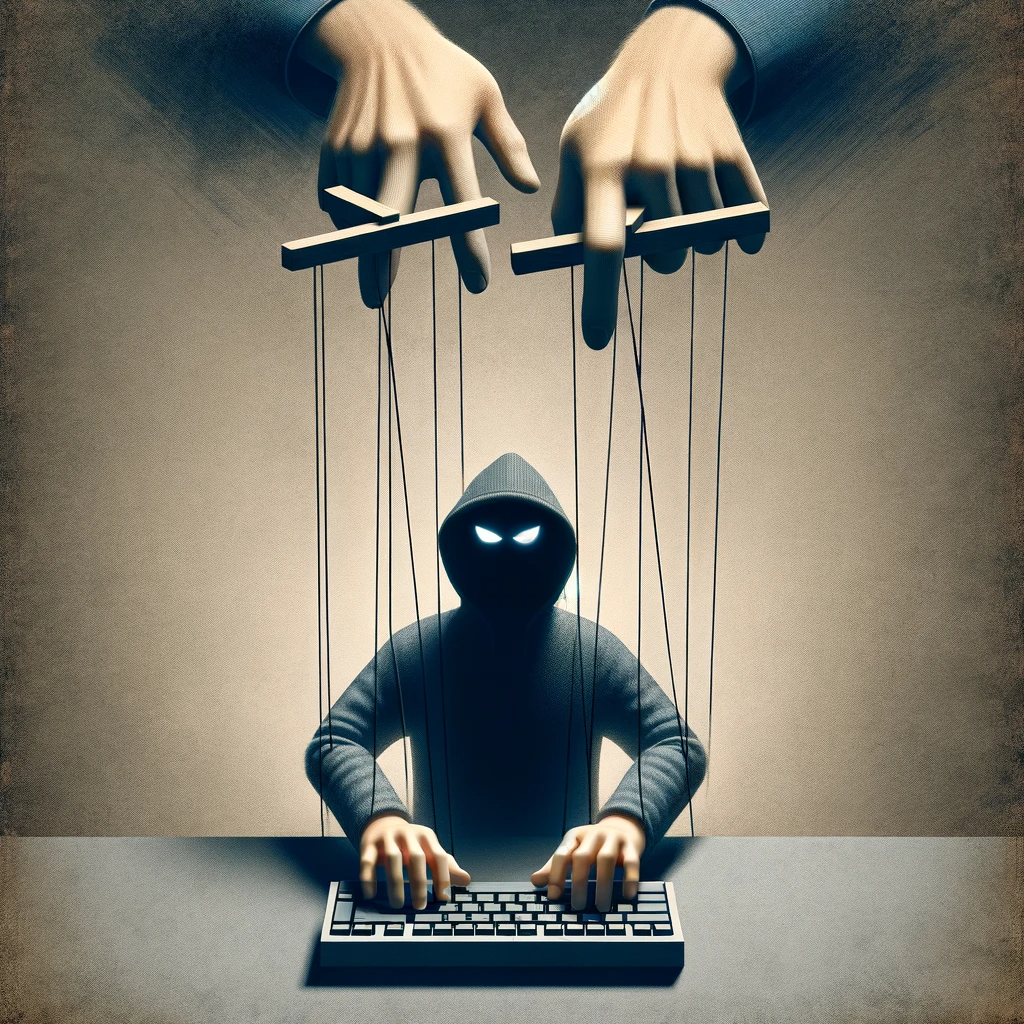
Are There Laws Against Fearmongering For Data Extraction?
Are There Laws Against Fearmongering For Data Extraction?
- The digital age is rife with fearmongering in cybersecurity, driven by misinformation and alarming headlines.
- Companies often exploit fear to emphasize data protection, raising economic and emotional concerns for consumers.
- Urgent warnings about cyber threats can lead to consumer panic and reliance on companies for security.
- Regulations against misleading practices exist, with the FTC monitoring deceptive marketing in the digital landscape.
- It’s crucial to distinguish between genuine cybersecurity warnings and manipulative tactics that capitalize on anxiety.
- Consumers should seek reputable sources and connect with cybersecurity communities to enhance their knowledge.
- A well-informed consumer is less susceptible to fearmongering tactics, empowering them to make rational decisions.

Are There Laws Against Fearmongering For Data Extraction?
Conclusion
As we wrap up this exploration into the murky waters of fearmongering, let’s take a moment to reflect on just how deep this rabbit hole goes. The digital age, for all its conveniences, exposes us to a barrage of alarmist headlines and exaggerated threats designed to send us into a panic. Whether it’s social media posts warning of dire breaches or emails invoking a sense of imminent doom, it’s clear that fear is a commodity, and it’s being expertly wielded to extract one thing: our personal information.
Now, I get it. We’re all busy juggling life’s responsibilities—working hard, taking care of family, and striving to stay afloat in this chaos. With our heads down, we often miss the fact that we’re being nudged (or shoved) in directions we might not want to go. When faced with urgency, our instincts kick in, driving us to act without pausing to question the motives behind that digital alarm bell. But the tide can turn; we have the power to flip the script.
So how do we shift from being pawns in someone else’s game to becoming the savvy players in our own right? It begins with education—arm yourself with knowledge. The more informed you are about cybersecurity measures and the tactics employed by fearmongers, the less inclined you’ll be to let fear dictate your actions. Ask tough questions when confronted with requests for your information, check sources, and always look for that crucial context behind shocking statistics.
Moreover, adopting a mindset of skepticism allows us to build resilience against manipulation. You might come across sensational claims about data breaches, but don’t fall for the trap of allowing your emotions to drive hasty decisions. Take a deep breath, think critically, and if something smells fishy, it’s probably better to step back.
At the end of the day, it comes down to empowerment. Stay informed, stay curious, and don’t shy away from demanding transparency—from companies and individuals alike. In this digital wilderness, knowledge isn’t just power; it’s our best defense against the specter of fearmongering. So the next time a headline gets your heart racing, take a moment to pause—because you’ve got the tools at your disposal to navigate this crazy landscape on your own terms. Let’s take control of the narrative, folks—we deserve nothing less!

Conclusion
Conclusion:
- The digital age presents a flood of fearmongering tactics through alarmist headlines and exaggerated threats.
- Fear is a commodity manipulated to extract personal information from individuals.
- People often act on urgency without questioning the motives behind digital alarms due to their busy lives.
- Education and knowledge about cybersecurity can help individuals resist fear-based manipulation.
- Skepticism and critical thinking are crucial in building resilience against sensational claims.
- Empowerment comes from staying informed, curious, and demanding transparency.
- Taking a moment to pause before reacting can help navigate the complexities of the digital landscape.

Conclusion
Other Resources

Other Resources
Here is a list of other resources you can review online to learn more:
- RedLegg
- SOCSoter
- Anchor Technologies
- DataLink Interactive
- Ascend Technologies LLC
- Armadillo Managed Services
- Spade Technology
- Techcess CyberSecurity Group
- Dataprise
Use This Prompt To Get More Resources With Your Favorite Online AI Tool: Please provide me with a list of online articles with their URLs in a bulleted list that I can read regarding Is Fearmongering Used to Extract Your Personal Information?

Other Resources
Glossary Terms
Is Fearmongering Used to Extract Your Personal Information? – Glossary Of Terms
1. Fearmongering
: The practice of instilling fear in people to manipulate their actions or opinions, often for political, commercial, or personal gain.
2. Personal Information
: Any data that can be used to identify an individual, such as name, address, phone number, and social security number.
3. Data Privacy
: The right of individuals to control their personal information and how it is collected, stored, and shared.
4. Phishing
: A tactic used to trick individuals into providing sensitive information, typically through deceptive emails or websites.
5. Manipulation
: The act of influencing an individual’s behavior or decision-making process through deceptive or exploitative tactics.
6. Psychological Warfare
: The use of psychological tactics to influence, intimidate, or coerce individuals or groups, often through fear.
7. Misinformation
: False or misleading information spread without malicious intent, often contributing to fear and confusion.
8. Disinformation
: Deliberately false or misleading information spread with the intent to deceive or harm.
9. Scare Tactics
: Strategies used to instill fear in order to persuade others to accept a certain viewpoint or action.
10. Social Engineering
: Psychological manipulation techniques used to trick individuals into divulging confidential information.
11. Data Breach
: An incident where unauthorized individuals gain access to personal or sensitive data without consent.
12. Cybersecurity
: The practice of protecting computer systems and networks from theft, damage, or unauthorized access.
13. Identity Theft
: A crime where someone uses another person’s personal information without their permission, often for financial gain.
14. Privacy Policy
: A legal document that outlines how an organization collects, uses, and protects personal information.
15. Consent
: Permission given by individuals for their personal information to be collected, used, or shared.
16. Targeted Advertising
: Advertising strategies that use personal information to present tailored content to individuals, often leveraging fear-based messaging.
17. Sensation Seeking
: The tendency to pursue novel and intense experiences, which can help in understanding why fearmongering can be effective.
18. Cognitive Bias
: Systematic patterns of deviation from norm or rationality in judgment, which fearmongering can exploit to sway perception.
19. Surveillance
: Monitoring of individuals’ activities, often using data collection methods that may be justified through fear-based narratives.
20. Scapegoating
: Blaming a person or group for problems or fears, which can be used to distract or manipulate public opinion.
21. Alarmism
: The tendency to exaggerate potential dangers, often resulting in unnecessary panic and fear.
22. Confirmation Bias
: The tendency to search for, interpret, and remember information in a way that confirms one’s preconceptions, often used in fear-based narratives.
23. Bait and Switch
: A deceptive marketing tactic where consumers are lured in with one offer only to be presented with a different, often less beneficial one.
24. Trust Erosion
: The gradual loss of trust in institutions or individuals, often amplified through fearmongering tactics.
25. Emotional Manipulation
: The use of emotional appeals, like fear, to influence behavior and decision-making.
26. Crisis Exploitation
: Capitalizing on a crisis situation to further a specific agenda, often through fear-based messaging.
27. Echo Chamber
: An environment where one only encounters information or opinions that reinforce their own, often deepening fear and misinformation.
28. Public Health Scare
: Fear-based messaging relating to health issues, which can be used to extract personal information or promote certain products.
29. Algorithmic Profiling
: Using algorithms to analyze data and predict individuals’ behavior, often based on fear-driven patterns.
30. Digital Footprint
: The trail of data one leaves behind on the internet, which can be exploited by fearmongering tactics to extract personal information.

Glossary Of Terms
Other Questions
Is Fearmongering Used to Extract Your Personal Information? – Other Questions
If you wish to explore and discover more, consider looking for answers to these questions:
- What are some examples of fearmongering tactics in everyday media?
- How can I differentiate between genuine cybersecurity threats and manufactured fear?
- What should I look for in credible sources of information regarding cybersecurity?
- Are there specific red flags to watch for in emails or messages asking for personal information?
- What steps can I take to improve my online security against fear-driven scams?
- What are the psychological effects of fear when it comes to decision-making online?
- How can I educate myself about cybersecurity without feeling overwhelmed?
- What role do social media platforms play in spreading fearmongering tactics?
- Can fearmongering affect businesses or organizations as well as individuals?
- What are the legal implications for companies that engage in fearmongering for data extraction?
- How can I report suspected fearmongering tactics to authorities?
- What are best practices for handling unsolicited requests for personal information?

Other Questions
Haiku
Is Fearmongering Used to Extract Your Personal Information? – A Haiku
Fear spins its web tight,
Data taken in the dark,
Think, resist the fright.

Haiku
Poem
Is Fearmongering Used to Extract Your Personal Information? – A Poem
In the Shadows of Fear
In a world where shadows loom,
Where headlines echo doom,
We scroll through screens that capture sight,
Awash in warnings that provoke our fright.
Fear is a whisper, a clenching grip,
A siren’s call on a digital trip—
“Your data’s at risk! Your safety’s in doubt!
Click here, act fast—there’s no time to scout!”
But pause, dear soul, with racing heart,
Do these frantic tales have a different part?
Behind the panic lies a cunning scheme,
To collect your secrets, to shatter your dream.
Embrace the light of critical thought,
Let not their urgency leave you fraught.
For when fear rules, reason takes flight,
And we click and submit in the cloak of the night.
Educate yourself, be wise, be aware,
Seek out the truth hiding under despair.
Do questions arise when they demand stride?
Probe and protect, let skepticism guide.
Turn fear into power, let knowledge gleam bright,
Equip your mind with the tools for the fight.
No longer a pawn in their fear-laden game,
Stand firm in your truth, don’t fall for the fame.
So as you journey through cyberspace wild,
Remember the lessons, let wisdom be styled:
Fear may be powerful, but knowledge is key,
You hold the control—be the guardian of “me.”

Poem
Checklist
Is Fearmongering Used to Extract Your Personal Information? – A Checklist
Checklist: Protecting Yourself from Fearmongering in Data Collection
1. Stay Informed:
_____ Regularly educate yourself about cybersecurity threats and best practices.
_____ Follow trustworthy sources of information rather than sensationalized media.
2. Analyze Headlines Critically:
_____ Look for exaggerated language, such as “crisis,” “epidemic,” or “imminent threat. ”
_____ Ask if the language provokes panic rather than informs.
3. Evaluate Information Sources:
_____ Check the credibility of the source before acting on any information.
_____ Cross-reference facts with multiple reputable sources.
4. Recognize Emotional Appeals:
_____ Be aware of how fear can cloud your judgment.
_____ Distinguish between genuine concerns and manufactured fear driven by agendas.
5. Practice Skepticism:
_____ Approach alarming messages with caution. Verify claims before reacting.
_____ Consider whether the message is promoting informed action or merely creating anxiety.
6. Ask Questions:
_____ Don’t hesitate to inquire about why personal information is being requested.
_____ Seek clarity and transparency from those asking for your data.
7. Assess Urgency:
_____ Take a moment before acting on urgent requests to evaluate their legitimacy.
_____ Avoid making hasty decisions under pressure.
8. Build Your Resilience:
_____ Cultivate confidence in your understanding of cybersecurity.
_____ Engage in communities with like-minded individuals to share knowledge and experiences.
9. Know Your Rights:
_____ Familiarize yourself with laws against deceptive marketing and misleading practices.
_____ Be aware of organizations like the FTC that monitor such behaviors.
10. Practice Good Cyber Hygiene:
_____ Regularly update passwords and use two-factor authentication.
_____ Keep software and systems up to date to minimize vulnerabilities.
11. Share Your Experiences:
_____ Discuss your encounters with fearmongering with trusted friends or family.
_____ Support each other in recognizing and combating manipulative tactics.
12. Trust Your Instincts:
_____ If something feels off, take a step back to reassess the situation.
_____ Protect your privacy fiercely and don’t feel pressured into sharing personal information.
By following this checklist, you can empower yourself to recognize fearmongering tactics and protect your personal information from those who exploit fear for data extraction.

Checklist
At BestCyberSecurityNews, we help teach entrepreneurs and solopreneurs the basics of cybersecurity and its impact on their businesses by using simple concepts to explain difficult challenges.
Please read and share any of the articles you find here on BestCyberSecurityNews with your friends, family, and business associates.