


Protecting The Elderly From Online Scams
By Tom Seest
At BestCyberSecurityNews, we help teach entrepreneurs and solopreneurs the basics of cybersecurity and its impact on their businesses by using simple concepts to explain difficult challenges.
Please read and share any of the articles you find here on BestCyberSecurityNews with your friends, family, and business associates.
How Are Cybercriminals Targeting Vulnerable Seniors?
In today’s digital world, where simplicity often clashes with sophistication, seniors find themselves in a precarious position. Cybercriminals are becoming increasingly shameless, zeroing in on the vulnerabilities of older adults who might not have grown up in the same tech-savvy environment as younger generations. These predators, armed with an arsenal of deceitful tactics, are exploiting every crack in the digital facade, making it imperative that we shed light on how they operate.
Cybersecurity isn’t just a buzzword—it’s a necessary shield for our society’s most vulnerable members. Cybercriminals recognize that many seniors may lack the knowledge or experience to navigate the internet’s treacherous waters. Phishing scams are perhaps the most common tactic. These scammers craft cleverly disguised emails that look legitimate, often posing as banks or healthcare providers. With a little persuasive language, they lure victims into revealing sensitive information, like Social Security numbers or bank account details.
Beyond the emails, there’s the insidious world of social engineering. Cybercriminals are adept at preying on emotions, employing strategies that evoke feelings of fear or urgency. Imagine a senior receiving a phone call from someone claiming to be from the IRS, threatening legal action for unpaid taxes. In a state of panic, they may divulge personal information without a second thought. It’s a game of psychological chess that these criminals play with alarming success.
Then we have the growing threat of ransomware attacks, where cybercriminals seize control of an individual’s files and demand a ransom for their release. Many seniors, perhaps unaware of the potential consequences, might be tempted to pay up just to regain access to their cherished family photos or medical records.
Not to be overlooked are the online scams that target seniors on social media platforms. Fraudsters pose as long-lost friends, offering heartfelt messages that all too often lead to requests for money. The Internet can be a place of connection, but it’s also a hunting ground for those with ill intent.
So, how can we combat this epidemic? Education and awareness are key. Seniors must arm themselves with knowledge about potential threats and how to protect their personal information. It’s not just about technology; it’s about safeguarding the trust that can be so easily taken advantage of. In a world that’s constantly evolving, the only way to outsmart these cybercriminals is by staying one step ahead, reinforcing the need for comprehensive cybersecurity education.

How Are Cybercriminals Targeting Vulnerable Seniors?
How Are Cybercriminals Targeting Vulnerable Seniors?
- Seniors face significant risks in today’s digital world due to increasing cybercriminal activities.
- Many older adults lack the tech-savvy skills to navigate online threats effectively.
- Phishing scams are prevalent, with scammers posing as trusted entities to extract sensitive information.
- Social engineering tactics manipulate emotions, making seniors vulnerable to giving up personal details during high-pressure situations.
- Ransomware attacks pose a significant risk, with criminals demanding payment to regain access to important files.
- Online scams on social media often involve fraudsters pretending to be old friends seeking financial assistance.
- Education and awareness are vital for seniors to learn about cyber threats and protect their personal information.
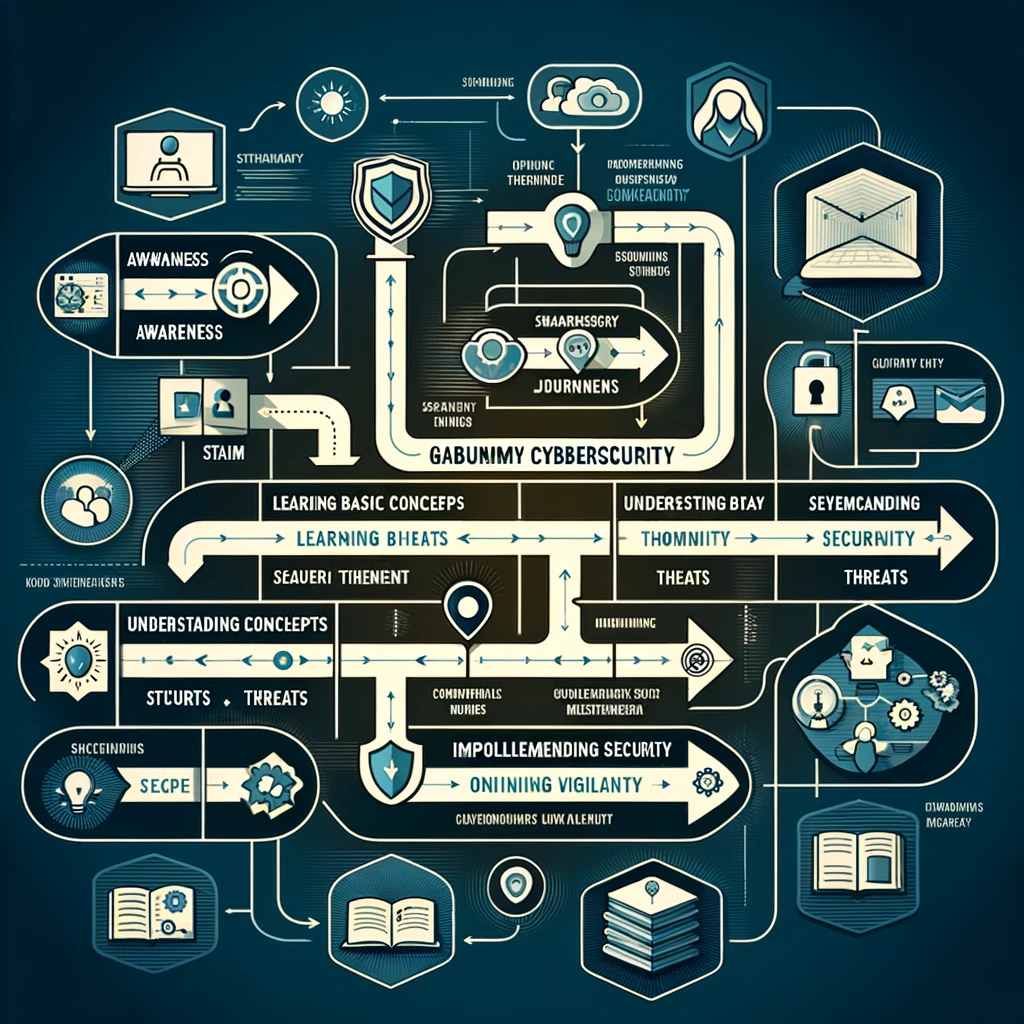
How Are Cybercriminals Targeting Vulnerable Seniors?
Table Of Contents
- How Are Cybercriminals Targeting Vulnerable Seniors?
- What Tactics Do Cybercriminals Use Against Seniors?
- How Do Scams Evolve To Target Older Adults?
- What Are Common Types Of Scams Aimed At Seniors?
- How Can Seniors Recognize Phishing Attempts?
- What Role Does Social Media Play In Senior Scams?
- How Can Family Members Help Protect Vulnerable Seniors?
- What Resources Are Available For Seniors Facing Cyber Threats?
- Conclusion
- Other Resources
- Glossary Of Terms
- Other Questions
- Haiku
- Poem
- Checklist
What Tactics Do Cybercriminals Use Against Seniors?
When it comes to the digital world, seniors are often seen as low-hanging fruit for cybercriminals. It’s a grim reality that should concern us all. The tactics these online predators utilize are not only deceptive but also alarmingly effective. Many seniors, since they didn’t grow up with the internet, may lack the knowledge of basic cybersecurity practices, making them prime targets.
One of the most common tactics involves phishing emails. These messages can appear benign at first glance, often mimicking trusted institutions like banks or utility companies. A senior might receive an email claiming their account has been hacked, urging them to click a link to verify their information. Once they do, they’re not just giving away their password but opening the door to a world of chaos. This is a classic bait-and-switch that demonstrates a profound disregard for the unsuspecting individual on the other end.
Then there’s the nefarious world of imposter scams. A senior might get a phone call from someone posing as a tech support agent from a reputable company—maybe claiming there’s a virus on their computer. These attackers can be very convincing, throwing jargon around like “malware” and “firewalls” until the senior feels overwhelmed and trusts them enough to grant remote access to their device. In the moment, it’s easy to overlook the red flags, and bam—their personal information is now in the hands of criminals.
Another tactic gaining traction is the so-called “lottery scam.” In this scenario, seniors receive an announcement that they’ve won a jackpot—albeit, they need to “claim” the prize with a small fee or by providing personal details. Once hooked, many find themselves out of pocket before they even realize they were never in the running for any grand reward.
Cybercriminals also capitalize on the emotional aspect of communication. They often prey on feelings of loneliness or vulnerability, tricking seniors into thinking they’re establishing genuine connections. Romance scams, for instance, are all too common, where victims are led to believe they’ve found love online, only to be exploited financially.
As we navigate this increasingly digital landscape, it’s crucial that we bolster our cybersecurity knowledge, not just for ourselves but for our senior loved ones. We must educate and empower them to recognize these threats—to help them evade the traps laid by those who would exploit them. After all, awareness is our first line of defense against a tide of deceit.

What Tactics Do Cybercriminals Use Against Seniors?
What Tactics Do Cybercriminals Use Against Seniors?
- Seniors are often targeted by cybercriminals due to a lack of cybersecurity knowledge.
- Phishing emails deceive seniors by mimicking trusted institutions, leading to compromised accounts.
- Imposter scams involve fraudsters posing as tech support agents, convincing seniors to grant remote device access.
- The “lottery scam” tricks seniors into believing they’ve won money, requiring fees or personal information to claim a nonexistent prize.
- Cybercriminals prey on seniors’ emotions, particularly through romance scams that exploit vulnerabilities for financial gain.
- It is essential to educate seniors on recognizing cybersecurity threats to protect them.
- Awareness and knowledge are critical defenses against cyber deception in the digital landscape.

What Tactics Do Cybercriminals Use Against Seniors?
How Do Scams Evolve To Target Older Adults?
Scams and fraud have a long history, but as with many things in life, they’ve evolved with the times. Older adults—often seen as prime targets—have become particularly vulnerable due to the rapid shift to digital communication. With the rise of technology, scammers now employ a myriad of techniques that can infiltrate homes with the click of a button, blending seamlessly into the everyday lives of their victims.
Imagine an elderly couple sitting in their living room, sipping coffee as they scroll through social media or check their emails. This convenience, however, brings with it risks that many may not fully understand. Cybersecurity threats are now lurking behind friendly messages, enticing offers, and even fake alerts from trusted brands. Scammers have become more sophisticated, using data mining to personalize their attacks, which can make a seemingly legitimate message all the more convincing.
One common tactic we see today is the impersonation of institutions or individuals the older generation knows and trusts—like banks or government agencies. These scams often bypass traditional defensive walls simply because they exploit a lack of awareness regarding the latest cybersecurity measures. It’s not uncommon for a scammer to masquerade as a loved one in a time of crisis, asking for money urgently. They know that emotions run high, and in those moments, judgment can be clouded.
Additionally, the sheer number of scams is rising, with new ones appearing almost daily. Scammers are quick to adapt, pivoting their strategies to exploit current events. During times of crisis, such as natural disasters or public health emergencies, we see a surge in fraudulent activities. They prey on compassion and concern, and in doing so, they create an emotional whiplash that leaves victims reeling.
Awareness is the best weapon we have against these evolving scams. Education on how to spot and report suspicious activity is essential for the older population. Family members and caregivers can play a pivotal role by discussing cybersecurity best practices, helping loved ones recognize the hallmarks of a scam, and encouraging skepticism—an essential trait in today’s digital world.
As the landscape of scams continues to change, the focus has to remain on prevention. Understanding how scammers evolve helps build resilience in our communities, especially among our senior citizens. After all, it’s about ensuring that technology serves us and doesn’t become a tool for exploitation.

How Do Scams Evolve To Target Older Adults?
How Do Scams Evolve To Target Older Adults?
- Scams and fraud have evolved over time, becoming more sophisticated with advancements in technology.
- Older adults are particularly vulnerable to scams due to the shift toward digital communication.
- Scammers use personalized attacks, making fraudulent messages seem legitimate through data mining.
- Common scams involve impersonating trusted institutions, like banks and government agencies.
- Fraudulent activities often spike during crises, exploiting emotions and compassion.
- Raising awareness and educating seniors on spotting scams is crucial for prevention.
- Family and caregivers can help by discussing cybersecurity practices and fostering skepticism.

How Do Scams Evolve To Target Older Adults?
What Are Common Types Of Scams Aimed At Seniors?
In today’s world, where everything is interconnected through the internet, seniors are often the unsuspecting targets of various scams. These incidents can be more than just a nuisance; they delve into the darker pockets of human greed, exploiting those who might be less familiar with the tactics of the unscrupulous. Let’s take a closer look at some of the most common scams that seem to specifically target older adults.
One prevalent scheme is the infamous sweepstakes scam. Picture this: you receive a call claiming you’ve won a hefty jackpot, but there’s a catch—you need to pay a “processing fee” to claim your prize. Many seniors, excited by the prospect of a windfall, can be easily lured into this trap. Their bank accounts often suffer as a result, and scammers walk away with the winnings instead.
Then there’s the phishing scam, a clever twist on the classic confidence trick. Through emails that appear legitimate, fraudsters attempt to gather sensitive information. They might masquerade as a bank, promising secure access to an account—an approach that can send alarm bells ringing for those unaware of the importance of cybersecurity. Seniors might not recognize these red flags, which means they could unwittingly hand over personal details.
Romance scams are perhaps the most heart-wrenching of all. Scammers create fake profiles on dating sites and social media platforms, developing relationships with unsuspecting individuals. Once trust is established, they weave elaborate tales of financial woes, convincing their victims to send money or gifts. For seniors seeking companionship, these scams can leave emotional scars alongside financial loss.
And let’s not overlook the imposter scams. Fraudsters may claim to be from a government agency or even a family member in distress, demanding immediate payment or personal information. Such tactics prey on parental instincts and fear, compelling seniors to act quickly without a moment’s hesitation.
Finally, home repair scams have been on the rise. Unscrupulous contractors promise to fix a roof or landscape a yard, only to vanish after taking deposits. For seniors looking to maintain their homes, these scams can be especially devastating, leaving them not just out of pocket but also with unfinished work.
Awareness remains the best defense against these scams. A few simple precautions and a healthy dose of skepticism can empower seniors to navigate this treacherous landscape and avoid falling victim to nefarious intentions. Ultimately, it’s about protecting their hard-earned resources and preserving their peace of mind in an ever-evolving digital world.
What Are Common Types Of Scams Aimed At Seniors?
What Are Common Types Of Scams Aimed At Seniors?
- Seniors are increasingly targeted by scams due to their lack of familiarity with online fraud tactics.
- The sweepstakes scam involves calls about winning money, but requiring payment of a “processing fee” to claim the prize.
- Phishing scams use deceptive emails that appear legitimate to gather sensitive personal information from seniors.
- Romance scams exploit emotional connections, with fraudsters convincing victims to send money after establishing trust.
- Imposter scams involve fraudsters posing as government officials or family members in distress to extract money or info.
- Home repair scams see contractors take deposits without completing promised work, leaving seniors with financial losses.
- Raising awareness and maintaining skepticism can help seniors protect themselves from these scams.

What Are Common Types Of Scams Aimed At Seniors?
How Can Seniors Recognize Phishing Attempts?
In today’s digital landscape, where emails and messages flood our inboxes faster than you can brew a pot of coffee, recognizing phishing attempts can feel like trying to spot a needle in a haystack—especially for seniors who didn’t grow up in the age of screens and virtual scams. Cybersecurity has become a buzzword we hear in the news, but let’s break it down in plain terms to help you navigate these treacherous waters.
First and foremost, don’t be taken in by flashy emails. Phishing attempts often masquerade as legitimate messages from banks, retailers, or even government agencies, claiming you’ve won a prize or need to verify your account. If it sounds too good to be true, it probably is. Look for odd formatting, strange logos, or poor grammar. A reputable organization typically maintains a level of professionalism, and if an email looks off, trust your gut.
Next, check the sender’s email address. Sometimes it may look similar to the real thing, like replacing a letter or adding a number. For example, instead of “mybank.com,” you might see “mybank123.com.” If you have to squint or second guess, don’t click any links. Instead, directly type the organization’s website into your browser and log in from there. That way, you’re interacting with the real deal—not a cleverly disguised trap.
When you receive unsolicited requests for personal information, whether over email, text, or social media, pause and think critically. Organizations won’t email you out of the blue asking for your login details or Social Security number. They already have that information. If in doubt, contact the organization directly using a phone number you know is valid, not one provided in the suspicious message.
Another trick the bad guys use involves urgency. They’ll tell you that your account will be suspended or that a prize will vanish if you don’t act immediately. Remember, legitimate entities won’t pressure you. Take your time to analyze the situation, do some research, and consult with friends or family if you feel unsure.
In a world where phishing scams are constantly evolving, education is your best defense. Pursue learning opportunities on Cybersecurity measures available to help seniors navigate the digital age safely. Be proactive, stay informed, and don’t let the clever scammers catch you off guard. With a little awareness, you’ll be well-equipped to spot a fake—and protect what’s yours.

How Can Seniors Recognize Phishing Attempts?
How Can Seniors Recognize Phishing Attempts?
- Phishing attempts are common and can be confusing, especially for seniors unfamiliar with digital scams.
- Avoid flashy emails that claim prizes or account verifications; if it seems too good to be true, it probably is.
- Examine the sender’s email address for subtle changes; avoid clicking links in suspicious emails.
- Always verify unsolicited requests for personal information directly with the organization using a known contact method.
- Be cautious of urgent messages that create pressure to act quickly; take your time to assess the situation.
- Education is crucial in combating phishing scams; seek out learning opportunities in cybersecurity tailored for seniors.
- Staying informed and aware can help you recognize scams and protect your personal information.

How Can Seniors Recognize Phishing Attempts?
What Role Does Social Media Play In Senior Scams?
In a world where connections are just a click away, social media has become an omnipresent force, particularly among seniors. For many, it’s a platform to reconnect with long-lost friends, share life stories, and stay updated on family happenings. However, lurking in the shadows of these seemingly harmless interactions are scammers, vying to exploit the vulnerabilities that technology often introduces. The role of social media in senior scams is as troubling as it is multifaceted.
First, let’s consider the psychology at play. Many seniors, eager for companionship and curating their digital lives, may let their guard down, inadvertently becoming ideal targets. Scammers leverage this openness, often masquerading as trustworthy contacts or legitimate organizations. A friendly message can quickly morph into a ploy to gain access to personal information, financial details, or even emotional vulnerabilities.
Now, sprinkle in a dash of cybersecurity knowledge—or the lack thereof—and the situation grows even more dire. Unfortunately, not every senior is well-versed in the ways of protecting their digital footprint. Passwords may be weak, and personal data shared excessively. Scammers know this and exploit it with ruthless efficiency. The seductive allure of social media makes it easy for bad actors to create fake profiles, drawing in unsuspecting seniors like moths to a flame. Underneath a friendly facade, these profiles can lead to a minefield of scams, ranging from identity theft to elaborate schemes involving fabricated inheritances or prize winnings.
The ripple effect doesn’t stop there. Once a scammer gains traction within a community, the damage multiplies. Social connections can become conduits for misinformation, as seniors unknowingly share their experiences with others, unwittingly enticing their friends into similar traps. The once safe haven of social media becomes a breeding ground for deceit.
On the brighter side, awareness and education are powerful tools that can turn the tide against these insidious tactics. As families and caregivers engage with seniors, they should also prioritize discussions about safe online behaviors. Topics like recognizing red flags, understanding phishing tactics, and emphasizing the importance of robust cybersecurity can arm seniors with the knowledge they need to navigate the digital landscape more securely. By prioritizing education, we shift the narrative, ensuring that social media remains a tool for connection, not a gateway for scams.

What Role Does Social Media Play In Senior Scams?
What Role Does Social Media Play In Senior Scams?
- Social media is prevalent among seniors, serving as a platform for reconnecting and sharing life updates.
- Seniors’ eagerness for companionship can make them vulnerable targets for scammers.
- Scammers often pose as trustworthy contacts or organizations to exploit seniors’ openness.
- Lack of cybersecurity knowledge among seniors increases susceptibility to scams.
- Fake profiles are easily created on social media, leading to various scams such as identity theft.
- The spread of misinformation can occur within social networks, further endangering seniors.
- Education and awareness are crucial to empower seniors to recognize scams and promote safe online behaviors.

What Role Does Social Media Play In Senior Scams?
How Can Family Members Help Protect Vulnerable Seniors?
In a world that’s increasingly plugged into the digital ether, our older relatives are often left navigating a landscape that feels foreign and overwhelming. It’s our responsibility to lend a guiding hand. So, how do you ensure the well-being of the vulnerable seniors in your life? Let’s break it down into some key takeaways that can make a real difference.
First off, Cybersecurity should be at the top of the list. Now, I know what you’re thinking—how on earth can Grandma understand terms like “phishing” or “firewall”? It’s up to you to educate her in the simplest terms. Sit together and explain the importance of choosing strong passwords and recognizing suspicious emails or messages. You wouldn’t let her wander through a dark alley without a flashlight, so why would you let her navigate the internet without guidance? Regularly check her devices for software updates or security breaches, and install programs that can help shield her from the digital threats lurking out there.
Next up, don’t underestimate the power of routine check-ins. This goes beyond the weekly phone call; it’s about being proactive. Schedule a visit to inspect her living conditions. Are the stairways clear? Are there still those old throw rugs that could trip her up? Are the smoke detectors working? These small but significant actions can help mitigate the risk of accidents in the home that might otherwise go unnoticed.
Social connections are equally vital. Many seniors experience loneliness, which can lead to mental health issues and, in turn, vulnerability. Encourage them to engage in community activities, book clubs, or even family gatherings. If they’re hesitant, why not lead by example? Invite them to lunch, take a stroll together, or play a game. Genuine interaction doesn’t just boost their spirits; it gives you the chance to keep a close eye on their well-being.
Lastly, be aware of scams. As the adage goes, if something seems too good to be true, it usually is. Regularly discuss current scams that target seniors. These conversations can keep your loved ones alert and help them spot potential threats right away.
In essence, protecting vulnerable seniors means stepping into their world—digitally, socially, and physically. By taking these measures, you not only safeguard their well-being but also show them that they’re not alone in navigating this challenging terrain. After all, everybody deserves a safety net, especially those who’ve given so much for us.

How Can Family Members Help Protect Vulnerable Seniors?
How Can Family Members Help Protect Vulnerable Seniors?
- Cybersecurity is crucial for seniors; educate them on strong passwords and suspicious messages.
- Regularly check their devices for software updates and security breaches.
- Routine check-ins go beyond phone calls; inspect living conditions for safety hazards.
- Encourage social connections to combat loneliness and its associated mental health issues.
- Lead by example by inviting seniors to activities and spending quality time with them.
- Discuss current scams that target seniors to help them recognize and avoid potential threats.
- Protecting seniors involves supporting them across digital, social, and physical aspects of life.

How Can Family Members Help Protect Vulnerable Seniors?
What Resources Are Available For Seniors Facing Cyber Threats?
In today’s digital Wild West, where cowboys ride into your inbox instead of the old dusty saloon, it’s more critical than ever for seniors to arm themselves with the right tools and resources against cyber threats. The world of cybersecurity can be a maze of jargon and complexity, but fear not! Help is at hand, and there is plenty of firepower available for those ready to take on digital bandits.
First off, let’s talk about education. Knowledge is power, folks, and for seniors, that means getting familiar with the basics of cybersecurity. Plenty of organizations, such as local community centers, libraries, and non-profits, offer workshops that cover the essentials of online safety. Take advantage of these opportunities! Learning how to recognize phishing emails or avoid sketchy websites can mean the difference between a secure online experience and an unpleasant breach.
Next up, consider reaching out to trusted family members or friends who are tech-savvy. It’s perfectly okay to lean on the younger generation for support when navigating this digital frontier. They can provide guidance on safe browsing habits, how to set up strong passwords, and what software or tools to use to safeguard personal information.
But education and support systems are just the tip of the iceberg. There’s a whole suite of cybersecurity software designed specifically for seniors. From antivirus programs to VPNs (Virtual Private Networks), these tools can act as your digital armor, protecting against malware, hacking attempts, and more. Many software companies offer user-friendly versions aimed at older adults—easy to install, easy to use, and powerful enough to shield your personal data from prying eyes.
And let’s not forget about the role of law enforcement and community resources. Many police departments have dedicated cybercrime units that provide information and resources on how to combat fraud. They might even host seminars or run programs aimed specifically at empowering seniors in the realm of online safety.
Finally, there are hotlines and support groups tailored to assist seniors who have fallen victim to cyber threats. These organizations can provide guidance on reclaiming your identity or recovering lost funds. No one should navigate these waters alone, and these resources offer vital lifelines to those in need.
In summary, while the world of cybersecurity can seem daunting, a wealth of resources exists to support seniors facing cyber threats. So, gear up, get informed, and remember—you’ve got a community rallying behind you, ready to help when you need it most.

What Resources Are Available For Seniors Facing Cyber Threats?
What Resources Are Available For Seniors Facing Cyber Threats?
- Seniors need to equip themselves with tools and resources to combat cyber threats in today’s digital landscape.
- Education is crucial; workshops offered by community centers, libraries, and non-profits can help seniors learn online safety basics.
- Reaching out to tech-savvy family members or friends can provide valuable support in navigating online dangers.
- Cybersecurity software tailored for seniors, such as antivirus programs and VPNs, can protect personal data effectively.
- Law enforcement agencies often have cybercrime units that offer resources and seminars specifically for seniors on online safety.
- Hotlines and support groups exist to assist seniors who have experienced cyber threats, providing guidance on recovery.
- A strong community network and available resources empower seniors to take control of their cybersecurity.

What Resources Are Available For Seniors Facing Cyber Threats?
Conclusion
As we wrap up this critical discussion on the perilous intersection of cybercrime and senior vulnerability, let’s reflect on the key takeaways. In a world that has shifted gears into a relentless digital landscape, our elders are often left to swim in unfamiliar waters—often without the life jackets they so desperately need. Cybercriminals, with their insidious tactics, are prowling this space like wolves waiting for the weakest sheep to stray from the herd.
The strategies they employ are as varied as they are cunning—whether it’s phishing emails that masquerade as bank alerts, or impersonation calls that tug at the heartstrings, these predators exploit seniors’ unfamiliarity with technology. It’s painted in stark relief: older adults, many of whom did not have the upbringing of swiping screens and navigating social media, find themselves ensnared in a web of deceit spun by those who know how to manipulate the emotional landscape.
But let’s not hang our heads in despair! The good news is that awareness and education are our most potent weapons against this digital threat. Families and communities must come together to arm seniors with knowledge. Teach them to spot the red flags—those flashy emails promising riches or calls from “family members” in distress are often smoke screens. Encourage dialogue about the current scams, and be proactive in cultivating skepticism.
Moreover, there’s strength in numbers. Encourage your seniors to connect with local organizations or support networks that focus on cybersecurity education. Resources abound—from workshops to friendly family tech sessions—where we can shine a light on these shadowy tactics and create a culture of vigilance.
Lastly, as we advocate and educate, we must foster genuine connections to combat the isolation that often makes seniors easy prey. After all, at the core of the issue is not just a lack of technical skill, but a need for emotional connection. Let’s work to ensure our older loved ones feel supported, engaged, and above all, safe in their digital pursuits.
In the end, it’s about community, compassion, and standing shoulder to shoulder against the tide of deceit. Together, we can turn the tide, safeguarding those who’ve given so much for us, ensuring that they navigate the digital world with confidence and security, free from the clutches of cybercriminals. So don’t just tell them to stay safe—make sure they know how, and let every senior know they are not alone in this fight.

Conclusion
Conclusion:
- Cybercrime exploits the vulnerability of seniors in the digital landscape.
- Cybercriminals use tactics like phishing emails and impersonation calls to target older adults.
- Many seniors lack familiarity with technology, making them susceptible to scams.
- Awareness and education are crucial for protecting seniors from digital threats.
- Families and communities should teach seniors to recognize red flags in scams.
- Encouraging connections with local organizations can enhance cybersecurity awareness.
- Building emotional connections is key to supporting seniors against the isolation that makes them vulnerable.

Conclusion
Other Resources

Other Resources
Here is a list of other resources you can review online to learn more:
- Appalachia Technologies
- ControlScan, Inc.
- GRA Quantum
- Securely Managed
- Warren Averett Technology Group
- CenturyLink Managed Security Services
- AccountabilIT
- Mastodon
- SecValMSP
- Infopercept Consulting
Use This Prompt To Get More Resources With Your Favorite Online AI Tool: Please provide me with a list of online articles with their URLs in a bulleted list that I can read regarding How Are Cybercriminals Targeting Vulnerable Seniors?

Other Resources
Glossary Terms
How Are Cybercriminals Targeting Vulnerable Seniors? – Glossary Of Terms
1. Phishing: A fraudulent attempt to obtain sensitive information, such as usernames and passwords, by disguising as a trustworthy entity in electronic communications.
2. Spear Phishing: A more targeted form of phishing where attackers personalize messages to specific individuals, increasing the chances of success.
3. Scam: A deceptive scheme or trick intended to con someone out of money or personal information.
4. Ransomware: Malicious software that encrypts a victim’s files, rendering them inaccessible until a ransom is paid.
5. Trojan Horse: A type of malware disguised as legitimate software that, once installed, can compromise the user’s system.
6. Identity Theft: The unauthorized use of someone’s personal information, typically for financial gain, often targeting trustful individuals like seniors.
7. Tech Support Scam: A scam where fraudsters pose as legitimate tech support representatives to gain access to a victim’s computer or financial information.
8. Online Fraud: Any fraudulent activity conducted over the internet, including scams targeting seniors through misleading websites or communications.
9. Social Engineering: Psychological manipulation aimed at deceiving individuals into divulging confidential information.
10. Malware: Malicious software designed to harm or exploit any programmable device, service, or network.
11. Fake Check Scam: A scheme where criminals issue fraudulent checks, convincing victims to deposit them and send money before they bounce.
12. Imposter Scams: Scams where criminals impersonate someone the victim knows or trusts, often conducting scams over phone or email.
13. Investment Fraud: Deceptive practices targeting seniors to solicit investments in non-existent or highly risky ventures.
14. Subscription Scam: A scheme where victims unknowingly sign up for recurring charges, often through misleading advertisements.
15. Online Auction Fraud: Scams that occur on auction websites, where sellers misrepresent items or fail to deliver after payment.
16. Charity Scam: Fraudsters solicit donations for fake charities, targeting seniors who often have a desire to help others.
17. Credential Stuffing: An attack where cybercriminals utilize stolen usernames and passwords from one service to gain unauthorized access to other accounts.
18. Remote Access Scam: When scammers gain remote access to a victim’s computer, often through fake tech support, allowing them to steal information.
19. Privacy Breach: Unauthorized access to confidential or sensitive information, often resulting in exposure of personal data.
20. Data Mining: The practice of collecting and analyzing large sets of data to identify patterns, sometimes used by criminals to target vulnerable individuals.
21. Ad Fraud: Involves generating fake clicks or impressions on digital ads, impacting businesses and potentially leading to scams targeting seniors.
22. Phishing Website: A fraudulent website that mimics a legitimate site to trick users into entering sensitive personal or financial information.
23. Cramming: The unauthorized addition of charges to a victim’s phone bill, often without their knowledge or consent.
24. Spyware: Software that secretly collects information about a user’s activity without their knowledge, often compromising personal information.
25. Bait-and-Switch: A scam where a promised product or service is replaced with a different or inferior item after payment is made.
26. Spoofing: The act of disguising communication from an unknown source as being from a known or trusted source, often used in phishing attacks.
27. Botnet: A network of infected devices controlled by cybercriminals to exploit victims and spread attacks, sometimes involving seniors’ devices.
28. Credential Harvesting: The act of collecting sensitive user credentials through various deceptive means, typically leading to identity theft.
29. Cybersecurity Awareness: Education and training aimed at informing individuals about potential cyber threats and safe online practices to protect against scams.
30. Fraudulent Advertising: Misleading advertisements that deceive consumers, often targeting seniors with false promises of products or services.

Glossary Of Terms
Other Questions
How Are Cybercriminals Targeting Vulnerable Seniors? – Other Questions
If you wish to explore and discover more, consider looking for answers to these questions:
- What are the signs that a senior may be falling victim to a scam?
- How can seniors verify if a communication is legitimate?
- What specific cybersecurity tools are recommended for seniors?
- Which organizations offer workshops or classes on cybersecurity for seniors?
- How can family members help seniors if they believe they have been scammed?
- What legal protections exist for seniors against financial exploitation?
- What are some success stories of seniors who have thwarted scams?
- How can seniors safely engage on social media without risking their safety?
- What role do technology companies play in preventing scams targeting seniors?
- How can caregivers stay informed about emerging scams that target vulnerable populations?
- What resources are available for seniors who have been affected by identity theft?
- Are there community groups focused on cybersecurity awareness for seniors?

Other Questions
Haiku
How Are Cybercriminals Targeting Vulnerable Seniors? – A Haiku
Cyber threats abound,
Silent traps for the anxious,
Guard our seniors well.

Haiku
Poem
How Are Cybercriminals Targeting Vulnerable Seniors? – A Poem
In the digital age, where dangers roam,
Seniors tread softly through a tech-laden home.
With screens glowing bright and messages sly,
Cybercriminals lurk, ever ready to lie.
Deceptive emails, like wolves in disguise,
Phishing for treasures with glittering lies.
“Your account needs fixing”—beware of the bait,
For urgency masks what could alter your fate.
Imposter scams whisper promises sweet,
Claiming your loved ones in desperate defeat.
They ask for your help, though it’s all just a ruse,
A game played with trust, putting you in a snooze.
Romance might bloom on digital grounds,
But hearts can be heavy when betrayal abounds.
Loneliness offers them a gate wide ajar,
Leading to heartache and loss from afar.
Sweepstakes and lotteries, shiny and new,
Promising fortunes that will never come true.
With scams rising fast as the world spins around,
Vigilance and wisdom must firmly be found.
Let’s arm our dear elders with knowledge and grace,
Guide them through shadows, help them keep pace.
Educate on the dangers, the signs of a trap,
So they may surf safely and avoid the mishap.
Connections through family, foster social embrace,
Routine check-ins to secure their safe space.
For love is the armor against digital foes,
A community strong can withstand all the woes.
So let us unite as we guard the wise ones,
Protecting their stories, their laughter, their fun.
In this vast net of tech, we all have a role,
To ensure that our seniors stay safe and whole.

Poem
Checklist
How Are Cybercriminals Targeting Vulnerable Seniors? – A Checklist
Cybersecurity Awareness
_____ Educate on Cybersecurity Basics: Discuss what phishing, ransomware, and social engineering scams are.
_____ Recognize Red Flags: Help seniors identify suspicious emails, calls, and messages.
_____ Encourage Healthy Skepticism: Remind them to question unsolicited offers, requests for money, and urgent messages.
Safe Internet Practices
_____ Strong Passwords: Encourage the use of complex passwords and change them regularly.
_____ Verify Sender Information: Check email addresses and phone numbers for authenticity.
_____ Avoid Clicking on Unfamiliar Links: Remind them to type web addresses directly into the browser instead of clicking links in emails.
Regular Digital Maintenance
_____ Update Software: Regularly check for and install updates on devices and security software.
_____ Install Antivirus Programs: Equip devices with reputable antivirus and anti-malware software.
_____ Set Up Firewalls: Ensure firewalls are active to protect against unauthorized access.
Encourage Social Engagement
_____ Promote Community Involvement: Encourage participation in local groups or clubs to combat loneliness.
_____ Stay Connected: Regularly check in and engage in meaningful conversations about their digital experiences.
Identify and Report Scams
_____ Share Information About Current Scams: Provide updates on common scams targeting seniors.
_____ Encourage Reporting to Authorities: Teach them how to report suspicious activity to local authorities or consumer protection agencies.
Utilize Resources
_____ Seek Educational Workshops: Help seniors find local workshops or online resources about cybersecurity.
_____ Leverage Family Assistance: Arrange regular tech-help sessions with family members who are tech-savvy.
_____ Contact Law Enforcement: Familiarize with local police resources that address cybercrime, including hotlines for reporting scams.
General Safety Measures
_____ Physical Security Checks: Regularly check their home for safety hazards and ensure emergency contacts are accessible.
_____ Use Secure Communication Tools: Train on secure messaging services for sensitive conversations.
Regularly revisit this checklist to ensure seniors remain vigilant and protected in the digital landscape. Remember that staying informed and connected is crucial in the fight against cybercrime.

Checklist
At BestCyberSecurityNews, we help teach entrepreneurs and solopreneurs the basics of cybersecurity and its impact on their businesses by using simple concepts to explain difficult challenges.
Please read and share any of the articles you find here on BestCyberSecurityNews with your friends, family, and business associates.


