Unmasking Ai Phishing: The Modern Threat Preying On Us All
By Tom Seest
At BestCyberSecurityNews, we help teach entrepreneurs and solopreneurs the basics of cybersecurity and its impact on their businesses by using simple concepts to explain difficult challenges.
Please read and share any of the articles you find here on BestCyberSecurityNews with your friends, family, and business associates.
Forget Nigerian Princes – AI Phishing Is the New Billion-Dollar Scam
Phishing scams have evolved from the days of dubious emails promising untold riches from distant princes to something far more insidious and sophisticated: AI-driven deception. Picture this: you receive a message that looks just like one from your bank, complete with logos and a familiar tone. You trust it, instinctively. It’s tailored to you, crafted by algorithms that understand your habits and preferences. This isn’t just a scam; it’s a cold, calculated assault on your financial security, and it’s happening right now.
In a world where our lives are interwoven with technology, the stakes couldn’t be higher. Cybersecurity isn’t merely an IT issue; it’s a personal responsibility that we all share. Consider the story of a single mother who, after a busy day, received an email that seemed to offer her a discount on a popular online retailer. A simple click later, her identity was stolen. The aftermath wasn’t just financial ruin but emotional turmoil, sleepless nights, and the fear of losing everything. This is what AI phishing does—it erodes trust and wreaks havoc on lives.
We’ve all heard of the massive data breaches, yet many still believe that it won’t happen to them. The truth is that every piece of information we share online has the potential to be weaponized. Think about your social media accounts where you share seemingly innocuous details—a birthday, a pet’s name. Cybercriminals thrive on this, spinning it into narratives that tug at your heartstrings or tug on your sense of security.
Engagement is key; the criminals aren’t just targeting systems; they’re targeting us—our emotions, our fears, and our desires. They know that trust is built through familiarity. That’s why they mimic people we know and brands we love, making their messages resonate on a gut level. The emotional appeal to act can be intoxicating, and if you’re not vigilant, it can lead to devastating consequences.
It’s time to take a stand, not just for ourselves but for our communities. Spreading awareness about AI phishing can transform our social fabric. We must foster open conversations, share our experiences, and encourage others to question their interactions online. Trust extends beyond the individual; it’s about cultivating a culture of vigilance and responsibility in the digital age. Together, we can shift the narrative from one of vulnerability to one of empowerment. Let’s prioritize our cybersecurity, not just for our own peace of mind but for the collective well-being of our society.

Forget Nigerian Princes – AI Phishing Is the New Billion-Dollar Scam
Forget Nigerian Princes – AI Phishing Is the New Billion-Dollar Scam
- Phishing scams have evolved into sophisticated AI-driven deception tactics.
- Messages can mimic trusted sources, manipulating personal trust and instincts.
- Cybersecurity is a collective responsibility, affecting individuals personally and emotionally.
- Cybercriminals exploit shared information on social media to create tailored scams.
- Engagement strategies target human emotions, fears, and desires, increasing vulnerability.
- Raising awareness about AI phishing is essential for community safety and trust.
- Fostering open dialogues can empower individuals and enhance collective cybersecurity awareness.

Forget Nigerian Princes – AI Phishing Is the New Billion-Dollar Scam
Table Of Contents
- Forget Nigerian Princes – AI Phishing Is the New Billion-Dollar Scam
- What Safeguards Are In Place to Protect Your Digital Identity?
- How Can AI-Driven Scams Manipulate Our Emotions?
- What Responsibilities Do Tech Companies Have In Preventing AI Fraud?
- Can Narrative Storytelling Help Raise Awareness About Phishing Risks?
- How Do Social Behaviors Contribute to the Spread Of AI Scams?
- What Ethical Implications Arise From AI-Generated Phishing Schemes?
- How Can Individuals Cultivate a More Skeptical Mindset Online?
- Conclusion
- Other Resources
- Glossary Of Terms
- Other Questions
- Haiku
- Poem
- Checklist
What Safeguards Are In Place to Protect Your Digital Identity?
In a world where our lives are often mapped out in lines of code, the question of how we protect our digital identity isn’t just a technical consideration—it’s a matter of personal integrity. Think about it. Your digital identity is like the address to your house, the key to your life, and if that key falls into the wrong hands, it’s like inviting a stranger in for coffee without knowing their intentions. We’ve seen the headlines; cybersecurity breaches often feel like a revolving door, swinging wide open for the unscrupulous.
So, what’s being done about it? For starters, organizations now understand that cybersecurity isn’t merely a box to check; it’s a relationship cultivated over time. Imagine a well-fortified castle, not just built from bricks but from a community of defenders who watch over the walls. Multi-factor authentication, encryption, and biometric verification are akin to guards stationed at the gates, ensuring that only the rightful owner has access. When you log in to your bank account using not just a password, but a fingerprint or a one-time code sent to your phone, that’s a direct line of defense built with you in mind.
Yet, precise technology is only part of the equation. Emotional intelligence plays its role too. When companies prioritize transparency about their cybersecurity practices, they aren’t just talking tech—they’re telling you, “We care about you.” This builds trust, which can feel as essential as a warm handshake or a neighborly smile. It connects the dots between a two-dimensional screen and the three-dimensional lives we lead.
Reflecting on my own journey, I recall receiving a phone call from a friend who had fallen victim to identity theft. The anguish in her voice, the helplessness of watching her hard-earned life unravel because of a single lapse. That’s a raw reminder of why we need to ask tough questions about how our data is safeguarded.
To foster true protection, it’s essential to recognize we’re all in this together. Behavioral analytics can detect threats by monitoring unusual usage patterns, establishing a collective consciousness around digital safety. We can’t rely solely on technology; we must cultivate a proactive approach—community rallies for awareness, sharing personal stories and strategies.
In this ongoing battle for our digital identities, the safeguard isn’t only in the tools we adopt but in the unspoken bond of trust and accountability we create. Let’s be diligent, not just for ourselves but for everyone in our interconnected world. After all, in the digital age, our identities are often the most valuable currency we possess.

What Safeguards Are In Place to Protect Your Digital Identity?
What Safeguards Are In Place to Protect Your Digital Identity?
- Digital identity protection is essential for personal integrity, akin to securing one’s home.
- Cybersecurity is recognized as a long-term relationship rather than a simple checklist.
- Tools like multi-factor authentication and biometric verification serve as effective security measures.
- Companies prioritizing transparency foster trust with their users.
- Personal stories, such as experiences with identity theft, highlight the importance of data safeguarding.
- Behavioral analytics help identify threats by monitoring unusual patterns of use.
- Collective awareness and proactive community engagement are vital for digital safety.

What Safeguards Are In Place to Protect Your Digital Identity?
How Can AI-Driven Scams Manipulate Our Emotions?
In a world where technology mingles intimately with our lives, the rise of AI-driven scams represents a modern conundrum that preys on our deepest emotions. Picture yourself receiving an unexpected message—a loved one in distress, begging for immediate help. In that moment, your heart races, your gut clenches, and logic takes a back seat. These scams are not mere digital tricks; they tap into the very foundation of our humanity: our compassion, our instincts to protect those we care about.
Take, for example, a story about a retired schoolteacher named Alice. After years of nurturing young minds, she found joy in her quiet life, staying connected with children who had moved on to high school and beyond. One day, she received a call claiming to be from a “reputable” bank, stating there was unauthorized activity on her account. In a panic, Alice didn’t stop to think about whether the voice on the other end was real or a fabrication of well-trained AI. All she could focus on was the urgency, the fear that her life savings might vanish. This emotional manipulation is not just a momentary slip; it’s a calculated strategy by scammers resembling a psychological tightrope act, balancing anxiety and helplessness while pulling unsuspecting victims across.
The rational mind recognizes that cybersecurity measures are in place to protect us from such fraud, yet the emotional response often overshadows common sense. Scammers exploit our trust, our shared values of honesty and integrity. They cloak their schemes in a veneer of authority, giving false legitimacy to their operations. The ethical implications here are staggering; we are not merely targets for theft but are also left grappling with the aftereffects of shame, betrayal, and violation. Every time we hear about a loved one being scammed, it reverberates through our social circles, reminding us that none are immune.
Moreover, think about the societal narrative we create around these experiences. When Alice shared her story in a community group, it sparked a broader conversation about vigilance and awareness. Her painful lesson became a rallying point for others to fortify their defenses against the unseen forces of deceit.
By understanding the emotional manipulations at play and fostering open discussions about these issues, we build a shield of knowledge. Cybersecurity is not just a technical barrier; it’s a collective responsibility. Let’s come together and equip ourselves and those we care about with the tools to recognize these scams and forge connections built on trust and vigilance. In doing so, we take a stand, not just for ourselves, but for the integrity of our communities.

How Can AI-Driven Scams Manipulate Our Emotions?
How Can AI-Driven Scams Manipulate Our Emotions?
- AI-driven scams exploit emotions, often preying on compassion and instincts to protect loved ones.
- Alice, a retired schoolteacher, fell victim to such a scam when she received a call about unauthorized bank activity.
- Urgency and fear overshadowed Alice’s ability to think rationally, showcasing emotional manipulation by scammers.
- Scammers use trust and shared values to cloak their fraudulent schemes in legitimacy.
- The aftermath of scams leaves victims grappling with shame and feelings of betrayal.
- Alice shared her experience, prompting community discussions about vigilance and awareness against scams.
- Collective responsibility in cybersecurity is essential to equip communities against emotional manipulation and fraud.

How Can AI-Driven Scams Manipulate Our Emotions?
What Responsibilities Do Tech Companies Have In Preventing AI Fraud?
What Responsibilities Do Tech Companies Have in Preventing AI Fraud?
In the bustling world of technology, where innovation races ahead like a freight train, tech companies stand at the helm, wielding immense power. With every leap forward, however, comes an undeniable responsibility—a duty to safeguard not just their interests, but the very fabric of society. The realm of AI is particularly fraught with risks, where the potential for fraud extends beyond mere financial loss to threaten trust itself. When we talk about cybersecurity, we’re addressing an issue that’s not just technical; it’s deeply human.
Imagine a small business owner, tirelessly working late into the night to build a dream, only to find that their identity has been stolen through a sophisticated AI scheme. The heat of betrayal simmers as they watch their hard work dissolve into dust, all because the protections weren’t in place. This isn’t merely a cautionary tale; it’s a reality too many face. Tech companies have an ethical obligation to create robust defenses—firewalls that rise like sturdy barriers against an imminent storm. By investing in advanced cybersecurity measures, they can instill confidence in their users, safeguarding dreams woven into the digital fabric.
Consider the narrative of a child whose learning is augmented through AI, where every interaction is a stepping stone toward a brighter future. Yet, if fraud creeps into these interactions, it shatters that hope, kneecapping the very promise of technology. Tech companies must view their responsibilities through this lens: each line of code, each algorithm crafted, holds the potential to uplift or undermine lives. They wield authority that can either protect or expose the vulnerable.
To tackle AI fraud, a collaborative approach is essential. Tech companies should foster partnerships with governments, educators, and users alike, recognizing that this fight isn’t theirs alone. Think of it as a community watch for the digital age; by coming together, they can create an ecosystem that is resilient, thriving beyond the fears of fraud.
Inspiring trust isn’t simply about compliance or regulations; it’s about accountability. When a breach occurs, leaders shouldn’t hide behind technical jargon. They must come forward, share their stories, and acknowledge their shortcomings—much like a craftsman admitting a mistake in a piece of work. By doing so, they humanize the technology and cultivate a sense of partnership with their users.
The responsibility lies not just in creating technology, but in ensuring it serves humanity. As we navigate this uncharted territory of AI, tech companies must embrace their role as modern stewards, protecting both potential and prosperity in a world that desperately needs it.

What Responsibilities Do Tech Companies Have In Preventing AI Fraud?
What Responsibilities Do Tech Companies Have In Preventing AI Fraud?
- Tech companies hold significant power and responsibility in preventing AI fraud.
- Fraud risks in AI can threaten not just finances but also societal trust.
- Robust cybersecurity measures are essential to protect users and their dreams.
- AI interactions must be secure to support learning and future aspirations.
- Collaboration with governments, educators, and users is crucial for combating AI fraud.
- Accountability from tech leaders is necessary in the event of breaches.
- Tech companies must ensure technology serves humanity and contributes positively to society.

What Responsibilities Do Tech Companies Have In Preventing AI Fraud?
Can Narrative Storytelling Help Raise Awareness About Phishing Risks?
In a world where a simple click can unlock the door to your personal life, the battle against phishing scams is not just a technical issue—it’s a human one. Imagine a hardworking parent, juggling two jobs, trying to provide for their family. One evening, they receive an email that looks legitimate, complete with logos and familiar phrases. In a moment of distraction, they click the link, and just like that, their world shifts. This isn’t just about cybersecurity; it’s about trust, vulnerability, and the everyday impact of a deceptive scam.
Narrative storytelling paves the way to connect these dots. By weaving tales of everyday people who have fallen prey to phishing, we create a mosaic of shared experiences. When a story is told—from the viewpoint of the victim, the relentless effort of cybersecurity experts rallying to help, or even the cunning tactics of the scammers—it invites the audience to step into the shoes of those affected. It fosters empathy, resonating with our gut instincts and igniting a fire of caution in our minds.
Consider the analogy of a small-town diner. Regular patrons know the routine, the faces of the staff, the taste of the food. But when a stranger walks in, something feels off. The unusual scent of their cologne, the unfamiliarity of their smile—it makes you pause. This is the same feeling that should arise when we encounter emails that seem “off.” By nurturing awareness in a narrative form, we encourage individuals to question that familiarity and remain vigilant, fostering a sense of community responsibility among all of us.
The ethical appeal lies in the fact that while technology evolves, so do the tactics of those who seek to exploit it. We have a duty to protect not just ourselves, but also our friends, family, and community. Sharing stories of both success and failure empowers individuals, creating an environment where learning is valued. It builds confidence, inviting others to engage in safeguarding their digital lives, reinforcing a collective commitment to cybersecurity.
Ultimately, the challenge lies in vulnerability and resilience. Alongside caution, we must speak openly about our experiences with phishing. By sharing personal narratives, we strip away the shame and isolation often associated with falling victim. This collective candor builds a web of trust, a sturdy defense against the lurking threats of the digital age. We aren’t just tackling phishing; we’re forging connections, and through these human stories, we illuminate the path toward a more secure future.

Can Narrative Storytelling Help Raise Awareness About Phishing Risks?
Can Narrative Storytelling Help Raise Awareness About Phishing Risks?
- The fight against phishing scams is fundamentally a human issue, not just a technical one.
- Narrative storytelling helps create empathy by sharing the experiences of phishing victims and the efforts of cybersecurity experts.
- The analogy of a small-town diner highlights the instinct to be cautious when something feels “off.”.
- We have a responsibility to protect ourselves and our communities from phishing attacks.
- Sharing stories of both success and failure promotes a culture of learning and engagement in cybersecurity.
- Honest discussions about personal experiences can reduce the stigma associated with being a victim of phishing.
- This collective sharing fosters trust and strengthens defenses against digital threats.

Can Narrative Storytelling Help Raise Awareness About Phishing Risks?
How Do Social Behaviors Contribute to the Spread Of AI Scams?
In a world where technology dances on the fingertips of the masses, the allure of artificial intelligence captivates many. Yet, beneath this glimmering surface lies a darker reality—a proliferation of AI scams that prey on our innate social behaviors. Understanding how these scams spread involves peeling back layers of human interaction, revealing the heart, head, and gut all play significant roles.
Consider the emotional allure of trust. Our instinct is to connect, to forge relationships, and to help others. We often find ourselves in communities where sharing information is the currency of trust. Scammers exploit this, weaving themselves into our everyday conversations, much like an unwelcome guest at a gathering who charms their way in. The moment someone we respect shares a seemingly credible AI solution, the rational part of our mind takes a back seat. We believe they wouldn’t lead us astray, and with just a click, we might be ensnared.
Rationality, too, has its blind spots. In a society bursting with information, the barrage of data often overwhelms our ability to discern fact from fiction. AI scams frequently masquerade as authoritative sources, lulling us into a false sense of security. This flood of information can make skepticism feel burdensome, as if questioning every interaction is just too labor-intensive. We desire an easier path and, often, that leads us straight into the clutches of deceit.
Ethics comes into play when considering the impact of these scams on our communities. These faceless perpetrators don’t just steal money; they erode trust and inflict emotional harm on victims. Scams ripple outward, casting shadows over our connections. An innocent conversation turns suspicious, and the communal bond we cherish frays. We must reclaim that space, rebuild trust, and instill a collective awareness—one that can defend against unethical breaches.
Finally, let’s reflect on personal stories—like that of a neighbor who lost their life savings in a supposedly foolproof AI investment scheme. This tragic tale echoes in community forums, igniting discussions that can either uplift or further ensnare unsuspecting members. Each story is a stark reminder that cybersecurity isn’t just a technical issue; it’s personal, affecting real lives.
To combat the spread of AI scams, we must harness our social behaviors, rallying together to share knowledge and resources. By fostering an environment where questions are welcomed and skepticism is healthy, we can better shield ourselves and our loved ones from those lurking in the shadows of technology. In this battle against deceit, connection becomes our strongest ally.

How Do Social Behaviors Contribute to the Spread Of AI Scams?
How Do Social Behaviors Contribute to the Spread Of AI Scams?
- AI scams exploit social behaviors, preying on trust and community connections.
- Emotional allure leads individuals to accept questionable AI solutions from trusted sources.
- Excess information can overwhelm users, making it difficult to discern truth from deception.
- Scams not only steal money but also erode trust and harm community relationships.
- Personal stories of victims highlight the real-life impact of AI scams on individuals.
- Combatting AI scams requires collective awareness and effective sharing of knowledge.
- Fostering a culture of skepticism can protect communities from deceitful practices.

How Do Social Behaviors Contribute to the Spread Of AI Scams?
What Ethical Implications Arise From AI-Generated Phishing Schemes?
In today’s fast-paced digital world, where convenience often trumps caution, the rise of AI-generated phishing schemes raises profound ethical questions that ripple through our society like a stone tossed into still water. Cybersecurity has become more than a buzzword; it’s a fundamental pillar of trust in our online interactions, yet we find ourselves standing at a crossroads. These phishing scams exploit our innate biases and vulnerabilities, reminding us that the very technology meant to enhance our lives can also undermine them.
Picture this: You receive an email from what appears to be your bank, complete with logos and formatting that make it nearly indistinguishable from the real deal. You’re hurried, perhaps juggling work and family commitments. The request seems innocent enough—verify your information for an upgrade that will make online banking easier. Your heart races, the clicks occur, and just like that, your personal information slips into the hands of malicious actors. This isn’t mere fiction; it’s a narrative increasingly played out in households across the nation and beyond.
Now, let’s turn our gaze inward. The gut punch comes when we realize how easily trust can be manipulated. The ethical implications here are staggering. How do we reconcile our eagerness to embrace technological advancements with the sobering reality that these same tools can be weaponized against us? By allowing AI to create more believable scams, we’re not just forging a new chapter in the cybersecurity narrative; we’re fostering an environment where deception becomes the norm.
Consider the story of a friend who lost her life savings to a well-crafted phishing scheme. Her experience is a stark reminder of our vulnerability; she was a savvy individual, yet the sophistication of technology proved overwhelming. The aftermath isn’t just financial loss; it’s emotional turmoil, shattered trust, and a sense of betrayal by the very systems designed to protect us.
The ethical responsibility lies not only with creators of such technology but also within ourselves. Instead of surrendering to fear, we must empower one another with knowledge. Awareness is our strongest ally in this digital battleground. Educating ourselves and others about these threats builds a community fortified against deceit, igniting a shared purpose in the fight for integrity in communication.
Ultimately, the invitation is clear: we have the power to transform vulnerability into resilience. By fostering vigilance and embracing the principles of cybersecurity, we can redefine our relationship with technology, ensuring it serves our interests, rather than undermining them. Let’s commit to a future where ethics guide innovation, not just for ourselves, but for generations to come.

What Ethical Implications Arise From AI-Generated Phishing Schemes?
What Ethical Implications Arise From AI-Generated Phishing Schemes?
- The rise of AI-generated phishing scams raises significant ethical concerns in today’s digital world.
- Cybersecurity is essential for maintaining trust in online interactions.
- Phishing schemes exploit human vulnerabilities and biases, showcasing technology’s potential for harm.
- Anecdotes illustrate the real impact of such scams on unsuspecting victims.
- The manipulation of trust through technology raises serious ethical implications.
- Empowering individuals with knowledge is crucial in combating these threats.
- There is a call for a future where ethics guide technological innovation and community resilience.

What Ethical Implications Arise From AI-Generated Phishing Schemes?
How Can Individuals Cultivate a More Skeptical Mindset Online?
In an age flooded with information, developing a skeptical mindset isn’t just a useful skill—it’s a survival tactic. Picture yourself navigating a murky sea of opinions, each wave crashing with more outrage than the last. To float above the chaos, a discerning eye becomes your lifebuoy.
Consider a time when you came across an alarming headline that compelled you to click. It’s easy to get swept away by sensationalism, but cultivating skepticism means taking that deep breath before reacting. Think of it as putting on your cybersecurity gear before diving into the digital world. Just as you wouldn’t open an unverified email attachment without a second thought, why would you accept information without verifying its source?
Utilizing a skeptical mindset requires emotional investment. Remember the tales of everyday folks who fell victim to misinformation—friends, family, even you. Each story is a reminder that while it can be tempting to share that juicy tidbit, the ripple effect can lead to division and distrust within our communities. By pausing and scrutinizing the information, we protect not just ourselves but also those around us. This conscious effort fosters an environment of ethical dialogue, where truth and integrity take precedence over sensational clicks.
Rationality plays a pivotal role in this quest for quality information. Engage your critical thinking, and ask questions: Who is behind this content? What evidence supports their claims? Much like a mechanic inspects the engine before declaring it “road-ready,” scrutinizing the data ensures you’re not driving misinformation through your social channels.
Sharing personal narratives can ignite connection. Perhaps you once shared a viral post, only to learn later it was misleading. Revisiting that moment can be uncomfortable, even gut-wrenching, but it drives home the importance of vigilance. The truth is, skepticism is not just about doubting; it’s about empowering yourself and those you interact with online.
We live in a socially interconnected web where accountability is paramount. Embrace your role not just as a consumer of information but as a guardian of truth. Trust comes from consistency in seeking out credible sources and engaging in meaningful conversations. The more we challenge ourselves to think critically, the more we contribute to a well-informed society. So, let’s don our skeptical hats, not just as individuals, but as a collective intent on fostering a more discerning digital age.

How Can Individuals Cultivate a More Skeptical Mindset Online?
How Can Individuals Cultivate a More Skeptical Mindset Online?
- In a sea of information, a skeptical mindset is vital for survival.
- Pause before reacting to sensational headlines, verifying sources like cybersecurity measures.
- Emotional investment in skepticism protects against the spread of misinformation.
- Critical thinking is essential; question the source and evidence behind information.
- Sharing personal experiences highlights the impact of misinformation and the need for vigilance.
- Accountability in the digital age requires being a guardian of truth.
- Encouraging critical thinking contributes to a more informed society.
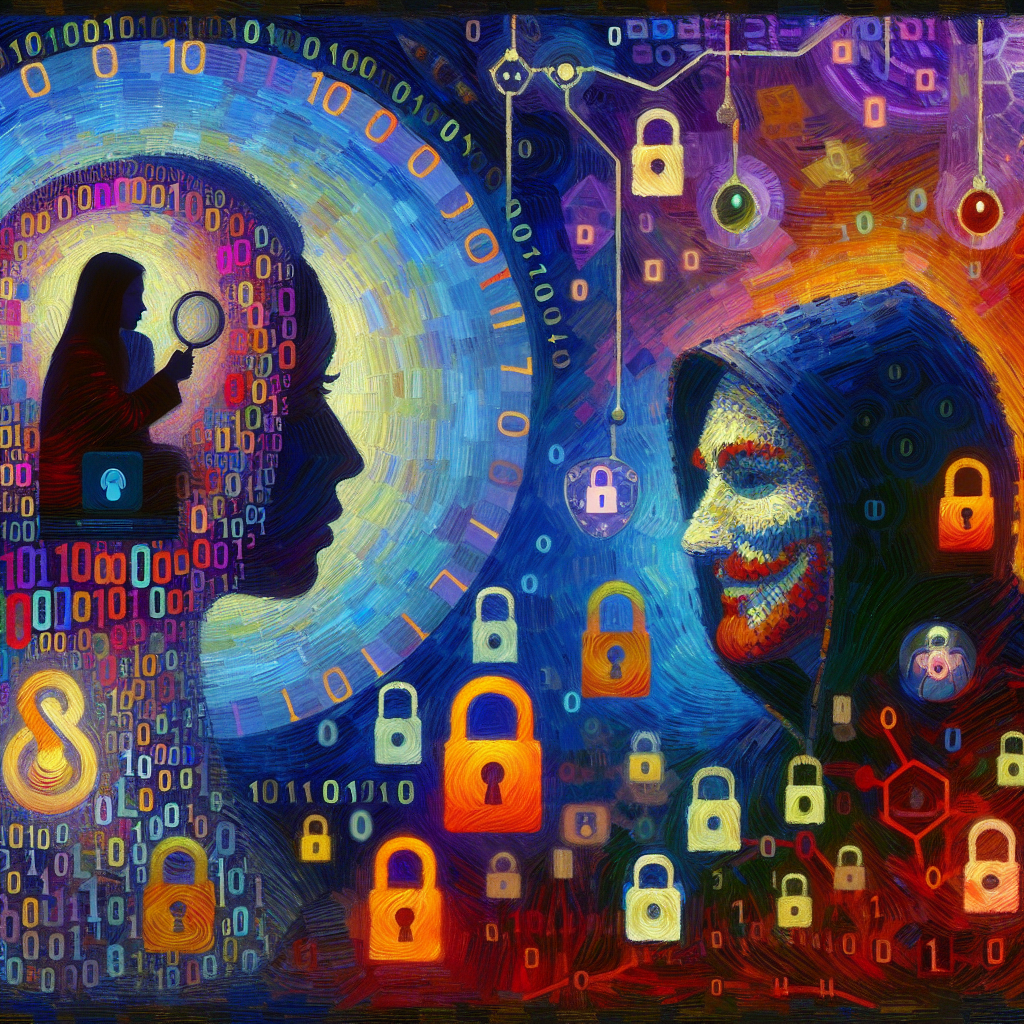
How Can Individuals Cultivate a More Skeptical Mindset Online?
Conclusion
In a world increasingly governed by the unseen algorithms of AI, phishing scams have morphed from the outdated schemes of Nigerian princes to sophisticated, tailored attacks that exploit our deepest emotional vulnerabilities. We must recognize that these aren’t merely technical threats—they are deeply human dilemmas that challenge our very sense of security and trust. Picture a busy parent, exhausted and distracted, who clicks on an email that looks just like it’s from their bank. A split-second decision unleashes a cascade of consequences, revealing not just financial loss, but a shattering of peace of mind.
This scenario isn’t a one-off occurrence; it resonates with countless lives, each story bearing an emotional weight that no metric can quantify. As these AI-driven scams infiltrate our daily lives, they do more than just steal information—they erode the trust that serves as the foundation of our social fabric. When we share our lives online, we leave traces that can be weaponized. Think about your social media profile, filled with seemingly innocuous details. These are the breadcrumbs that skilled manipulators use to craft messages that tug at our heartstrings and exploit our instincts to act.
The fight against AI phishing transcends individual vigilance; it requires a collective response grounded in community awareness. Sharing personal narratives about risky encounters builds empathy and understanding, forming a network of trust that can better withstand deceit. When members of a community come together to discuss their experiences—highlighting both triumphs and failures in cybersecurity—they create a shared ethos of responsibility. This isn’t just about protecting oneself; it’s a call to safeguard one another, fostering a culture where skepticism is a shared strength.
The ethical imperative here is clear: technology must serve humanity, not undermine it. As we dive deeper into this digital age, let’s commit to fostering awareness about the dangers we face together. Legislation and technological defenses are crucial, but mutual support and open communication are invaluable. Each of us has a role to play in this fight. By fostering a spirit of vigilance and resilience, we transform vulnerability into a collective shield. Cybersecurity isn’t merely an individual responsibility—it’s a foundation upon which we can build stronger, safer communities, thriving in the face of emerging threats. Let’s not just react to these scams; let’s dismantle their effectiveness together, ensuring our digital identities remain firmly in our hands.

Conclusion
Conclusion:
- Phishing scams have evolved into sophisticated, emotional attacks that exploit vulnerabilities.
- These threats challenge our security and trust, impacting mental well-being beyond financial loss.
- A busy parent clicking a fraudulent bank email exemplifies how easily one can be targeted.
- AI-driven scams erode the foundational trust of our social fabric when personal data is weaponized.
- Community awareness and shared narratives about risky encounters can build empathy and resilience.
- The fight against phishing requires collective responsibility, fostering skepticism as a strength.
- Cybersecurity is a communal effort; together we can protect our digital identities and dismantle scams.

Conclusion
Other Resources

Other Resources
Here is a list of other resources you can review online to learn more:
- Mastodon
- Align Communications
- Secureworks
- Reliance ACSN Limited
- Sennovate
- High Point Networks
- Netsecuris
- SKOUT Cybersecurity
- WordPress
- IND Corporation
- ECS Federal, LLC
- KPMG
- Sheridan Computers
- Radar Cyber Security
- Root9b
- Decypher Technologies
- Cerberus Sentinel
- GuardSight Inc.
Use This Prompt To Get More Resources With Your Favorite Online AI Tool: Please provide me with a list of online articles with their URLs in a bulleted list that I can read regarding Forget Nigerian Princes – AI Phishing Is the New Billion-Dollar Scam

Other Resources
Glossary Terms
Forget Nigerian Princes – AI Phishing Is the New Billion-Dollar Scam – Glossary Of Terms
1. AI Phishing: A type of cybercrime that uses artificial intelligence to craft deceptive messages aimed at tricking individuals into revealing sensitive information.
2. Scam: A fraudulent scheme designed to con people out of money or personal information.
3. Cybercrime: Criminal activities that involve computers or networks, including hacking, phishing, and identity theft.
4. Hackers: Individuals or groups who exploit computer systems to gain unauthorized access for malicious purposes.
5. Malware: Malicious software designed to disrupt, damage, or gain unauthorized access to computer systems.
6. Spoofing: A technique where a malicious actor impersonates another user or device to gain access to sensitive information.
7. Phishing: A method of attempting to acquire sensitive information by masquerading as a trustworthy entity in electronic communication.
8. Deepfake: AI-generated content that alters images or videos to impersonate real individuals, often used in scams.
9. Bot: An automated program that can perform tasks on the internet, often employed by scammers to streamline phishing operations.
10. Social Engineering: Psychological manipulation of people to trick them into divulging confidential information.
11. Ransomware: A type of malware that encrypts a victim’s files and demands payment for the decryption key.
12. APT (Advanced Persistent Threat): A prolonged and targeted cyberattack where an intruder gains access to a network and remains undetected for an extended period.
13. Credential Stuffing: An attack method where stolen username and password combinations are used to gain unauthorized access to user accounts.
14. Scam-as-a-Service: A model where cybercriminals offer tools and services for conducting scams, often for a fee.
15. Phishing Kits: Pre-packaged tools used by scammers to launch phishing attacks, often including templates and scripts.
16. SIM Swapping: Fraudsters trick carriers into switching a victim’s phone number to a new SIM card to intercept calls and messages.
17. Tokenization: The process of converting sensitive data into non-sensitive equivalents, often used for security in transactions.
18. Email Spoofing: Fraudulent practice of sending emails with a forged sender address to make the message appear as if it came from a trusted source.
19. Clickbait: Attention-grabbing headlines or links that mislead users to click for deceptive purposes, often tied to phishing schemes.
20. Pharming: Redirecting users from legitimate websites to fraudulent ones without their knowledge to steal information.
21. Data Breach: An incident where unauthorized individuals gain access to confidential data, often resulting in identity theft.
22. Identity Theft: Occurs when someone unlawfully obtains and uses another person’s personal information for financial gain.
23. Cybersecurity: Practices and technologies designed to protect networks, devices, and data from cyber threats.
24. Firewalls: Network security devices that monitor and control incoming and outgoing network traffic based on predetermined security rules.
25. End User: The individual who ultimately uses or is intended to use a product or service.
26. Two-Factor Authentication (2FA): An additional security layer requiring two forms of verification before granting access to an account.
27. Phishing Awareness Training: Educational programs designed to help individuals recognize and respond appropriately to phishing attempts.
28. Threat Intelligence: Information that helps organizations understand current or potential threats they may face in a cybersecurity context.
29. Whitelist: A list of approved entities that are granted access while others are automatically restricted.
30. Recovery Plan: A strategy for responding to cyber incidents and resuming normal operations after a data breach or attack.

Glossary Of Terms
Other Questions
Forget Nigerian Princes – AI Phishing Is the New Billion-Dollar Scam – Other Questions
If you wish to explore and discover more, consider looking for answers to these questions:
- What exactly is AI-driven phishing and how does it differ from traditional phishing?
- How do scammers use AI to personalize and scale phishing attacks?
- What are the most common AI techniques used in phishing (voice cloning, deepfakes, language models)?
- Which types of personal data do attackers harvest to craft AI phishing messages?
- How can I recognize an AI-generated email, text, or voice call?
- What technical indicators (headers, URLs, metadata) reveal a phishing attempt?
- What role do DMARC, SPF, and DKIM play in preventing email spoofing?
- How effective are multi-factor authentication, biometrics, and passkeys against AI phishing?
- Can AI-models be used to detect and block phishing in real time?
- What are best practices for individuals to protect their digital identity?
- What immediate steps should victims take after falling for an AI phishing scam?
- How can you recover financially and legally from identity theft caused by phishing?
- When and how should victims report incidents to banks, platforms, and law enforcement?
- What consumer protections or insurance options exist for phishing victims?
- Which population groups are most vulnerable to AI phishing and why?
- How can small businesses and nonprofits defend against AI-driven scams?
- What responsibilities do tech platforms and service providers have to prevent AI fraud?
- How transparent should companies be after a breach or phishing campaign affects users?
- What regulatory or legal frameworks are being developed to address AI phishing?
- How can policymakers, industry, and civil society collaborate to reduce AI scam harm?
- What ethical concerns arise from using AI to create or counter phishing content?
- How do social behaviors and network effects accelerate the spread of AI scams?
- What role does narrative storytelling play in raising public awareness and changing behavior?
- Which educational or community programs have proven effective at reducing phishing risk?
- How can workplaces train employees to spot sophisticated AI phishing attempts?
- What defensive tools (browser extensions, email filters, endpoint security) are most useful?
- How do scammers monetize AI phishing and what does the underground economy look like?
- Are there reliable ways to verify a person’s identity online before responding?
- How will advances in generative AI change phishing tactics over the next 5–10 years?
- Can AI be used ethically to simulate phishing for training without causing harm?
- What evidence should be preserved after an attack to support investigations or claims?
- How can individuals balance sharing online for social connection while minimizing risk?
- What privacy settings and data hygiene practices reduce the likelihood of being targeted?
- Which trusted resources, hotlines, or organizations offer help to phishing victims?
- How do cross-border jurisdiction issues affect prosecution of AI phishing actors?
- What are realistic expectations for detection rates and false positives with AI defenses?

Other Questions
Haiku
Forget Nigerian Princes – AI Phishing Is the New Billion-Dollar Scam – A Haiku
Scammers twist our trust,
Cloaked in tech’s familiar guise,
Guard your heart and mind.

Haiku
Poem
Forget Nigerian Princes – AI Phishing Is the New Billion-Dollar Scam – A Poem
In shadows deep where trust once thrived,
A new deceit has come alive.
No distant prince, no golden scheme,
But AI’s grip, a calculated dream.
Crafted words, logos drawn tight,
A false embrace in the dead of night.
With every click, our worlds may shift,
Innocent hearts float adrift.
A mother’s plight, a teacher’s pride,
Dreams crumbled, tears cannot hide.
We’re woven close, yet distance grows,
In clicks and scams, the danger flows.
Cyber walls rise tall and wide,
Yet human warmth must still abide.
Together strong, we share the fight,
To build a shield, to cast the light.
Educate, empower, spread the news,
In every story, courage infused.
For in our bonds, true strength shall lie,
Against the tide, we’ll stand, we’ll try.
With every voice that rises clear,
We’ll guard our lives, dispel the fear.
Trust must flourish in this digital age,
In unity, we turn the page.

Poem
Checklist
Forget Nigerian Princes – AI Phishing Is the New Billion-Dollar Scam – A Checklist
Emotional Appeals
✅______ Recognize emotional manipulation Be aware of messages that invoke fear, urgency, or a sense of personal connection.
✅______ Listen to your gut If something feels off, pause before acting on any communication.
Rational Appeals
✅______ Verify sender authenticity Always check the sender’s email address closely for discrepancies.
✅______ Cross-check information Look up the information independently rather than clicking on links provided in emails.
Ethical Appeals
✅______ Promote a culture of awareness Share personal experiences with phishing to help others recognize the signs.
✅______ Encourage open dialogue Foster discussions about online safety in your community to build collective awareness.
Authority Appeals
✅______ Utilize trusted sources Follow cybersecurity recommendations from reputable organizations and experts.
✅______ Employ security measures Ensure multi-factor authentication and strong passwords are in place for your accounts.
Narrative Appeals
✅______ Learn from real stories Share and discuss case studies of phishing incidents to illustrate the dangers.
✅______ Create relatable scenarios Develop narratives that resonate with everyday experiences to highlight the risks involved.
Social Appeals
✅______ Build a support network Connect with friends and family to share tips and strategies for identifying phishing attempts.
✅______ Stay informed together Regularly discuss the latest scams encountered in your social circles to stay vigilant.

Checklist
At BestCyberSecurityNews, we help teach entrepreneurs and solopreneurs the basics of cybersecurity and its impact on their businesses by using simple concepts to explain difficult challenges.
Please read and share any of the articles you find here on BestCyberSecurityNews with your friends, family, and business associates.