


Facing The Reality: Trust, Truth, And The Fight For Our Minds
By Tom Seest
At BestCyberSecurityNews, we help teach entrepreneurs and solopreneurs the basics of cybersecurity and its impact on their businesses by using simple concepts to explain difficult challenges.
Please read and share any of the articles you find here on BestCyberSecurityNews with your friends, family, and business associates.
Deepfake Armageddon – When You Can’t Believe Anything You See Or Hear
In a world flooded with sophisticated technology, the rise of deepfakes casts a long shadow over our ability to discern truth from fabrication. Imagine, for a moment, standing in the kitchen with your child. You pull up a video of a beloved public figure—someone they admire—speaking passionately about a cause close to their heart. It’s a moving moment, filled with inspiration. Now, what if I told you that video was nothing more than an intricate deception crafted by someone with too much time and a twisted agenda? The gut-wrenching realization that we can’t trust our eyes or ears is a jarring thought.
Cybersecurity experts warn about the dangers of this digital deception, but the implications reach far beyond the realm of tech jargon. It’s about trust—an invisible thread binding us in our daily interactions. When deepfakes seep into our social media feeds, they infiltrate the very fabric of our conversations, shaping opinions and sowing discord. The moment we question the authenticity of each video, each voice, we risk creating a future where skepticism reigns supreme. Our shared reality becomes fragmented, putting us on the fast track to mistrust and division.
Take a moment to ponder a personal story. Remember the last time you shared a heartfelt video—a family wedding, a graduation speech? Those moments are milestones, anchored in the memories we cherish. Now imagine if those cherished memories could be distorted, twisted, or outright faked. That anxiety you feel is not groundless; it’s a reflection of the ethical dilemma we face. Who is responsible when a manipulated video leads to misinformation? And where do we, the viewers, draw the line?
We each hold a piece of the solution. Engage with information critically. You may not be a cybersecurity expert, but you can educate yourself and those around you. Encourage conversations about discernment, urging your circle to dig deeper before sharing or believing. This isn’t just a battle against tech; it’s a fight for our collective conscience.
Navigating this new reality demands we reclaim our power. When we build a community grounded in truth, we can murmur in defiance against the chaos. Stand together against the tide of misinformation — for your child’s future, for your neighbors, for the very essence of what it means to trust one another.

Deepfake Armageddon – When You Can’t Believe Anything You See Or Hear
Deepfake Armageddon – When You Can’t Believe Anything You See Or Hear
- The rise of deepfakes challenges our ability to discern truth from deception.
- Videos of admired public figures can be manipulated, creating a false narrative.
- Deepfakes threaten the trust that binds our daily interactions.
- Exposure to misinformation can lead to skepticism and division in society.
- Personal milestones captured on video may be distorted or faked.
- Critical engagement with information is essential for viewers to combat misinformation.
- Building a community grounded in truth is vital for fostering trust among individuals.

Deepfake Armageddon – When You Can’t Believe Anything You See Or Hear
Table Of Contents
- Deepfake Armageddon – When You Can’t Believe Anything You See Or Hear
- What Happens When Trust In Media Disappears?
- How Can We Protect Truth Today?
- Are Deepfakes the End Of Authentic Communication?
- How Do Deepfakes Challenge Our Perception Of Reality?
- What Ethical Dilemmas Arise with Deepfake Technology?
- Can We Hold Creators Accountable for Harmful Deepfakes?
- How Does Fear Of Deepfakes Impact Our Daily Lives?
- Conclusion
- Other Resources
- Glossary Of Terms
- Other Questions
- Haiku
- Poem
- Checklist
What Happens When Trust In Media Disappears?
Imagine standing in a dimly lit room filled with echoes of once vibrant conversations, now just whispers of doubt. Trust in media is the foundation of a well-informed society, much like the timber that supports a sturdy house. When that trust crumbles, it’s like walking through a neighborhood that’s slowly been abandoned—once filled with laughter and connection, now a tapestry of uncertainty and fear.
Consider the tale of a small-town mechanic, known for his unwavering honesty. Every car he serviced left in better shape, not just because of his skills, but because he earned the community’s trust through transparency. Now, picture that same mechanic faced with a relentless stream of misinformation about engine maintenance circulating online. His reputation begins to wane, not because his work has changed, but because the pervasive noise from the internet drowns out the truth. Before long, his loyal customers question their choices, swayed by sensational headlines and clickbait promises that often lead nowhere.
What happens next? Trust erodes, and with it, the connection between the community and its trusted voices. This isn’t just about numbers and statistics; it’s about the stories that bind us. When individuals are led to doubt their sources of information, whether it’s news stories or advice on health and safety, they begin to feel isolated, unsure of whom to trust. The ripple effect is profound—conversations break down, relationships strain, and we retreat into curated echo chambers that only reinforce our fears.
Importantly, this loss of trust affects not just audiences, but the very institutions meant to serve them. Journalists and media outlets that prioritize clicks over integrity risk losing their authority, and once they cross that line, regaining public confidence becomes a daunting, if not impossible, task. Ethical journalism stands as a bulwark against chaos; it is the compass that guides us through uncertainty. The role of cybersecurity emerges as a crucial ally here, guarding against deceit that thrives in the shadows, ensuring that the truth remains intact and available.
Rebuilding trust demands more than just transparency—it requires a commitment to authenticity and a return to the age-old notion that we’re all in this together. It’s not just about being informed; it’s about fostering a shared narrative rooted in common values and truths. Without trust in our media, we not only lose our footing but risk losing the very fabric that holds our society together. We must cultivate connections, challenge our biases, and create spaces where honest discourse can flourish. That is how we inspire confidence, restore faith, and ultimately, reclaim the power of informed decision-making.

What Happens When Trust In Media Disappears?
What Happens When Trust In Media Disappears?
- Trust in media is crucial for an informed society, resembling the structural integrity of a house.
- The narrative of a small-town mechanic illustrates how misinformation can undermine established trust within a community.
- When trust erodes, it leads to doubt and isolation among individuals regarding their sources of information.
- This breakdown in trust results in strained relationships and a retreat into echo chambers of fear.
- The loss of trust affects not only audiences but also media institutions that prioritize clicks over integrity.
- Ethical journalism serves as a safeguard against misinformation and is vital for maintaining public confidence.
- Rebuilding trust requires authenticity and a shared narrative grounded in common values to restore informed decision-making.

What Happens When Trust In Media Disappears?
How Can We Protect Truth Today?
In an age where information travels faster than the speed of thought, protecting truth feels more like an uphill battle than ever. Imagine the comforting aroma of freshly brewed coffee in the morning; that sense of warmth and clarity is what truth should bring us. Yet, like a good cup, it can easily be diluted or contaminated if we’re not careful. The reality is that we live in a world brimming with digital noise, where misinformation spreads like wildfire. The stakes are high.
Let’s talk cybersecurity for a moment. Much like locking your doors at night, safeguarding our online presence represents a fundamental act of self-defense. We need digital fortresses to shield our minds from falsehoods sneaking in through social media feeds and clickbait headlines. This isn’t just about protecting personal data; it’s about preserving the integrity of shared knowledge. When cybersecurity measures are bypassed, we expose ourselves to a barrage of unchecked narratives that can distort our understanding of the world.
Good judgment and critical thinking are not innate; they need to be nurtured like a young sapling. Stories could be the sunlight that helps them grow. Consider your own experiences: perhaps every time you’ve shared a personal story, you’ve offered a piece of truth to your listeners. Whether that story is about the first time you faced failure, only to rise stronger, or about witnessing the kindness of a stranger, these narratives build connections, encourage empathy, and cultivate a community bound by authenticity. The more we share our stories, the more we strengthen the fabric of truth among ourselves.
But let’s move beyond personal touchstones into a collective mission. Think about the influencers and thought leaders in your life—those whose voices carry weight and inspire you to question and investigate. We need more of those leaders to step up, not just to amplify their truth but to invite others into the dialogue. Fostering this culture of engagement can nurture a sense of accountability throughout our social circles. When we challenge each other to verify facts and seek clarity, we reinforce a network dedicated to truth.
This quest isn’t solely individual; it’s deeply social. Be the person who, amidst the chaos, brings others back to the table for meaningful conversation. Truth isn’t a solitary endeavor; it’s a collective pursuit requiring vigilance, curiosity, and a commitment to verify the narratives shaping our reality. By standing together—via our stories, our inquiries, and our defenses—we can protect truth in a world that desperately needs it.

How Can We Protect Truth Today?
How Can We Protect Truth Today?
- Information spreads rapidly, making truth increasingly difficult to protect.
- Truth brings warmth and clarity but can be diluted by misinformation.
- Cybersecurity is essential for safeguarding our online presence and preserving knowledge integrity.
- Good judgment and critical thinking must be nurtured, similar to young plants needing sunlight.
- Sharing personal stories fosters connections and strengthens the community’s commitment to truth.
- Influencers and thought leaders should engage others in conversations about truth and accountability.
- Truth is a collective pursuit that requires vigilance, curiosity, and collaborative verification of narratives.

How Can We Protect Truth Today?
Are Deepfakes the End Of Authentic Communication?
In an age where reality can be manipulated with the click of a button, deepfakes stand as a testament to our technological prowess and our ethical dilemmas. It’s not just about editing a video; it touches the core of what it means to communicate authentically. Imagine sitting around a campfire, sharing stories that resonate with the human experience—the laughter, the hopes, the heartfelt struggles. Each word carries weight, intertwining our lives in a tapestry of shared truths. Yet, as deepfakes evolve, they cast a shadow on this very connection, challenging our trust in those stories.
At its heart, communication hinges on authenticity. Consider a time when a trusted friend shared pivotal news that transformed your worldview. That moment, cloaked in sincerity, becomes ingrained in your psyche. With deepfakes, however, the lines between truth and fabrication blur. A fabricated video could show a public figure making incendiary statements, igniting unrest and misinformation. The emotional impact of betrayal rises, leaving us questioning every interaction we have and straining the societal bonds that ground us.
Rationally, we would think that with enhanced cybersecurity measures, the potential damage of deepfakes could be minimized. But, the reality is that as the technology advances, so do the skills of those willing to deceive. The fact that a minor tweak can transform a mundane video into a believable fabrication raises the stakes. Our critical thinking—once hailed as our greatest asset—now feels like a double-edged sword, constantly in need of sharpening to discern fact from fiction.
Ethically, we must navigate this new landscape with care. When we encounter a deepfake, it isn’t just a matter of ethics for tech-savvy experts; it’s personal for anyone who’s ever felt the sting of being misrepresented. There’s a story of a high school teacher whose deepfake surfaced online, damaging his reputation and school career. The consequences were dire, demonstrating that behind each digital manipulation lies a human story, potentially shattered.
As we venture forward, it’s essential to cultivate a culture of discernment and trust. We cannot let deepfakes dictate our perception of truth. Connecting on a genuine level has never been more vital. By fostering open dialogues and embracing technology’s dual edges, we can reclaim the narrative and ensure that authenticity prevails. Just like tending to that campfire, we must sustain the warmth of genuine communication amidst an ever-changing landscape—before it turns cold and distant, leaving us yearning for the connections we once held dear.

Are Deepfakes the End Of Authentic Communication?
Are Deepfakes the End Of Authentic Communication?
- Deepfakes highlight both technological advancement and ethical challenges in communication.
- They threaten authenticity, affecting the way we share personal stories and connect with others.
- Public figures may be misrepresented, leading to misinformation and societal unrest.
- As deepfake technology improves, discerning fact from fiction becomes increasingly difficult.
- Real-life consequences of deepfakes include reputational damage, as illustrated by the story of a high school teacher.
- It’s crucial to foster a culture of discernment and trust to combat the negative impacts of deepfakes.
- Maintaining genuine communication is essential to preserve meaningful connections in a deceptive digital landscape.

Are Deepfakes the End Of Authentic Communication?
How Do Deepfakes Challenge Our Perception Of Reality?
Deepfakes are more than just a technological marvel; they are a mirror reflecting our vulnerabilities and insecurities in today’s digital world. Imagine waking up one morning and seeing a video of yourself, one you know you never filmed, saying things you’d never dream of uttering. That chilling moment isn’t just fiction—it’s a reality that many are grappling with as deepfake technology becomes increasingly sophisticated.
At its core, deepfakes challenge our perception of reality by blurring the line between fact and fiction. They operate in a world where truth is no longer an absolute, forcing us to question every piece of audiovisual evidence we encounter. This isn’t just a matter of personal discomfort; it extends into the realm of cybersecurity and our societal fabric. With cybercriminals gaining access to our most intimate moments through manipulated media, trust becomes a scarce commodity. A simple video can shatter reputations and alter lives, leaving individuals to pick up the pieces of a reality distorted by someone else’s agenda.
Now consider this: how would you feel if a colleague was shown a video of you doing something you not only didn’t do but that undermined your character? The gut-wrenching realization of being at the mercy of technology fuels a legitimate fear. Here, we find ourselves at the crossroads of ethics and authority. The very platforms that foster community and connection now carry the potential for deceit on an unprecedented scale. It’s not just about safeguarding personal images; it’s about understanding the serious implications of our digital identities.
This technology speaks to our emotional landscape as well. The sensation of feeling manipulated or falsely represented can stir a deep-seated indignation. We want to believe in the stories we tell each other, to find common ground in shared experiences. But with deepfakes, those stories can be twisted, leading to distrust amongst friends, families, and communities.
Yet, amidst the chaos, there emerges a silver lining. This calls for action—an opportunity to elevate our discernment. By engaging critically with content, demanding better cybersecurity practices, and fostering open dialogues about authenticity, we can reclaim our narrative. The challenge lies not just in combating the technology, but in reinforcing our humanity. Together, we can build a collective resilience against the deepfake phenomenon, supporting one another in fostering a society where trust isn’t just an ideal but a lived reality.

How Do Deepfakes Challenge Our Perception Of Reality?
How Do Deepfakes Challenge Our Perception Of Reality?
- Deepfakes reflect vulnerabilities and insecurities in the digital world.
- They blur the line between fact and fiction, challenging our perception of reality.
- Cybercriminals manipulate media, eroding trust and impacting reputations.
- Deepfakes raise ethical concerns regarding technology’s power over personal identity.
- Feeling manipulated can lead to distrust among friends and communities.
- The situation calls for critical engagement with content and improved cybersecurity.
- Collective resilience can help foster a society where trust is a lived reality.

How Do Deepfakes Challenge Our Perception Of Reality?
What Ethical Dilemmas Arise with Deepfake Technology?
Deepfake technology tantalizes us with its allure, presenting a world where the line between reality and fiction blurs. It conjures images of Hollywood-style special effects available to anyone with the right software. But beneath this glossy surface lie ethical dilemmas that tug at the heart, engage the head, and shake the gut.
Imagine a scenario where a beloved public figure’s likeness is used without consent, their image manipulated to convey messages or actions they never intended. This isn’t just a tech issue; it’s deeply personal. The pain and confusion felt by the person being impersonated can ripple outward, affecting families, friends, and communities. We must consider the emotional toll; this isn’t just data—it’s someone’s reputation and legacy at stake.
From a rational perspective, the potential for misinformation escalates with deepfakes. We’ve witnessed the chaos that misinformation can wreak during elections and crises. In a time when cybersecurity is paramount, the need for robust technological defenses becomes clear. Trust in media and leaders is fragile enough without synthetic voices and images warping reality. When misinformation breeds chaos, it questions our shared understanding of truth, which is the bedrock of society.
Ethically, we stand at a crossroads. Using deepfake technology for entertainment or satire may seem harmless, but where does the line get drawn? What happens when this technology is weaponized? The very essence of consent is transformed; if a person’s likeness can be hijacked for amusement, are we not eroding the trust that binds us?
Take, for example, a personal story. A teacher found herself the unexpected star of a viral deepfake video, depicting her in a compromising light. Her reputation shattered overnight, she faced not only the emotional aftermath but the challenges of restoring her credibility. That’s the tangible consequence of unchecked technology on lives—when ethical boundaries are crossed, the damage is real and far-reaching.
In a world filled with potential and peril, the call to action is clear: we must foster an environment of awareness and responsibility in our digital engagements. Embracing deepfake technology without a moral compass invites turmoil. It’s our duty to navigate this uncharted territory with integrity, ensuring that the marvels of innovation do not trample on the dignity of the human experience. Let’s champion a future where technology serves as a bridge, not a barrier, promoting safety, transparency, and trust in the society we share.

What Ethical Dilemmas Arise with Deepfake Technology?
What Ethical Dilemmas Arise with Deepfake Technology?
- Deepfake technology blurs the line between reality and fiction, offering alluring possibilities.
- Ethical dilemmas arise when a public figure’s likeness is used without consent, impacting their reputation and legacy.
- The potential for misinformation increases, posing risks during elections and crises.
- Cybersecurity becomes essential as trust in media and leaders is threatened by manipulated content.
- Using deepfakes for entertainment raises questions about consent and ethical boundaries.
- A personal story illustrates the real-life consequences of deepfakes on individuals’ reputations.
- There’s a need for awareness and responsibility in digital engagements to navigate deepfake technology ethically.

What Ethical Dilemmas Arise with Deepfake Technology?
Can We Hold Creators Accountable for Harmful Deepfakes?
In the age of hyper-connectivity, we find ourselves grappling with a perplexing question: can we really hold creators accountable for the havoc that harmful deepfakes can wreak? Imagine waking up one day to find your image being misused, your words twisted into something unrecognizable, plastered across screens without your consent. This isn’t just a digital trick; it’s a profound violation of trust that cuts deep.
Consider Sarah, a loving mother and local schoolteacher. One morning, she discovers a deepfake video that portrays her in a compromising situation, spreading like wildfire in her community. The damage is immediate, not only to her reputation but to the very fabric of her life—friends turn to strangers, colleagues look away, and her children bear the weight of whispers in the hallways. It’s a chilling reminder that the consequences of digital manipulations are more than pixels on a screen; they reflect the fragility of human relationships.
Accountability in this realm is daunting. Creators weave their narratives in the shadows, often shielded by anonymity and the guise of creativity. Yet, isn’t there a moral imperative to ask who gets to play puppet master with someone else’s identity? The ethics of creation should be as rigorously examined as the art itself. When one crosses the threshold from art to malice, we must consider the ethical duty to safeguard not just the image but the very individuals behind them.
And here lies the unique angle: accountability isn’t merely about punishment. It’s about creating a culture of responsibility. Let’s build a digital landscape where creators understand their potential impact and the weight their choices carry. Just as we educate our children about the power of words, we must instill a sense of integrity in digital creation. The onus shouldn’t solely rest on the victims or the technology but also on those wielding it.
As we navigate this complex issue, think of the role we all play in this conversation. When we speak out against harmful deepfakes, we foster a social contract rooted in respect and empathy. We can advocate for stronger cybersecurity measures that protect individuals while encouraging creators to channel their talents positively. After all, in a world rife with misinformation, our collective voice can shine a light on accountability, urging creators to reflect on the deeper consequences of their craft. Together, we can reshape the narrative and ensure that creativity serves the common good, not the common harm.

Can We Hold Creators Accountable for Harmful Deepfakes?
Can We Hold Creators Accountable for Harmful Deepfakes?
- Hyper-connectivity raises questions about holding creators accountable for harmful deepfakes.
- The misuse of personal images and words violates trust and has immediate consequences.
- Example: A schoolteacher named Sarah experiences reputational harm due to a damaging deepfake.
- Accountability is challenging as creators often operate anonymously, prompting ethical concerns.
- Accountability should focus on fostering a culture of responsibility among creators, not just punishment.
- Collective advocacy is crucial to combat harmful deepfakes and promote respect and empathy in digital spaces.
- Emphasizing integrity in digital creation can help reshape the narrative towards the common good.

Can We Hold Creators Accountable for Harmful Deepfakes?
How Does Fear Of Deepfakes Impact Our Daily Lives?
Fear of deepfakes is a lurking specter in our daily lives, nudging at our sense of reality in ways that can be both troubling and transformative. Picture a world where a familiar face on your screen becomes a question mark—who’s really speaking to you? This isn’t just a technological quandary; it touches the very core of what we trust in our personal and social interactions. Cybersecurity experts often warn us about safeguarding sensitive information, but what about the information that’s floating around, masquerading as something it’s not?
Consider the mother who, in an attempt to teach her children about online safety, stumbles upon a deepfake video of a public figure delivering incendiary remarks. Before she knows it, a conversation about accountability plunges into fear and confusion. The gut reaction is primal: if someone can manipulate video to deceive us, what else is at risk? This fear isn’t groundless—it’s rooted in our shared experiences of misinformation and betrayal.
Emotionally, the implications of deepfakes hit hard. We might chuckle at the thought of a celebrity impersonating a politician for a laugh, but the gravity of seeing someone we trust being manipulated can cause genuine distress. Each manipulated image or video eats away at our collective security, making us second-guess genuine interactions in an era where authenticity is gold. Rationally, we realize that these technologies spawn a myriad of possibilities, yet they also serve as a reminder of our vulnerability in a digital world.
Ethically, there’s a profound conversation to be had about the responsibility we all bear. The line between harmless parody and harmful deception is thin, and it invites a pressing question: what sort of society do we want to foster? The narrative we construct around deepfakes can either invite skepticism or encourage critical thinking.
In social contexts, the fear of deepfakes is like an uninvited guest at every gathering, stirring hesitation and paranoia. But instead of letting this fear turn us against one another, it could motivate us to become better consumers of media. Imagine an engaged community that holds each other accountable, where conversations erupt not out of fear but out of a shared desire for truth and understanding.
Deepfakes challenge us, yes, but they also compel us to deepen our conversations about trust, authenticity, and accountability—one heart, one head, and one gut at a time.
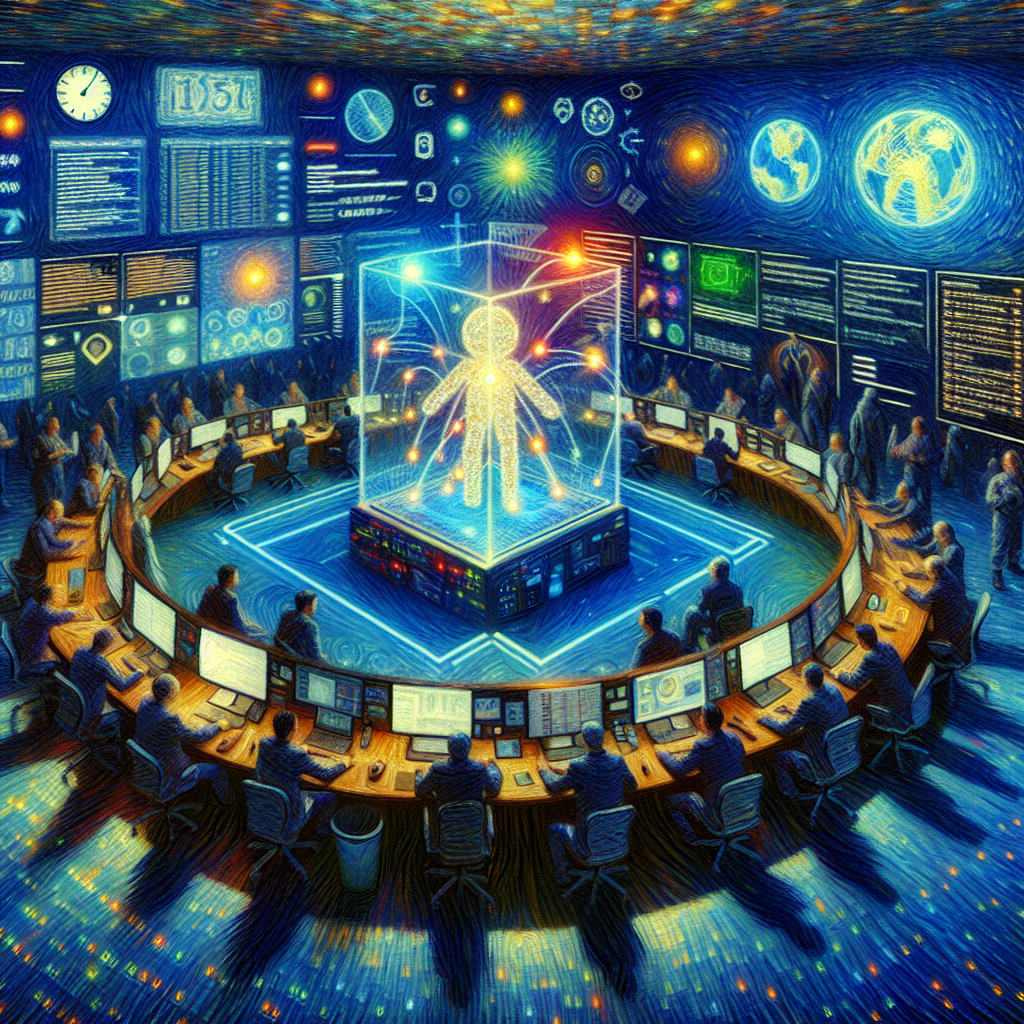
How Does Fear Of Deepfakes Impact Our Daily Lives?
How Does Fear Of Deepfakes Impact Our Daily Lives?
- Fear of deepfakes undermines our sense of reality and trust in personal and social interactions.
- Deepfakes can manipulate familiar faces, leading to confusion and mistrust.
- Each instance of deepfake technology reflects broader societal issues of misinformation and betrayal.
- Emotionally, deepfakes can cause distress by undermining genuine interactions and eroding collective security.
- Ethically, there is a critical dialogue about the responsibility associated with deepfake creation and dissemination.
- Fear of deepfakes might motivate media literacy and accountability within communities.
- Deepfakes raise essential conversations about trust, authenticity, and accountability in a digital world.

How Does Fear Of Deepfakes Impact Our Daily Lives?
Conclusion
In this age of deepfakes, where the lines between reality and deception blur like watercolor on wet paper, we find ourselves grappling with an unsettling truth: trust is at stake. Picture this—a moment shared with your child, watching a deeply moving video of a well-loved public figure. Now imagine that moment shattering as you learn it was nothing but a sophisticated fabrication. In a world where technology can so deftly manipulate our perceptions, we must collectively wrestle with the implications of such deceit.
The impact of deepfakes isn’t merely abstract; it’s visceral. Recall the last time you relied on a heartfelt video—whether recounting a wedding, a eulogy, or a candid family moment. Those snippets of life are intertwined with our stories, echoing through our collective memory. Now consider the anxiety stemming from knowing that those cherished instances could be faked, twisted for nefarious purposes. This unease transcends personal discomfort—it’s an ethical quandary that affects every thread of our social fabric.
If we slice through the technological jargon, what we confront is at the heart of our humanity: our ability to trust each other has never been more crucial. Consider the mechanic in your neighborhood who, with each oil change, builds a reservoir of trust not through grand gestures but through honesty in small things. Now envision that same mechanic’s reputation tarnished by rampant misinformation—his truth drowned out in a sea of noise. We face a future where skepticism reigns supreme if we don’t reclaim that trust.
The antidote lies not just in improved cybersecurity but in fostering a culture of discernment. We must cultivate critical thinkers in our communities, encouraging thoughtful dialogue around the content we consume and share. Each of us has a role, stepping up as community stewards of truth, encouraging curiosity while embracing the messy, complicated process of understanding.
As we navigate this digital landscape, our task is clear: reinforce human connection amidst chaos. We can stand against misinformation, not alone but together, championing a shared commitment to truth and integrity in communication. Let’s inspire one another to wield our voices wisely, transforming fear into action that fortifies our bonds, ensuring that, despite technology’s advances, authenticity remains our guiding light. The fabric of our society depends on it—after all, it’s not merely about what we see and hear, but what we choose to believe in.

Conclusion
Conclusion:
- The rise of deepfakes blurs the line between reality and deception, jeopardizing trust.
- Heartfelt videos of public figures can be manipulated, impacting personal moments and collective memories.
- The anxiety from potential deceit in cherished memories raises ethical concerns for society.
- Trust has become crucial, exemplified by the reliability of local professionals like mechanics.
- Misinformation risks tarnishing reputations and fostering widespread skepticism.
- Enhancing cybersecurity is essential, but cultivating critical thinkers is equally important.
- Reinforcing human connections and committing to truth and integrity can combat misinformation.

Conclusion
Other Resources

Other Resources
Here is a list of other resources you can review online to learn more:
- All Covered
- RESTECH Information Services
- CyberProof
- CYDERES
- METMOX
- Scoop.It
- US itek
- Integrity IT
- SeedSpark
- Arctic Wolf Networks
- Fiberwolf
- Loop Secure
- Cipher Security LLC
- Threads
- Velo ITG Holdings
- GiaSpace Inc
- ACE IT Solutions
- Kyber Security
- SecValMSP
Use This Prompt To Get More Resources With Your Favorite Online AI Tool: Please provide me with a list of online articles with their URLs in a bulleted list that I can read regarding Deepfake Armageddon – When You Can’t Believe Anything You See Or Hear

Other Resources
Glossary Terms
Deepfake Armageddon – When You Can’t Believe Anything You See Or Hear – Glossary Of Terms
1. Deepfake: Media created using artificial intelligence that convincingly mimics real people, often altering video or audio to mislead audiences.
2. Disinformation: False information deliberately spread to deceive or manipulate, often amplified through technology.
3. Misinformation: Incorrect or misleading information that is spread without intent to deceive, often confusing the audience.
4. Synthetic Media: Digital content generated by algorithms that can include audio, video, and images, often used in deepfakes.
5. Manipulation: The act of controlling or influencing something in a deceptive manner, particularly in media or communication.
6. Authenticity: The quality of being genuine and trustworthy, often challenged by deepfake technology.
7. Detection: The process of identifying and recognizing deepfakes, often involving forensic analysis or AI tools.
8. Algorithm: A set of rules or procedures used by computers to solve problems or process data, fundamental in creating deepfakes.
9. AI (Artificial Intelligence): Computer systems that replicate human intelligence to perform tasks, including the creation of deepfake content.
10. Face Swap: A specific type of deepfake technology where one person’s face is replaced with another’s in video or images.
11. Forensic Analysis: Techniques used to assess and verify the authenticity of digital content, particularly for detecting deepfakes.
12. Trolling: Deliberately provoking others online by spreading misinformation or creating deepfakes for amusement or malice.
13. Hyperreality: A condition in which reality is replaced by a simulated version, often blurred by deepfake technology.
14. Ethics: Moral principles that govern behavior, crucial in discussions around the use of deepfakes in media.
15. Impact: The effect or influence that deepfake technology has on society, politics, and personal relationships.
16. Content Creation: The process of generating material for digital platforms, increasingly involving deepfake technology.
17. Credibility: The quality of being trusted and believed in, increasingly challenged by the rise of deepfakes.
18. Virtual Reality: A simulated enviroment that can include deepfake elements for immersive experiences.
19. Reality Distortion: A phenomenon where perception is altered, making it difficult to distinguish between real and fake information.
20. Public Trust: The confidence that society has in information sources, which can be eroded by deepfakes.
21. Identity Theft: The unauthorized use of someone’s identity, which can be exacerbated by deepfake technology.
22. Social Media Manipulation: The strategic use of platforms to spread deepfakes and disinformation to influence public opinion.
23. Censorship: The suppression of information, often as a response to the threats posed by misleading deepfakes.
24. Fact-Checking: The process of verifying information to confirm its truthfulness, critical in the age of deepfakes.
25. Cognitive Dissonance: The mental conflict that arises when confronted with information that contradicts established beliefs, often intensified by deepfakes.
26. Echo Chamber: A situation in which beliefs are reinforced by repeated exposure to similar viewpoints, potentially exacerbated by deepfakes.
27. Viral Spread: The rapid sharing of content online, which can include deepfakes that quickly gain traction.
28. Regulation: Government or institutional rules aimed at controlling the use of deepfake technology and protecting public interests.
29. User Awareness: The understanding and recognition of deepfakes among consumers, crucial for navigating today’s media landscape.
30. Digital Literacy: The ability to find, evaluate, and use information effectively in a digital context, essential in identifying deepfakes.

Glossary Of Terms
Other Questions
Deepfake Armageddon – When You Can’t Believe Anything You See Or Hear – Other Questions
If you wish to explore and discover more, consider looking for answers to these questions:
- How are deepfakes created and what technologies power them?
- How difficult and costly is it to produce a convincing deepfake?
- How can an ordinary person detect whether a video or audio clip is a deepfake?
- What tools or apps exist today to detect deepfakes, and how accurate are they?
- Can social media platforms reliably detect and remove deepfakes at scale?
- What legal protections exist for victims of harmful deepfakes, and how do laws differ by country?
- Who is legally and ethically responsible when a deepfake causes harm—the creator, the platform, or the distributor?
- What immediate steps should someone take if they find a deepfake of themselves online?
- How can victims restore their reputation after a damaging deepfake spreads?
- What penalties or criminal charges can deepfake creators face?
- How do deepfakes threaten elections, public safety, and democratic institutions?
- What safeguards can governments and media organizations implement to protect elections from deepfake interference?
- Can deepfakes be used for legitimate or beneficial purposes (e.g., film, education), and how is consent handled in those cases?
- How do deepfakes intersect with privacy rights, consent, and intellectual property law?
- What role should regulation play vs. industry self-regulation in controlling deepfake misuse?
- How should journalists and newsrooms verify audiovisual content before publishing?
- Are there metadata, watermarks, or provenance systems that can authenticate real media reliably?
- How practical is media provenance (digital signatures, blockchain, etc.) for everyday users and platforms?
- What cybersecurity measures can individuals and organizations adopt to reduce vulnerability to deepfake-based scams and impersonation?
- How can parents and educators teach children to critically evaluate media and spot deepfakes?
- What psychological and social impacts arise from living in a world where audiovisual evidence can be fabricated?
- How does fear of deepfakes change interpersonal trust and public discourse?
- How can communities build resilience and social norms to counteract misinformation fueled by deepfakes?
- What responsibilities do AI developers, researchers, and content creators have to prevent misuse of synthetic media?
- How can creators and public figures proactively protect their likeness and voice from being faked?
- What ethical guidelines should advertisers, filmmakers, and influencers follow when using synthetic media?
- Are there documented case studies where deepfakes caused real-world harm and how were they resolved?
- Can victims obtain insurance or financial compensation for damages caused by deepfakes?
- How quickly is deepfake technology improving and what new capabilities should we expect soon?
- What technical limits still exist for deepfakes and where are they likely to be overcome first?
- How can verification services or forensic labs help authenticate suspicious media, and how trustworthy are they?
- What is the role of international cooperation in combating cross-border deepfake threats?
- How should courts adapt evidence rules and defamation law to address synthetic media?
- How do deepfakes disproportionately affect marginalized or vulnerable populations?
- What public policy strategies balance protecting free expression, satire, and artistic use with preventing harm?
- How can individuals and organizations balance vigilance without descending into paralyzing skepticism?

Other Questions
Haiku
Deepfake Armageddon – When You Can’t Believe Anything You See Or Hear – A Haiku
Minds ensnared by lies,
Truth shatters in shadows deep,
Guardians must unite.

Haiku
Poem
Deepfake Armageddon – When You Can’t Believe Anything You See Or Hear – A Poem
In a realm where visions twisted,
Truth fades; realitys blistered.
Knowing now, we face a plight,
Where what we see may not be right.
Imagined moments, pure and dear,
Now shadowed by the weight of fear.
A childs dreams, a cherished face,
Can be tainted in cybers race.
Whispers of doubt creep through the air,
Trust crumbles, spiraling despair.
From honest voices to muffled cries,
Manipulation wears the guise of lies.
Yet hope lies in our hands to steer,
To cultivate a space sincere.
Stories shared in open hearts,
Illuminate the path—where truth imparts.
Vigilance calls, a collective might,
Engage, inquire, verify the light.
For in this battle, shoulder to shoulder,
We reclaim our trust, growing bolder.
Fear may haunt; it shapes our plight,
But from the shadows, we find our fight.
Together we stand, united and brave,
For authenticity is the truth we crave.
Let not deepfakes define our fate,
Informed and wise, we navigate.
A tapestry of voices true,
We sow the seeds of what we knew.
In this ever-changing digital scene,
May connection reign, as we glean.
For every moment lived and shared,
Is a victory claimed—trust declared.

Poem
Checklist
Deepfake Armageddon – When You Can’t Believe Anything You See Or Hear – A Checklist
Emotional Appeals
✅______ Reflect on Trust: Consider a personal story that highlights the importance of trust in your life. How would deepfakes affect your sense of security?
✅______ Share Concerns: Discuss with friends or family about emotions tied to seeing manipulated content. How might it impact relationships?
Rational Appeals
✅______ Verify Information: Before sharing, check the source of any video or audio. Is it credible?
✅______ Educate Yourself: Learn about deepfake technology and its implications. Understand how it works to better recognize it.
Ethical Appeals
✅______ Discuss Responsibilities: Engage in conversations about the ethics of deepfake creation. What moral responsibilities do creators have?
✅______ Support Transparency: Advocate for accountability in media creation. Encourage ethical standards in digital content.
Authority Appeals
✅______ Follow Experts: Stay informed by following cybersecurity professionals and media literacy advocates. What do they recommend?
✅______ Participate in Workshops: Join sessions on digital literacy and cybersecurity to enhance your understanding and skills.
Narrative Appeals
✅______ Share Stories: Tell others about instances where misinformation impacted lives (real or hypothetical). How did it alter perceptions?
✅______ Create Safe Spaces: Encourage environments for open discussions about digital media and its challenges.
Social Appeals
✅______ Build Support Networks: Form groups to share insights and experiences concerning media trust and deepfakes.
✅______ Cultivate Accountability: Challenge peers to verify content before sharing and foster a culture of responsibility in community interactions.

Checklist
At BestCyberSecurityNews, we help teach entrepreneurs and solopreneurs the basics of cybersecurity and its impact on their businesses by using simple concepts to explain difficult challenges.
Please read and share any of the articles you find here on BestCyberSecurityNews with your friends, family, and business associates.


