Unveiling Vulnerabilities: Strengthen Your Defense Against Tomorrow’s Threats
By Tom Seest
At BestCyberSecurityNews, we help teach entrepreneurs and solopreneurs the basics of cybersecurity and its impact on their businesses by using simple concepts to explain difficult challenges.
Please read and share any of the articles you find here on BestCyberSecurityNews with your friends, family, and business associates.
AI Just Simulated 10,000 Attack Scenarios – and Found Your Weak Spots
In the sprawling expanse of our digital world, where every click reverberates through the landscape of cybersecurity, a groundbreaking initiative has emerged. AI has simulated 10,000 attack scenarios, not just as a test but as a clarion call, shining a spotlight on our vulnerabilities. Imagine this as a drill, akin to fire drills we endured as kids, where we learned not just to follow the rules but to understand why we needed to. It’s about equipping ourselves for the flames that haven’t yet ignited.
Picture a small business owner, the heart of their community, who thought they were safe behind layers of security. They invested in the latest technology, believing proactive measures would shield them. Yet, as these simulations unfolded, the stark truth came crashing down: their defenses were akin to a paper umbrella in a downpour. The emotional toll of realizing that trust could evaporate overnight—a loss of customer loyalty and community support—cuts deep. This is not just about data; it’s about the lifeblood of relationships built over years.
Rationally, the numbers speak volumes. 90% of data breaches originate from human error, illustrating a dire need for comprehensive training. Here, the AI simulations serve as a wake-up call. By identifying specific weak points, businesses can redirect resources to protect what matters most—their people and their mission. It’s an ethical obligation to safeguard not only assets but also the trust placed in them by clients and stakeholders. This kind of protection goes beyond compliance; it’s about stewardship.
Now, consider the authority that comes from knowledge. Those who wield this technology are not just code writers; they are frontline defenders. They are akin to coaches in the toughest of games, guiding you through strategies and moves that might just save your enterprise when it faces its most daunting rivals. By learning from these 10,000 simulations, companies are not just reacting; they’re preparing their game plan.
Finally, let’s not overlook the shared responsibility. In an age where we’re all interconnected, our weaknesses pose risks not just to ourselves but to others. A single leak can ripple through the fabric of interconnected businesses and communities. It’s a social fabric, and we’re all woven into it. The action steps derived from these AI findings invite a communal effort: to foster collaboration among businesses to share insights and bolster defenses collectively. When we decide to safeguard our vulnerabilities together, we build not just stronger walls but a more resilient community.

AI Just Simulated 10,000 Attack Scenarios – and Found Your Weak Spots
AI Just Simulated 10,000 Attack Scenarios – and Found Your Weak Spots
- AI simulated 10,000 attack scenarios to highlight cybersecurity vulnerabilities.
- Small business owners may feel secure, but many face significant undiscovered risks.
- 90% of data breaches stem from human error, needing comprehensive training for mitigation.
- Identifying weak points allows businesses to protect their people and mission effectively.
- Knowledge wielders in cybersecurity act as frontline defenders, guiding strategies for safety.
- Shared responsibility across interconnected businesses enhances overall cybersecurity efforts.
- Collaborative action fosters resilience within the community against potential cyber threats.

AI Just Simulated 10,000 Attack Scenarios – and Found Your Weak Spots
Table Of Contents
- AI Just Simulated 10,000 Attack Scenarios – and Found Your Weak Spots
- What Vulnerabilities In Your System Could Cost You Everything?
- How Would a Cyber Attack Disrupt Your Daily Operations?
- Are You Prepared to Face the Consequences Of a Data Breach?
- What Do Industry Leaders Do to Safeguard Against Cyber Threats?
- How Can You Ensure Your Team Is Alert to Security Risks?
- What Stories Highlight the Real Impact Of Cyber Attacks?
- How Do You Feel Knowing Your Data Might Be At Risk?
- Conclusion
- Other Resources
- Glossary Of Terms
- Other Questions
- Haiku
- Poem
- Checklist
What Vulnerabilities In Your System Could Cost You Everything?
In today’s hyper-connected world, vulnerabilities in your system aren’t just minor inconveniences; they could be the difference between stability and chaos. Imagine standing at the edge of a precipice, looking down at a chasm filled with the remnants of shattered businesses. That’s what unchecked cybersecurity vulnerabilities can lead to—a free fall into an abyss of lost data, compromised identities, and shattered reputations.
Consider the story of a small family-owned business, a local bakery known for its artisanal bread. After years of hard work, they finally saw success, only to become the target of a cyberattack that exposed customer information and bank details. The fallout was swift and brutal: trust evaporated overnight, loyal patrons turned their backs, and the sweet aroma of fresh bread was replaced with the bitter scent of loss. Here lies the heart of the matter: our systems are often only as secure as our awareness of their vulnerabilities.
When we think of cybersecurity, we often picture faceless hackers in dark rooms, but in reality, these vulnerabilities are lurking in plain sight—outdated software, weak passwords, and even trusted employees who unknowingly open the door to disaster. The first step towards securing what matters most—your livelihood—means recognizing these threats not just with cold logic, but with a sense of urgency.
Ethically speaking, every business has a duty to protect its stakeholders. Your employees and customers deserve assurance that their information is safe. A single lapse could tarnish your ethical standing and cost you not just money, but your reputation. This point resonates with anyone who’s ever entrusted their hard-earned money to a vendor, understanding that their investment relies heavily on the vendor’s commitment to security.
On a broader social scale, we’re all in this together. When one business suffers due to ignorance or oversight, it reinforces the notion that others could fall victim next. The ripple effect can lead to fear in consumers, and fear prompts caution. Engage your community—share your knowledge about cybersecurity and encourage vigilance. Together, we can forge an invincible shield against this modern threat.
Protecting your system isn’t merely a technological obligation; it’s a proclamation of value. Stand firm, take action, and ensure your foundation is not just strong but fortified, because the cost of ignoring cybersecurity could very well be everything you hold dear. Don’t just be reactive—be proactive. Secure your realm before vulnerabilities turn into vulnerabilities.

What Vulnerabilities In Your System Could Cost You Everything?
What Vulnerabilities In Your System Could Cost You Everything?
- Cybersecurity vulnerabilities can lead to significant chaos, including lost data and compromised identities.
- A small family-owned bakery suffered a cyberattack that harmed customer trust and business reputation.
- Awareness of system vulnerabilities is crucial for ensuring security.
- Common vulnerabilities include outdated software, weak passwords, and unknowing insider threats.
- Businesses have an ethical duty to protect stakeholders’ information to maintain trust and reputation.
- Collective action and community engagement are essential for enhancing cybersecurity awareness.
- Proactive security measures are necessary to safeguard valuable assets and avoid severe consequences.

What Vulnerabilities In Your System Could Cost You Everything?
How Would a Cyber Attack Disrupt Your Daily Operations?
Every day, we flick the switch and our lives hum along, powered by a web of interconnected devices and systems, each one relying on the invisible yet vital force we call cybersecurity. But what happens when that force is breached? Imagine waking up one morning to find that your usual routine—a steaming cup of coffee brewed at the touch of a button—has been thrown into chaos. The coffee shop down the street is locked up tight, its systems held hostage by a ransomware attack. Just like that, a simple craving turns into a reminder of how vulnerable our everyday lives have become.
Picture your office, a hub of creativity and productivity, suddenly plunged into silence. Employees sitting, staring blankly at screens that won’t connect, unable to access files central to their work. The entire operation ground to a halt, like an old car sputtering to its last breath. During a recent cyber breach at a major corporation, it wasn’t just the data at risk. The employees’ morale plummeted, trust eroded. They didn’t just lose access to systems; they lost the sense of purpose and connection that drives a thriving workplace.
On an ethical front, the loss reverberates beyond the walls of companies and institutions. We’ve all heard the stories—personal information leaked, identities stolen, lives disrupted. When a cyber attack strikes, it’s not just dollars lost; it’s trust that falters. You know when you hand over your email or credit card information, you expect a certain level of security, a covenant of sorts. When that’s breached, it’s a violation that stings at the gut level.
Authorities tell us that these incidents are not just statistics; they lead to real-life consequences—from families struggling through identity theft to small businesses folding under the weight of lost revenue and reputations. Cybersecurity isn’t simply an IT concern; it’s an everyday issue that impacts everyone.
Let’s look at it another way: a community is only as strong as its weakest link. Cybersecurity isn’t just about fortifying your own walls; it’s about fostering a culture of vigilance. Every email clicked, every link opened—these are collective decisions that either sow chaos or strengthen our resilience. It’s time to bring this issue into the light, to appreciate the daily dance we do with technology. Are we ready to protect it? Because when we neglect our cybersecurity, we don’t just unlock doors for cybercriminals; we jeopardize the very fabric of our daily lives.

How Would a Cyber Attack Disrupt Your Daily Operations?
How Would a Cyber Attack Disrupt Your Daily Operations?
- Cybersecurity is essential for the functioning of interconnected devices and systems in everyday life.
- Cyber breaches can disrupt daily routines, such as accessing services like coffee shops, leading to chaos.
- Cyber attacks halt business operations, impacting employee morale and eroding trust within workplaces.
- Losses from cyber breaches extend beyond financial impacts to include theft of personal information and trust violations.
- Real-life consequences of cyber incidents affect individuals and small businesses, highlighting the importance of cybersecurity for everyone.
- Cybersecurity requires collective vigilance; every action taken online can either contribute to security or chaos.
- Neglecting cybersecurity compromises personal and community safety, risking the fabric of daily life.

How Would a Cyber Attack Disrupt Your Daily Operations?
Are You Prepared to Face the Consequences Of a Data Breach?
Are You Prepared to Face the Consequences of a Data Breach?
Picture this: you’re sitting at your kitchen table, a cup of coffee in hand, scrolling through an email that suddenly makes your heart drop. It’s a notification. Your personal data has been compromised. In that moment, you might feel a rush of panic, but it’s not just fear; it’s a heavy weight of responsibility that comes crashing down. Cybersecurity isn’t just a buzzword; it’s your lifeline, and you need to take it seriously.
Imagine for a second that your home is a fortress. Each digital device is a brick in the wall. You wouldn’t leave your front door wide open, would you? Yet, many overlook their cybersecurity, thinking it’s a problem for IT experts or big corporations. But here’s the truth: when you ignore that nagging voice urging you to strengthen your defenses, the consequences can ripple far beyond your own life—impacting your family, community, and even your reputation. A breach isn’t just a technical failure; it’s a breach of trust.
Let’s talk numbers. According to recent reports, 60% of small businesses close their doors within six months of a data breach. It’s not just about losing money; it’s about losing your identity and what you’ve built. Think of a small diner you love. Imagine it shuttered because of an overlooked cybersecurity threat. It saddens you because it ripples through the community, impacting jobs and relationships. This isn’t just statistics; it’s a narrative that’s real and personal.
And then there’s the ethical angle. Every individual has a moral obligation to protect not just their own information, but also that of others. When you take proactive steps in cybersecurity, you’re not just acting in your own interest; you’re becoming a part of a larger effort to create a safer digital landscape. You’re joining forces with your neighbors to defend against the looming threat.
Let’s bring this home. Remember your first job? The thrill of your paycheck, the camaraderie with coworkers? Picture the fear that would wash over you if your employer’s data was hijacked. It affects your livelihood, your sense of security, your future. This fear isn’t just a hypothetical—it’s the reality many face today.
So, as you sit there, consider this: Are you willing to stand guard at your digital fortress? The action you take today might just save you from a storm tomorrow. Whether it’s updating your passwords or investing in cybersecurity tools, every little effort counts. The question isn’t just about preparedness; it’s about taking ownership of your reality. The time to act is now.

Are You Prepared to Face the Consequences Of a Data Breach?
Are You Prepared to Face the Consequences Of a Data Breach?
- Data breaches can cause panic and a sense of responsibility.
- Cybersecurity is essential and should not be neglected; it’s crucial for personal and community safety.
- Ignoring cybersecurity measures can have widespread consequences, affecting families and reputations.
- 60% of small businesses shut down within six months of a data breach, impacting local economies and identities.
- Individuals have a moral obligation to protect their own and others’ information.
- A breach at your workplace can threaten your livelihood and security.
- Taking proactive cybersecurity measures today can prevent future crises.

Are You Prepared to Face the Consequences Of a Data Breach?
What Do Industry Leaders Do to Safeguard Against Cyber Threats?
In a world where a simple click could unravel everything we hold dear, industry leaders understand the gravity of Cybersecurity not just as a necessity, but as an essential promise to their people. Picture this: a bustling factory, machines humming like a well-oiled machine, but behind the scenes lurks an invisible threat. Leaders recognize that safeguarding against cyber threats isn’t merely a checkbox on a compliance form; it’s a crucial part of the fabric of their organization.
Every organization carries the weight of its people—their hopes, dreams, and livelihoods. Imagine a small, family-owned business where everyone knows each other. When a cyber attack strikes, it’s not just data that’s lost; it’s trust. This is where ethical leadership shines. Leaders foster a culture of transparency, openly sharing their Cybersecurity strategies and inviting employees to become part of the solution. They don’t just institute policies; they weave a narrative that connects every person in the company to the mission of safeguarding their collective future.
An appealing analogy here is that of a community garden. Each plant represents a different facet of the organization, nurtured under the careful watch of its leaders. Just as weeds threaten the garden’s health, cyber threats endanger a company’s vitality. Leaders cultivate resilience by investing in training and awareness programs, empowering employees to recognize potential dangers. This isn’t just good business; it’s a testament to their authority and commitment to those who rely on them.
A memorable story of one such industry leader comes to mind. This executive, concerned with the future of the company after a close call with a cyber attack, took it upon themselves to lead workshops not just with their IT team but with every employee from sales to shipping. They shared stories of near-misses and successes, making the abstract tangible. It was a celebration of vigilance, turning anxiety into action, and sparking a newfound camaraderie that resonated through the organization.
Then comes the gut check—emotionally hard-hitting moments that lead to tangible action. Leaders must communicate through genuine narratives that remind everyone involved of their shared investment. It’s not just the IT department’s job; protecting against cyber threats is the shared responsibility of everyone. Each effort, whether it’s a new software update or a routine training session, becomes a part of a unified front against the unseen forces that threaten to disrupt lives.
In safeguarding against cyber threats, industry leaders don’t just protect systems; they cultivate a culture of connection, trust, and shared purpose that resonates deeply and fosters a strong, resilient organization ready for the challenges ahead.

What Do Industry Leaders Do to Safeguard Against Cyber Threats?
What Do Industry Leaders Do to Safeguard Against Cyber Threats?
- Cybersecurity is viewed as an essential promise by industry leaders, not just a compliance necessity.
- Organizations carry the hopes and livelihoods of their people, making trust a critical asset.
- Ethical leadership involves transparency, fostering a culture where employees are engaged in Cybersecurity efforts.
- A community garden analogy illustrates the organization’s facets, where leaders nurture resilience against cyber threats.
- Leaders promote training and awareness to empower employees in recognizing potential dangers.
- Storytelling by leaders turns anxiety into action, creating camaraderie among employees post-cyberattack close calls.
- Protecting against cyber threats is a shared responsibility across all levels of the organization, reinforcing connection and trust.

What Do Industry Leaders Do to Safeguard Against Cyber Threats?
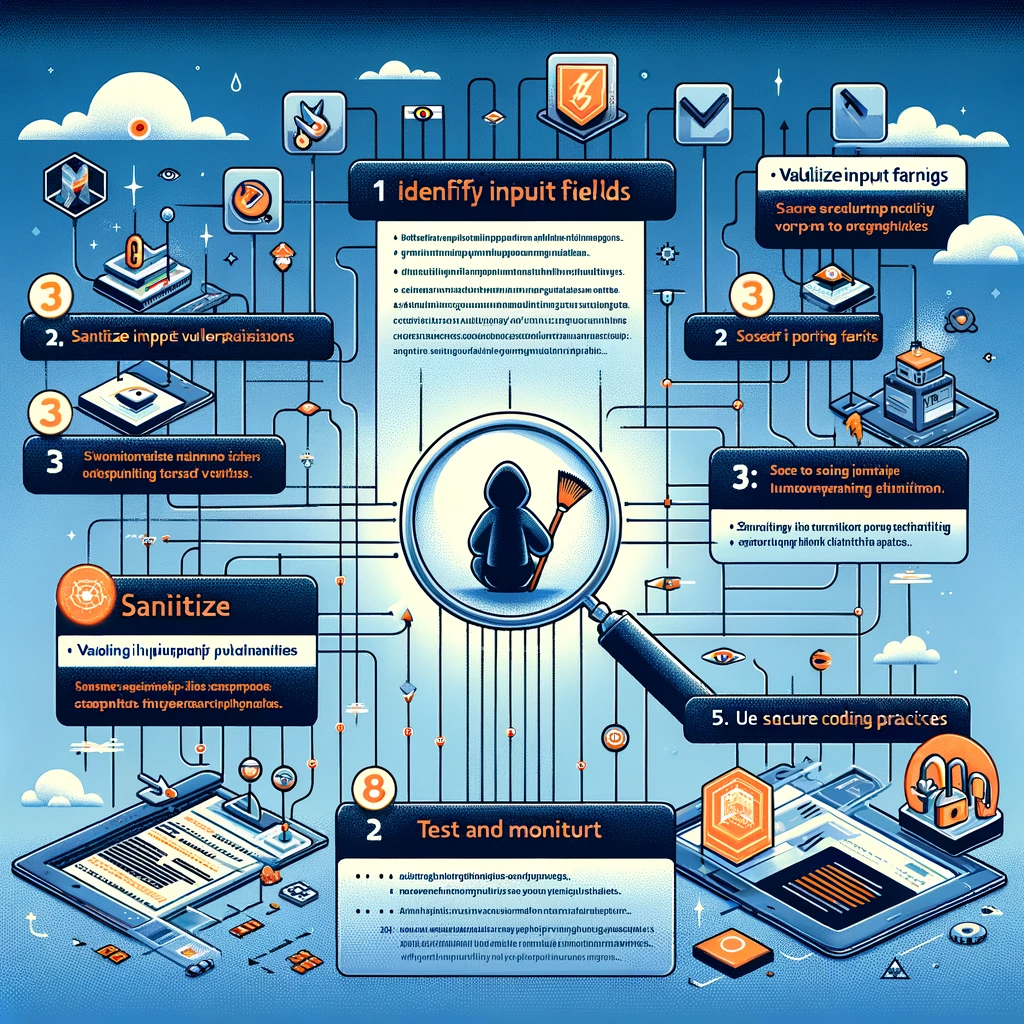
How Can You Ensure Your Team Is Alert to Security Risks?
In a world where the internet connects us with a dizzying array of information and possibilities, we often overlook the lurking shadows of cybersecurity. It’s not just a buzzword tossed around in tech meetings; it’s a landscape as treacherous as a dark alley in a city you don’t know. Just like in life, awareness is the key. But how do we ensure our teams stay sharp and vigilant to the risks that could threaten our very existence?
First, let’s talk about the gut: imagine you’re in your favorite diner, and a stranger walks in, acting suspiciously. Your stomach tightens, and instinct kicks in. This same gut feeling can inform team dynamics. It’s critical to cultivate an environment where team members trust their instincts. Encourage them to speak up when something feels off—even if it’s just a hunch. This culture of alertness transforms employees into proactive guardians of your cybersecurity, rather than passive participants.
Now, the heart: we’re all human, and we all care about one another. Share stories of real people—friends and family—who have been victims of cyberattacks. These aren’t just stats; they are heartbreaks. Personalize the risks and illuminate what’s at stake with relatable narratives that resonate emotionally. When the team understands the human cost of negligence, they’ll feel more committed to the cause. Create spaces for sharing experiences; a shared story can bond a team tighter than any team-building exercise.
Intellectually, we must confront the reality of cybersecurity threats head-on. Host training sessions that aren’t just PowerPoint slides flashing with jargon and statistics. Instead, use case studies, mock attacks, and even role-playing scenarios. Let your team feel the pressure, the urgency, and the consequences of decision-making in real time. This hands-on approach not only builds skills but also fosters a sense of responsibility and authority in your team’s ability to safeguard your assets.
Finally, create a sense of community. Implement a program where team members support one another in spotting potential security risks. Gamify the experience by turning it into friendly competition, where departments can track and report risks. Turning cybersecurity into a collective mission transforms it from a daunting task into something everyone can rally behind.
By combining instinct, emotion, knowledge, and community, you can ensure your team remains vigilant, confident, and capable in the evolving landscape of cybersecurity. Each person becomes not just an employee but an invaluable part of a unified front against the unseen threats that linger in the digital shadows.

How Can You Ensure Your Team Is Alert to Security Risks?
How Can You Ensure Your Team Is Alert to Security Risks?
- Cybersecurity is a critical concern, often overlooked despite its significance.
- Cultivating a culture of alertness encourages team members to trust their instincts and report concerns.
- Sharing personal stories of cyberattack victims helps personalize the risks and fosters emotional commitment.
- Engaging training sessions using case studies and role-playing enhances understanding and responsibility.
- Creating a supportive community among team members promotes vigilance against potential security risks.
- Incorporating gamification in risk reporting fosters a collective mission around cybersecurity.
- Combining instinct, emotion, knowledge, and community strengthens team capability against digital threats.
How Can You Ensure Your Team Is Alert to Security Risks?
What Stories Highlight the Real Impact Of Cyber Attacks?
In a world that spins on the axis of technology, the stories of cyber attacks emerge as stark reminders of the fragility of our digital existence. These incidents aren’t just numbers or news bites; they are human experiences that resonate deeply, reminding us of the very real consequences of negligence in cybersecurity. Picture this: a small-town hospital, proud of its state-of-the-art technologies, suddenly paralyzed by a ransomware attack. The lights flicker, and in the chaos, nurses scramble, patients’ lives hanging in the balance. Here, the impact of a cyber attack isn’t merely technical; it’s profoundly human, tugging at our heartstrings and pushing us to contemplate the ethical responsibilities of digital stewardship.
Yet, it’s not just the stories of institutions that strike a nerve. Consider the small business owner, a single mother who invested her life savings into a local bakery. One unsuspecting click on a phishing email leads to her entire operation crumbling. The emotional toll goes beyond lost revenue; it becomes a loss of dreams, of hard work, and of community. These narratives compel us to think rationally about cybersecurity—not just as a technical concern, but as a shared responsibility. They urge us to recognize that at the end of every data breach lies a person, a family, a community left to pick up the pieces.
The social implications are equally staggering. Think about the trust we place in organizations that hold our personal information. When a cyber attack occurs, it’s not just the data that’s compromised; it’s the very foundation of trust that has been built brick by brick. There’s a narrative here about accountability—both for those who protect our data and for us, as individuals who must demand transparency and ethical conduct in how that data is safeguarded.
We must also reflect on authority. The experts in cybersecurity often stand on high ground, armed with knowledge and tools. However, the true authority lies in our collective awareness and action. As we share these stories, we empower ourselves and others to take cybersecurity seriously. After all, it’s not just about technology; it’s about understanding our role in this interconnected web. Each story of a cyber attack serves as both a cautionary tale and a rallying cry—a call for action to not only protect ourselves but to foster a community that values security and trust. Our narrative is not just one of vulnerability; it’s also one of resilience, urging each of us to take that proactive step towards a safer digital future.

What Stories Highlight the Real Impact Of Cyber Attacks?
What Stories Highlight the Real Impact Of Cyber Attacks?
- Cyber attacks highlight the fragility of our digital existence and their human impact.
- A ransomware attack on a hospital exemplifies the life-threatening consequences of cybersecurity negligence.
- A small business owner’s phishing incident illustrates the emotional toll of cyber attacks beyond financial loss.
- Data breaches affect not just data but also the fundamental trust between organizations and individuals.
- The narrative emphasizes accountability for both data protectors and individuals demanding ethical data practices.
- Collective awareness and action in cybersecurity empower communities to take threats seriously.
- Cyber attack stories serve as cautionary tales and calls to action for a resilient and secure digital future.

What Stories Highlight the Real Impact Of Cyber Attacks?
How Do You Feel Knowing Your Data Might Be At Risk?
In today’s digital landscape, the thought of your personal data sliding through the cracks isn’t just unsettling; it’s downright chilling. Consider this: your most intimate moments, your cherished memories, and even your financial secrets are stored in some invisible vault, susceptible to prying eyes. Imagine for a moment that your home is a fortress—strong, secure, and impenetrable. Now, visualize a glimmering window, left ajar just a bit too wide, letting in not only the breeze but unwelcome visitors as well. That’s your data. We treat our homes with vigilance, locking doors and securing windows, but how often do we think about the fortress of our digital lives?
The reality is, cybersecurity is becoming an ever-pressing concern, a sort of Wild West where the rules are still being written. Hackers are the outlaws, and your data is the coveted loot. It’s hard to shake the gloom when you consider the scale of data breaches that flood the news—after all, these stories are not just numbers; they represent real people, families, lives disrupted. You might think of that moment when a friend shared a heartwarming family photo with you, only to later find out their social media was compromised, leaving them vulnerable to identity theft or worse.
This is not just a technological hurdle; it brings forth an ethical responsibility. Companies have an obligation to protect their users and their data. When the trust placed in them is breached, it’s not just their reputation at stake—it’s our peace of mind. So, what can we do? We can take charge. Empower yourself with knowledge and surround yourself with tools designed to fortify your digital existence. Just as you wouldn’t leave your garage unlocked in a shady neighborhood, ensure that your online presence is fortified against unwelcome intrusion.
Moreover, embrace the narrative of community in cybersecurity; share your knowledge, warn your neighbors. We’re all in this together, navigating a landscape fraught with threats, yet fortified by camaraderie. Support each other in building stronger defenses—because when we unite, we raise the bar for everyone.
Lastly, let’s redefine what it means to feel secure. It’s not merely about the absence of danger; it’s about creating an environment where data protection becomes second nature. Trust in the safeguards you put in place. Approach each digital interaction with both vigilance and confidence, knowing you hold the keys to your castle. Embrace the responsibility; after all, in a world where your data could be at risk, being proactive is your greatest ally in the fight for security.

How Do You Feel Knowing Your Data Might Be At Risk?
How Do You Feel Knowing Your Data Might Be At Risk?
- Personal data is vulnerable, comparable to leaving a window in your home ajar.
- Cybersecurity concerns are escalating, akin to a Wild West scenario with hackers targeting personal data.
- Data breaches disrupt lives, affecting real people and relationships.
- Companies have an ethical responsibility to protect user data and maintain trust.
- Individuals should empower themselves with knowledge and tools to enhance their digital security.
- Community engagement is vital; sharing knowledge helps build stronger cybersecurity defenses.
- Feeling secure means fostering an environment where data protection is instinctive and proactive measures are prioritized.

How Do You Feel Knowing Your Data Might Be At Risk?
Conclusion
In a time where our digital lives interlace with every fiber of our existence, the revelations from AI simulating 10,000 attack scenarios hit close to home. Each simulation serves not merely as a spark of technical insight, but a poignant reminder of our vulnerabilities, echoing the fire drills of our youth. Just as those drills prepared us against flames that might never ignite, these simulations illuminate cracks in our cybersecurity armor, urging us to undertake proactive measures to safeguard what matters most.
Consider a local café – a beloved community fixture, where patrons gather not just for coffee, but connection. Should that café fall prey to a cyberattack, it would not only be data lost; it would be trust shattered, camaraderie replaced with suspicion. That’s the heart of the matter – our cybersecurity isn’t just a technical hurdle; it intertwines with the fabric of our communities and livelihoods. Awareness is key. Data shows that 90% of breaches stem from human error, underscoring the importance of strengthening our defenses through education and vigilance.
Ethically, every business has a duty to protect not just its assets but the trust placed in them. A breach is not just a business impact; it’s a betrayal of the commitment made to employees, customers, and the community at large. When we think of cybersecurity, we must don our moral hats, recognizing the weight of our responsibility to ourselves and others.
Moreover, when we talk about authority in cybersecurity, let’s remember the image of a coach guiding a team. Industry leaders aren’t just gatekeepers of technology but champions of culture—a culture where every employee from marketing to shipping understands their role as protectors against cyber threats. By weaving narratives that connect individual responsibilities with collective security, they build stronger, more resilient organizations.
This isn’t just about individual readiness; it’s about shaping a community prepared to fight together. Cybersecurity is a shared journey. Each of us plays a part in this narrative spun from trust, responsibility, and connection. When one business falters, the ripple effect can shake the confidence of entire communities; thus, it’s imperative we rally together to bolster our defenses and share knowledge.
So here’s the challenge: face the contemporary digital landscape with a renewed sense of purpose. Embrace proactive measures, whether that’s through training or simply fostering open discussions about cybersecurity challenges. We all have a role in safeguarding our communities. This is not just technical jargon; it’s an invitation to protect our way of life, to build a future where our digital walls stand tall against the unseen threats that seek to divide us. Stand guard, take action, and let’s forge a secure pathway forward—together.

Conclusion
Conclusion:
- The integration of AI in simulating cyberattack scenarios reveals vulnerabilities in our cybersecurity.
- Local businesses, like cafés, exemplify how cyberattacks can lead to loss of trust and community connection.
- 90% of data breaches are linked to human error, highlighting the need for education and vigilance.
- Businesses have an ethical obligation to protect both assets and the trust placed in them by stakeholders.
- Cybersecurity should be a collective effort, where every employee understands their role in defense.
- The ripple effect of a cyber incident can impact entire communities, emphasizing the need for shared defense strategies.
- Embracing proactive measures and fostering open discussions about cybersecurity is vital for community safety.
Conclusion
Other Resources

Other Resources
Here is a list of other resources you can review online to learn more:
- CyberGuard360
- GM Security Solutions
- ProCircular
- Atos
- Federal Bureau of Investigation: Cyber Crime
- Novacoast
- Corsica Cybersecurity
- IBM Managed Security Services
- Solutions Granted
- Ascend Technologies LLC
- Security On-Demand
- Tumblr
- MOE Cyberdefense
- Xact IT Solutions
- Capgemini
- CSIS Group
- Zyston
- Cipher Security LLC
- eSentire
- Cyberattack Information Sheet
Use This Prompt To Get More Resources With Your Favorite Online AI Tool: Please provide me with a list of online articles with their URLs in a bulleted list that I can read regarding AI Just Simulated 10,000 Attack Scenarios – and Found Your Weak Spots

Other Resources
Glossary Terms
AI Just Simulated 10,000 Attack Scenarios – and Found Your Weak Spots – Glossary Of Terms
1. Artificial Intelligence (AI): A branch of computer science that aims to create systems capable of performing tasks that typically require human intelligence.
2. Simulation: The process of creating a model to replicate real-world processes, often used in testing scenarios without actual physical risk.
3. Attack Scenario: A hypothetical situation designed to test a system’s vulnerabilities by simulating an attack.
4. Vulnerability: A weakness in a system that can be exploited by an attacker to gain unauthorized access or cause harm.
5. Cybersecurity: The practice of protecting systems, networks, and data from digital attacks, damage, or unauthorized access.
6. Threat Model: A framework for identifying and addressing potential threats to a system’s security.
7. Penetration Testing: A simulated cyber attack against a computer system to evaluate its security.
8. Risk Assessment: The process of identifying and analyzing potential risks that could negatively impact a system.
9. Intrusion Detection System (IDS): Software or hardware that monitors network or system activities for malicious activity or policy violations.
10. Exploit: A piece of software, a command, or a series of commands that take advantage of a vulnerability in a system.
11. Malware: Malicious software designed to harm, exploit, or otherwise compromise a computer system.
12. Data Breach: An incident where unauthorized individuals gain access to sensitive data, often resulting in theft or loss of information.
13. Mitigation: Strategies implemented to reduce the severity or likelihood of a security threat.
14. Firewall: A network security device that monitors and controls incoming and outgoing network traffic based on predetermined security rules.
15. Zero-Day Exploit: A cyber attack that occurs on the same day a vulnerability is discovered, before it is patched.
16. Phishing: A method of trying to gather personal information using deceptive emails and websites.
17. Social Engineering: Psychological manipulation of people into performing actions or divulging confidential information.
18. Incident Response: The process of detecting, investigating, and responding to cybersecurity incidents.
19. Endpoint Security: A strategy that protects end-user devices like computers and mobile devices from being exploited by malicious campaigns.
20. Denial of Service (DoS): An attack that tries to make a machine or network resource unavailable to its intended users.
21. Botnet: A network of compromised computers controlled by an attacker to perform automated tasks, often for malicious purposes.
22. Credential Stuffing: A form of cyber attack where stolen account credentials are used to gain unauthorized access to user accounts on multiple sites.
23. Encryption: The process of converting information into code to prevent unauthorized access.
24. Authentication: A process that verifies the identity of a user or system before granting access.
25. Patch Management: The process of managing software updates for computer programs to fix vulnerabilities or bugs.
26. Risk Management: The identification, assessment, and prioritization of risks, followed by coordinated efforts to minimize or control their impact.
27. Compliance: Adhering to laws, regulations, and guidelines relevant to cybersecurity practices.
28. Security Audit: An evaluation of an organization’s information system to assess its adherence to external and internal policies.
29. Incident: Any event that compromises the confidentiality, integrity, or availability of an organization’s information.
30. Forensics: The practice of gathering, preserving, and analyzing data to investigate incidents and breaches in cybersecurity.

Glossary Of Terms
Other Questions
AI Just Simulated 10,000 Attack Scenarios – and Found Your Weak Spots – Other Questions
If you wish to explore and discover more, consider looking for answers to these questions:
- Who conducted the 10,000 AI attack simulations?
- What AI models, tools, or platforms were used to run the simulations?
- What types of attacks were included (phishing, ransomware, DDoS, supply‑chain, insider threats, OT/IoT attacks)?
- What environments and architectures were simulated (small business, enterprise, cloud, on‑premises, operational tech)?
- How realistic and representative were the simulation scenarios of real‑world threats?
- What data sources and threat intelligence informed the simulations?
- How were success and failure defined and measured in each scenario?
- What assumptions and limitations existed in the simulation methodology?
- Over what timeframe were the 10,000 scenarios run, and how often should such simulations be performed?
- Which specific vulnerabilities or misconfigurations were most frequently exploited?
- Which systems or asset types were found to be highest risk (email, web apps, databases, IoT, OT)?
- How significant was third‑party and vendor risk in the findings?
- What percentage of successful attacks relied primarily on human error, and what behaviors were most common?
- What immediate, high‑impact steps can a small business take to reduce exposure?
- How effective are common controls like multi‑factor authentication, patching, segmentation, and backups according to the simulations?
- How should organizations prioritize remediation efforts given limited budgets?
- What training formats (phishing exercises, tabletop exercises, hands‑on labs) proved most effective in the simulations?
- What does an effective incident response plan look like based on simulated breach scenarios?
- How quickly must detection and containment occur to prevent catastrophic impact?
- What are best practices for customer and stakeholder communication post‑breach?
- How should organizations handle ransomware negotiations and recovery decisions?
- When and how should law enforcement and regulators be notified after an incident?
- What legal and compliance obligations might be triggered by breaches uncovered in these simulations (GDPR, HIPAA, PCI‑DSS, sectoral rules)?
- How does cyber insurance interact with the kinds of incidents modeled—what is typically covered and excluded?
- Who should own cybersecurity accountability in an organization (CISO, CEO, board)?
- When is it appropriate to hire a full‑time security lead versus outsourcing to an MSSP or managed SOC?
- How can leaders foster a culture of security and encourage employees to report suspicious activity?
- Could malicious actors use the same AI techniques to discover and exploit the same weak spots?
- How are the AI simulation tools themselves secured to prevent leaking vulnerability details?
- What safeguards are in place to ensure simulation findings do not create a roadmap for attackers?
- How can businesses collaborate and share threat intelligence without exposing sensitive information?
- What ethical considerations arise from running and publishing large‑scale AI attack simulations?
- What metrics and KPIs should be tracked to measure progress and validate remediation?
- How can organizations verify that identified vulnerabilities have been fully remediated and won’t reappear?
- What are the typical costs (initial and ongoing) to remediate the vulnerabilities highlighted by these simulations, and are there low‑cost options for resource‑constrained businesses?

Other Questions
Haiku
AI Just Simulated 10,000 Attack Scenarios – and Found Your Weak Spots – A Haiku
Data’s fragile dance,
Weak spots revealed by deep scans,
Together, we stand.

Haiku
Poem
AI Just Simulated 10,000 Attack Scenarios – and Found Your Weak Spots – A Poem
In a realm where shadows dance and light can deceive,
Digital fortresses rise, but who dares believe?
AI spins scenarios, ten thousand cries,
Unveiling vulnerabilities under watchful skies.
A small business owner, a heart wrapped in dreams,
Faces the storm of betrayal, or so it seems.
With tech as their armor, they felt safe and sound,
Yet trust shatters quickly, as cyber storms drown.
Rational voices whisper of human errors might,
Ninety percent of breaches provoke sleepless nights.
Training is the key, a shield against fate,
Guardians of mission, we must collaborate.
Ethical duty calls, a promise to keep,
To shield every customer, awaken from sleep.
In a world interconnected, our risks intertwine,
One leak can ripple, communities align.
Industry leaders educate, turn fear into action,
Fostering awareness, the heart of the faction.
Every story told, of loss and of strife,
Reminds us our data is more than just life.
From families shattered to trust laid bare,
Cybersecurity’s tale is a burden we share.
Convene in our duty, as we gather and grow,
Fortify our defenses, together well glow.
So stand at the gates of your digital fort,
Guardians of truth, in unity we sport.
For when we join forces, with knowledge and might,
We weave a strong fabric, resilient in fight.

Poem
Checklist
AI Just Simulated 10,000 Attack Scenarios – and Found Your Weak Spots – A Checklist
Checklist for Strengthening Cybersecurity Defenses
✅______ Reflect on stories of businesses and individuals impacted by cyberattacks.
✅______ Share personal experiences of trust and betrayal related to data breaches.
✅______ Foster team discussions about the human impact of cybersecurity risks.
Head Rational Appeals
✅______ Analyze statistics on the prevalence of data breaches (90% of breaches due to human error).
✅______ Conduct training sessions to educate yourself and your team about potential threats.
✅______ Regularly assess your systems for vulnerabilities and update protections.
Gut Instinctive Appeals
✅______ Create an environment where team members report suspicious activity without hesitation.
✅______ Encourage a culture of vigilance to trust instincts about potential risks.
✅______ Simulate cyberattack scenarios to prepare for real-life threats.
Ethical Appeals
✅______ Prioritize the protection of client and employee data as a moral responsibility.
✅______ Implement transparent communication regarding your cybersecurity practices.
✅______ Engage in community initiatives that promote shared cybersecurity knowledge.
Authority Appeals
✅______ Learn from industry experts and leaders on best practices in cybersecurity.
✅______ Invest in training from recognized cybersecurity professionals.
✅______ Attend workshops or seminars that elevate your understanding of safeguarding strategies.
Narrative Appeals
✅______ Share cautionary tales and success stories that highlight the importance of proactive cybersecurity.
✅______ Illustrate how small, community-focused businesses suffered and thrived post-breach.
✅______ Use storytelling as a teaching tool to enhance engagement and understanding.
Social Appeals
✅______ Promote a collective approach to cybersecurity within your organization.
✅______ Encourage cross-department collaboration in identifying and mitigating threats.
✅______ Host cybersecurity awareness events to strengthen community ties and responsibility.

Checklist
At BestCyberSecurityNews, we help teach entrepreneurs and solopreneurs the basics of cybersecurity and its impact on their businesses by using simple concepts to explain difficult challenges.
Please read and share any of the articles you find here on BestCyberSecurityNews with your friends, family, and business associates.