An Overview Of AI Just Made Ransomware 100X Faster and Smarter – Are You Ready
By Tom Seest
At BestCyberSecurityNews, we help teach entrepreneurs and solopreneurs the basics of cybersecurity and its impact on their businesses by using simple concepts to explain difficult challenges.
Please read and share any of the articles you find here on BestCyberSecurityNews with your friends, family, and business associates.
AI Just Made Ransomware 100X Faster and Smarter – Are You Ready?
In a world where the digital landscape is morphing faster than we can keep up, the emergence of AI in cybercrime has shifted the balance from mere inconvenience to a full-fledged digital battleground. Cybersecurity is no longer just a tech niche; it’s a central concern that touches every facet of our lives, from personal data to critical infrastructure. Imagine waking up one morning to find your entire life’s work held hostage by a malicious program that now operates with unprecedented speed and cunning, all powered by AI. This isn’t just a scenario from a dystopian novel—it’s a reality that is unfolding right now.
What does this mean for you? It means that as technology evolves, so do the threats. Ransomware attacks have multiplied in frequency and sophistication, turning ordinary people into unwitting targets. It’s as if we’re in a high-stakes game of chess, where every move counts and the stakes are as high as our homes, savings, and personal integrity. The gut-wrenching reality is that when the hackers play their hand, it’s often backed by AI that can analyze our weaknesses and exploit them at lightning speed. The ethical quandary emerges: are we prepared to defend our data, our families, and ourselves against adversaries that are always a step ahead?
To put this into perspective, think about that time you lost something vital—a family heirloom or a cherished photograph. The panic sets in, and you can feel that tight knot in your stomach. Now, amplify that feeling to the loss of your digital life. Stories abound of individuals and businesses crippled by ransomware attacks, their data held ransom while their life’s work lies in the balance.
But there’s hope. The very same technology that cybercriminals exploit can also safeguard us. Cybersecurity innovation is advancing to meet this challenge head-on. New methods rely on AI to outsmart the very threats that seek to dismantle our lives. However, it begins with awareness—the first step in this ongoing battle. We must foster a culture of vigilance, where preparation becomes second nature and a proactive approach to our digital hygiene is as routine as a morning coffee.
The fight isn’t just against criminals; it’s for our agency, our peace of mind, and our ability to thrive in a connected world. Trust in technology must be met with responsibility, and by standing together, we can forge a pathway through the darkness, armed with knowledge and resilience in the face of an ever-evolving threat landscape.

AI Just Made Ransomware 100X Faster and Smarter – Are You Ready?
AI Just Made Ransomware 100X Faster and Smarter – Are You Ready?
- The rise of AI in cybercrime has transformed the digital landscape into a battleground, affecting all aspects of life.
- Cybersecurity is now a fundamental concern, impacting personal data and critical infrastructure.
- Ransomware attacks are increasingly frequent and sophisticated, targeting ordinary individuals and businesses.
- Hackers utilize AI to analyze and exploit weaknesses at unprecedented speeds.
- Awareness and preparation are crucial in defending against digital threats.
- Innovations in cybersecurity are evolving to counteract the threats posed by cybercriminals.
- Building a culture of vigilance and proactive digital hygiene is essential to navigate the complexities of cybersecurity.
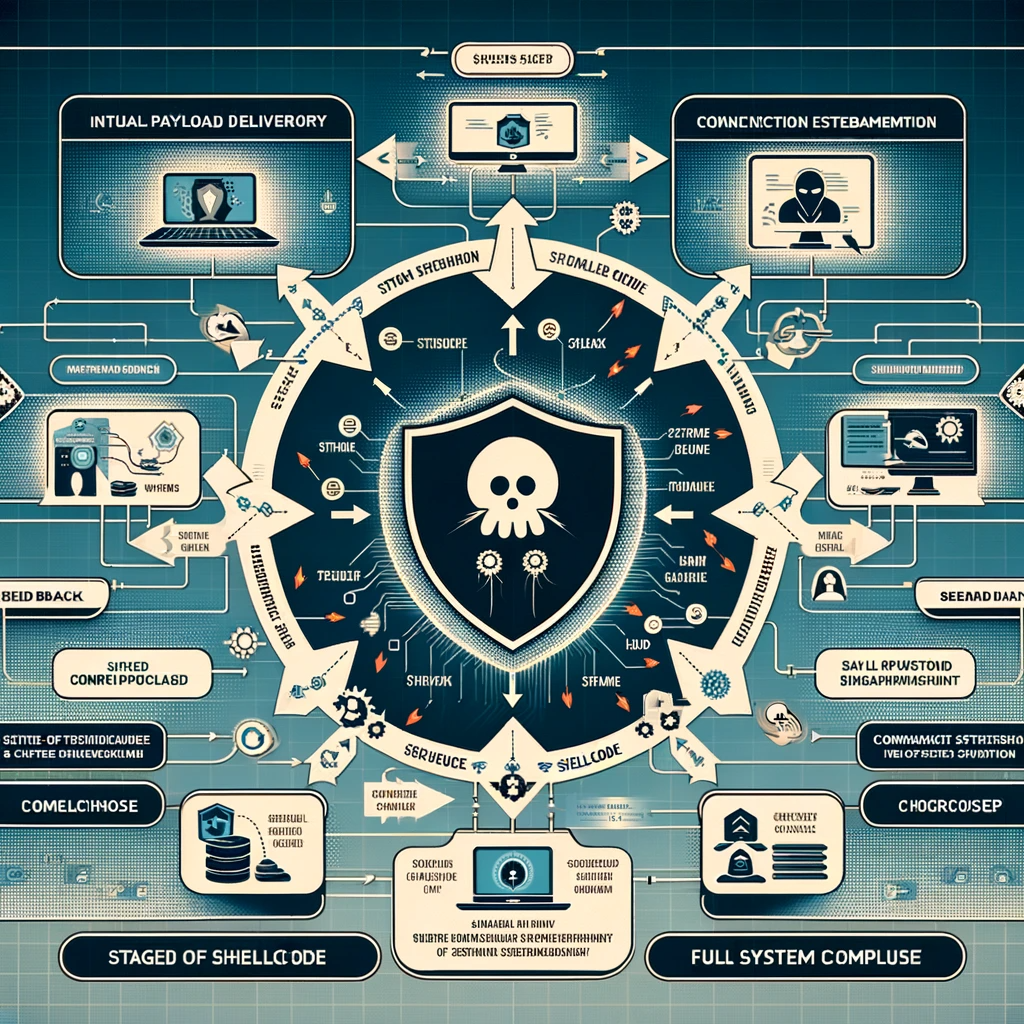
AI Just Made Ransomware 100X Faster and Smarter – Are You Ready?
Table Of Contents
- AI Just Made Ransomware 100X Faster and Smarter – Are You Ready?
- What Risks Do You Face with Smarter Ransomware?
- How Can We Improve Cyber Defenses?
- Should We Trust AI with Our Security?
- How Does Ransomware Affect Your Peace Of Mind?
- What Ethical Considerations Arise From AI In Cybersecurity?
- Who Are the Leaders In Combating AI-Driven Attacks?
- What Stories Highlight the Impact Of Ransomware on Victims?
- Conclusion
- Other Resources
- Glossary Of Terms
- Other Questions
- Haiku
- Poem
- Checklist
What Risks Do You Face with Smarter Ransomware?
In a world where technology advances at lightning speed, the threats we face are not just evolving; they’re becoming smarter, stealthier, and more insidious. Smarter ransomware isn’t just a piece of malicious code; it’s a calculated attack on our lives, our businesses, and our trust in the digital realm. Imagine waking up one morning to find that your essential files, your treasured memories, or your company’s data have been held hostage, all because a cybercriminal found a way to slip through a security crack. That’s the stark reality many have faced, grappling not only with financial loss but with a profound sense of vulnerability.
Take the story of a small business owner, a hardworking individual who built their brand from the ground up. After a targeted ransomware attack, their livelihood hung in the balance as they weighed the harrowing choice between paying a ransom or facing potential ruin. It’s not just about money; it’s about the countless hours, sweat, and dreams locked in those files. This scenario emphasizes a critical point: while the financial implications of a ransomware attack are immense, the emotional toll can be even heavier. The fear and uncertainty that come with such a breach can haunt individuals and communities long after the data is recovered—or not.
From a rational standpoint, understanding the mechanics of smarter ransomware sheds light on how it creeps into our lives, often through innocent-looking emails or unsecured networks. Cybersecurity must now be a priority, requiring constant vigilance and proactive measures. The statistics paint a grim picture: businesses of all sizes are targeted every day, with many unprepared for the sophisticated tactics employed by cybercriminals. By prioritizing strong cybersecurity measures, you’re not just safeguarding your data; you are fortifying your peace of mind.
Yet, at the core of the battle against smarter ransomware lies an ethical responsibility. It’s about protecting not only your own assets but also the sensitive information of those who trust you. This commitment to cybersecurity fosters a culture of trust, where customers feel secure engaging with your services.
Ultimately, smarter ransomware isn’t merely a technical issue; it’s a clarion call to action—a reminder that we’re all interconnected in this digital age. It’s about taking ownership of our cybersecurity, advocating for better practices, and sharing knowledge within our communities. By building resilience against these threats, we’re not only protecting ourselves but creating a safer environment for everyone.

What Risks Do You Face with Smarter Ransomware?
What Risks Do You Face with Smarter Ransomware?
- Technology advancements lead to increasingly sophisticated ransomware threats.
- Ransomware attacks target personal and business data, causing financial loss and emotional vulnerability.
- Small business owners face critical choices during ransomware attacks, weighing the cost of ransom against potential ruin.
- Emotional and psychological impacts of ransomware can be profound and long-lasting.
- Understanding ransomware mechanics is essential for proactive cybersecurity measures.
- Businesses must prioritize cybersecurity to safeguard data and maintain customer trust.
- The fight against ransomware emphasizes collective responsibility and the need for shared knowledge in cybersecurity.

What Risks Do You Face with Smarter Ransomware?
How Can We Improve Cyber Defenses?
In a world driven by technology, cybersecurity isn’t just an IT issue; it’s a personal responsibility that touches everyone’s lives. Think of it like a community coming together to protect one another. When we lock our doors at night, we’re not just securing our homes; we’re safeguarding our peace of mind. Similarly, enhancing our cyber defenses requires a collective effort that goes beyond firewalls and software updates—it demands awareness, education, and proactive engagement from all of us.
Imagine a small business owner, Alex, who pours his heart and soul into his café. One day, a cybercriminal infiltrates his system, stealing sensitive customer data and leaving his livelihood hanging by a thread. The emotional toll is staggering. Alex feels violated, anxious, and overwhelmed. But here’s the catch: Alex didn’t just lose his business; he lost the trust of his community. This narrative isn’t just a cautionary tale—it’s a hard truth that plays out across our neighborhoods every day. We must recognize that every click we make has consequences that ripple through our communities.
To counteract these threats, we need to imbue our approach to cybersecurity with empathy. Start by fostering a culture of awareness—educate employees, families, and friends about potential threats. Sharing real-life stories of cyber incidents can paint a visceral picture that theory alone cannot achieve. Telling Alex’s story in local schools or community centers can spark discussions, create connections, and inspire action. When people realize that cybersecurity is not some abstract concept, but a tangible safeguard for their daily lives, they’re more likely to take it seriously.
Let’s not stop at education. Innovation plays a crucial role in this fight. We must encourage collaboration among tech experts, businesses, and everyday citizens to develop tools that not only protect individuals but also encourage ethical practices and responsible usage. Think of cybersecurity as a team sport—every player has a role to play. That’s where trust becomes vital; when we know that our neighbors care about our safety as much as we do, we build stronger defenses together.
Improving cyber defenses is about knitting a safety net woven from awareness, empathy, innovation, and community cooperation. It’s about ensuring that when threats arise, we’re not standing alone; we’re standing shoulder to shoulder, ready to protect what matters most. Together, we can create a landscape where cybersecurity becomes a shared commitment, fostering not just security, but trust and resilience in our communities.

How Can We Improve Cyber Defenses?
How Can We Improve Cyber Defenses?
- Cybersecurity is a collective responsibility impacting everyone in society.
- Personal stories, like that of a small business owner losing trust after a data breach, highlight the emotional toll of cyber incidents.
- Every online action has consequences that affect the wider community.
- Fostering awareness through education is essential to combat cyber threats.
- Real-life examples can inspire engagement and action regarding cybersecurity.
- Collaboration among tech experts, businesses, and citizens is necessary for developing effective cybersecurity tools.
- Building a strong community foundation fosters trust and resilience against cyber threats.

How Can We Improve Cyber Defenses?
Should We Trust AI with Our Security?
In today’s digital age, the thought of trusting AI with our security can stir up a mix of emotions. Picture this: you’re at a family gathering, laughter filling the air around the table, but you can’t shake that nagging worry about your online safety. Every click, every download, feels like a game of Russian roulette. That’s where this conversation about AI and cybersecurity comes into play.
Think of AI as that tech-savvy friend who has an almost uncanny ability to sift through mountains of data. They don’t get tired or distracted. They can spot anomalies in networks, identifying threats faster than you can say “malware.” On a rational level, it makes sense to leverage these strengths. Imagine the hours saved, the pennies not lost, the headaches avoided. But let’s not forget that while numbers and algorithms can shine a light on security vulnerabilities, they still depend on a human touch to steer the ship.
Now, I’m not suggesting we throw caution to the wind. There’s an ethical balance to be struck between relying on technology and preserving our personal touch. Consider a story from a friend of mine—a small business owner. She invested in AI-driven cybersecurity software, which alarmed her when it flagged a “suspicious activity” alert during a crucial sales event. It turned out to be a glitch, but her initial panic had her racing to purge customer information, fearing the worst. Here, the lesson is clear: technology is a tool, not a panacea. We need to remain informed and involved, ensuring that AI supports our security without overshadowing our human instincts.
Beyond the reasoning and the stories lies the palpable fear that many face. The gut reaction to entrust our security to AI echoes like a freaky flick, a horror movie where the monster is unseen, lurking in the binary shadows. But let’s reshape that fear into confidence. Many organizations are pooling resources to establish ethical standards and frameworks for AI in cybersecurity. They’re addressing biases, ensuring transparency, and building systems that respect our autonomy. This collaborative approach between human oversight and AI efficiency can create a robust security framework.
So, the question isn’t simply whether to trust AI with our security, but how we can foster a cooperative relationship. By embracing AI as a partner and maintaining our active role, we amplify our defenses while keeping our human touch. Trust is built not just on the technology itself, but on how we choose to wield it, together.

Should We Trust AI with Our Security?
Should We Trust AI with Our Security?
- The discussion of AI in cybersecurity reflects mixed emotions regarding online safety.
- AI’s efficiency in identifying threats can save time and resources, acting as a tech-savvy ally.
- Despite AI’s strengths, human involvement remains crucial for effective security management.
- Anecdote of a small business owner highlights the potential pitfalls of over-reliance on technology.
- There is a need for ethical standards and transparency in AI applications within cybersecurity.
- Many organizations are working together to address biases and enhance AI systems for security.
- Building trust in AI requires a cooperative relationship, balancing technology’s strengths with human insight.

Should We Trust AI with Our Security?
How Does Ransomware Affect Your Peace Of Mind?
In an era where our lives are intricately woven into the fabric of technology, the emergence of ransomware has turned our digital existence into a precarious dance. Imagine waking up one morning, coffee in hand, and discovering that your entire world — from cherished family photographs to important work documents — is held hostage by a faceless criminal lurking behind a screen. This unsettling reality doesn’t just disrupt your daily routine; it chips away at your peace of mind, creating a constant undercurrent of anxiety that can seep into every facet of your life.
Consider this: a simple act, such as scrolling through social media, morphs into a game of paranoia. Your mind races, wondering if your information is secure, if today is the day you’ll be the next victim. This effect can become pervasive, leading to sleepless nights and a gnawing sense of vulnerability, as if someone has invaded your private sanctuary. The emotional toll is profound. It’s not just about data loss; it’s about a profound sense of betrayal and threat to your personal safety.
But let’s pivot for a moment. What if, instead of feeling powerless, we harnessed this fear as a catalyst for positive change? The ethical dimensions of cybersecurity demand our attention. To protect oneself, we must first understand the landscape we navigate. Educating ourselves about cybersecurity is not merely an act of self-preservation; it is a responsibility we owe to our families and communities. It’s our way of saying we will not allow fear to dictate our lives.
Real stories abound of individuals and businesses that have turned vulnerabilities into strengths. A small family-run bakery, which fell prey to ransomware, didn’t just scramble to recover. They used their experience to promote awareness in the community, sharing their story far and wide, fostering a web of vigilance and resilience. It became less about their loss and more about collective security, rallying neighbors to strengthen their digital defenses.
Imagine communities coming together, sharing insights on cybersecurity, establishing connections based on trust and mutual support. This is the new frontier: one where understanding and preparation build a fortress against fear. Protecting your peace of mind is not only about safeguarding data; it’s about transforming anxiety into action. By taking the initiative to educate ourselves and those around us, we reclaim control over our digital lives, allowing our most valuable asset — our peace of mind — to flourish amidst the chaos.

How Does Ransomware Affect Your Peace Of Mind?
How Does Ransomware Affect Your Peace Of Mind?
- The rise of ransomware has made our digital lives increasingly precarious, turning daily activities into sources of anxiety.
- Victims of ransomware experience a profound emotional toll, leading to feelings of vulnerability and betrayal.
- Fear should not lead to powerlessness; instead, it can be a catalyst for positive change in cybersecurity awareness.
- Understanding cybersecurity is crucial for self-preservation and a responsibility we owe to our communities.
- Real-life examples exist of businesses using their ransomware experiences to promote community vigilance and resilience.
- Community engagement in cybersecurity can transform anxiety into proactive measures and support networks.
- Educating ourselves and others allows us to reclaim control over our digital lives, enhancing our peace of mind amidst chaos.

How Does Ransomware Affect Your Peace Of Mind?
What Ethical Considerations Arise From AI In Cybersecurity?
What Ethical Considerations Arise From AI in Cybersecurity?
When we think about cybersecurity, we often picture a lone hero battling digital villains, armed with the latest tech wizardry. But behind this modern-day war is an intricate web of ethical considerations that make our hearts pound and our minds race. The intersection of artificial intelligence and cybersecurity isn’t just a tech issue—it’s a deeply human one.
Consider a small business owner, dedicated to her craft, who suddenly finds her online operations compromised. She’s faced with disastrous financial consequences, but also the heartache of knowing that her loyal customers, the very people she treasures, may suffer too. Artificial intelligence can offer an array of tools to defend against such attacks, but it also raises questions about trust and responsibility. Who’s responsible when the AI makes a critical error? Is it the company that deployed it, or the engineers who coded it? These questions echo in the establishments we rely on every day, from banks to healthcare providers.
On a rational level, cybersecurity powered by AI presents unprecedented benefits—the ability to respond faster to threats and predict attacks based on data patterns. However, this efficiency can come at a cost. Relying heavily on AI learns the lesson that not everything can—or should—be automated. Like trusting a smoke detector but knowing it might fail, we must recognize the limits of technology while holding the ethical reins firmly in our hands.
As we navigate these waters, let’s not forget the chilling reality: the data harvested in the name of security can be misused. What happens when innocent information is weaponized? Picture a neighbor’s child—innocent and trusting—suddenly thrust into a world of big data and algorithms, unwittingly tracked and monitored. We must draw the line, defining the boundaries of surveillance while advocating for the privacy of our communities.
It’s about connection and accountability. Just as we trust our local fire department to protect us from flames, we must ensure our cybersecurity protocols are developed and deployed with a shared ethical framework. Imagine a neighborhood meeting where tech geniuses and everyday folks come together to discuss these issues openly. That’s a vision worth striving for—a community that not only fights against threats but also fosters trust and empowerment, turning fear into action.
When the rubber meets the road, it’s our collective responsibility to not only understand the capabilities of AI in cybersecurity but to wield that power wisely and compassionately, safeguarding our digital future for generations to come.

What Ethical Considerations Arise From AI In Cybersecurity?
What Ethical Considerations Arise From AI In Cybersecurity?
- The intersection of AI and cybersecurity presents complex ethical considerations beyond technical issues.
- AI tools can protect against cyber threats but raise questions about trust and responsibility for errors.
- Cybersecurity benefits from AI include faster threat response and data-driven predictions.
- Over-reliance on AI risks reducing human oversight and recognizing technological limits.
- Data collected for security purposes can be misused, necessitating clear boundaries on surveillance.
- Community engagement and accountability are essential in developing ethical cybersecurity protocols.
- Collective responsibility is crucial for using AI in a compassionate and wise manner to ensure digital safety.

What Ethical Considerations Arise From AI In Cybersecurity?
Who Are the Leaders In Combating AI-Driven Attacks?
In the ever-evolving landscape of technology, where Cybersecurity stands as a fragile yet vital fortress against the storms of AI-driven attacks, we find the champions of this battle—those steadfast leaders who refuse to yield to the chaos. These guardians come from various backgrounds, embodying a blend of expertise, passion, and an unwavering commitment to safeguard our digital future.
Imagine a seasoned cybersecurity analyst, hunched over glowing screens in a dimly lit room. The clock ticks ominously as they dissect lines of code, searching for malicious intent hidden within. This isn’t just a job; it’s personal. Each breach represents more than a statistic; it’s an invasion of trust. These leaders don’t just combat threats; they see the human cost of negligence—the aftermath when someone’s life is disrupted, their work compromised, or their identity stolen.
Look to the executives of innovative tech firms, each a lighthouse in a turbulent sea, illuminating the path forward. They don’t merely invest in shiny new technology; they invest in education, awareness, and resilience. These leaders understand that Cybersecurity is not just a shield; it’s a collaborative effort. They foster a culture of vigilance, urging employees to take ownership of their digital presence. It’s akin to teaching kids to ride bikes—not just how to pedal, but how to fall wisely. They relay stories of near-misses, of critical moments when an alert instinct saved a major breach. It’s these narratives, full of humanity, that resonate deeply, reminding us all that we are in this together.
One emerging synergy is seen in public-private partnerships, where the collective strength of diverse organizations amplifies our defenses. This collaboration is more than just strategy; it’s a community coming together, akin to neighbors banding together to protect their homes. Here, the lines between sectors blur. The tech firm shares insights with law enforcement, while educational institutions become breeding grounds for the next generation of cybersecurity warriors. It’s a tapestry woven from countless threads, each one vital to the fabric of our safety.
Ultimately, the leaders in this arena are not just warriors in suits; they are guardians who understand that every decision carries weight. They inspire trust through transparency, confidence through expertise, and action through shared responsibility. The fight against AI-driven attacks is not just about technology; it’s about people—our stories interwoven in a future where we can navigate the digital landscape without fear.

Who Are the Leaders In Combating AI-Driven Attacks?
Who Are the Leaders In Combating AI-Driven Attacks?
- Cybersecurity is crucial against AI-driven attacks, requiring dedicated leaders.
- Cybersecurity analysts personalize their work by recognizing the human cost of breaches.
- Executives invest in education and resilience, fostering a culture of vigilance.
- Leaders share stories of near-misses to create awareness and preparedness.
- Public-private partnerships enhance defenses through collaboration across sectors.
- The fight against cyber threats involves collective responsibility and decision-making.
- Ultimately, cybersecurity is about people and building trust in digital environments.

Who Are the Leaders In Combating AI-Driven Attacks?
What Stories Highlight the Impact Of Ransomware on Victims?
Every year, countless individuals and organizations fall victim to the insidious nature of ransomware. Picture a small-town bakery, a space where the aroma of freshly baked bread welcomes you, and the staff know customers by name. One day, as the baker opens his shop, the computer screen blares with a demand for thousands of dollars in exchange for access to his own recipes and customer data. In that moment, the reality of cybersecurity—or the lack thereof—becomes painfully clear. It’s not just about money; it’s about trust, identity, and the very essence of a community.
Victims of ransomware often face a dual burden: the immediate financial strain and the lingering fear of vulnerability. Consider a hospital that suddenly finds itself unable to access patient records. Lives hang in the balance, decisions become paralyzed, and the ethical dilemma looms—pay the ransom and risk empowering criminals or refuse and jeopardize patient care. This moral quandary resonates deeply with anyone who values life over profit, sparking indignation and solidarity among the wider public.
Emotional stories abound, like that of a teacher whose vital classroom materials have been encrypted. Her students, eager to learn, find themselves sidelined while she battles against a faceless adversary. The classroom becomes a battleground, and the stakes are not just academic; they are personal and deeply impactful, highlighting the intersection of education and cybersecurity.
But what sets these stories apart isn’t just the chaos of immediate disruption; it’s how they spark a societal response. Each victim’s tale serves as a cautionary narrative, urging others to fortify their defenses. It transforms passive observers into proactive participants in the realm of cybersecurity. The message is clear: the fight against ransomware isn’t just a tech issue; it’s a collective responsibility.
As we absorb these tales, we find ourselves grappling with what it means to be safe in an interconnected world. Every incident is a reminder of our shared vulnerabilities and the strength that comes from community and action. These stories evoke trust—not just in the resilience of those affected, but also in our capacity for solidarity and support.
Ransomware doesn’t merely demand a ransom; it tests our resolve. In responding to these threats, we take a stand—not just against cybercriminals but for the values we hold dear: our creativity, our communities, our very way of life. Let these narratives inspire us to connect, protect, and stand united against the looming threat of ransomware, transforming fear into action.

What Stories Highlight the Impact Of Ransomware on Victims?
What Stories Highlight the Impact Of Ransomware on Victims?
- Ransomware victimizes individuals and organizations, disrupting community trust and identity.
- Victims experience financial strain and fear, particularly in critical sectors like healthcare.
- Ethical dilemmas arise when organizations must choose between paying ransoms or risking services.
- Personal stories highlight the emotional impact of ransomware, affecting education and community well-being.
- Victims’ experiences serve as cautionary tales, motivating others to improve cybersecurity measures.
- The collective response to ransomware emphasizes shared vulnerabilities and the importance of community action.
- Ransomware challenges values of creativity and community, urging a united front against cyber threats.

What Stories Highlight the Impact Of Ransomware on Victims?
Conclusion
In today’s high-stakes digital arena, the rise of AI in the realm of cybercrime redefines the landscape, posing a challenge that many of us might feel ill-equipped to face. The surge in ransomware sophistication shows us that these aren’t just technical issues; they’re deeply personal, threatening our livelihoods and, crucially, our peace of mind. Picture the anguish of a small business owner, who stakes everything on their dream, only to face a harrowing ransom demand that holds their cherished data hostage. This moment is shared by countless individuals who find themselves grappling not just with the threat of losing files, but with the emotional devastation of feeling violated and powerless.
What’s key here is understanding that while the challenge is monumental, the solution is also within our grasp. This isn’t just about securing data; it’s about taking collective action to build resilience. By sharing stories—like that of the bakery or the classroom that transformed their pain into a rallying cry for better security—we create a powerful narrative. This communal response empowers others, fostering a culture where vigilance becomes part of our everyday lives, much like locking our doors at night.
Engagement is pivotal. Education around cybersecurity isn’t merely a smart move; it’s an ethical imperative. We owe it to ourselves, our families, and our communities to be informed. This shared responsibility builds a tapestry of trust, ensuring that we don’t navigate this storm alone but rather shoulder to shoulder. The transformative power of connection—storytelling, shared experiences—turns fear into proactive measures, uniting us against potential threats.
As we look to the future, we must embrace technology not with blind faith but with informed caution. Trust, much like any relationship, must be nurtured through transparency and mutual respect. This means holding our tech solutions accountable and ensuring that they serve our best interests. The landscape may seem daunting, but by leaning into our bonds within communities and raising awareness, we can cultivate an environment of resilience. We’re challenged, yes, but we’re also equipped with the ability to adapt, innovate, and, ultimately, thrive. So let’s step up, educate ourselves, and transform daunting challenges into stepping stones towards a safer digital world. Together, we have the power to reclaim our peace of mind amid this digital chaos.

Conclusion
Conclusion:
- The rise of AI in cybercrime challenges individuals and organizations, highlighting the personal impact of cyber threats.
- Ransomware sophistication threatens livelihoods and peace of mind, often leaving victims feeling violated and powerless.
- Collective action and resilience are key to addressing cyber threats; sharing stories fosters a culture of vigilance.
- Education on cybersecurity is an ethical imperative, promoting informed communities and shared responsibility.
- Connection and storytelling transform fear into proactive measures, uniting people against potential threats.
- Trust in technology should be nurtured through transparency and accountability to ensure best interests are served.
- By raising awareness and fostering community bonds, we can adapt and thrive in a changing digital landscape.

Conclusion
Other Resources

Other Resources
Here is a list of other resources you can review online to learn more:
- Flickr
- Google My Business
- TruAdvantage
- CenturyLink Managed Security Services
- Sennovate
- Apex Computer Systems
- CyberCX
- Blackpoint Cyber
- Vairav Technology Security
- Google Business Profile
- Nixu
- CalTech
- Align Communications
- onShore Security
- Hitachi Systems Security Inc.
- Plurk
- JMARK Business Solutions
- GiaSpace Inc
- Proficio
- Abrisuite
Use This Prompt To Get More Resources With Your Favorite Online AI Tool: Please provide me with a list of online articles with their URLs in a bulleted list that I can read regarding AI Just Made Ransomware 100X Faster and Smarter – Are You Ready?

Other Resources
Glossary Terms
AI Just Made Ransomware 100X Faster and Smarter – Are You Ready? – Glossary Of Terms
1. AI (Artificial Intelligence): Technology that simulates human intelligence processes for tasks like learning and problem-solving.
2. Ransomware: A type of malicious software that encrypts a victim’s data, demanding payment for restoration.
3. Cybersecurity: Practices and technologies designed to protect systems and data from digital attacks.
4. Malware: Malicious software designed to disrupt, damage, or gain unauthorized access to computer systems.
5. Encryption: The method of converting data into a code to prevent unauthorized access.
6. Phishing: A cyberattack that involves tricking individuals into providing sensitive information through deceptive emails or websites.
7. Zero-Day Exploit: A cyberattack that occurs on the same day a vulnerability is discovered, before a fix is released.
8. Botnet: A network of infected devices controlled by malicious actors to perform automated tasks, often for illicit purposes.
9. Payload: The part of malware that performs the intended action, such as data theft or system damage.
10. Decryption: The process of converting encrypted data back into its original form.
11. Threat Vector: The method or pathway used by cybercriminals to gain access to a system or network.
12. Data Breach: An incident where unauthorized access to confidential data occurs, often leading to data theft.
13. Incident Response: The approach taken to manage and mitigate the consequences of a cybersecurity incident.
14. Vulnerability: A flaw or weakness in a system that can be exploited to gain unauthorized access or cause harm.
15. Firewall: A network security device that monitors and controls incoming and outgoing network traffic based on security rules.
16. Penetration Testing: A simulated cyberattack conducted to identify vulnerabilities in a system.
17. Endpoint Protection: Security measures designed to protect devices such as computers and mobile phones from threats.
18. Machine Learning: A subset of AI that enables systems to learn from data patterns and improve over time without explicit programming.
19. Deep Learning: An advanced machine learning technique that utilizes neural networks with many layers to analyze complex data.
20. Blockchain: A decentralized digital ledger technology that records transactions across multiple computers securely.
21. Two-Factor Authentication (2FA): A security measure requiring two forms of verification before granting access to an account.
22. Social Engineering: Manipulating individuals into divulging confidential information through psychological tactics.
23. Denial of Service (DoS): An attack that overwhelms a system or network, rendering it unusable.
24. AI-generated Content: Material created by AI algorithms, ranging from text to images and videos.
25. Cyber Hygiene: Best practices and precautions to maintain a healthy cybersecurity posture.
26. Backup: A copy of data stored separately to protect against loss or corruption.
27. Patch Management: The process of regularly updating software to fix vulnerabilities and improve functionality.
28. IoT (Internet of Things): A network of interconnected devices that can collect and exchange data.
29. CISO (Chief Information Security Officer): An executive responsible for ensuring an organization’s information security strategy.
30. Compliance: Adhering to laws, regulations, and guidelines related to data protection and cybersecurity.

Glossary Of Terms
Other Questions
AI Just Made Ransomware 100X Faster and Smarter – Are You Ready? – Other Questions
If you wish to explore and discover more, consider looking for answers to these questions:
- What evidence supports the claim that AI has made ransomware “100X faster and smarter”?
- How exactly do attackers use AI to improve ransomware attacks?
- What types of AI techniques (e.g., machine learning, generative models) are used by cybercriminals?
- How can an individual detect if their personal device has been targeted by AI-enhanced ransomware?
- What are the first steps to take immediately after a suspected ransomware infection?
- Should victims ever pay the ransom, and what are the legal or ethical implications of paying?
- How does AI-enabled ransomware differ from traditional ransomware in terms of behavior and indicators of compromise?
- What prevention measures are most effective against AI-driven ransomware for small businesses?
- What enterprise-level defenses (tools and processes) help mitigate AI-driven attacks?
- How important are backups, and what are best practices for secure, immutable, and air-gapped backups?
- How can organizations test and validate their incident response plans specifically for ransomware scenarios?
- What role does multifactor authentication (MFA) play in preventing ransomware incidents?
- How does AI enable more convincing phishing or social engineering campaigns?
- How should organizations train employees to recognize AI-generated phishing and deepfake attacks?
- What regulatory or reporting obligations arise after a ransomware attack (e.g., GDPR, CCPA)?
- How do cyber insurance policies handle AI-accelerated ransomware, and what should organizations check in their coverage?
- What is “double” or “triple” extortion, and how has AI influenced these tactics?
- Can AI be used defensively to detect and block ransomware, and how reliable are those defenses?
- What are the risks of over-relying on AI-based security tools without human oversight?
- How do adversarial attacks and model poisoning threaten AI-based cybersecurity solutions?
- Which public-private partnerships and government agencies lead response efforts against AI-driven cybercrime?
- How can small organizations with limited budgets implement cost-effective ransomware protections?
- What forensic capabilities are needed to investigate and attribute AI-driven ransomware incidents?
- How long does recovery typically take after a major ransomware attack, and what factors influence recovery time?
- What legal risks do organizations face if they fail to report a ransomware breach or secure customer data?
- How can supply-chain vulnerabilities be exploited by AI-assisted attackers, and how can vendors defend against this?
- What are the signs that sensitive data has been exfiltrated prior to encryption?
- How should organizations coordinate with law enforcement and CERTs during an incident?
- What are current statistics on ransomware frequency, cost, and success rates—especially for AI-enabled attacks?
- How can individuals protect personal photos, documents, and sentimental data from ransomware?
- What technical controls mitigate ransomware spread across networks (segmentation, EDR, least privilege)?
- How do cloud services and SaaS providers handle ransomware risks and recovery?
- What are the best practices for patch management and vulnerability remediation to reduce ransomware risk?
- How can organizations detect AI-generated reconnaissance and profiling activities before an attack?
- What ethical concerns arise from defensive use of AI that collects large amounts of user data?
- How should boards and executives be briefed about AI-driven ransomware risks and required investments?
- What certifications, audits, or frameworks (e.g., NIST, ISO) help organizations prepare for ransomware threats?
- How can schools, hospitals, and other critical institutions specifically harden themselves against these threats?
- What future trends in AI and cybercrime should organizations plan for over the next 3–5 years?
- Where can readers find reputable case studies, research, or threat intelligence about AI-enhanced ransomware?

Other Questions
Haiku
AI Just Made Ransomware 100X Faster and Smarter – Are You Ready? – A Haiku
Ransomware strikes fast,
Binds our lives with unseen chains,
We must stand as one.

Haiku
Poem
AI Just Made Ransomware 100X Faster and Smarter – Are You Ready? – A Poem
In a realm where darkness looms,
Where data’s held in ruthless tombs,
Ransomware, with cunning dance,
Transforms our peace into a trance.
Awake to screens that claim your name,
A heist that ignites the fear of shame.
Lives entwined in digital threads,
Become the hostages of silent dread.
This game of chess, with stakes so high,
Our dreams in coders’ hands defy.
Behind each click, uncertainties grow,
A whispered threat, a friend you know.
Yet amidst the chaos, light we seek,
For in the struggle, we find the meek.
Innovation born from every crisis,
A rallying call for all our vices.
Communities strengthening their embrace,
Sharing tales of loss, of hope, and grace.
Together, we rise, a bond unbroken,
With knowledge shared, the chains are token.
AI, our shield, yet not the whole,
A balance struck to protect the soul.
Fostering trust in each other’s minds,
As resilience dwells, true strength we find.
So let our stories weave a net,
Of vigilance, where fears forget.
In this digital age, our hearts entwined,
A united front, together defined.

Poem
Checklist
AI Just Made Ransomware 100X Faster and Smarter – Are You Ready? – A Checklist
Emotional Appeals
✅______ Acknowledge vulnerability: Recognize the emotional impact of potential data loss on personal and professional life.
✅______ Share personal stories: Reflect on anecdotes that illustrate the human cost of ransomware attacks.
Rational Appeals
✅______ Understand the mechanics: Learn how AI enhances the effectiveness of ransomware and the techniques it employs.
✅______ Evaluate risk: Assess potential vulnerabilities in your digital presence and data storage practices.
Ethical Appeals
✅______ Promote responsibility: Commit to ethical practices in digital security to protect not only your own data but also that of others.
✅______ Foster trust: Build trust within your community regarding cybersecurity practices and share knowledge to enhance collective protection.
Authority Appeals
✅______ Educate on best practices: Share instructions and resources from reliable cybersecurity authorities for safeguarding data.
✅______ Follow industry innovations: Stay informed about advancements in AI-driven cybersecurity solutions that can protect against ransomware.
Narrative Appeals
✅______ Highlight real-life cases: Use illustrative examples of ransomware attacks to convey urgency and the need for improved security.
✅______ Create community stories: Encourage local narratives that illustrate the importance of mutual support in cybersecurity.
Social Appeals
✅______ Engage in community efforts: Join or organize community awareness initiatives focused on cybersecurity education.
✅______ Support local businesses: Advocate for small businesses to enforce stronger cybersecurity measures to protect shared communal resources.

Checklist
At BestCyberSecurityNews, we help teach entrepreneurs and solopreneurs the basics of cybersecurity and its impact on their businesses by using simple concepts to explain difficult challenges.
Please read and share any of the articles you find here on BestCyberSecurityNews with your friends, family, and business associates.