Unmasking Deception: The Urgent Threat Of Deepfake Crimes
By Tom Seest
At BestCyberSecurityNews, we help teach entrepreneurs and solopreneurs the basics of cybersecurity and its impact on their businesses by using simple concepts to explain difficult challenges.
Please read and share any of the articles you find here on BestCyberSecurityNews with your friends, family, and business associates.
Deepfake Heists – How Criminals Are Robbing Companies Using Only Video
In the shadowy realm of cybersecurity, a new breed of criminal has emerged, wielding a weapon that feels eerily familiar yet utterly foreign: deepfake technology. Imagine sitting around the conference table, the lights dimmed, faces illuminated by screens showing familiar coworkers or trusted executives. Only later do you realize that the voice conveying urgent directives is not that of your CEO, but an intricately crafted digital illusion. This is the reality we face today—a reality where trust can be manipulated with a few lines of code.
The tale of a mid-sized company, once the pride of its community, serves as a cautionary parable. They had invested heavily in their cybersecurity, yet little did they know that a crafty attacker from thousands of miles away could simply click ‘record’ on an AI-generated video, mimicking the CEO’s demeanor and voice. Within hours, the company lost hundreds of thousands of dollars, not through brute force but through the betrayal of trust. It’s a story that strikes at the heart, showing how deepfakes can turn camaraderie into vulnerability.
Think about it—companies pour resources into physical security, employee training, and data protection. Yet, the most profound oversight lies in the human element, where trust becomes the Achilles’ heel. With deepfake technology in the hands of the unscrupulous, every face in that boardroom is a potential target. The emotional impact is undeniable; who would have thought that a simple face could unravel decades of hard-earned reputation?
Ethically, we need to confront the implications of this technology. As deepfakes evolve, so must our vigilance and our understanding of what constitutes reality. Cybersecurity is not merely about thwarting hackers; it’s about preserving the very fabric of trust that binds us in business. We must foster social awareness, unite with fellow professionals, and cultivate a proactive stance against this digital deception.
Let’s also consider the authority we hold. Companies need to lead with integrity, implementing robust verification systems that deepen connections rather than erode them. The deepfake epidemic calls for a collective awakening—a society where every person acknowledges their role in maintaining trust. It’s a shared responsibility, one that can inspire confidence and prompt action among employees, shareholders, and clients alike.
This is not just a technical battle; it’s a vital fight for the soul of our interconnected world. Each of us has a part to play in defending our organizations and communities. As we navigate this complex digital landscape, remember: the most powerful antidote to deepfake heists is a vigilant, informed, and trusting society. Together, we can mitigate the risks that arise from the uncanny ability of criminals to fabricate our reality.

Deepfake Heists – How Criminals Are Robbing Companies Using Only Video
Deepfake Heists – How Criminals Are Robbing Companies Using Only Video
- Emergence of deepfake technology as a new tool for cybercriminals.
- A mid-sized company suffered significant financial loss due to a deepfake impersonating its CEO.
- Trust is highlighted as a vulnerability in cybersecurity, often overlooked in favor of technical defenses.
- Deepfakes can disrupt long-established reputations and corporate integrity.
- Ethical considerations are crucial as deepfakes evolve; vigilance and understanding are necessary.
- Companies should implement robust verification systems to maintain trust and integrity.
- The responsibility to combat deepfake threats lies with everyone in society, promoting vigilance and informed action.

Deepfake Heists – How Criminals Are Robbing Companies Using Only Video
Table Of Contents
- Deepfake Heists – How Criminals Are Robbing Companies Using Only Video
- What Emotions Drive People to Trust a Video?
- How Can Companies Detect Deepfakes?
- What Ethical Concerns Arise From Using Deepfake Technology?
- Who Is Responsible for Deepfake-Related Crimes?
- How Can Organizations Protect Their Reputation From Deepfakes?
- What Narratives Have Been Created Around Deepfake Scams?
- How Do Deepfakes Challenge Our Perception Of Reality?
- Conclusion
- Other Resources
- Glossary Of Terms
- Other Questions
- Haiku
- Poem
- Checklist
What Emotions Drive People to Trust a Video?
In our hyper-connected world, where a treasure trove of content is just a click away, it begs the question: what makes us lean in and trust a particular video? The answers lie not just in numbers or flashing graphics but in the very emotions that resonate deep within us.
Picture this: a young, bright-eyed entrepreneur sharing their journey. The passion in their voice is palpable, and their struggles are not just statistics; they’re stories that echo our own. This narrative connects us—opening up a channel that makes us feel less alone, sparking empathy and trust. When we see someone vulnerable yet resilient, it appeals to our hearts. It is in these moments of shared struggle and triumph that we recognize our humanity—the very catalyst for trust.
On the rational side, we must consider the credibility of the content. People want to know that the information presented isn’t just sensationalized noise but grounded in reality. When cybersecurity experts speak to us with authority, grounded in years of experience, their choice of words carries weight. They naturally balance emotional storytelling with clear, factual data, showcasing real-world examples. This dual approach not only proves their expertise but also addresses the rational part of our brains that seeks validation.
Ethical considerations come into play, too. We crave authenticity in a world often filled with misinformation. Trust is built when we sense integrity in the message. When a video takes a stand on cybersecurity, for instance, it hits home—it’s more than just an issue; it’s our safety on the line. Videos that emphasize ethical storytelling succeed in forging connections, making us believe that the creators genuinely care about the impact of their message.
Then there’s the social appeal. We’re social creatures, drawn to community and shared values. A video that invites dialogue and encourages viewers to join a collective mission fosters trust. When we see comments filled with encouragement and support, a sense of belonging emerges. It transcends the screen, making the message feel like part of a larger conversation—one where we can contribute and take action.
Lastly, here’s the unique angle: trust is not just about what you see; it’s about what you feel when you see it. Trust in a video isn’t awarded lightly; it’s earned through combination—the heart, head, and gut. And when all these elements align, that’s when we don’t just watch, we engage. That’s when we become part of something bigger—ready to act, support a cause, or even change our own behaviors, especially when it comes to something as critical as cybersecurity.

What Emotions Drive People to Trust a Video?
What Emotions Drive People to Trust a Video?
- Trust in videos stems from emotional resonance rather than just flashy graphics or numbers.
- Stories of personal struggle shared by relatable figures create empathy and a sense of connection.
- Credibility is essential; factual data combined with emotional storytelling enhances trustworthiness.
- Authenticity and integrity in messaging build trust, especially regarding critical issues like cybersecurity.
- Social dynamics play a role; videos that foster community and dialogue strengthen viewer trust.
- Trust is not solely visual; it involves emotional engagement and a combination of heart, head, and gut reactions.
- When all elements align, viewers are more likely to engage actively and support important causes.

What Emotions Drive People to Trust a Video?
How Can Companies Detect Deepfakes?
Detecting deepfakes is no longer just a technical exercise; it’s a matter of trust that hangs in the balance. We’re living in an age where a single video can sway public opinion, influence decisions, or even alter the course of a company’s reputation overnight. Every organization has a stake in safeguarding its integrity, making the detection of these synthetic imposters not just a task but an ethical imperative.
Take a moment to think about your favorite aunt, the one who believes everything she sees online. If a deepfake featuring her favorite politician surfaced, you could bet she’d share it without a second thought. This scenario isn’t just amusing; it highlights the emotional grip these deceptive technologies have on average people. It reminds us that, behind every click and share, there’s someone’s trust being tested. Companies need to step up and become the guardians of truth—not just for their sake, but for all the aunts out there.
On the rational front, organizations can harness the power of advanced cybersecurity tools to identify these manipulations. Deepfake detection software has been making strides, utilizing artificial intelligence to scan videos for anomalies that the human eye might miss. Think of this software as a vigilant security guard reviewing every footage for signs of tampering. But technology alone isn’t enough; it requires collaboration and sharing knowledge across industries. When businesses unite in their efforts against misinformation, their combined authority amplifies the message: we care about truth.
Yet, what truly resonates is the human element. Stories abound of individuals whose lives have been derailed by fake videos. A personal connection can transform abstract concepts into urgent calls to action. Each story reinforces the need for companies to invest not just in detection but also in education, empowering their employees and customers alike to recognize the signs of deepfakes.
Ultimately, companies should foster a culture of skepticism balanced with responsibility. This isn’t just about staying ahead of the bad actors; it’s about ensuring that our digital footprint remains anchored in reality. As guardians of information, businesses must not only implement cutting-edge cybersecurity measures but also engage in open dialogues about these challenges. Together, we can create a community that doesn’t just react but acts—responsive, responsible, and ready to preserve the trust that underpins our society.

How Can Companies Detect Deepfakes?
How Can Companies Detect Deepfakes?
- Deepfake detection is essential for maintaining trust in society.
- A single video can significantly impact public opinion and company reputation.
- Companies must act as guardians of truth to protect personal trust.
- Advanced cybersecurity tools and AI help identify deepfake videos.
- Collaboration across industries enhances efforts against misinformation.
- Personal stories highlight the emotional consequences of deepfakes.
- Organizations should foster skepticism and responsibility in addressing these challenges.

How Can Companies Detect Deepfakes?
What Ethical Concerns Arise From Using Deepfake Technology?
In the digital age, where the line between reality and fabrication blurs with each technological leap, deepfake technology stands as both a marvel and a menace. This powerful tool can weave breathtaking narratives, yet it harbors ethical dilemmas that make you pause and ponder. Imagine a world where trust is more fragile than a whisper, and reality can be conjured at the click of a button.
When we think about deepfakes, it’s hard not to feel the weight of the consequences. A personal story comes to mind: a friend shared a video of a famous public figure seemingly endorsing a malicious cause. The outrage was palpable until we discovered it was a deepfake—a fabricated reality. These moments remind us of our shared humanity, highlighting how easily we can be misled. The emotional toll is significant; what if that manipulated content ruined careers or tarnished reputations? Our societal fabric relies on trust, and deepfakes can unravel it thread by thread.
Rationally, the implications extend beyond individual cases. Consider cybersecurity: the potential for fraud or identity theft skyrockets as malicious actors could replicate anyone’s likeness. Ethical boundaries blend, challenging our societal norms about authenticity and truth. It’s not just a personal issue; it’s a community concern, a collective question mark hovering over our digital interactions.
In navigating this landscape, we must foster a deeper understanding of accountability. Who’s responsible when a deepfake deceives countless viewers? The technology behind it is inherently neutral, but its applications can lead to ethical pitfalls. We aren’t merely passive observers; we’ve entered a realm where proactive engagement is crucial. Navigating this requires a commitment to informed discourse, collective vigilance, and active participation in promoting digital literacy.
Picture a community gathered around a fire, sharing stories. The tale could be captivating or chilling. Much like deepfakes, if we share without discernment, we risk distorting our own narratives. It’s imperative to cultivate a culture of critical thinking and ethical consumption of content. By doing so, we can reclaim our power in a digital world increasingly flooded with illusion.
At the heart of this discussion lies a call to arms: let’s unite against the misuse of deepfake technology by elevating our standards for truth. It’s time to inspire trust and create an environment where authenticity prevails over deception, ensuring our digital interactions are as genuine as the connections we foster in the real world.

What Ethical Concerns Arise From Using Deepfake Technology?
What Ethical Concerns Arise From Using Deepfake Technology?
- Deepfake technology blurs the line between reality and fabrication.
- It poses significant ethical dilemmas and can easily mislead the public.
- Instances of deepfakes can have serious emotional and reputational consequences.
- Concerns extend to cybersecurity, increasing risks like fraud and identity theft.
- Accountability for deepfake impacts is essential in a digital landscape.
- Promoting critical thinking and ethical content consumption is crucial.
- There is a need to unite against deepfake misuse and uphold authenticity.

What Ethical Concerns Arise From Using Deepfake Technology?
Who Is Responsible for Deepfake-Related Crimes?
In the digital age, the line between reality and deception has blurred, and deepfakes represent a chilling evolution in the landscape of cybersecurity. Imagine a world where your words, your likeness, and your identity can be distorted, manipulated, and weaponized against you—all by someone with a computer. It’s a scenario that tugs at the heart, sending shivers down the spine, fostering a gut-level realization that the people we trust can become unwitting victims of this technology.
So, who bears the weight of these transgressions? Is it the mischievous creator behind the screen, or does responsibility extend to the platforms enabling such fraud? This isn’t just about culprits hiding behind a veil of anonymity; it’s about a collective responsibility to uphold integrity in an increasingly complex digital world. When we consider accountability, we must weigh the ethical obligation of tech companies to prioritize cybersecurity over profits, ensuring their platforms are not a playground for deceit.
Let’s take a moment to think about a personal story—imagine a loving parent, proud of their child’s achievements, suddenly thrust into chaos because a deepfake video falsely depicts their child engaging in behavior contrary to everything they stand for. The emotional toll on that family is profound. It’s not just about the harm done to reputation; it’s the ripple effect that spreads through communities, shaking the very foundation of trust. In that moment, we must ask ourselves: who will stand up for the innocent?
This is a call to action. As individuals, we must advocate for stricter regulations and hold accountable those who craft and distribute these digital forgeries, urging lawmakers to recognize the urgency of this issue. But beyond that, we must foster community awareness, empowering everyone with the knowledge to discern reality from falsehood. By doing this, we create a bulwark against the tide of misinformation and manipulation.
Yet, responsibility doesn’t rest solely on the shoulders of a few; it’s a shared burden that demands our vigilance. Just like a neighborhood watching out for one another, we must engage in conversations about digital ethics, cybersecurity, and the impact of technology on our lives. It’s about reclaiming the narrative from those who would misuse it, forging a path toward a more trustworthy digital realm.
In this fight against deepfake-related crimes, let’s remember: accountability starts with us, one conversation at a time, one informed decision at a time. Together, we can protect what matters most—our identities, our truths, and the integrity of our shared experiences.

Who Is Responsible for Deepfake-Related Crimes?
Who Is Responsible for Deepfake-Related Crimes?
- Deepfakes blur the line between reality and deception in cybersecurity.
- Individuals can be victims of manipulated content affecting their identity and reputation.
- Accountability for deepfakes lies with both creators and platform providers.
- Emotional and social consequences can ripple through communities due to misinformation.
- Advocacy for stricter regulations and community awareness is vital in combating deepfakes.
- Responsibility is a collective burden requiring vigilant discussions on digital ethics.
- Accountability begins with individuals, fostering informed decisions to protect identities and truths.
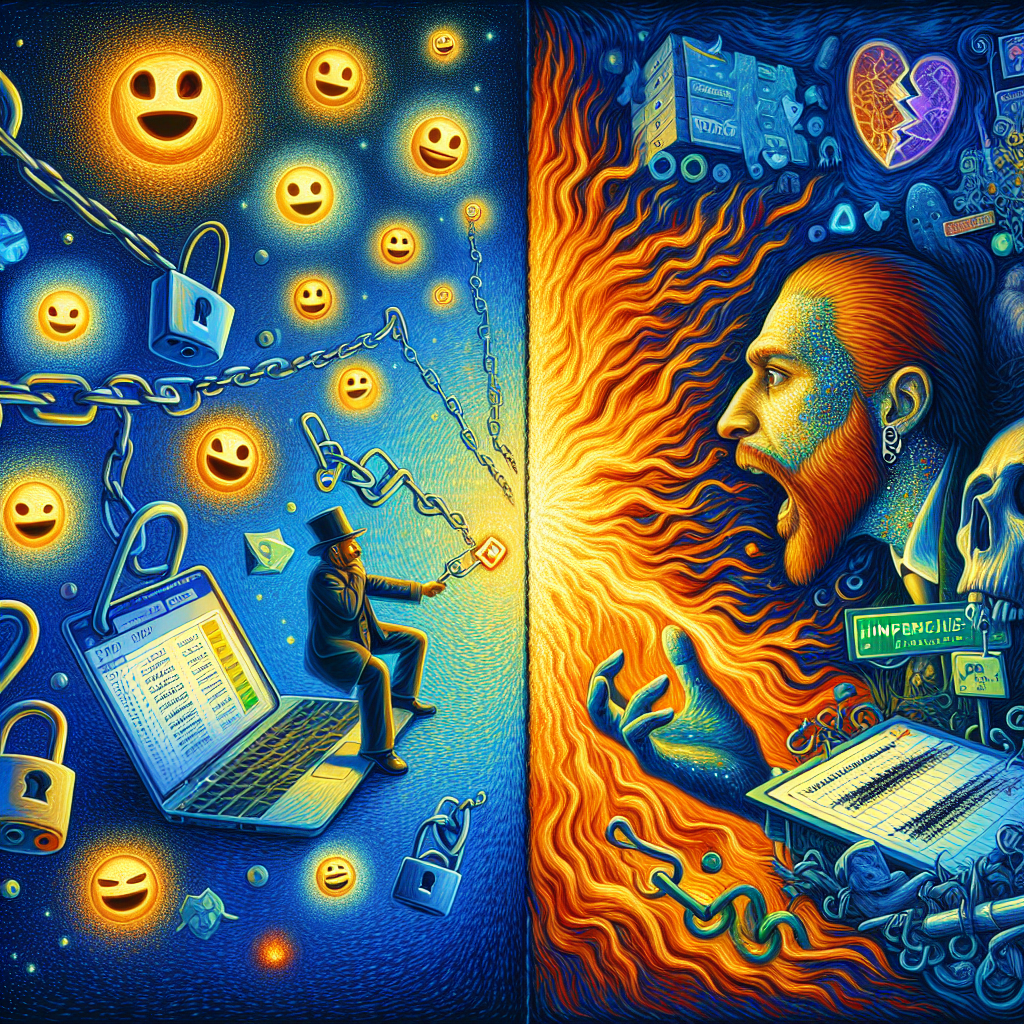
Who Is Responsible for Deepfake-Related Crimes?
How Can Organizations Protect Their Reputation From Deepfakes?
In a world where misinformation can travel faster than the speed of light, organizations find themselves navigating a perilous landscape. Deepfakes, those eerily realistic manipulations of video and audio, represent a significant threat to reputation. They can turn trust into suspicion and catalyze chaos in moments. So, how can organizations not only safeguard their reputation but also emerge stronger amidst such challenges?
First, establish a robust cybersecurity infrastructure. Think of it as laying a solid foundation for a home; if the base is weak, it doesn’t matter how beautiful the house looks on the surface. Investing in cutting-edge technology, continuous monitoring, and training employees on cybersecurity best practices will fortify defenses against deepfake attacks. Just like a seasoned farmer protects his crops from unexpected storms, organizations must prepare their digital fields against this growing menace.
Next, we must consider storytelling’s profound power. In today’s fast-paced digital ecosystem, the narratives surrounding an organization hold immense weight. Sharing genuine stories—success, failure, and everything in between—humanizes a brand and engages audiences on multiple levels. Remember the simple beauty of a grandmother’s recipe passed down through generations? It fosters connection. Organizations can replicate this sentiment by sharing real experiences, both from employees and customers, creating a community tethered to authenticity and shared values. This approach can neutralize deepfake misinformation through the weight of genuine connections, limiting the impact of malicious content.
Moreover, embrace transparency as an ethical cornerstone. Organizations need to adopt a policy of openness, admitting when they face challenges, and sharing struggles along their journey. Nothing invokes trust like authenticity. Regular communication, whether through newsletters or social media, can demystify operations and provide audiences with a sense of assurance. Just like trusting a close friend, when an organization is transparent, audiences are more likely to stand by them during turbulent times.
Finally, leverage alliances within your industry. Collaborating with cybersecurity experts and organizations can amplify your voice. Much like a small town rallying to fend off an outside threat, joining forces fosters a sense of unity that can be much harder for deepfake creators to penetrate. When organizations come together to promote their shared values, they cultivate a sense of belonging that cannot be easily undone by digital impersonations.
In this age of uncertainty, organizations can not only defend their reputations but turn challenges into opportunities. Building trust is an ongoing process, and with commitment and community, the threat of deepfakes can become a mere background noise in the greater symphony of authenticity.

How Can Organizations Protect Their Reputation From Deepfakes?
How Can Organizations Protect Their Reputation From Deepfakes?
- Misinformation and deepfakes pose significant threats to organizational reputation.
- Establish a robust cybersecurity infrastructure for defense against deepfake attacks.
- Utilize storytelling to humanize the brand and engage audiences through authentic narratives.
- Practice transparency by openly sharing challenges and regular communication to build trust.
- Leverage alliances within the industry to create a unified front against misinformation.
- Transform challenges into opportunities by fostering a commitment to authenticity.
- Building trust is an ongoing process crucial for mitigating the impacts of deepfakes.

How Can Organizations Protect Their Reputation From Deepfakes?
What Narratives Have Been Created Around Deepfake Scams?
In a world where technology dances ever closer to reality, deepfakes stand as a haunting reminder of our modern vulnerabilities. Picture this: a family gathering, the laughter of loved ones filling the air, when suddenly a video of a trusted figure, perhaps a community leader or a family member, appears online, seemingly caught in a scandal. The uproar follows—betrayal, confusion, fear. What used to be a tool for entertainment has morphed into a weapon that threatens trust itself.
This overwhelming sense of betrayal resonates deeply. It’s not just about the technology; it’s about the fragility of trust in our social fabric. Deepfakes exploit the very essence of human relationships, preying on our emotions and leveraging our connections for deceitful ends. When our cherished memories can be distorted in a heartbeat, it challenges the very foundation of who we are and who we believe.
From a rational perspective, the implications of these scams are far-reaching. Cybersecurity experts warn us that as deepfake technology becomes more sophisticated, so too do the scams associated with it. Victims are often left grappling not just with the emotional fallout but also with financial and reputational damages that can last a lifetime. The narrative here isn’t just about victims in isolation; it expands to encompass a societal threat. Each manipulated video is a crack in the walls of trust that we erect around our communities, creating a ripple effect that undermines collective integrity.
Ethically, we must ask ourselves: where do we draw the line? As technology evolves, so too must our moral compass. Should we not hold those who forge these narratives accountable? The responsibility lies not just with the perpetrators, but with all of us to cultivate an informed and discerning public. Authority figures in technology and ethics must step up, guiding innovations with integrity instead of letting chaos reign.
Ultimately, the narrative around deepfake scams offers an opportunity to unite. It draws a parallel to the age-old fables that remind us of the importance of vigilance and the strength of community. Just as we gather to share stories that connect us, so too must we strengthen our defenses against the narratives designed to divide. In this digital age, forging bonds through education and awareness serves as our best shield. Engage, discuss, and protect one another. Remember: every click could either fortify the walls of trust or shatter them. Our collective action today will define the stories we tell tomorrow.

What Narratives Have Been Created Around Deepfake Scams?
What Narratives Have Been Created Around Deepfake Scams?
- Deepfakes illustrate modern vulnerabilities in a technology-driven world.
- The emergence of deepfake videos can lead to betrayal, confusion, and fear, undermining trust.
- These technologies exploit human relationships and emotions, challenging personal identities and beliefs.
- Cybersecurity experts warn that as deepfake technology advances, associated scams become more dangerous, causing emotional, financial, and reputational harm.
- Every manipulated video contributes to a broader societal threat, weakening community trust and integrity.
- Ethical considerations arise regarding accountability for those who create deepfakes, highlighting the need for a discerning public and responsible authorities.
- The discussion surrounding deepfakes emphasizes the importance of community vigilance, education, and collective action to protect against deception.

What Narratives Have Been Created Around Deepfake Scams?
How Do Deepfakes Challenge Our Perception Of Reality?
In a world increasingly dominated by technology, deepfakes represent a dual-edged sword, challenging our perception of reality in ways that tug at our emotions and beckon us to think critically. Imagine a grandmother reuniting with her long-lost grandson, her eyes glistening with joy. Suddenly, that moment is thrown into disarray by the realization that his image may not be real but a meticulously crafted illusion. We’ve stepped into a realm where authenticity is no longer a given, and it’s unnerving.
The fusion of creativity and deception in deepfakes compels us to ask: How can we trust our own eyes? In an age when misinformation spreads like wildfire, the rising tide of manipulated media threatens the very foundations of our interactions. Picture a news report about a public figure—forging solidarity or stirring dissent—that turns out to be nothing more than sophisticated cyber trickery. This isn’t just a digital prank; it’s a violation of our collective trust, leaving us to grapple with ethical dilemmas. If we can’t distinguish between reality and illusion, how can we engage in meaningful conversations?
From a cybersecurity standpoint, the implications are staggering. The promise of a connected world comes with vulnerabilities—deepfakes can be weaponized for malicious intent. As we embrace technology, we must remain vigilant, realizing that our digital footprints can be altered, manipulated, and misinterpreted. Protecting our identities in this era requires more than just awareness; it demands proactive engagement and a commitment to discernment.
Consider the heart of the matter: these technologies aren’t merely tools of entertainment; they have the potential to sway elections, wreak havoc on reputations, and fracture societies. Just like the trust we place in a handshake, our society functions on a delicate balance of veracity—deepfakes threaten that foundation, urging us to cultivate critical thinking. We must become media literate, actively questioning what we see, hear, and share.
As we navigate through this sea of digital uncertainty, we share a collective responsibility. Let’s choose authenticity over illusion, fostering connections that are rooted in truth. We have the power to reshape our reality, ensuring that when we look into someone’s eyes, we see not just a pixelated image but a genuine connection—a reflection of humanity itself, unmarred by the distortions of technology.

How Do Deepfakes Challenge Our Perception Of Reality?
How Do Deepfakes Challenge Our Perception Of Reality?
- Deepfakes challenge our perception of reality, merging creativity and deception.
- Misinformation from manipulated media threatens trust and meaningful dialogue.
- Deepfakes can sway public opinion, disrupt reputations, and exacerbate societal fractures.
- Cybersecurity risks arise as deepfakes may be weaponized for malicious purposes.
- Protecting identities requires vigilance and proactive engagement with digital content.
- Society must cultivate critical thinking and media literacy to discern reality from illusion.
- Collective responsibility exists to foster authentic connections rooted in truth.

How Do Deepfakes Challenge Our Perception Of Reality?
Conclusion
In the evolving landscape of cybersecurity, deepfake technology emerges not just as a technical challenge but as a profound ethical dilemma that strikes at the core of trust in our communities and organizations. Picture this: a devoted father, watching proudly as his child steps into adulthood, only for that moment to be smeared by the appearance of a deepfake video that unjustly tarnishes their reputation. A scenario once confined to the realm of imagination now plays out across newsfeeds, challenging the very notion of reality.
At the heart of this digital deception lies a call to action—a collective awakening. Each one of us plays a role in safeguarding our identities and the sanctity of the truth. The pain inflicted by fake videos and manipulated content transcends individual hardship; it reverberates through families, workplaces, and entire communities. When we witness trust being weaponized against us, we have a responsibility to react—not just as victims, but as informed defenders of our collective integrity.
The emotional toll is heavy. Deepfakes exploit vulnerabilities, making us question our ability to trust both the visual and auditory stimuli we experience. In our fast-paced world, where misinformation can spread faster than a wildfire, the need for vigilance is paramount. It’s not enough to seek refuge in technological barriers; we must foster a culture that prioritizes authenticity. Organizations play a critical role here, leading the charge to implement stringent verification systems. Transparency becomes their not-so-secret weapon. By owning vulnerabilities and actively engaging with stakeholders, companies don’t just fortify their reputations—they build bridges of trust.
Moreover, let’s draw inspiration from community resilience. Just as neighborhoods band together to support one another in times of crisis, we must cultivate awareness and education around deepfake technology. Hosting workshops, sharing knowledge, and encouraging open dialogues can turn the tide, transforming fear into empowerment. It’s about weaving a safety net not just for ourselves but for generations ahead, ensuring the fragile threads of trust remain intact.
At the crux of this battle sits an original thought: while technology poses a formidable challenge, it also offers an opportunity for profound connection. The fight against deception is not solely about combating misinformation; it emerges as a chance to redefine relationships based on honesty and resilience. In a world that’s learned to question everything, let’s challenge ourselves to reaffirm our commitments to truth—together. With diligence, skepticism, and compassion, we can reclaim our narratives, standing united against the tide of manipulation. This is our moment to not just survive amid chaos, but thrive, shaping a reality where trust is not a luxury but a fundamental right.

Conclusion
Conclusion:
- Deepfake technology presents a significant ethical challenge, undermining trust in communities and organizations.
- The impact of deepfakes can tarnish reputations, affecting individuals and families profoundly.
- Collective awareness and action are essential in safeguarding identities and the truth from digital deception.
- Organizations are crucial in establishing verification systems to promote transparency and build trust.
- Community support and education about deepfake technology can empower individuals and create a resilient society.
- The struggle against misinformation presents an opportunity to redefine relationships based on honesty and resilience.
- With commitment and collaboration, we can reclaim our narratives and foster an environment where trust is essential.

Conclusion
Other Resources

Other Resources
Here is a list of other resources you can review online to learn more:
- Warren Averett Technology Group
- LMNTRIX
- ECS Federal, LLC
- Cyberstone
- BlueVoyant
- Armadillo Managed Services
- Netsecuris
- CyberGuard360
- Atlas Cybersecurity
- CyberDefenses
- Diigo
- MegaplanIT
- Blogger
- Eurofins Digital Testing
- Kyber Security
- BDQ
- JLS Technology USA
- DataLink Interactive
- Spectrumwise
- DXC Technology
Use This Prompt To Get More Resources With Your Favorite Online AI Tool: Please provide me with a list of online articles with their URLs in a bulleted list that I can read regarding Deepfake Heists – How Criminals Are Robbing Companies Using Only Video

Other Resources
Glossary Terms
Deepfake Heists – How Criminals Are Robbing Companies Using Only Video – Glossary Of Terms
1. Deepfake: A synthetic media created using artificial intelligence that allows for realistic alterations of videos and audio.
2. Heist: A planned theft, especially one involving a large sum of money or valuable items, often executed with precision.
3. AI (Artificial Intelligence): Technology that simulates human intelligence processes to perform tasks, including image and video manipulation.
4. Synthetic Media: Digital content generated by computer algorithms, which can include altered videos, images, or audio files.
5. Malware: Malicious software designed to damage, disrupt, or gain unauthorized access to computer systems.
6. Phishing: A technique used to deceive individuals into providing personal information, often through fake emails or websites.
7. Identity Theft: The unauthorized use of someone else’s personal information, typically for financial gain.
8. Cybersecurity: Measures taken to protect computer systems and networks from theft or damage to hardware, software, or data.
9. Ransomware: A type of malware that encrypts a victim’s files and demands a ransom for decryption.
10. Social Engineering: Manipulative tactics aimed at tricking individuals into divulging confidential or personal information.
11. Impersonation: The act of pretending to be someone else, often to deceive others for fraudulent purposes.
12. Forensics: The application of scientific methods and techniques to investigate crimes, including the analysis of digital evidence.
13. Encryption: A process used to secure data by converting it into a coded format that can only be read with a specific key.
14. Biometrics: Identification techniques that use unique physical characteristics like fingerprints or facial recognition.
15. VPN (Virtual Private Network): A service that creates a secure connection over the internet, masking the user’s IP address.
16. Authentication: The process of verifying the identity of a person or device before granting access to resources.
17. Data Breach: An incident where unauthorized access is gained to confidential or protected data.
18. Regulatory Compliance: Adherence to laws and regulations that govern how businesses manage data and information security.
19. Insider Threat: Risks posed by individuals within an organization who have access to sensitive data and may misuse it.
20. Botnet: A network of infected computers used to perform coordinated tasks, often for illegal purposes like distributing malware.
21. Digital Footprint: The trail of data one leaves online, including social media activity, website visits, and online transactions.
22. Scam: A deceptive scheme or trick designed for financial gain, often targeting individuals or organizations.
23. Vishing: Voice phishing; a form of phishing that exploits phone calls to deceive victims into providing personal information.
24. DNS Spoofing: A cyber attack that redirects users from legitimate websites to fraudulent ones.
25. Blockchain: A secure digital ledger technology that records transactions across multiple computers in a way that the registered transactions cannot be altered retroactively.
26. Zero-Day Exploit: A cyber vulnerability that is exploited before the vendor has released a fix, leaving systems unprotected.
27. Incident Response: The structured approach to addressing and managing the aftermath of a security breach or cyber attack.
28. Credential Stuffing: A hacking method in which stolen username and password pairs are used to gain unauthorized access to accounts.
29. Crowdsourcing: Obtaining services or information by soliciting contributions from a large group of people, often via the internet.
30. Trust Layer: A component that adds a level of verification and authentication to digital communications, ensuring the legitimacy of the parties involved.

Glossary Of Terms
Other Questions
Deepfake Heists – How Criminals Are Robbing Companies Using Only Video – Other Questions
If you wish to explore and discover more, consider looking for answers to these questions:
- What specific signs indicate a video or audio clip might be a deepfake?
- How accurate and reliable are current deepfake-detection tools?
- What technical approaches (e.g., watermarking, blockchain, cryptographic signatures) exist to verify authentic media?
- How quickly can attackers produce a convincing deepfake of an executive or employee?
- What are the common methods criminals use to deploy deepfake heists (social engineering, vishing, bogus invoices, etc.)?
- What should an employee do immediately if they suspect a work-related deepfake incident?
- How should a company structure an incident response plan specifically for deepfake-based attacks?
- What legal remedies exist for victims of deepfake fraud, and how effective are they across jurisdictions?
- Who is legally liable when a deepfake is broadcast on a third-party platform?
- How do data protection and privacy laws (e.g., GDPR) apply to misuse of someone’s likeness?
- Can deepfakes be used as admissible evidence in court, and how is forensic verification handled?
- What role should social media and cloud platforms play in detecting and removing deepfakes?
- How can organizations verify executive instructions delivered via video or audio before acting on them?
- What low-cost or manual verification procedures can small companies implement?
- How effective are multi-factor verification processes (e.g., callback, code-word, secondary confirmation) against deepfake scams?
- How should boards of directors and executives be trained to reduce the risk of being impersonated?
- What are the ethical implications of using deepfake detection tools that analyze employees’ biometric data?
- How do voice-only deepfakes compare in risk and detectability to video deepfakes?
- What industries are most at risk of deepfake-based financial or reputational harm?
- How much do enterprise-grade deepfake-detection solutions typically cost, and what ROI can organizations expect?
- Are there standards or certifications emerging for media authenticity and deepfake mitigation?
- How can organizations vet vendors who claim to offer deepfake protection services?
- What role can cyber insurance play in covering losses from deepfake scams?
- How should companies communicate transparently with customers and stakeholders after a deepfake incident?
- What public awareness or employee-education strategies reduce the likelihood of falling for deepfakes?
- How do deepfakes affect journalism and the verification of news sources?
- What forensic techniques do investigators use to trace the origin or creator of a deepfake?
- How will advances in generative AI and real-time synthesis change the deepfake threat landscape in the next 3–5 years?
- What international cooperation or treaties are being developed to limit malicious deepfake use?
- How can organizations preserve evidence of a deepfake attack for legal or investigative use?
- What privacy-preserving anti-deepfake technologies are being researched or deployed?
- How vulnerable are biometric authentication systems (face ID, voiceprint) to deepfake spoofing?
- What best practices should HR and communications teams follow to protect employee reputations from fabricated media?
- How can small businesses with limited resources prioritize defenses against deepfake threats?
- What metrics should organizations track to measure their preparedness and response effectiveness for deepfake incidents?

Other Questions
Haiku
Deepfake Heists – How Criminals Are Robbing Companies Using Only Video – A Haiku
Trust’s fragile thread,
Deepfakes whisper through the screens,
Reality’s veil.

Haiku
Poem
Deepfake Heists – How Criminals Are Robbing Companies Using Only Video – A Poem
In shadows cast by screens aflame,
Where trust and truth can play their game,
A whisper stirs, fraught with deceit,
A world once certain feels obsolete.
Cloaked in voices, familiar yet false,
Criminals laugh as they quietly waltz,
Manipulating faces, capturing hearts,
Turning boards into manicured arts.
A company, proud, now laid bare,
Trust betrayed in the digital snare,
Empty wallets, profound dismay,
The bonds of camaraderie swept away.
Beware the calm that lies beneath,
Where echoes of kindness twist like a wreath,
Ethics demand we draw the line,
In the battle for truth, let our hearts align.
Vigilant eyes, our shared defense,
Dare to question, take a stance immense,
Engage with stories that weave our plight,
In unity, we rise to reclaim the light.
Every video, every glance,
Holds the power to lead or entrance,
Let us craft a narrative woven with care,
A tapestry strong, built on trust we share.
From techs bold edge to human concerns,
In calleth for action, the fire still burns,
As we face the tide of deceptions thrill,
Together, we stand, our resolve to fulfill.
In the heart of chaos, our truths must endure,
Fostering trust, so fragile yet pure,
In this dance of reality, let not fear guide,
For amidst the deepfakes, our integrity must bide.

Poem
Checklist
Deepfake Heists – How Criminals Are Robbing Companies Using Only Video – A Checklist
Emotional Appeals
✅______ Acknowledge the emotional impact of trust loss within organizations.
✅______ Share personal stories of deepfake victims to evoke empathy and understanding.
✅______ Promote discussions around the feelings of betrayal and confusion caused by deepfakes.
Rational Appeals
✅______ Implement advanced detection technologies for deepfake identification.
✅______ Educate employees on recognizing signs of deepfakes and misinformation.
✅______ Utilize credible sources and data to support cybersecurity practices.
Ethical Appeals
✅______ Establish clear ethical guidelines for digital content creation and verification.
✅______ Encourage transparency in communications relating to cybersecurity policies.
✅______ Foster a culture of integrity and responsibility within the organization regarding digital content.
Authority Appeals
✅______ Collaborate with cybersecurity experts to develop robust verification systems.
✅______ Share insights and guidelines from recognized authorities in cybersecurity.
✅______ Promote leadership commitment to prioritizing trust and security.
Narrative Appeals
✅______ Create authentic narratives around organizational values and experiences.
✅______ Encourage storytelling that highlights real-life scenarios and the impact of deepfakes.
✅______ Use testimonials from trusted voices to enhance credibility.
Social Appeals
✅______ Build community awareness around the implications of deepfakes.
✅______ Encourage shared responsibility among employees to protect against misinformation.
✅______ Foster a culture of dialogue and support to empower individuals to act against deepfake threats.
Action Steps
✅______ Regularly review and update cybersecurity practices related to content verification.
✅______ Host workshops to educate staff on the importance of skepticism and critical thinking.
✅______ Engage in partnerships with other organizations to strengthen collective defenses against deepfake technology.

Checklist
At BestCyberSecurityNews, we help teach entrepreneurs and solopreneurs the basics of cybersecurity and its impact on their businesses by using simple concepts to explain difficult challenges.
Please read and share any of the articles you find here on BestCyberSecurityNews with your friends, family, and business associates.