


Protecting Your Business’s Heart, Head, And Gut
By Tom Seest
At BestCyberSecurityNews, we help teach entrepreneurs and solopreneurs the basics of cybersecurity and its impact on their businesses by using simple concepts to explain difficult challenges.
Please read and share any of the articles you find here on BestCyberSecurityNews with your friends, family, and business associates.
Identity Management – Who Has Access to Your Business?
When it comes to Identity Management, it’s not just about passwords and access levels—it’s about the heart of your business, the people behind the screens, and the data that constitutes your very lifeblood. Imagine waking up one day to discover that someone has breached that trust, reshaping your company’s fate in an instant. Cybersecurity isn’t merely a buzzword; it’s an urgent call to action that resonates in boardrooms, basements, and everywhere in between.
Think of your business as a fortress. Guards are needed at every entry point—not just the obvious ones but the hidden doors, the overlooked windows. Each employee, each partner, each client has a key to your kingdom. Some keys should be well-guarded while others—well, their access might need a second look. Why? Because the stakes are higher than ever, and a single lapse can put everything you’ve built at risk.
It’s a tough truth we face: the world is changing rapidly, and with it, the methods of those who wish to exploit our vulnerabilities. The narrative isn’t just about technology; it’s about people. It’s about trust. Picture that diligent employee who goes above and beyond every day, or the trusted vendor who has been in the game longer than you’ve been in business. Do they deserve access to everything, or is it time to reconsider who gets what?
Ethically, it’s a duty we have to our stakeholders, employees, and the communities that surround us. These aren’t just numbers on a spreadsheet; they are individuals with families, responsibilities, and dreams. A lapse in judgment when granting access could have ramifications that extend beyond the company’s walls, affecting lives in unpredictable ways.
In practical terms, this is about implementing robust Identity Management practices. You’re not just protecting assets; you’re safeguarding a collective future. It’s about being the shepherd of your data, guiding it smartly, and ensuring that only the right individuals have the privilege to carry it forward.
The reality is, your commitment to Cybersecurity today sets the tone for tomorrow. When you champion identity management processes, you’re not just a protector; you become a catalyst for trust, instilling confidence not only in your workforce but also instilling faith in your clients and partners alike. Because when it comes down to it, who has access to your business isn’t just a matter of security—it’s a matter of loyalty, ethics, and shared purpose. Embrace the challenge.

Identity Management – Who Has Access to Your Business?
Identity Management – Who Has Access to Your Business?
- Identity management encompasses more than just passwords and access levels; it’s central to the integrity of the business and its people.
- A security breach could dramatically alter a company’s future, emphasizing the urgent need for effective cybersecurity measures.
- Businesses should be viewed as fortresses requiring protection at all entry points, including hidden vulnerabilities.
- Access levels for employees, partners, and clients must be carefully considered to mitigate risks associated with trust.
- Ethical considerations in identity management affect not only the company but also stakeholders and the broader community.
- Robust identity management practices are essential for safeguarding the future and ensuring only the right individuals access sensitive data.
- Effective cybersecurity fosters trust among employees, clients, and partners, highlighting loyalty and ethical practices in access management.

Identity Management – Who Has Access to Your Business?
Table Of Contents
- Identity Management – Who Has Access to Your Business?
- What Risks Do You Face If the Wrong People Access Your Data?
- How Can You Ensure Your Clients Trust Your Security Measures?
- Are You Aware Of Who Has Access to Your Sensitive Information?
- What Procedures Do You Have In Place to Manage User Permissions?
- What Steps Can You Take to Educate Employees About Access Controls?
- How Do Industry Regulations Affect Your Access Management Strategy?
- Who In Your Organization Is Responsible for Identity Oversight?
- Conclusion
- Other Resources
- Glossary Of Terms
- Other Questions
- Haiku
- Poem
- Checklist
What Risks Do You Face If the Wrong People Access Your Data?
When we think about our data—those digital fingerprints of our lives—it’s easy to assume they’re tucked away safely behind layers of passwords and firewalls. Yet, one crucial lapse, one wrong click, and suddenly that carefully curated personal narrative can fall into the wrong hands. The stakes in today’s digital landscape are staggering, and the risks of unauthorized access to your data are not just technical woes; they are heart-wrenching realities.
Imagine your identity being co-opted by someone who has malicious intent. Your information can be exploited for fraud, leading to financial loss that rattles your financial security and peace of mind. A stranger, sitting behind a computer screen, holds the keys to your most intimate details: your cherished memories, your family’s plans, your very identity. This isn’t just a violation of privacy; it’s a shattering of trust—not just in technology, but in the world around you.
But the narrative doesn’t end with your wallet. Fraudsters thrive on such data breaches, and the repercussions can echo through your social and professional circles. Friends and family may find themselves targeted, or worse, their trust in you eroded. “How could this happen?” they might wonder. Trust, once broken, is painstakingly hard to rebuild. The ethical implications are profound. If you let your guard down, your oversight can ripple through your community, impacting those you care about most.
We need to consider where responsibility lies. Aren’t we all part of a larger ecosystem? Each of us has a role in the fight for Cybersecurity. Communities thrive when individuals actively protect one another’s data. It’s not just about safeguarding your own life; it’s about creating a fortress of trust for everyone.
Engage your alliances—your network of family, friends, and colleagues—because when we’re all vigilant, we create a culture of accountability. Talk about the risks, share what you know, and inspire others to take action. There’s power in numbers, and knowledge is a powerful antidote to ignorance.
So, take a moment to assess your digital footprint. Each password, each security setting, is a small yet crucial piece in the grand puzzle of Cybersecurity. Your vigilance today can pave the way for a safer tomorrow—for yourself and for all whom you hold dear.

What Risks Do You Face If the Wrong People Access Your Data?
What Risks Do You Face If the Wrong People Access Your Data?
- Data is often assumed to be secure behind passwords and firewalls, but risks of unauthorized access are significant.
- Identity theft can lead to financial fraud, impacting personal security and peace of mind.
- Data breaches violate privacy and shatter trust in technology and relationships.
- Fraud can affect not only individuals, but also their social and professional circles, damaging trust and reputations.
- Responsibility for cybersecurity lies with everyone; protecting data is a communal effort.
- Communities thrive when individuals engage and protect each other’s data, fostering a culture of accountability.
- Assessing your digital footprint and maintaining security settings is crucial for a safer digital future.
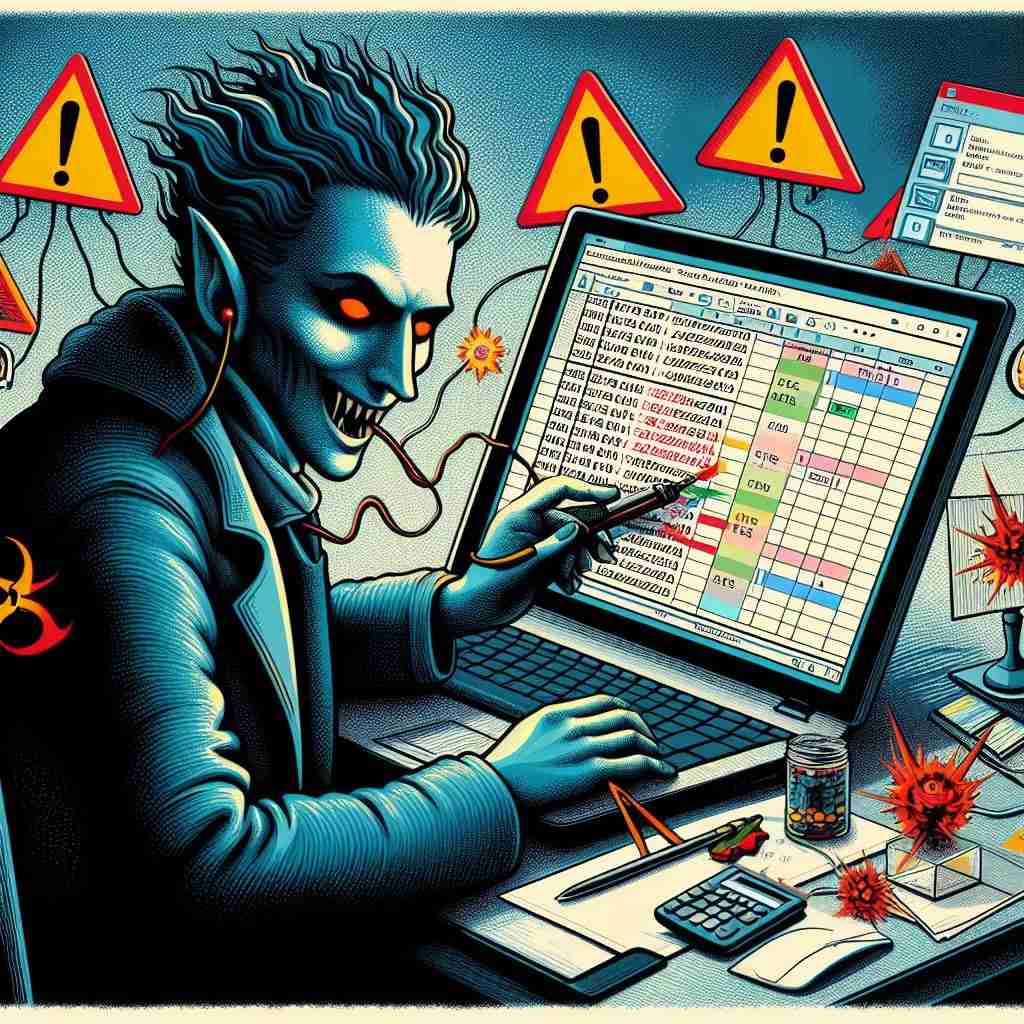
What Risks Do You Face If the Wrong People Access Your Data?
How Can You Ensure Your Clients Trust Your Security Measures?
Imagine sitting across from a client, watching the worry etch itself into their brow. They’re entrusting you with not just their sensitive data, but a slice of their livelihood. It’s a monumental responsibility, and that’s where your cybersecurity measures step in—not as a barrier, but as a bridge to trust.
First, let’s tackle the emotional aspect. You know that feeling of vulnerability when you share your dreams or fears? Now, translate that to your clients. They need to believe that their information is secure and that you care about their safety as much as they do. Share stories of past triumphs—how your cybersecurity measures thwarted threats and kept clients safe. These narratives resonate on a human level, showing that you’re not just about tech solutions; you’re about protecting their futures.
Next comes the head—the rational side. Present statistics that speak volumes. A solid data breach can cost companies millions, not just in fines but in lost trust and reputation. Outline how your strategies reduce these risks, offering peace of mind. You don’t just set up firewalls and encryption; you create a fortress built on layers of protection. Explain the protocols in place, how regularly you conduct audits, and the certifications you’ve acquired. This builds credibility, showcasing that you’re not only knowledgeable but proactive and vigilant.
Now, let’s pivot to the ethical appeal. The world of cybersecurity is about doing what’s right, not just what’s profitable. When clients see you committing to ethical standards, whether it’s adhering to regulations or ensuring transparency, they’ll perceive you as a partner invested in their well-being, not merely a vendor. Show them you’re in this for the long haul, safeguarding their interests.
Emphasize your authority. You’ve put in the time—researching, learning, adapting. Share this journey with your clients. They want to know they’re in good hands. Leverage testimonials and case studies where your cybersecurity measures made a difference, lifting the veil on your expertise. This assures them that they’re working with someone who’s not just capable but truly understands the stakes involved.
Finally, appeal to your clients’ need for social validation. Encourage them to share their positive experiences. When they hear other satisfied voices praising your cybersecurity measures, it reinforces their decision to trust you.
By weaving together these elements—emotion, facts, ethics, authority, and community—you create not only a service but a relationship built on confidence and trust. That’s how you ensure your clients feel secure, every time they put their faith in you.

How Can You Ensure Your Clients Trust Your Security Measures?
How Can You Ensure Your Clients Trust Your Security Measures?
- Watching a client’s concern highlights the monumental trust placed in you with their sensitive data.
- Emotional connection is crucial; clients need to feel their information is secure and that you care about their safety.
- Share success stories to demonstrate how your cybersecurity measures have protected clients in the past.
- Utilize statistics to rationally illustrate the high costs of data breaches and how your strategies mitigate these risks.
- Highlight ethical commitments, showing dedication to regulations and transparency as a way to secure client trust.
- Establish authority by sharing your expertise, including credentials, testimonials, and case studies that showcase your effectiveness.
- Encourage clients to share positive experiences to reinforce trust and validate their decision to work with you.

How Can You Ensure Your Clients Trust Your Security Measures?
Are You Aware Of Who Has Access to Your Sensitive Information?
In today’s hyperconnected world, it’s easy to feel like we’re all just one click away from danger. Think about it: your financial data, your health records, even cherished family photos—all resting in the digital ether, vulnerable to prying eyes. That’s the reality of life online. And while technology offers unprecedented convenience, it also poses a looming question: Who really has access to your sensitive information?
Let’s face it: data breaches are not just headlines—they’re personal. Each story of identity theft or unauthorized access has a face, and it could be yours. Imagine waking up to find your bank account drained or your credit score tanking because someone exploited a single vulnerability. It can feel overwhelming, but it’s imperative to understand that awareness is your first line of defense. Cybersecurity isn’t just a buzzword; it’s a necessary shield in this digital battleground.
Rationally, we know that the companies we interact with collect vast amounts of data. Banks, healthcare providers, and even social media networks—everyone seems to want a piece of our digital lives. International regulations like GDPR empower consumers, but they can also feel like the fine print on a credit card agreement—daunting and often overlooked. You have the right to ask questions. Understand who’s collecting your data, how they’re using it, and most importantly, how they’re safeguarding it.
Ethically speaking, data collection comes with responsibilities. Companies should prioritize your privacy and security, embracing transparency as a core business value. When they fail, it’s not just a breach of trust; it’s a disservice to the communities that support them. Stand firm, hold them accountable, and don’t hesitate to seek protection for yourself and your loved ones.
This isn’t just about tech-savvy individuals; it’s about everyone. Just like knowing how to change a tire or cook a decent meal, understanding your digital footprint is a critical life skill. Your information is a valuable asset—treat it as such. Reach out to local cybersecurity experts, attend workshops, or simply have conversations with friends and family about digital safety. Let’s build a community that not only understands the risks but actively works to mitigate them.
So take a moment, reflect, and ask yourself: Are you truly aware of who has access to your sensitive information? It’s time to take action, safeguard what matters, and show the world that your data is not up for grabs.

Are You Aware Of Who Has Access to Your Sensitive Information?
Are You Aware Of Who Has Access to Your Sensitive Information?
- In a hyperconnected world, personal information such as financial data, health records, and family photos are vulnerable online.
- Data breaches are personal issues that can lead to identity theft and unauthorized access to sensitive information.
- Being aware of potential threats is crucial; cybersecurity is a necessary defense in the digital landscape.
- Companies collect vast amounts of data, making it essential for consumers to understand how their information is used and protected.
- Ethically, companies should prioritize customer privacy and security, embracing transparency as a key value.
- Understanding one’s digital footprint is a vital life skill that everyone should cultivate, akin to basic cooking or car maintenance.
- Take action to safeguard personal data, seek information from cybersecurity experts, and foster discussions about digital safety with others.

Are You Aware Of Who Has Access to Your Sensitive Information?
What Procedures Do You Have In Place to Manage User Permissions?
When it comes to managing user permissions, the stakes are high, and every decision counts. Cybersecurity isn’t just a tech buzzword; it’s the guardian of your organization’s integrity, and it starts with how you assign access rights. Imagine a world where sensitive information is as vulnerable as an unguarded treasure chest—no locks, no keys, just wide-open access for anyone to take what they please. This isn’t just a technical concern; it’s a matter of trust.
Let’s face it: when employees walk into work, they expect their company to protect not only their job but also the very resources that make that job possible. They want to know their efforts, their ideas, and their personal information are safe. This is where the heart of our approach lies. We implement a robust, multi-layered permission management system that ensures that only the right people have access to the right information at the right time. It’s about more than just compliance; it’s about fostering an environment of safety and belonging.
From a rational standpoint, we conduct regular audits and risk assessments, because let’s be real—no system is foolproof. Having a regular review process isn’t just good practice; it’s essential for staying one step ahead of potential threats. Just because someone was cleared for access last year doesn’t mean they should still hold that privilege today. This ensures not only the safety of your data but also the ongoing confidence of your entire team.
Ethically, we recognize our responsibility to not just accept but actively manage the trust our employees place in us. When we implement role-based access controls and monitor permissions meticulously, we create a culture of accountability. Everyone understands the ‘why’ behind the rules, which naturally leads to better adherence and respect for the systems in place.
Socially, there’s immense value in communicating openly about these processes. Employees appreciate transparency. Sharing stories of how permission mismanagement has hurt organizations serves to bring everyone closer to the importance of these responsibilities. It connects us—reminds us we’re all on the same team, working toward a common goal: protection.
So, whether you’re a seasoned IT leader or someone just starting in the field, remember: managing user permissions is not just a checkbox on a compliance form. It’s a vital element of the trust we build with one another every single day.

What Procedures Do You Have In Place to Manage User Permissions?
What Procedures Do You Have In Place to Manage User Permissions?
- Effective user permission management is critical for organizational integrity and cybersecurity.
- Employees expect their organization to protect their job and the resources that support their roles.
- A robust, multi-layered permission management system ensures access is limited to the right individuals.
- Regular audits and risk assessments are essential to maintain data safety and team confidence.
- Implementing role-based access controls fosters accountability and understanding among employees.
- Open communication about permission management processes enhances transparency and team cohesion.
- Managing user permissions is a vital aspect of building trust within the organization.

What Procedures Do You Have In Place to Manage User Permissions?
What Steps Can You Take to Educate Employees About Access Controls?
When it comes to cybersecurity, knowledge is power, and that power lies within the hands of your employees. But let’s face it, many of them might see their access controls training as yet another tedious task, something akin to watching paint dry. The challenge lies in transforming this perception into something dynamic and engaging—a shared responsibility that preserves the integrity of the workplace.
Start by crafting stories that resonate. Share real-world incidents where lapses in access control led to catastrophic breaches. Narratives that touch the heart can drive home the importance of vigilance. Show them the aftermath through the eyes of affected employees, families, and communities. When individuals see the human side of cybersecurity, they will better understand their role in safeguarding not just company data, but livelihoods as well.
Next, tap into the rational side of the brain. Offer data-driven insights into the costs of cybersecurity breaches—loss of revenue, damage to reputation, and the emotional toll on employees involved in the fallout. Illustrate how access controls are not just policies on paper, but essential tools that protect their daily work and the future of the company. The figures can be sobering, but they also empower individuals to act responsibly.
Additionally, emphasize the ethical dimensions of access control. Encourage a culture where safeguarding information isn’t just a corporate obligation, but a moral imperative. Foster discussions around trust, integrity, and teamwork, prompting employees to reflect on their values and how they align with these essential practices.
Utilize authority to reinforce your message. Bring in cybersecurity experts—whether they be in-person speakers or recorded testimonials—to share their experiences and insights. Such connections can elevate your training and inspire confidence in your employees, leaving them with a sense of trust in the systems they are now a part of.
Lastly, create avenues for social engagement. Establish team-based workshops that allow employees to collaborate on problem-solving scenarios related to access controls. These sessions can transform learning into a community-focused endeavor, making cybersecurity a collective responsibility that everyone plays a part in.
By weaving together the emotional, rational, ethical, and social threads, you’re not just training your employees; you’re instilling in them a shared vision that prioritizes cybersecurity as a vital continual effort. This multi-faceted approach can spark action, turning compliance into commitment while ensuring a secure workplace for all.

What Steps Can You Take to Educate Employees About Access Controls?
What Steps Can You Take to Educate Employees About Access Controls?
- Cybersecurity relies heavily on employee knowledge and engagement.
- Transform access controls training from tedious to dynamic by using compelling narratives.
- Share real-world incidents of breaches to highlight the human impact of cybersecurity failures.
- Provide data-driven insights on the costs of breaches to emphasize the importance of access controls.
- Encourage a culture of ethical responsibility around information security practice.
- Incorporate expert insights to inspire confidence and trust in cybersecurity measures.
- Foster team-based workshops for collaborative problem-solving, promoting cybersecurity as a shared responsibility.

What Steps Can You Take to Educate Employees About Access Controls?
How Do Industry Regulations Affect Your Access Management Strategy?
Regulations in various industries can sometimes feel like the heavy hand of bureaucracy, but let’s step back and think about what they truly represent. At their core, these regulations are about protecting people—whether it’s your grandmother’s medical records or a child’s online gaming profile. When we talk about access management, we’re on the frontline of cybersecurity, ensuring that only the right people can get their hands on sensitive information.
Imagine for a moment a bustling city, where every building has a key. Those keys aren’t just for keeping the doors locked; they’re for preserving the safety and trust of the community inside. If we allowed anyone to waltz into any building, chaos would reign. This is where regulations come into play—they’re the architects designing the blueprints for safety and order, guiding how we create our access management strategies.
Now, let’s consider the emotional aspect. Each regulation is born from a need—the tragic stories of breaches, the emotional fallout of identity theft, or the heart-wrenching consequences of compromised data. When you bring your heart into the game, you understand your role in this larger narrative. You are not just an employee or a manager; you are a guardian of trust, safeguarding the hopes and dreams that come with every piece of data you protect.
From a practical standpoint, regulations shape the very framework of your strategy. They act as a roadmap, reducing the complexity of access management into a more digestible format. Following these guidelines can provide clarity, helping your team to navigate the ever-evolving landscape of cybersecurity. You gain authority when you comply, and with that authority comes confidence—the assurance that you’re not just going through the motions but that you’re equipped to respond to the risks ahead.
Socially, we want to be part of something bigger—a movement toward a safer world. When your access management strategy aligns with industry regulations, you’re not just a cog in the machine; you’re actively promoting a culture of security and ethical practices. You’re showing your colleagues, customers, and even your competitors that you take the responsibility of protecting their information seriously.
So, embrace these regulations, not with reluctance, but with a sense of pride. They are more than compliance checkboxes; they are your tools to forge a path of security, trust, and dependability in a world that craves it. It’s time to adopt an access management strategy that doesn’t just follow the rules but believes in their purpose—because at the end of the day, safety and trust matter more than anything else.

How Do Industry Regulations Affect Your Access Management Strategy?
How Do Industry Regulations Affect Your Access Management Strategy?
- Regulations in industries aim to protect individuals, such as securing medical records and online profiles.
- Access management is a key aspect of cybersecurity, ensuring only authorized individuals access sensitive information.
- Regulations serve as blueprints for safety and order, guiding the development of access management strategies.
- Emotional aspects of regulation arise from the real consequences of data breaches and identity theft.
- Regulations provide a roadmap that simplifies access management and enhances confidence in security measures.
- Aligning access management strategies with regulations promotes a culture of security and ethical practices.
- Embrace regulations as valuable tools for building security, trust, and reliability in data protection.

How Do Industry Regulations Affect Your Access Management Strategy?
Who In Your Organization Is Responsible for Identity Oversight?
When it comes to who in your organization is responsible for identity oversight, it’s essential to recognize that this isn’t just a job title. It’s a mission, a commitment to safeguarding the heart of your organization: its people and their trust. Picture this: a loyal employee uncovers a data breach, their pulse racing as they realize they hold the key to protecting not just their own identity, but that of every colleague who counts on them. That sense of urgency taps into the emotional core of an organization’s identity—individuals who step up when it matters most.
On a rational level, identity oversight needs a dedicated figure or team—someone who understands the intricate relationship between your people and your data. This role isn’t just a checkbox on a performance review; it’s about keeping the digital gates secured against the ever-evolving threats of cybersecurity. By appointing knowledgeable individuals, you signal to your team that their security matters, promoting a culture where everyone plays a role in protecting identities, fostering a sense of collective responsibility.
Ethically, this position carries immense weight. Choosing the right leadership in identity oversight signals that your organization values the privacy and dignity of each person. It’s a pledge to not only comply with regulations but to live up to the trust put in you by employees and clients alike. That’s the kind of commitment that resonates—not just in policy documents or webinars, but in the daily lives of those you serve.
Think of the narrative here: this isn’t merely about avoiding fines or staying compliant—it’s about creating a story where the organization becomes a trusted sanctuary for its people. They want to feel safe in their roles and confident that their identities are shielded from digital predators.
Ultimately, this touches on the social aspect. If your team sees their leaders prioritizing identity oversight, they’ll mirror that dedication. They’ll understand that protecting identity is a shared endeavor, turning employees into advocates for cybersecurity. Your commitment inspires trust, and trust, in turn, galvanizes action.
Remember, identity oversight is about more than just response; it’s about being proactive, nurturing a culture where everyone feels empowered to protect what matters most. Be the change that creates a legacy of security, trust, and unwavering commitment to protecting your organization’s heartbeat.

Who In Your Organization Is Responsible for Identity Oversight?
Who In Your Organization Is Responsible for Identity Oversight?
- Identity oversight is a mission that goes beyond a job title, focusing on safeguarding people and their trust.
- A dedicated figure or team is essential to understand the link between people and data, securing against cybersecurity threats.
- Appointing knowledgeable individuals signals that employee security matters and encourages collective responsibility.
- This role ethically signifies the organization’s commitment to privacy, dignity, and trust, beyond mere compliance.
- Identity oversight fosters a narrative of creating a trusted sanctuary for employees, ensuring their safety and confidence.
- When leaders prioritize identity oversight, it inspires teams to embrace shared responsibility for cybersecurity.
- The goal is to cultivate a proactive culture of security, trust, and commitment to protecting the organization’s core.

Who In Your Organization Is Responsible for Identity Oversight?
Conclusion
Identity management is the unsung hero of today’s business landscape, serving as the vital shield that protects what companies value most: their people and their data. Imagine the collective breath held in an office when a cybersecurity breach is detected. Each employee is more than just a cog in a machine; they are woven into the fabric of trust that keeps a business alive. A breach isn’t just numbers; it’s human impact—a shared story of loss that can echo through families and communities.
In this dynamic digital era, we must recognize that access is a privilege, not a right. Picture your business as a castle with multiple entry points; each keyholder has influence over your kingdom. It’s crucial to ensure that those given keys—employees, partners, clients—need access only to what they are entitled to. The stakes have never been higher, and a single lapse in judgment can lead to catastrophic repercussions. Effectively managing who has access to sensitive information is not just a technical requirement, but an ethical obligation. Every decision about access resonates beyond spreadsheets; it impacts real lives.
Rationally, it’s essential to employ a robust identity management strategy, implementing multi-layered security measures that are proven to work. Regular audits are important, as they not only serve as protective measures but also build an aura of confidence within your organization. Employees deserve assurance that they are part of a secure environment that not only values compliance, but also upholds the sanctity of their identities.
But let’s not shy away from the heart of the matter—this is about community. Trust in cybersecurity builds bridges between clients and companies. Sharing success stories not only strengthens relationships but elevates accountability within the workplace. It’s a collective challenge; maintaining an open dialogue on vulnerabilities and responsibilities emboldens everyone to partake in safeguarding their digital environment.
Ultimately, identity management is a narrative about loyalty, purpose, and shared goals. When all hands are on deck, it fosters an atmosphere of active engagement and vigilance. So take a moment, rally your allies, and own this fight against vulnerabilities. Champion responsible identity management; it’s not merely a task but a commitment to honor the very spirit of your organization and the people it serves. Becoming guardians of trust today ensures a safe, secure tomorrow for all.

Conclusion
Conclusion:
- Identity management is crucial for protecting a company’s most valuable assets: people and data.
- A cybersecurity breach affects not just the organization but also the lives of employees and their communities.
- Access to information is a privilege that must be managed carefully to prevent catastrophic consequences.
- Implementing a robust identity management strategy is essential, including multi-layered security measures and regular audits.
- Trust in cybersecurity fosters stronger relationships between clients and companies and encourages accountability.
- Open dialogue about vulnerabilities and responsibilities within the workplace enhances collective security.
- Championing responsible identity management is a commitment to safeguard the organization and its people.

Conclusion
Other Resources

Other Resources
Here is a list of other resources you can review online to learn more:
- Amnet
- Digital Defense
- Decypher Technologies
- Line
- RedLegg
- Blogger
- Discord
- MailChimp
- CTG Tech
- Solutions Granted
- SOCSoter
- Netswitch Technology Management
- Avertium
- NexusTek
- BT Security
- SeedSpark
- Federal Bureau of Investigation: Cyber Crime
- Vairav Technology Security
- IT Weapons
Use This Prompt To Get More Resources With Your Favorite Online AI Tool: Please provide me with a list of online articles with their URLs in a bulleted list that I can read regarding Identity Management – Who Has Access to Your Business?

Other Resources
Glossary Terms
Identity Management – Who Has Access to Your Business? – Glossary Of Terms
1. Access Control: Mechanisms that limit access to resources based on user identity or roles.
2. Authentication: The process of verifying the identity of a user or entity before granting access.
3. Authorization: The process of determining what an authenticated user is allowed to do within a system.
4. Identity Verification: The process of confirming that a user’s claimed identity is legitimate.
5. User Provisioning: The automated process of creating, managing, and deleting user accounts and permissions.
6. Single Sign-On (SSO): A user authentication process that allows a user to access multiple applications with one set of login credentials.
7. Multi-Factor Authentication (MFA): A security measure that requires two or more verification methods to authenticate a user.
8. Role-Based Access Control (RBAC): A system of managing user permissions based on roles assigned to users within an organization.
9. Identity Governance: The framework for managing user identities and access rights to ensure compliance and security.
10. Centralized Identity Management: A unified approach to manage user identities and access across various systems and applications.
11. Service Account: An account used by applications and services to interact with other services, often with elevated privileges.
12. Directory Service: A database that stores user profiles and security information, often used for access management.
13. Audit Trail: A record that logs activities related to user access and modifications in a system for security and compliance.
14. Identity Lifecycle Management: The processes involved in managing user identities throughout their lifecycle, from creation to deletion.
15. Federated Identity: A framework that allows users to use the same identity across different systems and organizations.
16. Access Request: A formal submission by a user to obtain access to specific resources.
17. Least Privilege: A security principle that grants users only the minimum level of access necessary to perform their job functions.
18. Identity Federation: The linking and management of user identities across multiple identity management systems.
19. Privileged Access Management (PAM): Strategies and tools focused on securing and managing accounts with elevated access privileges.
20. Data Breach: An incident where unauthorized access to sensitive data has occurred, potentially leading to identity theft.
21. Endpoint Security: Protecting devices such as computers and mobile devices from security threats related to user access.
22. User Role: A predefined set of permissions associated with a job function designed to simplify access control.
23. Compliance: Adhering to laws, regulations, and standards that govern identity management and data security.
24. Identity Theft: The unauthorized use of someone’s personal information to impersonate them for fraudulent purposes.
25. Security Assertion Markup Language (SAML): An XML-based framework for exchanging authentication and authorization data between parties.
26. OpenID Connect: An authentication layer built on top of the OAuth 2. 0 protocol that allows third-party verification of users.
27. Identity Management System (IMS): Software solutions designed to manage user identities and access rights efficiently.
28. Data Privacy: The aspect of privacy that deals with the proper handling of sensitive personal information.
29. Incident Response: The approach taken to prepare for, detect, and respond to security incidents involving identity management.
30. Password Management: The practices and tools used to create, store, and handle passwords securely to prevent unauthorized access.

Glossary Of Terms
Other Questions
Identity Management – Who Has Access to Your Business? – Other Questions
If you wish to explore and discover more, consider looking for answers to these questions:
- What are the key components of a robust Identity Management system?
- How can businesses identify potential vulnerabilities in their current access management?
- What training methods are most effective for educating employees on cybersecurity best practices?
- How can organizations assess the effectiveness of their current cybersecurity measures?
- What role does employee behavior play in cybersecurity breaches?
- What are common misconceptions about Identity Management and cybersecurity?
- How often should organizations conduct audits of their access management policies?
- What best practices should organizations follow when granting access to sensitive information?
- How can businesses balance user access needs with security requirements?
- What technologies can assist in improving Identity Management practices?
- What are the legal implications of a data breach regarding user access and Identity Management?
- How can organizations foster a culture of cybersecurity awareness among employees?
- What steps should be taken in the event of a data breach?
- How do differing regulations across industries impact Access Management strategy?

Other Questions
Haiku
Identity Management – Who Has Access to Your Business? – A Haiku
Data’s silent flow,
Guardians shield the heartbeat,
Trust binds us as one.

Haiku
Poem
Identity Management – Who Has Access to Your Business? – A Poem
In the fortress of business where trust must remain,
The keys of access grant power, but bring risk and pain.
Cybersecurity whispers in the corridors of might,
A call to guard the heart, to shield against the night.
Each password, each access point, a door to what we own,
To cloak our dreams and memories, by vigilance we’ve grown.
Yet one wrong click, a careless breach, unravels all we’ve built,
A single moment, a heart laid bare, bathed in the light of guilt.
Picture the loyal worker, the vendor so esteemed,
Do they need the master key, or can access be redeemed?
Ethics weave through policies, a duty to protect,
For behind each data point lies lives we must respect.
We stand not just as individuals, but weave a tapestry,
Of vigilance and duty, a collective strategy.
Encourage dialogue and share the tales, the risks laid bare,
For every breach echoes outward, breaching trust beyond compare.
In the client’s gaze, the weight of hope resides,
A promise of security where their faith abides.
Speak of triumphs, share the stats, let them see the shields,
That protect their valuable truths, the sanctuary your firm wields.
Regulations guide us, not just obstacles in our way,
They form the bedrock of our trust, our mission held at bay.
Let pride accompany compliance, a culture built on care,
Where every choice reflects a truth: security is rare.
So let us stand together, in this digital domain,
Awareness is our ally, let it wash away the strain.
For who holds the keys to trust, to safety, and to peace?
We all do, every heartbeat; it’s our shared responsibility, not just a lease.
Transform the mundane into a mission bold and bright,
For every employee is a guardian, a beacon in the night.
In unity, let’s carve a path where data’s shielded true,
In this vast interconnected world, the future starts with you.

Poem
Checklist
Identity Management – Who Has Access to Your Business? – A Checklist
Identity Management Checklist: Protecting Your Business’s Heart, Head, and Gut
Emotional Appeals
_____ Identify and articulate the emotional impact of data breaches on individuals within your organization.
_____ Share stories of real-life breaches and their consequences to foster empathy and understanding among employees.
_____ Establish a culture of trust, where employees feel safe discussing cybersecurity vulnerabilities.
Rational Appeals
_____ Review and analyze statistics regarding the financial and reputational impacts of data breaches on businesses.
_____ Conduct regular audits and risk assessments to identify potential weaknesses in identity management.
_____ Ensure that your access control strategies are comprehensive and clear, reducing complexity for employees.
Ethical Appeals
_____ Develop a code of ethics for data management that emphasizes responsibility to stakeholders and the community.
_____ Ensure transparency in how sensitive data is handled and what measures are in place to protect it.
_____ Regularly communicate the ethical implications of data access and the importance of safeguarding personal information.
Authority Appeals
_____ Assign a dedicated individual or team for identity oversight with the knowledge and authority to implement effective strategies.
_____ Engage cybersecurity experts to provide training and insights to employees, reinforcing the importance of identity management.
_____ Showcase certifications and compliance with industry regulations to build credibility in your practices.
Narrative Appeals
_____ Create a narrative about your company’s commitment to cybersecurity that inspires buy-in from employees and stakeholders.
_____ Use storytelling in training sessions to illustrate the human side of cybersecurity and its impact on individuals and families.
_____ Highlight success stories where strong identity management practices have protected against breaches.
Social Appeals
_____ Facilitate discussions and workshops among employees to build a community-focused approach to cybersecurity.
_____ Encourage employees to share their positive experiences with the company’s security measures to foster social validation.
_____ Include employees in the development of access control policies, promoting a sense of ownership and collective responsibility.
By following this checklist, you can build a robust identity management strategy that safeguards your business and fosters a culture of trust, responsibility, and active engagement in cybersecurity practices.

Checklist
At BestCyberSecurityNews, we help teach entrepreneurs and solopreneurs the basics of cybersecurity and its impact on their businesses by using simple concepts to explain difficult challenges.
Please read and share any of the articles you find here on BestCyberSecurityNews with your friends, family, and business associates.


