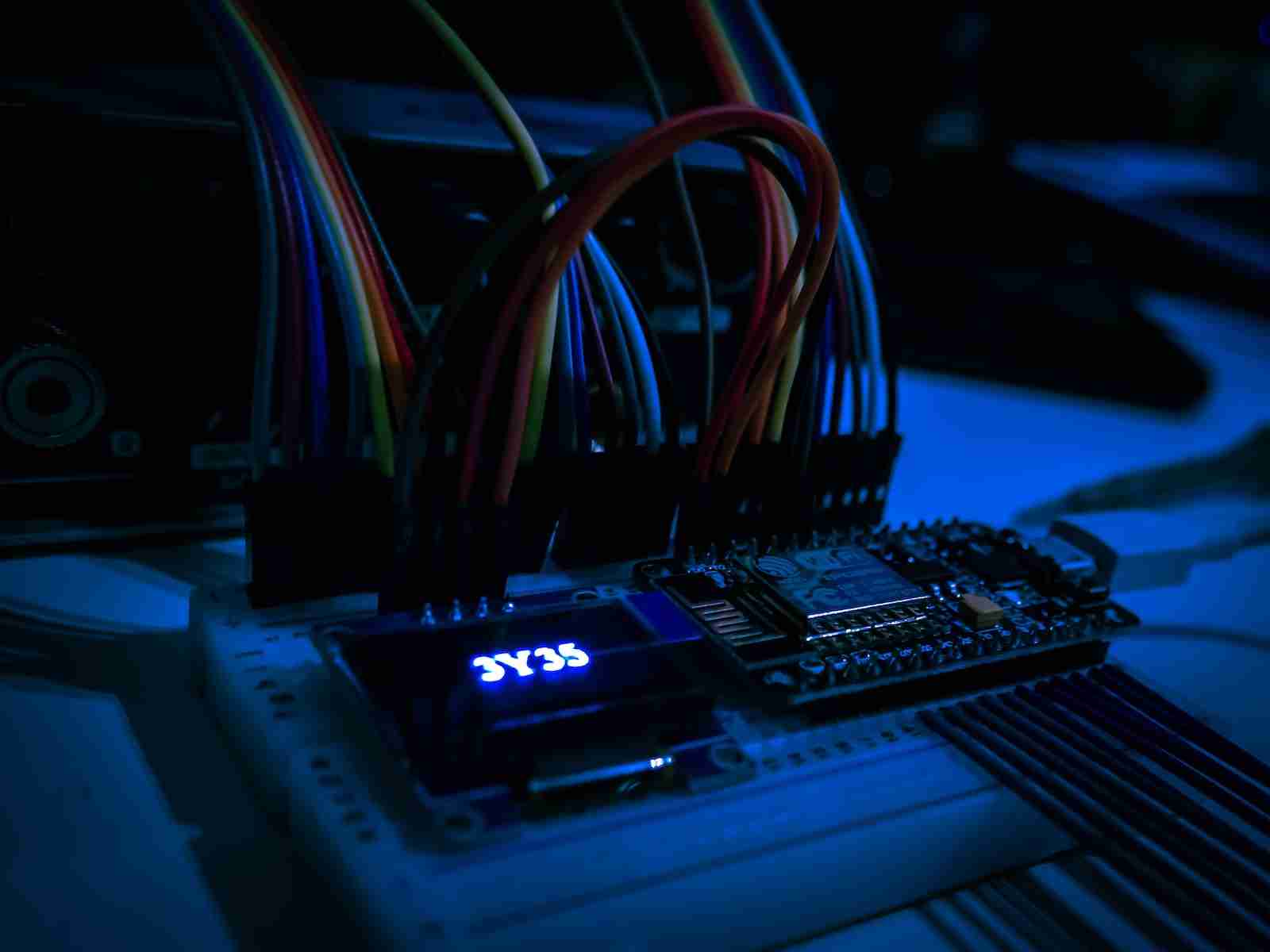
Protect Your Home Network: The Risks Of Compromised IoTDevices
By Tom Seest
At BestCyberSecurityNews, we help teach entrepreneurs and solopreneurs the basics of cybersecurity and its impact on their businesses by using simple concepts to explain difficult challenges.
Please read and share any of the articles you find here on BestCyberSecurityNews with your friends, family, and business associates.
Your Coffee Maker Could Be Part Of a Botnet – Seriously
Imagine waking up to the comforting aroma of freshly brewed coffee, the day’s first ritual that kick-starts your morning. Now, what if I told you that your trusted coffee maker could be part of a botnet? Yes, you heard that right. The very appliance that enhances your daily grind might be at the center of a hidden cyber battle.
The truth might sting a bit, but we live in an era where even the most innocuous household items can betray us. These days, appliances aren’t just dumb machines; they’re connected devices that, when compromised, pose real threats to our privacy and security. This gut-wrenching reality begs the question: How well do you understand the risks of your beautiful, modern kitchen?
Cybersecurity isn’t a term that should scare you into submission. Instead, think of it as a call to action—a powerful mandate to protect what matters most. Wouldn’t it be tragic if your coffee maker unwittingly participated in a distributed denial-of-service attack, one that congests internet traffic for everyone else trying to connect? It might not make headlines, but the potential for chaos is there, lurking behind the sheen of your sleek machine.
When you choose to embrace cybersecurity, you’re not just safeguarding your gadgets; you’re also standing up for your community. An interconnected world means that when one device falls prey to trouble, it can drag down the rest of us along for the ride. By ensuring your devices—yes, even that caffeinated companion—are secure, you’re taking a stand for your family, your neighborhood, and society as a whole.
Think about it: isn’t it a bit unnerving to consider that countless people have made similar purchases, trusting their devices while unknowingly handing over an open invitation to hackers? You have the power to change that. Patch those vulnerabilities. Change that default password. Get involved. Your appliances deserve better, and so do you.
So, embrace this conversation about cybersecurity. Equip yourself with knowledge. Because in the end, it’s not just a coffee maker; it’s an extension of you, and you deserve a morning routine that’s safe, secure, and unwaveringly reliable. Let’s raise our mugs to that!

Your Coffee Maker Could Be Part Of a Botnet – Seriously
Your Coffee Maker Could Be Part Of a Botnet – Seriously
- Freshly brewed coffee is a comforting morning ritual, but your coffee maker could be part of a botnet.
- Household appliances today are connected devices that can pose threats to privacy and security.
- Understanding the risks of modern kitchen gadgets is essential for safeguarding privacy.
- Cybersecurity is a call to action for protecting personal and community safety.
- Compromised devices, like coffee makers, could contribute to larger issues like distributed denial-of-service attacks.
- Securing your devices helps protect your family, neighborhood, and society against cyber threats.
- Empower yourself with knowledge to improve the security of your appliances and morning routines.

Your Coffee Maker Could Be Part Of a Botnet – Seriously
Table Of Contents
- Your Coffee Maker Could Be Part Of a Botnet – Seriously
- What If Your Morning Coffee Is Endangering Your Privacy?
- Are Smart Devices Putting Your Personal Data At Risk?
- How Can We Trust Technology When Security Flaws Remain?
- Could a Simple Coffee Maker Contribute to a Larger Cyber Crisis?
- How Do We Balance Convenience and Security In Smart Homes?
- Are You Aware Of the Risks That Come with Connected Appliances?
- What Can You Do to Protect Your Home From Cyber Threats?
- Conclusion
- Other Resources
- Glossary Of Terms
- Other Questions
- Haiku
- Poem
- Checklist
What If Your Morning Coffee Is Endangering Your Privacy?
Picture this: each morning, you rise with the sun, bleary-eyed but hopeful, the rich aroma of freshly brewed coffee wafting through your kitchen. You take that first sip—a small yet powerful ritual that seems as innocuous as your favorite morning playlist. But what if I told you that, hidden beneath those comforting layers of caffeine-laden warmth, your morning cup could be compromising your privacy?
Coffee makers, like many other everyday appliances, are now equipped with smart technology, connecting seamlessly to the internet. They can track your preferred brew strength, record your consumption patterns, even chat with your phone, all in the name of convenience. Sounds delightful, right? But consider this: how secure is that connection? Every device with a Wi-Fi chip can be a gateway for hackers, leaving your data vulnerable. Your coffee routine becomes a relay station for information that could be exploited.
This isn’t just a tech issue; it’s a matter of ethics and personal dignity. Your privacy matters. The information collected by these devices—your daily habits, your schedule—paints a detailed portrait of your life that you might not even realize you’re sharing. When was the last time you read the terms and conditions on that coffee maker’s app? It’s hard to trust an appliance with your personal data when most of us are blissfully unaware of the details hidden in the fine print.
Let’s get real: we trust these machines to brew our favorite blend, assuming that they have our best interests at heart. But that trust must be met with transparency and accountability. In a world where cybersecurity breaches are a near-daily headline, it’s on us to ask tough questions.
Consider the community around you, your friends, your family. They’re all part of this brewing storm. One compromised coffee maker could lead to a broader data breach that affects countless individuals. In our interconnected society, your privacy is so tightly woven into the fabric of others.
So before you brew that next cup, take a moment. Reflect on the implications of your choice and consider alternative brewing methods that keep your privacy intact. Champion security in your daily routine—because your morning coffee shouldn’t come at the cost of your peace of mind. Choose the path of awareness, empowerment, and conscious consumerism. After all, it’s not merely about what you drink; it’s about who you trust.

What If Your Morning Coffee Is Endangering Your Privacy?
What If Your Morning Coffee Is Endangering Your Privacy?
- Morning coffee rituals can compromise your privacy when using smart coffee makers connected to the internet.
- Smart coffee makers track brew preferences, consumption patterns, and communicate with smartphones.
- Wi-Fi enabled devices can be exploited by hackers, turning personal data into a vulnerability.
- The data collected reflects your daily habits and schedule, often without your full awareness.
- Trust in technology should be accompanied by demands for transparency and accountability.
- One compromised device could lead to a wider data breach affecting others in your community.
- Consider alternative brewing methods that prioritize privacy and practice conscious consumerism.

What If Your Morning Coffee Is Endangering Your Privacy?
Are Smart Devices Putting Your Personal Data At Risk?
Smart devices are everywhere—smartphones, smart speakers, smart refrigerators. They promise convenience and efficiency, but at what cost? As we embrace this digital age, the question of whether these devices put our personal data at risk looms large. Let’s take a moment to reflect on what’s at stake, not just in bytes and data, but in our everyday lives.
Imagine your home equipped with the latest, smartest gadgets. You walk in, and your coffee brews itself, the lights adjust to your mood, and your favorite tunes start playing. It feels like magic, doesn’t it? But behind that curtain of convenience lies a darker reality. Every device connected to the internet is a potential gateway for cyber threats. These gadgets often collect vast amounts of personal information—from your daily routines to your shopping habits. This isn’t just data; it’s a glimpse into your life, a life that’s increasingly vulnerable to breaches and attacks.
Rationally, we must consider the consequences. Reports of compromised devices have surged, highlighting vulnerabilities that can expose our sensitive information. Statistics reveal that nearly 60% of small businesses close within six months of a cyber attack. The implications are staggering when you consider that these aren’t just statistics; they’re real people facing the fallout of what could have been avoided. It’s not just about personal loss—it’s about protecting our families, our values, and the trust we place in technology.
Ethically, we should question whether companies prioritize profit over our privacy. The glossy advertisements often herald the benefits of connected living, but how many of them are transparent about how they’ll use our data? As consumers, we must demand accountability. No one should trade their safety for the allure of convenience.
And there’s a social element too. As we invite these smart devices into our homes, we subtly influence our families and communities. We set examples, and if we’re careless, we invite a culture of negligence that endangers us all. It’s time to rally—educate ourselves and those around us about the risks that come with these conveniences.
So, the next time you’re lured by the promise of a smarter home, pause for a moment. Ask yourself: What price are you willing to pay for that convenience? The answer may define not just your digital life, but your very sense of security and family integrity. Empower yourself; demand better, and hold on to what matters most.

Are Smart Devices Putting Your Personal Data At Risk?
Are Smart Devices Putting Your Personal Data At Risk?
- Smart devices, like smartphones and smart speakers, offer convenience but pose risks to personal data.
- Connected gadgets collect vast amounts of personal information, making users vulnerable to cyber threats.
- Reports indicate a rise in compromised devices, with serious consequences for individuals and businesses.
- Nearly 60% of small businesses close within six months of experiencing a cyber attack.
- Companies often prioritize profit over privacy, raising ethical concerns about data usage transparency.
- Smart devices influence family and community behaviors, potentially fostering a culture of negligence.
- Consumers should evaluate the trade-offs between convenience and security, demanding accountability from companies.

Are Smart Devices Putting Your Personal Data At Risk?
How Can We Trust Technology When Security Flaws Remain?
When we think about technology, we often envision sleek devices, seamless connectivity, and the promise of a brighter tomorrow. But beneath that glossy surface lies an undeniable truth: cybersecurity vulnerabilities loom like dark clouds over our digital world. These flaws can feel like ticking time bombs, ready to jeopardize our privacy and security at any moment. So how do we wrestle with the trust we place in technology against the backdrop of these persistent threats?
Imagine for a moment that every click, every keystroke, and every online interaction is akin to opening the door of your home. You wouldn’t just swing it wide for anyone passing by, would you? Trust isn’t just about the tools we use; it’s about the safeguards we set up to protect what matters. Each breach story is a cautionary tale, a reminder that safety isn’t guaranteed, yet with awareness and proactive measures, we stand a better chance of securing our digital lives.
Our world is interconnected, creating a social fabric woven together by technology. The smartphone in your pocket is more than a device; it’s a bridge to family, friends, and new opportunities. But how can we feel confident in that bridge when we hear unsettling news about security flaws? It’s about adopting a mindset of vigilance—a collective responsibility. Just as we lock our doors at night, it’s imperative to arm ourselves with knowledge and tools that bolster our defenses.
Let’s embrace the conscientiousness of digital stewardship. Organizations, like the ones behind our favorite apps and services, bear the ethical weight of ensuring their users’ safety. By holding these companies accountable and advocating for robust cybersecurity measures, we foster an environment where trust can flourish. The stories of those who’ve suffered breaches remind us that the stakes are high, yet we have the power to demand better security practices—a movement toward a more secure digital landscape.
So, let’s commit to being informed users. Each of us plays a role in the broader narrative of technology. By fostering a culture of security awareness, we align our ethical values with our digital interactions, creating a community rooted in trust amidst uncertainty. While flaws may exist, together, we can turn that uncertainty into steadfast confidence. After all, it’s not just about the technology itself; it’s about the connections we cherish and the safe spaces we create within that digital realm.
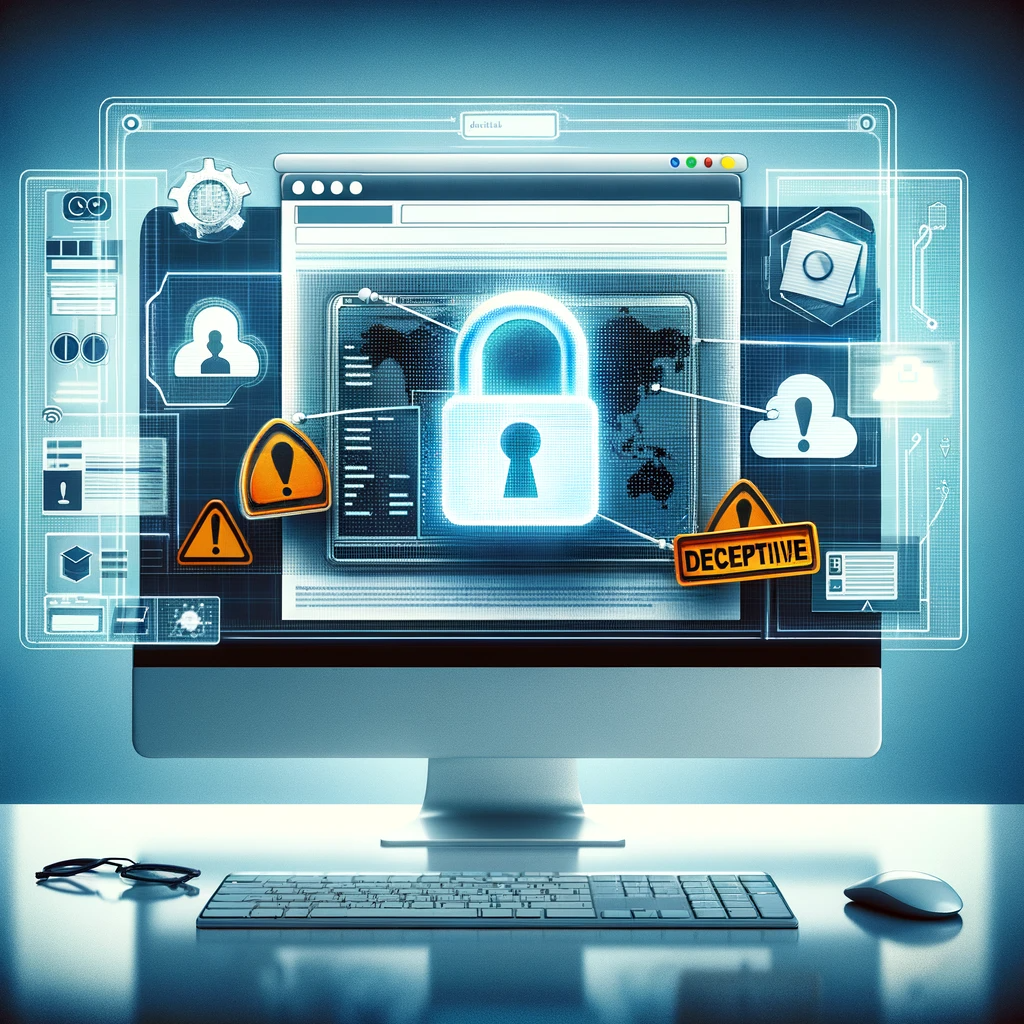
How Can We Trust Technology When Security Flaws Remain?
How Can We Trust Technology When Security Flaws Remain?
- Cybersecurity vulnerabilities pose significant risks to privacy and security in our digital world.
- Trust in technology requires safeguards that protect personal information and digital interactions.
- Every online interaction is compared to opening the door of a home, highlighting the need for caution.
- Adopting a mindset of vigilance and collective responsibility is crucial for digital safety.
- Organizations must be held accountable for their cybersecurity practices to foster user trust.
- By advocating for robust security measures, we can push for improvements in the digital landscape.
- Fostering a culture of security awareness can build a community rooted in trust amid ongoing uncertainties.

How Can We Trust Technology When Security Flaws Remain?
Could a Simple Coffee Maker Contribute to a Larger Cyber Crisis?
Picture this: you’re groggy from a restless night, and the only thing standing between you and your day’s productivity is the once-reliable coffee maker humming quietly on the counter. It’s a trusty friend, a morning companion that’s seen you through deadlines, meetings, and many a sunrise. Yet, beneath that unassuming exterior lies a ticking time bomb in the realm of cybersecurity.
These days, appliances aren’t just appliances; they’re miniature computers outfitted with sensors and Wi-Fi capabilities, designed to make our lives easier. But that same connectivity, which allows you to brew a cup of java from the comfort of your couch, opens a floodgate of vulnerabilities. Imagine a hacker exploiting that innocuous coffee maker to infiltrate your home network. Suddenly, your morning brew becomes a cold reminder of how unprepared we are for the digital age.
Let’s be real — the unfathomable reality of cyber threats can feel overwhelming. But we can’t afford to ignore it; the stakes are too high. Those of us who thrive on our daily cup recognize that it’s more than just caffeine; it’s a ritual, an essential part of our lives. It’s about connection, interaction, and the small moments that make daily grind worthwhile. Yet, with your coffee maker at risk, you’re not just safeguarding your morning — you’re defending your privacy, your data, and possibly your identity.
Now, think about your family. Your loved ones rely on you to maintain a safe haven free from the repercussions of cyber mishaps. It’s our ethical responsibility to be vigilant. After all, a data breach can have ripple effects that go beyond mere inconvenience — they can disrupt lives, wreak havoc on finances, and threaten security.
This calls for a shift in how we perceive technology in our daily lives. We must foster a communal awareness of cybersecurity, uniting to ensure that convenience doesn’t expose us to unnecessary peril. Investing in simple security measures, like regular software updates or employing strong passwords for smart appliances, could mean the difference between a peaceful morning and a day full of dread.
So, take a moment to think about that little machine on your counter. In prioritizing cybersecurity, we’re not just protecting ourselves — we’re nurturing a trust in our technological companions, paving the way for a safer, more connected future we can all embrace.

Could a Simple Coffee Maker Contribute to a Larger Cyber Crisis?
Could a Simple Coffee Maker Contribute to a Larger Cyber Crisis?
- Modern appliances, including coffee makers, are mini-computers with sensors and Wi-Fi.
- This connectivity allows for convenience but also introduces cybersecurity vulnerabilities.
- A hacker could exploit a connected coffee maker to access your home network.
- Coffee is not just a caffeine source; it symbolizes daily rituals and connections.
- As caretakers, we have a responsibility to protect our family’s digital safety from cyber threats.
- Simple practices like software updates and strong passwords are vital for smart appliance security.
- Prioritizing cybersecurity helps build trust in technology and fosters a safer connected future.

Could a Simple Coffee Maker Contribute to a Larger Cyber Crisis?
How Do We Balance Convenience and Security In Smart Homes?
In the quest for a smarter home, we often find ourselves at a crossroads between the allure of convenience and the daunting specter of security. Imagine walking into your home after a long day, and with a simple “hello,” your lights flicker to life, and your favorite music begins to play. It feels like magic, doesn’t it? That seamless blend of technology offers comfort and ease, wrapping you in a cocoon of modern luxury. But lurking beneath this inviting surface is a reality we cannot ignore: the need for robust cybersecurity.
Here’s where the heart comes in. Many of us have children or loved ones we want to protect. Those devices collecting data—security cameras, smart locks, and voice-activated assistants—are often vulnerable if proper measures aren’t in place. Every convenience comes with a responsibility, one that weighs heavy in our minds and impacts our sense of security. We must ask ourselves: What good is smart technology if it undermines our safety?
Rationally speaking, embracing a balanced approach could lead us toward a more harmonious existence with our tech. It’s essential to educate ourselves about the tools we invite into our lives. Are we choosing well-known brands with a proven track record in safeguarding our data? Have we updated passwords and implemented two-factor authentication? These simple steps enhance safety while preserving the ease we crave.
Ethically, we have an obligation—not only to ourselves but to our communities. By championing responsible cybersecurity measures, we demonstrate that we value trust. We support companies that prioritize our safety and push them to do better as they design the next wave of home technologies.
Through shared experiences, we find strength in numbers. When we discuss cybersecurity with our friends and neighbors, we foster a community of vigilance. Social connection can turn a daunting challenge into a collective endeavor. Remember that moment when you banded together with neighbors against a common issue? It changes the game. It’s the same here. Together, we can create an environment where convenience doesn’t come at the cost of security.
So, as you evaluate your smart home setup, take a moment to look beyond the ease it offers. Reflect on the responsibility it demands. This balance of convenience and security isn’t merely a technological challenge; it’s a journey we embark on together—one that calls us to act, to learn, and above all, to protect what we hold dear.

How Do We Balance Convenience and Security In Smart Homes?
How Do We Balance Convenience and Security In Smart Homes?
- Smart homes offer convenience, enhancing daily experiences with technology.
- Security is a crucial concern as smart devices collect personal data.
- Responsibilities accompany the ease of smart technologies, impacting our safety.
- It’s important to choose reputable brands and implement safety measures like updated passwords and two-factor authentication.
- We have an ethical obligation to advocate for responsible cybersecurity practices.
- Community discussion and shared experiences can enhance vigilance against cybersecurity threats.
- Balancing convenience and security is a collective journey requiring action and awareness.

How Do We Balance Convenience and Security In Smart Homes?
Are You Aware Of the Risks That Come with Connected Appliances?
Picture this: It’s a Sunday afternoon, and you’re nestled on the couch, sipping a cup of coffee while your smart oven whirs away, preparing dinner. The connectivity of your home appliances feels like magic—everything from your refrigerator monitoring its own contents to your thermostat learning your daily rhythms. But there’s a darker side to this convenience, one often brushed under the rug like last week’s crumbs.
When was the last time you had a heart-to-heart with your washing machine about cybersecurity? No? Didn’t think so. Yet, each connected appliance in your home can be a door left ajar for cyber intrusions, posing risks that many of us overlook. It’s unsettling to think that while you’re cozy in your living room, there are digital gremlins out there, scheming to break into your life through a not-so-innocent appliance.
Let’s get real. There’s nothing more gut-wrenching than realizing that your smart fridge, which knows the names of your children and what they like to eat, could potentially leak that information to someone with malicious intent. This isn’t about fear-mongering; it’s about taking an honest look at the interconnected world we’ve embraced. We’ve entrusted so much of our private lives to these gadgets, and we can’t ignore the ethical responsibility that comes with them.
Imagine feeling empowered—not just informed—when you choose to secure every device in your home. It’s about understanding that a little vigilance can safeguard your family and your peace of mind. With great convenience comes great responsibility; we owe it to ourselves and our loved ones to lock those doors and not leave our lives open to uninvited guests.
Engaging in conversations about the risks tied to connected appliances doesn’t just elevate our awareness; it cultivates a community of informed consumers ready to take action. When your neighbor, your friend, or even that trusted friend on social media shares insights about cybersecurity, it’s like havocking a warm handshake amidst a crowd of cold indifference.
So, take a moment to appreciate the marvel of modern technology, but don’t forget to check your digital locks. Stand up, take charge, and ensure that your home remains a sanctuary in an age where connectivity is both a blessing and a potential threat. Reconnect with your appliances, but this time, do it safely.

Are You Aware Of the Risks That Come with Connected Appliances?
Are You Aware Of the Risks That Come with Connected Appliances?
- Smart home appliances offer convenience, such as self-monitoring fridges and adaptive thermostats.
- There are cybersecurity risks associated with every connected device that are often overlooked.
- Smart appliances could leak personal information to cyber intruders if not secured properly.
- It is essential to acknowledge the ethical responsibility that comes with using connected technology.
- Being proactive about securing devices ensures the safety of your family and peace of mind.
- Engaging in discussions about cybersecurity fosters a community of informed individuals ready to protect their homes.
- While enjoying modern technology, it’s crucial to safeguard your personal information and digital space.

Are You Aware Of the Risks That Come with Connected Appliances?
What Can You Do to Protect Your Home From Cyber Threats?
When it comes to protecting your home from cyber threats, the stakes have never been higher. Imagine this: a cozy evening with your family, laughter echoing off the walls, and the comforting hum of a household in harmony. Now, imagine a hidden intruder, barely visible behind a screen, sneaking in to disrupt that peace. Cybersecurity isn’t just a tech buzzword; it’s your shield, your armor against this silent menace. It’s time to care enough to act.
First, let’s tackle the head—the rational side of you that knows better. Start with the basics: change your passwords. Think of it as locking the front door instead of leaving it ajar. Use strong, unique passwords for each account, and don’t be afraid to use a password manager; it keeps everything organized and secure. Enabling two-factor authentication is another step that adds a layer of protection. You don’t want just anyone waltzing into your digital space, after all.
Now, let’s speak to your heart. Picture the faces of your loved ones when they gather around that table for dinner. Ask yourself: do they deserve the disruption of identity theft or a data breach? Your commitment to cybersecurity is not just about technology—it’s about safeguarding the people that matter most. Care enough to educate yourself and your family about the risks and protocols. Involve them in the conversation—instill a culture of vigilance in your household.
And what about the gut—the emotional drive to keep your home safe? Each small step you take, from securing your Wi-Fi network to ensuring your devices are up-to-date with the latest software setbacks, builds a fortress around your family’s digital well-being. Each click matters; each security measure is like a brick in that fortress.
Socially speaking, we’re wired to seek connection. Share your cybersecurity experiences, challenges, and tips with friends and family. When we talk about securing our homes, we foster an environment where everyone looks out for one another. Empowering others cultivates a community that stands strong against cyber threats, and that’s a powerful thing.
Ultimately, protecting your home from cyber threats is a call to action. It’s about making conscious choices that resonate with our values—each choice echoing through the lives of those we love. Embrace the responsibility, learn the tools, and make your digital domain as safe as the four walls you call home.

What Can You Do to Protect Your Home From Cyber Threats?
What Can You Do to Protect Your Home From Cyber Threats?
- The stakes for protecting your home from cyber threats are higher than ever.
- Cybersecurity is essential for safeguarding your home and loved ones from hidden intruders.
- Start with the basics: change passwords, use strong, unique passwords, and consider a password manager.
- Enable two-factor authentication for additional protection against unauthorized access.
- Educate your family about cybersecurity risks and foster a culture of vigilance.
- Secure your Wi-Fi and keep devices updated to build a strong digital fortress.
- Share cybersecurity experiences and tips with others to create a supportive community against threats.

What Can You Do to Protect Your Home From Cyber Threats?
Conclusion
As we grind through our daily lives, the startling reality is that even the most comforting elements—like that morning cup of coffee—may harbor hidden dangers. The connectivity that makes our smart appliances so convenient also creates vulnerabilities that could jeopardize our personal data and family security. Your coffee maker, a seemingly harmless companion, could very well be part of a botnet, unwittingly embroiled in a cyber battle that endangers not only your privacy but also those around you.
Understanding the real risks associated with these devices is not just a tech issue; it’s a matter of ethics and responsibility. Hidden behind the friendly interface of modern appliances lies a potential for chaos fueled by cyber threats. This emphasizes the need for awareness and action. Imagine your coffee maker serving as an unknowing accomplice in a larger cyber crisis—this isn’t far-fetched when we’ve entrusted our lives to technology that collects data about our routines and habits. It’s not just about convenience anymore; it’s about safeguarding your loved ones and your community.
Each one of us plays a critical role in this narrative. By adopting stringent cybersecurity measures—changing default passwords, setting up two-factor authentication, and regularly updating software—we’re not simply protecting our individual devices; we’re cultivating a culture of vigilance that resonates far beyond our households. The ripple effect of one compromised device can affect the entire neighborhood, emphasizing our collective responsibility to uphold our privacy and safety.
Education is key. Engage not just with your devices, but also with your family and friends; create conversations around digital security that empower others to take action. This social connection, where knowledge supports vigilance, can turn trepidation into confidence. The more we discuss these issues, the more robust our defenses become.
As we embrace the realities of a tech-savvy society, we can choose to forge a path strewn with protection and awareness rather than neglect and vulnerability. A safe home isn’t just a castle with locked doors; it’s a community of informed individuals ready to take charge. Together, through awareness and action, we can ensure that our mornings remain filled with comfort and reassurance, not anxiety over potential breaches. So, let’s raise our mugs not just to good coffee, but to the proactive steps we take in safeguarding our lives in this interconnected digital age.

Conclusion
Conclusion:
- Everyday items, like coffee makers, may pose hidden cybersecurity risks.
- Smart appliances’ connectivity can threaten personal data and family security.
- Understanding these risks requires ethical awareness and responsibility.
- A compromised device can have a ripple effect on the entire community.
- Adopting cybersecurity measures fosters a culture of vigilance.
- Engaging with family and friends about digital security empowers wider action.
- Collective awareness and proactive measures can ensure a safe and reassuring home environment.

Conclusion
Other Resources

Other Resources
Here is a list of other resources you can review online to learn more:
- Sentor MSS AB
- Plurk
- Telstra
- IT Hotdesk
- Google My Business
- NDSE
- GiaSpace Inc
- CI Security
- Cisco Systems
- eSentire
- Booz Allen Hamilton
- VirtualArmour
- ACE IT Solutions
- Birch Cline Cybersecurity
- eSecurity Solutions
- Novacoast
- Protective Actions Research for Cyberattacks
- Ascend Technologies LLC
- Back IT Up
- All Covered
Use This Prompt To Get More Resources With Your Favorite Online AI Tool: Please provide me with a list of online articles with their URLs in a bulleted list that I can read regarding Your Coffee Maker Could Be Part Of a Botnet – Seriously

Other Resources
Glossary Terms
Your Coffee Maker Could Be Part Of a Botnet – Seriously – Glossary Of Terms
1. Botnet: A network of compromised devices controlled by a cybercriminal to perform automated tasks, typically for malicious purposes.
2. Malware: Software designed to disrupt, damage, or gain unauthorized access to computer systems.
3. IoT (Internet of Things): A network of interconnected devices that communicate and share data over the internet, including home appliances like coffee makers.
4. DDoS (Distributed Denial of Service): An attack that overwhelms a target server with traffic from multiple compromised devices, rendering it unavailable to users.
5. Firmware: The permanent software programmed into a device’s hardware, which can sometimes contain vulnerabilities.
6. Cybersecurity: The practice of protecting systems, networks, and programs from digital attacks.
7. Vulnerability: A weakness in a system that can be exploited by attackers to gain unauthorized access or cause harm.
8. Breaching: Unauthorized access to a system or network, often leading to data theft or disruption.
9. Phishing: A technique used by cybercriminals to trick individuals into revealing personal information via fraudulent emails or messages.
10. Encryption: The process of converting data into a coded format to prevent unauthorized access.
11. Patch: A software update that fixes known vulnerabilities or issues in a program or device.
12. Router: A device that forwards data packets between computer networks, often a target for cybercriminals seeking control of connected devices.
13. Device Hijacking: Taking control of a device without the owner’s consent, often to use it for malicious activities.
14. Spam: Unwanted or irrelevant messages sent over the internet, often used to promote scams or malware.
15. Firewalls: Security devices or software that monitor and control incoming and outgoing network traffic based on predetermined security rules.
16. Bot: An automated program that performs specific tasks on the internet, often used to carry out repetitive tasks like sending spam.
17. Access Control: Measures taken to ensure only authorized users can access certain data or systems.
18. Data Breach: An incident where unauthorized individuals gain access to confidential data, often leading to identity theft or financial loss.
19. Privacy Policy: A legal document that outlines how a company collects, uses, and protects user data.
20. User Authentication: The process of verifying the identity of a user trying to access a system or device.
21. Malicious Code: Any code designed to infiltrate or damage a system, including viruses, worms, and trojans.
22. Social Engineering: Manipulative tactics used to deceive individuals into divulging confidential information.
23. Secure Socket Layer (SSL): A standard technology for establishing an encrypted link between a web server and a browser, ensuring secure data transmission.
24. Network Security: The practices and policies designed to protect a network from threats and unauthorized access.
25. Two-Factor Authentication (2FA): An additional security measure requiring two forms of verification before granting access to an account or system.
26. Trojan Horse: A type of malware disguised as legitimate software, used to gain unauthorized access to a system.
27. Configuration Management: The discipline of recognizing, controlling, and maintaining system components and configurations to ensure security.
28. Signal Interception: The act of capturing data as it travels between two devices, potentially leading to unauthorized access.
29. Zero-Day Exploit: An attack that occurs on the same day a vulnerability is discovered, before the vendor has a chance to issue a fix.
30. Remote Access: The ability to access a computer or network from a distant location, which can pose security risks if not properly secured.

Glossary Of Terms
Other Questions
Your Coffee Maker Could Be Part Of a Botnet – Seriously – Other Questions
If you wish to explore and discover more, consider looking for answers to these questions:
- What types of IoT devices are most commonly compromised?
- How can I identify if my IoT device has been hacked?
- What specific steps can I take to secure my smart appliances?
- Are there brands or models of appliances that are known for better security?
- What implications does a data breach from a smart appliance have on personal privacy?
- How frequently should I update my smart device firmware?
- What are the legal ramifications if my device is used in a cyber attack?
- What resources are available for educating myself about cybersecurity?
- How do different households compare in terms of cybersecurity awareness?
- What is the role of manufacturers in ensuring device security?
- How can community initiatives help in promoting cybersecurity awareness?
- What are the signs that an appliance is unsecured or at risk?
- How can I disconnect IoT devices without losing their convenience?
- What should I do if I suspect my device has been compromised?
- Are there insurance options available for cyber-related damages?

Other Questions
Haiku
Your Coffee Maker Could Be Part Of a Botnet – Seriously – A Haiku
Smart machines at home,
Coffee brews but trust may fade;
Secure your peace now.

Haiku
Poem
Your Coffee Maker Could Be Part Of a Botnet – Seriously – A Poem
In dawn’s embrace, where scents of coffee rise,
Trust is brewed, yet caution lies in disguise.
That gleaming maker, a morning’s sweet delight,
Might harbor shadows, hidden from our sight.
Each device, linked to the web’s endless sprawl,
A gateway for whispers that could breach our walls.
In the comfort of familiarity, we find,
A lurking threat that could entwine our mind.
Awaken your heart to the risks that conceal,
For convenience and safety demand we feel.
Protect your family, your brothers, your kin,
In cybersecurity, together, we win.
Empower your choices, let knowledge be light,
A strong password, updates—defenses we write.
Each small action builds a fortress refined,
Securing your home—your peace intertwined.
In a world that’s interconnected, our fates align,
One compromised maker could lead to the decline.
So share with your neighbors, spread wisdom around,
In vigilance united, our strength can abound.
Now, sip your coffee with awareness profound,
For freedom and trust must in harmony sound.
As we enjoy the conveniences of today,
Let’s safeguard our lives in a mindful way.

Poem
Checklist
Your Coffee Maker Could Be Part Of a Botnet – Seriously – A Checklist
Checklist for Safeguarding Your Home Network Against Cyber Threats
Emotional Appeals (Heart)
_____ Reflect on the importance of family safety: What would you do to protect your loved ones from data breaches?
_____ Visualize peace of mind: Imagine your home as a sanctuary, secure from digital intruders.
_____ Engage in discussions about cybersecurity: Share stories with friends and family to foster a culture of awareness.
Rational Appeals (Head)
_____ Change default passwords on all smart devices: Ensure each device has a unique, strong password.
_____ Enable two-factor authentication: Add an extra layer of security to your accounts.
_____ Regularly update software: Keep all devices up to date with the latest security patches.
_____ Research brands before purchase: Choose devices known for their cybersecurity practices.
Ethical Appeals
_____ Advocate for transparency: Question companies about how they handle your data and privacy.
_____ Support ethical brands: Choose smart appliances from companies that prioritize user security.
_____ Educate others on the risks: Share knowledge about safe practices to protect your community.
Authority Appeals
_____ Follow trusted experts: Stay informed by reading articles and guidance from cybersecurity professionals.
_____ Utilize reputable cybersecurity tools: Consider installing firewalls or antivirus software recommended by experts.
Narrative Appeals
_____ Share personal experiences: Reflect on a time when a cyber threat nearly affected you or someone you know.
_____ Discuss hypothetical scenarios: What if a compromised device impacted your daily routine or personal data?
Social Appeals
_____ Create a community network: Organize or participate in neighborhood meetings to discuss cybersecurity.
_____ Encourage friends and family to secure their devices: Share tips and best practices within your social circles.
_____ Monitor local news: Stay informed about recent cybersecurity incidents in your area to prompt proactive measures.
Final Reflection
_____ Consider the trade-offs: How much convenience are you willing to sacrifice for security?
_____ Prioritize cybersecurity as a family value: Emphasize the shared responsibility for protecting your home’s digital space.

Checklist
At BestCyberSecurityNews, we help teach entrepreneurs and solopreneurs the basics of cybersecurity and its impact on their businesses by using simple concepts to explain difficult challenges.
Please read and share any of the articles you find here on BestCyberSecurityNews with your friends, family, and business associates.