


Empowering Users: The Ethical Evolution Of Identity Verification
By Tom Seest
At BestCyberSecurityNews, we help teach entrepreneurs and solopreneurs the basics of cybersecurity and its impact on their businesses by using simple concepts to explain difficult challenges.
Please read and share any of the articles you find here on BestCyberSecurityNews with your friends, family, and business associates.
Zero Trust Meets AI – Smarter Verification for Modern Users
In today’s ever-evolving digital landscape, the idea of security isn’t just a pressing concern for corporate boardrooms—it’s a pulse that beats in the heart of every user. Just as a sentry stands watch at the gates of a fortress, protecting what lies within, the concept of Zero Trust is reshaping how we think about cybersecurity. But more than just a simple mantra, it’s a revolutionary mindset that embraces skepticism at its core. What if, instead of trusting until proven wrong, we assume that every interaction could potentially lead to a breach?
Imagine a world where a digital handshake isn’t merely a formality, but a comprehensive choreography of actions designed to vet intentions—a world where your device learns your habits, knows your patterns, and flags anything that seems out of sorts. This isn’t about paranoia; it’s about empowerment. Equipped with advanced artificial intelligence, security systems can now analyze behaviors, assess risks, and adapt dynamically. It’s like having a dedicated guardian that not only watches but learns, becoming smarter over time, just as a seasoned detective sifts through clues to solve a case.
This technology isn’t simply transactional; it’s transformational. It provides both reassurance and agency. When users log in, they become part of a system that actively seeks to facilitate trust, verifying who they are not just with a password, but through a tapestry of data points—facial recognition, location history, the very rhythm of their keystrokes. This multifaceted approach brings peace of mind, an ethical layer that stands firm against would-be intruders, ensuring that your information is kept safe.
With incidents of cyber threats lurking behind every screen, one can’t help but feel a sense of urgency—a call to action that resonates deeply. It’s easy to feel helpless in the face of such vast and complex challenges, but through a collective commitment to Zero Trust principles, every person can be part of the solution. When we stand together, advocating for smarter verification methods that prioritize security for every individual, we weave a protective fabric. This isn’t just cybersecurity; it’s a shared responsibility, a community effort where each of us plays a vital role in safeguarding not only our data but the integrity of our digital lives. Trust in this new era calls us to embrace vigilance, camaraderie, and confidence.

Zero Trust Meets AI – Smarter Verification for Modern Users
Zero Trust Meets AI – Smarter Verification for Modern Users
- The idea of security is a crucial concern for every user, not just corporate boardrooms.
- Zero Trust is a revolutionary mindset that assumes every interaction could lead to a breach.
- Digital interactions are verified through comprehensive actions that assess user intentions.
- Advanced AI-equipped systems analyze user behaviors and adapt dynamically to enhance security.
- Security verification includes multiple data points like facial recognition and location history.
- Cybersecurity is a shared responsibility, and a collective commitment to Zero Trust principles is essential.
- Embracing vigilance and community effort is vital for safeguarding personal data in the digital age.

Zero Trust Meets AI – Smarter Verification for Modern Users
Table Of Contents
- Zero Trust Meets AI – Smarter Verification for Modern Users
- What If Your Sensitive Data Was Only a Click Away From Being Exposed?
- How Can AI Enhance Security In a Zero Trust Framework?
- Are Traditional Security Measures Enough to Protect Modern Users?
- What Ethical Concerns Arise From AI In Identity Verification?
- How Can Zero Trust Principles Revolutionize User Authentication?
- What If a Single Breach Could Cost Your Organization Millions?
- What Role Does User Behavior Play In Effective Security Strategies?
- Conclusion
- Other Resources
- Glossary Of Terms
- Other Questions
- Haiku
- Poem
- Checklist
What If Your Sensitive Data Was Only a Click Away From Being Exposed?
Imagine you’re sitting on your couch, phone in hand, scrolling leisurely through social media or maybe checking your online banking app. It feels harmless, right? But what if I told you that behind those innocent clicks lies a lurking danger? Your sensitive data is not just floating around in the ether; it’s a target, more accessible than you might think. It’s easy to brush off the risks of cybersecurity until the moment you realize those vulnerable bits of information could lead to someone else living your life.
Let’s take a moment to recognize how wise you are to consider these dangers. You’ve worked hard for what you have—your financial stability, your personal relationships, and the peace of mind that comes from knowing you’re in control. Now imagine the gut-punch realization that someone, somewhere, might play puppet master with your life, all because you clicked the wrong link. It’s not just a scenario ripped from the headlines; it’s an all-too-real possibility that could strip away your very sense of security.
Ethically speaking, we have a responsibility not just to ourselves, but to the people we love. Have you considered the ripple effect? If your information is compromised, it doesn’t just affect you; it opens the floodgates to your family, friends, and colleagues. Suddenly, it’s not just a personal crisis; it’s a communal one.
Piece together the emotional and the rational. Understand that while technology brings conveniences, it also demands your respect and diligence. You can choose to ensure your sensitive data isn’t just sitting there, vulnerable and open for exploitation. By implementing strong passwords, being cautious with links, and being aware of how you share information, you defend not just your digital presence but secure your legacy and protect loved ones.
We each have a role in this digital age. It requires a community effort to build a safer environment. Be proactive. Join conversations about cybersecurity, share knowledge, and support others in understanding the stakes. The more you engage with this topic, the more you empower not only yourself but also those around you. Together, we can create a culture that values data security, turning those intimidating clicks into informed choices for a safer tomorrow.

What If Your Sensitive Data Was Only a Click Away From Being Exposed?
What If Your Sensitive Data Was Only a Click Away From Being Exposed?
- Online activities, like social media and banking, can expose sensitive data to cyber threats.
- The danger of cybersecurity risks is often underestimated until it’s too late.
- The theft of personal information can significantly impact your life and sense of security.
- Compromised information creates ripple effects, affecting family, friends, and colleagues.
- It’s essential to balance the conveniences of technology with the responsibility for data security.
- Implementing strong passwords and cautious sharing habits can protect your digital presence.
- Building a safer online community requires proactive engagement and knowledge sharing about cybersecurity.

What If Your Sensitive Data Was Only a Click Away From Being Exposed?
How Can AI Enhance Security In a Zero Trust Framework?
In a world where threats lurk around every corner, the phrase “trust no one” has taken on a life of its own. The Zero Trust Framework isn’t just a catchy buzzword; it’s a battle cry, a guiding principle in an age where cybersecurity feels like an unending game of cat and mouse. But here’s where the tide starts to turn—through the power of artificial intelligence.
Imagine a virtual guardian, tirelessly scanning the digital landscape, learning from past intrusions, and anticipating future ones. This isn’t the stuff of sci-fi; it’s happening now. With AI integrated into a Zero Trust approach, every transaction, every access request gets scrutinized not just with scrutiny but with an instinct honed by experience. We’re not just tightening security— we’re inviting trust through intelligent action.
Picture the peace of mind that comes with knowing your data isn’t just locked away, but actively monitored by a system that adapts and learns. Those intricate algorithms gather insights from every breach attempt, every anomaly, making real-time adjustments that a human alone could never achieve. This duality of human intuition and machine precision creates a new standard for safety, one where every data packet is considered suspicious until proven otherwise. That’s trust earned through diligence and precision.
There’s also the ethical weight of this evolving landscape. When organizations take cybersecurity seriously, they’re not just protecting their interests; they’re safeguarding their customers’ futures, preserving the integrity of shared information. Think of the small business owner who wakes up every day with a heavy heart, concerned about what cybercriminals might target next. AI doesn’t just protect businesses; it protects those who depend on them. It creates a safety net, fostering a community where trust flourishes because companies take their obligations seriously.
Moreover, the growing prowess of AI in cybersecurity translates into a ripple effect, encouraging a shift in corporate culture that values transparency and vigilance. A strong security posture invites dialogue, collaboration, and shared responsibility. It sends a clear message: we are all in this together, navigating a perilous digital terrain armed with the tools that intelligence provides.
When you think of security in this light, it’s hard not to feel empowered and inspired. It’s not just about technology; it’s about people, relationships, and values. It’s about nurturing a sense of confidence in our collective digital future, knowing tomorrow is safer than today. AI is more than just a tool—it’s a cornerstone of a robust, trustworthy society. And that is where true security begins.

How Can AI Enhance Security In a Zero Trust Framework?
How Can AI Enhance Security In a Zero Trust Framework?
- The phrase “trust no one” embodies the essence of the Zero Trust Framework in cybersecurity.
- Artificial intelligence (AI) acts as a virtual guardian, learning from past intrusions to anticipate future threats.
- AI enhances the Zero Trust approach by scrutinizing every transaction and access request with data-driven instinct.
- Intelligent action and real-time monitoring cultivate a safer environment for data protection.
- Organizations prioritizing cybersecurity not only safeguard their interests but also protect their customers and the integrity of information.
- The integration of AI fosters a corporate culture that values transparency, collaboration, and shared responsibility.
- AI is central to creating a robust and trustworthy society, empowering individuals and nurturing confidence in digital safety.

How Can AI Enhance Security In a Zero Trust Framework?
Are Traditional Security Measures Enough to Protect Modern Users?
In today’s digital landscape, the question looms large: are traditional security measures enough to protect modern users? Picture this: you wake up and reach for your phone, your primary connection to the world. Within that tiny screen lies not just your social media, but your banking details, personal conversations, even your health records. But here’s the catch; the old locks and keys we trusted for our homes don’t translate to cyberspace. Cybersecurity is now a matter of life and livelihood, yet many still firmly believe that all we need are basic passwords and a swift “I accept” click on the terms of service.
Let’s face it—these traditional measures can feel as reassuring as a cardboard sign in a hurricane. It’s hard to impart trust when the stakes are so high. Consider how many people you know who’ve had their identities stolen or data compromised. One moment, you’re sharing family photos, and the next, your personal information is spiraling in the hands of cybercriminals. That’s not just a statistic; it’s your neighbor, your friend, maybe even you.
The gut-wrenching reality is that digital threats are evolving faster than we can blink, leaving many of us vulnerable. Trust is built slowly, but a breach can tear it apart in seconds. Protecting ourselves online isn’t just an option—it’s a responsibility. We owe it to ourselves and our loved ones to delve deeper into how we safeguard our virtual lives.
Rationally speaking, the ethics of cybersecurity extends beyond just the individual. As our digital presence grows, so does our collective responsibility. Are we only protecting ourselves, or are we risking the security of an entire community by playing it safe with outdated defenses? This isn’t just about guarding individual firewalls but fortifying the very fabric of our interconnected lives.
We need to embrace a new reality, one where we evolve alongside our threats. It’s time to rethink, to question, and to act. Engage with updated protocols, educate yourself on emerging technologies, and advocate for stronger cybersecurity measures. The world is changing, and so must our approach to security. Don’t wait until you’re the next headline—make your digital life a fortress. Safety shouldn’t just be a dream; it should be our new normal.

Are Traditional Security Measures Enough to Protect Modern Users?
Are Traditional Security Measures Enough to Protect Modern Users?
- Traditional security measures are inadequate for safeguarding modern users in cyberspace.
- Smartphones hold sensitive information, making basic passwords insufficient for protection.
- Many individuals still rely on outdated security practices, believing they are safe.
- Cyber threats are evolving quickly, leaving users increasingly vulnerable.
- There is a collective responsibility to maintain cybersecurity beyond individual measures.
- We must adapt our security approach by embracing updated protocols and technologies.
- Stronger cybersecurity should be the new standard, making personal safety a priority.
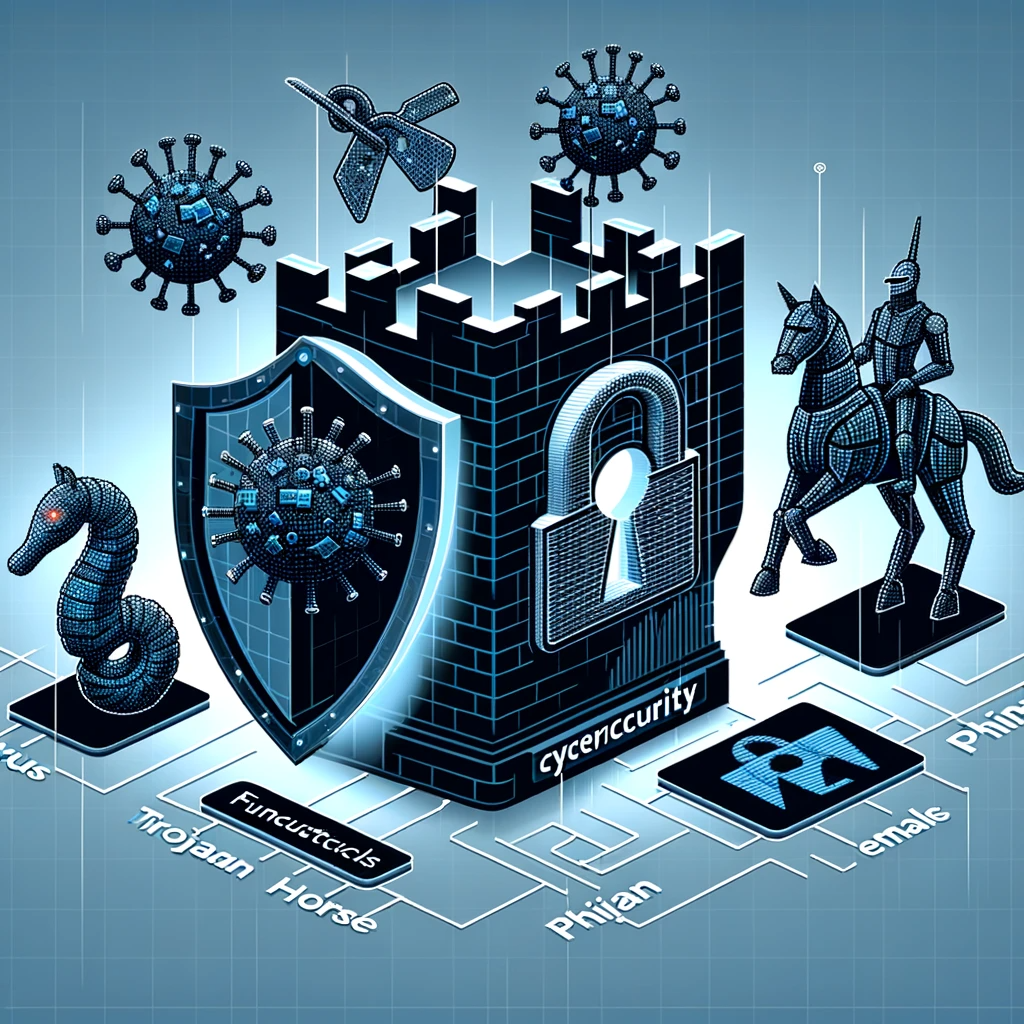
Are Traditional Security Measures Enough to Protect Modern Users?
What Ethical Concerns Arise From AI In Identity Verification?
When we talk about AI in identity verification, we’re navigating a minefield of ethical concerns that tug at our hearts and challenge our intellect. Imagine a world where your face becomes just another data point, one lost in the vast ocean of algorithms and codes. This isn’t just about convenience; it’s about trust. Can we really rest easy knowing that our most personal information is being analyzed by machines?
At the heart of this issue lies the haunting notion of privacy. It’s the feeling you get when you’re out in public, enjoying a moment of freedom, only to realize you’re being watched. Who controls the data collected? Who decides how it’s used? When our identities become fodder for machine learning, we lose control over who we are. This lack of agency can churn the gut, stirring up feelings of vulnerability that many might try to brush aside, but they’re all too real.
Then there’s the matter of bias. AI systems are created by people, and if those individuals bring their own biases into the mix, the technology becomes a reflection of societal inequities. Picture a community that already struggles for recognition and opportunity now facing algorithmic gatekeepers that further entrench discrimination. That sense of unfairness resonates deeply, hitting home for many who’ve felt marginalized.
Cybersecurity is another critical layer that can’t be overlooked. As we hand over our identities for verification, we’re also inviting potential threats into the fold. Data breaches happen, and the stakes are high. Loss of sensitive information can lead to financial ruin, identity theft, and endless emotional turmoil. It’s not just a headline; it’s a reality for people who’ve lived through it.
We owe it to ourselves to evaluate the ethical ramifications of these technologies. We must take a stand, not only for personal privacy but also to advocate for systems that prioritize fairness, accountability, and human dignity. This is our opportunity to demand transparency from the companies leveraging AI for identity verification, to push for legislation that protects our rights, and to foster open discussions about the future we want.
The world of AI is charging ahead, but it begs the question—are we ready, and more importantly, is it ready for us? Let’s choose a path where technology enhances our lives without overriding our humanity. This is not just a tech issue; it’s a deeply human one.

What Ethical Concerns Arise From AI In Identity Verification?
What Ethical Concerns Arise From AI In Identity Verification?
- AI in identity verification raises significant ethical concerns related to trust and privacy.
- Our personal information is at risk of being reduced to mere data points within complex algorithms.
- Lack of control over personal data can evoke feelings of vulnerability and anxiety.
- Bias in AI systems reflects societal inequities, potentially marginalizing already disadvantaged communities.
- Cybersecurity risks heighten when sharing personal identities, leading to potential data breaches and identity theft.
- It is essential to advocate for ethical standards prioritizing fairness, accountability, and human dignity in AI technologies.
- As AI continues to evolve, it’s crucial to ensure it enhances humanity rather than undermines it.

What Ethical Concerns Arise From AI In Identity Verification?
How Can Zero Trust Principles Revolutionize User Authentication?
In the ever-evolving landscape of cybersecurity, it feels like we’re constantly fighting a shadowy foe—always one step ahead, always lurking. Most of us remember the old ways of trusting our networks without a second thought. But as we’ve learned the hard way, trust is not a guarantee. This is where the principles of Zero Trust come into play—a refreshingly honest approach to user authentication that turns everything upside down and challenges us to rethink who we trust and why.
Imagine a world where your most valuable data doesn’t hang by a thread, vulnerable to breaches that can happen at the drop of a hat. Instead, with Zero Trust, every access request is treated like any stranger knocking on your door. Do we allow them in based solely on past history? No way! Instead, we scrutinize them—who they are, what they want, and whether they even belong here. This powerful shift moves us from naïve trust to a more diligent, thoughtful stance. It speaks directly to our gut instincts. You wouldn’t let just anyone into your home without checking their credentials, right? Our digital lives deserve the same level of respect.
The emotional weight of cybersecurity isn’t just about tech jargon or metrics; it’s about real people facing real risks. Families, businesses, and communities are at stake when vulnerabilities are exploited. Zero Trust doesn’t just protect information; it safeguards our peace of mind. It’s not merely a technical framework; it’s a commitment to fortifying the very essence of our digital interactions. This ethical obligation resonates with all of us—after all, trust is best served in small doses.
Rationally speaking, Zero Trust makes sense. By implementing a strict verification process, organizations not only fortify their defenses but also foster a culture of vigilance and responsibility. Everyone becomes a stakeholder in their cybersecurity strategy. That sense of shared accountability—that you and I both play vital roles—can bring us closer together as a team.
And let’s not forget the stories we carry. Every breach leaves a scar, a haunting reminder of what happens when we let our guard down. With Zero Trust principles, we’re not just listening to statistics; we’re sharing narratives of resilience and security. We’re part of a collective movement, making our virtual world a safer place one authentication at a time. So let’s embrace these revolutionary ideals, forge connections, and stand strong against the tides of insecurity. Trust, but verify—every day, in every way.

How Can Zero Trust Principles Revolutionize User Authentication?
How Can Zero Trust Principles Revolutionize User Authentication?
- The landscape of cybersecurity is constantly changing, presenting ongoing challenges.
- Zero Trust principles require rethinking trust in user authentication, treating every access request with scrutiny.
- This approach emphasizes vigilance, comparing it to verifying strangers before allowing them into your home.
- Zero Trust safeguards not just information but also the peace of mind of individuals and organizations.
- Implementing Zero Trust fosters a culture of vigilance and shared accountability within organizations.
- Every cybersecurity breach serves as a reminder of the importance of maintaining strong defenses.
- Embracing Zero Trust encourages collaboration in creating a safer digital environment.

How Can Zero Trust Principles Revolutionize User Authentication?
What If a Single Breach Could Cost Your Organization Millions?
What if a single breach could cost your organization millions? Imagine standing at the helm of your company, looking out at the hard work of your team, feeling a sense of pride in every project completed, every customer satisfied. Then, in an instant, an unseen threat—a breach in cybersecurity—unravels that tapestry. What happens when the doors swing open to a world of chaos? A single breach can dismantle everything you’ve worked for, leaving behind a trail of losses that stretch far beyond dollars and cents.
Now, let’s get real. A breach isn’t just a line-item in a budget. It’s a threat to every employee’s livelihood, every customer’s trust, and every bit of your brand’s hard-earned reputation. Consider the stories we’ve all heard, where companies have watched their worth plummet overnight due to the carelessness of a moment. The data compromised, the secrets exposed; it’s not just numbers being crunched—it’s lives being impacted. When trust is shattered, it takes years to rebuild, and that’s if you’re lucky.
This is where the gut punches. The ethical implications weigh heavily on leaders like you. Do you safeguard your team and clients, or do you risk it all for the fleeting comfort of inaction? People are counting on you. Your employees put faith in the workspace you’ve created, and every breach amplifies the chance for loss—of jobs, of security, of the very fabric that defines your organization’s culture. Ethical leadership means prioritizing cybersecurity as not just an IT problem, but as a core responsibility.
Think beyond the balance sheet. Channel your rational side; investing in strong cybersecurity measures pays dividends that protect both your financial assets and your moral standing. Leaders who recognize this are not merely thinking about profits—they’re thinking about people, preserving their legacies, and securing a future that’s brighter than its past.
Finally, remember the power of community. When you invest in cybersecurity, you’re not just protecting your own backyard—you’re contributing to a safer digital landscape for everyone. We’re all in this together, and a fortified approach to cybersecurity inspires collective action. It cultivates trust not only in your organization but within the industry at large. Make the commitment. Protect what you’ve built, safeguard your people, and ensure that one breach doesn’t turn into millions lost.

What If a Single Breach Could Cost Your Organization Millions?
What If a Single Breach Could Cost Your Organization Millions?
- A single cybersecurity breach can cost organizations millions and unravel years of hard work.
- Breach impacts extend beyond finances, threatening employee livelihoods, customer trust, and brand reputation.
- Companies can see their worth plummet overnight due to carelessness in cybersecurity.
- Rebuilding trust after a breach takes considerable time and effort, if it can be regained at all.
- Leaders face ethical dilemmas in prioritizing cybersecurity as it affects employees and company culture.
- Investing in cybersecurity protects financial assets and upholds moral responsibilities, benefiting both employees and the organization.
- Strengthening cybersecurity contributes to a safer digital environment for everyone, fostering industry-wide trust and collective action.

What If a Single Breach Could Cost Your Organization Millions?
What Role Does User Behavior Play In Effective Security Strategies?
When we think about cybersecurity, we often picture high-tech defenses and complex algorithms bolstering corporate networks. But at its core, the fight against breaches and hacks isn’t just about the latest software. It’s deeply personal and, frankly, incredibly human. User behavior is the linchpin – the key to unlocking a fortress or throwing wide its gates.
Imagine your neighbor, the one who leaves his keys under the doormat. It’s a small gesture, perhaps intended to be friendly, but it invites trouble. In the same way, our everyday actions online can either fortify or compromise our digital lives. Click on that unexpected link? Download a shady attachment? These choices reflect our habits and understanding of risks. Every time we engage with technology, we’re either the vigilant gatekeeper or the unwitting accomplice to cyber mischief.
Now, let’s get down to brass tacks. Statistically, user error accounts for a staggering portion of security breaches. When employees fall prey to phishing scams or use weak passwords, they’re not just jeopardizing their own data but putting entire organizations at risk. It’s not merely a matter of individual responsibility; it’s about cultivating a culture of awareness. We must recognize that every click has potential ramifications, extending well beyond our screens.
The ethical angle here deserves attention too. Many individuals are not aware of the potential fallout their actions can initiate—catastrophic ransoms, stolen identities, or leaks of sensitive information. It raises a question of responsibility; as digital citizens, should we not strive to understand the implications of our online behavior? The answer, without a doubt, is yes.
But the narrative doesn’t have to be all doom and gloom. By embracing education and promoting behavioral best practices, businesses and individuals can take proactive steps. Simple measures, like regular training on cybersecurity or fostering open discussions about risks, encourage a sense of community around security. Together, we can build a socially responsible network of informed users, where vulnerability isn’t a constant threat but a shared challenge.
So, as we navigate this digital landscape, let’s not forget the power of our actions. In this age of relentless innovation, our behavior is the true frontline. Let’s take charge and make informed choices that reinforce our collective security. With knowledge as our armor and vigilance as our shield, we can turn the tide against cyber threats.

What Role Does User Behavior Play In Effective Security Strategies?
What Role Does User Behavior Play In Effective Security Strategies?
- Cybersecurity is not just about high-tech defenses; it’s fundamentally human and personal.
- User behavior plays a crucial role in either protecting or compromising digital security.
- Every online action, like clicking links or downloading attachments, impacts security.
- User error, including falling for phishing scams and using weak passwords, accounts for many security breaches.
- Understanding the implications of online actions is essential for responsible digital citizenship.
- Education and best practices can empower individuals and businesses to enhance cybersecurity.
- Vigilance and informed choices can transform the approach to cybersecurity, making it a collective responsibility.

What Role Does User Behavior Play In Effective Security Strategies?
Conclusion
In the intricate realm of cybersecurity today, the conversation pivots around a profound transformation marked by the Zero Trust security framework, propelled by the capabilities of artificial intelligence. This isn’t just a technical upgrade; it’s a substantial shift in how we fundamentally relate to our digital interactions and the trust we place in them. Zero Trust encourages us to reconsider who deserves access to our data and why. It demands vigilance, akin to looking through a peephole before opening the door to a stranger.
While traditional security measures often provide a false sense of security, the newly embraced ethos of Zero Trust fortifies our defenses by treating every access request with suspicion. Each digital action becomes a point of verification—a crucial safeguard in an environment where cyber threats evolve nightly. Here lies the emotional resonance: for businesses and individuals alike, cybersecurity is no longer a technical concern, but a matter of personal protection and peace of mind.
Yet, this isn’t a solo endeavor; it’s a collective responsibility. The ethical implications of cybersecurity extend beyond individual protection to encompass community welfare. If your personal data tumbles into the wrong hands, the ramifications ripple outward, potentially affecting family, friends, and unknowing colleagues. Think about it: every time we share sensitive information, we’re linking our security to others. This interconnectedness makes it imperative for each of us to take proactive steps—like adopting better security practices and advocating for robust measures—to protect not just our digital lives, but the collective privacy of our communities.
AI’s role in this cybersecurity landscape cannot be overstated. It amplifies our capacity to understand and respond to threats, making it our digital watchdog that learns and adapts. However, with immense power comes ethical considerations. The data that these systems analyze has profound implications for privacy and bias, demanding transparency and care in its deployment. After all, our identities shouldn’t just be another algorithmic entry on the vast web; they represent our very essence.
Ultimately, this journey through the Zero Trust landscape and the empowered use of AI calls for a fundamental shift in mindset—one of shared vigilance, responsibility, and empowerment. It’s about forging connections, building trust, and nurturing a culture of security that values each individual’s role in safeguarding not just personal stakes, but the fabric of our digital communities. Together, let’s create a future where security isn’t merely a defensive measure, but a robust, communal commitment to a safer tomorrow.

Conclusion
Conclusion:
- The Zero Trust security framework is transforming cybersecurity, emphasizing a redefined relationship with digital interactions and trust.
- Zero Trust approaches access requests with skepticism, prioritizing verification and a proactive stance against evolving cyber threats.
- Cybersecurity is now seen as a personal protection issue for individuals and businesses alike, rather than just a technical concern.
- The responsibility for cybersecurity extends beyond individuals to the community, as personal data breaches can affect others.
- Each shared piece of sensitive information links our security to others, highlighting the importance of shared vigilance.
- AI enhances our ability to identify and respond to threats, but its deployment raises ethical concerns regarding privacy and bias.
- A collective mindset shift towards responsibility and empowerment is necessary to ensure the safety of our digital communities.

Conclusion
Other Resources

Other Resources
Here is a list of other resources you can review online to learn more:
- Safeway
- CyberMaxx
- Protective Actions Research for Cyberattacks
- Google My Business
- Fujitsu
- Cofense
- Enact Security
- Cisco Systems
- Rapid7
- Corsica Cybersecurity
- Eurofins Digital Testing
- NetSecurity Tecnologia
- CyberDefenses
- CenturyLink Managed Security Services
- RedLegg
- Infinit Consulting
- Odnoklassniki
- Siemba
Use This Prompt To Get More Resources With Your Favorite Online AI Tool: Please provide me with a list of online articles with their URLs in a bulleted list that I can read regarding Zero Trust Meets AI – Smarter Verification for Modern Users

Other Resources
Glossary Terms
Zero Trust Meets AI – Smarter Verification for Modern Users – Glossary Of Terms
1. Zero Trust: A security model that requires strict identity verification for every person and device trying to access resources, regardless of whether they are inside or outside the network perimeter.
2. AI (Artificial Intelligence): Technology that simulates human intelligence processes, enabling machines to learn from data, recognize patterns, and make decisions without explicit human programming.
3. Smarter Verification: Enhanced methods of user authentication that leverage advanced technologies like AI and machine learning to assess risks and verify identities dynamically.
4. Authentication: The process of verifying the identity of a user or device before granting access to systems or data.
5. Authorization: The process of determining if a user or device has permission to access specific resources after authentication is complete.
6. Identity Management: Systems and processes for managing user identities and their access rights across various platforms and applications.
7. Risk Assessment: The process of identifying, analyzing, and evaluating risks to understand the potential threats to a system or data.
8. Endpoint Security: Protection measures taken to secure endpoints or user devices such as laptops, mobile phones, and tablets from threats.
9. Adaptive Security: Security measures that adjust dynamically in response to ongoing analysis of user behavior and risk assessments.
10. Behavioral Analytics: The use of data analysis techniques to understand and assess user behavior and identify any anomalies that may indicate security threats.
11. Access Control: The policies and technologies used to restrict access to systems and data, based on predefined security rules.
12. Micro-Segmentation: A security technique that involves dividing a network into smaller, isolated segments to limit lateral movement by potential attackers.
13. Privileged Access Management (PAM): Security measures aimed at controlling and monitoring access to critical systems by users with elevated privileges.
14. Multi-Factor Authentication (MFA): A security process that requires two or more verification methods to confirm a user’s identity before granting access.
15. Digital Twin: A digital replica of a physical entity (like a user) used for monitoring and analysis, often enhanced by AI.
16. Data Encryption: The process of converting information into a coded format to prevent unauthorized access during storage or transmission.
17. Threat Intelligence: Information that helps organizations understand potential threats, including indicators of compromise and attack vectors.
18. Phishing: A cyber attack method where attackers lure individuals into divulging sensitive information by masquerading as a trustworthy entity.
19. Vulnerability Management: The ongoing process of identifying, assessing, and mitigating vulnerabilities in systems and applications.
20. Incident Response: Procedures and processes established to identify, manage, and recover from security breaches or attacks.
21. Cloud Security: Measures and practices designed to protect data, applications, and services hosted in the cloud environment.
22. Security Information and Event Management (SIEM): Tools that analyze security data from across an organization to identify and respond to potential threats.
23. Privileged User: A user with elevated access rights that allow for significant control over systems and data.
24. Threat Hunting: Proactive searching for potential threats in a network before they cause damage, often leveraging AI and machine learning.
25. Zero-Day Vulnerability: A flaw in software that is unknown to the vendor and has not yet been patched, making it a target for exploitation.
26. Identity Proofing: The process of validating an individual’s identity, typically as a step in the authentication process, often enhanced by AI techniques.
27. Behavioral Biometrics: Technology that analyzes unique patterns in user behavior (like typing speed and mouse movements) to enhance identity verification.
28. Decentralized Identity: A model where individuals control their own digital identities without relying on a central authority, leveraging technologies like blockchain.
29. Machine Learning: A subset of AI that uses algorithms and statistical models to allow systems to improve their performance on tasks through experience.
30. User Journey Mapping: A method of tracking and analyzing the steps a user takes when interacting with a service, which can help improve security measures and user experience.

Glossary Of Terms
Other Questions
Zero Trust Meets AI – Smarter Verification for Modern Users – Other Questions
If you wish to explore and discover more, consider looking for answers to these questions:
- What are the core principles of Zero Trust in cybersecurity?
- How does AI impact user privacy in identity verification?
- What technologies are used in advanced identity verification systems?
- What steps can users take to contribute to a Zero Trust security culture?
- How can organizations measure the effectiveness of Zero Trust implementations?
- What are the potential risks of relying solely on AI for cybersecurity?
- How is user behavior monitored and analyzed to enhance security?
- What legal regulations exist for the ethical use of AI in identity verification?
- How can companies ensure transparency in their data collection practices?
- What are the common user mistakes that compromise online security?
- How can organizations build a culture of cybersecurity awareness among employees?
- What role do users play in the overall security strategy of an organization?
- What measures can be taken to protect sensitive data from breaches?
- How do biases in AI systems affect identity verification processes?
- What are the long-term effects of a single security breach on a company?

Other Questions
Haiku
Zero Trust Meets AI – Smarter Verification for Modern Users – A Haiku
Trust is a fortress,
Guarded by vigilant eyes;
Together, we stand.

Haiku
Poem
Zero Trust Meets AI – Smarter Verification for Modern Users – A Poem
In a world of screens and whispered fears,
Where trust feels fragile, shifting gears,
A pulse of vigilance beats so loud;
It calls for heroes, a responsible crowd.
Zero Trust stands, a vigilant guide,
Assuming danger with every stride.
No more blind faith in digital halls,
Each action, a check, as awareness calls.
Imagine a guardian, wise and shrewd,
With AI’s insight, our fates renewed.
It learns our habits, adapts and responds,
Transforming our security, cultivating bonds.
Yet lurking beneath this tech embrace,
Are ethical shadows we must face.
Whose hands control the data we share?
In the realm of identity, does anyone care?
Each shared detail, a thread in the weave,
Echoes through families; can we truly believe?
The burden of breaches, the scars they leave,
A collective responsibility, we must conceive.
In the heart of community, we find our power,
Awareness blooms in every hour.
Education and vigilance, our steadfast friends,
A safer tomorrow, where trust transcends.
Let’s fortify together, stand shoulder to shoulder,
In this digital age, let humanity smolder.
For cybersecurity’s not just lines of code,
It’s a narrative of lives, a shared, sacred road.
So click with purpose, protect what you own,
Each informed choice, a seed that’s sown.
Together we rise, a guardianship tight,
In the landscape of bytes, let’s shine our light.

Poem
Checklist
Zero Trust Meets AI – Smarter Verification for Modern Users – A Checklist
Checklist for Smarter Identity Verification in the Age of Zero Trust
Emotional Appeal
_____ Reflect on Personal Security: Take a moment to think about what you would feel if your sensitive information was compromised. How would that impact your peace of mind?
_____ Empower Yourself: Recognize that you have the power to protect your digital life. Write down three actions you can take today to enhance your security.
Rational Appeal
_____ Educate Yourself on Threats: Research and list common cybersecurity threats you might encounter. Understanding these helps you make informed decisions.
_____ Review Password Practices: Update your passwords regularly. Ensure they are strong, unique, and not based on easily accessible personal information.
Ethical Appeal
_____ Consider the Collective Responsibility: Acknowledge that your online behavior impacts not just you, but your community. Reflect on how your choices can protect or jeopardize others.
_____ Demand Transparency: Utilize products and services that openly discuss their data protection measures. Advocate for ethical practices in technology.
Authority Appeal
_____ Follow Expert Guidance: Identify three reputable sources or organizations that provide cybersecurity advice. Subscribe to their updates or newsletters.
_____ Seek Training Opportunities: Look for workshops or seminars on cybersecurity. Commit to attending at least one.
Narrative Appeal
_____ Share Stories: Document anecdotes of cybersecurity successes or failures in your personal life or community to illustrate the risks and responsibilities we face.
_____ Create a Personal Security Narrative: Write down your own story emphasizing the importance of cybersecurity. Include lessons learned or experiences that changed your perspective.
Social Appeal
_____ Engage Your Community: Start a conversation about cybersecurity with friends, family, or colleagues. Discuss challenges and solutions.
_____ Build a Support Network: Form or join a local group focused on cybersecurity awareness. Commit to sharing knowledge and resources with each other.
Action Items
_____ Review this checklist regularly and update it with new insights or strategies you discover.
_____ Set reminders to take at least one action from each category weekly.
By using this checklist, you become an active participant in creating a secure digital environment for yourself and your community.

Checklist
At BestCyberSecurityNews, we help teach entrepreneurs and solopreneurs the basics of cybersecurity and its impact on their businesses by using simple concepts to explain difficult challenges.
Please read and share any of the articles you find here on BestCyberSecurityNews with your friends, family, and business associates.


