


Unleashing AI: Transforming Cybersecurity
By Tom Seest
At BestCyberSecurityNews, we help teach entrepreneurs and solopreneurs the basics of cybersecurity and its impact on their businesses by using simple concepts to explain difficult challenges.
Please read and share any of the articles you find here on BestCyberSecurityNews with your friends, family, and business associates.
Smarter, Faster, Safer – How AI Is Changing Cybersecurity Forever
The digital world can feel like a wild frontier. Every day, we log into our lives with the expectation that our information is safe, but lurking out there in the shadows are threats just waiting to pounce. Cybersecurity is no longer just a line item in the IT budget; it’s the frontline of defense for families, businesses, and even nations.
Imagine being a parent, hitting “send” on a message to your kid, and suddenly faced with the haunting realization that their data—and yours—could be compromised in an instant. Heart-stopping, isn’t it? But here’s where artificial intelligence steps onto the scene like an unsung hero. With its lightning speed and unmatched analytical power, AI is changing the game in ways that bring us relief and reinvigoration. Just as we learned from the early days of industrial innovation, embracing technology can turn the tide in our favor.
The heart of cybersecurity has always been about trust, and that trust deepens when we realize AI can digest vast amounts of data faster than any human can. Algorithms now analyze patterns, identify anomalies, and predict threats at breakneck speed. That’s not just smart; it’s life-changing. When you think of those late nights spent worrying about cyberattacks, consider how this technology stands guard over your digital life.
Yet there’s a profound ethical dimension to this evolution. As stewards of our communities, it becomes our responsibility to wield these tools wisely. When businesses leverage AI in cybersecurity, it isn’t just about their profit margins; it’s about protecting their employees and clients. That commitment cultivates a safer environment for us all, instilling confidence that our personal and communal spaces are secure.
Moreover, AI works hand-in-hand with the experts who breathe life into it. We shouldn’t underestimate the importance of human insight in this equation. Cybersecurity professionals are the guides, using their intuition and experience alongside cutting-edge tech. So, when you hear the term “AI,” think not just of machines, but of a partnership—a collaboration that safeguards our livelihoods.
At the end of the day, in this increasingly connected society, we have an opportunity to foster the collective strength we need to secure our digital domains. The change is not just necessary; it’s a call to action. With AI, we can innovate our approach to cybersecurity, making the world not just smarter and faster, but also, significantly safer. Let’s embrace this journey together.
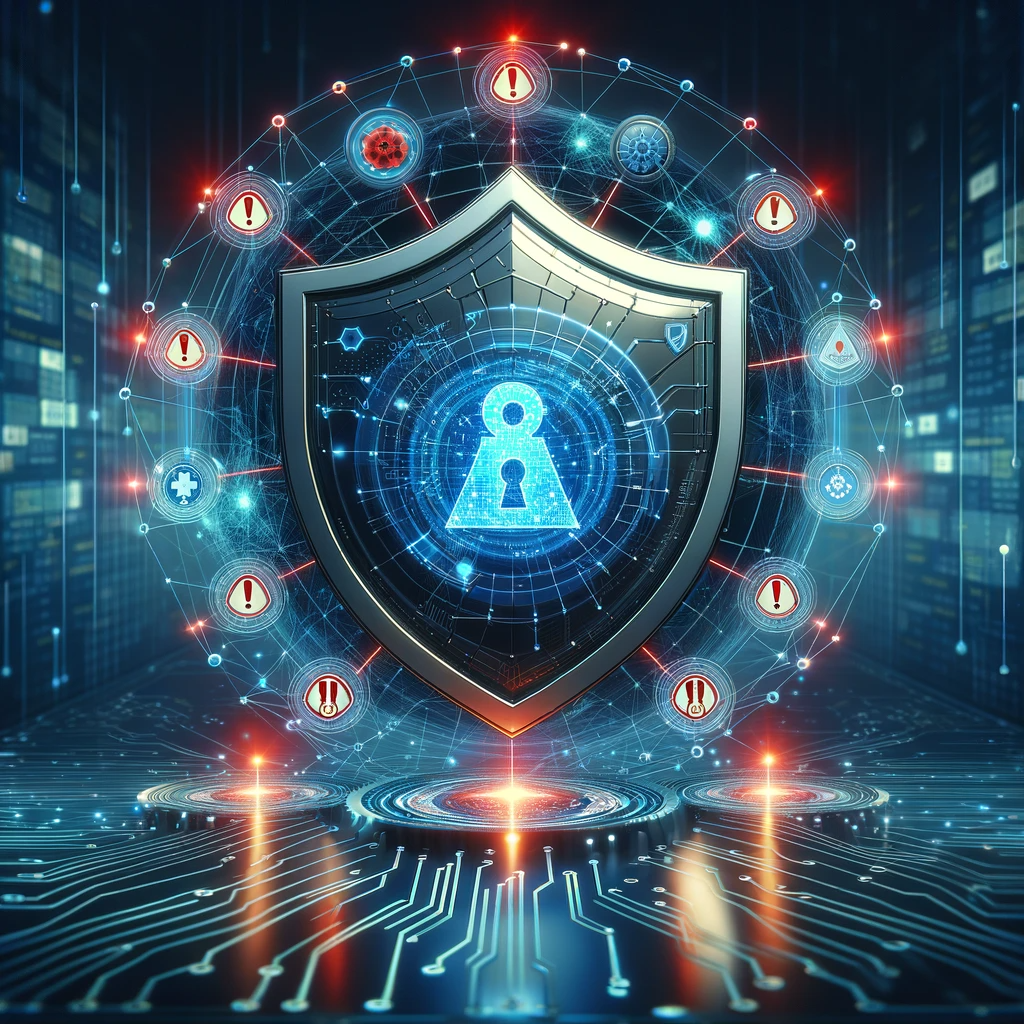
Smarter, Faster, Safer – How AI Is Changing Cybersecurity Forever
Smarter, Faster, Safer – How AI Is Changing Cybersecurity Forever
- The digital world is filled with threats to our information security, making cybersecurity essential.
- Artificial intelligence (AI) enhances cybersecurity by quickly analyzing data and predicting threats.
- AI’s capabilities can alleviate concerns about data safety, offering peace of mind.
- Trust in cybersecurity is deepened by AI’s ability to digest large amounts of information faster than humans.
- Ethical responsibility lies with businesses to use AI for protecting employees and clients, fostering a secure environment.
- Human insight remains critical in cybersecurity, with professionals guiding the use of AI technologies.
- We have an opportunity to innovate cybersecurity practices through AI, making our digital environments safer.

Smarter, Faster, Safer – How AI Is Changing Cybersecurity Forever
Table Of Contents
- Smarter, Faster, Safer – How AI Is Changing Cybersecurity Forever
- How Can AI Protect Us From Emerging Cyber Threats?
- What Ethical Concerns Arise with AI In Cybersecurity?
- Why Should We Trust AI to Safeguard Our Sensitive Data?
- What Narratives Highlight the Power Of AI In Combating Cybercrime?
- How Can AI Systems Adapt to Evolving Cyber Risk Landscapes?
- How Can We Balance Innovation with Privacy In AI-Enhanced Security?
- What Role Do Experts Play In Shaping AI for Cybersecurity?
- Conclusion
- Other Resources
- Glossary Of Terms
- Other Questions
- Haiku
- Poem
- Checklist
How Can AI Protect Us From Emerging Cyber Threats?
When we think about cybersecurity, it’s easy to feel a mix of confusion and concern. The digital world is our playground, but lurking within it are shadows that can disrupt every aspect of our lives. Cyber threats are evolving faster than we can keep up, and the stakes are high. Vulnerability isn’t just a technical issue; it’s about protecting our families, businesses, and values. That’s where artificial intelligence comes in, standing boldly at the forefront of our defense.
Picture a dedicated guardian, tirelessly working day and night, sifting through mountains of data, identifying threats before they have a chance to materialize. AI is that guardian, transforming our approach to cybersecurity with its ability to analyze patterns, learn from new data, and predict potential attacks. It’s not just about software or machines; it’s about the peace of mind we gain when we know there are advanced tools at work safeguarding our personal and financial information.
Think about a small business, maybe a cozy bakery down the street, relying on digital transactions and social media to thrive. If that business falls victim to a cyber attack, it could close its doors for good. But with AI-driven strategies in place, the bakery can operate with confidence, knowing there’s a vigilant system watching over its digital space. This isn’t just a technological upgrade; it’s an ethical imperative. We owe it to each other to build a secure digital landscape, where dreams can flourish without the looming fear of invasion.
Moreover, the beauty of AI in cybersecurity is its ability to foster a sense of community. It’s not a solo act; it’s like a chorus, drawing on the collective data insights from countless organizations to enhance protection universally. Each bit of data shared enhances this communal shield, making everyone safer. We’ve all heard the age-old wisdom: there’s strength in numbers. When we harness AI’s capabilities in this collaborative effort, we create a fortress of safety.
This isn’t just about algorithms and firewalls; it’s the future of our digital lives. Empowering ourselves with AI means standing tall against emerging threats, inspiring trust in our systems, and embracing a proactive attitude toward our security. So let’s connect, engage, and act—because a safer digital landscape isn’t just a dream; it’s a choice we can make together.

How Can AI Protect Us From Emerging Cyber Threats?
How Can AI Protect Us From Emerging Cyber Threats?
- Cybersecurity evokes confusion and concern as digital threats evolve rapidly.
- Vulnerability impacts families, businesses, and values, highlighting the need for protection.
- Artificial Intelligence (AI) serves as a dedicated guardian in cybersecurity, analyzing data to identify threats in advance.
- AI enhances peace of mind by safeguarding personal and financial information with advanced tools.
- Small businesses, like local bakeries, can thrive confidently with AI-driven cybersecurity strategies in place.
- AI fosters community by sharing data insights, creating a collective defense against cyber threats.
- Embracing AI in cybersecurity empowers individuals to face threats and work collaboratively for a safer digital future.

How Can AI Protect Us From Emerging Cyber Threats?
What Ethical Concerns Arise with AI In Cybersecurity?
In a world where our daily lives are interwoven with technology, the role of AI in cybersecurity becomes a double-edged sword, slicing through both the benefits and the ethical dilemmas we face. Picture this: your sensitive data, your financial transactions, and even your private conversations are all monuments built on trust. But what happens when that trust meets the cold, calculating algorithms of artificial intelligence?
Let’s start with the heart. Imagine a single mother whose home was breached, her identity stolen, her peace shattered. The emotional toll is palpable. AI systems, designed to protect, can inadvertently become predators. They can analyze behaviors, predict vulnerabilities, and even identify targets for malicious attacks. It’s a chilling thought. We’re entrusting our most intimate and vulnerable moments to machinery that, while smart, lacks a moral compass.
Then there’s the head—the rational side of the equation. While AI can detect and neutralize threats faster than any human could, it also raises questions about accountability. Who’s responsible when an AI fails? Is it the engineer who designed it, the corporation that deployed it, or the machine itself? As we blindfold ourselves with dependence on these technologies, we must consider where human oversight begins and the machine’s autonomy ends. If we relinquish too much control, we might find ourselves ensnared in a web of our own making.
Ethically, we stand at a crossroads. The fine line between security and privacy blurs with every algorithm deployed. How do we balance the need for protection with the rights of individuals? The mantra “better safe than sorry” rings true, but at what cost? The social implications are vast, fostering distrust not just in technology, but in each other. If we all become potential suspects in a digital landscape, where does that leave our sense of community?
In this era of digital reliance, we need to inspire trust and confidence—not just in the technologies we create but in the humanity behind them. The narrative we craft today will shape our digital future. We must engage in the dialogue, urging developers, policymakers, and everyday users to come together. The actions we take now may not just safeguard our data but preserve the human connections that bind us all. So, let’s be vigilant and proactive, ensuring that AI in cybersecurity becomes a guardian rather than a gatekeeper, steering our society into a future we can all believe in—one of safety, sovereignty, and shared responsibility.

What Ethical Concerns Arise with AI In Cybersecurity?
What Ethical Concerns Arise with AI In Cybersecurity?
- The integration of AI in cybersecurity presents both benefits and ethical dilemmas.
- AI systems are designed to protect sensitive data, but they can inadvertently become threats.
- Emotional impact is significant when technology compromises individuals’ privacy and security.
- Questions of accountability arise when AI fails—who is responsible for its actions?
- The balance between security and privacy is increasingly difficult to navigate.
- Increased reliance on technology can foster distrust within communities.
- There is a need for collaboration among developers, policymakers, and users to ensure that AI serves as a protector of human values.

What Ethical Concerns Arise with AI In Cybersecurity?
Why Should We Trust AI to Safeguard Our Sensitive Data?
When it comes to the safety of our sensitive data, the question isn’t just whether we should trust AI—it’s about the world we want to create for ourselves and future generations. Imagine a life where your personal information isn’t just locked away, but actively safeguarded by a vigilant sentinel, one that learns and adapts with every attack it encounters. That’s the promise of AI-driven cybersecurity.
Many of us remember the gut-wrenching tales of cyber breaches that have invaded every corner of our lives—credit card numbers swiped, personal emails exposed, identities stolen. It’s easy to feel overwhelmed amidst such chaos and uncertainty. But here’s the beacon of hope: AI isn’t just a collection of intimidating algorithms; it’s a tool designed to learn from its environments, protect data more efficiently, and respond faster than any human could in crises.
Think about it this way: the human element, while invaluable, is often marred by errors and fatigue. We’ve all had days where our focus drifts. AI, on the other hand, tirelessly monitors networks, identifying potential threats before they even have a chance to morph into real harm. It harnesses advanced machine learning to analyze patterns, learning from vast amounts of data in real-time. This isn’t just wishful thinking; it implies a robust system that evolves, just as threats evolve.
Ethically speaking, the use of AI for cybersecurity is underpinned by a commitment to diligence and responsibility. Industry leaders are dedicated to developing these technologies with one guiding principle in mind: safeguarding our right to privacy while strengthening our defenses against those who aim to exploit our vulnerabilities. This isn’t about blind faith; it’s about understanding the superior capabilities AI brings to the table.
We also need each other to foster this bond of trust. When organizations choose AI for cybersecurity, they aren’t merely investing in technology; they’re making a statement about the value placed on their customers’ safety. It’s a collective journey towards resilience, one where our shared experiences, successes, and, yes, even our failures fortify our conviction in these systems.
So let’s embrace this partnership with AI, an ally that can bolster our defenses and help write new narratives of security. Together, we can forge a landscape where our sensitive data isn’t merely protected—it thrives.

Why Should We Trust AI to Safeguard Our Sensitive Data?
Why Should We Trust AI to Safeguard Our Sensitive Data?
- The safety of sensitive data relies on the future we wish to create with AI-driven cybersecurity.
- AI can actively safeguard personal information by learning and adapting to each cyber attack it encounters.
- Cyber breaches can lead to overwhelming feelings of chaos and uncertainty due to identity theft and data exposure.
- AI serves as a powerful tool that learns from its surroundings and responds faster than humans to protect data.
- AI tirelessly monitors networks to identify potential threats before they escalate into real harm.
- Ethics in AI cybersecurity focus on protecting privacy while enhancing defenses against vulnerabilities.
- Investing in AI for cybersecurity demonstrates a commitment to customer safety and collective resilience.

Why Should We Trust AI to Safeguard Our Sensitive Data?
What Narratives Highlight the Power Of AI In Combating Cybercrime?
In a world where digital landscapes can feel as treacherous as uncharted waters, the fight against cybercrime is a modern-day battle that affects us all. Imagine a small business owner, painstakingly building her dream, only to have it threatened by unseen adversaries lurking behind a screen. This isn’t just her struggle; it’s representative of a larger narrative—a narrative where artificial intelligence (AI) emerges not just as a tool, but as a steadfast ally in the realm of cybersecurity.
The stories of triumph are what ignite our passion. Consider the case of a mid-sized bank that was plagued by constant phishing attacks. Every day felt like a high-stakes game where the odds were stacked against them. Enter AI—not just as a technological solution but as a guardian, tirelessly analyzing patterns and learning from each encounter. The bank’s security team could redefine their role, leveraging AI’s insights to stay a step ahead of cybercriminals. This powerful partnership didn’t merely protect the bank; it secured the livelihood of employees and customers, creating a ripple effect of trust within the community.
Now let’s engage the head. According to numerous studies, AI systems can detect anomalies far faster than any human ever could. This is not just about speed; it’s about precision. Imagine knowing that potential breaches are identified in seconds, granting peace of mind to millions who depend on secure digital interactions. Data breaches, threats, and vulnerabilities become manageable when paired with intelligent systems that not only react but anticipate.
From an ethical standpoint, who stands to gain when we empower AI in cybersecurity? It’s the innocent users—the students, families, and professionals—who are most vulnerable. We face a collective responsibility to protect their digital lives, and AI is our best line of defense. By choosing to harness this technology, we’re making a clear statement: cybercrime will not prevail on our watch.
In this social landscape, stories like that of the bank spread like wildfire. Communities come together—not just to celebrate victories, but to learn from setbacks, emphasizing collaboration continually. When companies publicly share their successes with AI, it fosters a culture of trust and shared responsibility.
As we look to the future, it’s crucial we embrace this partnership, not just with AI but with each other. Together, we can build a robust fortress against cybercrime, ensuring that our dreams and digital landscapes remain secure. It’s more than tech—it’s about protecting what matters most.

What Narratives Highlight the Power Of AI In Combating Cybercrime?
What Narratives Highlight the Power Of AI In Combating Cybercrime?
- Cybercrime poses a significant threat to individuals and businesses in the digital landscape.
- Artificial intelligence (AI) emerges as a crucial ally in combating cybercrime.
- A mid-sized bank faced with phishing attacks transformed its cybersecurity approach through AI, enhancing protection and community trust.
- AI systems can quickly detect anomalies, outperforming human capabilities in both speed and precision.
- Empowering AI in cybersecurity protects vulnerable users, including students and professionals.
- Sharing success stories of AI implementation fosters a culture of trust and collaboration among communities.
- Embracing partnerships with AI and each other is essential for building a secure digital future.

What Narratives Highlight the Power Of AI In Combating Cybercrime?
How Can AI Systems Adapt to Evolving Cyber Risk Landscapes?
In today’s fast-paced digital world, the ever-evolving landscape of cybersecurity presents challenges that feel insurmountable at times. But amid these trials lies an opportunity—one that sparks ingenuity and resilience. Imagine AI systems not merely as reactive tools, but as proactive guardians, staying a step ahead of the criminals lurking in the shadows.
Picture a scenario where an AI system, much like a trusted ally, learns from each new threat, adapting and evolving in real-time. It’s not just about coding algorithms; it’s about crafting an intelligence that understands the intricacies of human behavior and the cunning methods of cyber adversaries. Data isn’t just amassed; it transforms into insight, becoming a tool for predicting cyber threats that haven’t even manifested yet. The heart of this approach lies in understanding that cybersecurity is not just a technological challenge, but a human one—a call to protect our vulnerabilities.
Rationally, it makes sense to leverage AI’s unparalleled speed and capacity to analyze vast datasets. While a human cybersecurity expert may take days to identify a pattern, AI systems can detect anomalies within seconds. This efficiency not only saves time but also resources. But, as we rush toward automation, we must pause and consider the ethical implications. It’s essential to strike a balance, ensuring that while our systems are robust, they remain respectful of privacy and human dignity.
It’s about connection, too. The conversation around cybersecurity often falls to the sidelines, a jargon-laden topic most find intimidating. Yet, the truth is, we are all players in this digital arena. Whether you’re a corporate giant or an everyday user, your actions matter. AI’s ability to adapt invokes a communal spirit—an engagement where everyone plays a role in safeguarding the vast digital landscape we share.
As we navigate these perilous waters together, we must foster a sense of trust. It takes a collective effort, the wisdom of technologists and the vigilance of everyday users, to maintain not just the integrity of our systems but the security of our broader community. Cybersecurity isn’t a solo expedition; it’s a team sport, and each one of us plays a critical part. So, let’s arm ourselves with knowledge and action, trusting in the power of AI as our steadfast ally in this relentless battle. Together, we can not only adapt but flourish amid the evolving threats, turning fear into fortitude.

How Can AI Systems Adapt to Evolving Cyber Risk Landscapes?
How Can AI Systems Adapt to Evolving Cyber Risk Landscapes?
- The fast-paced digital world presents significant cybersecurity challenges.
- AI should be viewed as proactive guardians against cyber threats, not just reactive tools.
- AI systems can learn from threats in real-time, understanding complex human behaviors.
- AI excels in analyzing vast datasets quickly, detecting anomalies much faster than humans.
- While advancing automation in cybersecurity, ethical considerations around privacy are crucial.
- Cybersecurity is a collective responsibility, where everyone has a role in safeguarding the digital landscape.
- Building trust and collaboration among technologists and users is essential for maintaining security in the community.

How Can AI Systems Adapt to Evolving Cyber Risk Landscapes?
How Can We Balance Innovation with Privacy In AI-Enhanced Security?
In the ever-evolving world of cybersecurity, we often find ourselves walking a precarious tightrope: balancing groundbreaking innovation with the personal privacy that every individual deserves. The thrill of new technology—think AI-enhanced systems designed to safeguard us from the ever-present shadows of cyber threats—can ignite excitement in any tech enthusiast’s heart. But beneath that shine lies a crucial question: at what cost?
Imagine the promise of these advanced tools. They can predict threats, identify vulnerabilities, and respond to attacks faster than any human ever could. This is no small feat; it’s innovation of the highest caliber. Yet, let’s pause for a moment and ask ourselves: how many of us are genuinely comfortable with machines peering into our personal lives? The very essence of who we are—our habits, our preferences, our movements—can now be tracked and analyzed. It’s enough to make anyone’s stomach churn. Through the lens of empathy, we must respect and protect the human experience, acknowledging that behind every data byte is a life, a story, a person.
The rational side of us knows that a secure digital environment fosters trust. Employers want reassurance that their data—and in turn, their customers’ data—is safe. Consumers want to know that their privacy is paramount amidst this technological whirlwind. Transparency must become a guiding principle; organizations must articulate just how they’re harnessing the power of AI without trampling personal privacy. When organizations communicate their intent and the measures they take to safeguard data, it fosters a collective sense of confidence—a bridge built on the firm ground of ethical responsibility.
Moreover, let’s not forget the social contract we enter into every time we engage with technology. As we embrace innovation, we should also foster community discussions around privacy concerns. We have a duty to advocate for our families, our friends, and ourselves in this ever-powered digital age. We must champion proactive measures that empower individuals while promoting innovation.
The challenge is steep, but not insurmountable. By navigating this landscape with compassion, transparency, and a fervent desire to stay ahead of threats without compromising our humanity, we can create a future where technology and privacy coexist harmoniously—like dance partners, moving together to a rhythm that respects and protects us all. Together, we can forge a path that champions innovation while safeguarding our right to privacy.

How Can We Balance Innovation with Privacy In AI-Enhanced Security?
How Can We Balance Innovation with Privacy In AI-Enhanced Security?
- Cybersecurity involves balancing innovation with personal privacy.
- AI-enhanced systems can predict threats and respond to attacks more rapidly than humans.
- The tracking of personal habits and data raises significant privacy concerns.
- Trust in a secure digital environment is essential for both employers and consumers.
- Organizations must prioritize transparency about their use of AI and data protection measures.
- Community discussions on privacy should accompany technological innovation.
- With compassion and transparency, technology and privacy can coexist harmoniously.

How Can We Balance Innovation with Privacy In AI-Enhanced Security?
What Role Do Experts Play In Shaping AI for Cybersecurity?
When you think about the invisible world of cybersecurity, it’s easy to imagine lines of code and algorithms, but at the heart of it all are the experts—the unsung heroes who devote their lives to understanding and combating threats that lurk online. They’re the ones who roll up their sleeves, diving headfirst into a digital battlefield to create safeguards that protect individuals, businesses, and, indeed, our entire way of life.
These experts don’t just rely on degrees or certifications; they bring a wealth of experience gleaned from countless hours on the front lines. They’re the people who have witnessed firsthand how a single cyber breach can devastate a community or jeopardize national security. This real-world insight is not just invaluable; it’s a profound source of wisdom that shapes the tools and strategies used to safeguard our digital frontiers. Every algorithm they optimize, every security protocol they develop, stems from a place of deep understanding—not just of technology, but of the human element behind it.
The stakes could not be higher. Consider for a moment the impact of a cyber attack on a local hospital or a school’s database. These experts see the faces behind the data—patients waiting for critical care, students yearning to learn. Their work is not just about protecting information; it’s about preserving lives and maintaining trust within society. And trust is everything. We lean heavily on technology for our daily lives, from banking to personal communications, and these cybersecurity professionals are the gatekeepers ensuring that trust remains intact.
Moreover, as AI grows more sophisticated, these experts are at the forefront, merging ethics with innovation. They understand that while technology can empower us, it also poses moral dilemmas. Should AI decide who gets access to vital information? They wrestle with these questions, demanding accountability and transparency to ensure that as we push the boundaries of what’s possible, we also respect the fundamental rights of individuals.
Ultimately, experts in cybersecurity are not just technicians; they are storytellers. They narrate the tales of resilience and triumph against cyber threats, fostering a sense of community and collective responsibility. They engage with businesses, families, and even schools, transforming dry, technical jargon into relatable messages that resonate. They make it clear: cybersecurity isn’t just an IT issue; it’s a shared human endeavor. So, let’s support these guardians of our virtual lives and engage with them, drawing strength from their expertise, knowing that together, we can navigate the complex world of technology safely and securely.
What Role Do Experts Play In Shaping AI for Cybersecurity?
What Role Do Experts Play In Shaping AI for Cybersecurity?
- Cybersecurity experts are the unsung heroes protecting against online threats.
- They rely on real-world experience rather than just degrees or certifications.
- Understanding the human impact of cyber breaches informs their strategies.
- Cyberattacks on critical institutions like hospitals or schools can have devastating effects.
- These professionals ensure the integrity of our trust in technology.
- As AI evolves, they address ethical dilemmas, emphasizing accountability and transparency.
- Cybersecurity is a shared human endeavor that requires community engagement and support.

What Role Do Experts Play In Shaping AI for Cybersecurity?
Conclusion
Every time we log onto our devices, we don’t just connect to the world; we open ourselves up to an unseen battlefield filled with unseen risks. Each message sent or transaction completed carries the weight of trust—trust that our data is secure, that our lives won’t be interrupted by a breach. In this vital arena, artificial intelligence is emerging not merely as a tool but as a steadfast ally, transforming our cybersecurity landscape from a vulnerable patchwork into a fortified bastion.
Visualize the guardianship AI provides. It tirelessly scans through oceans of data, analyzing patterns and predicting threats faster than any human ever could. While it’s easy to feel overwhelmed by the rapid pace of cyber threats, knowing there’s a sophisticated system on the lookout can provide peace of mind, allowing us to focus on living our lives. This isn’t just about zeros and ones—this is about protecting families and preserving small businesses, like that local bakery whose digital transactions ensure their survival.
Yet, with every great leap in technological capability comes a weighty ethical responsibility. We must wield this power wisely, ensuring that privacy is respected even as we enhance our defenses. Transparency becomes paramount—businesses that embrace AI-driven cybersecurity must communicate clearly how they’re using these technologies to protect our personal information. Together, we foster trust and build a resilient digital community.
A strong partnership between AI and human expertise is essential to maximizing these innovations. Cybersecurity experts, armed with experience and intuition, guide the technology, ensuring there’s oversight where it counts. This collaboration underscores our critical need for human insight: the algorithms are impressive, but it is the expertise behind them that imparts a moral compass to their deployment.
The narratives emerging from this sphere are powerful. They tell stories of resilience, where organizations overcome threats with proactive measures, invariably creating ripples of trust throughout communities. The reality is, when businesses share their battles and victories against cybercrime, they embolden others and create a culture of vigilance.
In the end, embracing AI in cybersecurity is not just about keeping threats at bay; it’s about collectively safeguarding our digital lives and our shared humanity. It’s a call to action for every one of us to participate in creating a safe, secure future. By harnessing this technology thoughtfully and collaboratively, we can transform our fears into confidence, ensuring that our digital age remains one of safety and connection.

Conclusion
Conclusion:
- Logging onto devices exposes individuals to a hidden battlefield of cybersecurity risks.
- Artificial intelligence (AI) is evolving from a tool to a crucial ally in enhancing cybersecurity.
- AI analyzes vast data sets to detect patterns and predict threats swiftly, offering peace of mind.
- With advancements in technology come ethical responsibilities, particularly regarding privacy and transparency.
- Combining AI with human expertise is vital for effective cybersecurity, ensuring moral oversight in technology deployment.
- Stories of resilience in organizations combating cyber threats foster community trust and vigilance.
- Embracing AI in cybersecurity promotes collective safety and connection in the digital age.

Conclusion
Other Resources

Other Resources
Here is a list of other resources you can review online to learn more:
- Atos
- Smartronix
- Cofense
- Tech Lock
- Kyber Security
- Domitek
- Aspire Technology Partners
- WordPress
- rSolutions
- F-Secure Corp.
- Datapath
- Spectrumwise
- Department of Homeland Security’s Cybersecurity and Infrastructure Security Agency
- Accent Computer Solutions
- Cybriant
- Verizon Managed Security Services
- Nixu
- Cyberattack Information Sheet
Use This Prompt To Get More Resources With Your Favorite Online AI Tool: Please provide me with a list of online articles with their URLs in a bulleted list that I can read regarding Smarter, Faster, Safer – How AI Is Changing Cybersecurity Forever

Other Resources
Glossary Terms
Smarter, Faster, Safer – How AI Is Changing Cybersecurity Forever – Glossary Of Terms
1. AI (Artificial Intelligence): Technology that simulates human intelligence processes, including learning, reasoning, and self-correction.
2. Cybersecurity: The practice of protecting systems, networks, and programs from digital attacks.
3. Threat Detection: The process of identifying potential security breaches or threats in a digital environment.
4. Machine Learning: A subset of AI that enables systems to learn from data and improve their performance over time without being explicitly programmed.
5. Automation: The use of technology to perform tasks without human intervention, leading to increased efficiency.
6. Anomaly Detection: The identification of patterns in data that do not conform to expected behavior, often used to spot security threats.
7. Malware: Malicious software designed to harm, exploit, or otherwise compromise computer systems and networks.
8. Phishing: A type of cyberattack where attackers impersonate legitimate entities to trick individuals into revealing sensitive information.
9. Ransomware: A form of malware that encrypts the victim’s data, demanding payment for the decryption key.
10. Intrusion Detection System (IDS): A device or software application that monitors networks for suspicious activities or policy violations.
11. Vulnerability Assessment: A systematic evaluation of security weaknesses in an information system.
12. Penetration Testing: An authorized simulated attack on a computer system to evaluate its security.
13. Incident Response: The process of addressing and managing the aftermath of a security breach or attack.
14. Data Encryption: The method of encoding information so only authorized parties can access it, protecting sensitive data from unauthorized access.
15. Firewall: A network security system that monitors and controls incoming and outgoing network traffic based on predetermined security rules.
16. Security Information and Event Management (SIEM): A solution that aggregates and analyzes security data from across an organization to provide real-time analysis of security alerts.
17. Zero Trust Security: A security model that assumes threats could be inside or outside the network, requiring strict verification for every request.
18. Predictive Analytics: The use of statistical algorithms and machine learning techniques to identify the likelihood of future outcomes based on historical data.
19. Cloud Security: The policies, technologies, and controls used to protect data, applications, and infrastructures involved in cloud computing.
20. User Behavior Analytics (UBA): The process of monitoring user activities to detect abnormal behavior that may indicate a security threat.
21. Data Loss Prevention (DLP): Strategies focused on ensuring that sensitive data does not get lost, misused, or accessed by unauthorized users.
22. Botnet: A collection of internet-connected devices that are infected and controlled by cybercriminals to conduct automated tasks.
23. Endpoint Security: A cybersecurity approach aimed at securing individual devices that connect to a network, such as laptops and smartphones.
24. Cyber Hygiene: Practices and steps that individuals and organizations take to maintain system health and improve security.
25. Threat Intelligence: Information that helps organizations understand and anticipate current and emerging threats.
26. Augmented Security: The enhancement of traditional security measures using AI and machine learning capabilities.
27. Cyber Resilience: The ability of an organization to prepare for, respond to, and recover from cyber incidents.
28. Blockchain Security: Security protocols and standards employed to protect blockchain networks and applications from cyber threats.
29. Privileged Access Management (PAM): Systems designed to control and monitor access to sensitive resources and data by users with elevated permissions.
30. Incident Lifecycle: The phases an incident goes through, from detection and analysis to containment, eradication, recovery, and post-incident review.

Glossary Of Terms
Other Questions
Smarter, Faster, Safer – How AI Is Changing Cybersecurity Forever – Other Questions
If you wish to explore and discover more, consider looking for answers to these questions:
- What specific AI technologies are currently being used in cybersecurity?
- How does AI enhance threat detection compared to traditional methods?
- What are some real-world examples of AI successfully preventing cyberattacks?
- What are the potential drawbacks of using AI in cybersecurity?
- How can individuals protect their data alongside AI technologies?
- What roles do companies play in regulating the ethical use of AI in cybersecurity?
- What measures can be taken to ensure AI systems are transparent and accountable?
- How can organizations build trust with their customers regarding AI usage?
- What training or skills do cybersecurity professionals need to effectively work with AI?
- How does AI address the evolving nature of cyber threats?
- What are the legal implications of using AI in cybersecurity?
- How can AI be utilized to foster community involvement in cybersecurity efforts?
- What future developments can we expect in AI-enhanced cybersecurity?
- How can businesses prepare for the integration of AI in their cybersecurity strategies?
- What ethical considerations should developers keep in mind when designing AI for cybersecurity?

Other Questions
Haiku
Smarter, Faster, Safer – How AI Is Changing Cybersecurity Forever – A Haiku
Guardians of our trust,
AI shields against the dark,
Together, we thrive.

Haiku
Poem
Smarter, Faster, Safer – How AI Is Changing Cybersecurity Forever – A Poem
In the digital realm, a frontier wild and wide,
We trust our lives, our dreams, on this vast, electric tide.
Yet shadows loom with threats unseen,
Where hackers scheme and data’s but a sheen.
Imagine a parent clicking “send,” with a heart that skips a beat,
Their child’s safety hangs by a thread, a looming cyber defeat.
But here comes AI, a sentinel so bright,
Smarter, faster, safeguarding our rights.
Patterns unfold under its watchful gaze,
With algorithms that learn in a never-ending maze.
From small businesses to families striving to thrive,
AI’s there, ensuring we not just survive.
But every tale has a moral, a lesson worth the fight,
We wield this power wisely, in the harshest of night.
For what is innovation without the ethical line?
To balance our freedoms, our trust must align.
When breaches strike, our stories unfold,
A mother, a baker, a tale yet untold.
With every attack, let’s come together strong,
Embrace the technology but keep humanity along.
Behind the screens, the experts toil,
Crafting the strategies, amidst digital soil.
Their wisdom and insight, our guiding light,
Navigating shadows, making futures bright.
This is our journey, a collective call to embrace,
The dance of innovation, interlaced with grace.
With AI at our side, let’s unite and refresh,
For in a safe digital world, our hopes do mesh.
Together we rise against the ongoing tide,
With trust in our hearts and AI as our guide.
A fortress built in community’s name,
Where safety and privacy win the game.

Poem
Checklist
Smarter, Faster, Safer – How AI Is Changing Cybersecurity Forever – A Checklist
Checklist: Embracing AI in Cybersecurity
*For the Heart: Emotional Appeals*
1. Reflect on personal experiences with cyber threats—how did it make you feel?
2. Consider the impact of a cyber breach on families and communities—what stories resonate with you?
3. Visualize a future where digital safety brings peace of mind to parents, businesses, and individuals.
*For the Head: Rational Appeals*
4. Research statistics on AI’s efficiency in detecting cyber threats—how does it compare to human capabilities?
5. Analyze case studies of businesses that successfully implemented AI in cybersecurity—what can you learn from their experiences?
6. Evaluate the potential return on investment (ROI) of adopting AI-driven cybersecurity solutions.
*For the Gut: Ethical and Social Appeals*
7. Identify ethical considerations in using AI for cybersecurity—how can we ensure technology respects privacy?
8. Discuss the social responsibilities of organizations in safeguarding customer data—what commitments should they uphold?
9. Reflect on your role in promoting trust and transparency in technology usage—how can you advocate for ethical practices?
*For Authority: Expert Engagement*
10. Seek advice from cybersecurity professionals on best practices for implementing AI—what insights can they share?
11. Attend webinars or workshops on AI and cybersecurity—what knowledge can industry leaders provide?
12. Stay informed about emerging technologies from reputable sources—who are the recognized authorities in the field?
*For Narrative: Shared Experiences*
13. Share personal stories or testimonials about how AI has positively impacted cybersecurity for you or your community.
14. Engage in discussions about collective experiences with cyber threats—how can these narratives help others?
15. Collaborate with peers to create awareness campaigns highlighting the importance of AI in safeguarding digital environments.
*For Community: Building Trust Through Collaboration*
16. Participate in community forums to discuss cybersecurity challenges—how can collaboration enhance security?
17. Encourage local businesses to implement AI-driven solutions—what support can you offer them?
18. Advocate for educational programs focusing on digital literacy and cybersecurity awareness—how can you contribute to a more informed society?

Checklist
At BestCyberSecurityNews, we help teach entrepreneurs and solopreneurs the basics of cybersecurity and its impact on their businesses by using simple concepts to explain difficult challenges.
Please read and share any of the articles you find here on BestCyberSecurityNews with your friends, family, and business associates.


