Protecting Your Family’s Future: How To Safeguard Your Legacy From Scams
By Tom Seest
At BestCyberSecurityNews, we help teach entrepreneurs and solopreneurs the basics of cybersecurity and its impact on their businesses by using simple concepts to explain difficult challenges.
Please read and share any of the articles you find here on BestCyberSecurityNews with your friends, family, and business associates.
What If Your Legacy Is At Risk Due to Rising Scams?
Picture this: you’ve built a life—your career, your family, your community. It’s a tapestry woven with years of hard work, dedication, and love. Now, as you look toward the horizon, you start to hear whispers about something ominous creeping in: scams. From online phishing attempts to identity theft, the digital world can be a minefield, and your legacy might unwittingly be caught in the crossfire.
We live in a time when just a few clicks can expose you to a universe of threats. Cybersecurity isn’t just a buzzword; it’s a lifeline for your hard-earned legacy. How does one protect that which has taken a lifetime to nurture? The first step is awareness. Understanding the methods scammers employ puts you at an advantage. It’s no longer enough to be vigilant; you must also be educated. Think of it as taking the time to learn how to drive—before you hit the road, you have to know the rules. The same goes for navigating our increasingly digital landscape.
And while you may think, “It’s not going to happen to me,” consider this: scammers are everywhere, and they’ve gotten clever. They blend into the fabric of our digital interactions so seamlessly, you might not even realize you’ve been entangled until it’s too late. However, it’s not about fear; it’s about empowerment. Just as you’ve built your legacy, you can build your defenses.
Educating yourself on tools and strategies for effective cybersecurity can make all the difference. Protecting your personal data doesn’t have to be daunting; think of it as a safeguard for your legacy, something worth fighting for. Invest in good antivirus software, keep your passwords as secure as your prized possessions, and be wary of too-good-to-be-true offers. These small steps can help secure your legacy against the rising tide of scams.
Moreover, foster conversations with family and friends about these risks. Community is our greatest ally in the fight against deceit. Share stories, swap tips, and reinforce the importance of vigilance together. After all, trust is built on communication, and shared knowledge can bolster defenses for everyone involved. As our world evolves, so should our approach to safeguarding what truly matters—our legacy. Embrace this challenge, and you’ll not only protect what you’ve built but also inspire those around you to do the same.

What If Your Legacy Is At Risk Due to Rising Scams?
What If Your Legacy Is At Risk Due to Rising Scams?
- Your life is a tapestry of hard work, family, and community, but scams threaten your legacy.
- Cybersecurity is essential in the digital world; awareness is the first step to protection.
- Understanding scam methods and being educated is crucial for navigating digital risks.
- Scammers have become sophisticated and blend into digital interactions, making vigilance necessary.
- Investing in antivirus software and safeguarding passwords are basic yet effective protective measures.
- Engage with family and friends about cybersecurity risks, fostering community awareness and support.
- Adapting our strategies to evolve with the digital landscape helps protect and inspire future generations.

What If Your Legacy Is At Risk Due to Rising Scams?
Table Of Contents
- What If Your Legacy Is At Risk Due to Rising Scams?
- What Types Of Scams Could Threaten My Legacy?
- How Can I Identify Potential Scams?
- What Steps Can I Take To Protect My Legacy?
- Who Should I Inform About My Plans To Avoid Scams?
- How Can I Educate My Family About Scams?
- What Legal Measures Can Safeguard My Legacy?
- Are There Signs That A Scam Is Targeting My Estate?
- Conclusion
- Other Resources
- Glossary Of Terms
- Other Questions
- Haiku
- Poem
- Checklist
What Types Of Scams Could Threaten My Legacy?
What Types of Scams Could Threaten My Legacy?
When we think about our legacies, we often picture family heirlooms, cherished memories, and the values we’ve instilled in future generations. But here’s a reality check: it’s not just about the trunk of antique jewelry your grandmother passed down or the life lessons you’ve imparted. In our increasingly digital world, there are new threats lurking in the shadows—chief among them, scams that can undermine all we’ve worked to build.
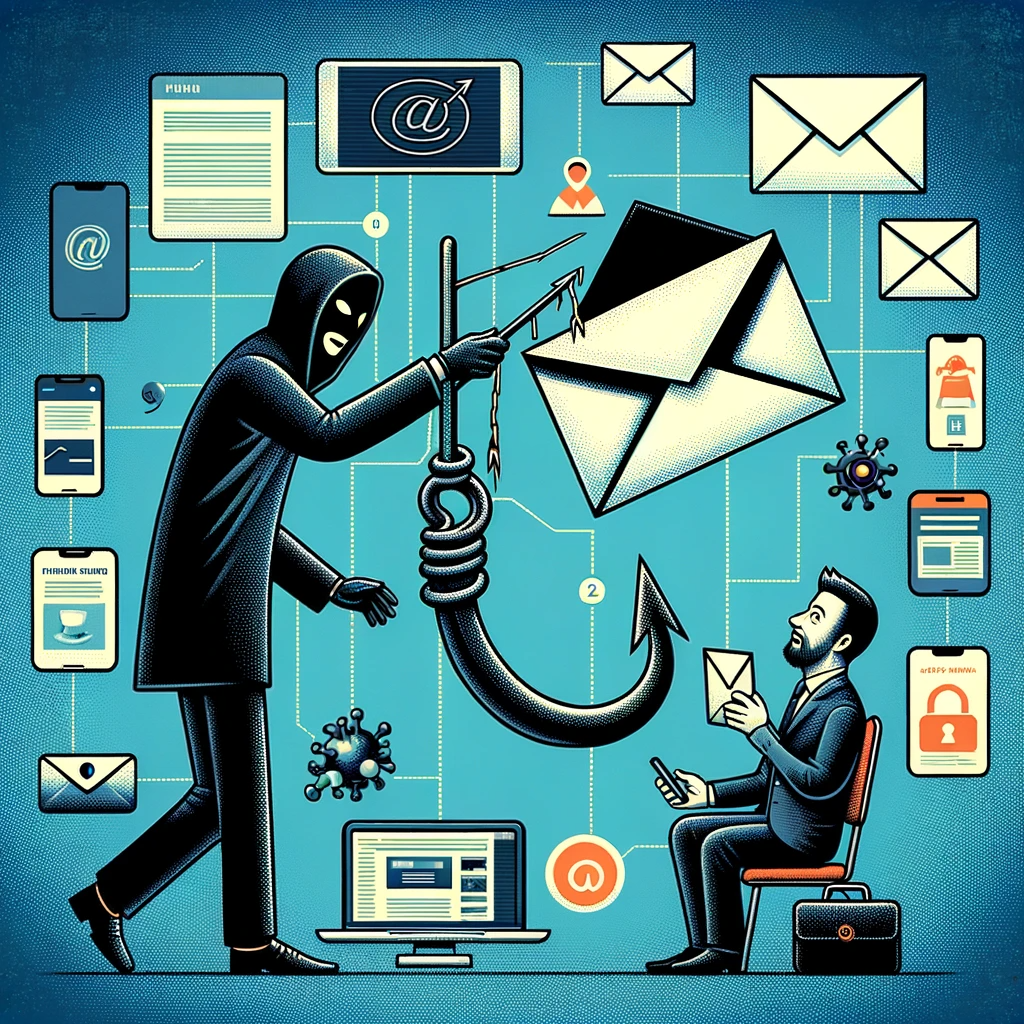
First off, let’s talk about phishing scams. No, not the kind that gets you out on the water with a line in your hand; I’m talking about those deceptive emails that land in your inbox, cleverly disguised to look like they’re from a trusted source. Imagine the heartbreak if someone impersonated your accountant or even your bank, tricking you into giving away sensitive information. Your financial stability, and by extension your legacy, could hang in the balance.
But it doesn’t stop there. Identity theft is like a thief in the night, slipping into your life and stealing not just your money but also your very identity. With the rise of digital transactions, your personal information is a hot commodity. Scammers can use it to open accounts in your name or even wrack up debt in your stead. It’s an invasion that could confuse and devastate your family, leaving them to sort through the wreckage long after you’re gone.
Then we have the allure of “investment opportunities” that sound too good to be true. The promise of high returns with little risk can be irresistible, but it often leads unsuspecting individuals down a rabbit hole of deceit. A scam could drain your savings, affecting not just your legacy but also the future of those you care about.
Now, let’s bring it back to cybersecurity. Think of it as your digital fortress. Safeguarding your information gives you the power to protect your legacy. Strong passwords, two-factor authentication, and regular monitoring of your accounts can make all the difference in securing what you’ve built.
So, what can you do? Start by having open conversations with your family about these risks. Don’t keep them in the dark; educate them about the potential pitfalls and how to avoid them. Because when it comes to your legacy, knowledge is just as important as the material wealth you leave behind. Protecting your legacy isn’t just about what you leave; it’s about how you safeguard it for those who come after you.

What Types Of Scams Could Threaten My Legacy?
What Types Of Scams Could Threaten My Legacy?
- Legacy isn’t just material items; it includes values and memories.
- Phishing scams can impersonate trusted sources to steal sensitive information.
- Identity theft can occur through digital transactions, impacting financial security.
- Fraudulent investment opportunities can lead to significant financial losses.
- Cybersecurity measures, like strong passwords and two-factor authentication, are essential for protection.
- Educate family members about potential scams and risks to protect the legacy.
- Safeguarding your legacy involves both material and informational security for future generations.

What Types Of Scams Could Threaten My Legacy?
How Can I Identify Potential Scams?
Let’s get real for a moment: scams are everywhere. Whether they’re lurking in your email inbox or creeping into your social media feeds, these digital predators are constantly on the prowl. The key to staying safe from con artists lies in being aware, informed, and a little skeptical. So, how can you arm yourself in this wild world of cybersecurity? It starts with the basics.
First off, trust your gut. If something feels off—like that strange text promising you’ve won a prize you never entered—it’s likely too good to be true. Scammers thrive on the thrill of the chase, preying on people’s hopes and dreams. They know how to pull at your heartstrings or tickle your curiosity, but these are the classic red flags. Take a step back, breathe, and don’t rush into clicking that link or providing personal information.
Next, let’s talk about the details. Scammers tend to overlook the finer points. Whether it’s a misspelled word in an official email or a website that looks a bit too janky—these are clues that you’re dealing with a potential scam. Pay close attention to the URLs of websites you visit. A legitimate company will have a professional appearance and a secure connection. If you see anything less, it’s a smart move to steer clear.
Another layer of protection comes from the community around you. Talk with your friends and family. Share your experiences and ask if they’ve encountered similar situations. It’s empowering and can lead to a collective knowledge that makes you all more resilient. Online forums, local groups, or even social media pages dedicated to cybersecurity can be fantastic resources. Scammers don’t just target individuals; they often cast a wide net. By staying connected, you build a support network that keeps everyone alert.
Finally, never underestimate the value of solid research. Before you even think about clicking that tempting offer, take a moment to do a quick search. A few minutes on the internet can save you a headache down the road. Look for reviews, complaints, or even news articles that mention the entity in question. Knowledge is power, and being informed helps boost your confidence against scams.
In this ever-evolving digital landscape, staying alert and skeptical is your best defense. So, keep your senses sharp, stay connected with your community, and always question before you act. Being prepared is half the battle in the ongoing fight against scams.

How Can I Identify Potential Scams?
How Can I Identify Potential Scams?
- Scams are prevalent across digital platforms, including emails and social media.
- Trust your instincts; if something seems suspicious, it probably is.
- Look for red flags, such as misspelled words and janky websites.
- Pay attention to website URLs and ensure they have a professional appearance and secure connection.
- Discuss experiences with friends and family to build collective knowledge about scams.
- Utilize online resources and community groups focused on cybersecurity for additional support.
- Conduct thorough research before engaging with offers or sharing personal information.

How Can I Identify Potential Scams?
What Steps Can I Take To Protect My Legacy?
When you think about your legacy, what comes to mind? Perhaps it’s the stories you’ll pass down through generations, the values you’ve instilled in loved ones, or the impact you’ve had on your community. Whatever it is, protecting that legacy shouldn’t feel overwhelming. In a world where everything seems to be just a click away—particularly in the realm of digital interactions—there are grounded, straightforward steps you can take to safeguard what’s important to you.
The first step towards protecting your legacy is to take a good, hard look at your digital presence. Cybersecurity is no longer just a buzzword thrown around in tech circles; it’s a critical component in preserving your life’s work. Just like you wouldn’t leave your front door wide open, you don’t want to leave your personal information vulnerable online either. Start by securing your accounts with strong, unique passwords and two-factor authentication. It may sound tedious, but this is like locking your doors before you head to bed—an essential, preventative measure.
Next, consider what you’d like to pass on. Perhaps you have incredible stories, photos, or wisdom encapsulated in old documents. The modern equivalent of playing catch with your grandkids is to organize and digitize those memories. Create a digital archive that’s both secure and accessible to the ones you love. Not only does this safeguard your legacy from being lost to the ages, but it also fosters connection among family members who can share, add to, and cherish these treasures.
Of course, the practical side of legacy protection extends to legal matters as well. Setting up a will or a trust may seem daunting, but it’s a form of empowerment. This ensures that your values—your prized collection of camping gear, that heirloom jewelry, or even your business—are passed down in accordance with your wishes. It’s your life’s work, after all, and it deserves to be guided with intention.
Finally, engage your loved ones in the conversations about your legacy and what it means for them. This not only opens the door for them to share their own wishes but also strengthens the bonds that form the foundation of a lasting legacy. In doing this, you’re not merely protecting your past; you’re actively enriching your future. So roll up your sleeves, and get to work—your legacy is worth every effort.

What Steps Can I Take To Protect My Legacy?
What Steps Can I Take To Protect My Legacy?
- Reflect on your legacy, including stories, values, and community impact.
- Start by assessing your digital presence and prioritize cybersecurity.
- Secure your online accounts with strong passwords and two-factor authentication.
- Organize and digitize your memories to create a secure digital archive.
- Establish a will or trust to ensure your wishes guide the distribution of your belongings.
- Engage loved ones in discussions about your legacy to strengthen family bonds.
- Take proactive steps to protect and enhance your legacy for future generations.

What Steps Can I Take To Protect My Legacy?
Who Should I Inform About My Plans To Avoid Scams?
In a world buzzing with online interactions and digital connections, it’s easy to get swept up in the current of technology. Yet, with that innovation comes the lurking shadow of scams and cyber threats. The good news? You can take steps to protect yourself, and the first step is letting the right people know about your plans for cybersecurity.
Start with your family and close friends. These are the folks who’ll stand by you no matter what. Sharing your concerns about potential scams not only helps them become more aware but also cultivates a support system you can rely on. By involving them in the conversation, you create an open dialogue about cybersecurity. Discuss phishing emails, identity theft, or suspicious messages you might’ve encountered recently. It might feel like a small step, but it plants the seeds for a community that can learn together and watch one another’s backs.
Next up: your workplace. If you’re part of a team or organization, alerting your colleagues about your plans to safeguard against scams could be a game-changer. Bring it up during team meetings or even in casual office conversations. Encourage discussions geared toward cybersecurity awareness. With so many of us working and communicating in digital spaces, fostering a culture of security not only protects you but also reinforces your collective guard against cyber threats.
Don’t forget about local resources. Many communities offer workshops or sessions on cybersecurity that are not just informative but also engaging. Let your neighbors, community groups, or clubs know about these opportunities. Sharing this information can empower those who might not be as tech-savvy and bolster overall community awareness. We all have a role to play, and your initiative might just be the motivation someone else needs to take action.
Lastly, consider connecting with organizations focused on cybersecurity awareness. From nonprofits to local law enforcement, these entities often provide resources and support for anyone looking to up their defenses against scams. Informing them about your proactive measures can lead to valuable insights and collaborative strategies.
In a nutshell, you are not alone on this journey. By sharing your plans with family, friends, colleagues, and community organizations, you set the foundation for a more secure future—one where scams have a harder time finding their way into your life. It’s all about standing together, staying informed, and taking that conscious step toward a safer digital experience.

Who Should I Inform About My Plans To Avoid Scams?
Who Should I Inform About My Plans To Avoid Scams?
- Online interactions come with risks of scams and cyber threats.
- Start by informing family and friends about your cybersecurity concerns.
- Creating an open dialogue promotes awareness and support within your circle.
- Alert colleagues at work to foster a culture of cybersecurity awareness.
- Engage local resources like community workshops for additional cybersecurity training.
- Connect with organizations focused on cybersecurity for valuable resources.
- By sharing your plans, you build a foundation for a more secure digital future.

Who Should I Inform About My Plans To Avoid Scams?
How Can I Educate My Family About Scams?
Gather ‘round the kitchen table one evening, maybe while savoring a slice of that homemade pizza your aunt always brings over. You’ve got a great opportunity right there—a chance to dive into the world of scams with your family without turning it into a lecture. The truth is, discussing cybersecurity isn’t just for techies; it’s for everyone who owns a digital device. And let’s face it, that’s pretty much all of us these days!
Start with stories. Everybody loves a good story, and a few “can you believe this happened to me?” accounts of scams can set the stage for a deeper discussion. Maybe it’s a tale of that email that looked legitimate but was a trap in disguise, or how someone got duped by a slick telemarketer. Relatable scenarios pull people in and show them just how real these hazards are.
Encourage questions—lots of them! Open up the floor to any concerns your family might have. This is where you can differentiate between what’s common sense and what might be a blind spot. Let’s be honest: we all think we’d never fall for a scam, but believing that puts us at risk. Create a safe space to admit doubts or past experiences without shame.
Next, offer tangible tips. You could make a list of common signs of scams—like poor spelling, high pressure to act quickly, or overly aggressive sales tactics—and hang it on the fridge. If everyone knows what to look for, they’ll be better equipped when they spot something fishy. This won’t just build confidence; it’ll foster a sense of community vigilance.
You might also want to introduce some basic cybersecurity practices to the mix. Encourage all family members to use strong passwords and two-factor authentication. This isn’t just tech jargon; it’s a shield to help protect what matters. You could even turn it into a family challenge—see who can come up with the most secure password using memorable phrases.
Remember, the goal here is connection. Scams are a serious topic, but if you can weave in a bit of humor and relatability, you’re more likely to engage your family and inspire them to take action. Knowledge is power, and together, you can build a fortress against the fraudsters lurking in the shadows.

How Can I Educate My Family About Scams?
How Can I Educate My Family About Scams?
- Discuss cybersecurity and scams in a casual, family-friendly setting, like around the kitchen table.
- Share relatable scam stories to engage family members and highlight real threats.
- Encourage open questions to address concerns and differentiate between common sense and blind spots.
- Create a visible list of common scam signs to enhance awareness and vigilance.
- Introduce basic cybersecurity practices, such as strong passwords and two-factor authentication.
- Transform cybersecurity into a family challenge to foster participation and learning.
- Use humor and relatability to make discussions engaging, aiming for connection and empowerment against scams.

How Can I Educate My Family About Scams?
What Legal Measures Can Safeguard My Legacy?
When it comes to leaving a legacy that outlasts you, it’s more than just your family photos or the old fishing rod you’ve used for decades. It’s about making sure the fruits of your labor are protected and passed down to those who mean the most to you. In today’s world, where threats can lurk just about anywhere—both in print and online—you’ll want to bolster your legacy with the right legal measures.
First and foremost, we’re talking about wills and trusts. Think of a will as your “blueprint” for what happens to your belongings. It’s where you spell out your wishes, ensuring that your prized possessions go to the right folks. A trust, on the other hand, can be a real game changer. It allows you to manage your assets while you’re alive and after you’re gone, giving you a bit more control over how your legacy is distributed. Plus, it can help avoid those lengthy probate processes that can turn family togetherness into family feuds.
Now, let’s not forget the digital age we live in. As quaint as it may sound, your online presence could also have value in terms of your legacy. Whether it’s your blog, social media accounts, or even the carefully curated playlists you’ve crafted over the years, this digital real estate needs securing. Cybersecurity measures are now a vital part of the conversation. With just the right legal documents, you can stipulate what happens to your online accounts and digital assets after you’re gone. After all, wouldn’t you rather your cat memes go to your niece, rather than fall into the abyss of the internet?
Protecting your legacy also means protecting yourself from potential disputes. Clear communication about your wishes and intentions can go a long way. Gathering your loved ones for a candid chat can make a world of difference. The more you can alleviate misunderstandings now, the less chance you’ll have of seeing family gatherings devolve into courtroom dramas down the line.
In the grand scheme of things, engaging in these legal measures isn’t just about paperwork; it’s about ensuring your legacy lives on, intact and true to your wishes. So take the time to consult with an attorney, discuss with your family, and don’t let your hard work fade into the background. You’ve built something worth protecting—take action today!

What Legal Measures Can Safeguard My Legacy?
What Legal Measures Can Safeguard My Legacy?
- Leaving a legacy involves more than just sentimental items; it’s about protecting and passing down your life’s work.
- Wills and trusts are essential legal tools to dictate the distribution of your belongings and manage assets.
- A will serves as a “blueprint” for your wishes, while a trust offers more control over your legacy and can prevent probate issues.
- In the digital age, your online presence and digital assets also hold value, necessitating their protection.
- Cybersecurity measures and legal documentation are crucial for specifying the fate of your online accounts after your passing.
- Clear communication with loved ones can help prevent disputes and misunderstandings regarding your wishes.
- Consult with an attorney and involve your family to ensure that your legacy remains intact and true to your desires.

What Legal Measures Can Safeguard My Legacy?
Are There Signs That A Scam Is Targeting My Estate?
In today’s digital landscape, where we live half our lives online, the stakes surrounding your estate can feel daunting. It’s no longer just about who gets Grandma’s china or the family cabin by the lake. The modern estate is increasingly defined by digital assets, online accounts, and even virtual currencies. Unfortunately, with the convenience of technology comes a higher risk of scams targeting those very assets. So how can you tell if your estate might be in the crosshairs?
First up, let’s talk about unsolicited communications. If you receive odd emails or messages, claiming to be from banks or government agencies—maybe they want to verify your assets or inform you of an “urgent” matter concerning your estate—tread cautiously. Scammers love to create a sense of urgency, a tactic designed to apply pressure and catch you off guard. It’s like fishing with a flashy lure; if you bite, you could end up losing a whole lot more than you planned.
Next, be aware of any strange activities related to your accounts. Have you noticed new accounts that you didn’t open? Or requests for personal information that seem out of the ordinary? It’s crucial to stay vigilant and regularly review financial statements and asset registries. Just like you would check on a family heirloom, give your digital holdings the same scrutiny.
Also, consider your online security habits. Are you using strong, unique passwords for each account? Cybersecurity isn’t just a tech buzzword; it’s your first line of defense against potential scams. Enable two-factor authentication wherever possible. Think of it as adding a secondary lock to your door—one that makes it that much harder for unwanted visitors to slip in.
Finally, trust your instincts. If something doesn’t feel right—whether it’s an unsolicited phone call, an email you weren’t expecting, or anything that feels off—don’t brush it aside. There’s no harm in double-checking. Inform yourself, ask questions, and seek advice from trusted professionals. Remember, it’s not paranoia; it’s prudence.
So keep your eyes open and your defenses up. With a little vigilance and proactive cybersecurity measures, you can safeguard your estate against those who might take advantage of it. An educated property owner is a protected one, and that’s the best legacy you can leave behind.

Are There Signs That A Scam Is Targeting My Estate?
Are There Signs That A Scam Is Targeting My Estate?
- Digital assets, online accounts, and virtual currencies are crucial parts of modern estates.
- Unsolicited communications from banks or government agencies may indicate potential scams.
- Stay vigilant for strange activities in your accounts, such as unfamiliar accounts or unusual information requests.
- Regularly review financial statements and asset registries for unexpected changes.
- Use strong, unique passwords for each account, and enable two-factor authentication for added security.
- Trust your instincts; if something feels off, don’t hesitate to investigate further.
- Proactive cybersecurity measures can protect your estate and ensure a secure legacy.

Are There Signs That A Scam Is Targeting My Estate?
Conclusion
In a world where your legacy can feel as fragile as a strand of spider silk, it’s time we have a serious conversation about the rising tide of scams threatening all we hold dear. You’ve spent years cultivating a life full of hard work, achievements, and cherished memories—the kind of stuff that goes beyond mere possessions. So, how do we protect all that when digital predators are lurking around nearly every corner? The answer is empowerment through awareness and action.
First, let’s get one thing straight: scams aren’t just a nuisance—they’re a full-blown enemy of your legacy. From phishing emails disguised as your trusted bank to the insidious lurking of identity theft, these threats can quickly unravel years of blood, sweat, and tears. Just as you wouldn’t leave your house without locking the door, don’t leave your digital identity open for the taking. It starts with understanding the tactics of these fraudsters. You’ve got to know their playbook if you’re going to stop them from disrupting your life.
Education is key here. Arm yourself and your loved ones with knowledge about scams. Share stories around the dinner table, discuss strategies, and stay connected with each other. Building a community that looks out for one another, sharing tips on recognizing red flags and dubious offers, is one of the best defenses you can put up. Just like your grandmother’s secret sauce, it’s all about sharing those family recipes, but in this case, we’re talking about preserving your legacy.
Implementing solid cybersecurity measures shouldn’t feel daunting. Strong, unique passwords, two-factor authentication, and regular account monitoring are your digital locks and alarms. And guess what? It’s not just about protecting yourself; it’s about creating a ripple effect. When you instill good habits in your family, it creates a culture of vigilance that can have a lasting impact.
Let’s not forget the nitty-gritty of legal measures: wills, trusts, and open conversations about your intentions can ensure that not only do assets get passed down, but so do values. Talk to your loved ones today—because protecting your legacy is a responsibility that we all share. In the face of rising scams, building a firewall around what matters means knocking on doors, having tough conversations, and making informed decisions.
So, let’s embrace this challenge together. Your legacy deserves more than just to survive; it should thrive. Protect it with everything you’ve got—because there’s too much at stake to leave it vulnerable. When we step up, stay informed, and support each other, we can make those scams think twice before they mess with our legacies.

Conclusion
Conclusion:
- Scams pose a serious threat to the legacy cultivated through years of hard work and cherished memories.
- Understanding the tactics of fraudsters is essential in protecting one’s digital identity.
- Education and awareness about scams should be shared within families and communities.
- Implementing strong cybersecurity measures, such as unique passwords and two-factor authentication, is crucial.
- Legal measures like wills and trusts help ensure values and assets are passed down.
- Building a culture of vigilance can have a lasting impact on protecting against scams.
- Collective action and informed conversations empower individuals to safeguard their legacies.

Conclusion
Other Resources

Other Resources
Here is a list of other resources you can review online to learn more:
- NetSecurity Tecnologia
- Pulse Technology
- Google My Business
- LMNTRIX
- IND Corporation
- VirtualArmour
- Cognizant
- Cyberint
- Instapaper
- Ascend Technologies LLC
Use This Prompt To Get More Resources With Your Favorite Online AI Tool: Please provide me with a list of online articles with their URLs in a bulleted list that I can read regarding What If Your Legacy Is At Risk Due to Rising Scams?

Other Resources
Glossary Terms
What If Your Legacy Is At Risk Due to Rising Scams? – Glossary Of Terms
1. Legacy: The values, assets, and memories passed on from one generation to another, encompassing family traditions, wealth, and personal influence.
2. Scam: A deceitful scheme or fraudulent activity aimed at gaining money or personal information from individuals, often exploiting their trust or fear.
3. Fraud: Wrongful or criminal deception intended to result in financial or personal gain, often involving misrepresentation or concealment.
4. Identity Theft: The unauthorized use of someone’s personal information, such as Social Security numbers or bank account details, to commit fraud or financial crime.
5. Elder Abuse: A crime that encompasses various forms of abuse or neglect directed toward older individuals, often including financial exploitation and scams targeting vulnerable seniors.
6. Cybersecurity: The protection of computer systems, networks, and data from theft, damage, or unauthorized access, essential for safeguarding personal and financial information.
7. Phishing: A fraudulent attempt to obtain sensitive information by pretending to be a trustworthy entity through electronic communication, commonly via emails.
8. Investment Scam: A fraudulent scheme involving investments that promise high returns with little risk, often targeting individuals intending to grow their wealth.
9. Ponzi Scheme: A type of fraud that pays returns to earlier investors with funds from newer investors rather than from profit earned by the operation of a legitimate business.
10. Vishing: A variant of phishing where scammers use phone calls or voicemail messages to trick individuals into revealing personal information.
11. Scare Tactics: Manipulative strategies used by scammers that invoke fear, urgency, or a sense of threat to compel victims into making hasty decisions.
12. Report: The action of notifying authorities or organizations about fraudulent activities, which is crucial in preventing further scams and protecting others.
13. Due Diligence: The research and analysis conducted before entering into an investment or business deal to avoid scams and ensure the legitimacy of parties involved.
14. Referral: A recommendation from a trusted individual regarding a person or service, important in verifying legitimacy and avoiding scams.
15. Awareness Campaign: Initiatives aimed at educating the public about scams and fraud prevention, helping individuals recognize and combat fraudulent activities.
16. Legal Protections: Laws and regulations designed to safeguard individuals from fraud, identity theft, and other financial crimes, offering recourse for victims.
17. Financial Planning: A comprehensive strategy for managing finances, which includes protecting assets and legacies against scams and unforeseen financial risks.
18. Trust: The reliance on the integrity or ability of a person or organization, often manipulated by scammers to gain access to resources or information.
19. Victim Support Services: Organizations or programs that aid individuals who have suffered from scams, offering counseling, legal advice, and recovery resources.
20. Forensic Accounting: The use of accounting principles and methodologies to investigate financial discrepancies, often employed to uncover fraud and scams.
21. Awareness Training: Educational programs designed to help individuals recognize and respond to potential scams, often focusing on alertness and risk management.
22. Fraud Alert: A notification placed on a credit report alerting creditors to take extra steps in verifying identity before issuing credit, used to prevent identity theft.
23. Imposter Scam: A scheme in which a scammer pretends to be someone else (like a government official or a relative) to gain money or personal information from their target.
24. Scam Tracker: Tools or websites that allow individuals to report scams and view trends in fraudulent activity, helping others to stay informed about potential threats.
25. Asset Protection: Strategies designed to protect a person’s wealth and assets from creditors, claims, and scams, crucial for preserving one’s legacy.
26. Charitable Fraud: Scams that exploit charitable giving by posing as legitimate organizations to solicit donations, often during times of crisis or disaster.
27. Data Breach: An incident where unauthorized access is gained to sensitive or confidential information, often resulting in identity theft or fraud.
28. Individual Retirement Account (IRA): A tax-advantaged investment vehicle designed to help individuals save for retirement, susceptible to scams if not properly monitored.
29. Consumer Education: Informational programs and resources aimed at instructing individuals about their rights and responsibilities, helping to reduce the risk of falling victim to scams.
30. Scam Prevention: Measures taken to reduce the risk of being defrauded, including vigilance, information verification, and involvement in community awareness programs.

Glossary Of Terms
Other Questions
What If Your Legacy Is At Risk Due to Rising Scams? – Other Questions
If you wish to explore and discover more, consider looking for answers to these questions:
- What are the most common types of scams targeting individuals today?
- How can I recognize phishing emails and other deceptive communications?
- What are the best practices for creating strong passwords?
- How can I monitor my accounts for suspicious activity?
- What cybersecurity tools do I need to protect my digital assets?
- What role does insurance play in protecting my legacy from scams?
- What should I do if I fall victim to a scam?
- How can I set up a trust to protect my assets effectively?
- What resources are available for community education on scams?
- How often should I review my digital security measures?
Other Questions
Haiku
What If Your Legacy Is At Risk Due to Rising Scams? – A Haiku
Guard your legacy,
Scams lurk in shadows unseen;
Knowledge is your strength.

Haiku
Poem
What If Your Legacy Is At Risk Due to Rising Scams? – A Poem
In Shadows Where Scammers Lurk
In a tapestry woven with care,
A legacy built, both rich and rare,
Yet whispers arise of deceit in the night,
Scams creep like shadows, dimming the light.
Once a world of family tales,
Now digital realms where trust often fails,
Phishing and theft, masked with a guise,
A thief in the silence, beneath friendly skies.
Awareness, the armor, knowledge the sword,
Educate yourselves, let vigilance be stored.
Secure your passwords, create strong defenses,
A digital fortress against whims and pretenses.
Gather your loved ones, share stories of woe,
Open the dialogue so wisdom can flow.
Discuss all the tricks that the rogues might employ,
Building a network of strength, heart, and joy.
With wills and with trusts, lay your wishes to rest,
Guard what you cherish, for they are your best.
In documents clear, let your values connect,
A legacy safeguarded, it’s your love to protect.
So embrace this challenge, let fear fade away,
For empowering knowledge is the light of the day.
In unity, be strong, and together, you’ll find,
A legacy thriving, with family aligned.

Poem
Checklist
What If Your Legacy Is At Risk Due to Rising Scams? – A Checklist
Checklist: Safeguarding Your Legacy from Scams
1. Stay Informed
_____ Educate yourself on common types of scams (phishing, identity theft, investment fraud).
_____ Share recent scam stories with family and friends to raise awareness.
2. Review Cybersecurity Practices
_____ Create strong, unique passwords for all accounts.
_____ Enable two-factor authentication (2FA) where available.
_____ Regularly update your antivirus software.
3. Protect Personal Information
_____ Be cautious with unsolicited emails or messages asking for personal information.
_____ Monitor financial statements for unusual transactions or accounts.
4. Engage with Family
_____ Initiate conversations about scams and digital safety with family and friends.
_____ Create a list of warning signs of scams and share it with loved ones.
5. Organize and Digitize Legacy Materials
_____ Digitize important documents, photos, and stories of your legacy.
_____ Ensure digital archives are stored securely and made accessible to family members.
6. Establish Legal Protections
_____ Prepare a will or trust to dictate the distribution of your assets.
_____ Detail wishes regarding your digital assets in your will, including online accounts and social media.
7. Connect with Community Resources
_____ Attend local workshops or seminars on cybersecurity and scams.
_____ Collaborate with community organizations focused on cybersecurity awareness.
8. Trust Your Instincts
_____ Be skeptical of offers or communications that seem too good to be true.
_____ When in doubt, research before acting on unsolicited messages or offers.
9. Regularly Assess Your Online Presence
_____ Conduct regular audits of your digital accounts and their security measures.
_____ Update security settings and remove unnecessary accounts that may expose your information.
10. Cultivate a Support Network
_____ Encourage open discussions about scams and safety within your community.
_____ Form a group with friends or family to share alerts and experiences regarding scam attempts.
By following this checklist, you can take proactive steps to protect your legacy and ensure that it remains intact for future generations. Stay vigilant and educate those around you to build a stronger defense against scams.

Checklist
At BestCyberSecurityNews, we help teach entrepreneurs and solopreneurs the basics of cybersecurity and its impact on their businesses by using simple concepts to explain difficult challenges.
Please read and share any of the articles you find here on BestCyberSecurityNews with your friends, family, and business associates.