


Uncover The Truth About Protecting Your Privacy
By Tom Seest
At BestCyberSecurityNews, we help teach entrepreneurs and solopreneurs the basics of cybersecurity and its impact on their businesses by using simple concepts to explain difficult challenges.
Please read and share any of the articles you find here on BestCyberSecurityNews with your friends, family, and business associates.
Is Your Personal Information Untouchable Now?
In a world that’s increasingly interconnected, where our lives are largely lived online, the notion of personal information being untouchable seems almost laughable at times. You wake up, grab your coffee, and scroll through your phone, looking to catch up with the world while simultaneously sharing bits of your own life. And you know what? That’s entirely normal. But here’s where it gets a bit dicey—how much of who you are, what you do, and where you go is floating around in cyberspace, just waiting for the wrong pair of eyes to catch a glimpse?
The truth is, our personal information is a treasure trove for those with less-than-honorable intentions. Cybersecurity isn’t just a tech buzzword; it’s a lifeline in our digital age. Think of cybersecurity as your gatekeeper—though it may not wear a uniform, it’s tasked with protecting everything from your bank details to your snazzy online shopping habits. But is it truly enough to keep your information safe?
When it comes to protecting ourselves in this digital minefield, a one-size-fits-all solution simply doesn’t exist. Just as you wouldn’t leave your front door wide open in a bustling neighborhood, you shouldn’t make yourself an easy target online. Engage with reputable cybersecurity tools, educate yourself about phishing scams, and make a habit of changing your passwords more often than you change your oil.
What’s key here is the understanding that taking control of your personal information is an ongoing process, not a single action. It’s about setting the stage so your digital identity doesn’t fall victim to the shadows lurking just around the corner. And yes, it can feel daunting—that’s completely natural.
But remember, you’re not alone in this. We all share this digital space, and we all have a role to play in securing it. So let’s roll up our sleeves and be proactive. Your personal information—your identity—is worth protecting, and it’s within your power to keep it as untouchable as possible. Trust in your ability to navigate this landscape; take action, ask questions, and stay informed. After all, when it comes to your cybersecurity and protecting your personal data, being informed is the first step toward empowerment.
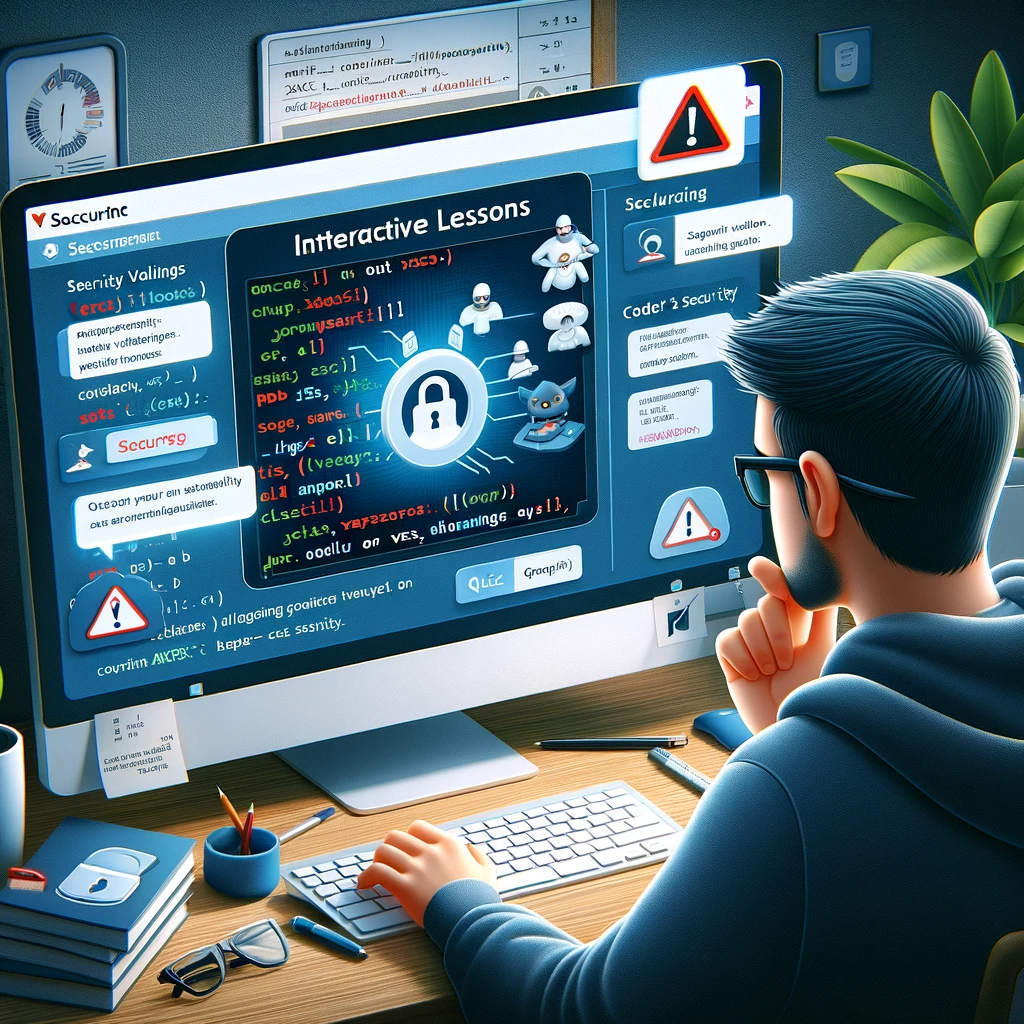
Is Your Personal Information Untouchable Now?
Is Your Personal Information Untouchable Now?
- In a digitally interconnected world, personal information is often vulnerable and widely shared online.
- Cybersecurity serves as a crucial protective measure against the misuse of personal data.
- There is no universal solution for online safety; individual measures are necessary.
- Use reputable cybersecurity tools and stay educated about phishing scams to enhance security.
- Regularly changing passwords is important; treat online safety as an ongoing responsibility.
- Everyone has a role in ensuring the security of digital spaces and personal data.
- Staying informed and proactive is essential for empowering oneself against cybersecurity threats.

Is Your Personal Information Untouchable Now?
Table Of Contents
- Is Your Personal Information Untouchable Now?
- Is Your Personal Information Really Secure Online?
- What Are The Risks Of Data Breaches?
- How Can You Protect Your Personal Data?
- What Should You Do If Your Data Is Compromised?
- Are Password Managers A Good Choice For Security?
- How Does Two-Factor Authentication Help?
- What Role Does Encryption Play In Data Protection?
- Conclusion
- Other Resources
- Glossary Of Terms
- Other Questions
- Haiku
- Poem
- Checklist
Is Your Personal Information Really Secure Online?
Alright, let’s face the music for a moment. In this digital age, where our lives are sprawled across screens like a Sunday morning breakfast buffet, the question of cybersecurity weighs heavy on our minds. You might think, “I’m just a regular person; why would anyone want my information?” Well, let’s not kid ourselves. Your data is a hot commodity, and just like that leftover pizza, it doesn’t expire. In fact, it has value—maybe more than you realize.
Imagine this: you’re sitting at your computer, casually scrolling through social media, maybe sharing a few photos or checking your bank account. Feels safe, right? But beneath that surface calm lies a whirlwind of activity. Behind every click, every keystroke, cybercriminals are lurking, waiting for a moment of distraction to make their move. If you think your personal information is securely tucked away, think again. It’s out there, like a red flag in a bullring.
But don’t throw in the towel just yet. Just as we wouldn’t leave our front doors wide open, we need to take steps to safeguard our digital lives. The good news is, there are plenty of ways to fortify your online presence. Start with the basics: strong passwords and two-factor authentication. Think of these as the locks on your door and the deadbolt that reinforces it. They won’t stop every determined intruder, but they sure can deter a good number of them.
Next, educate yourself about the tools at your disposal. There are robust cybersecurity solutions available today, and many of them are user-friendly. Get acquainted with firewall settings, antivirus software, and secure browsing practices. Dive deep into the world of privacy settings on social platforms—these are your allies in the fight for your personal information.
Let’s not forget the community angle. Share what you know with family and friends. Talk about cybersecurity in casual conversations, and encourage others to take the plunge into a more secure digital existence. Remember, information is power, and the more we empower each other, the better equipped we’ll be.
So, take a moment. Pause and evaluate your online presence. Ask yourself: “Am I doing enough to protect myself?” By taking action—no matter how small—you’re not just investing in your own security; you’re contributing to a culture of awareness. Together, we can create a safer online environment—for you, for me, and for everyone. After all, if we don’t look out for each other in this digital landscape, who will?

Is Your Personal Information Really Secure Online?
Is Your Personal Information Really Secure Online?
- Cybersecurity is a pressing concern in our digital age.
- Your personal data is valuable and vulnerable, regardless of your perceived importance.
- Cybercriminals are always lurking, ready to exploit distractions for personal information.
- Protect your online presence with strong passwords and two-factor authentication.
- Utilize available cybersecurity tools like firewalls and antivirus software.
- Share cybersecurity knowledge with friends and family to promote a safer online community.
- Continuously evaluate your online habits to enhance personal security and contribute to a culture of awareness.

Is Your Personal Information Really Secure Online?
What Are The Risks Of Data Breaches?
Let’s talk about data breaches, folks. Picture this: you’re sitting comfortably in your favorite chair, phone in hand, with no idea that a silent storm is brewing just beneath the surface of the digital world you navigate daily. You might think, “It’s just data. What’s the big deal?” But let me share a little perspective with you. Data breaches can shake the very foundations of what we hold dear—our privacy, our finances, and yes, our peace of mind.
When a company falls victim to a data breach, it’s not just a collection of names and numbers that get exposed. We’re talking about sensitive information—credit card details, social security numbers, and even personal messages. This isn’t just about a thief in a dark alley anymore; we’re dealing with a cyber underbelly where anonymity and tech-savviness meet to wreak havoc on unsuspecting individuals. Cybersecurity becomes critical, and we all need to understand its importance.
Now, let’s humanize this for a moment. Imagine that feeling of violation when you discover your hard-earned savings have vanished because your bank information was snatched right from under you. It’s not just financial loss; it’s the anxiety that creeps in, the sleepless nights spent worrying about the aftermath. You might think, “How do I protect myself?” The good news is that you’ve got tools at your disposal; knowledge is your best armor.
But here’s the catch: many people don’t realize how vulnerable they truly are until it’s too late. Organizations need to invest more in cybersecurity, not just to shield themselves, but to safeguard their customers, their livelihoods, and their reputations. Imagine a company going out of business because it underestimated the risks associated with data breaches. It’s not a comforting thought, is it?
As individuals, we have a role to play too. Be proactive! Use strong passwords, enable two-factor authentication, and keep track of your accounts. Don’t just wait for a breach to happen before you spring into action. After all, protecting our personal information isn’t just a technical challenge; it’s a shared responsibility that affects us all.
So, let’s get informed, stay vigilant, and take action. The digital world is full of wonders, but a little caution goes a long way in keeping that world a safe space for everyone. Trust me; staying ahead of the game now can save you from grief later.
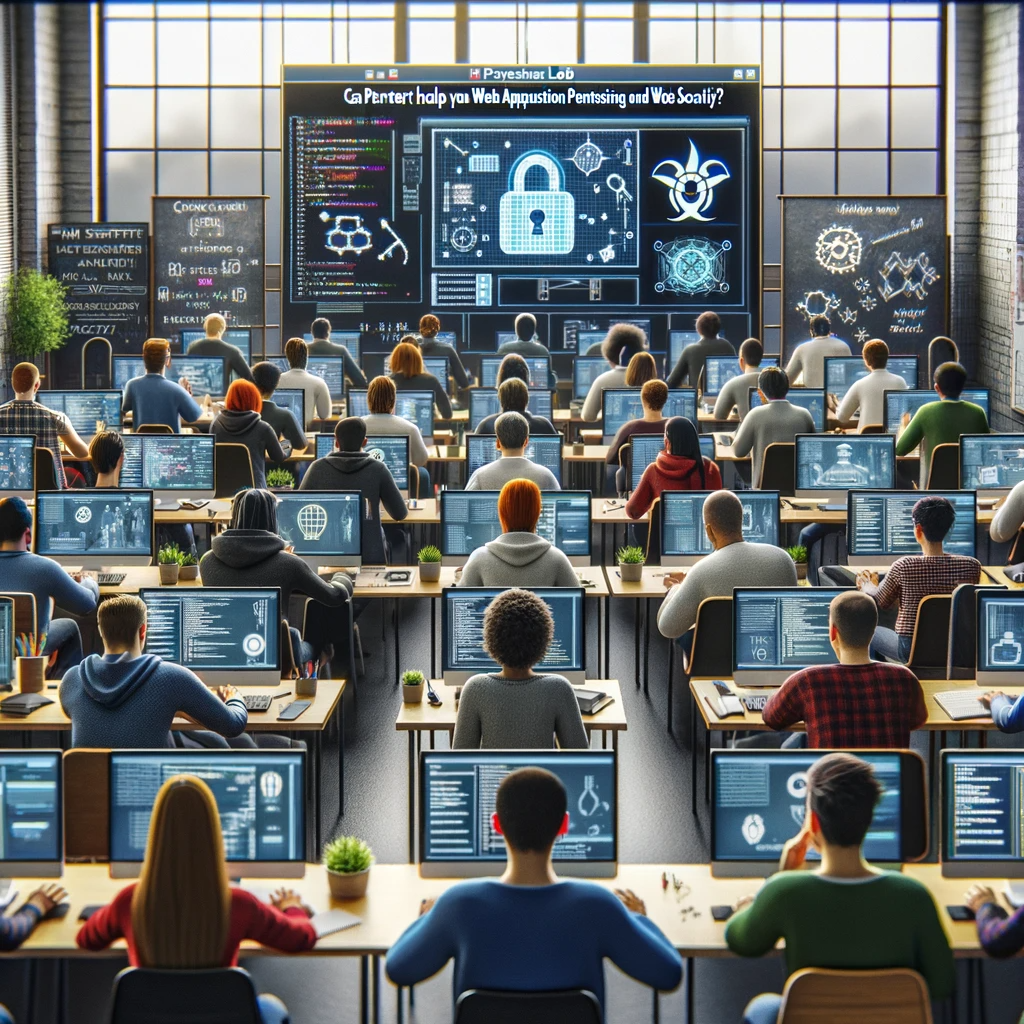
What Are The Risks Of Data Breaches?
What Are The Risks Of Data Breaches?
- Data breaches threaten privacy, finances, and peace of mind.
- They expose sensitive information, including credit card details and social security numbers.
- Cybersecurity is essential for both individuals and organizations.
- Data breaches can lead to financial loss and emotional distress.
- Organizations must invest in cybersecurity to protect their customers and reputations.
- Individuals should use strong passwords and enable two-factor authentication as preventative measures.
- Staying informed and proactive is crucial for safeguarding personal information in the digital landscape.
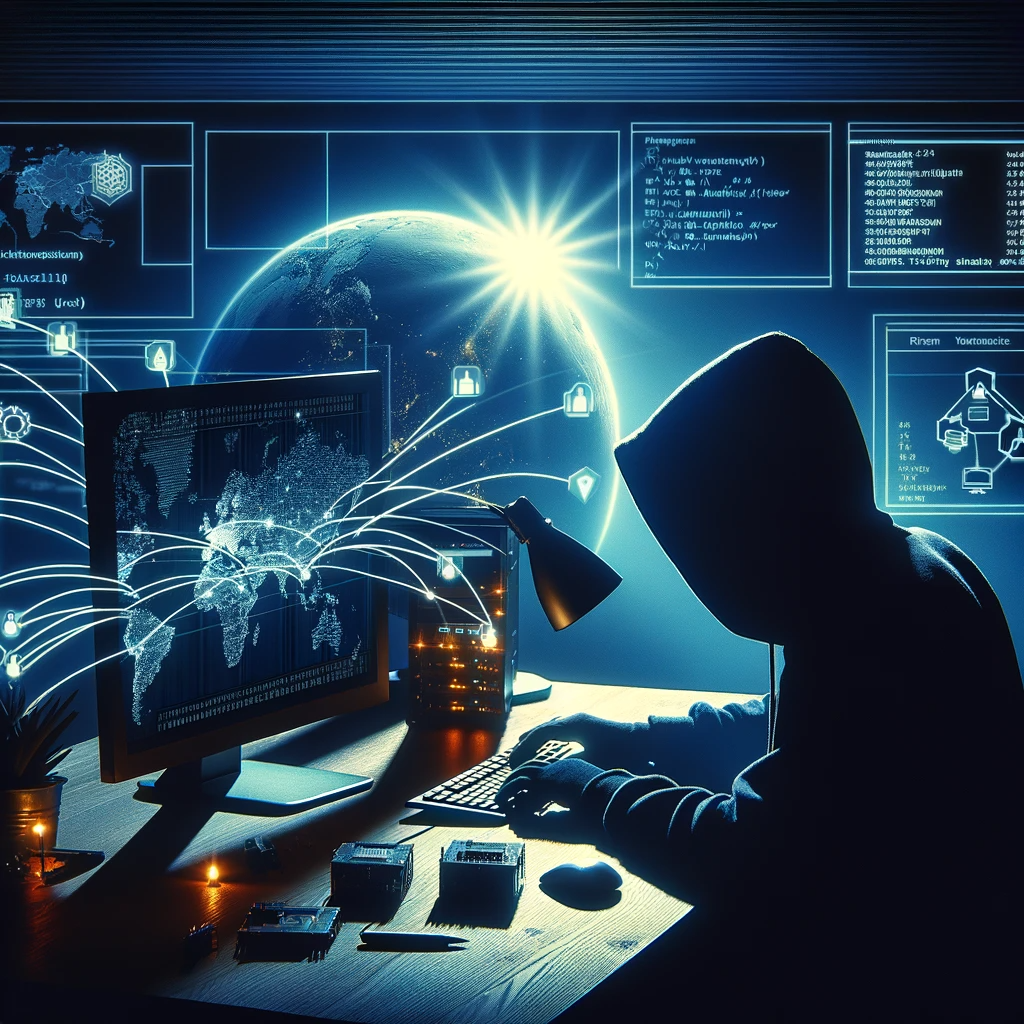
What Are The Risks Of Data Breaches?
How Can You Protect Your Personal Data?
In today’s fast-paced digital world, it’s easy to feel like a tiny boat adrift on a vast ocean of information—sometimes thrilling, often daunting. But fear not! Your personal data is like treasure, and you’re the captain of your own ship. Just like any good sailor wouldn’t set sail without knots, charts, and a little bit of know-how, you need a plan to navigate the waters of cybersecurity.
First off, let’s talk about passwords. They’re your first line of defense. Think of them as the locks on your treasure chest. Some folks opt for birthday dates or pet names, but let me tell you, that’s as effective as a wooden sword in a sword fight. Instead, create complex passwords that mix letters, numbers, and special characters—and change them regularly. Better yet, consider using a password manager. It’s like having a trusty first mate keeping an eye on all your valuable keys.
Next, let’s discuss software updates. I know, I know—they take time, and who wants to deal with that? But those updates are vital. They patch vulnerabilities that hackers are eager to exploit, ensuring your ship remains seaworthy. So, allow your devices to do their magic regularly. You’ll thank yourself later when your personal data is safe from the stormy seas of the internet.
Now, let’s address a sneaky little foe—phishing. If you’ve ever received an email from someone claiming to be your “bank,” urging you to click a link, you know what I’m talking about. Treat these messages like a stranger asking for your map. If something feels off, trust your gut. Always verify the source. A quick phone call to your bank can save you from making a costly mistake.
Then there’s the issue of public Wi-Fi. It’s tempting to hop on that free connection at your favorite café, but beware! Those networks can be a hacker’s playground. When in doubt, use a Virtual Private Network (VPN) to keep your data close at hand. It’s an extra layer of security, like a lifeboat on a massive vessel—always worth having.
Finally, let’s remember the importance of education. The digital landscape evolves rapidly and staying informed is your best safeguard. Join online communities or attend workshops that focus on cybersecurity; knowledge is your compass in this journey. Everyday vigilance and a proactive approach can turn a simple boat ride into a triumphant voyage through the digital seas, keeping your personal data secure and sound. So, hoist the sails, take charge, and become the master of your digital destiny!

How Can You Protect Your Personal Data?
How Can You Protect Your Personal Data?
- Cybersecurity is essential in navigating the vast ocean of digital information.
- Use complex passwords as your first line of defense, and consider password managers for better security.
- Regularly update software to protect against vulnerabilities that hackers target.
- Be cautious of phishing emails and verify their sources to avoid costly mistakes.
- Avoid using public Wi-Fi unless you have a Virtual Private Network (VPN) for added security.
- Stay informed about cybersecurity through online communities and workshops.
- Adopt a proactive approach to ensure personal data security while navigating the digital seas.

How Can You Protect Your Personal Data?
What Should You Do If Your Data Is Compromised?
Alright, let’s paint a picture. You wake up one morning, grab that first cup of coffee, and check your email—only to find a message that sends a chill down your spine: “Your data has been compromised.” Well, take a deep breath and remember, you’re not alone. In this digital age, finding yourself in a situation like this is, unfortunately, all too common. But what you do next is what truly counts.
First things first: Stay Calm. Panic is a natural reaction, but frenzied decisions often lead to bigger messes. Instead, take a moment to gather your thoughts and focus on the next steps.
Now, Assess the Damage. Dig into your bank statements and review your online accounts. Look for any unusual activity or transactions that you don’t recognize. If you spot something fishy, it’s time to act fast.
Change Your Passwords. This might sound like a no-brainer, but it’s one of the most impactful actions you can take. Create strong, unique passwords for each account. Consider using a password manager to keep everything organized and secure. Remember, cybersecurity isn’t just a fancy term; it’s your shield against unwanted intrusions.
Next, if you notice clear signs of tampering—like unauthorized transactions—don’t hesitate to Contact Your Bank or Service Providers. They’ve dealt with these situations before and can guide you through the necessary steps to secure your accounts. Moreover, consider placing a fraud alert on your credit report. This will warn creditors to take extra steps verifying your identity before opening new accounts in your name.
Keep an Eye on Your Credit Report
Credit monitoring services are your friends here. They can alert you to any suspicious activity, giving you a fighting chance to catch issues before they escalate. Additionally, remember to Educate Yourself on the basics of cybersecurity. Knowledge is power! The more you understand about protecting your digital life, the less likely you’ll fall prey to threats in the future.
Lastly, while this experience can feel daunting and invasive, don’t let it deter you from enjoying technology. Instead, channel that energy into being proactive. Take control of your digital footprint. Trust that with a little vigilance and resilience, you can rise above this challenge. After all, it’s not just about securing your data; it’s about ensuring that your life continues unshaken in the face of adversity.

What Should You Do If Your Data Is Compromised?
What Should You Do If Your Data Is Compromised?
- Receiving a notification about compromised data is a common experience in the digital age; staying calm is crucial.
- Take time to assess the damage by reviewing bank statements and online accounts for any suspicious activity.
- Change passwords to strong, unique ones for each account, and consider using a password manager for security.
- If unauthorized transactions are found, promptly contact your bank or service providers for assistance.
- Place a fraud alert on your credit report to notify creditors to verify your identity before opening new accounts.
- Utilize credit monitoring services to catch any suspicious activity early on.
- Educate yourself about cybersecurity to better protect your digital life and be proactive in managing your online presence.

What Should You Do If Your Data Is Compromised?
Are Password Managers A Good Choice For Security?
Let’s face it: in today’s digital jungle, navigating the maze of usernames and passwords has become a Herculean task. We’ve all been there—jotting down passwords on sticky notes or recalling that one combination we only use once a month. It’s as if we’re modern-day treasure hunters, but instead of gold, we’re safeguarding the keys to our online lives. Enter the password manager, a tool that promises to simplify this chaos and, if you’re lucky, fortify your defenses against the lurking threats of the cyber world.
Now, you might be thinking, “Why should I trust yet another piece of software?” And that’s a fair concern! The truth is, cybersecurity is a growing field rife with challenges. Hackers are clever, employing ever-evolving tactics to exploit our oversights. A password manager, however, is like having a trusty sidekick—one that can create complex, unique passwords for each account without you needing to memorize endless strings of characters. It’s all about smart security, and let’s be honest: relying on our own memory isn’t exactly a foolproof plan.
Imagine this: instead of wrestling with a half-remembered password, you unlock your digital vault with a single master password. From there, each account is tightly sealed with its own fortified access key, all managed by a program designed with security in mind. This creates layers of protection, reducing your risk of falling victim to a data breach. It’s like having an armed guard at your door—peace of mind found in a set of digital tools.
Moreover, many password managers go above and beyond just storing passwords. They alert you if an account is compromised, help with secure sharing when necessary, and offer two-factor authentication options to level up your security game. It’s not just about convenience; it’s an investment in your virtual safety.
Still unsure? Start small. Try out a reputable password manager with a free trial. See how it fits into your routine, and if you feel a sense of relief over managing your growing number of accounts, you’ve already taken a step towards securing your digital presence. By embracing these tools, you’re not just keeping your information safe; you’re reclaiming your time and peace of mind in a world that increasingly demands our digital presence. So why not give it a shot? After all, securing your online life doesn’t have to feel like a daunting quest; it can be as simple as having the right tools at your disposal.

Are Password Managers A Good Choice For Security?
Are Password Managers A Good Choice For Security?
- Navigating usernames and passwords has become increasingly complex in the digital age.
- Password managers simplify the process and enhance security against cyber threats.
- They generate complex and unique passwords for each account, reducing reliance on memory.
- Users unlock their digital vaults with a single master password, ensuring better protection.
- Password managers offer additional features like breach alerts, secure sharing, and two-factor authentication.
- Individuals can start with a free trial of a reputable password manager to see its benefits.
- Using a password manager helps reclaim time and peace of mind in managing online accounts.

Are Password Managers A Good Choice For Security?
How Does Two-Factor Authentication Help?
In a world where our personal information seems to be up for grabs at the click of a button, the word “cybersecurity” gets tossed around like confetti at a parade. It’s a big topic, and for good reason. Each day, our lives become intertwined with technology, and just as you wouldn’t leave your front door wide open, you shouldn’t do the same with your online accounts. Enter two-factor authentication—your digital security blanket.
Think of two-factor authentication (2FA) as a bouncer for your online resources. You may have the right invite—your password—but 2FA makes sure that before you stroll into the exclusive club that is your account, there’s another layer of verification. That might come in the form of a text message with a one-time code or a prompt on your authentication app. Essentially, it’s like wanting to enter a concert. Even if you’ve got the ticket, you still need to show some form of ID to prove it’s really you.
Consider this: It’s a chilly Wednesday night, and you’re home, cozy, feeling pretty safe. Suddenly, you remember you left your car unlocked in the driveway. You jump up to lock it, but it’s just a little too late. Now let’s say there was a lock on your car, and, after your key fob unlocks the door, you still need to input a unique code to start the engine. That’s two-factor authentication in action. It slows down potential intruders, making them think twice before wasting their time trying to break into something that’s protected by two layers of access.
Moreover, 2FA isn’t just for those tech-savvy folks or corporate giants. It’s for all of us—every email account, every social media profile, and every online banking app. These days, it’s essential to protect your digital identity. Nobody wants to face the horror of having their personal information stolen, and it’s sobering to think just how quickly it can happen. But implementing 2FA is like installing a deadbolt on your front door. It may feel like a bit of hassle in the moment, but it goes a long way toward keeping your treasures safe.
So, do yourself a favor. Take those extra few seconds to enable 2FA on your accounts. It’s a small step that can lead to significant leaps in your cybersecurity strategy. And trust me—it feels good knowing you’re doing everything you can to safeguard your digital life.

How Does Two-Factor Authentication Help?
How Does Two-Factor Authentication Help?
- Cybersecurity is an important topic due to the increasing risk of personal information theft.
- Two-factor authentication (2FA) serves as an additional layer of security for online accounts.
- 2FA requires a second form of verification beyond just a password, like a one-time code sent via text or an app.
- Implementing 2FA helps deter potential intruders by making unauthorized access more difficult.
- 2FA is essential for everyone, not just tech experts or corporations; it should be used on all online accounts.
- Enabling 2FA enhances the protection of your digital identity and personal information.
- Taking the time to activate 2FA is a small yet impactful step in improving your cybersecurity strategy.

How Does Two-Factor Authentication Help?
What Role Does Encryption Play In Data Protection?
Alright, let’s face it: in a world where every keystroke can lead down a rabbit hole of potential disaster, encryption is like our digital lock-and-key. If you’re not familiar with the term, think of encryption as a sophisticated coding language. It takes your sensitive information—be it personal data, financial details, or even that top-secret recipe for grandma’s famous cookies—and scrambles it beyond recognition.
Now, why should that matter to you? Well, let’s paint a picture. Imagine you’ve got a treasure chest filled with your prized possessions. You wouldn’t just leave it unlocked for anyone to rummage through, right? You’d fortify it with the best security measures you can muster. That’s encryption! It’s the guardian of your digital fortress, ensuring that only those with the right keys can access what’s inside.
In the realm of cybersecurity, the importance of encryption can’t be overstated. It acts as the first line of defense against nefarious characters lurking in the shadows of the internet. From hackers trying to pilfer your identity to cybercriminals attempting to steal financial information, encryption transforms your data into an unbreakable puzzle. Even if they manage to snatch the data, it’s essentially useless without the correct decryption key.
Now, you might be thinking, “Okay, sounds great and all, but how do I benefit from this?” Well, here’s the good part: when you use services that incorporate strong encryption, you’re not just protecting yourself; you’re also fostering a culture of trust. Whether it’s an email containing sensitive information or a transaction at your favorite online store, encryption assures you that your data is safe and sound. It’s like tapping your neighbor on the shoulder when you see something alarming—they’ll have your back when it matters most.
So, if you want to take charge of your digital life, start by embracing encryption. Dive into your settings, explore options for encrypted communications, and leverage services that prioritize your security. Your data deserves nothing less than a solid, reliable lock. And who knows? As you strengthen your digital defenses, you might find yourself feeling a little more empowered in this vast sea of information. After all, in our increasingly connected world, taking steps toward robust data protection is not just smart—it’s essential.

What Role Does Encryption Play In Data Protection?
What Role Does Encryption Play In Data Protection?
- Encryption acts as a digital lock-and-key for protecting sensitive information.
- It scrambles personal data, financial details, and other sensitive information beyond recognition.
- Encryption serves as the first line of defense against cyber threats like hackers and identity theft.
- Even if data is stolen, it remains useless without the correct decryption key.
- Using strong encryption fosters a culture of trust in digital communications and transactions.
- Embracing encryption helps you take control of your digital life and enhances your security.
- Strengthening your digital defenses is essential in an increasingly connected world.

What Role Does Encryption Play In Data Protection?
Conclusion
In this day and age, when our lives are intertwined with technology, it’s hard to deny that the idea of our personal information being completely untouchable is a pipe dream. We’ve fallen into a rhythm where we wake up, grab our coffee, and mindlessly scroll through feeds, sharing every last detail about our lives—often without a second thought. Yet lurking beneath this digital surface is a reality we can’t ignore: our personal data is a prime target for those with bad intentions. In a world where cybersecurity is no longer just a tech buzzword but a necessary shield, it’s easy to feel overwhelmed.
But here’s the thing: just like you wouldn’t leave your front door unlocked in a bustling neighborhood, you need to secure your online presence. No single solution can cover all bases, and the key to protecting ourselves is an ongoing effort. Equip yourself with solid cybersecurity tools, stay educated on the threats out there—like phishing scams—and adapt your approach as layers of protection. Think of your digital identity as a valuable treasure, one worth safeguarding with cunning and vigilance.
And yes, it can be intimidating. The reality is that you’re not alone. We all navigate this digital space and share the responsibility of keeping it secure. Whether it’s through strong passwords, two-factor authentication, or a healthy dose of awareness about your online activities, every small action counts.
Let’s also not forget about the importance of community. Share what you know with family and friends because the more we empower each other, the better off we’ll be. In a world where our data can easily slip through the cracks, staying vigilant and being proactive can mean the difference between safety and a potential crisis.
So, take a deep breath and evaluate your online practices. Are you doing enough? Remember, protecting your digital identity is not just about individual responsibility; it’s about contributing to a culture of awareness where everyone is looking out for each other. In the end, the best defense is a well-informed offense. Embrace the opportunity to equip yourself and keep your personal information as untouchable as possible. After all, in this wild west of the digital age, your security is in your hands—so let’s keep it that way!

Conclusion
Conclusion:
- Personal information is vulnerable in today’s technology-driven world.
- Many people share details of their lives without considering privacy risks.
- Cybersecurity is essential for protecting personal data from malicious attacks.
- Ongoing efforts are needed for effective online protection, similar to securing a physical home.
- Small actions like strong passwords and two-factor authentication contribute to digital security.
- Community awareness and sharing knowledge enhance overall safety in the digital space.
- Being proactive and well-informed is key to safeguarding your digital identity.

Conclusion
Other Resources

Other Resources
Here is a list of other resources you can review online to learn more:
- KPMG
- CyFlare
- True Digital Security
- deviantART
- Netswitch Technology Management
- Cybriant
- Haven Cyber Technologies
- Radar Cyber Security
- Sentor MSS AB
- Clearnetwork
Use This Prompt To Get More Resources With Your Favorite Online AI Tool: Please provide me with a list of online articles with their URLs in a bulleted list that I can read regarding Is Your Personal Information Untouchable Now?
Other Resources
Glossary Terms
Is Your Personal Information Untouchable Now? – Glossary Of Terms
1. Data Privacy: The aspect of information technology that deals with the proper handling, processing, and usage of personal data.
2. Personal Information: Any data that can be used to identify an individual, including names, addresses, phone numbers, and social security numbers.
3. Cybersecurity: The practice of protecting computers, networks, and data from unauthorized access or malicious attacks.
4. Encryption: The process of converting information into a secret code to prevent unauthorized access, ensuring data confidentiality.
5. Firewall: A network security system that monitors and controls incoming and outgoing network traffic based on security rules.
6. Data Breach: An incident where unauthorized individuals gain access to confidential or protected data.
7. Phishing: A fraudulent attempt to obtain sensitive information by disguising as a trustworthy entity in electronic communications.
8. Two-Factor Authentication (2FA): A security process that requires two different forms of identification to verify a user’s identity.
9. VPN (Virtual Private Network): A service that encrypts your internet connection and hides your online activity from prying eyes.
10. Identity Theft: The act of obtaining and using someone else’s personal information, usually for financial gain without their consent.
11. Malware: Malicious software designed to harm, exploit, or otherwise compromise the performance of devices or networks.
12. Data Minimization: The principle of limiting data collection to only what is necessary for a specific purpose to protect personal information.
13. Consent: The agreement by an individual to allow their personal data to be processed or collected.
14. GDPR (General Data Protection Regulation): A comprehensive data protection law in the EU that establishes strict guidelines for data handling and user privacy.
15. Privacy Policy: A statement that explains how an organization collects, uses, and protects personal information.
16. Anonymization: The process of removing identifiable information from data sets so that individuals cannot be readily identified.
17. Data Sovereignty: The principle that data is subject to the laws and regulations of the country in which it is collected and stored.
18. Digital Footprint: The trail of data created by a user’s online activity, including websites visited and information shared.
19. Malicious Insider: An individual within an organization who uses their access to confidential information for unethical or illegal purposes.
20. Secure Socket Layer (SSL): A standard security technology for establishing an encrypted link between a web server and a browser.
21. Biometric Authentication: A security process that relies on unique biological traits, such as fingerprints or facial recognition, for identification.
22. User Rights: The rights of individuals to access, correct, or delete their personal information held by organizations.
23. Data Ownership: The concept that individuals have control over their personal data and the rights to dictate how it is used.
24. Cyber Hygiene: Practices and steps that users take to maintain the health and safety of their digital infrastructure and personal information.
25. Data Controller: An entity that determines the purposes and means of processing personal data.
26. Data Processor: An entity that processes data on behalf of the data controller, often without direct control over the data.
27. Public Domain: Information or data that is free for use by anyone and is not protected by copyright or other rights.
28. Privacy Breach: An incident in which personal information is accessed or disclosed without authorization.
29. Secure Data Storage: The practice of protecting data by using encryption and secure access methods in storage solutions.
30. Regulatory Compliance: The process of adhering to laws, regulations, and guidelines that govern the collection and use of personal information.

Glossary Of Terms
Other Questions
Is Your Personal Information Untouchable Now? – Other Questions
If you wish to explore and discover more, consider looking for answers to these questions:
- What are the most common types of cyber threats to personal information?
- How can I recognize phishing scams?
- What are the best practices for creating strong passwords?
- Is it safe to use public Wi-Fi networks?
- What should I do immediately after discovering a data breach?
- How do I choose a reliable cybersecurity tool or software?
- What are the signs that my personal information has been compromised?
- How often should I change my passwords for optimal security?
- What resources are available for educating myself about cybersecurity?
- How does social media impact my personal information security?
- What are the legal implications of data breaches for companies?
- How can I monitor my credit for suspicious activities?
- What are some effective strategies for teaching others about cybersecurity?
- Can encryption be used for personal data protection?
- What technological advancements are shaping the future of cybersecurity?

Other Questions
Haiku
Is Your Personal Information Untouchable Now? – A Haiku
In a digital age,
Guard your data like treasure,
Stay wise, stay secure.

Haiku
Poem
Is Your Personal Information Untouchable Now? – A Poem
In the Digital Shadows
In a realm where connections bind,
We share our lives, our thoughts, our time.
But beneath the surface, danger lies,
In the tangled web of digital ties.
Awake, we scroll through screens so bright,
Yet many eyes await the night.
A treasure trove in each share we make,
Our data’s value, an unseen stake.
Cybersecurity, our silent knight,
A gatekeeper armed against the blight.
But one strong lock won’t suffice alone,
In this wild world, we must be grown.
Passwords, the keys, complex and tight,
Change them often; it’s only right.
Beware of tricks that shadow your path—
Phishing bait and a hacker’s wrath.
Two-factor locks, a double seal,
A moment’s pause to help you heal.
Encrypt your secrets, keep them hidden,
For in this maze, stay unbidden.
When breaches come, don’t fret in haste,
Stay calm, assess, and make no waste.
With each small step, you gain control,
Reclaim your peace, protect your soul.
So gather round, let knowledge spread,
In this digital space, we forge ahead.
Together we stand, our safety entwined,
For each life shared holds a bond defined.
In the shadows, where data can roam,
Be a wise steward, make your heart home.
With vigilance, trust, and learned intent,
Shield your treasures—be ever vigilant!

Poem
Checklist
Is Your Personal Information Untouchable Now? – A Checklist
Checklist: Protecting Your Personal Information Online
Understanding Your Digital Landscape
_____ Know your digital footprint: Regularly review what personal information you share online.
_____ Recognize the value of your data: Understand that your personal data is valuable to cybercriminals.
Password Protection
_____ Create strong, unique passwords: Use a mix of letters, numbers, and special characters for each account.
_____ Change passwords regularly: Set reminders to update your passwords periodically.
_____ Consider using a password manager: Assess whether a reputable password manager suits your needs.
Account Security
_____ Enable two-factor authentication (2FA): Activate 2FA on all accounts that offer it for an extra layer of security.
_____ Use unique passwords for all accounts: Avoid using the same password across different platforms.
Software and Network Security
_____ Regularly update software: Enable automatic updates for your devices and applications to patch vulnerabilities.
_____ Be cautious with public Wi-Fi: Use a Virtual Private Network (VPN) when connecting to public networks.
Phishing Awareness
_____ Educate yourself about phishing scams: Be vigilant and verify any unexpected messages prompting you to provide personal information.
_____ Always verify sources: Before clicking links in emails, check the sender’s identity and the authenticity of the message.
Monitoring and Response
_____ Monitor your accounts regularly: Check your bank and credit card statements for any unauthorized transactions.
_____ Set up fraud alerts on your credit report: Stay proactive, especially if you suspect compromise.
_____ Know how to respond if your data is compromised: Familiarize yourself with the steps you should take, such as changing passwords and contacting your bank.
Staying Informed
_____ Educate yourself about cybersecurity: Stay updated with the latest information on cybersecurity best practices.
_____ Discuss cybersecurity with family and friends: Share knowledge and encourage others to enhance their digital security.
Utilizing Encryption and Secure Tools
_____ Use services with strong encryption: Choose tools or platforms that prioritize data protection through encryption.
_____ Consider secure messaging apps: Use applications that provide end-to-end encryption for sensitive communications.
By following this checklist, you can take proactive steps towards ensuring that your personal information remains secure and less vulnerable in our interconnected world. Remember, protecting your identity is an ongoing journey!

Checklist
At BestCyberSecurityNews, we help teach entrepreneurs and solopreneurs the basics of cybersecurity and its impact on their businesses by using simple concepts to explain difficult challenges.
Please read and share any of the articles you find here on BestCyberSecurityNews with your friends, family, and business associates.


