


Guarding Seniors Against Identity Theft: A Family’s Guide
By Tom Seest
At BestCyberSecurityNews, we help teach entrepreneurs and solopreneurs the basics of cybersecurity and its impact on their businesses by using simple concepts to explain difficult challenges.
Please read and share any of the articles you find here on BestCyberSecurityNews with your friends, family, and business associates.
How Can Loved Ones Protect Seniors From Identity Theft?
When it comes to protecting our seniors from the ever-looming threat of identity theft, it takes a village, folks. We’re talking about the people we love—the ones who raised us, shared stories that warm our hearts, and likely taught us the value of a good handshake. Unfortunately, as the world races forward into a digital age riddled with complexities, our elderly loved ones often find themselves on the sidelines, vulnerable and overwhelmed by the sheer volume of information out there. So let’s roll up our sleeves and dive into some effective ways to boost their cybersecurity and keep those sneaky identity thieves at bay.
First off, communication is key. Have open conversations with your loved ones about identity theft. Make it less of a “scare tactic” and more of a proactive discussion. Help them understand what identity theft is and how it can happen. Knowledge is power, as they say, and when seniors are equipped with the right information, they become less appealing targets for criminals.
Next, help them set up strong passwords. Think of it as creating a digital fortress. When crafting passwords, it’s essential to use a combination of letters, numbers, and special characters. Encourage them to go a step further by utilizing password managers that can store and auto-fill their login info. If they blush at the thought of tech speak, share that even simple solutions, like using phrases or memorable quotes, can keep their accounts secure without causing a heartburn.
Regularly monitor their accounts too. This can be a bonding exercise! Schedule monthly check-ins where you can review bank statements and online activity together. Not only does this help catch any suspicious activity early, but it also provides an opportunity for heartfelt conversations. Celebrate small victories while staying vigilant against fraud.
Another step is encouraging vigilance when it comes to sharing personal information. Remind them that not every phone call or email is a friendly chat. Criminals can impersonate banks or government agencies to fish for personal details. Help them develop a habit of questioning any communication that feels off-kilter.
Protecting our seniors from identity theft isn’t just about the tech—it’s about connection, trust, and community. By coming together and empowering our loved ones with knowledge and tools, we can ensure they enjoy their golden years with less worry and more joy. Let’s keep the lines of communication open, educate ourselves, and stand as their guardians in this increasingly digital world!
How Can Loved Ones Protect Seniors From Identity Theft?
How Can Loved Ones Protect Seniors From Identity Theft?
- Protecting seniors from identity theft requires a community effort.
- Have open and proactive discussions about identity theft with elderly loved ones.
- Help set up strong passwords using a mix of letters, numbers, and special characters.
- Utilize password managers and encourage simple solutions for password creation.
- Schedule monthly check-ins to review bank statements and online activity together.
- Encourage skepticism when sharing personal information, especially over the phone or email.
- Empower seniors with knowledge and tools to enhance their cybersecurity and enjoy their golden years.

How Can Loved Ones Protect Seniors From Identity Theft?
Table Of Contents
- How Can Loved Ones Protect Seniors From Identity Theft?
- What Are The Most Common Identity Theft Scams Targeting Seniors?
- How Can Technology Help Prevent Identity Theft For Seniors?
- How Can Loved Ones Educate Seniors About Identity Theft Risks?
- What Role Do Financial Institutions Play In Protecting Seniors?
- How Can Monitoring Services Assist In Preventing Identity Theft?
- What Signs Might Indicate That A Senior Has Been A Victim Of Fraud?
- How Can Loved Ones Support Seniors In Reporting Identity Theft?
- Conclusion
- Other Resources
- Glossary Of Terms
- Other Questions
- Haiku
- Poem
- Checklist
What Are The Most Common Identity Theft Scams Targeting Seniors?
Well, let’s face it. When it comes to the world of scams and trickery, the landscape can feel as treacherous as a tightrope walk above a pit of snapping crocodiles. And unfortunately, our seniors often find themselves balancing on that wire, more exposed than they might realize. The digital age has ushered in a range of identity theft scams that prey specifically on older adults, and understanding these threats is the first step to fortifying our defenses. So, buckle up! We’re diving into the most common traps set out for our cherished elders.
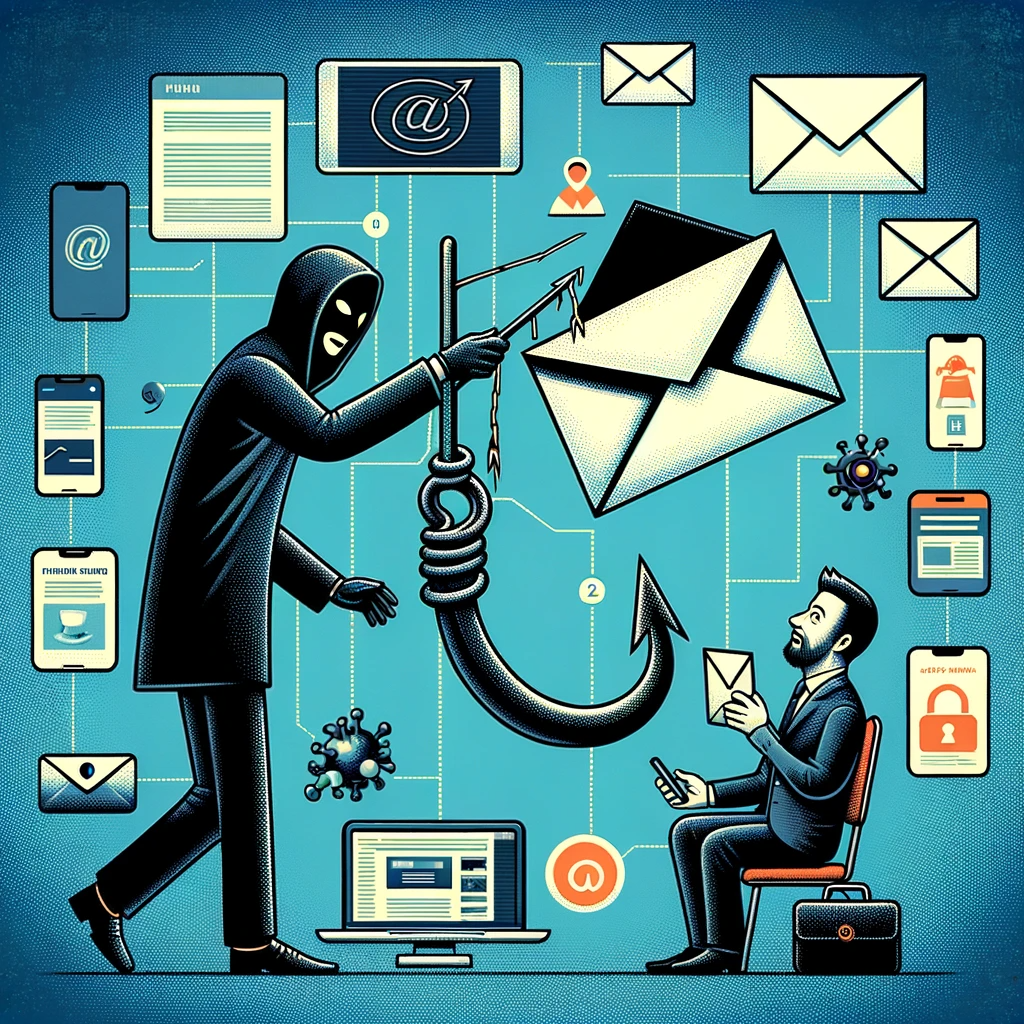
First up, we have the classic “Phishing” scam. This is where cybercriminals send seemingly innocent emails or messages, mimicking trusted sources like banks or government organizations. The goal? To lure seniors into providing personal information, often under the guise of some urgent need. The trick here is to always remain skeptical of unsolicited communications. If it rattles your cage with a sense of urgency, it’s time to step back and check the validity through trusted channels.
Next, let’s chat about “Tech Support Scams.” Imagine receiving a call claiming to be from a well-known tech giant, informing you that there’s a problem with your computer. The crooks will then ask for remote access or payment for a “fix.” Now, it might sound enticing when they use the jargon you’ve heard before, but a vital piece of advice here is to always remember: genuine companies won’t reach out unsolicited to solve your tech problems. If it sounds fishy, it probably is!
Then we have the “Medicare and Healthcare Scams.” These can be particularly insidious, targeting the concern many seniors have about their health coverage. Scammers often pose as Medicare representatives, claiming they need to verify personal and financial details. Here’s a tip: legitimate services will never ask for sensitive information over the phone. If in doubt, hang up and contact the organization directly.
Finally, let’s not forget the growing threat of “Investment Scams.” In times when everyone’s trying to make their money work for them, it’s easy to get lured in by promises of high returns. If something seems too good to be true—like a dream vacation funded solely by your investments—do yourself a favor and consult a trusted family member or financial advisor before diving in.
Stay vigilant! Cybersecurity is your strongest ally. Sharing knowledge and maintaining an open line of communication with loved ones will help ensure the security and peace of mind for our seniors. After all, it’s not just about keeping the bad guys at bay; it’s about nurturing a community that inspires confidence and a sense of safety in our golden years.

What Are The Most Common Identity Theft Scams Targeting Seniors?
What Are The Most Common Identity Theft Scams Targeting Seniors?
- The digital age has introduced various identity theft scams targeting seniors.
- Phishing scams involve cybercriminals impersonating trusted entities to extract personal information.
- Tech support scams often involve unsolicited calls from criminals claiming to fix computer issues.
- Medicare and healthcare scams target seniors by posing as Medicare representatives seeking sensitive information.
- Investment scams lure seniors with promises of high returns and should be approached with caution.
- Seniors should remain vigilant and skeptical of unsolicited communications or offers that seem too good to be true.
- Sharing knowledge and maintaining communication with loved ones can help protect seniors from scams.

What Are The Most Common Identity Theft Scams Targeting Seniors?
How Can Technology Help Prevent Identity Theft For Seniors?
Picture this: a warm afternoon, perhaps you’re at home sipping tea or enjoying a good book. Then, the unsettling thought creeps in—”What if someone took my identity?” It’s a concern that looms over many seniors today, but here’s the silver lining: technology can be your trusty sidekick in this battle against identity theft. Let’s delve into how a little digital savvy can make all the difference.
First off, let’s talk about cybersecurity. Sounds fancy, right? But in simple terms, think of it as a lock on your front door. Just like you wouldn’t leave your home wide open, it’s vital to ensure your personal information is well-protected. Tools like password managers can be akin to having a master key; they help you create unique, strong passwords for each of your accounts without the headache of remembering them all. Plus, they encrypt your information, making it harder for intruders to access.
Now, let’s explore the world of two-factor authentication—think of it as a security system that sends a gentle nudge to your phone or email whenever someone tries to log into your accounts. This feature might seem like a small hurdle, but it can deter identity thieves faster than a cat seeing a cucumber. It’s all about creating layers of protection for your valuable information.
And let’s not overlook the role of education. Websites and local organizations often offer free classes tailored for seniors, focusing on how to navigate the digital landscape safely. Think of these sessions like learning the rules of a new game; after all, knowledge is power! Embracing technology isn’t about becoming a whiz overnight; it’s about taking small, manageable steps to guard against threats.
Now, what about those pesky phishing emails? Don’t be alarmed if you find them in your inbox—just learn to recognize the signs. Spoofed addresses, typos, or overly urgent language can be your red flags. Arm yourself with the ability to identify these traps, and you’ll be a step ahead.
Ultimately, merging common sense with technology is your best defense. The digital world might have its challenges, but with a sprinkle of vigilance and a dash of education, you can confidently turn the tables on identity theft. So, embrace this journey of empowerment, and don’t hesitate to reach out for help when you need it. Together, we can fortify your defenses and keep your identity safe!

How Can Technology Help Prevent Identity Theft For Seniors?
How Can Technology Help Prevent Identity Theft For Seniors?
- Identity theft concerns are prevalent among seniors, but technology offers solutions.
- Cybersecurity acts as a protective lock for personal information; tools like password managers create strong, unique passwords.
- Two-factor authentication adds an extra layer of security by notifying you of suspicious login attempts.
- Education is key; free classes for seniors can teach safe digital navigation and enhance awareness.
- Recognizing phishing emails is crucial; look for signs like spoofed addresses or urgent language.
- Combining common sense with technology is the best defense against identity theft.
- Embracing technology and seeking help when needed can empower seniors to protect their identities effectively.

How Can Technology Help Prevent Identity Theft For Seniors?
How Can Loved Ones Educate Seniors About Identity Theft Risks?
When it comes to safeguarding our most cherished family members, it’s wise to recognize that the world has changed. The threats we face today are not just lurking around dark corners; they often reside in the glow of a computer screen. That’s where cybersecurity comes into play. It’s a term that might sound technical or intimidating, but it’s fundamentally about keeping our loved ones safe from those who would seek to exploit their vulnerabilities—particularly seniors, who are often targeted for identity theft.
So, how can you take action? First, start with a conversation that feels genuine and caring. Don’t simply drop knowledge bombs about phishing scams or malware like you’re delivering a lecture. Instead, share stories—real, relatable experiences. Talk about how someone you know, perhaps a friend or a neighbor, fell victim to a scam. This approach not only makes the issue more tangible, but it helps build trust by showcasing that you’re looking out for them because you care.
Next, encourage them to get tech-savvy without overwhelming them. Simple, hands-on demonstrations can make a world of difference. Offer to set up a secure password manager on their devices, showing them just how easy it can be to manage passwords without the need to scribble them down on sticky notes. Teach them how to recognize the red flags of phishing emails or suspicious links—that’s vital education wrapped in patience and love.
Also, make it a regular check-in activity. Create a cybersecurity toolkit tailored for their needs—nothing fancy, just a list of trusted contacts, helpful websites, and simple guidelines they can refer to. You could even create a light-hearted game around it, turning what could be a dry topic into an engaging, enjoyable experience.
Lastly, encourage open dialogue. Remind them that it’s perfectly okay to share any odd situations or solicitations they might encounter. The more they talk, the more they learn, and the more confidence they’ll have in spotting potential threats.
At the end of the day, what matters most isn’t just imparting knowledge but crafting a supportive environment where they feel empowered and safe. When seniors are educated about identity theft risks, they not only protect themselves but also bolster their confidence in navigating a digital world. By doing this together, you’re not just combating a threat; you’re reinforcing the bond that keeps your family connected and strong.

How Can Loved Ones Educate Seniors About Identity Theft Risks?
How Can Loved Ones Educate Seniors About Identity Theft Risks?
- The changing world presents new threats, particularly in cybersecurity, affecting vulnerable individuals like seniors.
- Start conversations about cybersecurity in a caring and relatable way, using personal stories to illustrate the risks.
- Encourage tech-savviness through simple, hands-on demonstrations, like setting up a secure password manager.
- Teach seniors to recognize phishing emails and suspicious links as essential education.
- Create a tailored cybersecurity toolkit for seniors, including trusted contacts and simple guidelines for reference.
- Encourage open dialogue about odd situations or solicitations to help seniors feel more confident in identifying threats.
- Focus on crafting a supportive environment that empowers seniors, strengthening family bonds while promoting digital safety.

How Can Loved Ones Educate Seniors About Identity Theft Risks?
What Role Do Financial Institutions Play In Protecting Seniors?
When it comes to safeguarding our older generations, financial institutions are like a sturdy lifeboat on the tumultuous sea of today’s financial world. The waters can be choppy, with waves of fraud, scheme, and deception crashing in faster than a retirement fund can keep up. But rest assured, banks and credit unions are stepping up, not just to hold the purse strings, but to provide a net of security that is crucial for our seniors.
First off, let’s talk about trust. Many seniors have spent decades with the same bank or credit union. These institutions often know them by name, which isn’t just sentimental; it’s a relationship built on understanding and reliability. Financial institutions play a crucial role in educating their clients, especially older adults, about the ins and outs of their accounts. They offer workshops, resources, and one-on-one consultations that empower seniors to make informed decisions. This investment in education fosters confidence, helping them manage their finances with ease.
As we journey deeper into the digital age, cybersecurity becomes a significant concern for everyone, particularly for our senior citizens who might not be as tech-savvy. Financial institutions are leading the charge in this area, developing systems that not only protect sensitive data but also educate seniors about potential threats. They offer robust online banking protections, fraud monitoring services, and guidance on creating strong passwords. A bank that takes cybersecurity seriously is like a trusted guardian, constantly on the lookout to tackle scams before they even have a chance to rear their ugly heads.
The role of financial institutions isn’t just about safeguarding money; it’s about advocating. They often provide platforms for seniors to report suspicious activity, ensuring that every voice is heard and every concern addressed. This dialogue is vital—it fosters connection and community, showing seniors that they aren’t navigating these choppy waters alone.
In these times, it’s essential for seniors (and their loved ones) to take proactive steps. Connect with your bank, ask questions, and stay informed. The more you know, the safer you’ll feel. Embracing financial literacy and taking advantage of the resources available can empower seniors to navigate their financial life confidently. After all, as we look to the horizon, we want our seniors not only to survive these waters, but to thrive in them.

What Role Do Financial Institutions Play In Protecting Seniors?
What Role Do Financial Institutions Play In Protecting Seniors?
- Financial institutions serve as a protective lifeline for senior citizens amidst the challenging financial landscape.
- Trust is built over time, with many seniors having longstanding relationships with their banks or credit unions.
- These institutions provide education through workshops and consultations, empowering seniors to make informed financial decisions.
- Cybersecurity is critical for seniors, and financial institutions are enhancing protections and educating them on potential threats.
- Robust online banking protections and fraud monitoring services help safeguard sensitive data for older adults.
- Financial institutions advocate for seniors by providing platforms for reporting suspicious activities and ensuring concerns are addressed.
- Seniors are encouraged to stay proactive by engaging with their banks and embracing financial literacy to feel more secure.

What Role Do Financial Institutions Play In Protecting Seniors?
How Can Monitoring Services Assist In Preventing Identity Theft?
Let’s face it—identity theft can feel like a daunting shadow lurking behind every online interaction. With cybercriminals growing bolder and more sophisticated, it’s easy to feel like we’re at the mercy of a digital world that can sometimes seem like the Wild West. But here’s the good news: monitoring services can serve as our trusted sidekick in the quest to safeguard our identities.
Think of these services as your personal watchtower in the sprawling landscape of cyberspace. They work around the clock, like vigilant sentinels, keeping an eye on your personal information—be it your Social Security number, bank account details, or that long-forgotten online account with a boring username. By diligently tracking where and how your information is used, monitoring services can help detect potential threats before they escalate into something more severe.
Imagine you get an alert that someone is trying to open a line of credit in your name. Instead of simply hoping for the best, you can take proactive measures to address this issue before it spirals out of control. This kind of information is invaluable and can save you the heartache and hassle of dealing with the repercussions of identity theft. That’s where the importance of cybersecurity comes into play. These tools can arm you with the knowledge and resources necessary to put up strong defenses against those seeking to compromise your identity.
But monitoring services do more than just keep an eye on your accounts. They often provide you with resources to educate yourself on how identity theft occurs and the steps you can take to fortify your defenses. They’re not just a set-it-and-forget-it solution; they engage you as a partner in the fight against identity theft.
It’s about empowerment, taking action, and regaining control. By using these services, you’re not merely reacting to threats—instead, you become an informed participant, learning what to watch for and how to protect yourself effectively. So, don’t let the fear of identity theft hold you back. Embrace the tools available to you, and take that first step toward securing your identity. With monitoring services as your guide, you can navigate these treacherous waters more confidently, ensuring your personal information remains just that—personal.

How Can Monitoring Services Assist In Preventing Identity Theft?
How Can Monitoring Services Assist In Preventing Identity Theft?
- Identity theft is a growing concern in the digital world, akin to a shadow lurking behind online interactions.
- Monitoring services act as vigilant guardians, continuously overseeing personal information like Social Security numbers and bank account details.
- These services help detect potential threats, allowing individuals to take proactive measures before issues escalate.
- Receiving alerts about suspicious activities, such as unauthorized attempts to open credit lines, empowers individuals to respond swiftly.
- Monitoring services provide educational resources about identity theft and preventive measures, encouraging user engagement.
- Using these services fosters empowerment, turning users into informed participants in the fight against identity theft.
- Embracing monitoring services helps individuals regain control and confidently secure their personal information.

How Can Monitoring Services Assist In Preventing Identity Theft?
What Signs Might Indicate That A Senior Has Been A Victim Of Fraud?
When it comes to the sensitive subject of fraud, especially among our cherished seniors, it’s essential to remain vigilant. Too often, we hear stories that leave us shaking our heads—because fraud can be a predator that operates in the shadows, luring in its victims with deceptive schemes. So, how can you spot the signs that a senior might be caught in this web? Let’s dive in.
First and foremost, take note of any sudden changes in financial behavior. If your loved one, who once carefully balanced their checkbook, suddenly seems confused about their finances or begins making unusual purchases, that’s a red flag. This could indicate they’ve fallen prey to a scammer who’s managed to convince them to part with their hard-earned savings. Keep an eye out for unexplained bank withdrawals or changes in spending patterns—these can be indicators that something is amiss.
Next, look for signs of stress. If a senior seems anxious or withdrawn, it might be worth digging a little deeper. Cybersecurity threats today are more sophisticated than ever, and scammers often exploit emotional vulnerabilities. When someone feels overwhelmed, they become easy targets for fraudulent calls or messages, especially if they’re pressed for time or feeling isolated.
Communication is also key. If a senior begins to isolate themselves or avoid discussing their finances, that’s another clue that something’s not right. Encourage open dialogue about money and online security. Teaching them about basic cybersecurity can empower them to recognize and avoid traps laid by unscrupulous individuals.
Watch for unusual phone calls or messages. If your senior suddenly starts receiving calls about lottery winnings, extended warranties, or any unsolicited offers that seem too good to be true, it’s time for a conversation. Remind them that legitimate organizations rarely ask for personal information over the phone. Reinforcing this simple but vital principle could save them from a world of heartache.
Lastly, be aware of emotional changes. If a senior who was once confident becomes hesitant or fearful, it might be a sign they’re dealing with issues that go beyond the ordinary. Make it a point to check in regularly, not just on their health, but on their emotional wellbeing too.
By staying engaged and observant, you can help protect the ones you love from the unseen dangers that lurk in our increasingly digital world. Remember, it’s not just about warning signs; it’s about fostering trust and a sense of security in their lives.

What Signs Might Indicate That A Senior Has Been A Victim Of Fraud?
What Signs Might Indicate That A Senior Has Been A Victim Of Fraud?
- Remain vigilant regarding fraud targeting seniors, as it can operate covertly.
- Watch for sudden changes in financial behavior, such as confusion about finances or unusual purchases.
- Look for signs of stress, anxiety, or withdrawal that may indicate vulnerability to scams.
- Encourage open communication about finances and online security to empower seniors against fraud.
- Be alert to unusual phone calls or messages offering unsolicited deals or prizes that seem too good to be true.
- Notice emotional changes in seniors, such as increased hesitation or fear, as potential indicators of fraud-related issues.
- Stay engaged and observant to foster trust and security in seniors’ lives, ensuring their protection from digital dangers.
What Signs Might Indicate That A Senior Has Been A Victim Of Fraud?
How Can Loved Ones Support Seniors In Reporting Identity Theft?
When the digital world takes a turn for the worse, it can feel like a whirlwind. One moment, your loved one is exploring the comforts of online shopping, and the next, they’re knee-deep in a nightmare of identity theft. Picture this: they receive a call from a bank or see unfamiliar transactions pop up on their statement. Panic sets in, and suddenly everything feels daunting. That’s where you come in, a beacon of support in a cyberstorm.
First and foremost, start with a conversation. Create a safe space where your loved one feels comfortable sharing their concerns, fears, or experiences related to cybersecurity. Even if they’re wary of technology, remind them that they’re not alone. Just as you tackle the tough conversations in life, such as health issues or financial planning, approach this subject gently. By showing understanding, you instill trust and encourage openness.
Next, help them gather information. When identity theft occurs, it often feels like a chaotic puzzle. Be their reliable partner in piecing it together. Sit down with them, maybe over a cup of coffee, and guide them in reviewing bank statements, credit reports, and any correspondence from financial institutions. Taking the time to do this together not only makes the task less overwhelming, but it strengthens your bond.
Once you have all the details, help them report the identity theft. This is a critical step that can feel insurmountable from their perspective. Initiate contact with banks, credit card companies, or even local law enforcement, and lead the conversation if they’re uncomfortable. Encourage them to report it to the Federal Trade Commission (FTC) as well. By becoming an active participant in this process, you not only assist them in regaining control but also empower them to take action where they may have felt powerless.
Education is key. Familiarize your loved one with basic cybersecurity practices to help prevent future incidents. Discuss safe online habits, the importance of strong passwords, and never sharing personal information over the phone unless they initiated the call. By fostering knowledge, you build their confidence and further shield them from future threats.
Through patience, understanding, and solidarity, you can make a monumental difference in how your loved one navigates the murky waters of identity theft. The road may be rocky, but your unwavering presence can illuminate even the darkest paths. After all, this journey is about building trust and ensuring a safer tomorrow—together.
How Can Loved Ones Support Seniors In Reporting Identity Theft?
How Can Loved Ones Support Seniors In Reporting Identity Theft?
- The digital world can present challenges, such as identity theft, which can be overwhelming for loved ones.
- Start with an open conversation to create a safe space for discussing cybersecurity concerns and fears.
- Help them gather information by reviewing bank statements, credit reports, and communications from financial institutions together.
- Assist them in reporting identity theft by contacting banks, credit card companies, and law enforcement, including the FTC.
- Educate them on basic cybersecurity practices to prevent future incidents, such as safe online habits and strong password usage.
- Your support through patience and understanding can significantly help your loved one navigate the issue of identity theft.
- This journey emphasizes building trust and creating a safer environment together.

How Can Loved Ones Support Seniors In Reporting Identity Theft?
Conclusion
In the battle against identity theft, especially for our seniors, it’s clear: teamwork is crucial. Just like those tightly knit communities that rally around to help one another, protecting our elderly loved ones requires a collective effort. They are the ones who nurtured us, shared irreplaceable life lessons, and fostered our values. As the digital landscape evolves, however, this very generation often stands at a crossroads, more susceptible to the underhanded tactics of modern-day thieves. Fear not; we have what it takes to shield them from harm, and it starts with proactive communication.
First off, let’s talk about the power of knowledge. Engaging seniors in straightforward discussions about identity theft demystifies the issue. It’s not about scaring them; instead, aim to empower. With the right information, seniors can stand firm against being unwitting targets. Help them set up unbreakable passwords—think of it as building a fortress around their personal information. A password manager can streamline this process, turning what seems like a Herculean task into a simple click. And don’t forget the regular check-ins; make monitoring their accounts a family affair, adding a dash of fun while solidifying your bond.
As we explore the world of scams unique to seniors, be alert for those deceptive phishing emails or suspicious tech support calls. Empower them with tools to recognize red flags—this not only raises their awareness but reaffirms their strength in navigating an otherwise intimidating landscape. Technology isn’t just the enemy; it can also be a powerful ally. Teach them about devices that add layers of protection, like two-factor authentication and monitoring services that act as vigilant sentinels over their personal data.
But let’s not overlook the role that financial institutions play in this arena. They’re not just faceless entities with which we hold accounts; they’re trusted allies equipped to educate seniors about safeguarding their finances. By fostering a strong relationship with these institutions, seniors can tap into resources and support systems designed specifically to protect them.
Finally, if the unfortunate happens and identity theft strikes, approach with empathy. Be their guiding hand throughout the recovery process. Create a safe space for open dialogue, assist them in reporting incidents, and equip them with knowledge on preventing future attacks. With patience and understanding, we’re not just protecting our seniors from fraud; we’re building a fortress of love, trust, and community that tirelessly stands against the ever-evolving threats of the digital age. Together, we are the guardians of their golden years, ensuring these treasured moments are filled with joy, not fear. Let’s roll up our sleeves and get to work!

Conclusion
Conclusion:
- Teamwork is crucial in the battle against identity theft for seniors.
- Engaging in straightforward discussions helps demystify identity theft for them.
- Empower seniors with knowledge to help them create strong passwords and utilize password managers.
- Regular check-ins can make account monitoring a family affair, strengthening bonds.
- Educate seniors on recognizing scams, such as phishing emails and suspicious tech support calls.
- Financial institutions can serve as trusted allies, providing education and resources for safeguarding finances.
- Approach identity theft recovery with empathy, creating a safe space for dialogue and prevention knowledge.

Conclusion
Other Resources

Other Resources
Here is a list of other resources you can review online to learn more:
- Decypher Technologies
- Flickr
- AccountabilIT
- SOCSoter
- Line
- onShore Security
- Blue Line Technologies
- Cloud24x7
- CyberDefenses
Use This Prompt To Get More Resources With Your Favorite Online AI Tool: Please provide me with a list of online articles with their URLs in a bulleted list that I can read regarding How Can Loved Ones Protect Seniors From Identity Theft?

Other Resources
Glossary Terms
How Can Loved Ones Protect Seniors From Identity Theft? – Glossary Of Terms
1. Identity Theft: The unauthorized use of someone’s personal information to commit fraud or theft.
2. Personal Information: Data that can identify an individual, such as Social Security numbers, bank account details, and addresses.
3. Phishing: A fraudulent attempt to obtain sensitive information by posing as a trustworthy entity in electronic communications.
4. Scams: Deceptive schemes designed to con individuals out of money or personal information.
5. Fraud Alert: A notice placed on a credit report indicating that the individual may be a victim of identity theft, prompting lenders to take extra steps to verify identity.
6. Credit Freeze: A security measure that restricts access to an individual’s credit report, making it harder for identity thieves to open accounts in their name.
7. Secure Communication: The use of encrypted methods or trusted platforms to discuss sensitive personal information safely.
8. Monitoring Services: Tools or services that regularly check various databases and sources for signs of identity theft or unauthorized activity.
9. User Authentication: A security measure that requires individuals to provide verification, such as passwords or biometric data, to access accounts or information.
10. Data Breach: An incident where unauthorized individuals gain access to sensitive data, potentially leading to identity theft.
11. Skimming: The theft of credit card information through the use of specialized devices placed on ATMs or point-of-sale systems.
12. Two-Factor Authentication: A security process that requires two forms of identification before granting access to an account, making it harder for unauthorized users to gain entry.
13. Safe Browsing: Internet practices that prioritize the protection of personal information, such as avoiding unsecured websites and suspicious links.
14. Elder Abuse: A broader term that can include financial exploitation and identity theft against older adults.
15. Social Engineering: Psychological manipulation techniques used to trick individuals into giving up confidential information.
16. Financial Literacy: The ability to understand and effectively use various financial skills, which may help seniors recognize potential scams.
17. Sensitive Documents: Papers containing personal information, such as financial statements and identification; should be stored securely.
18. Fraud Protection: Measures and tools designed to help individuals protect themselves from becoming victims of fraud and identity theft.
19. Digital Footprint: The record of an individual’s online activity, which can impact their vulnerability to identity theft.
20. Privacy Settings: Options available on social media platforms and online accounts that allow users to control who can see their information.
21. Identity Theft Protection Plan: Services provided to monitor and protect individuals’ personal information from misuse.
22. Awareness Campaigns: Initiatives aimed at educating seniors and their families about the risks of identity theft and prevention strategies.
23. Secure Storage: The practice of keeping personal documents in a locked or protected location to prevent unauthorized access.
24. Scam Call: A telephone call made by criminals attempting to extract personal information or money under false pretenses.
25. Internet Safety: Guidelines and practices designed to help individuals use the internet securely and avoid potential risks.
26. Whitelist: A list of approved or trusted contacts from whom individuals are willing to receive communications, minimizing potential fraud.
27. Incident Report: Documentation of any identity theft incident, which can be critical for recovery efforts.
28. Elder Advocacy: Support and resources aimed at protecting the rights and well-being of older adults, including protection from financial exploitation.
29. Proactive Measures: Actions taken in advance to prevent identity theft, such as educating seniors, monitoring accounts, and securing personal information.
30. Legal Recourse: The right to seek justice or compensation through legal channels if one becomes a victim of identity theft.

Glossary Of Terms
Other Questions
How Can Loved Ones Protect Seniors From Identity Theft? – Other Questions
If you wish to explore and discover more, consider looking for answers to these questions:
- What are the signs that a senior is at risk of identity theft?
- What resources are available for seniors to learn about cybersecurity?
- How can family members encourage seniors to use technology safely?
- What steps should be taken if a senior suspects they have been scammed?
- What role do community organizations play in protecting seniors from fraud?
- Are there specific identity theft monitoring services recommended for seniors?
- How can seniors verify the authenticity of communications they receive?
- What legal steps can seniors take if their identity is stolen?
- What are the best practices for seniors to secure their personal information online?
- Can social media pose a risk for identity theft among seniors?

Other Questions
Haiku
How Can Loved Ones Protect Seniors From Identity Theft? – A Haiku
Seniors need our care,
Guarded with trust, knowledge shared—
Fraud fears kept at bay.

Haiku
Poem
How Can Loved Ones Protect Seniors From Identity Theft? – A Poem
Guardians of Golden Years
In the warmth of love, where stories bloom,
Lies a bond so strong, casting out the gloom.
Yet in shadows lurk, sly thieves at play,
Seeking the burdens of our dear ones’ gray.
So gather we close, as a village we stand,
To shield them from scams with a caring hand.
With knowledge as armor, let’s spark a light,
Empower our seniors to rise and fight.
Converse with them gently, let fear take its flight,
Teach them the dangers that flicker at night.
Strong passwords we craft, a fortress to build,
For each piece of wisdom, their confidence filled.
Let vigilance blossom, with eyes open wide,
Against phishing and whispers that pose as a guide.
In confusion’s embrace, give support and a smile,
Through check-ins as allies, let’s walk every mile.
Financial institutions, our anchors at sea,
With workshops and guidance, they advocate free.
In tides of technology, together we learn,
Navigating storms while for safety we yearn.
As monitoring services keep watch from afar,
Let alerts be the lighthouse, the guiding star.
With each little action, and moment we share,
We weave a cocoon, filled with love and care.
So watch for the signs, when shadows draw near,
With open communication, diminish their fear.
Together we’ll battle, through thick and through thin,
As guardians of golden years, we rise up to win.
Poem
Checklist
How Can Loved Ones Protect Seniors From Identity Theft? – A Checklist
Checklist: Protecting Seniors from Identity Theft
Communication & Education
_____ Schedule regular conversations about identity theft and online safety with your loved one.
_____ Share real-life stories about identity theft to make the topic relatable.
_____ Educate them about common scams targeting seniors (phishing, tech support scams, Medicare scams, investment scams).
Account Security
_____ Assist in creating strong, unique passwords for their online accounts.
_____ Help set up a password manager for easy access and storage of passwords.
_____ Enable two-factor authentication for added security where possible.
Monitoring & Checking
_____ Plan monthly check-ins to review bank statements and online activity together.
_____ Encourage them to monitor for unusual financial behavior or unfamiliar transactions.
Vigilance Against Scams
_____ Teach them to identify red flags in emails and phone calls (urgent language, unsolicited requests).
_____ Remind them to never share personal information over the phone unless they initiated the conversation.
Utilizing Technology
_____ Introduce them to reputable identity theft monitoring services.
_____ Encourage participation in local classes or workshops on cybersecurity literacy.
Reporting & Support
_____ Discuss the steps to take if they suspect identity theft, including contacting their bank and reporting to the FTC.
_____ Offer to assist in gathering information and reporting incidents if necessary.
_____ Reassure them that they have your support and that it’s okay to seek help.
Well-being & Trust
_____ Foster a trusting environment where they feel comfortable discussing concerns.
_____ Regularly check in on their emotional well-being, reinforcing open lines of communication.
Final Thoughts
_____ Emphasize the importance of staying proactive in their online safety.
_____ Celebrate small successes in safeguarding against identity theft to build confidence.
By implementing this checklist, you can play a significant role in helping protect your loved ones from identity theft and ensure they enjoy a sense of safety in their online interactions.

Checklist
At BestCyberSecurityNews, we help teach entrepreneurs and solopreneurs the basics of cybersecurity and its impact on their businesses by using simple concepts to explain difficult challenges.
Please read and share any of the articles you find here on BestCyberSecurityNews with your friends, family, and business associates.


