Be Aware: The Surprising Way You Could Become A Scam Target
By Tom Seest
At BestCyberSecurityNews, we help teach entrepreneurs and solopreneurs the basics of cybersecurity and its impact on their businesses by using simple concepts to explain difficult challenges.
Please read and share any of the articles you find here on BestCyberSecurityNews with your friends, family, and business associates.
Can a Simple Mistake Make You The Next Scam Target?
You wake up, pour your coffee, and settle into your morning routine, feeling as secure as a squirrel with a stash of acorns in the ground. But did you know that a simple oversight in your daily digital habits could open the door to a legion of shady characters lurking in the shadows of the internet? The world of cybersecurity is like a high-stakes game, and all it takes is one misstep to end up in the crosshairs of a scammer.
Let’s take a moment to connect over the little things we do every day that we think are harmless. Maybe it’s clicking on an enticing link in an email from a friend or reusing that same password across different sites because, let’s face it, who can remember so many? We’re all juggling life’s responsibilities, and the thought of being a victim feels as distant as that cozy summer vacation. But the truth is, scammers have honed their skills, and they thrive on our distractions and human nature.
Imagine you receive an email that seems innocent enough. It’s from your bank or your favorite online store, complete with logos and familiar language. You’re busy and glance at it, thinking it’s all good. With one quick click, you’re potentially exposing yourself to identity theft and financial ruin. It’s a sobering thought, right? That simple mistake—taking information at face value without a second thought—could make you the next target in their deceptive game.
Here’s where trust comes into play. Just like you wouldn’t leave your front door wide open for the world to walk in, you shouldn’t leave your cybersecurity vulnerable either. Take a moment to reflect on your online habits, and you might find that these small lapses can stack up like a pile of precarious dominos.
So, what can you do? Start by educating yourself. Install that firewall you’ve been meaning to set up. Use a password manager to create and store unique passwords for each site. And, most importantly, take a moment before clicking that link. A little mindfulness can go a long way in today’s digital landscape.
Remember, it’s not about living in fear; it’s about living with awareness. You have the power to fortify your defenses against the schemes of deception designed to catch the unsuspecting off guard. Rethink your routines and be proactive—because the next scam target shouldn’t be you.

Can a Simple Mistake Make You The Next Scam Target?
Can a Simple Mistake Make You The Next Scam Target?
- Everyday digital habits may inadvertently expose you to cybersecurity threats.
- Simple actions such as clicking links or reusing passwords can make you a target for scammers.
- Scammers exploit distractions and human tendencies to manipulate individuals.
- Trusting seemingly innocent emails can lead to risks like identity theft and financial loss.
- Be proactive about your online security by reflecting on and adjusting your habits.
- Take practical steps like installing firewalls, using password managers, and being cautious with links.
- Awareness and mindful behavior are key to protecting yourself from digital deception.

Can a Simple Mistake Make You The Next Scam Target?
Table Of Contents
- Can a Simple Mistake Make You The Next Scam Target?
- How Can I Recognize A Scam?
- What Are The Signs Of A Phishing Attempt?
- Can Simple Errors Make Me Vulnerable To Scams?
- How Can I Protect My Personal Information Online?
- What Should I Do If I Suspect A Scam?
- Are There Ways To Verify The Legitimacy Of A Source?
- How Can I Educate Myself About Current Scams?
- Conclusion
- Other Resources
- Glossary Of Terms
- Other Questions
- Haiku
- Poem
- Checklist
How Can I Recognize A Scam?
Alright, let’s get down to brass tacks. Scams are like weeds: they can spring up anywhere, grow fast, and if you’re not paying close attention, you’ll find yourself in a tangled mess before you know it. So let’s arm you with some common-sense tools to spot these pesky impostors before they nudge their way into your life.
First off, remember this: if it seems too good to be true, it probably is. No matter how enticing that email looks with promises of a million dollars or free vacation packages that pop up in your inbox, take a step back. Scammers like to play on your hopes and dreams, making you feel as if the universe is handing you a golden ticket. But instead of packing your bags, you might be getting ready to hand over your personal information or, even worse, your hard-earned money.
Next, familiarize yourself with some basic cybersecurity principles. If you find yourself catching whiffs of urgency—like “Act now!” or “Limited time offer!”—that should sound alarm bells. Scammers thrive on pressure, attempting to push you into a hasty decision. Legitimate organizations take their time; they understand that a thoughtful approach is better than a reckless rush.
Let’s not forget the importance of checking the source. Take a moment to scrutinize the email address, scrutinize the phone number, or even do a quick online search about the supposed sender. Trustworthy companies will have clear contact information and a noticeable online presence. If the email looks fishy, it often is.
Now, consider the method of communication. Scammers often don’t favor face-to-face interaction. If a stranger reaches out to you about your account, urging you to act swiftly— could be a signal of trouble. Remember, you have every right to put up your guard. Call back through known contact numbers instead!
Finally, trust your instincts. If something feels off, it probably is. People often dismiss their gut feelings, thinking they are overreacting. But intuition is like the smoke detector of our lives—it’s better to be safe than sorry.
By staying vigilant and trusting your own judgment, you cultivate a sturdy shield against scammers. Engaging with the world comes with its risks, sure, but being informed and cautious ensures you stay one step ahead. It’s all about building what I like to call your “scam radar.” Keep it sharp, and you’ll navigate the digital landscape with confidence.

How Can I Recognize A Scam?
How Can I Recognize A Scam?
Here’s the formatted bulleted HTML list summarizing the text:
- Scams are pervasive and can quickly entangle you if you’re not vigilant.
- If it seems too good to be true, it probably is—avoid unrealistic offers.
- Recognize urgency cues like “Act now!” as potential red flags from scammers.
- Check the source of communication; trustworthy entities have clear contact info.
- Scammers often avoid face-to-face interactions; be cautious of unsolicited outreach.
- Trust your instincts—if something feels off, take precautionary measures.
- Stay informed and cultivate your “scam radar” to navigate the digital landscape safely.

How Can I Recognize A Scam?
What Are The Signs Of A Phishing Attempt?
In this digital age, where your personal life is just a click away from the rest of the world, it’s vital to stay on your toes. Phishing attempts are like sneaky little gremlins in the vast realm of cybersecurity—an annoying nuisance that can cause unnecessary trouble. But fear not! Learning how to spot these deceptive tactics can help you keep your sensitive information safely tucked away.
One of the most glaring signs that you might be dealing with a phishing attempt is an email or message that evokes a sense of urgency. You know the type: “Your account has been compromised!” or “Act now to secure your information!” Immediate panic can cloud your judgment, but here’s the scoop—legitimate companies typically don’t employ scare tactics to grab your attention. If it sounds urgent, it’s time to hit the brakes and examine the details.
Next up on the red flags list is the sender’s email address. Phishers are crafty, often using email addresses that appear almost legit at first glance. Look closely—maybe it has an extra letter or a swapped dot. If it seems just a touch off, it’s probably off. Make it a habit to scrutinize this part because knowing where your information comes from can save you from a world of hurt.
Another telltale sign is poor grammar or spelling mistakes in the message. Major companies usually have communications polished to a shine, so if you see “Dear Customer” instead of your name or sentences that read like they were translated by a robot, it’s time to reconsider clicking that link. Real businesses value your identity and wouldn’t jeopardize it with careless errors.
And let’s talk hyperlinks. Hovering over a link without clicking can reveal the true destination. If the URL looks odd or doesn’t match up with the purported sender, don’t fall into that trap. Trust your instincts.
Finally, remember to keep your digital radar on high alert. The best defense against phishing is a healthy dose of skepticism. If something feels too good to be true, or if you find yourself in a moment of hesitation, take a step back. Reach out to the company directly using a verified contact method. Being proactive in your cybersecurity can mean the difference between keeping your information safe and welcoming trouble to your doorstep. So, stay vigilant, and don’t let those gremlins win!

What Are The Signs Of A Phishing Attempt?
What Are The Signs Of A Phishing Attempt?
- In the digital age, being cautious is essential to protect personal information from phishing attempts.
- Phishing attempts often create a sense of urgency, using scare tactics like “Your account has been compromised!.
- Always scrutinize the sender’s email address for signs of deception, such as an extra letter or swapped dot.
- Poor grammar or spelling mistakes in messages can indicate a phishing attempt, as legitimate businesses maintain high communication standards.
- Hovering over hyperlinks can reveal their true destination; avoid clicking on suspicious links.
- Maintain a skeptical mindset; if something feels off or too good to be true, verify with the company directly.
- Staying vigilant and proactive in cybersecurity helps protect your sensitive information.

What Are The Signs Of A Phishing Attempt?
Can Simple Errors Make Me Vulnerable To Scams?
Can Simple Errors Make Me Vulnerable to Scams?
In a world increasingly dominated by technology, it’s easy to underestimate the power of simple errors. After all, who hasn’t clicked “I Accept” without reading the fine print, or responded to a suspicious email thinking, “It could just be a mistake”? Yet, these small oversights can open the floodgates to scammers who have become remarkably skilled at exploiting human psychology. The truth is, even the most mundane error can leave you vulnerable, and understanding that is the first step in bolstering your personal cybersecurity.
Let’s break it down like this: Imagine you’re gearing up for a day in the great outdoors, but you forget to check your gear. You wouldn’t set out without a compass or a water bottle, would you? So why would you venture into the digital wilderness without being vigilant? Paying careful attention to the details of your online interactions could be the difference between safely navigating the terrain and falling victim to a cyber trap.
Many of us think we’re too savvy to be scammed. We tell ourselves that those phishing emails are obvious, but scammers have changed their tactics. They’re using tailored messages designed to mimic those from legitimate sources—like your bank or even a trusted friend. That quick glance at your inbox? It could be all it takes to let your guard down. And just like that, you might inadvertently provide sensitive information or click a link that releases a torrent of malware onto your device.
Now, this isn’t about sending you into a paranoia spiral. Instead, think of it as an invitation to equip yourself with knowledge. By becoming aware of those simple errors, you empower yourself. Start by making a habit of scrutinizing every unsolicited message and adopting a few cybersecurity key practices. Use unique passwords, enable two-factor authentication, and regularly review your account statements.
Remember, in this game of cat and mouse, an ounce of prevention is worth a pound of cure. When you take control of these small yet powerful actions, you not only safeguard yourself but also contribute to a stronger digital community. Together, we can build a barrier against those looking to exploit our trust and ingenuity. You can do this! Being informed and vigilant is your best defense in this ever-evolving landscape. So don’t let simple errors tip the scales against you. Guard your digital front, and let’s navigate this tech-savvy world with confidence.

Can Simple Errors Make Me Vulnerable To Scams?
Can Simple Errors Make Me Vulnerable To Scams?
- Simple errors, like accepting terms without reading, can make individuals vulnerable to scams.
- Scammers exploit human psychology and target people through subtle mistakes.
- Being vigilant in online interactions is essential to avoid falling into cyber traps.
- Scammers have developed tailored messages that mimic legitimate sources, making phishing more convincing.
- Awareness of potential errors can empower individuals to enhance their cybersecurity.
- Key practices include using unique passwords, enabling two-factor authentication, and reviewing account statements regularly.
- Preventative actions strengthen personal security and contribute to a safer digital community.

Can Simple Errors Make Me Vulnerable To Scams?
How Can I Protect My Personal Information Online?
Let’s face it, navigating the vast ocean of the internet can feel a bit like sailing into a storm without a life jacket. With each click, there’s a very real chance that your personal information could get swept away by data pirates or lost in some murky abyss. But don’t throw in the towel just yet! Good cybersecurity practices are your lifeboat, keeping you afloat amid the chaos.
First off, let’s talk about passwords. Oh boy, the bane of our existence! You’re not doing yourself any favors by using “123456” or “password” as your go-to. It’s like putting a “Welcome” mat in front of your digital home while leaving the door wide open. Instead, create strong, unique passwords for all your accounts. Toss in a mix of letters, numbers, and special symbols; think of it as a fortress around your sensitive data. Better yet, consider using a password manager. They’re like having a personal bodyguard for your digital life, keeping everything secure and easy to access.
Next up, two-factor authentication (2FA). It sounds fancy, but it’s just a simple extra step that makes it much harder for cyber bandits to break in. Imagine having a secret handshake with your digital wallet. Even if someone manages to steal your password, they won’t get past the second layer of security. It’s like having a deadbolt on your front door—you just feel safer.
Make sure you’re keeping an eye on how much information you share online. Social media can be a treasure trove for those who want to know everything about you, so think twice before posting your location or personal details. Remember, you wouldn’t hand out your address to a stranger on the street. Treat your online presence with the same caution.
Lastly, keep your software up to date. Those annoying little notifications to install updates aren’t there just for fun. They’re your best defense against cyber threats. Much like changing the oil in your car, regular maintenance can keep everything running smoothly and securely.
So, gear up and take charge of your cybersecurity. Make these practices a part of your daily routine. With a little effort and awareness, you can protect your personal information and navigate the digital seas with confidence. It’s your information, hold onto it like it’s gold—and trust me, it’s worth more than just a few pieces of silver.

How Can I Protect My Personal Information Online?
How Can I Protect My Personal Information Online?
- Navigating the internet can be risky due to potential loss of personal information.
- Use strong, unique passwords for each account to secure personal data.
- Consider using a password manager for added security and convenience.
- Implement two-factor authentication (2FA) for enhanced account protection.
- Be cautious about the information shared online, especially on social media.
- Keep software up to date to safeguard against cyber threats.
- Adopt good cybersecurity practices to protect personal information effectively.

How Can I Protect My Personal Information Online?
What Should I Do If I Suspect A Scam?
So, you think you might be staring down the barrel of a scam? First off, let’s not panic. You’re not alone. In today’s digital jungle, where every click can feel like signing a blank check, having a knack for spotting those crafty traps is a must. Think of it as your very own blacksmith’s forge in the realm of cybersecurity: you need to shape that awareness until it’s as sturdy as a steel ingot.
Start by taking a deep breath. Whether it’s an email promising you untold riches or a phone call from someone claiming to be the IRS (let’s be honest, they’ll never call you first), your gut instinct usually knows when something feels “off.” Trust that feeling—your instincts have a way of sounding the alarm when your senses are on high alert.
Next, don’t just sit there scratching your head; gather evidence like a detective on a case. Document the details: note the time, take screenshots, and save any messages. This isn’t just for bragging rights at the bar; having all the data at your fingertips can be crucial, especially if and when you need to report it.
Now, here’s where you can really channel your inner sleuth: reach out to trusted sources. Friends and family are your first line of defense. Ask them if they’ve encountered something similar; just the act of sharing can ease those nagging doubts. If it turns out to be a scam, your conversation could help them spot the same threat in their own lives.
But don’t stop there! Report your findings. Many local and federal agencies, as well as various consumer protection groups, thrive on intel from vigilant citizens like yourself. Every report adds another layer of resilience in the fight against scammers. After all, in the world of cybersecurity, it takes a village to keep the wolves at bay.
Finally, armed with your newfound knowledge, take a stand for yourself. Fortify your defenses: regularly update your passwords, activate two-factor authentication, and educate yourself about the latest scams. Knowledge is your best shield, and by sharing what you’ve learned, you become part of that collective armor we all need against the murky world of deceit.
Remember, staying vigilant and proactive isn’t just smart; it’s empowering. So the next time you spot a potential scam, rise to the challenge and trust in what you’ve got. You’ve got this!

What Should I Do If I Suspect A Scam?
What Should I Do If I Suspect A Scam?
- Stay calm; you’re not alone in facing potential scams in the digital world.
- Trust your instincts when something feels off; they often signal danger.
- Gather evidence like a detective: document details, take screenshots, and save messages.
- Reach out to trusted friends and family for advice and to share experiences.
- Report your findings to local or federal agencies and consumer protection groups.
- Fortify your defenses by regularly updating passwords and using two-factor authentication.
- Stay informed about the latest scams to strengthen your cybersecurity awareness.

What Should I Do If I Suspect A Scam?
Are There Ways To Verify The Legitimacy Of A Source?
When it comes to information in our hyper-connected world, distinguishing the reliable from the questionable can feel like trying to thread a needle in a haystack. You click on a headline, and suddenly, you’re bombarded with a whirlwind of facts, opinions, and downright fabrications. The key to sifting through this chaos is verifying the legitimacy of the sources feeding us data. So, how do we do that while keeping our sanity intact?
First off, let’s consider the source itself. Ask yourself, “Who’s behind this information?” Websites that are well-known and reputable often have established standards in journalism or academic rigor. If you find yourself reading a piece from an obscure site with no mission statement or about page, you might want to take a step back. Reliable sources tend to have a track record—think legacy news organizations or scholarly journals. It’s like trusting a road map over a hastily scribbled note from a stranger you met at a coffee shop.
Next, scrutinize the author. What are their qualifications? A cybersecurity expert penning an article about emerging tech trends likely holds a degree or has years of experience in the field, while a trend-chasing social media influencer may not bring the same level of credibility. Don’t shy away from hitting that “About” or “Author” link; it’s your right as a reader to ensure you’re getting the facts from a reliable source.
Furthermore, look for supporting evidence. Legitimate information should have citations and references, backing up claims with data or other credible sources. If you come across sensational statements without any links or statistics, you might want to raise an eyebrow. Good information stands up to scrutiny; it’s transparent and open to collaboration.
Lastly, consider the date and context of the information. In a fast-paced world, facts can become outdated quicker than you can say “breaking news.” Make sure what you’re reading is current, particularly in fields like cybersecurity, where developments happen at lightning speed. An article discussing last year’s breach may not give you an accurate picture of the current landscape.
Remember, this is your information diet, and you wouldn’t eat stale food or questionable leftovers, would you? So why settle for anything less when it comes to your sources? In our information-saturated landscape, a discerning mindset isn’t just smart; it’s essential for making informed decisions. So, roll up your sleeves, dig in, and wield the power of careful verification!

Are There Ways To Verify The Legitimacy Of A Source?
Are There Ways To Verify The Legitimacy Of A Source?
- Distinguishing reliable information from questionable sources is crucial in our hyper-connected world.
- Consider the source: trustworthy websites typically have established standards in journalism or academic rigor.
- Check the author’s qualifications; assess if they have expertise related to the subject matter.
- Look for supporting evidence, such as citations and references, to verify claims made in the information.
- Be aware of the date and context of the information, as facts can become outdated quickly.
- Approach your information consumption mindfully, similar to how you would choose your food carefully.
- A discerning mindset is essential for making informed decisions in an information-saturated landscape.

Are There Ways To Verify The Legitimacy Of A Source?
How Can I Educate Myself About Current Scams?
In a world buzzing with information and technological advancement, getting savvy about current scams should be high on your priority list. After all, only a few steps separate you from becoming an informed citizen rather than another statistic. So, let’s roll up our sleeves and dive into how you can bolster that knowledge bank of yours, starting today.
First, embrace the internet as your best friend—not just for memes and vacation selfies, but as a treasure trove for learning. Websites dedicated to cybersecurity offer a wealth of information. Organizations like the Federal Trade Commission (FTC) and Cybersecurity and Infrastructure Security Agency (CISA) have up-to-date resources that detail the latest scams. Sign up for their newsletters to receive key updates right in your inbox. Trust me, there’s a big difference between reading about scams after they’ve caught you off guard and staying ahead of the curve.
Next, let’s talk about community. You know that phrase, “It takes a village?” Well, an informed community can be your greatest ally. Engage with local groups or online forums that focus on consumer protection. Whether it’s a neighborhood watch program or an online Facebook group, sharing, discussing, and dissecting scam stories enriches your understanding and fuels discussions around how to prevent scams. You get more than just knowledge; you gain camaraderie, support, and sometimes a much-needed laugh when someone shares a particularly outrageous scam attempt.
Let’s not forget the power of podcasts and webinars. These platforms often feature experts in cybersecurity who unveil the latest techniques used by scammers. Plus, they present this vital information in an accessible format, making it feel less like a lecture and more like a chat over coffee. Sometimes, it’s easier to digest complex topics when they’re broken down by someone with a passion for teaching.
Lastly, don’t underestimate the value of hands-on practice. Consider volunteering for organizations that work in consumer advocacy or cybersecurity awareness. The real-world experience can deepen your understanding while you contribute to something meaningful.
The fight against scams is ongoing, and while it might feel overwhelming at times, remember that knowledge is power. Equip yourself, connect with others, and take those proactive steps today. Your future self will thank you for it, and together, we’ll keep each other safe from the shadows of those unscrupulous schemes lurking in the digital landscape.
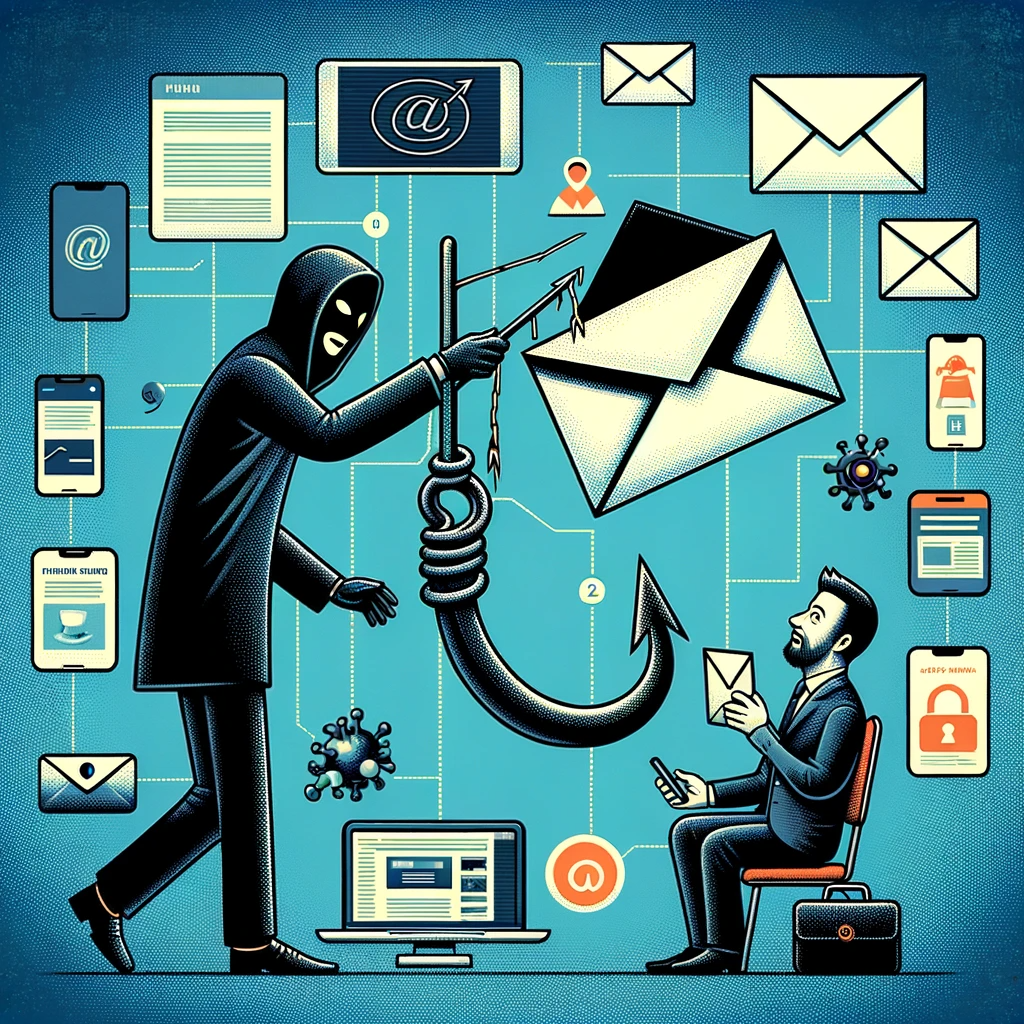
How Can I Educate Myself About Current Scams?
How Can I Educate Myself About Current Scams?
- Getting savvy about current scams is crucial to avoid becoming a statistic.
- Utilize the internet as a resource for learning about cybersecurity and scams.
- Visit websites of organizations like FTC and CISA for updates and information on the latest scams.
- Engage with community groups or online forums focused on consumer protection to enhance knowledge and support.
- Listen to podcasts and attend webinars featuring cybersecurity experts for accessible learning.
- Consider volunteering for consumer advocacy or cybersecurity awareness organizations for hands-on experience.
- Knowledge is power; take proactive steps to protect yourself and those around you from scams.

How Can I Educate Myself About Current Scams?
Conclusion
Navigating the labyrinth of the digital world can feel like trying to pitch a tent in a windstorm—one misstep, and you might find yourself exposed to all kinds of trouble. But here’s the kicker: a simple mistake in your online habits could catapult you straight into the sights of a scam artist. It’s easy to let your guard down when you’re busy juggling life’s curveballs. Maybe you click on a link because it comes from a friend, or reuse a password because remembering each one feels like solving a puzzle with missing pieces. But let me tell you, that split-second decision to brush off your instincts could be the first domino in a series that leads to identity theft or financial devastation.
So how do we fortify ourselves against this ever-present menace? It starts with trust—trust in yourself and your instincts. Think of it: You wouldn’t leave your front door wide open for anyone to waltz in. Similarly, don’t leave your cybersecurity vulnerable. Take a good hard look at your daily digital interactions. Every click deserves scrutiny. A suspicious offer claiming to turn your life around? That’s a red flag waving in a hurricane. When something screams “scam,” your gut knows it before your brain does. Build your “scam radar” and keep it finely tuned; it’s your best defense.
Here’s the golden rule: when in doubt, verify. Check that sender’s email address, hunt down their contact info, and never hesitate to reach out to companies through known channels if something feels off. Education is ammunition—soak up knowledge like a sponge. Websites like the FTC and CISA are brimming with insight on the latest scams. Get involved in your community, swap stories, and share experiences; it’s like building a fortress made of shared wisdom against the onslaught of deception.
Ultimately, protecting yourself online isn’t about living in fear; it’s about thriving with awareness. Elevate your digital game by using strong passwords, embracing two-factor authentication, and actively questioning anything that seems too good to be true. Collectively, let’s be vigilant and proactive. Because at the end of the day, the next scam target should be anyone but you. Invest in your peace of mind—arm yourself with knowledge and, above all, trust yourself. You’ve got what it takes to navigate this wild digital landscape and stand strong against those lurking in the shadows. Don’t just get by; thrive!

Conclusion
Conclusion:
- Navigating the digital world is challenging and can expose you to potential scams.
- A simple mistake in online habits can lead to identity theft or financial loss.
- Trust your instincts and be diligent about your cybersecurity practices.
- Scrutinize every digital interaction and recognize red flags in suspicious offers.
- Always verify before acting—check email senders and reach out through known channels.
- Stay informed about the latest scams by utilizing resources from the FTC and CISA.
- Empower yourself with knowledge and engage your community to build collective awareness.

Conclusion
Other Resources

Other Resources
Here is a list of other resources you can review online to learn more:
Use This Prompt To Get More Resources With Your Favorite Online AI Tool: Please provide me with a list of online articles with their URLs in a bulleted list that I can read regarding Can a Simple Mistake Make You The Next Scam Target?
Other Resources
Glossary Terms
Can a Simple Mistake Make You The Next Scam Target? – Glossary Of Terms
1. Phishing: A cyber attack that attempts to steal sensitive information by disguising as a trustworthy entity in electronic communications.
2. Scam: A fraudulent scheme designed to con individuals out of money or personal information.
3. Malware: Malicious software developed to disrupt, damage, or gain unauthorized access to computer systems.
4. Social Engineering: A tactic used by scammers to manipulate individuals into divulging confidential information through psychological deception.
5. Identity Theft: The act of illegally using someone else’s personal information, typically for financial gain.
6. Fraud: Wrongful or criminal deception intended to result in financial or personal gain.
7. Clickbait: Sensationalized or misleading content designed to attract attention and encourage users to click on a link.
8. Spoofing: The act of impersonating someone else’s identity through fake emails or messages to deceive others.
9. Two-Factor Authentication (2FA): A security process that requires two different forms of identification from users to verify their identity.
10. Data Breach: An incident in which sensitive, protected, or confidential data is accessed or disclosed without authorization.
11. Ransomware: A type of malware that encrypts a victim’s files, with a demand for payment to restore access.
12. Skimming: The theft of credit card information or personal data from unsuspecting individuals, often through devices attached to payment terminals.
13. Vishing: Voice phishing, where scammers use phone calls to trick individuals into giving up sensitive information.
14. Smishing: SMS phishing, a scam mainly conducted through text messages to extract personal data from individuals.
15. Spear Phishing: A targeted form of phishing where attackers personalize their approach to deceive specific individuals or organizations.
16. Compromised Account: An account that has been accessed by unauthorized individuals, often resulting in loss of personal information or funds.
17. Multi-layered Security: A security approach that uses multiple strategies to protect systems and data from unauthorized access.
18. Counterfeit Website: A fake website designed to resemble a legitimate one to trick users into entering personal or financial information.
19. Due Diligence: The careful and systematic investigation or evaluation of a person or entity before entering into a transaction.
20. Common Scams: Various fraudulent schemes such as lottery scams, romance scams, or job scams that seek to deceive individuals.
21. Protective Software: Applications designed to secure devices against malware, phishing, and other cyber threats.
22. Security Awareness Training: Programs designed to educate individuals and organizations about the importance of cybersecurity and how to avoid scams.
23. Confirmation Bias: The tendency to interpret new evidence as confirmation of one’s existing beliefs or theories, which can lead to overlooking warning signs of scams.
24. Account Recovery: The process of regaining access to a compromised account, often involving verification of identity and secure password resets.
25. Surveillance: Monitoring or scrutiny of individuals, particularly by scammers, to gather information that can be exploited.
26. Privacy Settings: Configurations on social media and online accounts that affect the visibility of personal information, helping to protect user data.
27. Digital Footprint: The trail of data left by users while interacting with digital platforms, which can be exploited by scammers.
28. Red Flags: Warning signs or indicators of a potential scam that should raise suspicion and prompt further investigation.
29. Consumer Protection: Regulations and policies aimed at ensuring the rights of consumers and protecting them from deceptive practices.
30. Incident Report: A formal documentation of a security incident or scam that details what occurred, the response, and any loss incurred.

Glossary Of Terms
Other Questions
Can a Simple Mistake Make You The Next Scam Target? – Other Questions
If you wish to explore and discover more, consider looking for answers to these questions:
- What are the most common types of scams targeting individuals today?
- How can I tell if an email or message is a phishing attempt?
- What steps should I take immediately if I fall for a scam?
- Are there specific tools or software recommended for protecting against scams?
- What role does social media play in scams, and how can I protect myself on these platforms?
- How can I report a scam once I’ve identified it?
- What should I do if I accidentally gave out personal information to a scammer?
- How can I educate my friends and family about avoiding scams?
- What are the legal implications of falling victim to a scam?
- What are some red flags that indicate a website may not be legitimate?

Other Questions
Haiku
Can a Simple Mistake Make You The Next Scam Target? – A Haiku
Simple errors lurk,
Click with care, stay aware now—
Guard your truth from thieves.

Haiku
Poem
Can a Simple Mistake Make You The Next Scam Target? – A Poem
In the Shadows of the Web
In the morning light, we sip our brew,
Yet beneath the calm, dangers ensue.
A simple click, an overlooked link,
Turns our fortress into a ship that could sink.
Beware the words in the emails you see,
“For a grand prize, just trust in me!”
But whispers of urgency, they often deceive,
Hastily clicking, we’re prone to believe.
Passwords as weak as a gust in the breeze,
Let hackers in with the greatest of ease.
A fortress of symbols and numbers entwined,
Will guard your treasures, keep peace of mind.
Trust your instinct, hold tight to your gut,
When a stranger’s call makes you second-guess what.
Sift through information with care and intent,
Finding truth in the noise is time well spent.
Educate, engage, and bolster your stance,
Learn from the failures, give knowledge a chance.
Community bonds can unite us as one,
To spot every scam before trouble’s begun.
So keep your defenses alert and in sight,
In the digital darkness, let wisdom be light.
For with each tiny action, we rise and we stand,
Together resilient, united we’ll band.

Poem
Checklist
Can a Simple Mistake Make You The Next Scam Target? – A Checklist
Checklist: Safeguarding Yourself Against Scams
1. Educate Yourself:
_____ Read articles and resources from reputable cybersecurity organizations like FTC and CISA.
_____ Subscribe to newsletters for the latest scam alerts and cybersecurity tips.
_____ Stay informed about common scams and current phishing tactics.
2. Be Cautious with Emails:
_____ Always scrutinize the sender’s email address for discrepancies.
_____ Be wary of emails that create a sense of urgency; take time to verify legitimacy.
_____ Avoid clicking on links in unsolicited emails; hover over them to check URLs first.
3. Strong Password Practices:
_____ Use strong, unique passwords for each account.
_____ Consider using a password manager to securely store and generate passwords.
_____ Enable two-factor authentication (2FA) wherever possible.
4. Monitor Personal Information Sharing:
_____ Limit the amount of personal information shared on social media.
_____ Review and adjust privacy settings on your accounts.
_____ Think before posting sensitive information publicly.
5. Recognize Red Flags of Scams:
_____ Trust your instincts; if something feels off, investigate further.
_____ Look out for poor grammar/spelling in messages, indicating possible scams.
_____ Verify claims of prizes or financial offers through independent sources.
6. Document Suspicious Activities:
_____ Keep a record of suspicious emails, calls, or messages; take screenshots if needed.
_____ Note the details (time, content, sender) for your reference or when reporting.
7. Report Scams:
_____ Report suspected scams to local authorities, FTC, or consumer protection groups.
_____ Share experiences with family or community groups to raise awareness.
8. Stay Updated on Cybersecurity:
_____ Engage with online forums or local groups focused on consumer protection.
_____ Attend webinars or listen to podcasts from cybersecurity experts.
_____ Regularly review your credit reports for any unauthorized activity.
9. Regularly Review Your Accounts:
_____ Check bank and credit card statements for any unusual transactions.
_____ Change passwords periodically and after any suspicious activity.
10. Take Proactive Action:
_____ Create a personal cybersecurity plan outlining specific actions to take when besieged by potential scams.
_____ Practice mindfulness when engaging online; think critically before acting.
By following this checklist, you can effectively fortify your defenses against scams and enjoy a safer online experience. Remember: vigilance is your best ally!
Checklist
At BestCyberSecurityNews, we help teach entrepreneurs and solopreneurs the basics of cybersecurity and its impact on their businesses by using simple concepts to explain difficult challenges.
Please read and share any of the articles you find here on BestCyberSecurityNews with your friends, family, and business associates.