


Don’t Fall Victim: Protecting Seniors From Common Scams
By Tom Seest
At BestCyberSecurityNews, we help teach entrepreneurs and solopreneurs the basics of cybersecurity and its impact on their businesses by using simple concepts to explain difficult challenges.
Please read and share any of the articles you find here on BestCyberSecurityNews with your friends, family, and business associates.
Are You Aware Of The Most Common Scams Targeting Seniors?
You know, there’s a certain beauty in the wisdom that comes with age. Seniors have seen it all: the highs, the lows, and everything in between. But while life experience gives you a unique perspective, it also puts you on the radar for some unscrupulous folks who want to take advantage of that wisdom. Let’s talk about something that’s not always easy, but is essential in today’s world: being savvy about the scams targeting seniors.
Now, I know what you may be thinking: “I’ve lived long enough to know better.” And sure, that’s true. But the truth is, scams are evolving faster than ever. Cybersecurity threats are particularly insidious, lurking behind the veil of a bright screen, waiting for an opportunity to pounce. These scams can come through emails, phone calls, or even social media messages, dragging you into a web of deception that can be hard to navigate.
Take, for instance, the infamous lottery scam. Imagine getting a call saying you’ve won a contest you never entered. Sounds far-fetched, right? But it’s happening to folks every day. Scammers will ask for personal information or a fee for “processing.” The moment you provide that info, it could put your financial security at risk. That’s where your inner skeptic should kick in. If it feels too good to be true, it probably is.
Let’s not forget those phishing emails. A legitimate-looking message from your bank might pop up, requesting you to verify your account details. Instead of clicking that link, trust your gut. It’s often better to pick up the phone and call your bank directly. It’s a simple action that could save you from a scammer’s grasp.
So what’s the best defense? Awareness. Knowing the common tactics can arm you against potential threats. Surround yourself with a supportive circle—friends, family, and neighbors can all help share vital information and keep each other alert to suspicious activities. Also, engage with local resources; community centers often have programs focused on cybersecurity and fraud prevention.
It’s all about fostering a proactive mindset. Stay informed, share your knowledge, and together, we can stand strong against the gray clouds of scams. After all, nobody should be able to tarnish the golden years that you’ve worked so hard to enjoy.

Are You Aware Of The Most Common Scams Targeting Seniors?
Are You Aware Of The Most Common Scams Targeting Seniors?
- Seniors possess valuable life experience, but this can make them targets for scams.
- Scams are evolving rapidly, with cybersecurity threats becoming more prevalent.
- Examples of scams include lottery scams where victims are asked for personal information or fees.
- Phishing emails may appear legitimate, urging you to verify account details; it’s better to contact your bank directly.
- Awareness of common scam tactics is essential for defense against fraud.
- Building a supportive network of friends and family helps share information and alert each other about suspicious activities.
- Engaging with local resources and community programs can enhance knowledge on cybersecurity and fraud prevention.

Are You Aware Of The Most Common Scams Targeting Seniors?
Table Of Contents
- Are You Aware Of The Most Common Scams Targeting Seniors?
- What Are The Top Scams Affecting Seniors?
- How Can Seniors Recognize Potential Scams?
- What Steps Can Seniors Take To Protect Themselves?
- Are There Specific Red Flags For Scams Targeting Seniors?
- What Resources Are Available For Reporting Scams?
- How Can Family Members Help Protect Seniors From Scams?
- What Role Does Technology Play In Scams Against Seniors?
- Conclusion
- Other Resources
- Glossary Of Terms
- Other Questions
- Haiku
- Poem
- Checklist
What Are The Top Scams Affecting Seniors?
We live in a world filled with both marvelous technology and, unfortunately, some nefarious folks who are all too eager to take advantage of it. For seniors, the stakes can feel even higher. The truth is, anyone can be a target, but certain scams are designed with older adults in mind. So let’s take a stroll down this treacherous path, together.
First on the list is the infamous phishing scam. You’ve probably heard of it. Imagine sitting at your computer, sipping your coffee, and suddenly an email appears claiming to be from your bank. Look closer, and you’ll see that it’s as legitimate as a three-dollar bill. The email asks you to “verify” your account information, and before you know it, your bank account is lighter than a feather. Cybersecurity, as much as it sounds like a buzzword, is the umbrella under which these scams fall. Teaching our seniors about safe online practices can be a game-changer. There’s power in knowledge, and making them aware can stop a scammer in their tracks.
Then there are the phone scams—those intrusive calls that seem to always come at dinner time. Whether it’s someone posing as the IRS demanding immediate payment for back taxes or a fake telemarketer selling “miracle” health products, the key is the same: they prey on fear and urgency. Remind the seniors in your life that it’s okay to hang up. If it sounds too good to be true or smells fishy, it probably is. Building trust in their instincts can empower them to take control.
And we can’t forget about the grandparent scam, which often uses emotional manipulation. A scammer poses as a grandchild in trouble and urgently needs money for something like bail. It’s heart-wrenching, but the best way to combat this is through communication. Encourage regular check-ins with family to avoid falling for such tactics.
Lastly, we must address those deceptive subscription services that can sneakily tie up finances. They often lure seniors in with a “free trial,” only to reveal hefty charges down the line. Clarity in what they’re signing up for is key. An honest conversation about financial awareness can help our loved ones protect their nests.
In essence, awareness is your best ally. Equip our seniors with knowledge, communication, and a healthy dose of skepticism, and watch as they navigate this digital world with newfound confidence. Together, we can help protect those we love from scammers lurking in the shadows.

What Are The Top Scams Affecting Seniors?
What Are The Top Scams Affecting Seniors?
- Technology offers benefits but also attracts nefarious scammers targeting seniors.
- Phishing scams involve fraudulent emails that appear to be from legitimate sources, like banks, tricking victims into revealing personal information.
- Educating seniors about safe online practices can empower them to recognize and avoid scams.
- Phone scams exploit fear and urgency, often impersonating authorities or selling false products.
- Seniors should be encouraged to trust their instincts and hang up if something seems suspicious.
- The grandparent scam uses emotional manipulation, urging victims to send money by posing as a troubled grandchild.
- Understanding subscription services and their hidden costs can help seniors maintain financial awareness and avoid being deceived.

What Are The Top Scams Affecting Seniors?
How Can Seniors Recognize Potential Scams?
Let’s take a moment together to dig into a topic that’s more relevant than ever: recognizing potential scams. We’re living in a digital age where resources are abundant but so are the risks. Cybersecurity isn’t just a buzzword—it’s a necessity for safeguarding our peace of mind and financial wellness.
Now, you might think scams only target the young and tech-savvy, but let me tell you, scams are like bad weather—they can show up anywhere, anytime, and often without warning. But fear not; recognizing these scams isn’t an insurmountable task, and together we can build a sturdy shield against them.
First, start by trusting your instincts. If something feels off—like an unsolicited email claiming you’ve won a mysterious lottery you never entered or a phone call from a “friendly” representative pressing for your personal details—ask yourself: does this sound too good to be true? It probably is.
Next, let’s talk about the well-known “urgent request.” Scammers thrive on creating panic. Whether it’s a claim that your account has been compromised or a distant relative needing immediate funds, take a step back. Genuine institutions will not rush you into making quick decisions. Take a moment to verify by hanging up and calling them back using a trusted number.
Education is a mighty tool when it comes to cybersecurity. Equip yourself with knowledge about common scams. Embrace resources available for seniors—many community centers and libraries host workshops designed to keep you informed. Just a little insight can go a long way in ensuring you recognize the red flags before it’s too late.
Additionally, remember the power of communication. If you feel uncertain about a proposed transaction or request, share your concerns with a family member or friend. They can provide a fresh perspective and may also have encountered similar situations.
Finally, practice caution with unfamiliar websites and links. Legitimate businesses don’t need to resort to fishy tactics to earn your trust. A good rule of thumb: if you haven’t sought it out, don’t engage with it.
At the end of the day, recognizing potential scams is about staying vigilant and informed. You’ve earned your hard-earned savings; don’t let a scammer come in and take it away. By being proactive, asking questions, and supporting each other, we can create a community that’s safe from scams and flourishing in trust. So let’s watch out for one another—that’s what it’s all about!

How Can Seniors Recognize Potential Scams?
How Can Seniors Recognize Potential Scams?
- Recognizing potential scams is crucial in today’s digital age, where resources and risks abound.
- Scams can target anyone, regardless of age or tech-savviness, showing up unexpectedly.
- Trust your instincts; if something seems too good to be true, it likely is.
- Beware of urgent requests that create panic; always verify before acting.
- Educate yourself on common scams and utilize workshops at community centers and libraries.
- Communicate with family and friends about suspicious transactions for additional perspective.
- Exercise caution with unfamiliar websites and links; only engage with trusted sources.

How Can Seniors Recognize Potential Scams?
What Steps Can Seniors Take To Protect Themselves?
In a world that’s practically spinning faster with every tick of the clock, it’s natural for seniors to feel a bit lost amidst the digital chaos. But fear not! You don’t need a degree in cybersecurity to navigate through the tech jungle safely. Rather, it’s about arming yourself with the right tools and a little common sense. So, let’s roll up our sleeves and dive into some practical steps you can take to protect yourself.
First and foremost, education is your best friend. Understand that the internet can be a tricky place, filled with shiny distractions designed to catch you off guard. Take some time to learn the basics of cybersecurity. What’s a phishing email? How does a secure password work? A little knowledge goes a long way, and there are countless community courses tailored for seniors eager to explore the digital realm safely. You’re never too old to learn!
Next up, let’s chat about passwords because, let’s be honest, we all have those moments where remembering our passwords feels like launching a rocket. Here’s the scoop: use unique and complex passwords for different accounts. If it feels overwhelming, consider using a password manager. It’s like a safety net, keeping your digital life organized and secure, so you don’t have to remember every little detail.
Now, onto one of the biggest threats out there: scams. Those crafty con artists are everywhere, lurking behind the screen. If you receive an email or message that seems too good to be true, it probably is. Never share personal information over email or social media without verifying who you’re dealing with. Trust your gut; if something feels off, take a step back and investigate before jumping in.
Let’s not forget about that trusty device you’ve got in your pocket or on your desk. Keep your software updated to ensure you have the latest security patches—this is your digital armor. Regularly check for updates on your operating system and apps, and install them without delay.
Lastly, reach out. Talk to your family and friends about your online experiences. Share your concerns, and lean on each other for support. Trust me, having a digital buddy system can make the journey a lot more enjoyable. You don’t have to navigate this tech landscape alone. With these steps, you can feel empowered and secure, ready to explore the digital age without fear.

What Steps Can Seniors Take To Protect Themselves?
What Steps Can Seniors Take To Protect Themselves?
- Seniors may feel overwhelmed by the rapid pace of digital technology but can navigate safely with the right tools.
- Education in cybersecurity is essential; understanding concepts like phishing and secure passwords greatly helps.
- Use unique and complex passwords for different accounts, and consider a password manager for added security.
- Be wary of scams; verify any suspicious emails or messages before sharing personal information.
- Keep your devices updated with the latest software to ensure they are protected against vulnerabilities.
- Engage with family and friends about online experiences for support and shared learning.
- By following these steps, seniors can feel empowered and secure in the digital age.

What Steps Can Seniors Take To Protect Themselves?
Are There Specific Red Flags For Scams Targeting Seniors?
When it comes to scams aimed at our senior citizens, the phrase “trust your gut” has never rang truer. The unfortunate reality is that scams have become more sophisticated over the years, and those who are hoping to profit from vulnerability are lurking like wolves in sheep’s clothing. But before we dive into the signs that something might be amiss, let’s take a moment to remember that many seniors are living independently, relying on a lifetime of wisdom to navigate the world. That wisdom, however, can sometimes be clouded by a little bit of trust—something swindlers exploit like it’s going out of style.
First and foremost, if something feels “too good to be true,” it probably is. Take a moment to consider what’s being offered. Whether it’s an unbelievable prize in a sweepstake you never entered or an unsolicited email offering a windfall if you share your personal information, it’s crucial to approach these situations with suspicion. Scammers often rely on urgency; they want you to act fast. If you receive a phone call claiming your car’s warranty is about to expire, take a deep breath. Check the validity — don’t just take their word for it.
Another flag that should raise the hairs on the back of your neck is inconsistency. If someone’s story changes each time they talk to you, or if the details don’t quite add up, it’s time to call in a second opinion. Trust your instincts; they’ve served you well over the years. Consider keeping an eye on suspicious patterns, whether it be unfamiliar numbers calling repeatedly or unexpected visits from strangers claiming to be from reputable organizations.
Cybersecurity is now a household talk, often laden with jargon, but it’s essential. Familiarize yourself with the basics, such as using strong passwords, avoiding public Wi-Fi for sensitive transactions, and keeping software up to date. Just because you’re dealing with friendly voices or images, that doesn’t mean you’re safe. Create a digital fortress as vigorous as your home’s.
Lastly, remember that sharing is caring. Talk to family and friends about your experiences. Have they witnessed or experienced similar scams? Keeping the conversation open can be your best defense. Ensuring that you and your loved ones stay informed and aware is the best weapon against fraud. Don’t let fear dictate your life, but do stay vigilant. Trust, but verify. It’s a simple mantra that can help safeguard your hard-earned peace of mind.

Are There Specific Red Flags For Scams Targeting Seniors?
Are There Specific Red Flags For Scams Targeting Seniors?
- Scams targeting seniors are becoming more sophisticated, preying on their vulnerabilities.
- “Trust your gut” serves as an essential reminder when assessing potential scams.
- If an offer seems “too good to be true,” it likely is; approach such situations with skepticism.
- Be wary of urgency tactics used by scammers to pressure individuals into quick decisions.
- Inconsistencies in someone’s story can be a red flag; seek a second opinion if needed.
- Enhance cybersecurity by using strong passwords, avoiding public Wi-Fi for sensitive information, and keeping software updated.
- Promote open conversations with family and friends about scams to stay informed and vigilant against fraud.

Are There Specific Red Flags For Scams Targeting Seniors?
What Resources Are Available For Reporting Scams?
In our increasingly connected world, where the digital landscape can often feel like the Wild West, knowing where to turn when you encounter a scam is vital. Thankfully, you’re not alone in this journey. There’s a robust framework of resources available to help you navigate the murky waters of scams and cybersecurity.
First and foremost, the Federal Trade Commission (FTC) stands as a beacon of hope. Their website is a treasure trove of information, offering guidance on various types of scams, from identity theft to credit card fraud. If you’ve fallen victim to a scam, reporting it to the FTC not only helps you seek justice but also contributes to the greater good by equipping authorities with data to catch the bad actors.
In addition to the FTC, there’s the Internet Crime Complaint Center (IC3). This partnership between the FBI and the National White Collar Crime Center allows individuals to report cybercrime. By submitting a detailed complaint here, you’re not just voicing your experience; you’re actively participating in a larger effort to combat cyber threats.
Don’t forget about your local authorities. Often, scams have a regional flavor, and local law enforcement can provide assistance and resources geared toward your community. They may even have task forces specifically dedicated to addressing cyber-related crimes.
Another essential resource is the Better Business Bureau (BBB), which acts as a watchdog over businesses and their practices. If you stumble upon a scam, especially one masquerading as a legitimate company, the BBB can help. They not only facilitate reporting but also offer reviews and ratings that can point you in the right direction before you decide to part with your hard-earned cash.
For those who prefer a more practical approach to protecting themselves and their families, numerous cybersecurity nonprofits and educational organizations provide valuable resources on how to avoid scams altogether. They offer tips, webinars, and even local workshops about online safety and best practices.
Engaging with these resources can feel empowering. You’re not just waiting for a hand to guide you; you’re actively taking control of your safety. Remember, the more we share our experiences and knowledge, the harder we make it for scammers to thrive. Reporting scams isn’t simply a formality; it’s a way to hold the deceitful accountable and protect others from falling into the same traps. So step up, report those scams, and be part of the solution!

What Resources Are Available For Reporting Scams?
What Resources Are Available For Reporting Scams?
- Understanding scams and knowing where to turn for help is crucial in today’s digital landscape.
- The Federal Trade Commission (FTC) provides valuable information and resources on various scams, including identity theft and credit card fraud.
- Reporting scams to the FTC helps victims seek justice and aids authorities in catching scammers.
- The Internet Crime Complaint Center (IC3) allows individuals to report cybercrimes and contribute to combating cyber threats.
- Local law enforcement can provide assistance and resources tailored to regional scams and may have task forces dedicated to cyber-related crimes.
- The Better Business Bureau (BBB) monitors businesses and helps report scams, offering reviews and ratings for consumers.
- Engaging with cybersecurity nonprofits and educational organizations can provide tips and resources on avoiding scams, empowering individuals to take control of their safety.

What Resources Are Available For Reporting Scams?
How Can Family Members Help Protect Seniors From Scams?
Let’s face it: in today’s digital world, navigating the landscape of scams can feel like trying to walk through a minefield—especially for seniors who didn’t grow up with smartphones glued to their hands. So, how can you, as a family member, step in and become the trusty guide they need? Well, grab a comfortable seat and let’s dive into some practical strategies that you can implement together.
First off, open the lines of communication. Sitting down for a casual chat over coffee creates the perfect setting to discuss the realities of scams. Seniors often don’t realize how prevalent these schemes are, so sharing stories about common scams—like phishing emails or fake tech support calls—can make it relatable. Use real-world examples that emphasize absentmindedness. We’ve all been there, thinking, “It’ll never happen to me,” right? But you know better—education is one of the best forms of cybersecurity.
Next, consider helping them set up their digital defenses. Think of it as community watch, but for their online life. Show them how to enable two-factor authentication on their accounts. By taking this step together, you’re not just bolstering their cybersecurity; you’re also turning the tables on the scammers. You’ll provide reassurance that they’re not alone in this overwhelming environment.
Then, let’s address the elephant in the room: calls from unknown numbers. Encourage them to let calls go to voicemail. If it’s important, the caller will leave a message. If not, it’s a simple click of a button to block that number. Instilling a cautious approach can go a long way. You might even make a game of it—who can spot the most dubious message in a week?
Moreover, don’t forget to check in regularly. A simple call or visit can remind them that they have an ally keeping an eye on things. Discuss any suspicious emails they may have received or those strange friend requests on social media. Open dialogue fosters trust, allowing them to feel like they can share their concerns without hesitation.
It’s all about creating a supportive environment. By empowering them with knowledge and strategies while fostering open communication, you not only protect your loved ones from scams but also strengthen your bond with them. After all, when it comes to family, a little vigilance goes a long way.

How Can Family Members Help Protect Seniors From Scams?
How Can Family Members Help Protect Seniors From Scams?
Here is a bulleted summary formatted as an HTML list:
- Scams can be overwhelming for seniors unfamiliar with digital technology.
- Open communication is essential; casual chats can help discuss the realities of scams.
- Use real-world examples to educate seniors on common scams like phishing and fake tech support.
- Assist them in setting up digital defenses, such as enabling two-factor authentication.
- Encourage caution with unknown calls by promoting voicemail usage and blocking suspicious numbers.
- Regular check-ins (calls or visits) help maintain trust and monitor for suspicious activity.
- Creating a supportive environment strengthens family bonds while protecting against scams.

How Can Family Members Help Protect Seniors From Scams?
What Role Does Technology Play In Scams Against Seniors?
When it comes to technology, a lot of folks have a love-hate relationship with it. For seniors, the digital world can seem like an enchanting realm filled with possibilities—keeping in touch with loved ones, managing their health, even pursuing hobbies. Unfortunately, that same digital landscape can also be a minefield of scams. The numbers are staggering, with seniors increasingly targeted by clever con artists who know exactly how to exploit the unfamiliar terrain of the online world.
Let’s face it, navigating technology can feel like trying to operate a spaceship when you’re used to driving a reliable old pickup truck. The tools we now carry in our pockets—smartphones, tablets, and laptops—offer conveniences that were unimaginable just a few decades ago. But with convenience comes complexity, and scammers are more than happy to take advantage of that. They know that because seniors didn’t grow up with the internet, they might not have the same instinctive radar for spotting a shady offer or a phishing email.
Imagine receiving a call about a fantastic investment opportunity or winning a prize you never even entered for. It sounds enticing, and that’s precisely the trap. Cybersecurity experts warn that awareness is the first line of defense. Teaching our older family members about the red flags of scams—like too-good-to-be-true offers, requests for personal information, and high-pressure tactics—is crucial for their protection.
But it’s not just about pointing fingers and scaring people into a corner. It’s about building confidence and fostering a sense of security in using technology. Take the time to sit down with seniors and show them how to navigate the internet safely. Share practical tips—how to create strong passwords, how to spot a scam email, and when to simply hang up or click away. These small lessons can empower them, giving them the tools to feel competent and secure in their digital endeavors.
At the end of the day, technology doesn’t have to feel like a roasting pit. With the right knowledge and a little patience, it can be a helpful ally. So why not start a conversation? Open up the dialogue about technology’s benefits and risks. Together, we can turn the tide on scams against seniors and build a community that uplifts and protects those we love. When you empower the people around you, you’re not just fighting against scams—you’re creating a generation of savvy, confident digital navigators, ready to surf the web instead of just surviving it.

What Role Does Technology Play In Scams Against Seniors?
What Role Does Technology Play In Scams Against Seniors?
- Seniors have a mixed relationship with technology, viewing it as both beneficial and risky.
- The digital world offers opportunities for connection, health management, and hobbies but is also rife with scams targeting seniors.
- Navigating technology can be daunting for seniors, as they may lack the instinct to identify online scams.
- Common scams include enticing investment opportunities and prize notifications, exploiting the unfamiliarity of technology.
- Educating seniors about scam red flags is essential to protect them, highlighting offers that seem too good to be true or high-pressure tactics.
- Building confidence in technology use is crucial; practical lessons on internet safety can empower seniors.
- Open discussions about technology’s advantages and risks can help foster a supportive community and create skilled, confident digital users.

What Role Does Technology Play In Scams Against Seniors?
Conclusion
As we wrap up this exploration of scams targeting seniors, let’s take a moment to reflect on what we’ve learned and how we can arm ourselves and our loved ones against these nefarious attacks. In the grand tapestry of life, experience offers wisdom—but it can also serve as a beacon for those who want to exploit that very wisdom. It’s a tough pill to swallow, but with age comes a certain vulnerability to scammers who lurk in every email, call, and social media post.
The key takeaway here? Awareness is your best ally. The bad guys are getting craftier, conjuring up schemes like lottery wins or fake IRS calls designed to prey on seniors. High-pressure tactics and false urgency have become their calling cards. So when that “urgent request” pops up, it’s on each of us to hit the pause button and think critically. The mantra to remember is simple: if it feels too good to be true, it probably is.
There’s no substitute for communication. Encourage the open flow of information between family and friends. Sharing stories of scams can bolster that community spirit and promote vigilance. Whether it’s recognizing a phishing email or understanding the importance of secure passwords, regular discussions create a support network that makes it harder for scammers to succeed.
Let’s not forget the importance of technology in this equation. While it can feel overwhelming, tech-savvy family members can demystify the digital world for seniors. By guiding them through safe online practices, teaching them to identify red flags, and helping them set up robust security measures, we empower our loved ones to navigate the internet with confidence.
And remember, if you or someone you know falls victim to a scam, don’t be ashamed. Report it. Resources abound, from the FTC to local law enforcement, and sharing your experience helps others avoid the same fate. Together, we can build an unfaltering wall of knowledge and community support that keeps scammers at bay.
In the end, it’s about fostering that proactive mindset. So, let’s stay vigilant, stay informed, and remind one another that no scammer can tarnish the golden years that so many have worked hard to enjoy. Protecting our seniors isn’t just a responsibility; it’s a commitment to the wisdom and contributions they bring to our lives. Let’s keep that legacy strong, together!

Conclusion
Conclusion:
- Scams targeting seniors are prevalent and exploit their vulnerabilities.
- Awareness is crucial; being skeptical of “too good to be true” offers helps protect against scams.
- Communication among family and friends strengthens community awareness and vigilance.
- Regular discussions about scams can help recognize phishing attempts and the importance of security.
- Tech-savvy family members can assist seniors in navigating online safety and recognizing red flags.
- If scammed, reporting incidents to authorities can help prevent others from falling victim.
- Protecting seniors is a commitment that honors their wisdom and contributions to society.

Conclusion
Other Resources

Other Resources
Here is a list of other resources you can review online to learn more:
- Abacode
- NTT Ltd.
- Inspira Enterprise India Private Limited
- Choice Solutions
- Deloitte
- onShore Security
- Blue Line Technologies
- IND Corporation
- CYDERES
Use This Prompt To Get More Resources With Your Favorite Online AI Tool: Please provide me with a list of online articles with their URLs in a bulleted list that I can read regarding Are You Aware Of The Most Common Scams Targeting Seniors?

Other Resources
Glossary Terms
Are You Aware Of The Most Common Scams Targeting Seniors? – Glossary Of Terms
1. Scam: A deceptive scheme or trick designed to con someone out of money or personal information.
2. Phishing: A fraud attempt in which a scammer uses emails or messages to trick individuals into revealing sensitive information, often impersonating a trusted entity.
3. Imposter Scam: A scam where fraudsters pose as someone the victim knows or trusts, such as a family member or government official, to steal money or personal data.
4. Advance Fee Scam: A scheme where the victim is promised a large sum of money in exchange for payment of a small upfront fee, which they never receive.
5. Tech Support Scam: A scam in which a fraudster claims that the victim’s computer has been compromised and offers fake technical support, often charging for unnecessary services.
6. Lottery or Prize Scams: Fraud where victims are told they have won a lottery or prize, but must pay fees or taxes upfront to claim their winnings.
7. Medicare Fraud: Deceptive practices that involve falsely claiming Medicare benefits to extract money from the healthcare system or senior individuals.
8. Romance Scams: A form of fraud that involves developing an online relationship with someone and then requesting money under various pretexts.
9. Charity Scams: Scams where fraudsters pose as charitable organizations to solicit donations from unsuspecting victims, often exploiting recent disasters or events.
10. Identity Theft: The unauthorized use of someone’s personal information, such as Social Security numbers or credit card details, to commit fraud or other crimes.
11. Investment Scam: Fraudulent schemes that promise high returns on investments but ultimately defraud victims of their money.
12. Rental Scams: Schemes in which scammers pose as landlords to collect deposits for properties that don’t exist or are not actually for rent.
13. Unsolicited Calls: Phone calls from unknown numbers that often attempt to sell products or services or solicit personal information, often used in various scams.
14. Telemarketing Fraud: A scam that involves making deceptive calls to solicit money or information from victims under false pretenses.
15. Ponzi Scheme: An investment scam that pays returns to earlier investors using the capital of new investors, rather than legitimate profits.
16. Pyramid Scheme: A recruiting scam where participants earn money primarily by recruiting new members rather than from legitimate sales of goods or services.
17. Nigerian Prince Scams: A specific type of advance fee scam involving emails claiming to come from wealthy individuals needing help to transfer large sums of money.
18. Government Grant Scams: Fraudsters tell victims they qualify for free government money or grants but require a fee or personal information upfront.
19. Skimming: The illegal collection of credit/debit card information using devices that scan cards, often done by scammers in retail settings.
20. Caller ID Spoofing: A technique used by scammers to disguise their phone number, making it appear as though the call is coming from a legitimate source.
21. Fake Check Scams: Scams where the victim receives a check that looks real, but is counterfeit, and they are instructed to cash it and send a portion back.
22. Check Scams: Similar to fake check scams, this involves sending fake checks to victims, typically involving a request for money as a result.
23. Home Repair Scams: Fraud involving offers for home repairs or improvements that are never completed or are grossly overpriced.
24. Social Engineering: Manipulating individuals into divulging confidential information by exploiting psychological factors.
25. Classified Scams: Using classified ads to lure victims into scams involving non-existent products or services.
26. Online Auction Scams: Fraud in which sellers of items on auction websites do not deliver sold items after receiving payment.
27. Shipping Scam: Scams targeting those who agree to receive packages on behalf of the scammers, often involving stolen goods.
28. Work-at-Home Scams: Fraudulent schemes promising income through simple tasks or jobs that turn out to be fake or require upfront fees.
29. Debt Collection Scams: Scammers posing as legitimate debt collectors to intimidate victims into paying debts that may not even exist.
30. Senior Fraud Awareness: Programs and resources designed to educate seniors about the risks of scams and how to protect themselves from fraud.
Understanding these terms can help seniors identify potential scams and take appropriate precautions to protect their finances and personal information.

Glossary Of Terms
Other Questions
Are You Aware Of The Most Common Scams Targeting Seniors? – Other Questions
If you wish to explore and discover more, consider looking for answers to these questions:
- What are the most prevalent scams currently affecting seniors?
- How can seniors effectively report scams they encounter?
- What can community organizations do to help educate seniors about scams?
- What role do social media platforms play in scams targeting seniors?
- How can seniors differentiate between legitimate offers and scams?
- What specific tools or apps can help seniors protect themselves online?
- Are there any case studies or statistics on scams affecting seniors?
- What emotional impacts do scams have on seniors and their families?
- How can seniors be encouraged to share their experiences with scams?
- What preventative measures can seniors take on their phones to block scam calls?
- What signs should seniors look for in potential scams?
- How can families support seniors in enhancing their online security?
- What legal protections exist for seniors who are victims of scams?
- How do scammers use technology to specifically target seniors?

Other Questions
Haiku
Are You Aware Of The Most Common Scams Targeting Seniors? – A Haiku
Seniors wise yet frail,
Scammers lurk like shadows cast,
Knowledge is their shield.

Haiku
Poem
Are You Aware Of The Most Common Scams Targeting Seniors? – A Poem
A Shield of Wisdom: A Poem for Seniors
In the twilight of years where wisdom gleams,
Where stories of life weave intricate dreams,
There’s beauty in age, but shadows draw near,
With tricksters and liars that whisper in fear.
Oh, trusted elder, with stories profound,
Beware of the pitfalls where darkness surrounds.
They come with bright promises, tales spun with gold,
But if it feels too good, let your skepticism hold.
Phishing for trust in your inbox they creep,
Pretending to aid as they harvest and reap.
A call in the twilight, a tale of great need,
“Your grandchild is stranded—just send them some seed.”
Stand tall with your wisdom, engage with your kin,
Share tales of deceit, let the dialogue begin.
Know your passwords, keep them unique,
For knowledge is power, it’s strength that you seek.
When urgency nudges, take a moment, reflect—
Real help takes time; it’s patience, not wreck.
A fortress of caution—a digital guide,
With family beside you, you’ll turn the tide.
The FTC stands ready, a beacon of light,
To fight against fraud, to stand up for right.
Your voice is a weapon against the grim night,
Report the deceivers; let truth take its flight.
So gather your circle, let wisdom take wing,
In the bond of community, let vigilance sing.
For together we flourish, in trust we will thrive,
And protect one another, as long as we’re alive.
Through the maze of technology, let knowledge be key,
Empower each other—let’s see what we see.
In the golden years, may you dance and rejoice,
For in wisdom and love, you’ll always have a voice.

Poem
Checklist
Are You Aware Of The Most Common Scams Targeting Seniors? – A Checklist
Checklist: Protecting Seniors from Common Scams
Awareness and Education
_____ Discuss common scams with seniors in your life, using relatable examples.
_____ Encourage participation in local community workshops or classes about cybersecurity and scams.
Recognizing Red Flags
_____ Teach seniors to identify signs of scams, such as:
_____ Website or email addresses that look suspicious.
_____ Requests for personal information from unsolicited sources.
_____ Offers that seem too good to be true (prizes, investments, etc. ).
_____ Remind them to trust their instincts—if something feels off, investigate further.
Communication Strategies
_____ Establish regular check-ins to maintain open dialogue about any suspicious calls or emails.
_____ Share and discuss any scam stories or warnings from trusted sources.
Digital Defense Tools
_____ Help seniors set up two-factor authentication on important accounts.
_____ Guide them in using strong, unique passwords for different accounts; recommend a password manager if necessary.
_____ Ensure software and devices are regularly updated with the latest security patches.
Handling Unknown Contacts
_____ Advise seniors to let unknown calls go to voicemail and check messages before calling back.
_____ Teach them to only engage with recognized or verified numbers and senders.
Reporting Scams
_____ Familiarize seniors with key resources for reporting scams:
_____ FTC (Federal Trade Commission) for complaints related to scams.
_____ IC3 (Internet Crime Complaint Center) for cybercrimes.
_____ Local law enforcement for region-specific scam assistance.
_____ BBB (Better Business Bureau) for reporting dubious businesses.
Building a Supportive Network
_____ Encourage regular discussions with family and friends about online experiences and shared vigilance against scams.
_____ Foster a sense of community among seniors, where they can share information and tips on staying safe online.
Using Technology Wisely
_____ Teach seniors about safe internet browsing practices, like avoiding unfamiliar links and websites.
_____ Reinforce the importance of skepticism and caution when using online platforms or social media.
By following this checklist and encouraging open conversations, you can help seniors navigate the digital landscape safely and reduce their risk of falling victim to scams. Remember, empowerment through knowledge is key!
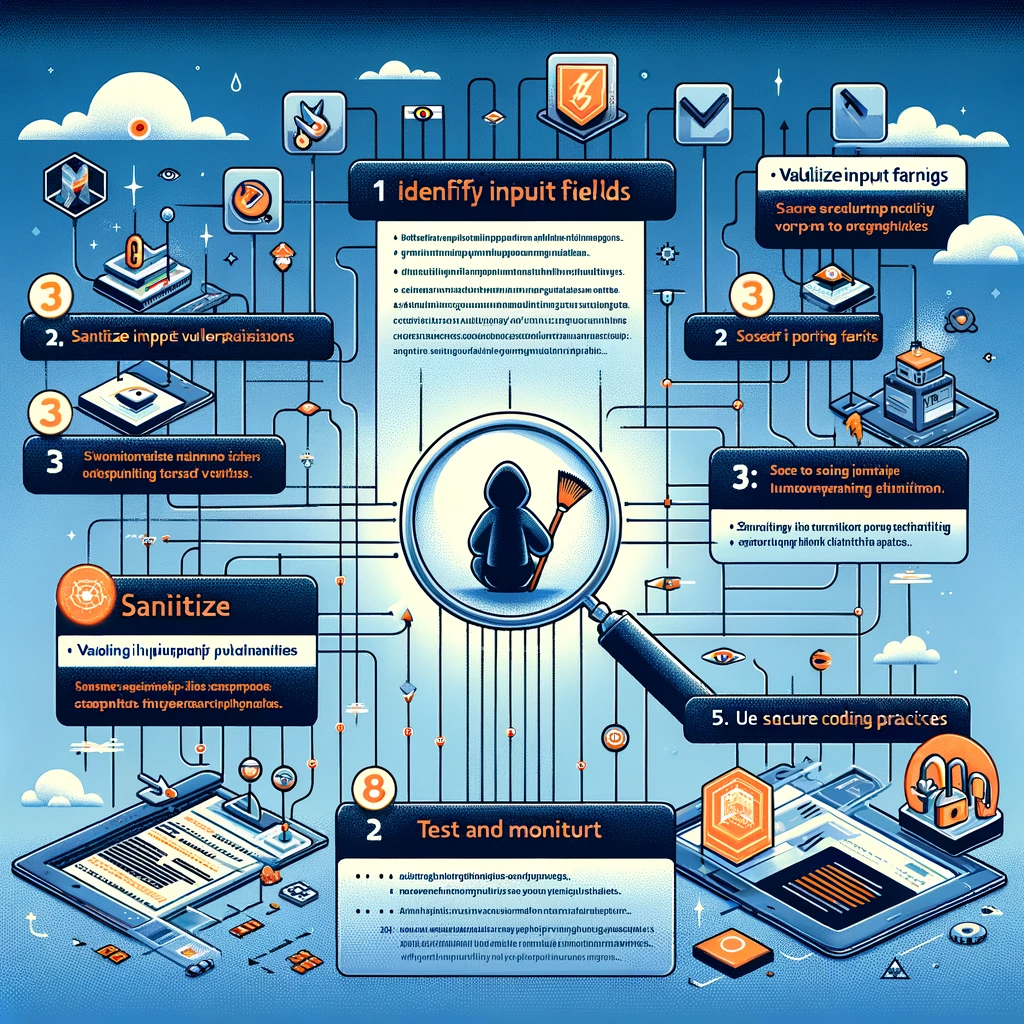
Checklist
At BestCyberSecurityNews, we help teach entrepreneurs and solopreneurs the basics of cybersecurity and its impact on their businesses by using simple concepts to explain difficult challenges.
Please read and share any of the articles you find here on BestCyberSecurityNews with your friends, family, and business associates.


