Unveiling The Hidden Threat Of Cyberattacks
By Tom Seest
At BestCyberSecurityNews, we help teach entrepreneurs and solopreneurs the basics of cybersecurity and its impact on their businesses by using simple concepts to explain difficult challenges.
Please read and share any of the articles you find here on BestCyberSecurityNews with your friends, family, and business associates.
Are Cyberattacks Malicious Attempts to Access Or Damage Computers?
In today’s digital age, the term “cyberattack” often takes center stage, casting a long shadow over our online activities. But what exactly do we mean when we talk about these malicious attempts to access or damage our computers? At its core, cybersecurity entails measures taken to protect our systems, networks, and programs from these unwelcome invasions. But let’s break it down a bit because understanding this phenomenon isn’t just for tech enthusiasts; it’s for anyone who engages with digital platforms.
Imagine your computer as a well-fortified castle. You’ve got your walls up, moats dug deep, and maybe even a drawbridge. Yet, lurking outside are various threats, intent on breaching your defenses. These threats can come from individuals or groups—hackers, cybercriminals, or even nation-states—with their own motives ranging from personal gain to political agendas. Cybersecurity professionals work tirelessly to identify vulnerabilities, reinforce those defenses, and ensure that our digital life remains safe from these hostile forces.
But here’s where it gets interesting: not every intrusion is created equal. Some hackers operate on a level akin to a raccoon rummaging through your trash—looking for something to exploit, perhaps your personal information or banking credentials. Others might act like seasoned generals, meticulously planning an assault on your systems. These are the advanced persistent threats, characterized by their stealth and sophistication. They aim not just to access data but to dismantle the very foundations of the systems that protect it.
So why do we call these actions “malicious”? Because they aren’t just harmless pranks or tests of skill. Their intent is clear: disrupt operations, steal information, or cause genuine harm. A successful cyberattack can lead to identity theft, corporate espionage, or even national security breaches. Ultimately, the repercussions stretch far beyond individual inconveniences—they create ripple effects that can undermine entire economies.
In an era where our lives are increasingly intertwined with technology, understanding the landscape of cyberattacks becomes essential. We owe it to ourselves to recognize threats as more than just abstract concepts. By exploring the motivations and methods of these digital marauders, we arm ourselves with the knowledge needed to bolster our cybersecurity defenses. After all, in this battle of wits between the good guys and the bad, awareness is our first line of defense.

Are Cyberattacks Malicious Attempts to Access Or Damage Computers?
Are Cyberattacks Malicious Attempts to Access Or Damage Computers?
- Cyberattacks are malicious attempts to access or damage computers and digital systems.
- Cybersecurity involves measures to protect systems, networks, and programs from these threats.
- Threats come from a variety of sources, including hackers, cybercriminals, and nation-states.
- Cybersecurity professionals aim to identify vulnerabilities and strengthen defenses against intrusions.
- Not all cyber intrusions are the same; some are opportunistic while others are highly sophisticated and planned.
- The intent behind cyberattacks can lead to significant issues such as identity theft and corporate espionage.
- Understanding cyber threats is crucial for digital safety and maintaining effective cybersecurity defenses.

Are Cyberattacks Malicious Attempts to Access Or Damage Computers?
Table Of Contents
- Are Cyberattacks Malicious Attempts to Access Or Damage Computers?
- What DeFines A Cyberattack?
- How Do Cyberattacks Occur?
- What Are Common Types Of Cyberattacks?
- Who Are The Typical Targets Of Cyberattacks?
- What Motives Drive Cyberattacks?
- How Can Individuals Protect Against Cyberattacks?
- What Role Do Firewalls Play In Cybersecurity?
- Conclusion
- Other Resources
- Glossary Of Terms
- Other Questions
- Haiku
- Poem
- Checklist
What DeFines A Cyberattack?
In today’s digital age, the term “cyberattack” gets tossed around like a hot potato at a family picnic. But what exactly does it mean? Let’s roll up our sleeves and dig into the nitty-gritty of this expansive topic, because understanding a cyberattack is just as crucial as defending against one.
First off, a cyberattack is essentially any deliberate attempt to breach the digital defenses of a system or network. Think of it like an unwelcome visitor trying to break down your front door; the intent is clear: to access what’s inside without permission. In a world dominated by connectivity, where our lives are spooled together in complicated webs of data and information, every keystroke can set the stage for a range of mischief—from harmless pranks to full-blown criminal endeavors.
One critical element of these attacks is the motivation behind them. They can range from financial gain, such as stealing credit card numbers or orchestrating ransomware schemes, to political statements and activism, or even just plain old vandalism. Regardless of motivation, one thing’s for sure: the stakes have never been higher. The risks to personal privacy and national security amplify with each freshly unleashed cyberattack, reminding us all that the realm of cybersecurity isn’t just for IT departments; it’s a collective responsibility.
Let’s also touch on methods. A knowledgeable perpetrator utilizes various tactics, from phishing scams designed to trap the unwary into divulging sensitive information, to Distributed Denial of Service (DDoS) attacks that cripple websites by overloading them with traffic. It’s a smorgasbord of strategies that can feel overwhelming, but understanding these methods can help organizations fortify their defenses.
Moreover, the consequences of these attacks can be staggering. Businesses face monetary losses, reputational damage, and the threat of lawsuits—all thanks to a breach that may have taken mere seconds to execute. Individuals can lose access to their bank accounts, personal data, or privacy, leading to a ripple effect that can last for years.
So, as we peel back the layers of what defines a cyberattack, remember: it’s more than just a techie term—it’s a reflection of the world we live in and a reminder of the vigilance required in the digital landscape of modern life.

What DeFines A Cyberattack?
What DeFines A Cyberattack?
- A cyberattack is a deliberate attempt to breach the digital defenses of a system or network.
- These attacks can range in motivation from financial gain, political statements, to vandalism.
- The stakes are high, impacting personal privacy and national security.
- Common methods include phishing scams and Distributed Denial of Service (DDoS) attacks.
- Consequences for businesses can include monetary losses, reputational damage, and legal threats.
- Individuals may lose access to bank accounts and personal data, creating long-term effects.
- Understanding cyberattacks emphasizes the collective responsibility of cybersecurity in modern life.

What DeFines A Cyberattack?
How Do Cyberattacks Occur?
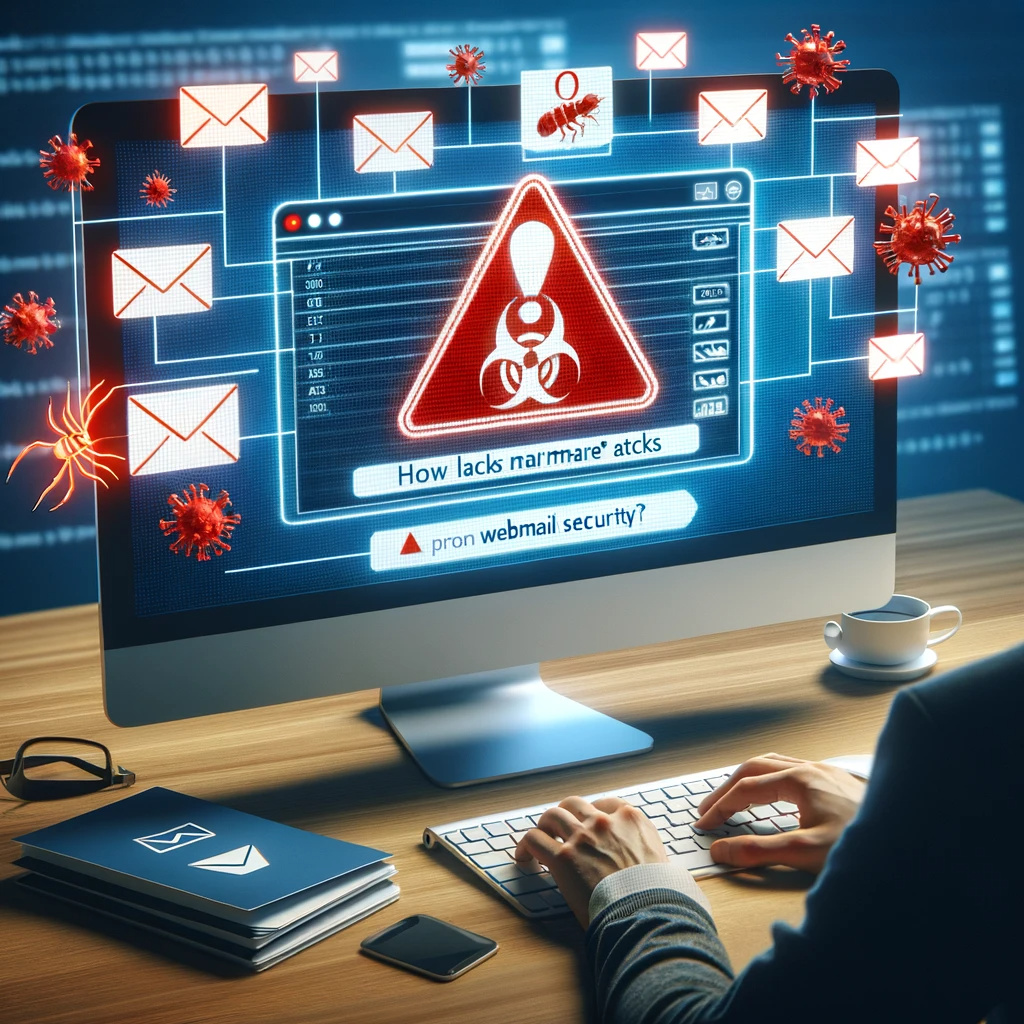
In the digital world we inhabit, cyberattacks are akin to the storm clouds gathering on the horizon—ominous and often unpredictable. Cybersecurity is like that trusty umbrella, but sometimes, it doesn’t keep us as dry as we’d like, despite our best precautions. Understanding how these attacks occur can help us prepare for the rainy days ahead.
First off, you’ve got the low-hanging fruit—what we call the “human factor.” Let’s be honest, we’re all a little forgetful or maybe a tad too curious online. Perhaps it’s an employee who clicks on a suspicious link in an email that looked just convincing enough to elude their skepticism. This is a classic example of social engineering. Cybercriminals are masters of manipulation, exploiting our natural tendencies in ways that can leave organizations vulnerable. Once inside, they can plant malware, steal credentials, or even launch a full-blown assault on the system.
Next, let’s dive into the more technical aspects—think of it as the nitty-gritty of the cyberattack machinery. Attackers might use phishing schemes or deploy malware to infiltrate networks. Malware isn’t just one thing; it could be a virus, worm, or even ransomware, each operating with different motives. Ransomware, for example, locks up your data and demands a ransom for its release. It’s like a digital hostage situation, and let me tell you, it’s not a fun place to be.
Also on the table are exploits targeting software vulnerabilities. These are akin to cracks in the foundation of a house that an intruder utilizes to break in. Cybersecurity professionals scramble to patch these vulnerabilities when they discover them, but hackers are always on the prowl, waiting for that golden moment when a system is most exposed.
Finally, we can’t ignore the role of botnets in this whole process. Picture a team of zombie computers—controlled by the bad guys—waiting to launch coordinated attacks across multiple networks at once. They can overwhelm even the toughest defenses, creating chaos at the click of a button.
So, while cybersecurity is our best defense, it’s crucial to remember that the landscape is always changing. Cyberattacks occur through a blend of human error, technical exploitation, and sheer audacity. By understanding these factors, we can better fortify our defenses and weather whatever storm may come our way.
How Do Cyberattacks Occur?
How Do Cyberattacks Occur?
- Cyberattacks are unpredictable, akin to storm clouds gathering on the horizon.
- Cybersecurity is likened to an umbrella, often insufficient in preventing breaches despite precautions.
- The “human factor,” including forgetfulness and curiosity, plays a significant role in enabling cybercriminals.
- Cybercriminals use social engineering to manipulate individuals and gain access to systems.
- Technical methods such as phishing schemes and malware (including viruses, worms, and ransomware) are commonly employed by attackers.
- Exploits targeting software vulnerabilities allow hackers to infiltrate networks, resembling cracks in a house’s foundation.
- Botnets, or networks of infected computers, can launch coordinated attacks, overwhelming defenses easily.
How Do Cyberattacks Occur?
What Are Common Types Of Cyberattacks?
When it comes to the wild world of the internet, cyberattacks are like the proverbial wolves at the door—always lurking, always waiting for the opportune moment to strike. The realm of cybersecurity is vast and often daunting, but understanding the common types of cyberattacks can help equip us against these threats. Let’s roll up our sleeves and dive into the muck, shall we?
First on our list is the classic phishing attack. Imagine you’re out fishing, and you toss the line into the water, hoping for a big catch. Cybercriminals do something similar but with emails. They send out bait—phishing emails—designed to look like they’re from a trusted source. Once you bite and click that malicious link, they can reel in sensitive information like passwords or financial details faster than you can say “identity theft.”
Next up, we have ransomware, the proverbial kidnapper of the digital world. This nasty piece of work creeps into your system like an uninvited guest and locks you out of your own files. The kicker? They’ll only give you back access if you cough up a hefty ransom. It’s a terrible position to find yourself in, and that’s why staying vigilant about cybersecurity is crucial.
Then there’s the ever-looming threat of Distributed Denial of Service (DDoS) attacks. Picture a traffic jam on a major highway. A DDoS attack floods a website with an overwhelming amount of traffic, effectively shutting it down. This can cripple businesses and disrupt services, all while the attackers sit back and enjoy the chaos they’ve created.
Let’s not forget about man-in-the-middle attacks. These sneaky tactics involve intercepting communications between two parties without either knowing it. It’s like listening in on a conversation at a café, where the attacker can collect valuable data or even manipulate the information exchanged.
Finally, we have the dreaded zero-day exploit. This one’s a doozy. It takes advantage of vulnerabilities in software that the developers aren’t even aware of yet. The attack occurs before a fix is available, leaving users vulnerable and exposed.
In this digital jungle, knowledge is your best defense. Recognizing these common types of cyberattacks is the first step towards fortifying your cybersecurity measures. Staying informed can mean the difference between a secure system and one that’s wide open to intrusion. So, keep your guards up, and don’t let the wolves in!

What Are Common Types Of Cyberattacks?
What Are Common Types Of Cyberattacks?
- Cyberattacks are a constant threat on the internet, likened to wolves at the door.
- Phishing attacks involve cybercriminals sending fraudulent emails to steal sensitive information.
- Ransomware locks users out of their files, demanding payment for access restoration.
- Distributed Denial of Service (DDoS) attacks flood websites with traffic, causing shutdowns.
- Man-in-the-middle attacks intercept communications between two parties to gather or manipulate data.
- Zero-day exploits target unknown software vulnerabilities before developers can create fixes.
- Awareness of these cyber threats is key to strengthening cybersecurity and protecting sensitive information.

What Are Common Types Of Cyberattacks?
Who Are The Typical Targets Of Cyberattacks?
In the wild, sprawling landscape of the digital realm, one thing is abundantly clear: cyberattacks are like a rabid wolf in a sheep’s pen, always on the hunt for the most vulnerable. But who exactly are these targets? Well, let’s roll up our sleeves and dive into the gritty reality of cybersecurity.
First up, we’ve got large corporations. You might imagine them huddled in imposing skyscrapers, surrounded by high-tech security and a battalion of IT experts. But here’s the kicker: it’s precisely their size and wealth that makes them the prime suspects in the world of cybercrime. Hackers want access to sensitive data, financial information, and corporate secrets, making these organizations an irresistible buffet for cybercriminals armed with malware, phishing schemes, and more.
Next, we turn our gaze to small businesses. Now, you might think these little guys are flying under the radar, but they are anything but invisible. In fact, many hackers see them as the low-hanging fruit of the cybersecurity landscape. With fewer resources dedicated to robust security measures, these small enterprises often lack the staff and budget to put up a serious digital fence, making them vulnerable to attacks that can wreak havoc for their operations.
Now, let’s not forget about government entities. Associated with high-stakes information and critical infrastructure, government agencies are goldmines for cyber intruders. A successful breach can yield access to confidential data, national security secrets, and even personal information about citizens. Given the increasingly tense state of international relations, these agencies are under a constant cyber siege, making them a perpetual target.
And then, we have the everyday individual—the home computer user or smartphone addict. Most people don’t see themselves as potential victims, but let’s face it: we are all walking around with a digital treasure chest. Online banking, personal emails, and social media accounts are all potential entry points for cybercriminals. Armed with tactics like social engineering and identity theft, hackers are eager to exploit any lack of vigilance in our daily online habits.
Finally, healthcare facilities are also on the radar. With their troves of sensitive patient data and relatively outdated systems, hospitals can often be an accident waiting to happen. Cyberattacks on healthcare not only jeopardize personal information but can also compromise patient care—a scenario straight out of a nightmare.
In a nutshell, the typical targets of cyberattacks are as varied as the tactics used to infiltrate them. From corporations and small businesses to government agencies and individuals, the landscape of cybersecurity is a treacherous one, where vigilance isn’t just a virtue – it’s a necessity.

Who Are The Typical Targets Of Cyberattacks?
Who Are The Typical Targets Of Cyberattacks?
- Cyberattacks are relentless and target the most vulnerable entities in the digital landscape.
- Large corporations are prime targets due to their size and wealth, attracting hackers looking for sensitive data and financial information.
- Small businesses often lack robust security measures, making them easy targets for cybercriminals.
- Government entities are rich sources of confidential data and are under constant threat from cyber intrusions.
- Everyday individuals remain unaware of their potential as victims, carrying sensitive information in online banking and social media accounts.
- Healthcare facilities, with sensitive patient data and outdated systems, are vulnerable to attacks that can compromise patient care.
- Overall, vigilance is essential for all types of targets in the treacherous landscape of cybersecurity.

Who Are The Typical Targets Of Cyberattacks?
What Motives Drive Cyberattacks?
In today’s digital age, understanding the motives behind cyberattacks is essential for anyone concerned with cybersecurity. It’s a wild west of intentions, where bad actors operate with a range of motivations that keep us on our toes. At the heart of these malicious endeavors lie a few primary drivers that fuel their nefarious pursuits.
First up, we have financial gain. To put it bluntly, some cybercriminals are in it for the money — and why shouldn’t they be? With a few clicks and keystrokes, they can siphon off sensitive information like credit card details or personal data, which can be quickly turned into cash. Ransomware attacks, where hackers lock out users from their own data until a ransom is paid, exemplify this motive perfectly. It’s not just a crime; it’s a calculated business model that exploits vulnerabilities in our systems.
Next on the list is political motives. In an era where information is power, cyberattacks often serve as tools for political maneuvering. State-sponsored actors may launch attacks to undermine opponents or influence elections, sending shockwaves through societies. This isn’t just a matter of mischief; it’s a strategic assault on democracy itself. When the stakes are as high as national security, the very foundations of civic life can be threatened in the blink of an eye.
Then there’s the ideology angle. Some hackers are driven by beliefs and principles, participating in what they perceive as a digital crusade for justice or change. These hacktivists may target corporations, governments, or organizations that they believe stand against their values. The line between hero and villain blurs in these scenarios, as they believe their actions resonate with a larger cause, even if it means breaking the law.
Lastly, we have sheer chaos. For some, it’s not about money, politics, or ideology; it’s about the thrill of the chase. These cyber vandals derive satisfaction from simply wreaking havoc, proving their skills, or demonstrating their superiority over the tech-savvy folks who work hard to protect our networks.
Understanding these motives is crucial in the fight for cybersecurity. By peeling back the layers of intent, we can better prepare ourselves and fortify our defenses against this ever-evolving threat landscape. While the reasons behind cyberattacks vary widely, the consequences remain devastatingly similar, making awareness and preparedness vital in safeguarding our digital lives.

What Motives Drive Cyberattacks?
What Motives Drive Cyberattacks?
- Understanding cyberattack motives is essential for cybersecurity awareness.
- Financial gain is a primary motive for cybercriminals, often involving theft of sensitive information.
- Ransomware attacks exemplify the financial motive, using a business model that exploits system vulnerabilities.
- Political motives drive some attacks, undermining opponents and influencing elections.
- Ideologically driven hackers, or hacktivists, seek to promote justice or change, targeting those they oppose.
- Some perpetrators act out of a desire for chaos and thrill, not driven by money or ideology.
- Awareness of these diverse motives is vital to prepare and strengthen defenses against cyber threats.

What Motives Drive Cyberattacks?
How Can Individuals Protect Against Cyberattacks?
When it comes to cybersecurity, protecting ourselves in the digital world isn’t just a luxury—it’s a necessity. Think of your online presence as your very own small town. Just like you wouldn’t leave your front door wide open, you shouldn’t leave your digital assets unguarded. Here’s how you can arm yourself against the relentless tide of cyberattacks.
First off, get familiar with your own vulnerabilities. Much like knowing the weak spots in your town, understanding where you’re most at risk online is crucial. Start with your passwords. Shuffling through simple combinations is a sure way to welcome trouble. Ignite your defenses by creating complex, unique passwords for each of your accounts. Use a mix of upper and lower case letters, numbers, and special characters. Better yet, consider a password manager to keep track of them all. Just remember, the more complicated it is, the harder it is for cybercriminals to break in.
Now, let’s talk about software updates. I know, I know—it’s a pain. But regular updates aren’t just annoying reminders; they’re shields against emerging threats. Software developers roll out these updates not just to bolster features but to patch vulnerabilities that cyber villains exploit. Make a habit of allowing automatic updates. It’s like having a proactive neighborhood watch constantly keeping an eye out.
Another essential safeguard? Employing two-factor authentication (2FA). This is like adding an extra lock to your front door. Even if a cybercriminal gets hold of your password, they’d still need that second verification method—like a text message or an authentication app—to get through. Two locks are always better than one.
Furthermore, staying educated about the latest scams and phishing attempts can save you a whole lot of grief. Cybersecurity is a constantly shifting landscape, and being in the know will help you stay one step ahead. This means recognizing suspicious emails with odd attachments or links—even if they seem to come from a friend. You wouldn’t invite a stranger into your home just because they wore a nice suit, would you? The same principle applies online.
Finally, consider using a VPN when browsing on public Wi-Fi. Just as you wouldn’t shout your secrets in a crowded space, don’t risk transmitting personal data over unsecured networks. A Virtual Private Network can cloak your connection, keeping your information safe from prying eyes.
By taking these steps, you’re not just protecting yourself; you’re creating a more secure community online. So roll up your sleeves and get to work—it’s time to take your cybersecurity into your own hands!

How Can Individuals Protect Against Cyberattacks?
How Can Individuals Protect Against Cyberattacks?
- Cybersecurity is essential in the digital world, akin to securing your home.
- Understand your vulnerabilities and create complex passwords for your accounts.
- Consider using a password manager to organize unique passwords securely.
- Regular software updates are crucial for patching vulnerabilities and protecting against threats.
- Implement two-factor authentication (2FA) for an extra layer of security on your accounts.
- Stay informed about the latest scams and phishing attempts to defend against cyber threats.
- Use a VPN when browsing on public Wi-Fi to safeguard your personal data from potential breaches.

How Can Individuals Protect Against Cyberattacks?
What Role Do Firewalls Play In Cybersecurity?
When we talk about cybersecurity, it’s easy to make it sound like something out of a sci-fi movie, all flashy screens and high-tech gadgets. But if we peel back the layers, we find a grounding element behind the chaos—a trusty firewall. Think of a firewall as the bouncer at an exclusive club, keeping the riff-raff out while letting in the good folks. It’s a vital part of our online defenses, operating often behind the scenes, yet playing a critical role in keeping our data safe.
Imagine a world where there are no barriers—no walls, no boundaries. That’s the digital landscape without firewalls. Whether you’re a small business owner or a bank processing millions of transactions, firewalls are your first line of defense against the never-ending parade of potential threats that wander the internet. Malware, hackers, and countless other cyber threats are lurking out there, just waiting for an opportunity to slip through the cracks.
Firewalls work by filtering incoming and outgoing traffic based on predetermined security rules. They monitor data packets traveling across networks, blocking suspicious activities while allowing legitimate traffic to pass through. This means they can catch known threats and even some that are yet to be identified. They are constantly adapting, learning, and updating to stay one step ahead of those who would exploit vulnerabilities.
But let’s not kid ourselves; firewalls alone aren’t a magic bullet for achieving total cybersecurity. Picture it like a sturdy front door; while it can keep most intruders at bay, a savvy criminal will always look for a window or a back door. That’s why a robust cybersecurity strategy must comprise multiple layers of security—such as intrusion detection systems, antivirus software, and employee training.
There’s also the distinction between hardware firewalls and software firewalls. Hardware firewalls act like the military checkpoint at the entrances to a facility, robust and unyielding. Software firewalls, on the other hand, function at the device level, monitoring and controlling applications as they interact with one another. Both are indispensable, working hand in hand to create a stronger cybersecurity framework.
In essence, while firewalls may not be the flashiest part of your cybersecurity arsenal, they are foundational. They safeguard our digital interactions, ensuring that the online world remains a place where we can work, shop, and connect—secure in the knowledge that we are protected by an unyielding shield against the dangers lurking just beyond our screens.

What Role Do Firewalls Play In Cybersecurity?
What Role Do Firewalls Play In Cybersecurity?
- Cybersecurity can seem complex but fundamentally relies on firewalls for protection.
- Firewalls serve as the first line of defense against online threats, comparable to a bouncer at a club.
- Without firewalls, the digital landscape would lack security barriers, exposing all users to cyber threats.
- They filter incoming and outgoing traffic based on security rules, identifying and blocking suspicious activities.
- While essential, firewalls are not foolproof and should be part of a multi-layered cybersecurity strategy.
- There are two types of firewalls: hardware firewalls (like military checkpoints) and software firewalls (monitoring device-level interactions).
- Overall, firewalls are a foundational element in ensuring safe digital interactions in an increasingly interconnected world.

What Role Do Firewalls Play In Cybersecurity?
Conclusion
In today’s digital landscape, where every click and keystroke can lead us into a labyrinth of cyber threats, understanding the nature and scope of cyberattacks has never been more critical. Like the diligent worker bees buzzing around, cybersecurity professionals tirelessly fortify our digital domains against a myriad of persistent threats. Cyberattacks are not just scripted villainous acts; they come with a spectrum of motivations—ranging from simple pranks to sophisticated maneuvers aimed at crippling our very foundations.
Picture your computer as a fortress: meticulously constructed walls, a fortified drawbridge, but your defenses are only as robust as awareness of the enemies outside, whether they be lone wolves or organized gangs equipped with advanced tools. Cybercriminals can be likened to thieves lurking in the shadows; some simply rummage through the digital trash, while others hatch elaborate heists—both equally dangerous, just in different ways.
The reality is that these attacks can hit anyone—grabbing headlines when they target mega-corporations or government agencies, but in truth, they often prey on unsuspecting individuals and small businesses that leave their doors unlocked. The vast web of potential victims stretches endlessly and presents a daunting challenge for every digital citizen.
On top of that, the motives behind these attacks are as diverse as the attackers themselves—there’s the financial incentive of a lucrative ransomware scheme, the political ploys of state-sponsored actors, or even ideologically-driven hacktivists believing they’re on a righteous crusade. And let’s not disregard the sheer thrill-seekers who unleash chaos for kicks. It’s a wild west of intentions, which means our awareness and preparedness against such deeds are paramount.
So, how do we arm ourselves against this never-ending tide? Simple but effective tactics like keeping robust and unique passwords, employing two-factor authentication, and staying vigilant against phishing scams work wonders. And every savvy homeowner knows that a sturdy lock on the door (or a reliable firewall) is just as crucial as a watchful eye.
In this ongoing digital showdown, knowledge is power, and vigilance is key. By grasping the complexities of cyberattacks and implementing practical defense strategies, we can effectively safeguard our personal information, businesses, and even national security. In this era of information empowerment, we owe it to ourselves to stay informed and act decisively—because the stakes are high, and we cannot afford to ignore the lurking dangers of our digital lives.

Conclusion
Conclusion:
- Understanding cybersecurity is essential in navigating the increasing cyber threats in the digital landscape.
- Cybersecurity professionals work diligently to protect against a variety of cyberattacks motivated by different intentions.
- Cyberattacks can range from simple pranks to complex operations aimed at undermining critical systems.
- Anyone can fall victim to cyberattacks, including individuals and small businesses, not just large corporations or government agencies.
- Attackers have diverse motives, including financial gain, political agendas, and personal thrill-seeking.
- Effective defense strategies include using unique passwords, employing two-factor authentication, and being vigilant against phishing scams.
- Awareness and preparedness are crucial in protecting personal information, businesses, and national security in the ongoing digital landscape.

Conclusion
Other Resources

Other Resources
Here is a list of other resources you can review online to learn more:
- Domitek
- Xact IT Solutions
- General Dynamics
- Netswitch Technology Management
- Philantech3
- Firestorm Cyber
- CyberMaxx
- NexusTek
- Appalachia Technologies
- Safeway
Use This Prompt To Get More Resources With Your Favorite Online AI Tool: Please provide me with a list of online articles with their URLs in a bulleted list that I can read regarding Are Cyberattacks Malicious Attempts to Access Or Damage Computers?

Other Resources
Glossary Terms
Are Cyberattacks Malicious Attempts to Access Or Damage Computers? – Glossary Of Terms
1. Cyberattack: A deliberate attempt to disrupt, damage, or gain unauthorized access to computer systems or networks.
2. Malware: Malicious software designed to harm, exploit, or otherwise compromise computer systems, including viruses, worms, and trojans.
3. Phishing: A technique used to trick individuals into providing sensitive information by masquerading as a trustworthy entity, often via email.
4. Ransomware: A type of malware that encrypts files on a victim’s computer, demanding payment for the decryption key.
5. DDoS (Distributed Denial of Service): An attack that aims to overwhelm a system with traffic, making it unavailable to users by flooding it with requests from multiple sources.
6. Firewall: A security system that monitors and controls incoming and outgoing network traffic based on predetermined security rules.
7. Spyware: Software that secretly monitors user activity and gathers personal information without consent.
8. Keylogger: A type of malware that records keystrokes made by a user to capture sensitive information like passwords and credit card numbers.
9. Trojan Horse: A malicious program disguised as legitimate software that, once executed, can damage or compromise a system.
10. Worm: A self-replicating malware program that spreads across networks without needing to attach to a host file or user interaction.
11. Zero-Day Exploit: An exploit that takes advantage of a security vulnerability on the same day that the vulnerability becomes known, before it can be patched.
12. Social Engineering: The psychological manipulation of individuals into divulging confidential information or performing actions that compromise security.
13. Login Credential: Information used to verify an individual’s identity, commonly consisting of a username and password.
14. Data Breach: An incident where unauthorized individuals gain access to sensitive, protected, or confidential data.
15. Botnet: A network of compromised computers controlled by an attacker, often used to launch coordinated attacks.
16. Intrusion Detection System (IDS): A device or software application that monitors a network or systems for malicious activities or policy violations.
17. Encryption: The process of converting data into a code to prevent unauthorized access, ensuring confidentiality.
18. Security Patch: A software update designed to fix vulnerabilities or bugs in a program or operating system, improving security.
19. Two-Factor Authentication (2FA): An additional security layer that requires not only a password but also a second factor, usually something you have, like a phone.
20. VPN (Virtual Private Network): A service that creates a secure, encrypted connection over a less secure network, such as the internet.
21. Incident Response: The approach and steps taken to address and manage the aftermath of a cybersecurity incident.
22. Cyber Espionage: The practice of using cyberattacks to obtain secret or confidential information from individuals, organizations, or governments.
23. Vulnerability Assessment: A process to identify, quantify, and prioritize vulnerabilities in a system or network.
24. Threat Intelligence: Information regarding potential threats that can help an organization prepare and defend against cyberattacks.
25. Bot: An automated program that runs on a network, which can be used for both legitimate purposes and malicious activities.
26. Patch Management: The process of managing the installation of updates or patches to software and applications to secure against vulnerabilities.
27. Denial of Service (DoS): An attack aimed at making a machine or network resource unavailable to its intended users by overwhelming it with traffic.
28. Insider Threat: A security risk that originates from within the targeted organization, often involving a current or former employee.
29. Cyber Forensics: The process of collecting, preserving, analyzing, and presenting digital evidence in a legal context.
30. Supply Chain Attack: A cyberattack that targets the vulnerabilities within an organization’s supply chain, affecting the third-party providers or software used.

Glossary Of Terms
Other Questions
Are Cyberattacks Malicious Attempts to Access Or Damage Computers? – Other Questions
If you wish to explore and discover more, consider looking for answers to these questions:
- What are the different types of cyberattacks?
- How does a cyberattack differ from a data breach?
- What are the long-term effects of a cyberattack on organizations?
- How can organizations improve their cybersecurity posture?
- What technologies are commonly used in cybersecurity?
- What legal implications exist for those involved in cyberattacks?
- How do cybercriminals choose their targets?
- What role does education play in preventing cyberattacks?
- What are the signs that a cyberattack may be happening?
- How do international laws address cyberwarfare and cybercrime?
- What resources are available for victims of cyberattacks?
- How can families protect their home networks from cyber threats?
- What role do governments play in cybersecurity?
- How can businesses recover after a cyberattack?
- What is the future of cybersecurity in light of evolving technology?

Other Questions
Haiku
Are Cyberattacks Malicious Attempts to Access Or Damage Computers? – A Haiku
Cyber threats lurk close,
Digital gates must be strong—
Knowledge shields us well.

Haiku
Poem
Are Cyberattacks Malicious Attempts to Access Or Damage Computers? – A Poem
In the Digital Shadows
In a world where screens illuminate the night,
Cyberattacks lurk, plotting in digital blight.
Malicious whispers through circuits creep,
A fortress of data, where secrets sleep.
Not mere pranks—each breach holds intent,
From thieves to rogue states, plans are meticulously spent.
The web sprawls wide, a tangled nest,
Where hackers stalk, in shadows dressed.
A castle with moats, strong walls to uphold,
Yet vulnerabilities hide in stories untold.
From phishing lines cast in the calmest of seas,
To ransomware’s grip, demanding your keys.
Governments, giants, and small shops alike,
All wear daunting targets, under dubious strike.
Every click, every link, a choice that we make,
In the dance of the daring, hearts race or break.
Chaotic thrill drives some to the fray,
While greed and belief guide others’ cruel play.
Digital marauders wade through our glee,
To pilfer our treasures—identity’s plea.
But knowledge is power in this daunting game,
With firewalls standing, our protection’s name.
Two-factor locks tighten our hold on the gates,
As vigilance guards against ominous fates.
So rise up, dear users, take heed and take care,
In the vast cyber wild, let’s learn to beware.
For still lies a spark of hope in our plight,
In unity and awareness, we stand to fight.

Poem
Checklist
Are Cyberattacks Malicious Attempts to Access Or Damage Computers? – A Checklist
Cybersecurity Checklist: Protecting Against Cyberattacks
Understanding Cyberattacks
_____ Familiarize yourself with common definitions of cyberattacks.
_____ Recognize that cyberattacks can be driven by various motives (financial gain, political reasons, ideology, chaos).
Identifying Potential Threats
_____ Be aware of the types of cyberattacks (phishing, ransomware, DDoS, man-in-the-middle, zero-day exploits).
_____ Understand who the typical targets are (large corporations, small businesses, government entities, individuals, healthcare facilities).
Personal Digital Safety
_____ Regularly update all software and systems.
_____ Utilize complex and unique passwords for all accounts (consider using a password manager).
_____ Enable two-factor authentication (2FA) on all accounts where available.
_____ Stay informed about current phishing scams and suspicious online behavior.
Network Security Measures
_____ Utilize a firewall and understand its functionality (hardware vs. software).
_____ Consider using a VPN when accessing public Wi-Fi networks.
Awareness and Education
_____ Engage in cybersecurity training and awareness programs if available.
_____ Share knowledge about cybersecurity among friends, family, and colleagues.
Incident Response Planning
_____ Develop a plan for responding to a cyber incident (who to contact, steps to take).
_____ Regularly backup important data and understand how to restore it.
Community Engagement
_____ Encourage a culture of cybersecurity vigilance among peers and family.
_____ Participate in local or online cybersecurity forums to stay updated on threats.
By following this checklist, you can strengthen your defenses against the myriad threats that exist in the digital landscape. Remember, cybersecurity is not just an IT responsibility; it’s a collective effort. Stay informed, stay secure!

Checklist
At BestCyberSecurityNews, we help teach entrepreneurs and solopreneurs the basics of cybersecurity and its impact on their businesses by using simple concepts to explain difficult challenges.
Please read and share any of the articles you find here on BestCyberSecurityNews with your friends, family, and business associates.