


Building Unbreakable Bonds: Trust In The Age Of Ai Security
By Tom Seest
At BestCyberSecurityNews, we help teach entrepreneurs and solopreneurs the basics of cybersecurity and its impact on their businesses by using simple concepts to explain difficult challenges.
Please read and share any of the articles you find here on BestCyberSecurityNews with your friends, family, and business associates.
Earning Lasting Trust Through Verifiable AI Security
In a world where digital landscapes shape our lives, the notion of trust in technology isn’t just a luxury; it’s a necessity. Cybersecurity is the invisible shield that guards our intimate data, our digital friendships, and even our livelihoods. Yet, as we embrace the marvels of Artificial Intelligence, we must ask ourselves: how can we ensure that this powerful tool is a trusted ally rather than a lurking adversary?
Picture this: you’re at a gathering, sharing stories with friends. One person tells a tale of bravery, another speaks of a failure turned triumph. These stories resonate, not just because of the content, but because of the trust woven into the narrative. It’s the same with AI security. Sharing verifiable methods and transparent protocols is the emotional glue that binds us to the technology we use. When companies disclose how they safeguard our data and demonstrate their commitment to integrity, they don’t just sell us a service; they foster a relationship built on trust.
Rationally, the stakes are high. Every hack, breach, or compromise is a wake-up call, echoing the need for robust cybersecurity measures. We hear stories of businesses devastated by cyberattacks, where trust evaporates overnight, and reputations crumble. Verifiable AI security systems act like insurance in this digital age. They provide not only a strategy for defense but also peace of mind, assuring us that our vulnerabilities are recognized and mitigated.
Ethically, there’s a heavy weight to bear when we think about the responsibility associated with data protection. Consumers today are not merely passive recipients; they are active participants demanding accountability. In a scene reminiscent of an age-old battle between the predator and the prey, we see a shift in power dynamics. Organizations that embrace transparency in their cybersecurity practices earn loyalty, bolstering their authority in a landscape rife with skepticism.
Imagine a community rallying around a shared commitment to cybersecurity—a town hall meeting where the tech-savvy share insights on how to protect each other. This is the heart of earning lasting trust. When people see that their security is a shared endeavor, it transforms the conversation from one of fear to one of empowerment.
Ultimately, the relationship between trust and verifiable AI security is not just a conversation; it’s a movement. When we challenge ourselves to innovate continuously and embrace transparency, we create a future where every click, every transaction, and every interaction is steeped in an unshakeable foundation of trust. Make no mistake—this is not merely a choice; it’s a responsibility that defines our digital lives.

Earning Lasting Trust Through Verifiable AI Security
Earning Lasting Trust Through Verifiable AI Security
- Trust in technology is essential in today’s digital landscape.
- Cybersecurity serves as a protective shield for personal data and livelihoods.
- Building trust in AI requires sharing transparent methods and protocols.
- Incidents of cyberattacks highlight the need for robust cybersecurity measures.
- Consumers demand accountability, shifting power dynamics in favor of transparency.
- Community efforts in cybersecurity foster a sense of shared responsibility and empowerment.
- Establishing trust and transparency in AI security is a critical responsibility for the future.

Earning Lasting Trust Through Verifiable AI Security
Table Of Contents
- Earning Lasting Trust Through Verifiable AI Security
- What Does Trust Mean for You?
- How Can AI Enhance Our Security Today?
- What Happens When Trust Is Broken?
- Why Should We Trust AI with Our Data?
- How Does Security Impact Your Everyday Life?
- In What Ways Can Transparency Build Trust?
- Who Do You Turn to for Reliable AI Information?
- Conclusion
- Other Resources
- Glossary Of Terms
- Other Questions
- Haiku
- Poem
- Checklist
What Does Trust Mean for You?
Trust is the invisible thread that weaves our lives together, creating connections that transcend mere interactions. It’s the foundation of every relationship—be it personal, professional, or societal. Imagine standing shoulder to shoulder with someone, both of you leaning into the wind, ready to face whatever challenges arise. That’s trust in action, a pact forged through vulnerability, shared experiences, and a mutual understanding of responsibilities.
In an era dominated by technology, where screens often mediate our connections, trust takes on new dimensions. Think about cybersecurity. We entrust our personal information, our financial details, and even our dreams to digital platforms. Yet, how often do we pause to consider the weight of that trust? True security goes beyond firewalls and encryption; it demands transparency and accountability. When companies prioritize ethical practices and robust cybersecurity measures, they don’t just safeguard our data—they nurture a relationship built on trust, one where we feel secure in sharing our most intimate details.
Trust also thrives on authentic narratives. Consider the stories of individuals who have faced adversity and emerged stronger because of the faith placed in them by mentors or community. Every hero’s journey involves moments of doubt and vulnerability, yet those stories resonate because they remind us of our shared human experience. They call forth our empathy and challenge us to extend our hands to others—to show up when it matters most.
Engaging with trust means looking someone in the eye and offering not just promises, but actions that back those promises up. It’s about consistency; being the person who delivers on expectations time and again. When we witness integrity in motion, it transforms abstract ideals into palpable reality. Every handshake sealed with sincerity, every word spoken in honesty, reinforces our belief in the power of trust to bring people together.
Ultimately, trust is a two-way street. It calls us to reflect on our ethical obligations, not just as individuals but as part of a larger community. We owe it to one another to cultivate environments where trust can flourish—where everyone feels empowered to contribute and share openly. When we foster this kind of climate, we not only enhance cooperation but also inspire actions that ripple through society.
So, what does trust mean for you? It’s the promise of collaboration amid the chaos, a commitment to integrity, and the courage to connect on a deeper level. In a world that often feels fractured, let’s strive to build bridges through trust, creating spaces where we can all thrive together.

What Does Trust Mean for You?
What Does Trust Mean for You?
- Trust is fundamental to all relationships, creating deep connections beyond mere interaction.
- In a technology-driven world, trust involves cybersecurity and the ethical handling of personal information.
- True security requires transparency and accountability from companies to build and maintain trust.
- Authentic narratives of overcoming adversity foster empathy and reinforce the value of trust.
- Engaging with trust involves consistent actions that reflect promises and integrity.
- Trust is a collective responsibility that enhances cooperation and empowers open sharing within communities.
- Building bridges through trust fosters a collaborative and thriving environment amidst challenges.

What Does Trust Mean for You?
How Can AI Enhance Our Security Today?
In a world where threats often lurk in the shadows, AI emerges as the vigilant guardian we didn’t know we desperately needed. Picture an invisible shield, made not of steel but of sophisticated algorithms, constantly monitoring the landscape of our digital existence. Imagine your home security system, not just a set of locks and alarms, but an intelligent entity that learns your habits, recognizes the unusual, and adapts like a seasoned detective, ensuring that your sanctuary remains just that—safe and sound.
Consider the heart of cybersecurity: it’s about protection, not just of data but of our lives. Each click, each personal message we send online carries a piece of our identity. When an AI system detects a breach, it acts not just as a firewall but as a lifeline. It delves into the data, making connections that the human eye might miss, spotting trends and patterns that signal danger before it even knocks at the door. That’s the magic of AI—it combines the instinct of a seasoned professional with the accuracy of an advanced calculator.
Now, let’s get real. Not all heroes wear capes; some write code. The ethical responsibilities that come with this power weigh heavily on the shoulders of those creating these technologies. However, when used rightly, AI can become a tool for good—a force that not only defends but also uplifts. Think of the stories of everyday folks who regain control over their digital lives because the technology, honed by thousands of hours of expertise, works tirelessly in the background to keep them safe. Trust builds here, as people see tangible results.
And let’s not forget the community aspect. Cybersecurity isn’t just a solitary endeavor; it’s social. We share our experiences, from the neighbor whose identity was stolen to the company that rose from the ashes of a data breach. As we come together, sharing our narratives of triumph and failure, we realize that this is a collective fight against dangers that threaten us all.
Finally, consider this: every advancement in AI cybersecurity represents a beacon of hope. It’s not just about preventing hackers from crashing the party; it’s about creating an environment where individuals can explore, innovate, and thrive without the looming dread of vulnerability. The more we invest in AI-driven solutions, the more we empower ourselves and our communities. This is where technology meets humanity—a partnership that fosters resilience, trust, and the freedom to navigate the digital realm with confidence.

How Can AI Enhance Our Security Today?
How Can AI Enhance Our Security Today?
- AI serves as a protective guardian in the digital world, acting as an invisible shield through advanced algorithms.
- Cybersecurity is focused on safeguarding not just data, but personal identity and safety.
- AI systems identify breaches by analyzing data patterns, offering proactive security measures.
- The ethical responsibilities of AI developers are significant but can lead to positive outcomes when used responsibly.
- Community plays a vital role in cybersecurity, with shared experiences enhancing collective vigilance.
- Advancements in AI cybersecurity foster environments that encourage innovation and personal freedom.
- Investment in AI-driven solutions strengthens both individual and community resilience against cyber threats.

How Can AI Enhance Our Security Today?
What Happens When Trust Is Broken?
Trust is a fragile thing, akin to a glass ornament—beautiful but easily shattered. Imagine standing at the edge of a vast canyon, knowing that one misstep could send you tumbling into a world of uncertainty. That’s what happens when trust is broken in any relationship, be it personal or professional. When someone violates that trust, it doesn’t just leave a crack; it creates an entire fault line that can reshape the landscape of our connections.
Take, for instance, a story of a small business owner named Sarah. She built her café from the ground up, forging relationships with her customers over years of friendly banter and a shared love for her coffee. One day, she learned that a trusted employee had been siphoning money from the till. The betrayal sent shockwaves not just through her finances, but through the fabric of her community. Customers felt the ripple effects, questioning whether they could trust Sarah’s judgment. Suddenly, a café became a focal point for doubts, fears, and conversations about betrayal, reminiscent of the very real threats of cybersecurity breaches that compromise our safety in the digital realm.
When trust falters, the heart breaks for what was lost, while the head races to process the implications. We grapple with the ethical dilemma of forgiveness versus accountability. Can we move forward when the foundation feels shaky, or do we hesitate, revisiting every interaction for hints of deception? The narrative often shifts to survival, where people navigate the choppy waters of suspicion and anxiety, trying to distinguish friend from foe.
This is where the gut instinct kicks in, demanding action. The vulnerability that arises in moments of betrayal often ignites a drive to rebuild, sparking a unique opportunity for deeper connections. It’s not just about restoring what was lost; it’s about forging something stronger and more resilient. This is the challenge; rather than recoiling in fear, why not use the experience as a catalyst for a new beginning, to foster a culture of transparency, where accountability reigns, and trust isn’t just an expectation but a collective achievement?
Let this experience be a lesson, a reminder that even in the wake of shattered faith, there lies a chance for renewal. When we choose to confront the aftermath, we may find ourselves not just surviving the fractures but actually building something far more valuable—a community grounded in trust, resilience, and shared purpose.

What Happens When Trust Is Broken?
What Happens When Trust Is Broken?
- Trust is fragile, similar to a glass ornament, easily broken and reshaping relationships.
- Trust violations create fault lines that disrupt personal and professional connections.
- Sarah, a café owner, experiences betrayal from an employee embezzling funds, impacting her community and customer trust.
- When trust falters, it leads to emotional turmoil and ethical dilemmas about forgiveness and accountability.
- People navigate the complexities of suspicion and anxiety, struggling to rebuild trust.
- Vulnerability in betrayal can drive the creation of deeper, more resilient connections.
- Facing betrayal offers an opportunity for renewal and fosters a culture of transparency and collective trust.

What Happens When Trust Is Broken?
Why Should We Trust AI with Our Data?
In a world increasingly woven together by technology, the notion of trust has never been more crucial. Cybersecurity has become a buzzword, often evoking images of faceless hackers lurking in the shadows, poised to pounce on unsuspecting individuals. Yet, what if we flipped the script? What if we viewed artificial intelligence not as a potential villain, but as a valuable ally in safeguarding our most sensitive information?
Picture this: you’re standing in your front yard, the sun setting, and your neighbor chats with you about the latest security system. It’s a good system—sleek, reliable, and outfitted with cutting-edge technology. But how do you really know it works? Trust is built over time, through actions, reliability, and transparency. Just as you would feel reassured when your neighbor shares their positive experiences, we must approach AI with a similar mindset. The more we engage with it, the clearer its capacity to enhance cybersecurity becomes.
Take the story of a small business owner faced with the daunting task of protecting client data amidst daily operations. For many, cybersecurity feels like an insurmountable wall. Enter AI, which steps in like a seasoned guide, helping the owner navigate the complexities of threat detection and data protection. AI monitors patterns, identifies anomalies, and learns from each encounter, growing smarter every day. This is not just technology; it’s an evolution in how we defend what matters most—our information.
Now, let’s go deeper. When a trusted friend hands you the keys to their car, you don’t just accept them blindly. You know they’ve maintained it well, protected it from harm, and treated it like an extension of themselves. Similarly, AI represents an opportunity to cultivate a relationship rooted in diligence and accountability. The algorithms are trained on the blood, sweat, and tears of cybersecurity experts who understand the intricate dance of data protection.
Moreover, engaging with AI is not a solitary endeavor. It’s a community effort. Think of the vast networks of individuals and organizations constantly sharing knowledge about cybersecurity threats and solutions. As AI processes this collective wisdom, it becomes a more formidable defender, transforming our understanding of what is possible. There’s a profound comfort in knowing we are not alone in this fight; we share it with countless others.
At its core, trusting AI with our data invites us to acknowledge that while risks are ever-present, the potential for AI to enhance our security is undeniable. In this narrative, we don’t replace human judgment; we amplify it, embracing the partnership between people and technology to create a safer world for all. It’s a leap of faith—one based on stories of resilience and innovation, urging us to step forward together.

Why Should We Trust AI with Our Data?
Why Should We Trust AI with Our Data?
- Trust is essential in a technology-driven world, especially regarding cybersecurity.
- Artificial Intelligence (AI) can be seen as an ally, enhancing the protection of sensitive information.
- Trust is built over time through reliability and transparency, similar to personal relationships.
- AI aids small business owners in managing client data by detecting threats and identifying patterns.
- AI technology evolves through learning from cybersecurity experts and collective experiences.
- Engaging with AI involves a community effort, sharing knowledge about cybersecurity threats and solutions.
- AI amplifies human judgment, promoting a partnership between technology and people for enhanced security.

Why Should We Trust AI with Our Data?
How Does Security Impact Your Everyday Life?
We often go about our daily routines unaware of the invisible barriers that keep us safe. Picture this: you wake up in your cozy home, the sun streaming through the window, and as you shuffle into the kitchen for that first sip of coffee, you don’t think twice about the locks on your doors or the alarms silently monitoring your property. This everyday security is woven into the fabric of your life, giving you peace of mind to focus on what really matters, like family, work, and personal passions.
Now, let’s pivot to a more modern aspect of security—cybersecurity. Imagine a world where you connect with love ones across vast distances through video calls, where you shop for essentials with a few clicks, and where your personal information glides through the digital ether. Yet, lurking behind this convenience is the reality that cyber threats are as real as a storm on the horizon. There’s a gut-level fear in knowing that your data is constantly at risk, and yet, we trust systems and companies to protect us. This trust is not given lightly; it is earned through accountability and transparency.
Think of your favorite local bakery. It’s not just about the bread and pastries; it’s the relationship between the baker and the community. Just like that baker safeguards the secrets of his recipes, cybersecurity professionals work tirelessly to protect your data with knowledge and expertise. They understand that digital safety is akin to the trusted lock on your front door, a barrier against those who wish to do harm. They are like modern-day sentinels, using their authority and skill to fortify our lives.
However, the phrase “better to be safe than sorry” rings true in our interconnected world. It’s not just a cliché; it’s a call to action. Being proactive about security means you can continue to share moments—photos of your child’s first steps or that unforgettable Thanksgiving dinner—without fear of those precious memories being hijacked. This proactive approach turns us from passive participants into active defenders of our own lives, creating a narrative of empowerment.
Security impacts our everyday life not just through physical locks or firewalls but through the connections we forge. It lives in our hearts when we value the safety of our loved ones, in our heads when we understand the importance of precaution, and in the gut when we choose to act. As we navigate through uncertainty, recognize that each proactive step we take brings us closer to a world where we can thrive, unencumbered by fear, trusting in the frameworks designed to protect us.

How Does Security Impact Your Everyday Life?
How Does Security Impact Your Everyday Life?
- Everyday security, like home locks and alarms, provides peace of mind for focusing on personal matters.
- Cybersecurity is essential in a connected world, protecting personal information amidst real cyber threats.
- Trust in systems and companies is critical, built through accountability and transparency.
- Cybersecurity professionals act as modern sentinels, safeguarding data like bakers protect their recipes.
- Proactive security measures empower individuals to protect their personal memories and information.
- Security influences relationships and community connections beyond just physical and digital barriers.
- Each proactive step toward security helps create a trusting, fear-free environment for thriving.

How Does Security Impact Your Everyday Life?
In What Ways Can Transparency Build Trust?
Transparency is not just about openness; it’s about forging connections that resonate with our humanity. Imagine you’re at a bustling café; you scan the menu, feeling overwhelmed. A friendly barista comes over, genuinely sharing her favorite picks and what makes each dish special. You feel engaged, your curiosity piqued. That exchange builds trust. In the same way, transparency in any relationship—be it personal, professional, or organizational—creates an environment where trust can thrive.
Take the realm of cybersecurity as an example. A company, entrusted with our most sensitive data, has two choices: to obscure the complexities of its operations or to lay them bare. When a company communicates openly about its practices, the risks they face, and the measures they take to mitigate those risks, they’re not just providing information; they’re building an ethical foundation. Their honesty fosters confidence. When we understand the ‘why’ and ‘how’ behind security protocols, it’s easier to trust those at the helm.
Consider a story from a cybersecurity specialist who, faced with a significant data breach, chose to speak candidly with his clients. Instead of shoving the incident under the rug, he laid out what went wrong, what the company was doing to fix it, and how they would protect user data moving forward. Clients didn’t just feel informed—they felt valued. They became advocates for the company, rallying around a brand that showed it cared enough to be transparent, even in the wake of adversity.
Finally, transparency not only appeals to our hearts and minds but also resonates with our guts. Trust is instinctual; we often know when we’re being fed a line or when something just doesn’t feel right. In a world where transparency is increasingly scarce, being genuine stands out. Successful leaders are those who embrace vulnerability, admitting mistakes and sharing stories of their struggles and triumphs. This creates a space where others feel safe to do the same.
In nurturing an atmosphere of transparency, we invite collaboration and shared responsibility. A culture built on openness is a culture where everyone feels empowered to contribute, innovate, and ultimately, trust. When people see that transparency is woven into the fabric of their interactions, it instills a kind of faith that can withstand challenges. Authenticity inspires action, and that’s how we create bonds that last—through transparency.

In What Ways Can Transparency Build Trust?
In What Ways Can Transparency Build Trust?
- Transparency fosters connections that resonate with our humanity and builds trust in relationships.
- In cybersecurity, companies can choose to obscure or openly communicate their operations and risks.
- Open communication about practices and risks establishes an ethical foundation and fosters confidence.
- A cybersecurity specialist revealed details about a data breach, making clients feel informed and valued.
- Transparency appeals to instincts; genuine communication resonates more in a world where it’s scarce.
- Successful leaders embrace vulnerability, creating an environment where others feel safe sharing their challenges.
- Building a culture of transparency encourages collaboration, innovation, and lasting bonds among people.

In What Ways Can Transparency Build Trust?
Who Do You Turn to for Reliable AI Information?
In a world swamped with information, finding trustworthy sources on AI can feel like searching for a needle in a digital haystack. This isn’t just a technical challenge; it’s a personal journey. When you think about it, the people we choose to inform us can shape not only our understanding but also our perspectives and values. Whether it’s a friend who delves into cybersecurity or a colleague who keeps tabs on advancements, the voices we trust often come from familiar places.
Let’s take a stroll down the avenue of personal experiences. Picture this: you’re at a coffee shop, sipping that first meaningful cup of the day when a friend pulls up a chair and begins to share insights from a recent AI conference. The anecdotes are infused with passion—the kind that transforms abstract concepts into relatable stories. You begin to visualize the potential of AI, not as a buzzword, but as a tool capable of redefining possibilities. This organic exchange provides not only data but also ethical grounding. It’s not about the tech itself but how it impacts lives.
When seeking reliable information, consider the appeal of authority. University researchers, tech analysts, and cybersecurity experts curate knowledge, often turning complex jargon into digestible bits. Their insights are grounded in evidence and experience, allowing us to engage our rational minds while building a foundation of trust. Yet, it’s crucial to remain discerning. Even the most authoritative voice can echo misleading claims. Dig deeper; examine the sources, listen to the narratives that come from real-world applications, especially those informed by cybersecurity practices that protect our digital lives. After all, the stakes can be high.
Emotional resonance is key, too. Everyone has experienced the turmoil of receiving bad advice or being misled by flashy headlines. A personal story—a business that thrived using AI responsibly, contrasted with the cautionary tale of a startup that floundered due to misinformation—can illuminate the nuance of decision-making. Engaging with stories creates a bond, connecting the dots between data and real-life implications.
Finally, consider the social fabric that ties us all together. Join discussions, attend local meetups, or engage in online forums where AI enthusiasts and experts mingle. In this community, sharing and learning becomes a communal experience, fostering an environment of support and insight.
Stepping into the vast universe of AI requires a blend of emotional intuition, rational assessment, and a shared narrative. It’s about finding the right voices that resonate with your gut, your head, and your heart, ensuring you evolve with this dynamic landscape.

Who Do You Turn to for Reliable AI Information?
Who Do You Turn to for Reliable AI Information?
- Finding trustworthy sources on AI is a personal journey amid overwhelming information.
- People chosen to inform us shape our understanding, perspectives, and values.
- Personal experiences and anecdotes can bring AI concepts to life, making them relatable.
- Reliable information often comes from authoritative figures like researchers and analysts.
- It is essential to remain discerning, even with credible sources, to avoid misinformation.
- Emotional resonance and personal stories can illuminate decision-making nuances.
- Community engagement through discussions and meetups fosters shared learning and support.

Who Do You Turn to for Reliable AI Information?
Conclusion
In a world dominated by digital interactions and emerging technologies, trust is not just a fleeting notion; it’s an essential currency that shapes our experiences and choices. Think about how trust feels—it’s the reassuring grin of a neighbor during a casual chat, or the loyalty found in a favorite local café. This intimate connection extends into how we engage with Artificial Intelligence (AI) and cybersecurity. Just as you’d shield your home with locks and alarms, you rely on these advanced systems to safeguard your digital life.
Consider the everyday stories that illuminate our reliance on trust in technology. There’s Mike, a family man who shares snapshots of his kids online while banking seamlessly on a secure platform. Or Sarah, a small business owner, who leans on AI to defend against potential cyber threats. These narratives are not isolated; they encapsulate a broader reality where every click, every transaction, hinges on a fragile trust that must be continuously earned and maintained.
In this journey toward building trust in AI, transparency plays a pivotal role. When companies openly communicate about their security measures, they invite us into their world—a world filled with shared responsibility. Imagine attending a town hall meeting where experts share insights, fostering a community-centered approach to cybersecurity. This communal spirit transforms anxiety into empowerment, steering the conversation toward collaboration rather than fear.
Yet, amidst these narratives, the essence of trust boils down to authenticity. We’re no longer passive recipients; we’re active participants demanding accountability. The ethical implications of this partnership—co-creating a security framework where every individual feels valued and protected—cannot be overstated.
Ultimately, AI is more than just a tool; it transforms our understanding of security and connection. By embracing this partnership, we step confidently into a future where trust becomes the bedrock of our digital experiences. It’s about crafting a culture of vigilance and resilience, where transparency empowers us all, and technology is not something to fear but a partner in our quest for safety. This is a call to each of us: As we navigate this digital landscape, let’s strive to forge unbreakable bonds of trust that enhance not just our lives but the very fabric of our communities.

Conclusion
Conclusion:
- Trust is an essential currency in a digital world that influences experiences and choices.
- Personal connections, like a neighbor’s smile or loyalty at a café, highlight the importance of trust.
- Stories of individuals, like Mike and Sarah, show our reliance on trustworthy technology for daily activities.
- Transparency from companies about security measures fosters a sense of shared responsibility and community.
- Authenticity is crucial; individuals now demand accountability in technology partnerships.
- AI reshapes our understanding of security, leading to a future where trust is foundational to digital experiences.
- This journey calls for collective efforts to build resilience and trust within our communities.

Conclusion
Other Resources

Other Resources
Here is a list of other resources you can review online to learn more:
- Decypher Technologies
- CyberDome Nigeria
- Loop Secure
- Mazars USA
- Tactical Intelligence Security
- Appalachia Technologies
- Incenter Technology
- Accent Computer Solutions
- NexusTek
- YouTube
- Atos
- Foresite MSP Inc.
- onShore Security
- Avertium
- Blackpoint Cyber
- BT Security
- Red Canary
- IntelliSecure Inc.
Use This Prompt To Get More Resources With Your Favorite Online AI Tool: Please provide me with a list of online articles with their URLs in a bulleted list that I can read regarding Earning Lasting Trust Through Verifiable AI Security

Other Resources
Glossary Terms
Earning Lasting Trust Through Verifiable AI Security – Glossary Of Terms
1. Authenticity: The quality of being genuine or undisputed, ensuring that data and AI actions can be trusted.
2. Blockchain: A decentralized digital ledger that records transactions across many computers, ensuring data integrity and security.
3. Cryptography: The practice of secure communication in the presence of adversaries, often used to protect data in AI systems.
4. Data Integrity: The accuracy and consistency of data over its lifecycle, crucial for maintaining trust in AI outcomes.
5. Decentralization: The distribution of authority away from a central authority, enhancing security and trust in AI systems.
6. Encryption: The process of converting information into a code to prevent unauthorized access, vital for safeguarding data.
7. Federated Learning: A machine learning technique that allows algorithms to learn from decentralized data without transferring it, promoting privacy.
8. Governance: The frameworks and processes that ensure the responsible management of AI systems and data usage.
9. Interoperability: The ability of different systems and organizations to work together seamlessly, crucial for trust in AI applications.
10. Machine Learning: A subset of AI that enables systems to learn from data and improve over time, requiring secure data handling.
11. Network Security: The protection of computer networks from intrusions or attacks, essential for ongoing trust in AI.
12. Open Source: Software for which the source code is available, promoting transparency and collaboration in AI development.
13. Privacy: The right of individuals to control their personal information, vital for achieving trust in AI systems.
14. Regulation: Government-imposed rules designed to manage AI technologies and protect stakeholders, fostering trust through compliance.
15. Reputation: The perception of an entity’s reliability based on past actions, influenced by how well AI systems perform.
16. Security Audit: A systematic evaluation of an organization’s information system security, helping to ensure trustworthiness.
17. Transparency: The clarity of AI processes and data handling, enabling stakeholders to understand how decisions are made.
18. Trustworthiness: The reliability and dependability of an AI system or organization in delivering accurate and secure outcomes.
19. User Consent: The permission granted by users regarding the use of their data, fundamental for building trust.
20. Validation: The process of checking that a system or component meets specified requirements, crucial for ensuring the quality of AI outputs.
21. Vulnerability: A weakness in a system that could be exploited by threats, underlining the importance of security measures.
22. Accountability: The obligation of organizations to accept responsibility for their AI systems and their impacts, fostering trust.
23. Data Anonymization: The process of removing personally identifiable information from data sets, enhancing privacy and security.
24. Threat Intelligence: Information that helps organizations understand potential threats to their systems, essential for proactive security.
25. Audit Trail: A record of all accesses and changes made to data, providing a means to trace actions and ensure accountability.
26. Compliance: Adherence to laws and regulations governing data privacy and AI, crucial for instilling trust among users.
27. Artificial Intelligence Ethics: The principles guiding the responsible development and use of AI technologies, promoting fairness and accountability.
28. Risk Assessment: The process of identifying and evaluating risks associated with AI systems, necessary for informed decision-making.
29. Incident Response: The method by which organizations handle security breaches, critical for maintaining trust after an event.
30. Usability: The ease with which users can interact with AI systems, impacting user trust and adoption.

Glossary Of Terms
Other Questions
Earning Lasting Trust Through Verifiable AI Security – Other Questions
If you wish to explore and discover more, consider looking for answers to these questions:
- What specific technical measures make AI security “verifiable”?
- How can a company prove its AI security claims to customers and auditors?
- Which standards or certifications should consumers look for when assessing AI security?
- How does verifiable AI security differ from ordinary cybersecurity practices?
- What are the common vulnerabilities unique to AI systems (e.g., model poisoning, adversarial attacks)?
- How are AI models protected against data breaches and model theft?
- What role does explainability play in building trust for AI security?
- How can organizations balance transparency with the need to protect sensitive security details?
- What audit processes are effective for verifying AI security controls?
- How often should AI security be tested, audited, or validated?
- Who is responsible internally for AI security and verifiability (CISO, ML engineers, compliance)?
- What external parties (third‑party auditors, researchers, certifiers) should be involved?
- How can consumers verify that a company’s transparency claims are genuine and not just marketing?
- What privacy-preserving techniques (differential privacy, federated learning, homomorphic encryption) help earn trust?
- How does verifiable AI security address bias, fairness, and discriminatory outcomes?
- What legal and regulatory frameworks intersect with verifiable AI security (GDPR, CCPA, industry-specific rules)?
- How should companies notify users and regulators after an AI-related security incident?
- What are best practices for incident response and recovery when trust is broken?
- How can organizations rebuild trust after a breach or failure related to AI?
- What metrics and KPIs indicate strong, trustworthy AI security?
- How can small businesses implement verifiable AI security affordably?
- What trade-offs exist between usability, performance, and security in AI systems?
- How do model updates, retraining, and continuous learning affect security and verifiability?
- How can supply chain risks (third‑party models, datasets, libraries) be mitigated and verified?
- What governance structures (policies, committees, oversight boards) are effective for AI security?
- How should organizations document and publish transparency reports without exposing attack vectors?
- What is the role of bug bounty programs and responsible disclosure in AI security?
- How can end users exercise control over their data used to train AI models?
- What consent models are appropriate for using personal data in AI security systems?
- How are encrypted or on‑device AI deployments different from cloud deployments in terms of verifiability?
- What kind of independent testing (red teaming, adversarial testing) is necessary for AI systems?
- How can audit trails and immutable logs be used to prove security actions and decisions?
- What level of transparency about training data provenance is feasible and ethical?
- How do organizations prevent misuse of verifiable security mechanisms by malicious actors?
- What are the liability and insurance implications when AI security fails?
- How can communities and customers be engaged to co‑create trustworthy AI practices?
- What real‑world examples exist of companies earning back trust through transparency and verifiable security?
- How will advances in AI change the future landscape of cybersecurity and trust?

Other Questions
Haiku
Earning Lasting Trust Through Verifiable AI Security – A Haiku
Trust weaves our lives,
Guarded by AI’s embrace,
Together we rise.

Haiku
Poem
Earning Lasting Trust Through Verifiable AI Security – A Poem
In a realm of pixels and profound intertwine,
Trust emerges, delicate yet divine.
An invisible thread unites our fates,
Guarding our secrets, as danger waits.
AI, our sentinel in shadows unfurled,
Promises safety in this cyber world.
With every click, every shared whisper,
We seek assurance, a trusted partner.
We forge relationships, both human and digital,
From heart to heart, to minds analytical.
Transparency leads, a beacon of light,
Building connections, dispelling the night.
Yet, when trust shatters, like glass on the floor,
The echoes of betrayal leave us wanting more.
We yearn to rebuild what was lost to the storm,
To foster a culture where all can transform.
In the age of technology’s complex embrace,
Let empathy guide us, let integrity grace.
Trust is a pact, a promise renewed,
Empowering communities, with strength imbued.
So as we journey through this vast digital sea,
Let trust be the compass, for you and for me.
Together we rise, hand in hand we shall stand,
In the world of AI, united we command.
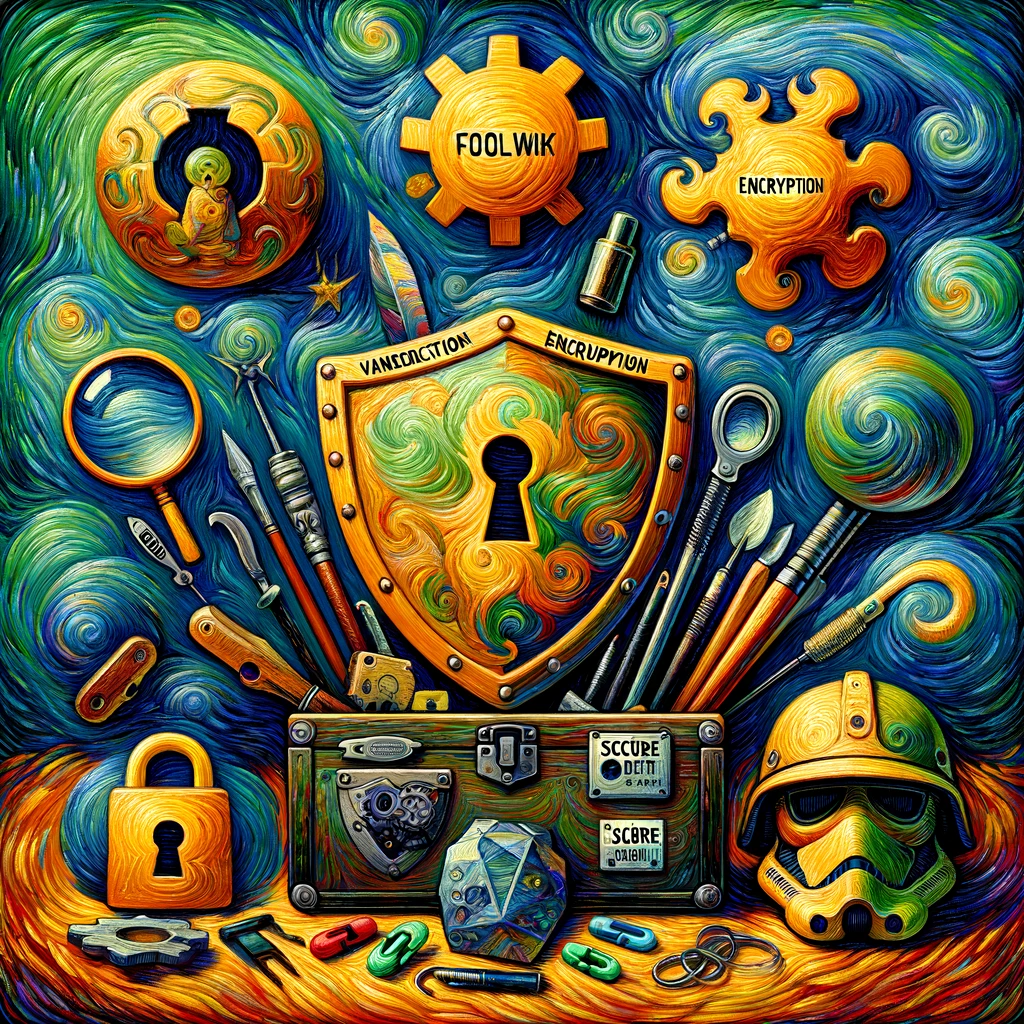
Poem
Checklist
Earning Lasting Trust Through Verifiable AI Security – A Checklist
Emotional Appeals
✅______ Reflect on personal stories of trust and betrayal in technology
✅______ Identify the emotional impact of sharing personal data online
✅______ Consider how transparency in AI security can foster emotional connections
Rational Appeals
✅______ Assess the potential risks of inadequate cybersecurity measures
✅______ Analyze statistics related to breaches and their impact on companies and individuals
✅______ Research verifiable methods and transparent protocols used in AI security
Ethical Appeals
✅______ Evaluate the responsibilities of companies in protecting user data
✅______ Investigate the ethical implications of AI in handling sensitive information
✅______ Promote accountability and transparency in cybersecurity practices
Authority Appeals
✅______ Look for expert opinions from cybersecurity professionals about AI security
✅______ Follow credible sources and organizations that prioritize transparency and ethics
✅______ Attend talks or webinars featuring leading voices in the field of AI and cybersecurity
Narrative Appeals
✅______ Share compelling stories of individuals or businesses positively impacted by AI security
✅______ Highlight narratives of companies that overcame breaches through transparent communications
✅______ Encourage community discussions around personal and collective cybersecurity experiences
Social Appeals
✅______ Join local or online communities focused on cybersecurity best practices
✅______ Engage in discussions about trust and security within your network
✅______ Share knowledge and experiences related to AI and cybersecurity with peers

Checklist
At BestCyberSecurityNews, we help teach entrepreneurs and solopreneurs the basics of cybersecurity and its impact on their businesses by using simple concepts to explain difficult challenges.
Please read and share any of the articles you find here on BestCyberSecurityNews with your friends, family, and business associates.


